
Reviewed · MT FUJI DAY TRIPS
Mt Fuji & Hakone Cruise, Drum Show Bus 1 Day from Tokyo
Fuji and Hakone in one long day.
This Mt Fuji & Hakone Cruise day trip packs the headline sights into a single coach ride from Tokyo, with fewer transit hassles than piecing together buses and trains yourself. You’ll hit Mt. Fuji’s 5th Station, glide across Lake Ashi on the Sorakaze cruise, and ride up to Komagatake for big views over Hakone National Park.
Two things I really like about this format are how it handles key logistics for you and how the day mixes nature with Japanese culture. Round-trip air-conditioned bus service plus included admission means you spend less time figuring things out. And the optional lunch setup brings in Japanese-style food with a drum show moment at the lunch break area.
One drawback to consider: the whole plan depends on weather. If clouds cover Fuji or transport routes shut down, you’ll still tour, but stops can shift to alternative facilities instead of the exact main viewpoints.
In This Review
- Quick hits before you go
- Mt Fuji and Hakone by coach: what you’re really buying
- Price and what $122.55 gets you in the real world
- Morning from Shinjuku: your best move is to arrive early
- Stop 1: Mt. Fuji 5th Station at 2,300 meters (and why 30 minutes feels short)
- Lunch at Fuji Zakura Hotel: good food plus taiko energy
- Lake Ashinoko cruise on Sorakaze: short ride, big postcard potential
- Komagatake Ropeway in Hakone: elevation theater with limited time
- Stop 5 and the finish at Shinjuku: flexibility in where you end
- When Fuji, cruise, or ropeway can’t run: your built-in plan B
- 1) Subaru Line closure or visibility issues around Mt. Fuji
- 2) Lake Ashi cruise and Komagatake Ropeway not operating
- Timing reality check: why the day can feel rushed
- Who should book this Mt Fuji & Hakone combo (and who shouldn’t)
- Small practical tips that pay off immediately
- Should you book this tour or choose a different plan?
- FAQ
- What time does the tour start?
- How long is the Mt Fuji & Hakone day trip?
- Where do we meet in Tokyo?
- Are admission fees included?
- Is lunch included?
- What meal options are available if I choose With Lunch?
- How long is the Mt. Fuji 5th Station stop?
- What happens if the Mt. Fuji Subaru Line is closed?
- What happens if the Lake Ashi cruise or Komagatake Ropeway don’t operate?
- Can I cancel for a full refund?
Quick hits before you go
- Short, high-impact Mt. Fuji stop: Mt. Fuji 5th Station is about 30 minutes at 2,300 meters.
- Lake Ashi cruise on Sorakaze: A relaxed 15-minute boat ride with postcard angles toward Fuji and Komagatake.
- Komagatake Ropeway with summit time: About 50 minutes at the ropeway stage and mountaintop for views (weather permitting).
- Lunch option includes wadaiko: If you choose With Lunch, you’ll usually get Japanese-style meal service plus a drum performance.
- Plan B built into the schedule: If Subaru Line, cruise, or ropeway can’t run, you’ll be guided to alternatives like Oshino Hakkai or Hakone-en Aquarium.
- Small-ish group for a coach day: Maximum of 44 people, so it doesn’t feel like a giant cattle truck (still a bus day though).
Other routes to the mountain, compared
- Mt Fuji & Hakone Cruise, Drum Show Bullet Train 1 Day from Tokyo★ 4.0 · 7,413 reviews
- Tokyo Mt Fuji 5th St & Hakone Cruise Bus Tour w/Bullet Train★ 4.4 · 5,024 reviews
- From Tokyo: Mount Fuji Full-Day Sightseeing Trip★ 4.5 · 4,970 reviews
Mt Fuji and Hakone by coach: what you’re really buying
You’re not buying a slow, scenic road trip. You’re buying an organized day that’s designed to get you to multiple Fuji-area landmarks with minimal stress.
The value here is simple: round-trip coach transport from Tokyo plus included admission fees for the big paid stops. That matters because Hakone-area tickets and cable/ropeway costs add up fast when you book everything separately.
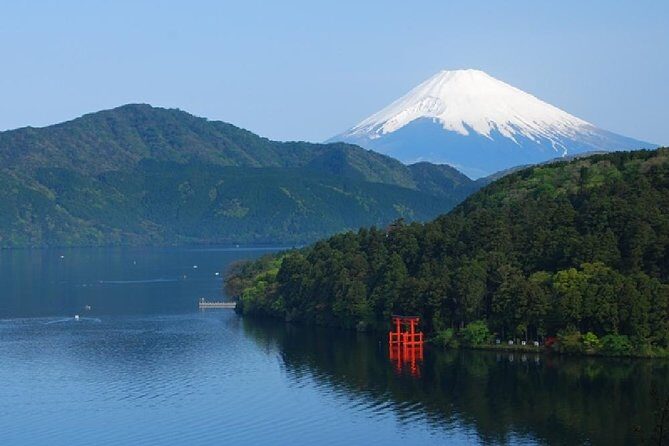
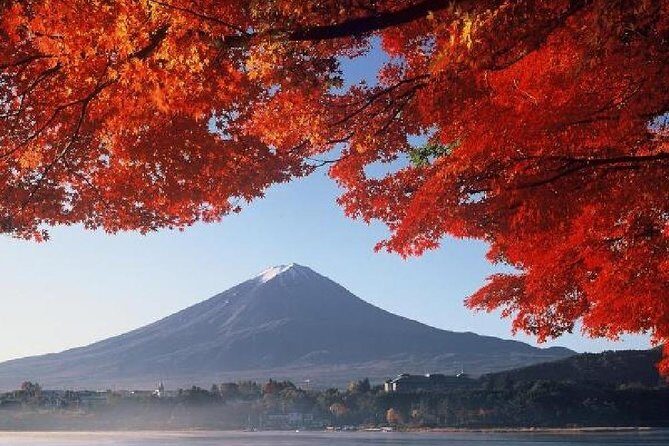
Also, the route is built around iconic, recognizable “Fuji & Hakone” photos: torii gates and shrines at the 5th Station, Mt. Fuji framed in the distance from Lake Ashi, and the Komagatake mountaintop view sweep. It’s a greatest-hits day.
The tour typically runs from Shinjuku with a morning start at 8:10 am and a total duration of about 12 hours 35 minutes. Depending on traffic and congestion, the order can shift a bit, but the big themes stay the same.
Price and what $122.55 gets you in the real world
At $122.55 per person, this isn’t a budget backpacker play. It’s a convenience purchase: someone else sorts timing, tickets, and transfers, and you get a licensed English guide interpreter plus the transport.
Here’s the tradeoff you’re making:
- You pay for fewer decisions: no hunting for buses, no timing connections, no last-minute ticket scrambling.
- You also accept that time at each viewpoint is limited, because the day has to cover multiple regions.
Where the price really starts to make sense is when you price out the day yourself: transport out of Tokyo, entry fees, and the time lost moving between areas. This tour bundles key admissions and includes options like lunch, so your “surprise costs” are smaller than if you DIY it.
One more value point: the bus is air-conditioned and heated, which is not a small deal when you’re heading toward colder elevations than Tokyo. Even if you don’t love bus days, you’ll appreciate not freezing on the ride up.
Morning from Shinjuku: your best move is to arrive early
Your pickup starts at JTB Sunrise Tours Sales Office in Nishishinjuku (Shinjuku City). The departure time is 8:10 am, and the tour warns that if you’re late, reservations can be canceled. So build in buffer time and don’t treat the morning like a casual stroll.
This is a coach schedule, meaning you’ll feel the rhythm of a group day: check-in, get settled, watch for announcements, and use the ride time to get oriented. The tour also notes that the transportation vehicle can vary based on the number of participants, so you might be on a larger bus or a smaller bus.
If you want extra language help, there’s a bonus option: GPS-enabled audio guides in multiple languages (Chinese, Spanish, Italian, Thai, French) are available only for Shinjuku departure. You have to request it in advance via the special requirements field, and there’s a limit on how many devices exist.
Stop 1: Mt. Fuji 5th Station at 2,300 meters (and why 30 minutes feels short)
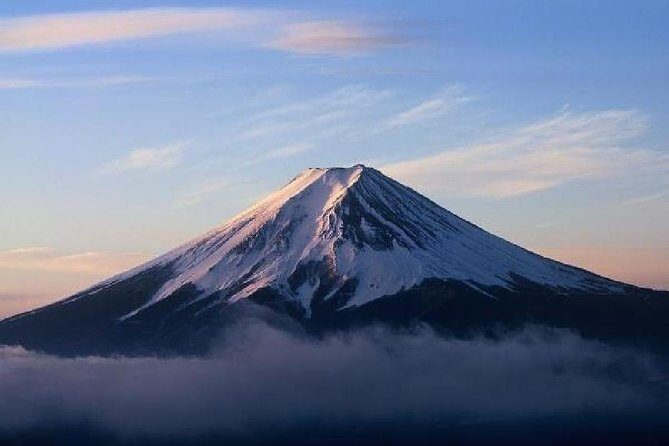
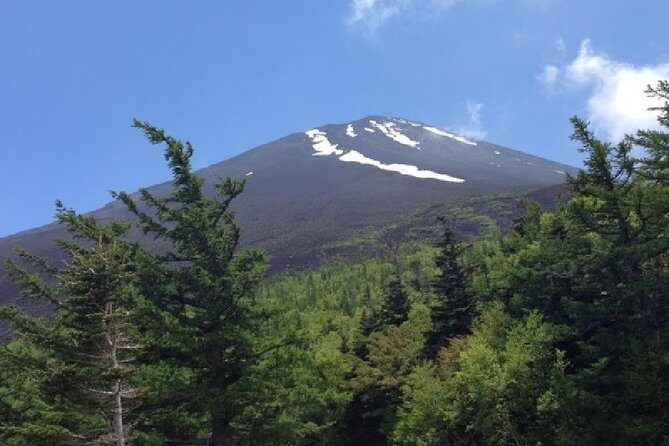
Mt. Fuji’s 5th Station is the tour’s main “Fuji sighting” checkpoint. You’ll go up along the Subaru Line route when possible, or to the highest point accessible. At about 2,300 meters (7,546 feet), the air feels different, and the cold can catch you off guard.
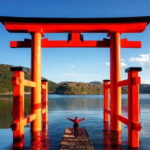
What you’ll do during this stop is classic Fuji ritual tourism: wander around the area, visit the souvenir area, and check out the torii gates and shrines that mark the symbolic transition between heaven and earth. This part is more than just a photo stop. It’s a sense-of-place stop.
The schedule gives you about 30 minutes. That’s enough to look around, grab photos, and take in the shrine areas. It may not feel like enough if you want a longer, slower hike or if you’re the type who likes to stay when the clouds break.
Weather is the big variable. If visibility is bad or transport access is limited, the company can guide you to alternative Fuji-related stops instead. Also, the tour notes that Fuji may not be visible even from the base, and in that case the tour won’t be canceled and refunds won’t be issued just because you couldn’t see the view.
More Hakone loops, ropeways and lake crossings
Lunch at Fuji Zakura Hotel: good food plus taiko energy
Lunch only happens if you selected the With Lunch option. The meal is held at Fuji Zakura Hotel and runs about 50 minutes, with tea/coffee included.
This stop is also where the tour adds a cultural performance angle. The lunch break area features a wadaiko (Japanese drum) performance, tied to traditional arts support programming run by the Social Welfare Corporation Fugakukai.
Two practical notes matter here:
- The drum performance depends on timing. If the tour arrives late due to road conditions, you might miss it.
- It’s explicitly noted that the drum show will not be held on February 28, 2026, and no partial refunds are issued if the performance doesn’t happen.
Meal options are handled in advance. You can request vegetarian, Muslim-friendly, or Indian thali meals (and you need to indicate counts when booking). The tour also states that allergy-friendly and gluten-free meals aren’t available, so if you have serious dietary needs, you should choose the No Lunch option and plan your own food.
If you chose No Lunch, don’t assume you’ll find a casual cafe nearby. The tour states there are no cafes or restaurants at the lunch break area in that setup, so bringing snacks is a smart move.
Lake Ashinoko cruise on Sorakaze: short ride, big postcard potential
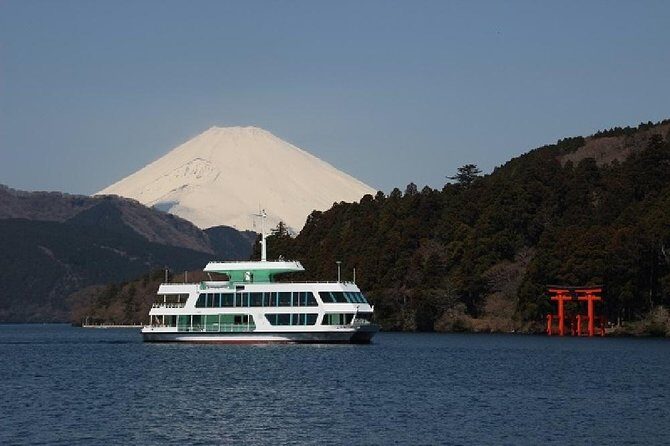
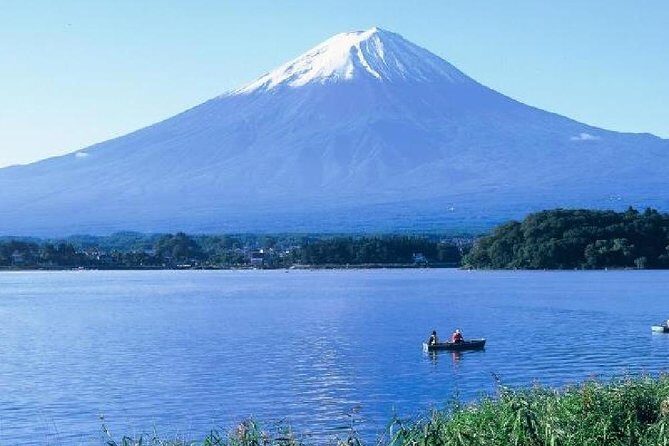
Next comes Lake Ashinoko. The schedule gives you around 15 minutes on the Sorakaze cruise ship.
This is the “sit back and breathe” moment in the middle of a packed day. Even with the short time, it’s worth it because Lake Ashi is one of Hakone’s classic water-view stages: volcanic history, still water, and a strong sense of framing toward the mountains.
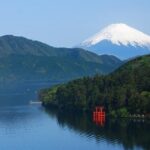
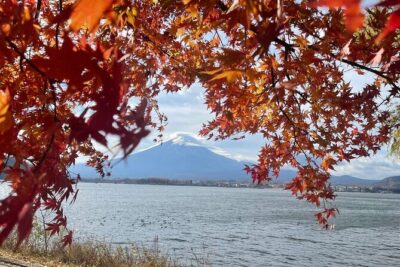
From the boat, you’re meant to admire views of Mt. Fuji, Mt. Komagatake, and other distant peaks, when weather cooperates. The cruise time is brief, so you won’t get a long narration-style sightseeing lecture. If you want meaning behind what you’re seeing, it helps to ask your guide what landmarks you should look for during boarding or before you depart.
Also keep in mind the tour has alternatives if the cruise can’t operate due to weather or road conditions. So while Lake Ashi is a highlight, your day won’t fall apart if it gets swapped.
Komagatake Ropeway in Hakone: elevation theater with limited time
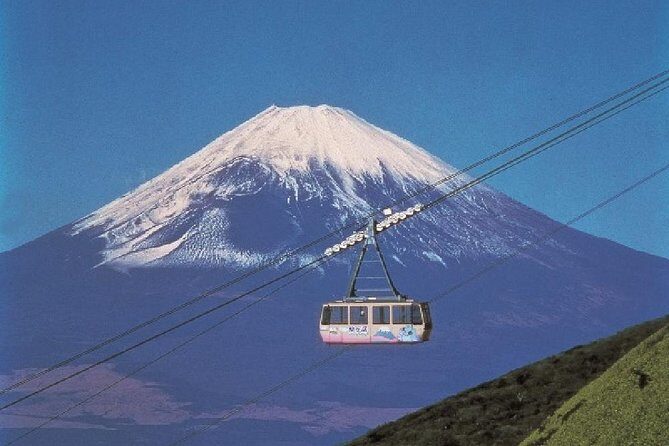
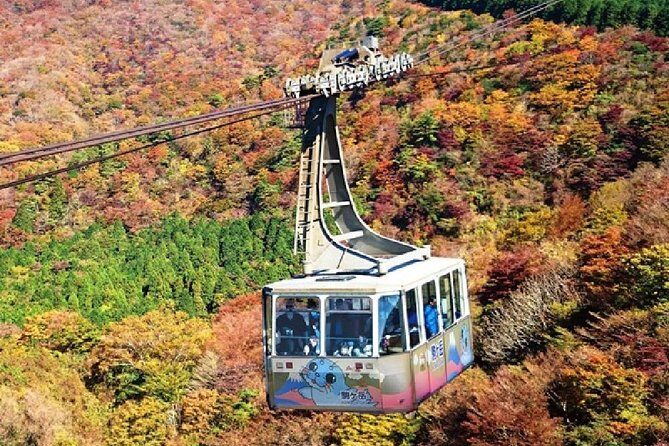
After the lake, you’ll head to Hakone Komagatake Ropeway. The stop is about 50 minutes, and the idea is to ride cableway/ropeway up toward the mountaintop shrine area (Hakone Shrine Mototsumiya is mentioned as the shrine at the top area).
This is the “trade time for altitude” part of the day. You gain height fast, and that’s where the views can feel dramatic: Hakone National Park spreads out below, and the sky can look bigger than you expect because you’re up in cooler air.
What you should expect realistically: you get time to ride up, take in the mountaintop, and wander around for views. But it’s not a full hiking day. If your goal is an all-day hike, this tour isn’t that.
Some people also found certain cableway experiences weren’t worth the money or time when they felt the timing was tight. So I’d treat Komagatake as a scenic bonus. It’s a great add-on if the weather’s clear, and it’s still a meaningful ride even if Fuji is hiding behind clouds.
Stop 5 and the finish at Shinjuku: flexibility in where you end
Depending on what you chose at booking, you may disembark at Odawara Station. The itinerary notes that the bus may not stop there unless enough customers booked that drop-off option in advance.
Then the tour concludes back in the Tokyo area, typically at Shinjuku Station West. Arrival is estimated between 6 pm and 9 pm, and you’ll need to make your own way from Shinjuku to wherever you’re staying.
This matters because a packed day leaves you ready for dinner, not for more complicated travel planning. If you’re staying near Shinjuku or a major JR connection, this tour can be an easy fit.
When Fuji, cruise, or ropeway can’t run: your built-in plan B
This is one of the most important parts of the decision. Weather in this region is not predictable, and winter access issues can happen.
The tour explains two main disruption categories:
1) Subaru Line closure or visibility issues around Mt. Fuji
If the Fuji Subaru Line is closed, or if weather means views from the 4th and 5th Stations likely won’t be seen, you’ll be guided to alternative facilities such as:
- Fujisan Museum
- Lake Kawaguchi Oishi Park
- Fujisan World Heritage Center
- Itchiku Kubota Art Museum
- Oshino Hakkai
2) Lake Ashi cruise and Komagatake Ropeway not operating
If the Lake Ashi cruise or the Komagatake Ropeway can’t operate due to weather, or stops can’t happen due to road congestion, you’ll visit alternatives such as:
- Hakone-en Aquarium
- Hakone Ropeway or other cable/ropeway routes
- Owakudani
- Odawara Castle
- Hakone Shrine-related options
- Oshino Shinobi no Sato
- Itchiku Kubota Art Museum (again listed as an alternative)
The key point: the tour won’t be canceled in these scenarios, and refunds aren’t issued just because the main sightseeing isn’t possible due to operating conditions.
That sounds harsh until you think about it like this: you’re buying transportation and a structured day. The itinerary can flex, so your day still has content, just not the exact photo lineup.
Timing reality check: why the day can feel rushed
This is a long day. The total duration is about 12.5 hours, and that includes driving time from Tokyo to the Fuji/Hakone area and back.
The stop lengths are designed to cover multiple “must-sees,” so each individual piece is shorter than you’d want if you were planning a slower, in-depth visit.
Common tension points:
- Mt. Fuji 5th Station is about 30 minutes, so you can look around but not linger forever.
- Komagatake Ropeway is about 50 minutes, which is plenty for a ride and views but not a hiking-length exploration.
- The cruise is 15 minutes, so it’s relaxing, but it’s not a full sightseeing narrative.
Some people also mention issues like standing on return transit when seat expectations weren’t met on the way back. That’s a reminder to treat the return day as part logistics, not part sightseeing.
A good mindset helps: think of this tour as an efficient sampler. If you want one location to be your big deep-focus stop, plan an extra day elsewhere after.
Who should book this Mt Fuji & Hakone combo (and who shouldn’t)
This tour makes the most sense if you want:
- A one-day hit list: Mt. Fuji 5th Station + Lake Ashi cruise + Komagatake Ropeway.
- Less stress about routes and ticketing, because admissions and transport are bundled.
- A guide-led flow that helps you get your bearings quickly around Fuji-area landmarks.
- Optional lunch with cultural flavor (and tea/coffee) instead of hunting for food alone.
It may not fit you as well if:
- Weather-driven schedule changes would feel disappointing.
- You want long stays, hiking time, or a slower pace at each stop.
- You hate bus time. This is still a coach day, even with comfort.
On the guide side, the tour’s English support is part of the deal. Names that often come up in positive feedback include Nao, Hiro, Joe, Miko, Toshi, and Marie. I can’t guarantee your guide will match those exact experiences, but the guide role is central—especially during long rides and when the itinerary has to shift.
Small practical tips that pay off immediately
Bring warm layers. The tour specifically notes colder temperatures at higher elevations, including examples like around 14℃ even in summer daytime and down to about -5℃ in winter. A light jacket won’t cut it if you catch wind at altitude.
Wear shoes you can stand in comfortably during short, fast stop windows. You won’t do long treks, but you will move and walk for shrine areas and ropeway stages.
If you’re choosing With Lunch, check your meal option needs during booking (vegetarian, Muslim-friendly, or Indian thali). Allergy-friendly and gluten-free options aren’t available, so plan accordingly.
If you’re hoping for the classic Fuji photo, don’t plan your whole day around one magic moment. Use multiple stops to chase the view: 5th Station is the first, Lake Ashi is the second, and Komagatake is the third shot at a wide-angle payoff.
Should you book this tour or choose a different plan?
Book it if you want one day to cover the core Fuji and Hakone highlights from Tokyo with included admissions and coach convenience. It’s a strong option for first-time visitors who want the headline images and the cultural rhythm without getting lost in transit.
Pass or reconsider if you know you need long, unhurried time at each attraction, or if you would feel too disappointed by weather-driven reroutes. This tour does flex, but it can’t promise the Fuji-perfect lineup on every day.
My practical advice: pick a clear-weather day if you can, bring warm layers anyway, and treat the day as a fast sampler. If you do that, you’re much more likely to leave with more memories than stress.
FAQ
What time does the tour start?
It starts at 8:10 am from the meeting point in Shinjuku.
How long is the Mt Fuji & Hakone day trip?
The duration is about 12 hours 35 minutes (approx.).
Where do we meet in Tokyo?
You meet at JTB Sunrise Tours Sales Office, 2-chōme-2-2 Nishishinjuku, Shinjuku City, Tokyo 160-8330, Japan.
Are admission fees included?
Yes. The tour includes other admission fees included in the tour.
Is lunch included?
Lunch is included only if you choose the With Lunch option. If you choose No Lunch, meals are not included and the tour notes there are no cafes/restaurants at the lunch break area.
What meal options are available if I choose With Lunch?
Vegetarian meals, Muslim-friendly meals, and Indian thali meals are available. You need to indicate the counts when booking.
How long is the Mt. Fuji 5th Station stop?
It’s about 30 minutes.
What happens if the Mt. Fuji Subaru Line is closed?
If the Subaru Line is closed or views are unlikely, the tour will guide you to alternative facilities such as Fujisan Museum, Lake Kawaguchi Oishi Park, Fujisan World Heritage Center, Itchiku Kubota Art Museum, or Oshino Hakkai.
What happens if the Lake Ashi cruise or Komagatake Ropeway don’t operate?
The tour will switch to alternative facilities such as Hakone-en Aquarium, Odawara Castle, Owakudani, Hakone Ropeway (or other listed alternatives), and others, depending on conditions.
Can I cancel for a full refund?
Yes. You can cancel up to 24 hours in advance for a full refund.
More Tour Reviews in Tokyo






Hakone, Three More Ways
The Fuji Shortlist: Other Days Out to the Mountain

Fresh reviews from around Tokyo






Mt Fuji Day Trips, compared.
 ★ 4.0Mt Fuji & Hakone Cruise, Drum Show Bullet Train 1 Day from TokyoFrom $1497,413 reviews
 ★ 4.4Tokyo Mt Fuji 5th St & Hakone Cruise Bus Tour w/Bullet TrainFrom $1545,024 reviews
 ★ 4.5From Tokyo: Mount Fuji Full-Day Sightseeing TripFrom $684,970 reviews
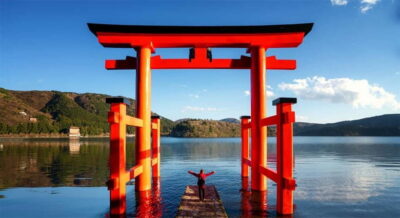 ★ 4.7Mt. Fuji Tour, Hakone Ropeway, Owakudani, Lake AshiFrom $544,002 reviews
 ★ 5.0Private Tour to Mt. Fuji and Hakone (Fully Licenced Operator)From $4971,910 reviews
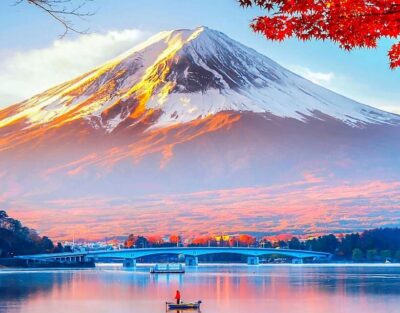 ★ 4.9Mount Fuji Full-Day Private Tour from Tokyo (Customizable)From $3931,470 reviews
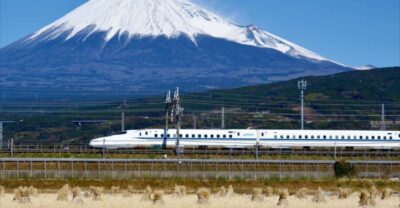 ★ 4.2From Tokyo: Mt. Fuji & Hakone Tour w/ Return by Bullet TrainFrom $1171,278 reviews
 ★ 5.0Mt Fuji Private Tour with English Speaking DriverFrom $415861 reviews
Browse the lists this tour appears in