
Reviewed · TOKYO
Tokyo: Mt. Fuji, Kamakura, Big Buddha, & Lake Ashi Day Trip
One day, many chances to catch Mount Fuji. This tour links Kamakura’s Great Buddha, a Lake Ashi pirate-ship style cruise, Oshino Hakkai’s crystal-clear ponds, and Fuji viewpoints around Lake Kawaguchi. I love the photo-ready Fuji stops and the Lake Ashi cruise that gives you moving views, not just roadside stops. The one drawback to plan for is simple: Mt. Fuji visibility depends on weather, so keep expectations flexible.
The big win here is the human part. With a live bilingual English/Spanish guide (I’ve seen guides like Naomi and Jorge praised for clear explanations and practical photo talk), you’re not just tagging along—you get context while the bus rolls on. Also, bring warm layers and cash, because the day moves fast and not everything accepts card in smaller spots.
In This Review
- Key things that make this trip work
- A Fuji Day Trip That Moves Like a Photo Checklist
- Getting There From Tokyo: Timing, Travel Time, and Drop-Off
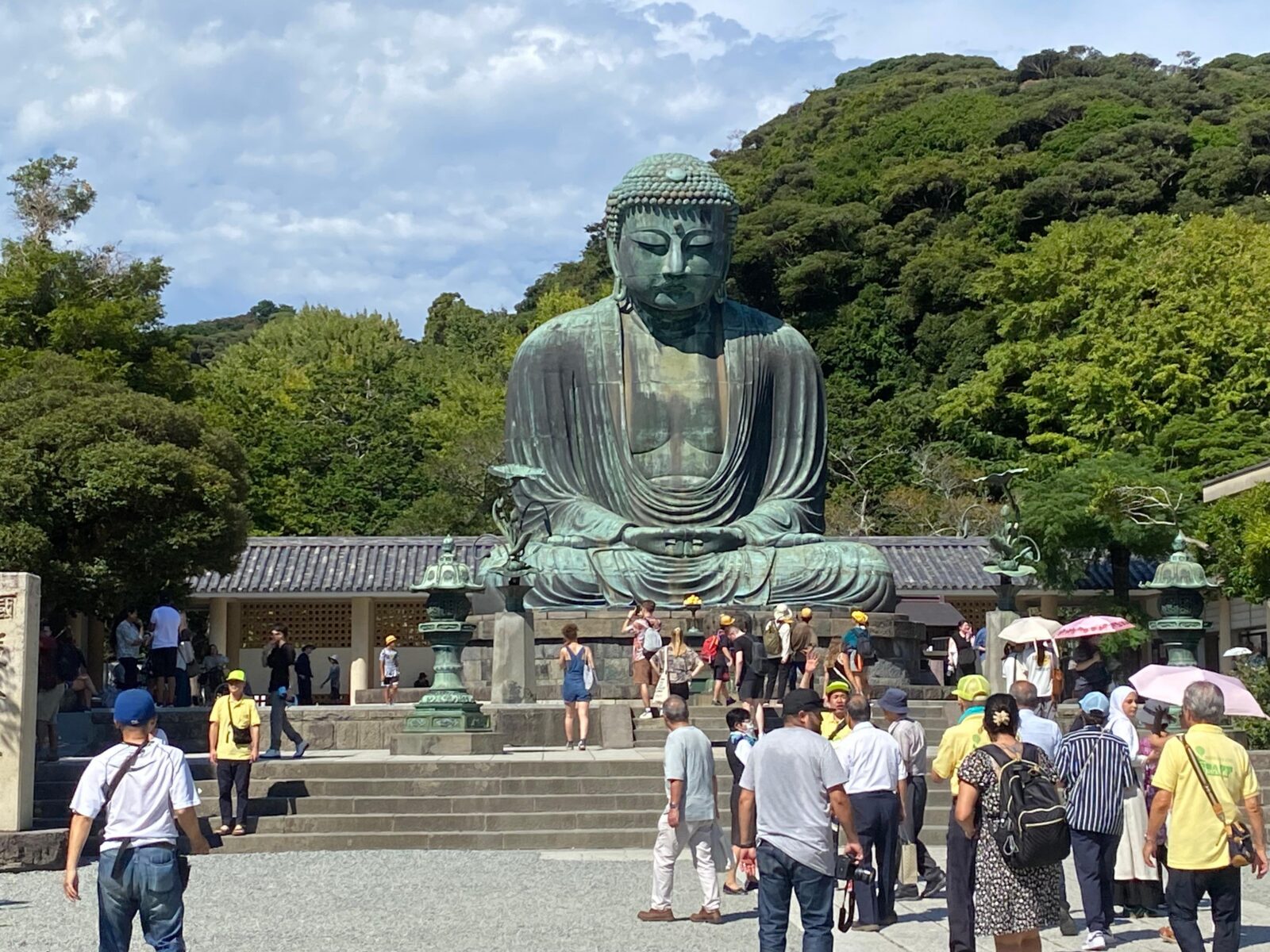
- Kotoku-in and the Great Buddha: A 13-Meter Pause in Kamakura
- Lake Ashi and the Pirate-Ship Style Cruise: Moving Views, Not Just Lookouts
- Motohakone: The In-Between That Helps the Day Flow
- Oshino Hakkai: Crystal-Clear Ponds and a Guided Walk
- Oishi Park and Lake Kawaguchi: Chasing the Best Fuji Angle
- Mt. Fuji Visibility: What Weather Means for Your Photos
- Price and Value: Why $49 Can Make Sense
- Transport, Comfort, and Group Day Reality
- What to Bring for a Long Day of Fuji Views
- Should You Book This Tokyo to Fuji, Kamakura, Lake Ashi Day Trip?
- FAQ
- How long does the Tokyo Mt. Fuji day trip last?
- Where is the meeting point and where do you drop off?
- Is the Lake Ashi cruise included for everyone?
- If I choose the Great Buddha of Kotoku-in stop, is the ticket included?
- Is lunch included at Oshino Hakkai?
- What languages does the guide speak?
- Is this tour suitable for wheelchair users?
- What if Mount Fuji is hidden by clouds?
Key things that make this trip work

- Multiple Fuji viewpoints in one day so you’re not stuck waiting for one perfect sighting
- Lake Ashi boat cruise (selected option only) for wide, scenic angles from the water
- Oshino Hakkai guided pond time + free time to photograph the springs at your own pace
- Kamakura’s Great Buddha at Kotoku-in (selected option only) with a real photo-and-visit window
- Easy-to-follow guidance in English and Spanish with on-the-ground tips for where to stand
- Oishi Park and Lake Kawaguchi sightseeing that can feel dramatic even when clouds roll through
Before you commit, see how this one stacks up against a few Tokyo favourites:
- Mt Fuji and Hakone 1-Day Bus Tour Return by Bullet Train★ 5.0 · 26,383 reviews
- 1-Day Tokyo Bus Tour★ 5.0 · 14,250 reviews
- Tokyo: teamLab Planets TOKYO Digital Art Museum Entry Ticket★ 4.6 · 9,779 reviews
A Fuji Day Trip That Moves Like a Photo Checklist
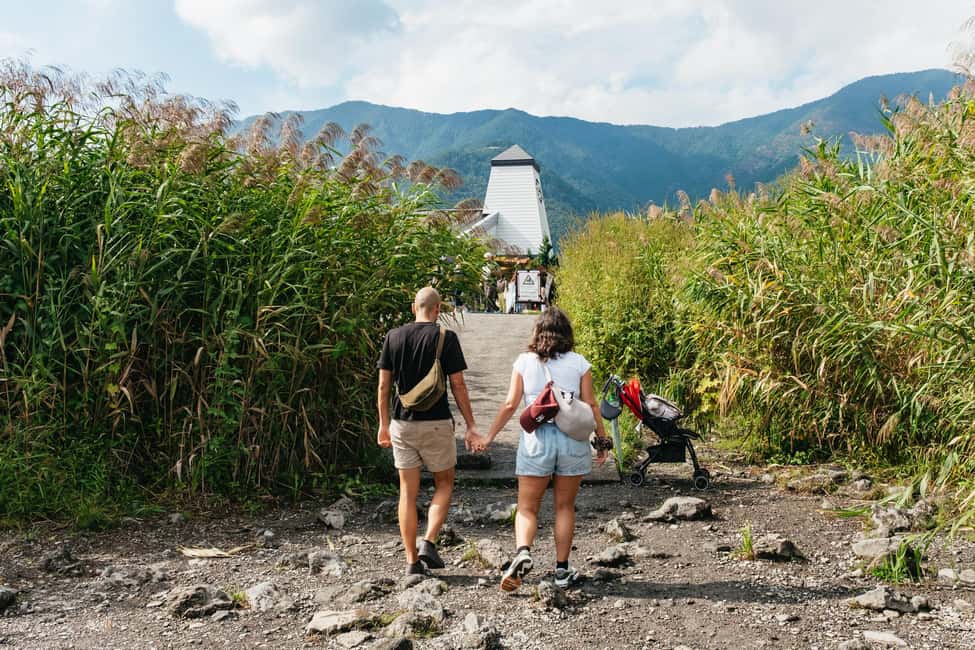
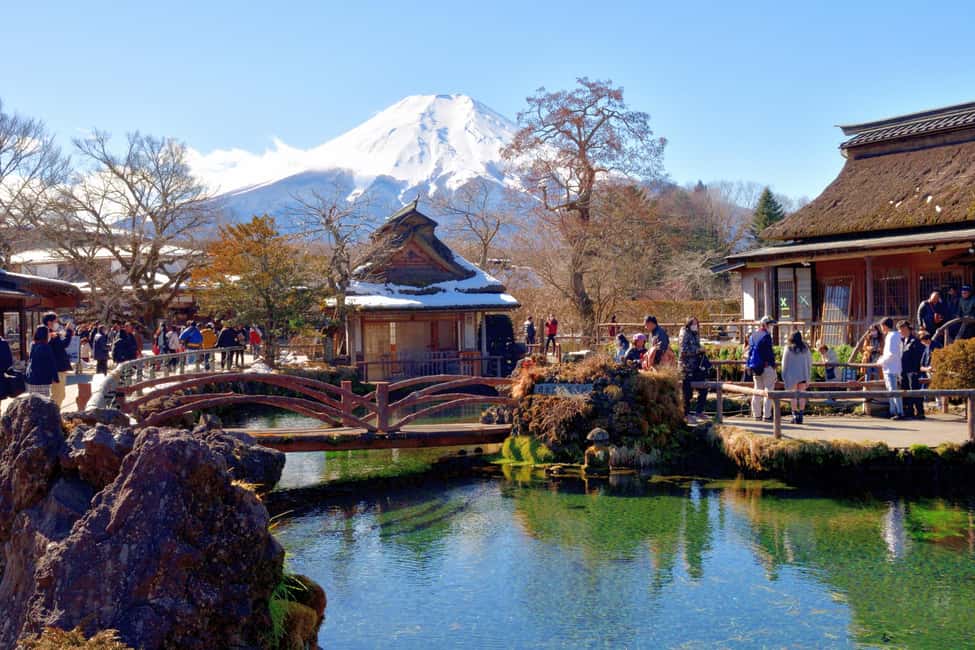
If you want Mt. Fuji in one long, efficient day, this is built for that. The route is designed around “different angles of the same idea”: classic Fuji viewpoints, the Hakone/Lake Ashi water views, and the Mt. Fuji foot-area springs at Oshino Hakkai. Instead of betting everything on one lookout, you get several bites of the Fuji experience.
You’ll also get a cultural stop that isn’t just “a quick temple photo.” Kotoku-in and its Great Buddha statue give the day a grounded, human scale before the scenery turns wide and dramatic again.
One practical thought: you’re spending most of the day on a bus/coach. That’s not a dealbreaker—just treat it as part of the deal and use the time to charge devices, plan what you want to shoot, and keep snacks handy if you’re not doing the included lunch option.
Getting There From Tokyo: Timing, Travel Time, and Drop-Off
This day trip is long enough to feel like a mini-vacation, but tight enough that you won’t wander on your own for hours. Expect a total duration of about 10–11 hours, and know that the day uses a sequence of rides and stops to keep the schedule moving.
Your meeting point can vary by option, but one starting point listed is in central Tokyo: Marunouchi, Ginza Inz 2 (1-chōme-9-1). Drop-off is set for the same general area at the end.
You’ll also feel how the route is paced. There are multiple coach legs—about 1.5 hours to the first main area, then additional travel segments that bring you to Lake Ashi, the Oshino Hakkai area, and finally the Fuji viewpoints near Lake Kawaguchi. Translation: when you arrive, you’ll want to be ready to move quickly from meeting points to the exact photo spots your guide highlights.
Kotoku-in and the Great Buddha: A 13-Meter Pause in Kamakura
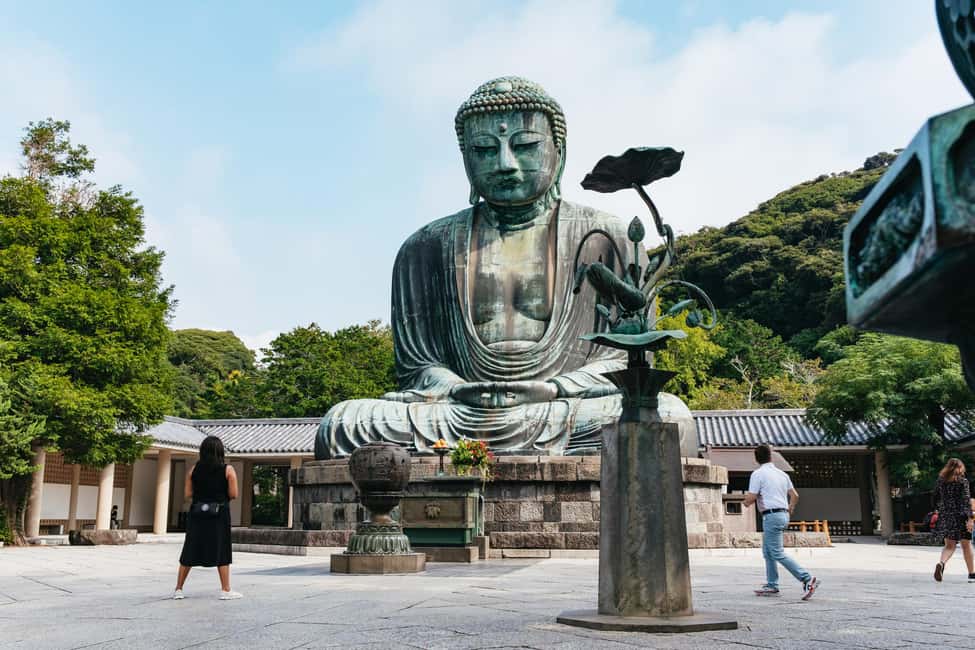
If you choose the option that includes Kotoku-in, your day starts with a photo stop and then a visit time of about 20 minutes. Kotoku-in is known for its massive bronze statue—about 13 meters tall—which means even a short stop feels significant.
Why I like this part of the day: it gives you a calm cultural anchor before you chase scenery. You can slow your pace for a moment, absorb the scale, and then switch back into “Fuji mode” without it feeling like a random temple stop.
A realistic consideration: 20 minutes moves fast. If you want extra time for photos from multiple angles, pay attention early. Your guide can help you position the group for the cleanest shots, especially because this stop is mostly about viewing the statue clearly—not about long indoor exploration.
Lake Ashi and the Pirate-Ship Style Cruise: Moving Views, Not Just Lookouts
For the Lake Ashi portion, you’ll have a boat cruise segment (about 10 minutes) if you choose the relevant option. Highlights specifically call out the Hakone Pirate Ship style experience, which is a great fit for Lake Ashi because it turns a still view into a slow sweep of angles.
What you’re really paying for here is variety. From the bus, you usually get quick glimpses through roadside frames. From the water, you get wider sightlines and a more “framed” Fuji perspective—especially when the mountain is visible.
And even when Fuji is hiding (clouds happen), the cruise still has value. Lake Ashi is about atmosphere and distance. You see how the shoreline and the hills layer behind the water, and your photos often come out more interesting because the scene has depth.





Motohakone: The In-Between That Helps the Day Flow
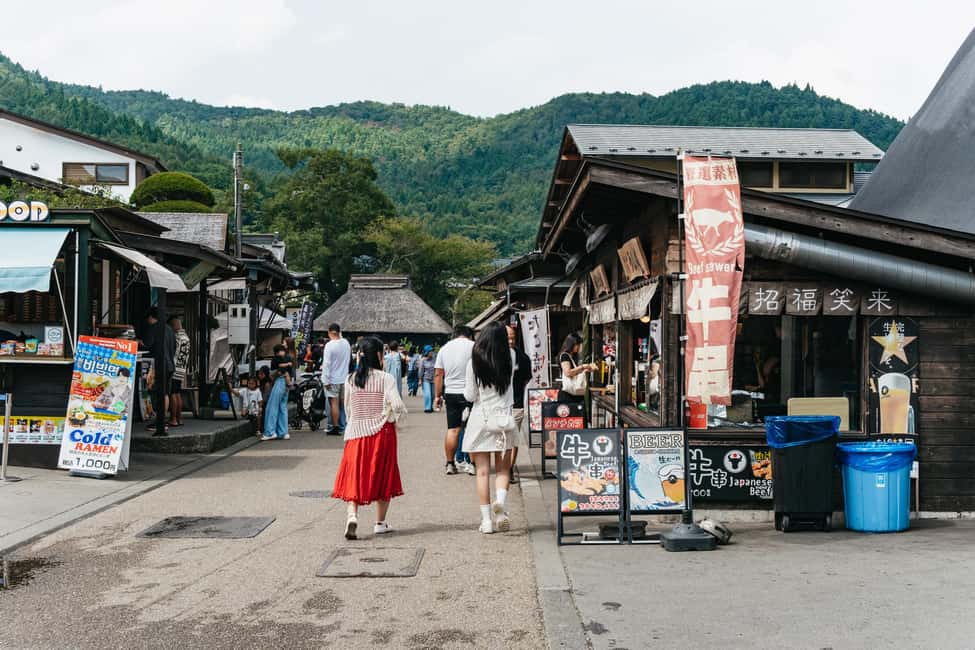
After the boat portion, you’ll get time in the Motohakone area for sightseeing. This slot matters because it helps break up the driving time. You’re not just going from bus to boat to bus.
In practice, this stop is where you can reset. Use it to grab a quick snack if you need it, check the group pace, and get your bearings for the next transfer. If your plan includes shopping later (some routes include Gotemba Premium Outlets), Motohakone also helps you understand what kind of “Hakone vibe” you’re entering: scenic, tourist-friendly, and built for easy sightseeing.
Oshino Hakkai: Crystal-Clear Ponds and a Guided Walk
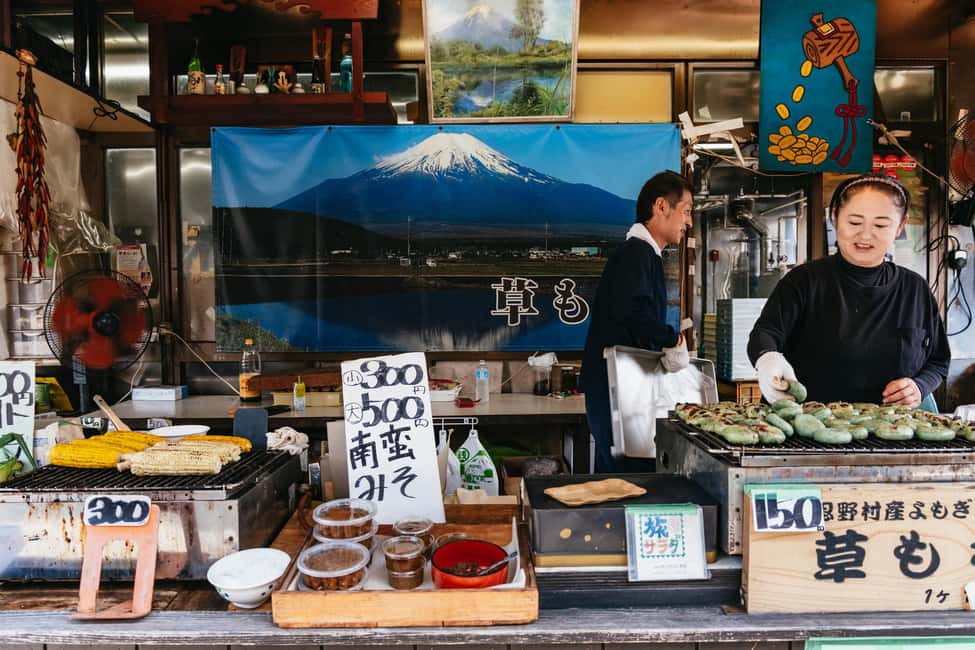
Oshino Hakkai is one of the most photogenic pieces of the day. You’ll get a guided tour plus free time—about 1.5 hours total at the ponds area. The key detail is that these springs are famous for crystal-clear water, which means your photos often capture the depth and color better than you’d expect from a quick stop.
What to do with your time:
- Start with the guided portion to learn what you’re looking at and why the ponds are special.
- Save some time during free time for photos from different angles and water-level spots.
- If you like local treats, this is also where people tend to pick up small snacks while they wander.
If you choose the premium option, lunch in Oshino Hakkai is included. That’s a real convenience win on a long day. Even if you don’t make it a foodie mission, having lunch handled reduces the “what do we do next” stress that can drain energy.
Oishi Park and Lake Kawaguchi: Chasing the Best Fuji Angle
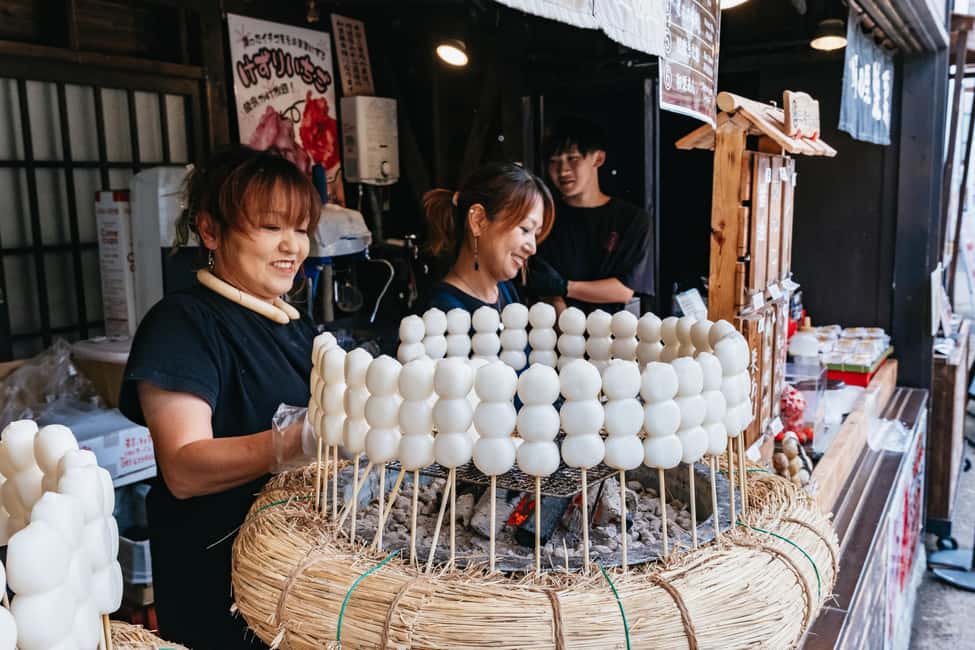
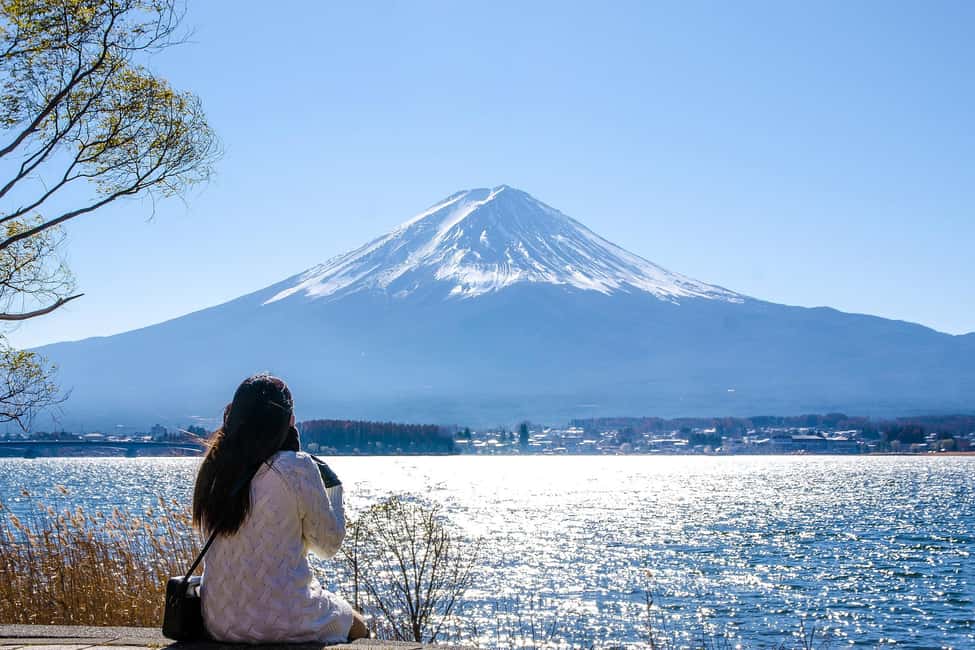
Next up are the viewpoints around Oishi Park and Lake Kawaguchi. Oishi Park includes about 45 minutes of guided time, then you move into Lake Kawaguchi for sightseeing, and later there’s additional Mt. Fuji sightseeing time.
This is where the day turns into a true Fuji pursuit. These spots are designed for panoramas—so your results depend on weather and cloud timing. But you’re not just waiting around once. The schedule gives you multiple opportunities to see Mt. Fuji (or at least catch it in partial breaks).
A practical tip from how guides run the day: be ready to step closer or shift position quickly. When visibility improves, the best shots are often the ones you can reach fast, not the ones you plan on later.
Mt. Fuji Visibility: What Weather Means for Your Photos
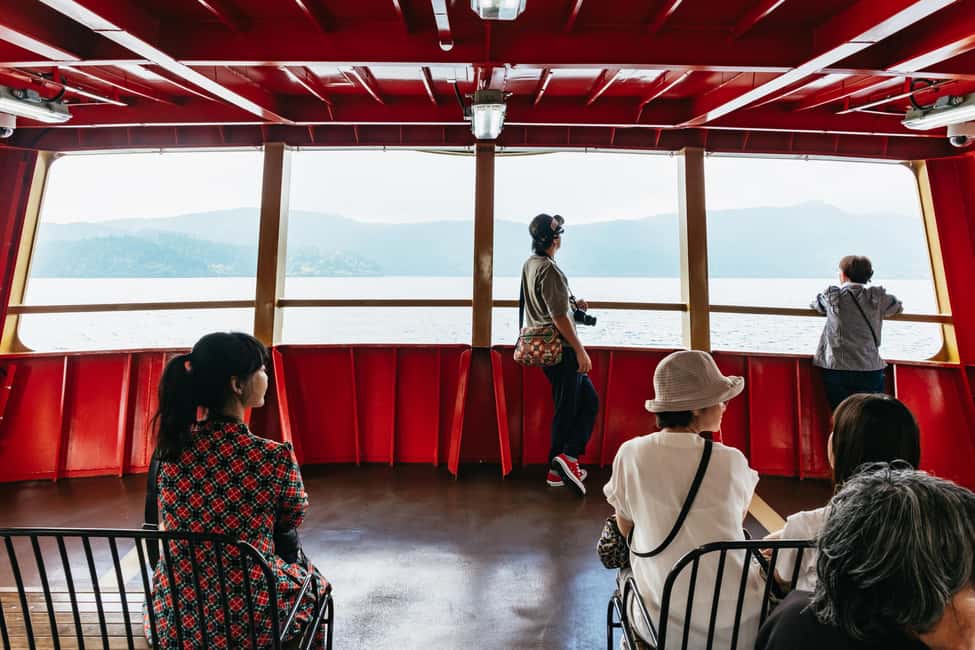
Mount Fuji is iconic, but it’s not controllable. The tour specifically notes that Fuji visibility depends on weather conditions. I’d treat that as the core rule of this trip.
Here’s how to make a cloudy day still feel like a win:
- Use the guided context to keep your focus on the sights, not just the mountain silhouette.
- Aim to photograph the setting—pond reflections at Oshino Hakkai, water views on Lake Ashi, and the layering around Lake Kawaguchi.
- If Fuji peeks through, move quickly. If it doesn’t, you’ll still have a structured day full of meaningful stops.
One more small reality check: you might start hoping for clear skies, and then the mountain disappears behind clouds. When that happens, the quality of the guide matters. In the feedback I’ve seen, guides like Fran, Beru, and Naomi are often praised for staying upbeat, giving practical guidance, and keeping the day smooth even when conditions aren’t perfect.
Price and Value: Why $49 Can Make Sense
At about $49 per person, this day trip is priced as a value-heavy, highlights-only tour. You’re not buying a slow, do-nothing vacation day—you’re buying access to efficient route planning, bilingual guiding, and transportation between major sights.
The value equation looks like this:
- You pay to avoid the hassle of coordinating intercity travel on your own during one tight day.
- You get multiple key stops linked together instead of paying separate logistics for each one.
- Optional add-ons can meaningfully change what you see: Lake Ashi cruise, Kotoku-in ticketed time, and included lunch in Oshino Hakkai for the premium pick.
Is it perfect value for everyone? Not if you hate schedules or if you want long, unstructured wandering. But if your priority is hitting several high-impact sights without spending days on planning, the price feels fair for the time and support you receive.
Transport, Comfort, and Group Day Reality
Transport is rated highly by most passengers, and the experience is designed around a comfortable coach ride between stops. Still, it’s a full day, so comfort matters.
Bring comfortable shoes. A few stops are quick, but you’ll still be walking and standing for photos. Warm clothing is also important because conditions near water and viewpoints can feel colder than central Tokyo.
Also note this: the tour isn’t suitable for wheelchair users. If mobility access is part of your planning, you’ll need to choose a different format.
What to Bring for a Long Day of Fuji Views
Pack like you’ll be outside for a while—and remember that clouds or wind can change the temperature fast.
Bring:
- Comfortable shoes
- Warm clothing
- Hat
- Camera
- Sunscreen
- Cash (some areas or shops may not accept card)
If you’re the type who always wants phone photos, a power bank can be smart too. One person noted missing outlets on the bus, so I’d rather you be over-prepared than hunting for charging later in the day.
Should You Book This Tokyo to Fuji, Kamakura, Lake Ashi Day Trip?
Book it if you want a structured day that maximizes your odds of seeing Mt. Fuji and still gives you real cultural time at Kotoku-in. It’s also a strong pick if you appreciate bilingual guiding and you want help with where to stand, when to move, and how to understand what you’re looking at.
Skip it (or rethink it) if you want a slow pace, long free time in one place, or guaranteed Mt. Fuji visibility. No one can guarantee a clear Fuji day, and the schedule expects you to keep moving.
My bottom-line take: this tour is great value for the type of traveler who wants multiple scenes in one go—ponds, lake views, temple scale, and Fuji panoramas—plus a guide who can explain it while you’re on the move.
FAQ
How long does the Tokyo Mt. Fuji day trip last?
It runs about 10 to 11 hours.
Where is the meeting point and where do you drop off?
The meeting point can vary by option. One listed meeting point is 1-chōme-9-1 Marunouchi, Ginza Inz 2, and the tour ends at two drop-off locations including that same area.
Is the Lake Ashi cruise included for everyone?
No. The Lake Ashi cruise is included only with the option you choose.
If I choose the Great Buddha of Kotoku-in stop, is the ticket included?
Yes. A ticket to Kotoku-in is included when you select the corresponding option.
Is lunch included at Oshino Hakkai?
Lunch in Oshino Hakkai is included if you choose the premium option. Food and drinks are otherwise not included.
What languages does the guide speak?
The guide provides bilingual support in English and Spanish.
Is this tour suitable for wheelchair users?
No, it is not suitable for wheelchair users.
What if Mount Fuji is hidden by clouds?
Mount Fuji’s visibility depends on weather conditions, so you should expect that it may not appear clearly. The route still includes scenic stops like Lake Ashi, Oshino Hakkai, and Lake Kawaguchi for a full day out.
More Tour Reviews in Tokyo



Fresh reviews from around Tokyo






Tokyo, compared.
 ★ 5.0Mt Fuji and Hakone 1-Day Bus Tour Return by Bullet TrainFrom $16326,383 reviews
 ★ 5.01-Day Tokyo Bus TourFrom $12914,250 reviews
 ★ 4.6teamLab Planets TOKYO Digital Art Museum Entry TicketFrom $259,779 reviews
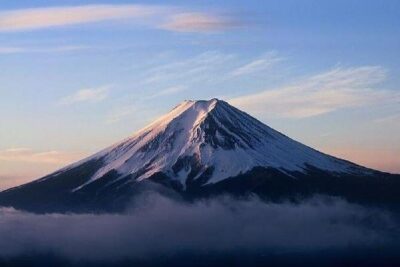 ★ 4.0Mt Fuji & Hakone Cruise, Drum Show Bullet Train 1 Day from TokyoFrom $1497,413 reviews
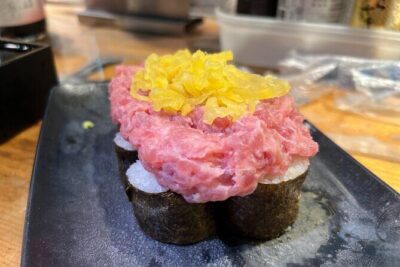 ★ 5.0Shinjuku Food Tour (13 Dishes at 4 Local Eateries)From $866,603 reviews
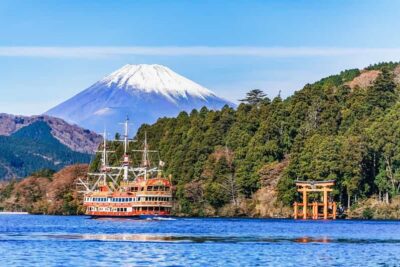 ★ 4.4Tokyo Mt Fuji 5th St & Hakone Cruise Bus Tour w/Bullet TrainFrom $1545,024 reviews
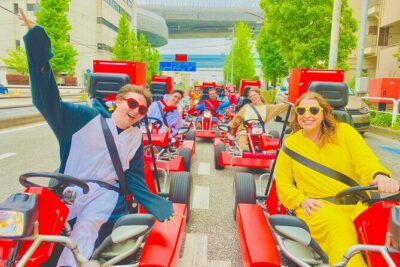 ★ 5.0Flagship 2-Hours Official Street Go-Kart Tour – Tokyo Bay ShopFrom $644,974 reviews
 ★ 4.5From Tokyo: Mount Fuji Full-Day Sightseeing TripFrom $684,970 reviews