
Tokyo’s history tastes better on foot. This 2-hour Imperial Palace historical walk strings together key remnants of Edo Castle with guided commentary you likely won’t find on your own. You’ll also get a short food tasting moment inside the palace area, including a special snack that’s part of this tour.
I especially like how the route treats each gate and guardhouse like a clue. You’ll learn what they were for and how Edo Tokyo connects to the palace grounds today. I also like the practical feel of the stops, plus the included snack and drink from a vending machine—small extras, but very much part of the experience.
One consideration: the emperor’s residence itself isn’t open to the public, so you won’t see everything. You will go through a security check, and some of the best-view sections are more about the grounds and structures than interior access.
In This Review
- Key things to know before you go
- A 2-hour Imperial Palace walk that stays focused
- Meeting at Wada-Kaku Fountain Park Starbucks and starting with a plan
- Sakurada Tatsumi Yagura to Ote-Mon Gate: Edo Castle clues in plain sight
- Sakurada Tatsumi Yagura (about 10 minutes)
- Ote-Mon Gate (about 10 minutes)
- Constable Guardhouse and Hyakunin Bansho: seeing the rules of the place
- Constable Guardhouse (about 10 minutes)
- Hyakunin Bansho Guardhouse (about 10 minutes)
- Ninomaru Garden and the photo-ready palace flow
- Ninomaru Garden (about 10 minutes)
- The brief shopping stop near 諏訪の茶屋
- 諏訪の茶屋 (about 5 minutes)
- 都道府県の木 (about 5 minutes)
- Edo-era palace sites: former Ooku and Edo Castle ruins
- Former Site of Edo Palace Ooku (Imperial Kitchen) (about 5 minutes)
- Edo Castle Ruins (about 10 minutes)
- Stone Hut East Gardens and the defensive details that frame the view
- Stone Hut Imperial Palace East Gardens (about 5 minutes)
- Fujimi-tamon Defense House (about 5 minutes)
- Fujimi-yagura (about 5 minutes)
- Site of Edo Castle Honmaru: where the main hall’s history lingers
- Site of Edo Castle Honmaru (Main Hall) (about 10 minutes)
- 中之門跡 (about 5 minutes)
- Obansho Guardhouse (about 5 minutes)
- 諏訪の茶屋 + imperial snack: the tasting moment you’ll remember
- Walking logistics and what to wear (rain or shine)
- What you should realistically expect to see
- English guide quality: why names like Rini and Masa matter
- Price and value: why $19 works here
- Who this tour suits best
- Should you book this Tokyo Imperial Palace Food Tasting Tour?
- FAQ
- How long is the Tokyo Imperial Palace Historical Walk and Food Tasting Tour?
- Where is the meeting point?
- Is the emperor’s residence open during this tour?
- What food is included?
- Do you get a drink too?
- Is the tour good for photography?
- What should I wear or bring?
- Can I get a full refund if I cancel?
- Is this tour suitable for wheelchair users?
- Are pets allowed?
Key things to know before you go
- Sakurada Tatsumi Yagura to Ote-Mon Gate: you’ll walk a straight line through major Edo-era defensive and ceremonial points
- Guardhouses and gardens made readable: your guide helps you spot what you’re looking at, not just what’s there
- Imperial-palace-only traditional snack: the tour includes a limited-edition tasting item available only at the palace
- Photo stops are built in: you get guided spots specifically for pictures, and the grounds naturally offer lots of angles
- Security check + emperor residence restrictions: plan your expectations around what’s open to visitors
- English-speaking guide experience: guides like Rini and Masa are known for friendly, detailed explanations
Tokyo at walking pace, a few more ways
- Tokyo Tsukiji Fish Market Food and Culture Walking Tour★ 5.0 · 3,184 reviews
- Tokyo: Shinjuku Local Bar and Izakaya Guided Walking Tour★ 4.9 · 1,794 reviews
- Tokyo: Tsukiji Fish Market Food and Walking tour★ 5.0 · 1,724 reviews
A 2-hour Imperial Palace walk that stays focused
This tour is designed for people who want Tokyo culture without the “checklist” feeling. In about two hours, you cover a compact set of palace-adjacent sites tied to the Edo period, when the shogun’s power sat nearby and the castle layout shaped daily life.
The big idea here is interpretation. The Imperial Palace grounds can look calm and closed-off from the outside, but once you know what you’re looking for, the gates, walls, and guardhouses read like a map. Add in one traditional snack that you can only get at the palace area, and you get a history-and-food mix that feels more like a short story walk than a museum shuffle.
Meeting at Wada-Kaku Fountain Park Starbucks and starting with a plan
You’ll meet at スターバックス コーヒー 皇居外苑 和田倉噴水公園店 (Starbucks by the Imperial Palace East Garden area). The provided coordinates are 35.6831277, 139.7611623, which is helpful if you’re navigating by map app.
Why this matters: the meeting point keeps the early part simple. You’re already near the palace zone, so you can start walking quickly instead of spending your limited time transferring around town. It also means you can get settled—coffee in hand, shoes on—before the tour begins.
Sakurada Tatsumi Yagura to Ote-Mon Gate: Edo Castle clues in plain sight
Early on, the tour focuses on features that many first-time visitors miss or misunderstand. Even when you’re standing in front of a historic structure, it’s easy to treat it like background. This route helps you notice the “why.”
Sakurada Tatsumi Yagura (about 10 minutes)
You’ll start at Sakurada Tatsumi Yagura, a yagura-style tower site. In Edo castle terms, these weren’t just decorative. They were part of the defensive logic—high points for visibility, and strong points for controlling movement.
Other plates worth crossing Tokyo for


Ote-Mon Gate (about 10 minutes)
Next is the Ote-Mon Gate, one of the most important ceremonial gateways in this area. What makes it interesting is the mix of formality and function. A gate like this sits at the intersection of public-facing movement and controlled access.
If you like photography, this early stretch is where you’ll likely start building your shot list. Gates and walls give you strong lines for pictures, and the guidance helps you pick angles faster.
Constable Guardhouse and Hyakunin Bansho: seeing the rules of the place
The tour then moves through guard points—small in scale, big in meaning. These are the spots where history stops being abstract.
Constable Guardhouse (about 10 minutes)
You’ll visit a Constable Guardhouse. Even without heavy signage, this kind of structure tells you how authority was physically managed: where watchers stood, how people were processed, and what mattered enough to be controlled.
Hyakunin Bansho Guardhouse (about 10 minutes)
Then comes the Hyakunin Bansho Guardhouse. The tour frames it as a key part of how the area operated. It’s a good stop if you’re the type who likes systems—how roles, buildings, and movement connect.
These guardhouse visits are a big reason this tour feels different from a casual stroll. You’re not just walking through pretty spaces. You’re learning the “operating manual” behind the space.
Ninomaru Garden and the photo-ready palace flow
After the guardhouse stops, the route turns more scenic, but not less meaningful. Ninomaru Garden is a chance to see how the palace grounds balance calm beauty with careful planning.
Ninomaru Garden (about 10 minutes)
In this garden area, you’ll get a feel for the tone of the grounds. And because the tour is guided, you’re more likely to understand what you’re seeing than just admire it. You’ll also benefit from a guide who knows good viewpoints, so you spend less time wandering and more time looking.
If you’ve been to Tokyo before, this section can be a nice contrast: fewer crowds than the busiest shopping areas, more space for thinking about how power looked in a different era.
The brief shopping stop near 諏訪の茶屋
This part of the itinerary is short but purposeful.
諏訪の茶屋 (about 5 minutes)
You’ll reach 諏訪の茶屋, where the tour includes a small shopping and sightseeing moment. This is also a transition point before the traditional snack tasting.
Even with the limited time, it’s worth paying attention to what you’re offered and how it fits the tour’s “imperial food” theme.
都道府県の木 (about 5 minutes)
Next is 都道府県の木. The name points to something rooted in Japan’s local identity—perfect for a quick pause to connect place-based culture with what you’re seeing on the ground.
Edo-era palace sites: former Ooku and Edo Castle ruins
Now the tour shifts deeper into Edo Castle remnants and palace-related layouts.
Former Site of Edo Palace Ooku (Imperial Kitchen) (about 5 minutes)
You’ll visit the Former Site of Edo Palace Ooku (Imperial Kitchen). This is the kind of stop that changes how you imagine the space. The “kitchen” idea makes history practical—food, staff, daily rhythms. You start thinking about the palace not just as power, but as a working household.
Edo Castle Ruins (about 10 minutes)
Then you’ll walk through Edo Castle Ruins. The word ruins can sound vague, but on this tour it works because you’re given context on what you’re looking at and how it related to Edo power.
If you care about understanding Tokyo beyond its modern skyline, these are strong stops. They help explain why the Imperial Palace area became a symbol of continuity after the shogunate era.
Stone Hut East Gardens and the defensive details that frame the view
Even when the tour moves quickly (some stops are just 5 minutes), the guidance is meant to make those seconds count.
Stone Hut Imperial Palace East Gardens (about 5 minutes)
At the Stone Hut in the Imperial Palace East Gardens, you’re looking at a smaller structure with big “how it worked” implications. A stone hut in a palace context often ties to storage, operations, or practical support—things that keep the grounds functioning day to day.
Fujimi-tamon Defense House (about 5 minutes)
Then comes Fujimi-tamon Defense House. Defense architecture is easy to overlook because it doesn’t always look dramatic. But it matters: it tells you how the castle perimeter was designed to control access and manage risk.
Fujimi-yagura (about 5 minutes)
Next is Fujimi-yagura. Towers and yagura structures make more sense once you understand the viewing and defensive purpose behind them.
Site of Edo Castle Honmaru: where the main hall’s history lingers
Site of Edo Castle Honmaru (Main Hall) (about 10 minutes)
This is one of the heavier-hitting stops. Honmaru refers to the main hall area of Edo Castle, the core of authority in the layout.
Even if you’re not seeing an intact building, you’ll likely appreciate how the tour connects remaining ground features and layout logic. This stop works best when you let the guide’s explanations do their job—because the stones and boundaries can be hard to read without context.
中之門跡 (about 5 minutes)
Then you visit 中之門跡. A trace like this helps complete the route logic: how the palace complex handled movement between sections.
Obansho Guardhouse (about 5 minutes)
Finally in this sequence, you’ll see Obansho Guardhouse. It wraps up the “who controlled entry and why” theme with a final guard-point stop.
諏訪の茶屋 + imperial snack: the tasting moment you’ll remember
The snack break is short, so you’ll want to focus. This tour includes 1 traditional snack only at the Imperial Palace, described as a limited-edition item tied to the palace grounds. Unlike casual food stops, this is part of the tour’s historic setting.
What does that mean for you as a visitor? You’re not eating because it’s convenient. You’re eating because the food is tied to the location’s identity. That’s the value in a “food tasting” that doesn’t feel random.
You’ll also get 1 drink from a vending machine near the store. It’s a small thing, but it’s smart: it keeps the tour pace moving and avoids turning the snack into a long detour.
Walking logistics and what to wear (rain or shine)
This is a walking tour, and a good portion is outside. That matters because your comfort affects your attention span. If you’re slipping or getting cold, you stop noticing details. So wear comfortable shoes and comfortable clothes (sports shoes help).
Since the tour runs rain or shine, bring weather-aware layers. Even if Tokyo looks mild, a few minutes in open areas can change how you feel—especially in the winter or after a brief drizzle.
What you should realistically expect to see
Here’s the honest expectation setting. The tour includes multiple stops throughout the Imperial Palace grounds area and Edo Castle remnants, and you’ll likely do some time inside after passing a security check. The emperor’s residence is not open to the public, so you’re not walking through a fully open palace experience.
A key point: the tour’s value isn’t that you get unrestricted access. The value is that a guide explains the structures you can reach and helps you read the space as Edo-to-modern continuity.
That’s why the route includes so many gates, guardhouses, and defensive features. It turns what could feel like a set of quiet buildings into a coherent walk with meaning.
English guide quality: why names like Rini and Masa matter
Because this tour is English-speaking, the guide’s explanation style is a big part of the payoff. Some guides—like Rini and Masa—have a reputation for being friendly and informative, with the kind of Q&A energy that keeps the tour from feeling like one-way lecturing.
What I’d look for in any guide on a tour like this: the ability to connect a structure to a bigger story, then answer questions without brushing them off. When that happens, even short stops feel worth it.
Price and value: why $19 works here
At $19 per person for a 2-hour guided walk, this is priced like a focused city experience rather than a full-day tour. The most important value driver is that the snack isn’t an optional extra. You’re getting 1 traditional imperial-palace-only snack plus 1 vending-machine drink included.
On top of that, you’re paying for someone to show you what to notice in a complex environment. Tokyo has plenty of things you can walk to on your own, but the Imperial Palace grounds are easier to enjoy with context—especially around gate names and defensive layouts.
If you want a quick, efficient “guided context + cultural tasting” afternoon, this is a strong match for the price.
Who this tour suits best
This works well if you:
- enjoy historical sites that are more about layout and meaning than big monuments
- like walking and want a compact route that makes sense
- want an English guide who helps you interpret structures as you go
- appreciate a specific food tasting tied to a particular place
It may be a weaker fit if you:
- rely on wheelchair access (this tour is not suitable for wheelchair users)
- expect full access to the emperor’s residence (it isn’t open to the public)
If you like photos, you’ll benefit. The itinerary is built around stops where you can take pictures, and the guide helps you get to the good angles without guessing.
Should you book this Tokyo Imperial Palace Food Tasting Tour?
Book it if you want a guided walk that reads the Imperial Palace grounds through the Edo Castle lens, then adds a short, location-specific snack moment. This is the kind of tour that’s easy to enjoy because it stays tight: major gates, guardhouses, and palace-area clues without dragging on.
Skip it or adjust expectations if you need full interior access to the residence area, or if mobility is a challenge. Think of it as history-by-structure, plus a quick taste of palace tradition—rather than a sweeping palace visit.
If that sounds like your style, Fantasy Travel Japan is an easy “yes” for a half-morning pace that still feels meaningful.
FAQ
How long is the Tokyo Imperial Palace Historical Walk and Food Tasting Tour?
The tour lasts 2 hours.
Where is the meeting point?
You meet at スターバックス コーヒー 皇居外苑 和田倉噴水公園店. The coordinates provided are 35.6831277, 139.7611623.
Is the emperor’s residence open during this tour?
No. The emperor’s residence is not open to the public, and you also have to pass a security check to enter the Imperial Palace area.
What food is included?
The tour includes 1 traditional snack that you can eat only at the Imperial Palace.
Do you get a drink too?
Yes. You receive 1 drink from a vending machine near the store.
Is the tour good for photography?
Yes. The tour includes photos and places for photos, and there are many photogenic spots on the route.
What should I wear or bring?
Wear comfortable shoes and comfortable clothes (sports shoes are recommended). The tour is rain or shine, so dress for the weather.
Can I get a full refund if I cancel?
Yes. You can cancel up to 24 hours in advance for a full refund.
Is this tour suitable for wheelchair users?
No. It’s listed as not suitable for wheelchair users.
Are pets allowed?
No. Pets are not allowed (assistance dogs are allowed).
Tokyo on Foot: More Walks


More Tours in Tokyo




More Tour Reviews in Tokyo




Fresh reviews from around Tokyo






Food & Drink, compared.
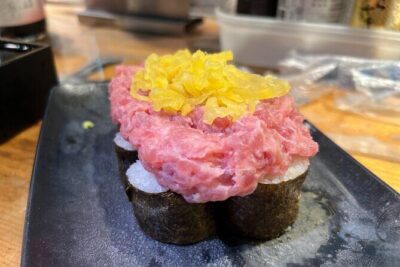 ★ 5.0Shinjuku Food Tour (13 Dishes at 4 Local Eateries)From $866,603 reviews
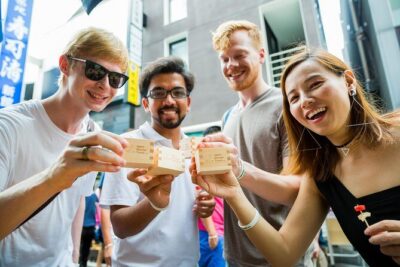 ★ 5.0Tokyo Tsukiji Fish Market Food and Culture Walking TourFrom $993,184 reviews
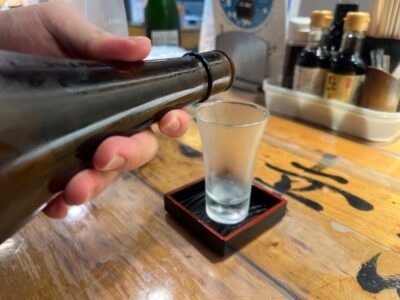 ★ 4.9Shinjuku Food Tour (15 Dishes and 4 Eateries)From $852,033 reviews
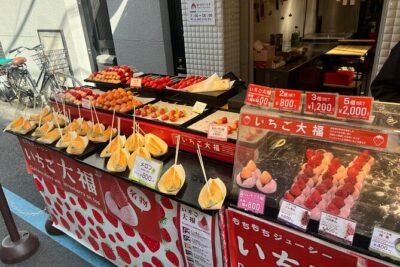 ★ 5.0Tsukiji Fish Market Food and Walking tourFrom $301,724 reviews
 ★ 5.0Eat and Drink Like a Local: Tokyo Ueno Food Tour-Taverns&RamenFrom $95957 reviews
 ★ 5.0Shibuya Food Tour (13 dishes and 4 Eateries)From $77770 reviews
★ 4.7Tsukiji Fish Market Food and Culture Walking TourFrom $96757 reviews
★ 5.0Shibuya Food Tour (13 dishes and 4 Eateries)From $77770 reviews
★ 4.7Tsukiji Fish Market Food and Culture Walking TourFrom $96757 reviews
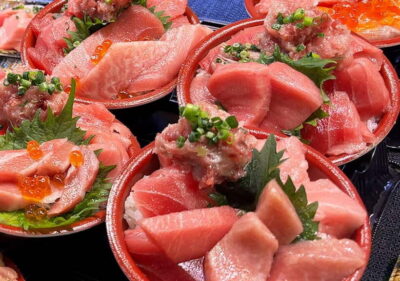 ★ 5.0Tsukiji Fish Market: Street Food & Culture Walking TourFrom $33669 reviews
Browse the lists this tour appears in