
Reviewed · TOKYO
Tokyo: Mt. Fuji, Owakudani, Hakone Shrine, & Open-Air Museum
Steam, art, and a lake in one day. Hakone works so well as a break from Tokyo because you get big scenery without the hassle: Owakudani’s volcanic valley, Lake Ashi, and famous sculpture gardens all in a single day. I like that the tour keeps the flow simple, and the guide handles the timing so you spend less time guessing and more time looking around.
Two things I really like: the Hakone Open-Air Museum setting (art outdoors, with mountain views and gardens that feel made for slow walking), and the practical way the day is guided through the most memorable stops—plus optional rides when the weather cooperates. One drawback to plan for: the order and timing can shift with traffic and weather, and when clouds roll in, Mt. Fuji views may be limited.
In This Review
- The Good Bits Worth Your Time
- Why Hakone Makes Sense as a One-Day Trip
- Hakone Open-Air Museum: Sculpture Gardens That Feel Like a Break
- Owakudani: The Volcanic Valley That Smells Like the Real Thing
- Hakone Shrine by Lake Ashi: Torii Gate Views and Quiet Photo Time
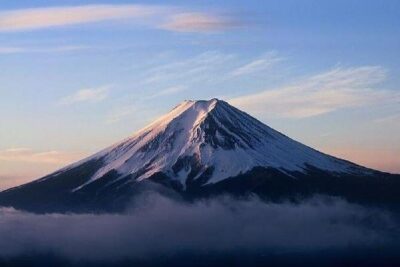
- Mt. Fuji Views and the Reality of Weather
- Optional Lake Ashi Extras: Ropeway or Pirate Ship (If the Weather Allows)
- Pirate Ship: Why It’s Popular
- Ropeway: A Different Angle on the Same Area
- How the Whole Day Runs Without Feeling Like a Rush
- Transportation and Guide Support: The Real Value Add
- Price: Is $79 Actually Good Value?
- What to Bring (So You Don’t Waste Time)
- Who This Tour Fits Best
- Should You Book This Hakone Day Tour?
- FAQ
- What is included in the tour price?
- Are meals included?
- What optional activities can I add on the day?
- Does the tour include tickets for the Ropeway or Pirate Ship?
- What language is the guide?
- Where does the tour start and end?
- Can the itinerary change during the day?
- Is Mt. Fuji guaranteed?
- Are infants included?
- What should I wear or bring?
The Good Bits Worth Your Time
- Open-Air Museum first (when timing allows): sculpture gardens with a relaxed pace, plus big-name works like Henry Moore and Joan Miró.
- Owakudani’s real volcanic drama: steam vents and sulfurous hot-spring atmosphere in an active valley.
- Hakone Shrine on Lake Ashi: that classic torii gate photo moment over the water.
- Optional Lake Ashi add-ons: ropeway or pirate ship can be arranged when conditions allow.
- Guide support that makes logistics easier: from timing adjustments to help with optional tickets on-site.
Before you commit, see how this one stacks up against a few Tokyo favourites:
- Mt Fuji and Hakone 1-Day Bus Tour Return by Bullet Train★ 5.0 · 26,383 reviews
- 1-Day Tokyo Bus Tour★ 5.0 · 14,250 reviews
- Tokyo: teamLab Planets TOKYO Digital Art Museum Entry Ticket★ 4.6 · 9,779 reviews
Why Hakone Makes Sense as a One-Day Trip
If you only have a day away from Tokyo, Hakone is a strong choice because it stacks three types of experiences in one loop: art, geology, and lakeside calm. This is not just “see sights” sightseeing. It’s the kind of day where the setting changes your mood: quiet walking in sculpture gardens, then the intense smell-and-steam feel at Owakudani, then back to softer light on Lake Ashi.
The other reason I like this format is the built-in convenience. You’ll get transportation, an English and Korean-speaking guide, and admission tickets handled for you. Even if you’re the type who enjoys transit planning, one day in Hakone can start feeling complicated fast—so a guided day tour can feel like the best way to keep the day smooth.
One practical note: in Japan, there’s a rule limiting how long vehicles can operate in a stretch. The tour guide may adjust the route to stay within that window, and itinerary order can also reverse in peak season. Translation: don’t panic if the day feels a little different from day to day.
Hakone Open-Air Museum: Sculpture Gardens That Feel Like a Break
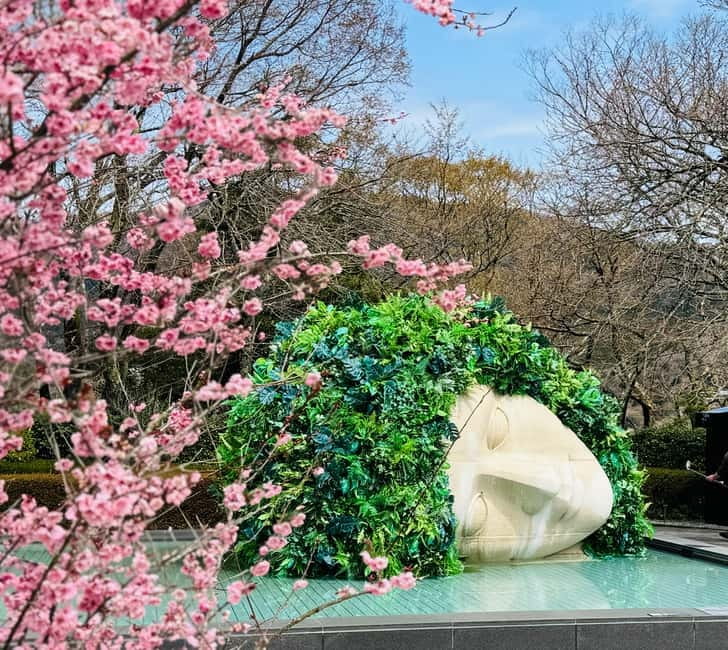
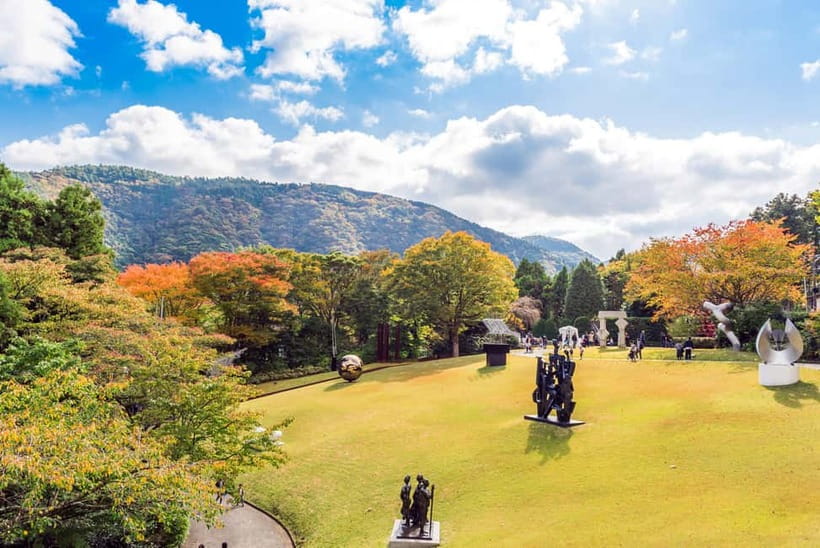
The day often starts at the Hakone Open-Air Museum, and it’s easy to see why this stop earns so much love. The museum isn’t “art in a room.” It’s art outdoors, placed in gardens where you can breathe. That matters here. You’re going to spend a lot of time looking later at geothermal steam and then at a lake view. Starting with walking, greenery, and sculptures helps keep the day from feeling like nonstop motion.
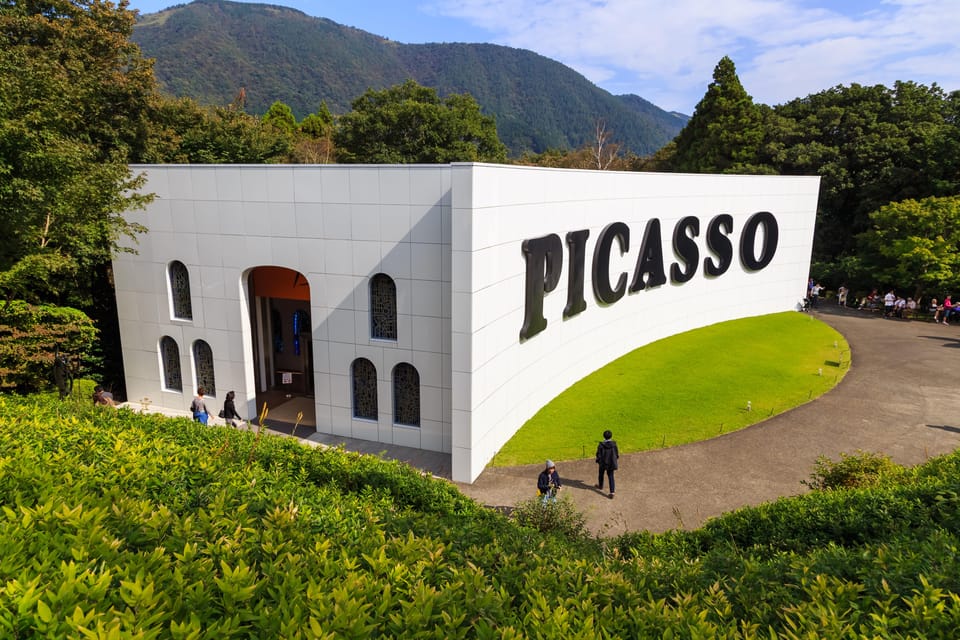
What makes it special is the mix of well-known artists and a layout designed for wandering. You’ll find works by major names such as Henry Moore and Joan Miró, along with an engaging Picasso gallery. The gardens also give you an easy pace: pause for photos, then drift to the next cluster of sculptures without a rigid schedule.
What to watch for: bring comfortable shoes. The surfaces outside and the garden paths add up. Also, if it’s rainy, don’t assume the museum is a washout. The outdoor setting still works because you can treat it like a slow indoor-and-outdoor stroll: quick shelter when needed, then back to the open air.
Potential drawback: the museum can take time, especially if you like details or want extra photo stops. If you’re someone who checks every piece, plan on spending more time here. If you’re more “hit the highlights,” you’ll still get value without feeling trapped.
Owakudani: The Volcanic Valley That Smells Like the Real Thing
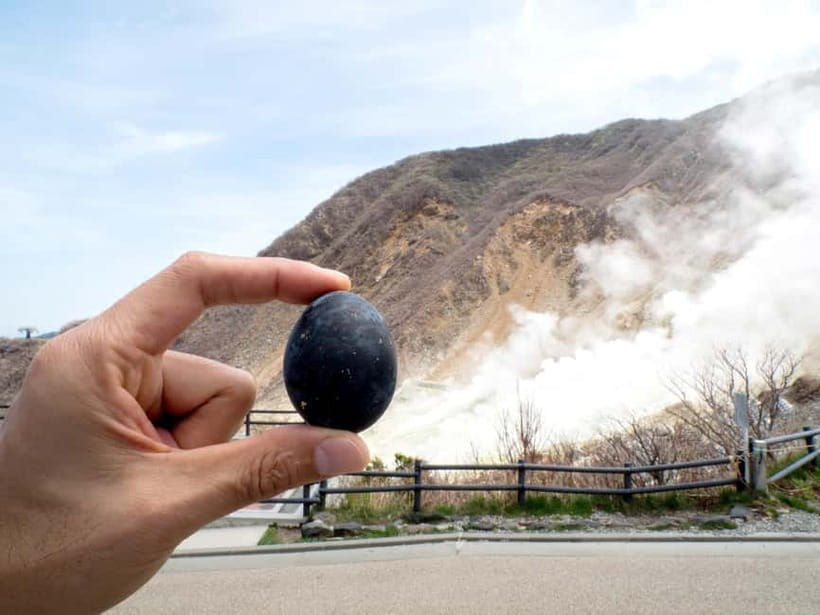
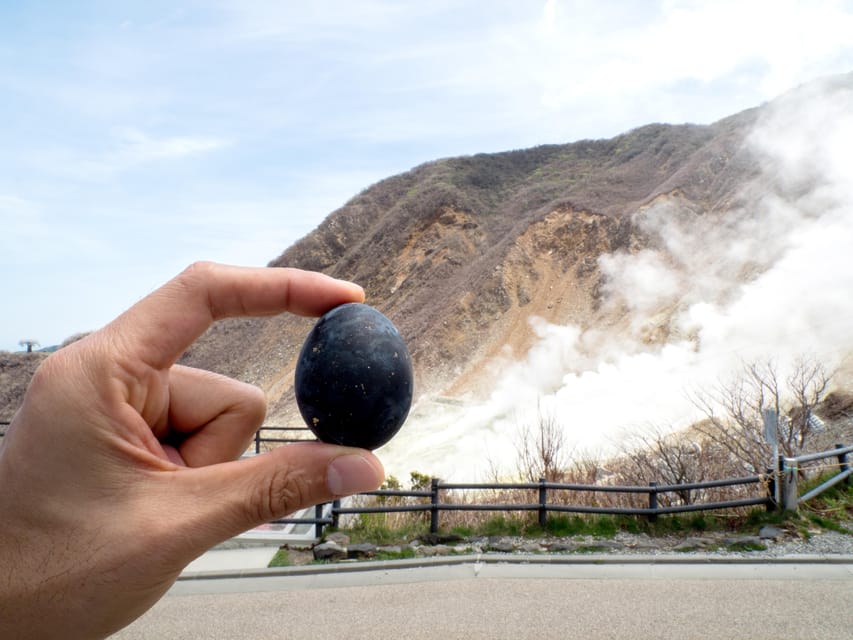
Next comes the part that feels most like leaving Earth’s usual routine. Owakudani is an active volcanic valley known for dramatic steam vents and sulfurous hot-spring atmosphere. Even if you’ve read about volcanos before, seeing it in person hits differently. It’s not just a pretty viewpoint. It’s a living reminder that this region’s beauty is powered by ongoing geothermal activity.
Expect a strong sensory vibe: steam rising, sulfurous notes in the air, and that unmistakable “geology is loud here” feeling. This is also one of the best places to understand why Hakone looks the way it does. The mountains, the hot springs, and the whole geothermal story connect here in a way that feels tangible.
What to watch for: weather matters. Low clouds can hide some farther views, but the core experience—steam vents and volcanic atmosphere—still lands. In fog or drizzle, the valley can feel even more intense and atmospheric, just with fewer distant photo options.
Also, keep your day flexible. The guide may adjust the order based on traffic and conditions. On some versions of the day, guides plan around the best lighting and crowd levels, so you can get a more comfortable visit.
Hakone Shrine by Lake Ashi: Torii Gate Views and Quiet Photo Time
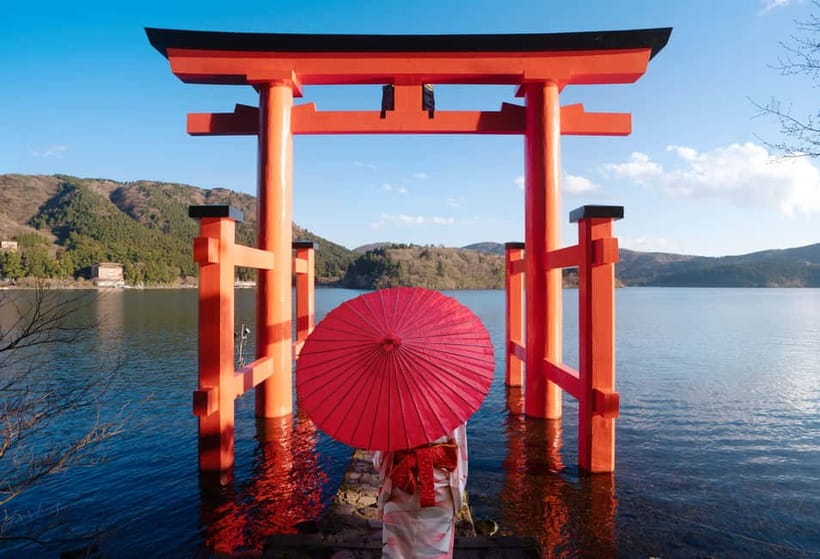
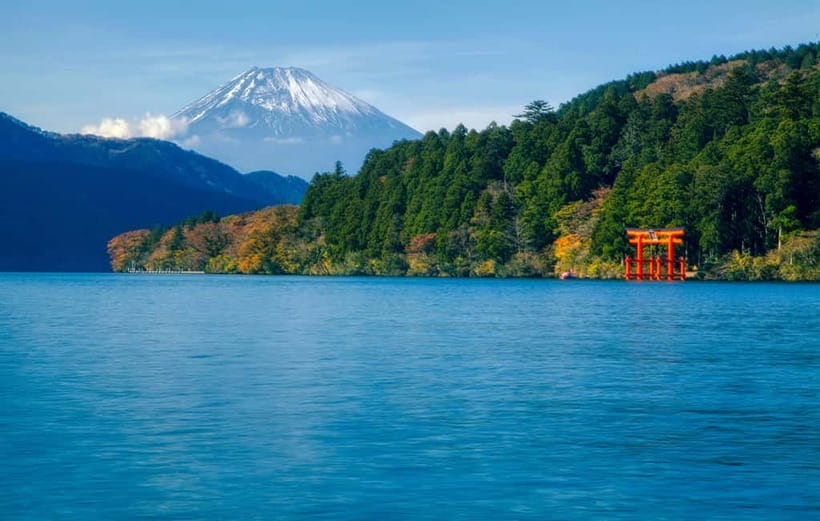
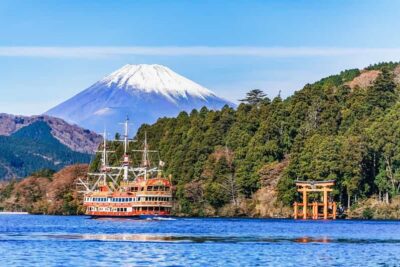
Then you shift gears into something calmer: Lake Ashi and the Hakone Shrine area. This is where the day turns photogenic in a different way. The shrine is known for that iconic torii gate in the water—perfect for photos when the light is right and the lake surface cooperates.
What I like about this stop is how it functions as a pause button. After steam and sulfur at Owakudani, you get trees, water, and more breathing room around the shoreline. It’s also one of the best moments to reset your pace. Walk slowly, look at the mountains framing the lake, and take your time with the water-level views.
If Mount Fuji is visible that day, it can add a huge bonus to the scene—but clouds and rain are common enough that you shouldn’t count on it. Even when Fuji doesn’t show, the lake-and-mountains setting still feels worthwhile.
A practical tip: bring an item you can use to make the day easier at the shrine. One helpful detail that pops up for this stop is that people often fill up with mineral water at the site, so having a bottle ready can save you from hunting for drinks on a busy day. Another tiny detail I appreciate: offerings can be as simple as small coins, and 5 yen is commonly considered a lucky offering here.





Mt. Fuji Views and the Reality of Weather
A lot of people book Hakone for the possibility of Mt. Fuji. That’s fair, because when it appears, it’s a star. But Hakone’s weather can be moody, and this tour builds in enough flexibility to help you make the most of the day without turning it into a stressful weather chase.
In real terms, what happens depends on visibility. When Fuji is hidden, you’ll still get a great day out: volcanic valley, sculpture gardens, lake views, and the shrine setting. And if conditions improve, a good guide will try to adjust timing to improve your chances—like arriving earlier at key spots so you’re not stuck in the heaviest crowds.
One small extra: in some schedules, the day may include or be paired with optional lake transport that can improve your view angles of Fuji and the shoreline—though those extras depend on weather and local operations.
Optional Lake Ashi Extras: Ropeway or Pirate Ship (If the Weather Allows)
The tour gives you the option to add experiences on-site, usually centered on Lake Ashi:
- Hakone Ropeway (optional)
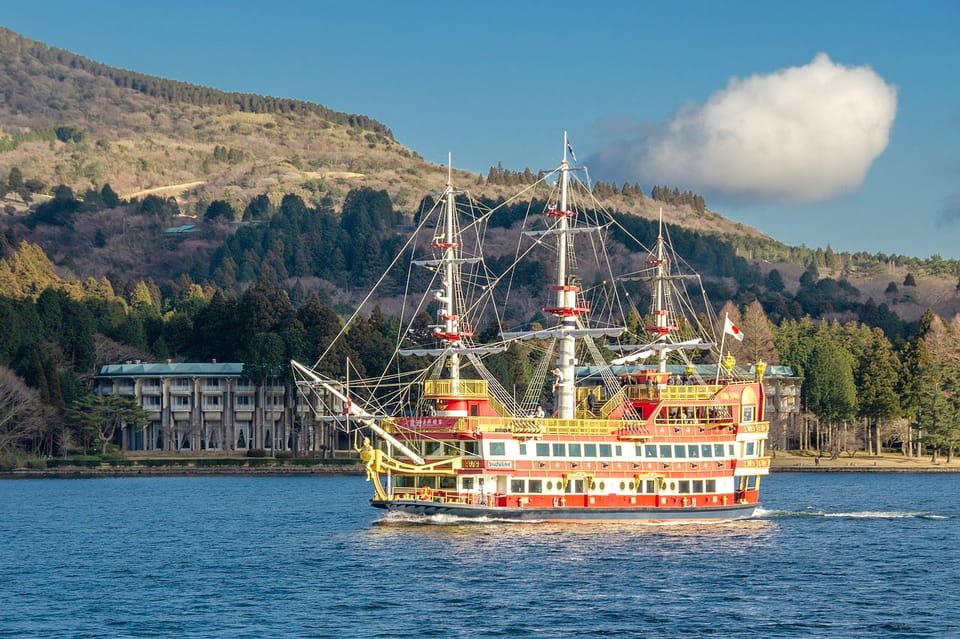
- Pirate Ship across the lake (optional)
These are not guaranteed every day, and that’s the honest part. Weather and local conditions decide. The good news is that your guide will help you with what’s available, which keeps you from dealing with ticket confusion while you’re busy trying to enjoy the view.
Pirate Ship: Why It’s Popular
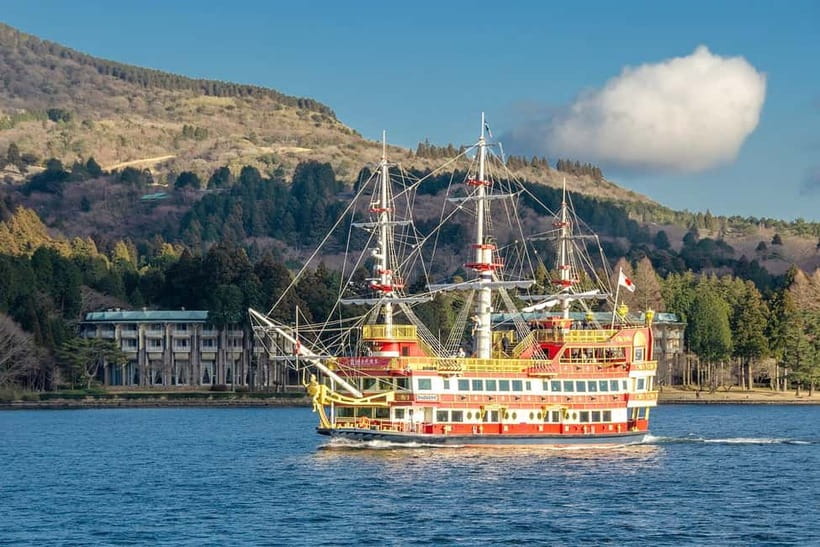
The pirate ship option is a classic because it changes your perspective. Instead of looking at the lake from the shore, you’re actually out on it, with open water around you. If Fuji is visible, that can be a dramatic bonus. Even when Fuji isn’t visible, the lake ride still feels like a reset—a slower pace inside a day full of sights.
Ropeway: A Different Angle on the Same Area
The ropeway can provide a higher vantage point, which can be especially useful if clouds clear or if you want a different view of the volcanic-to-lake transition. If visibility is poor, you might still get value from the ride for the scenery, but expect the experience to be more about getting from one side to another with a view than about seeing far distances.
My advice: don’t force it. If the weather looks shaky, let the guide’s recommendation steer you. The best value is getting what’s open and enjoyable without burning the day.
How the Whole Day Runs Without Feeling Like a Rush
Even though Hakone can feel like it should take multiple days, this tour’s job is to keep it coherent in one. You’ll start at a meeting point that can vary by option, and the day ends back there. The guide handles the route and timing, and they can adjust order based on traffic and weather.
There are also a couple of operational realities to know:
- Vehicle operating time is limited, so the plan can shift to stay within rules.
- In peak season, the order may reverse.
- You should expect the day to be influenced by crowd patterns and road conditions.
The upside is that the guide isn’t just driving—you’re getting a helper who can steer you toward the best flow. In the kinds of situations where rain hits hard, guides may rearrange the sequence to reduce crowd pressure or to make sure you get key views before conditions change.
If you’re someone who likes structure but hates rigid schedules, this day tour hits a sweet spot: you get the plan, but the plan can breathe.
Transportation and Guide Support: The Real Value Add
At $79 per person, the headline value isn’t just that you’re getting seats on a bus. It’s that the tour folds in:
- Transportation
- English and Korean-speaking guide
- Admission tickets
That combination is what turns Hakone from a “maybe I’ll figure it out” day into an easy, low-friction experience. You also get the comfort of someone translating logistics into a human schedule—when to go, where to stand, and how to keep your day from slipping.
Guide quality matters on a day like this, because the difference between a good day and a great one often comes from timing decisions. Based on the guide examples that show up for this tour (including names like Yuichi, Juna, and Icchi), the common thread is care: adjusting timing, handling weather changes, and keeping the group moving safely and calmly.
Price: Is $79 Actually Good Value?
$79 isn’t a bargain price in the sense of “cheap.” But it’s a solid value if you compare it to the real cost of:
- figuring out transit connections,
- paying separate admissions on your own,
- and losing time to planning.
Because this price includes transportation, a bilingual guide, and admissions, you’re paying for convenience and for someone else to manage the day. For many people, that’s worth it—especially when the weather and traffic can disrupt DIY plans.
Not included costs are also straightforward:
- meals (you’ll want snacks or a light lunch)
- personal expenses
- optional on-site tickets for the Ropeway or Pirate Ship
So your main decision is simple: are you happy to trade a bit of freedom for less planning stress? If yes, the price makes sense.
What to Bring (So You Don’t Waste Time)
Keep your packing simple:
- Comfortable shoes (you’ll walk)
- A way to handle weather (an umbrella or light layer is smart)
- Snacks or a light lunch, since meals aren’t included and you’ll likely want something handy between stops
- If you want the shrine water and offerings, bring what you need (like a bottle and small coins)
If you’re traveling with a stroller, the tour asks you to inform them. If you have an infant, the infant is free of charge, but there isn’t a seat available.
Who This Tour Fits Best
This is a great fit if you:
- want a high-impact one-day escape from Tokyo
- like nature and culture, and you want both in one loop
- prefer a guide to handle timing and admissions
- may not want to plan every transit detail yourself
It’s also a good choice if you’re traveling with a friend or partner who wants clear structure. Hakone day trips can be long; having a driver and guide removes decision fatigue.
If you love total flexibility and you’re comfortable building your own route with transit, you might prefer DIY. But for most people, a guided day tour is the calmer path.
Should You Book This Hakone Day Tour?
Yes, I’d book it if you want art + volcanos + Lake Ashi in one day with a guide handling the heavy lifting. The strongest reasons are the Hakone Open-Air Museum setting, the authentic hit of Owakudani’s volcanic valley, and the classic Hakone Shrine views over Lake Ashi.
Book with the right mindset, though: weather affects Mt. Fuji, and timing can shift with traffic and local conditions. If you’re okay with that and you’d rather focus on enjoying the day than chasing perfect visibility, this tour is a very practical way to get a lot of Hakone without the stress.
FAQ
What is included in the tour price?
The tour includes transportation, an English and Korean-speaking guide, and admission tickets for the included attractions.
Are meals included?
No. Meals aren’t included, so it’s recommended to bring snacks or a light lunch for the bus or the attraction sites.
What optional activities can I add on the day?
You may be able to add Hakone Ropeway and Pirate Ship experiences. Availability depends on weather and local conditions, and your guide can help you arrange them on-site.
Does the tour include tickets for the Ropeway or Pirate Ship?
Those tickets are not included in the base price. The Ropeway ticket and Pirate Ship ticket are optional and typically purchased on-site.
What language is the guide?
The guide provides service in English and Korean.
Where does the tour start and end?
The tour starts at a meeting point that may vary depending on the option booked and ends back at the same meeting point.
Can the itinerary change during the day?
Yes. The itinerary can be adjusted due to traffic and weather, and in peak season the order may be reversed. Vehicle operating limits in Japan may also affect the timing.
Is Mt. Fuji guaranteed?
No. Visibility depends on conditions, and the plan may adjust based on weather. The tour still includes major experiences even if Fuji isn’t visible.
Are infants included?
Infants are free of charge, but there isn’t a seat available for an infant.
What should I wear or bring?
Wear comfortable shoes. Bringing a light lunch/snacks is recommended, and it helps to carry a bottle for water at the shrine area.
More Tour Reviews in Tokyo



Fresh reviews from around Tokyo






Tokyo, compared.
 ★ 5.0Mt Fuji and Hakone 1-Day Bus Tour Return by Bullet TrainFrom $16326,383 reviews
 ★ 5.01-Day Tokyo Bus TourFrom $12914,250 reviews
 ★ 4.6teamLab Planets TOKYO Digital Art Museum Entry TicketFrom $259,779 reviews
 ★ 4.0Mt Fuji & Hakone Cruise, Drum Show Bullet Train 1 Day from TokyoFrom $1497,413 reviews
 ★ 5.0Shinjuku Food Tour (13 Dishes at 4 Local Eateries)From $866,603 reviews
 ★ 4.4Tokyo Mt Fuji 5th St & Hakone Cruise Bus Tour w/Bullet TrainFrom $1545,024 reviews
 ★ 5.0Flagship 2-Hours Official Street Go-Kart Tour – Tokyo Bay ShopFrom $644,974 reviews
 ★ 4.5From Tokyo: Mount Fuji Full-Day Sightseeing TripFrom $684,970 reviews