
Reviewed · WALKING TOURS
Tokyo Half Walking Day Tour with a Local Expert Guide
Four hours, and Tokyo feels smaller. This private half-day walking tour packs big hitters like Shibuya Crossing, Imperial Palace grounds, and major viewpoints into one tight route, so you don’t spend your limited vacation time figuring out where to start. I like the human touch: you get a local expert guide with plenty of attention, not just a headset tour. I also like that complimentary bottled water helps keep you going between stops. One drawback to keep in mind: pickup timing can matter a lot, and there’s been a report of a no-show tied to unclear pickup details.
What makes this tour especially practical is the blend of iconic and quieter Tokyo moments. You get free admission at several key sights, with only a couple of spots requiring extra tickets. The route is set for around 4 hours, with about 30 minutes at each stop, so you can see a lot without turning the day into a 10-mile march.
In This Review
- Key highlights to know before you go
- Shibuya Crossing: start with the big moment
- Tokyo Metropolitan Government Building Observation Decks
- Tokyo Tower and FootTown: iconic but ticketed
- Imperial Palace: a serene anchor in Chiyoda
- Tsukiji Outer Market: food shopping without the wholesale chaos
- East Gardens of the Imperial Palace: Edo Castle ruins, open to the public
- Meiji Jingu Shrine: a calm reset with Emperor Meiji and Shōken
- Price and pacing: does $80.02 feel fair?
- Should you book this Tokyo half-day private walking tour?
- FAQ
- How long is the Tokyo half walking day tour?
- Is this tour private?
- Is bottled water included?
- Are there extra admission fees?
- Do you offer pickup?
- What hours does the tour run?
- Is there free cancellation?
Key highlights to know before you go
- A true private group experience: only your group goes, so you’re not competing for guide time.
- Hotel pickup is offered: designed to reduce Tokyo stress on day one.
- City views from multiple angles: Shibuya energy, then big skyline viewpoints.
- Free entry at several major stops: you’ll pay only where it’s explicitly required.
- Tsukiji Outer Market + shrine time: food-and-stalls energy followed by a calm reset.
- Bottled water included: small detail, big comfort when you’re walking.
Tokyo at walking pace, a few more ways
- Tokyo Tsukiji Fish Market Food and Culture Walking Tour★ 5.0 · 3,184 reviews
- Tokyo: Shinjuku Local Bar and Izakaya Guided Walking Tour★ 4.9 · 1,794 reviews
- Tokyo: Tsukiji Fish Market Food and Walking tour★ 5.0 · 1,724 reviews
Shibuya Crossing: start with the big moment
You’ll begin at Shibuya Crossing, the famous pedestrian scramble in front of the Shibuya Station Hachikō exit. This is the kind of place where Tokyo instantly makes sense—fast-moving, layered, and slightly chaotic in the best way. The guide helps you reach the right spot to actually see what people mean when they talk about the intersection.
This stop is short, about 30 minutes. That’s intentional. Shibuya can eat time if you drift into shops or wander without a plan. On this tour, the guide keeps you focused on the best photo angles and the easiest walking path to the next viewpoint stop.
A practical note: Shibuya is popular, so expect crowds around the crossing. The win here is having a guide who knows where to stand and when to move, so you’re not spending your time circling like a lost phone battery.
If you’re visiting Tokyo for the first time, Shibuya gives you a “mental map.” It’s not just a sight; it’s a reference point. After this, everything else feels easier to place in your head.
Tokyo Metropolitan Government Building Observation Decks
Next up: the Tokyo Metropolitan Government Building observation decks. This is one of my favorite categories of Tokyo stops—big views, zero drama. The view alone is worth it, but what makes this work well on a half-day tour is the built-in “context” angle. You get to look over the city while learning about Tokyo’s future and how the city is shaping itself.
Admission is free, which helps the tour feel value-focused. Many observation spots in Tokyo cost extra just to get your bearings. Here, you can spend your money on experiences later instead of paying multiple times for views.
The deck time is again about 30 minutes. That’s enough to take photos, scan the horizon, and feel the scale of the city. It’s also short enough that you won’t end up stuck indoors too long if the weather turns.
The main consideration: on a clear day, these decks can be very popular. If visibility is average, still go—Tokyo’s layout is easier to understand from above even when you can’t see as far.
Tokyo Tower and FootTown: iconic but ticketed
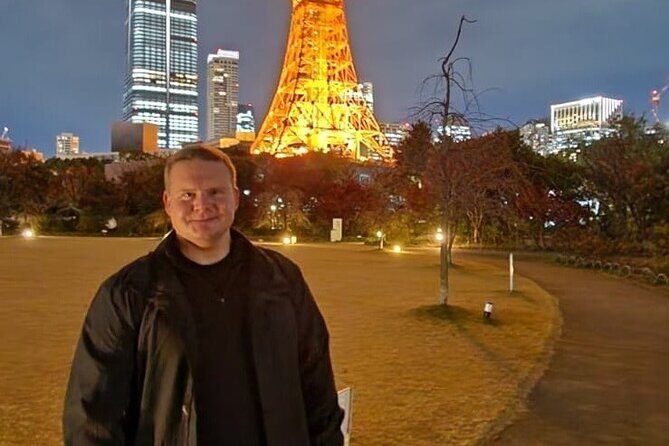
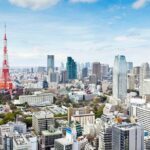
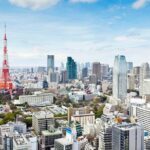
Then you’ll head to Tokyo Tower, a classic symbol you can’t miss once you’re looking for it. The tour keeps it practical: you’ll spend around 30 minutes here, and the area includes the FootTown complex with shops and restaurants, plus museums and observation-related areas.
Here’s the money-and-time detail that matters: Tokyo Tower itself is free to visit, but an extra ticket is required to go up. So if your goal is the highest view, budget for that add-on. If your goal is photos from the base area and the vibe of the tower zone, you may feel completely satisfied without buying an upward ticket.
This stop works well because it shifts your perspective. After skyline views from the observation decks, Tokyo Tower offers a more “human-scale” landmark feeling. You’ll likely notice different parts of the city depending on what vantage point you’re using—observatory decks flatten distance; the tower gives you a strong focal point.
One caution: because Tokyo Tower has options and upsells, it’s worth telling your guide what you want most—base area photos, museum time, or the higher decks. That way you won’t end up spending extra money or time on the wrong choice.
Imperial Palace: a serene anchor in Chiyoda
After the tower, you’ll move into a totally different mood at the Imperial Palace in Chiyoda ward. The focus here is the park-like setting around the main imperial residence—an actual mental reset from big-city sights. This is one of the best spots on the route for travelers who want a pause, not just another landmark stamp.
This stop is also about 30 minutes and admission is free. That matters for planning because you can keep your budget under control while still seeing a core piece of Tokyo’s identity.
What makes this stop feel worth the time is the contrast. You go from high-visibility icons (Shibuya and Tokyo Tower) into a wide, open feel—space that makes the city’s density feel less overwhelming. You can walk, slow down, and take in the layout without needing complicated tickets.
Potential drawback: because it’s a large area and a free stop, it can be easy to wander off and lose time. That’s where the “private guide” part is helpful. You’ll get a route that keeps you moving toward the next moment rather than drifting in circles.
More days made easy by a guide

Tsukiji Outer Market: food shopping without the wholesale chaos
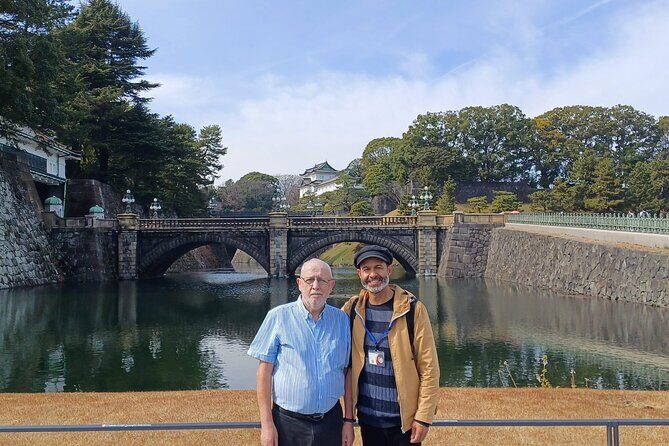
Then comes Tsukiji Fish Market, specifically Tsukiji Outer Market, near the former wholesale market area. This is where the tour switches from sightseeing to sensory Tokyo—seafood, produce, and food-related goods like knives, plus lots of small shops and places to eat.
The tour keeps this stop around 30 minutes. That’s the right length for Outer Market because it’s easy to turn a quick walk into a long food crawl if you’re not careful. With a guide, you get a plan: where to browse, what to look for, and how to avoid wasting time on stalls that don’t match what you want.
Admission is free since you’re essentially walking the market streets. That’s good value because you control your spending. If you want snacks, you can buy them. If you’d rather browse and save eating for later, you can do that too.
One thing to consider: Tsukiji is known for a huge variety of items and shopping energy. If you’re sensitive to strong smells or you’re traveling with kids who get restless, treat this as a “walk and taste if you want” stop, not a full shopping expedition.
East Gardens of the Imperial Palace: Edo Castle ruins, open to the public
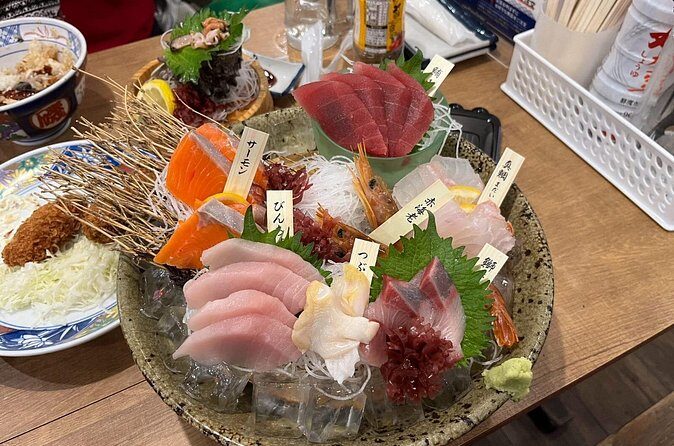
After Tsukiji, you’ll visit The East Gardens of the Imperial Palace (Kōkyo Higashi Gyoen), an area within the inner palace grounds that’s open to the public. This stop connects Tokyo’s modern center with its older defensive geography: it was once part of Edo Castle’s main and secondary defense circles.
Unlike the main Imperial Palace stop, this one has a ticket detail: it’s not included, so you’ll likely pay extra on-site. The tour also flags entry costs—about 500 Yen to purchase on site—which is the kind of cost you should expect for certain sites on this route.
This is one of those stops where 30 minutes feels just right. The gardens give you space to walk at a slower pace, and the Edo Castle context helps the place feel more than just pretty paths. Even if you’re not a deep history person, this kind of background makes the layout more meaningful.
Possible drawback: because the tour time is limited, you won’t have hours to linger. If gardens are your thing, consider saving time at the end of the route to continue exploring on your own after the tour ends back at the meeting point.
Meiji Jingu Shrine: a calm reset with Emperor Meiji and Shōken
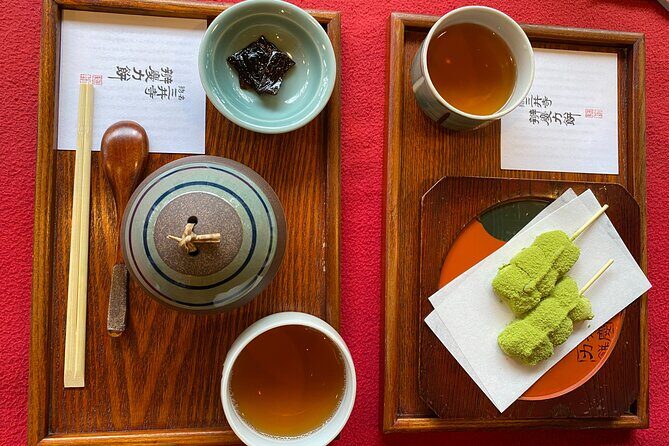
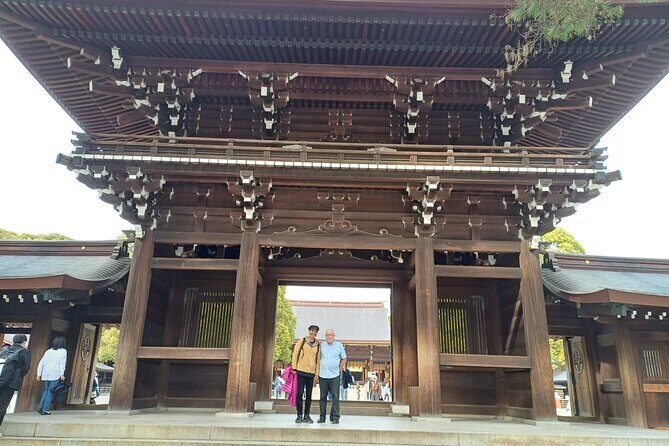
Finally, you’ll reach Meiji Jingu Shrine, a major spiritual stop that feels like a different world compared with Shibuya’s street-level motion. The shrine honors the deified spirits of Emperor Meiji and Empress Shōken, and the guide can help you understand what that dedication means and how it shapes the shrine experience.
This stop is free for entry and lasts about 30 minutes. That’s a great ratio: you get enough time to see key areas, absorb the atmosphere, and reset your head before you head back.
This is also a smart emotional pacing choice. The day starts loud and iconic, then becomes viewpoint-heavy, then shifts into palaces and a market, and ends in a quieter place. By the time you arrive at the shrine, you’ll likely appreciate the change in tempo.
Consideration: shrine visits come with rules and etiquette, and if you’re unsure, it’s worth asking your guide how to behave in the main areas. That’s one of the practical reasons to do a guided route—people don’t always know what to do until someone tells them.
Price and pacing: does $80.02 feel fair?
At $80.02 per person for about 4 hours, this tour lands in the “good value” zone for visitors who want structure and local guidance without turning Tokyo into a DIY stress test.
Here’s why the price can make sense:
- Guided time counts. You’re not just buying access to sights; you’re buying someone to connect the stops and keep the route efficient.
- Bottled water is included. It’s a small line item that makes walking days feel more comfortable.
- Many admissions are free. Shibuya Crossing is free, Tokyo Metropolitan Government decks are free, Imperial Palace is free, and Meiji Jingu is free.
- Only some stops cost extra. Tokyo Tower going up requires an extra ticket, and the East Gardens are not included.
Also, booking tends to be proactive—this tour is often reserved about 32 days in advance on average. That’s usually a sign of popularity and scheduling demand, which matters if you’re traveling in peak season.
About transportation: public transportation and private transportation aren’t listed as included, even though pickup is offered. In practice, that often means you’ll start with pickup or an agreed point, then cover segments on foot (and potentially via transit depending on the exact route). Either way, it’s wise to wear comfortable shoes and assume walking time is part of the deal.
Finally, one operational consideration comes from a serious review warning: there’s been at least one report of a no-show related to pickup timing not being clearly communicated. You can reduce your risk by confirming pickup details the day before and again the morning of the tour. Keep it simple: ask for the exact pickup window, where to meet, and a contact method for day-of changes.
Should you book this Tokyo half-day private walking tour?
Book this if you want a focused route that hits the big icons plus calmer cultural stops, all within a manageable 4-hour window. It’s especially good if you like the idea of having a local guide help you get your bearings fast—Shibuya to viewpoints to Imperial Palace areas to Meiji Jingu.
Don’t book it if you’re the type who enjoys wandering with no structure at all. This tour is designed to keep moving and keep time under control, so you may feel slightly guided even if it’s customizable.
My best fit advice:
- First-timers who want essentials without planning headaches
- Travelers who enjoy mixing landmark photos with one quieter shrine or palace moment
- Anyone who appreciates free admission spots and clear expectations about where extra ticketing may be needed
If you do book, do one thing: confirm pickup timing early and keep your communication crisp. It’s a small step that protects your schedule in a city where plans can change quickly.
FAQ
How long is the Tokyo half walking day tour?
It runs for about 4 hours.
Is this tour private?
Yes. It’s a private tour/activity, and only your group participates.
Is bottled water included?
Yes. Bottled water is included.
Are there extra admission fees?
Some entries are free, but not everything is included. Tokyo Tower going up requires an extra ticket, and the East Gardens of the Imperial Palace are not included. The experience also notes entry costs (500 Yen) to be purchased on site.
Do you offer pickup?
Pickup is offered, and the activity ends back at the meeting point.
What hours does the tour run?
Tours are available Monday through Sunday from 9:00 AM to 6:00 PM (for the listed operating dates).
Is there free cancellation?
Yes. You can cancel up to 24 hours in advance for a full refund.
Tokyo on Foot: More Walks

More Tours in Tokyo




More Tour Reviews in Tokyo




Fresh reviews from around Tokyo






Walking Tours, compared.
 ★ 5.0Tokyo Tsukiji Fish Market Food and Culture Walking TourFrom $993,184 reviews
 ★ 4.9Shinjuku Local Bar and Izakaya Guided Walking TourFrom $341,794 reviews
 ★ 5.0Tsukiji Fish Market Food and Walking tourFrom $301,724 reviews
 ★ 4.8Asakusa Walking Tour with Sensoji Temple VisitFrom $221,583 reviews
 ★ 4.9Tsukiji Fish Market Guided Walking TourFrom $221,397 reviews
 ★ 4.7Tokyo Castle & Imperial PalaceーShogun Walking TourFrom $231,068 reviews
 ★ 4.9Imperial Palace Japanese History Walking TourFrom $32987 reviews
 ★ 4.7Dark Side of Tokyo Shinjuku Red Light Walking TourFrom $29862 reviews
Browse the lists this tour appears in