
Reviewed · ASAKUSA TOURS
Tokyo: Asakusa & Tokyo’s Oldest Temple Senso-ji Walking Tour
Two hours can change how you see Tokyo. This Senso-ji & Asakusa walk takes you from the thunderous Kaminarimon Gate into the old-street world of Nakamise and the temple complex that dates back to the 7th century. I love how the guide (often people like Lax or Shoma ) turns what you see into stories about religion, neighborhood life, and legend, not just a list of stops.
What I also like: it’s a small group limited to 10, so the vibe stays friendly and you’re not stuck staring at the back of someone’s camera. One drawback to consider is focus: because it’s concentrated in one area, you’ll enjoy it most if you like learning as you go. If you prefer a wider route across multiple neighborhoods, this may feel a bit like a great local tour of just one world.
In This Review
- Key things I’d put on your radar
- Why Senso-ji and Asakusa still feel like old Tokyo
- Meeting at 雷門交番 and how the 2-hour format works
- Nakamise Shopping Street: snacks, shopping, and what to focus on
- Into Senso-ji: Kaminarimon Gate and the temple atmosphere
- Asakusa after the temple: the neighborhood layers you might miss
- Price and value: what $11 buys you for 2 hours
- Guides make the difference: Lax and Shoma’s style
- Who should book this tour, and who might skip it
- Should you book this Senso-ji Asakusa walk?
- FAQ
- How long is the Tokyo: Asakusa & Senso-ji Walking Tour?
- What is the meeting point?
- Is the tour guided in English?
- How big is the group?
- What is included in the price?
- What is not included?
- Can I cancel and get a refund?
Key things I’d put on your radar
- Senso-ji since the 7th century, explained in plain English as you walk
- Kaminarimon Gate + Nakamise Street, built for photo stops and snack breaks
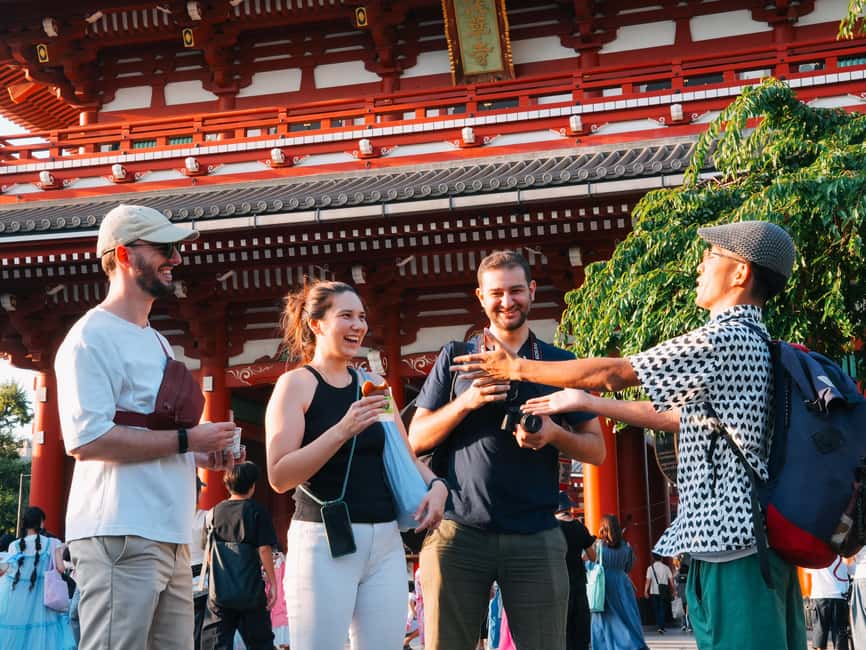
- A real guide, with reviewers praising English clarity and story-driven explanations (including Lax and Shoma)
- Small group size (up to 10), which often means more interaction
- Asakusa’s changing layers, from older eras like Edo to later revival stories
More mornings around Senso-ji and the old town
- Tokyo: Japanese Dance Cabaret Theater Asakusa-Kaguwa Ticket★ 4.8 · 2,270 reviews
- Tokyo: Asakusa Walking Tour with Sensoji Temple Visit★ 4.8 · 1,583 reviews
- Tokyo Asakusa Rickshaw Tour★ 5.0 · 1,375 reviews
Why Senso-ji and Asakusa still feel like old Tokyo
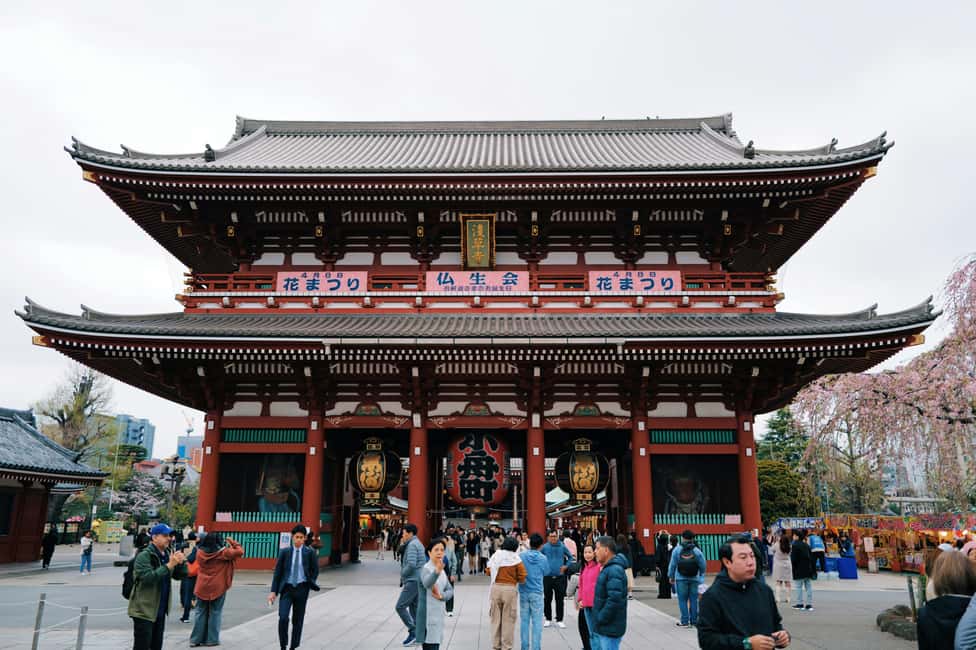
Senso-ji isn’t just a famous temple you pass by. It’s the kind of place that makes Tokyo’s history feel physical. You walk into a district shaped by centuries of faith and street life, then you hit the big visual anchor: the temple grounds associated with a tradition reaching back to the 7th century.
Asakusa is the match to that temple. The neighborhood still carries the echoes of earlier Tokyo, including references to Edo-period life and the way the area evolved over time. You’re not just looking at a postcard scene. You’re walking through the kind of streets where the past keeps showing up in the details—shopfront rhythm, the temple atmosphere, and the way people move through the area day to day.
And because this tour is built for a short, guided walk, it helps you connect the dots fast. I like experiences where you stop and learn, but you don’t have to study a textbook first. This one gives you context while you’re still surrounded by the sights.
Meeting at 雷門交番 and how the 2-hour format works
The tour meets at Kaminari-mon Police Station, marked as 雷門交番. That’s a helpful detail because it means you’re starting from a landmark people actually recognize, not a vague side street.
The pacing is also worth noting. At 2 hours total, it’s designed to cover the key “why you’re here” spots without turning your day into a logistics project. You’ll spend about an hour on the Nakamise shopping stretch, about an hour at Senso-ji with photo time, and then you’ll round out in Asakusa for roughly 80 minutes.
Here’s the practical meaning of that schedule: you won’t have time to wander endlessly in every alley. Instead, you’ll cover the highlights and a few lesser-seen angles the guide points out. If you’re the type who likes to browse slowly on your own after a tour, this length is a good fit. You get the orientation, then you’re free to decide what to linger on.
One more note from the vibe of the experience: reviewers highlight that the guide’s presentation style matters. If your guide tells stories with facts you can actually picture, the time flies. If you only want a route with minimal explanation, you might find the learning pace a little slower than you’d prefer.
Nakamise Shopping Street: snacks, shopping, and what to focus on
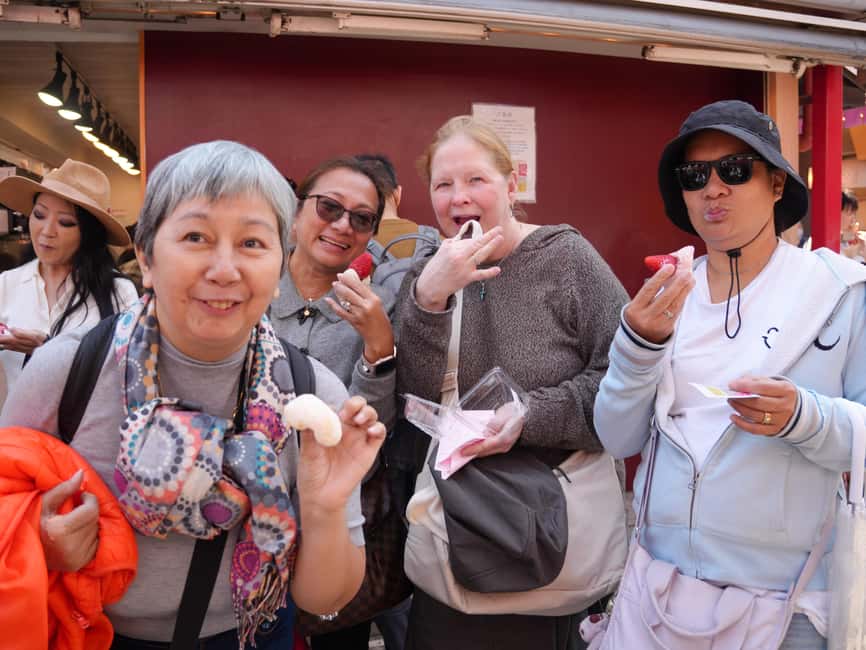
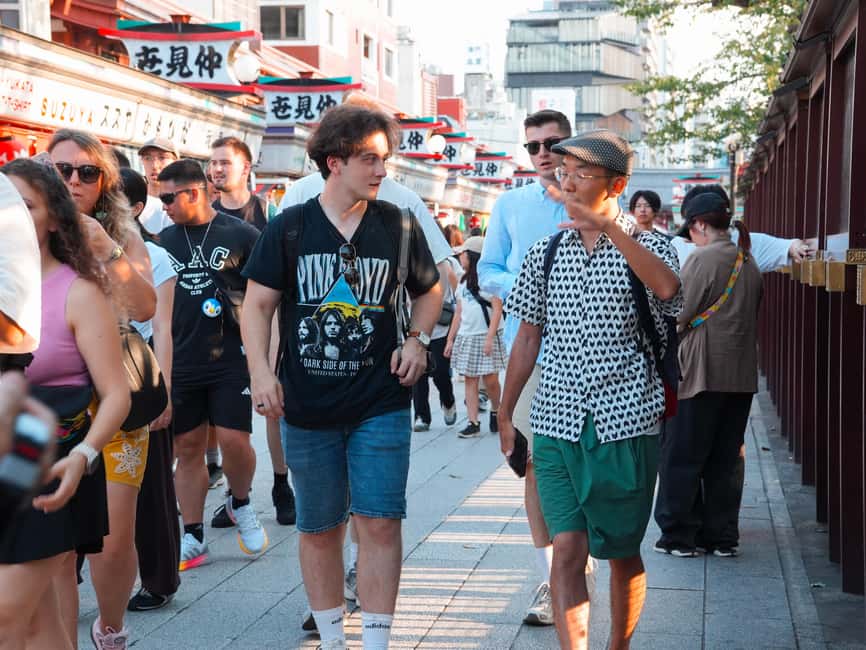
Nakamise Shopping Street is where the whole Asakusa mood kicks in. You walk through traditional shops lined along the approach, and the air tends to be full of the smells that make you stop without meaning to. The experience here is meant to feel like old Tokyo street life, with glowing lantern energy and plenty of visual texture for photos.
This is also where you’ll likely spend the most time shopping and grazing. The tour setup gives you that hour-long window for a reason: Nakamise isn’t just a place you photograph from a distance. It’s a street designed for browsing—food snacks, sweets, small souvenirs, and the kind of everyday commerce that makes the district feel lived-in.
What I suggest you do while you’re there:
- Decide early whether you want to snack or shop first, so you don’t end up doing both at full price and full stomach.
- Keep an eye on what looks handmade or local rather than only what looks flashy. The street is famous, so you’ll see mass-market items, too.
- Take your main photos near the stronger visual backdrops (the street view lines up nicely as you move), then shop while you’re still in the mood.
You’re getting the benefits of Nakamise without needing to figure out what to see. A good guide helps you notice what’s worth your attention and what’s just noise.
Into Senso-ji: Kaminarimon Gate and the temple atmosphere
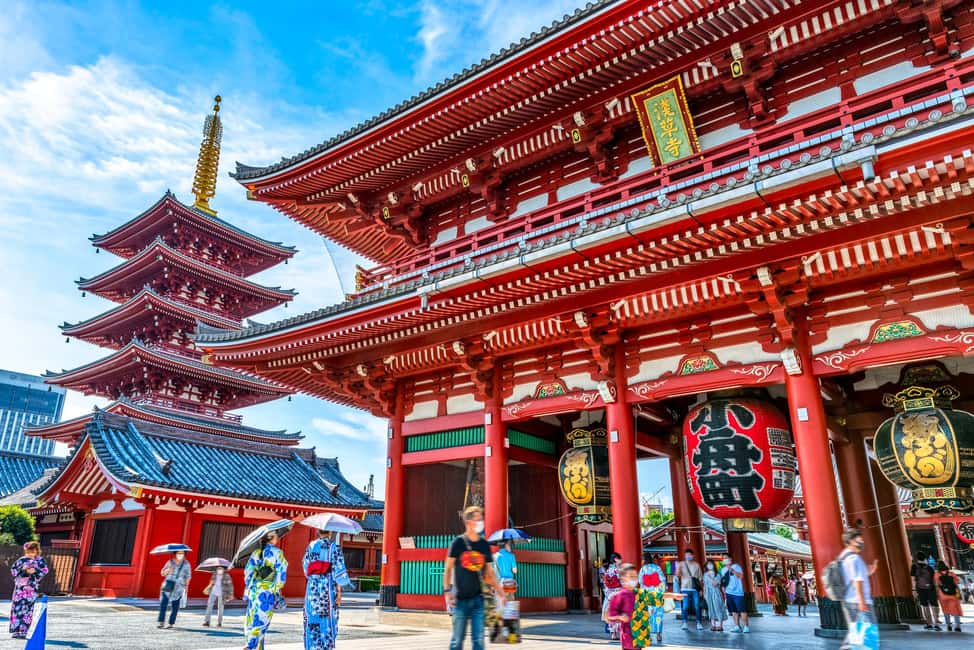
Senso-ji is the big draw, and the walk doesn’t treat it like a quick stamp. You’ll pass under Kaminarimon Gate—the dramatic entrance that anchors so many Tokyo photos. From there, the tour points you toward the temple area where you can take photos and soak in the spiritual atmosphere.
The tour value here is the interpretation. Yes, the scene is impressive on its own. But what makes this stop work well is the way the guide explains legends and history tied to the temple. You’re not left guessing what you’re looking at. Instead, you’re given stories that help the structures and rituals make sense.
There’s also something practical in all this: you’re learning while you’re walking, which keeps the experience from feeling frozen in time. The tour gives you photo stops, but it also gives you something to think about between photos, so you’re not just clicking your camera every few seconds.
If you care about religion, cultural practices, or the way faith shaped city life, this is likely to be one of the more satisfying parts of your day. And if you care more about atmosphere than doctrine, it still works—because the guide helps you understand why people behave the way they do in this space.
Tokyo at walking pace, a few more ways
Asakusa after the temple: the neighborhood layers you might miss
After the temple time, you shift to Asakusa itself—about 80 minutes focused on the district beyond the postcard core. This is where the tour can feel especially fun if you like learning small details.
The guide’s stories help you see the neighborhood as more than a single landmark. You’ll hear references to older eras like Edo-period Tokyo, plus ideas about earlier geisha quarter associations and the idea that this area has gone through transformation over time, including later post-war revival.
You’ll also be shown tucked-away spots that many first-time visitors overlook. These aren’t meant to distract you from the main sights; they’re meant to round out the picture. When a tour includes these smaller angles, you don’t just leave with a set of photos. You leave with a sense of how the district feels in real life.
What you should watch for here is the blend: you’re walking through a neighborhood where older structures and street character still influence what’s around you, even as modern Tokyo continues to sit right next to it. That contrast is part of why Asakusa is so good as an introduction to Tokyo’s living history.
Price and value: what $11 buys you for 2 hours
At $11 per person for a 2-hour guided walk, the value is mostly about focus and efficiency. You’re paying for someone to guide you through the “what am I looking at?” part of the experience—plus admissions included for the places within the tour focus.
Here’s the practical takeaway: this tour isn’t trying to sell you a long list of distant stops that feel like transit between locations. It’s concentrated. That usually means less time lost, fewer decisions, and more time spent actually seeing.
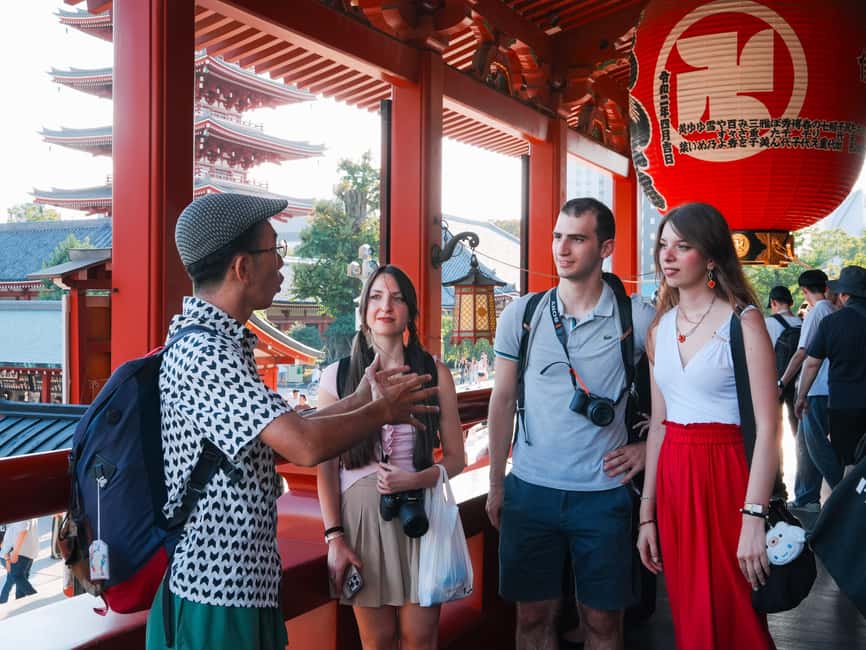
The small group size (up to 10) is another big part of the value. In a crowded area like this, a group that stays tight can make your experience feel calmer and more personal. Reviewers specifically praised guides for enthusiasm, friendliness, and clear English, with one standout comment calling out Shoma’s ability to explain cultural differences between Japanese and Anglo thinking. That kind of framing can turn a simple walk into something you remember.
And yes, there’s one possible trade-off: if you’re hoping for a wide range of neighborhoods in a short window, you’ll want something larger. But if you want a strong orientation to Asakusa and Senso-ji with guidance, this price is a win.
Guides make the difference: Lax and Shoma’s style
A lot of the best experiences depend on the guide, and this one has a track record of guides who connect well with people. In the reviews, guides like Lax (spelled Lax or Lak) and Shoma came up repeatedly, with consistent praise for enthusiasm and friendliness, and for turning facts into something that feels fun instead of textbook-y.
You can also see a theme: strong guides do more than point. They help you link what you see to stories and culture. That’s exactly what you want in a temple and street setting, where details matter but you can’t always read them instantly.
At the same time, one review noted that a guide could engage the group more with story structure and clearer incorporation of facts into what’s being seen. So here’s my advice: show up ready to ask questions. If you’re curious, you’ll get more out of the guide than someone who treats it like just a walk.
Who should book this tour, and who might skip it
This tour is a great fit for:
- First-time Tokyo explorers who want a fast, guided orientation to one of the city’s most iconic old districts
- People who like learning temple and neighborhood context while they’re still in the place
- Visitors who want a compact, low-stress plan with time for photos and street browsing
It might be less ideal if:
- You’re trying to maximize the number of neighborhoods in a day
- You prefer silent sightseeing over guided interpretation
- You want a larger variety of stops beyond Asakusa and Senso-ji
In other words, this is a “do it well” tour of one area, not a “see everything” mega-schedule.
Should you book this Senso-ji Asakusa walk?
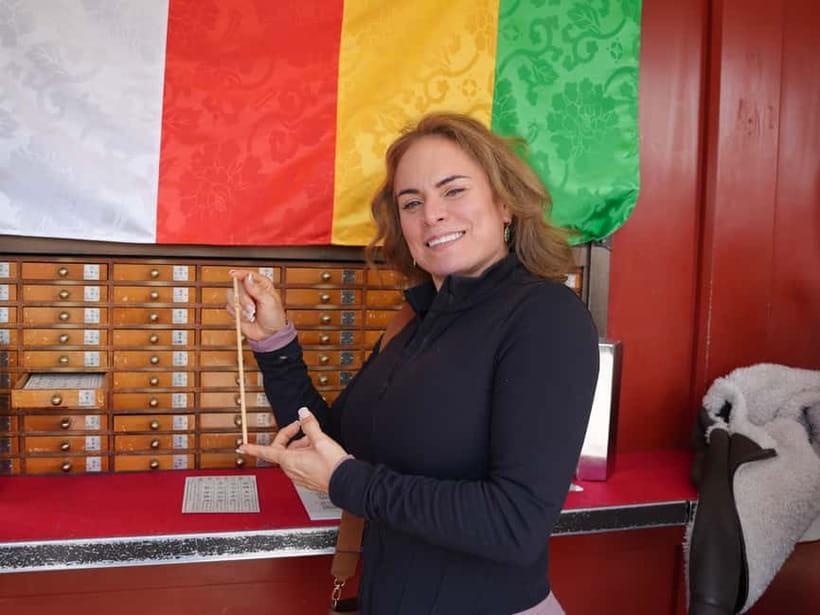
I’d book it if you want old Tokyo with guidance, not homework. The 2-hour format is short enough to keep your day flexible, and the combination of Kaminarimon Gate, Nakamise Street, and Senso-ji gives you the main sights plus enough extra context to feel like you understood them.
If you care about stories—religion, legends, and how the neighborhood changed—this tour is likely to hit the sweet spot. If you’re mainly after a long, wandering day with zero structure, you might get more out of free time on your own. But for most people, the guide-led approach in a small group makes it a solid use of time.
One last practical nudge: bring your camera, but also bring your curiosity. This is the kind of tour where the photos are the easy part. The payoff is what you learn as you walk through the street scenes that made Tokyo famous.
FAQ
How long is the Tokyo: Asakusa & Senso-ji Walking Tour?
The tour lasts 2 hours.
What is the meeting point?
You meet at KAMINARIMON POLICE STATION (雷門交番).
Is the tour guided in English?
Yes, the live tour guide is English.
How big is the group?
The tour is small group, limited to 10 participants.
What is included in the price?
The price includes a guide, a walking tour, and admissions related to Nakamise Shopping Street, Senso-ji Temple, and Asakusa.
What is not included?
There is no hotel pick up and drop off.
Can I cancel and get a refund?
Yes. You can cancel up to 24 hours in advance for a full refund.
More Tours in Tokyo





More Tour Reviews in Tokyo




Around Senso-ji: More Asakusa Picks


Fresh reviews from around Tokyo






Asakusa Tours, compared.
 ★ 4.8Japanese Dance Cabaret Theater Asakusa-Kaguwa TicketFrom $492,270 reviews
 ★ 4.7Meiji Shrine, Asakusa, Skytree Bus Tour and CruiseFrom $1221,986 reviews
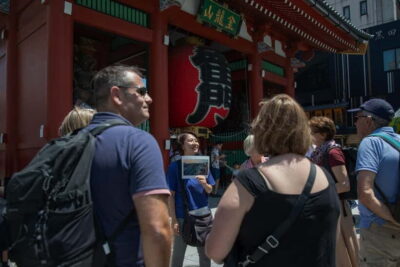 ★ 4.8Asakusa Walking Tour with Sensoji Temple VisitFrom $221,583 reviews
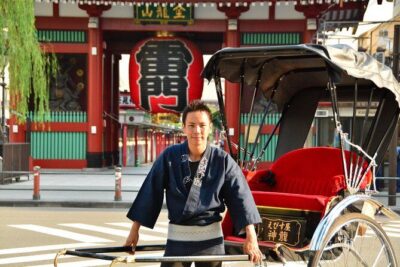 ★ 5.0Tokyo Asakusa Rickshaw TourFrom $421,375 reviews
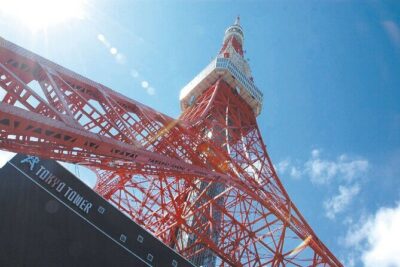 ★ 4.5Tokyo Panoramic 1 Day: Meiji Shrine, Asakusa, Odaiba and SKYTREE®From $851,222 reviews
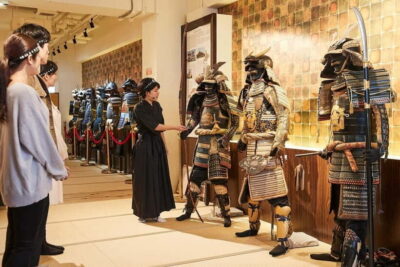 ★ 4.8Samurai Ninja Museum Asakusa: Samurai Sword Lesson & TourFrom $63306 reviews
Asakusa Sightseeing Tour by RickshawFrom $35195 reviews
Asakusa Kimono Dressing and Matcha ExperienceFrom $56173 reviews
★ 4.8Samurai Ninja Museum Asakusa: Samurai Sword Lesson & TourFrom $63306 reviews
Asakusa Sightseeing Tour by RickshawFrom $35195 reviews
Asakusa Kimono Dressing and Matcha ExperienceFrom $56173 reviews
Browse the lists this tour appears in