
Reviewed · TSUKIJI FISH MARKET TOURS
Tsukiji: Outer Market Walking Tour & Sake Tasting Experience
Tsukiji can feel like a blur. This afternoon tour slows it down with a temple start, a guided walk through the Tsukiji Outer Market, and an expert-led unlimited sake tasting. It’s a focused way to see how locals mix food, ritual, and drinking culture in one tight route.
I like two things most. First, the tour actually teaches you the basics of praying at Tsukiji Hongwanji Temple, not just a quick photo stop. Second, you get a long sake session with a sommelier and a huge range of pours (reported at 50–60 types available), plus snacks to keep your palate working.
The main consideration is schedule and pace. The Outer Market can be crowded, and it’s closed on Sundays and national holidays (and some stores are shut on Wednesdays), so you’ll want to line up your day before you book.
In This Review
- Key highlights you’ll feel during the tour
- Hongwanji Temple: the fast lesson in Tsukiji manners
- Tsukiji Outer Market walking route: snack smarter with a local
- The sommelier-led sake tasting salon: unlimited pours with real context
- Price and value: what $70 buys in real-world terms
- Timing, closures, and how to avoid a wasted day
- Who should book, and who should skip this one
- Making the most of the tasting: how to choose without overthinking
- The overall vibe: learning, eating, and a very Tsukiji kind of afternoon
- Should you book Tsukiji Outer Market & Sake with this format?
- FAQ
- How long is the Tsukiji Outer Market walking tour and sake tasting?
- Where do I meet the guide?
- What’s included in the price?
- Is the tour really rain or shine?
- Is the Tsukiji Outer Market open every day?
- What languages is the tour offered in?
- Do I need to bring anything?
- Is this tour suitable for wheelchair users or pregnant travelers?
Key highlights you’ll feel during the tour
- Hongwanji Temple prayer etiquette teaches you how locals show respect, not just where to stand for a picture.
- Tsukiji Outer Market guidance helps you choose what to eat in a maze of stalls.
- Unlimited sake tastings with a sommelier, covering a wide range of styles and breweries.
- 50–60 types available means you’re not stuck tasting the same couple of flavors.
- Temperature changes show how sake tastes different warm vs. chilled.
- Kid-friendly drink options include soft drinks, tea, and snacks during the tasting session.
Still hungry? More Tsukiji breakfasts and market walks
- Tokyo Tsukiji Fish Market Food and Culture Walking Tour★ 5.0 · 3,184 reviews
- Tokyo: Tsukiji Fish Market Food and Walking tour★ 5.0 · 1,724 reviews
- Tokyo: Tsukiji Fish Market Guided Walking Tour★ 4.9 · 1,397 reviews
Hongwanji Temple: the fast lesson in Tsukiji manners
Your tour meeting point is the main entrance gate of Tsukiji Hongwanji Temple. Before you head into the market, you learn how to pray and what to watch for so you’re not doing guesswork in front of people who take this seriously.
This opening matters because Tsukiji isn’t only food. It’s a neighborhood where daily rhythm includes religious space and everyday shopping. Getting the etiquette part out of the way early makes the rest of your afternoon feel more grounded and respectful.
If you’re traveling with kids, this start can be a good reset. It’s structured, short, and not just “stand here and wait.” You also get a story of the place before you start sampling everything in sight.
Tsukiji Outer Market walking route: snack smarter with a local
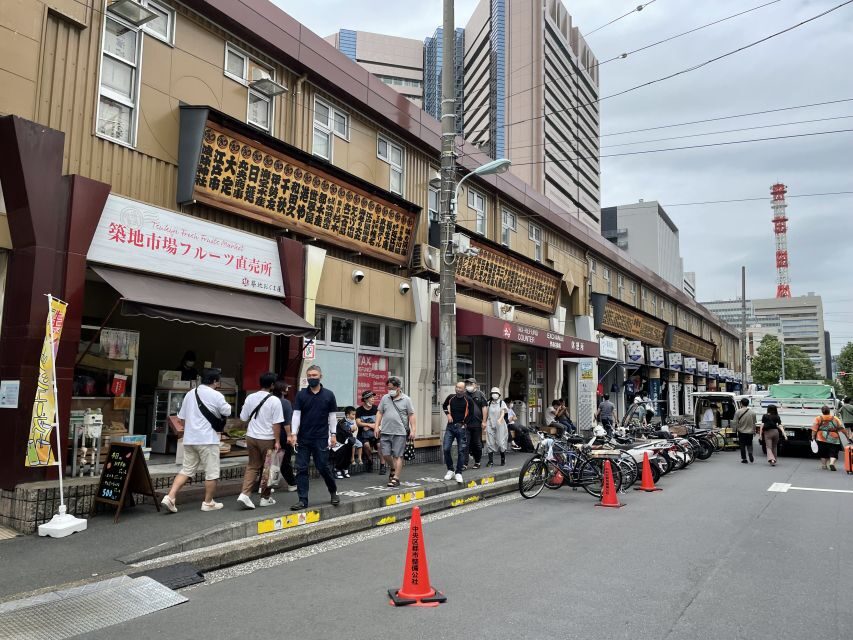
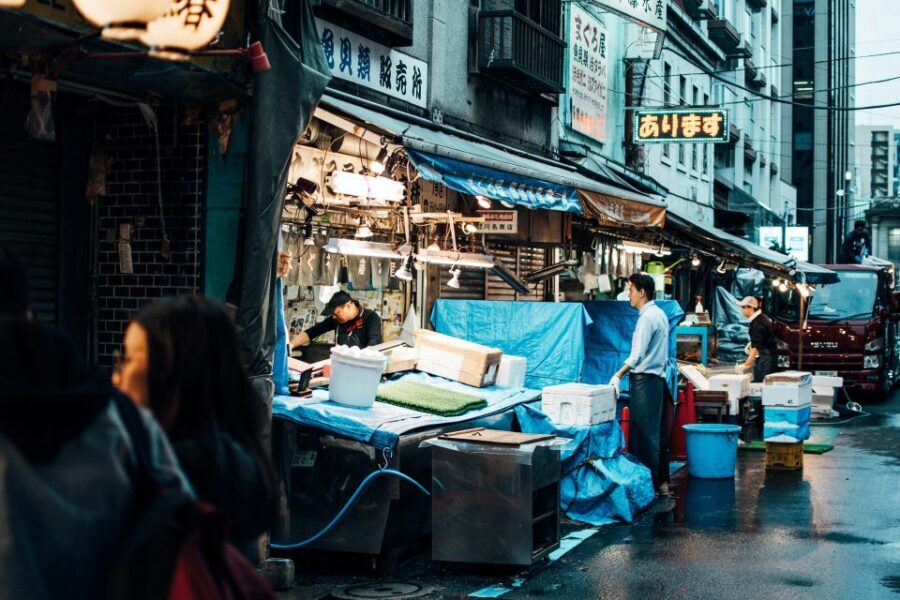
After the temple, you walk into the Tsukiji Outer Market with a local food expert. The point isn’t to rush through every stall; it’s to move with guidance so you know where to go for the foods and ingredients that make this area famous.
Tsukiji Outer Market is big, and it gets busy. A good guide helps you avoid the common mistake of wasting time at the most touristy spots, or buying something that sounds good but doesn’t fit the moment. The tour format also helps you choose based on what you actually want to eat, not just what you think you should try.
You’ll get time to explore interesting stores and you can buy local produce or other bites to taste on your own schedule. Just remember: food during the market portion isn’t included in the price, and sampling items typically costs extra.
Practical tip: wear comfortable shoes. Even with a 3-hour schedule, you’ll be moving steadily through crowded aisles. If you’re prone to “one more shop” behavior, a guide’s pacing helps keep you from running out of energy before the sake.
The sommelier-led sake tasting salon: unlimited pours with real context
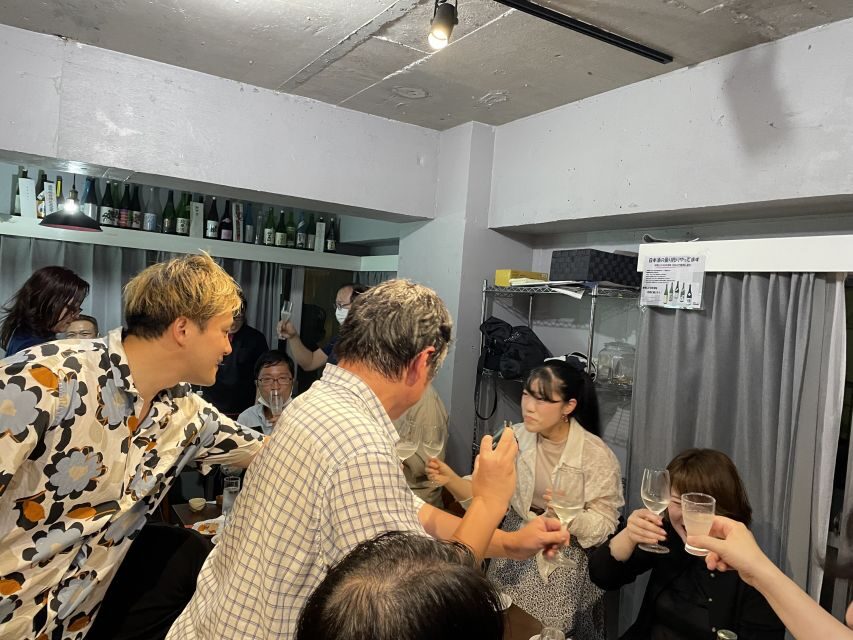
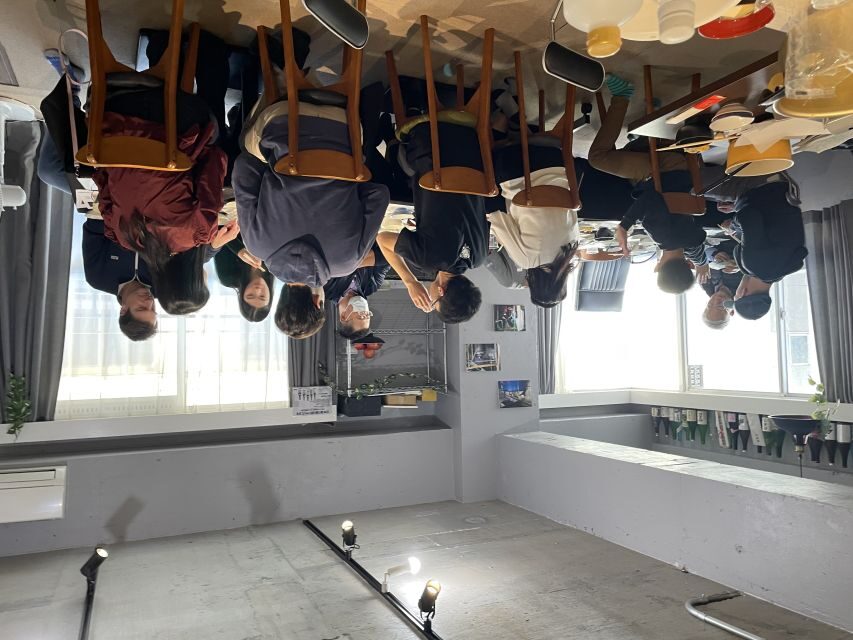
The tour ends at a nearby Tsukiji sake salon, only a few minutes from either Tsukiji Station or Shintomicho Station. The big payoff is the tasting session, guided by a sake expert (a sommelier) who explains what you’re drinking.
This isn’t a random sip-and-swipe menu. You sample multiple types of sake while the sommelier shares background: brewery and history, plus how the style choices lead to different flavors. The experience is designed to help you understand that sake isn’t one taste. Sweetness, dryness, aroma, and texture can shift a lot from bottle to bottle.
Here’s what makes it feel special: you get unlimited tastings and a wide selection, with reports of 50–60 different kinds on offer and tastings that can run high (some groups mention sampling around 20-plus). That range gives you permission to experiment until you find what clicks for you.
Snacks are provided during the tasting. They matter because sake flavors can change depending on what you pair it with. You also taste sake at different temperatures, which is a hands-on way to learn how serving style alters aroma and mouthfeel.
If you’re not a die-hard sake fan, this format is still smart. You can start with the lighter styles, move to drier ones, and stop when you’ve found your preferences. And if you’re with kids, the tasting session includes soft drinks and tea, plus snacks.
Price and value: what $70 buys in real-world terms
At $70 per person for about 3 hours, this tour pays for three things most DIY plans struggle to combine: direction, translation, and access.
First, a guide saves time in Tsukiji. Without help, it’s easy to wander for an hour and still miss the best stops for what you’re craving. The market portion is about smart choices, not checking boxes.
Second, the sake experience is the expensive part if you try to replicate it on your own. An expert guiding you through lots of bottles, plus unlimited tasting, plus snacks, is hard to recreate casually—especially in a short afternoon.
Third, you’re getting both food culture and drinking culture in one flow. Hongwanji Temple adds context, the Outer Market adds taste, and the salon adds learning. Even if you only care about one of those pieces, the structure makes the rest more interesting.
Food isn’t included during the market walk, so you should expect to spend extra if you want to eat more than a quick sampling. Plan a little flexibility in your budget for market bites and any produce you want to take home.
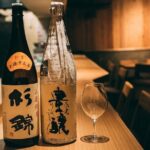
Another round: more sake tastings
Timing, closures, and how to avoid a wasted day
This is an afternoon tour that runs for 3 hours, rain or shine. That rain-or-shine detail matters because Tsukiji doesn’t pause for weather, and you’ll still be walking and tasting.
The Outer Market closures are the big scheduling catch. The Outer Market is closed on Sundays and national holidays. Some stores are also closed on Wednesdays, even when the area is open, so your “full stall experience” can shrink on that day.
So how do you plan? Choose a day with stable market access, and build in some buffer time. If your Tokyo schedule is tight, this tour can still work well, but don’t stack it on a closure day and assume you can just swap the market portion.
The good news is the ending location is convenient. You finish at the sake salon near Tsukiji Station or Shintomicho Station, so it’s easy to continue your day without complicated transport.
Who should book, and who should skip this one
This experience fits best if you want a guided blend of food and sake culture and you like learning while you eat.
It’s a strong match for:
- First-timers in Tokyo who want a readable introduction to Tsukiji beyond headlines.
- Families with kids, since the tasting session includes soft drinks, tea, and snacks for kids.
- Sake curious travelers who want to taste widely and get explanations, not just instructions to drink.
It’s not suitable for:
- Pregnant women
- Wheelchair users
If alcohol is a hard no for you, this tour likely won’t feel right. Even though kids get non-alcohol options, the core experience is the adult sake tasting.
Making the most of the tasting: how to choose without overthinking
Unlimited doesn’t mean you have to drink everything. A smart move is to treat the tasting like a comparison flight.
Start by sampling a range, then pay attention to what you like:
- aroma (how it smells),
- texture (how it feels),
- and dryness (how clean or rounded it tastes).
Temperature also changes the game. When the sommelier serves sake at different temps, that’s your cue to notice how warmth or chill shifts aroma and flavor intensity.
Ask questions that help you shop later. You’ll learn about breweries and the story behind each selection, which makes it easier to recognize labels you’ll see in other shops.
One more practical point: snack support is included. Still, pace yourself so you enjoy the full set of tastings instead of getting sleepy or overwhelmed halfway through.
The overall vibe: learning, eating, and a very Tsukiji kind of afternoon
This tour has a clear rhythm: pray first, then walk and snack, then taste and learn. That sequence works because it moves from culture to food to drink, with each step building understanding of the last.
Guides are a key part of the experience, and the tour’s design supports that. People report guides like Kumi, Kyoko, Sarah, Sally, Yuki, and Hatsumi bringing a warm, attentive style—helpful when the market is crowded or when you want to prioritize certain foods.
If you like your Tokyo days structured but not stiff, this hits a sweet spot. It’s not a lecture. It’s hands-on learning with plenty of tasting time, plus the option to buy produce you liked during the walk.
Should you book Tsukiji Outer Market & Sake with this format?
Book it if you want an afternoon that actually teaches you something while you eat and taste. The temple start adds meaning, the market guide improves your food choices, and the sommelier-led unlimited sake tasting is the kind of experience that’s hard to duplicate on your own for the same time and price.
Skip it if your schedule lands on a Sunday or national holiday, because the Outer Market is closed. Also skip it if you need fully accessible options (it’s not suitable for wheelchair users) or if alcohol-focused experiences aren’t your thing.
If your goal is simple—see Tsukiji in a way that feels local, then leave with real sake knowledge—this tour is a very solid bet.
FAQ
How long is the Tsukiji Outer Market walking tour and sake tasting?
It lasts about 3 hours.
Where do I meet the guide?
Meet at the main entrance gate of Tsukiji Hongwanji Temple.
What’s included in the price?
You get the walking tour, unlimited sake tasting, and snacks.
Is the tour really rain or shine?
Yes, it runs rain or shine.
Is the Tsukiji Outer Market open every day?
No. The Outer Market is closed on Sundays and national holidays, and some stores are also closed on Wednesdays.
What languages is the tour offered in?
The tour has live guiding in English and Japanese.
Do I need to bring anything?
Bring comfortable shoes and a passport or ID card (a copy is accepted).
Is this tour suitable for wheelchair users or pregnant travelers?
No. It’s not suitable for wheelchair users or pregnant women.
More Tour Reviews in Tokyo






Tokyo by the Cup: More Sake Tastings
Back to the Market: More Tsukiji Tours




Fresh reviews from around Tokyo






Tsukiji Fish Market Tours, compared.
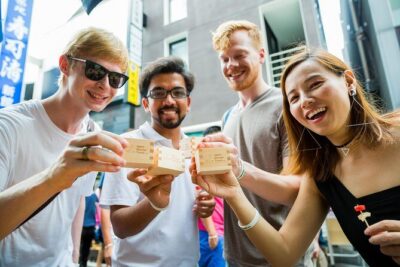 ★ 5.0Tokyo Tsukiji Fish Market Food and Culture Walking TourFrom $993,184 reviews
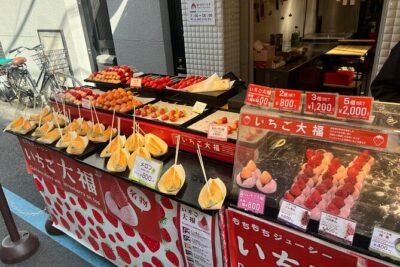 ★ 5.0Tsukiji Fish Market Food and Walking tourFrom $301,724 reviews
 ★ 4.9Tsukiji Fish Market Guided Walking TourFrom $221,397 reviews
 ★ 5.0Tokyo Sushi Making Class in Tsukiji with Professional ChefFrom $491,177 reviews
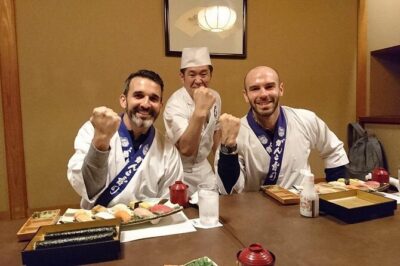 ★ 5.0Tsukiji Fish Market Guided Tour and Sushi Making with Pro ChefFrom $104775 reviews
★ 4.7Tsukiji Fish Market Food and Culture Walking TourFrom $96757 reviews
★ 5.0Tsukiji Fish Market Guided Tour and Sushi Making with Pro ChefFrom $104775 reviews
★ 4.7Tsukiji Fish Market Food and Culture Walking TourFrom $96757 reviews
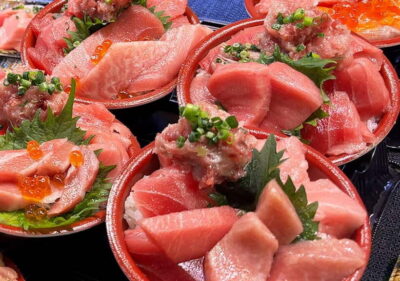 ★ 5.0Tsukiji Fish Market: Street Food & Culture Walking TourFrom $33669 reviews
 ★ 5.0Tsukiji Fish Market Small-Group Food Walking TourFrom $87621 reviews
Browse the lists this tour appears in