
Reviewed · SAKE TASTING
Cozy Tokyo Class: Ramen, Sushi, Sake Pairing & Cultural Exchange
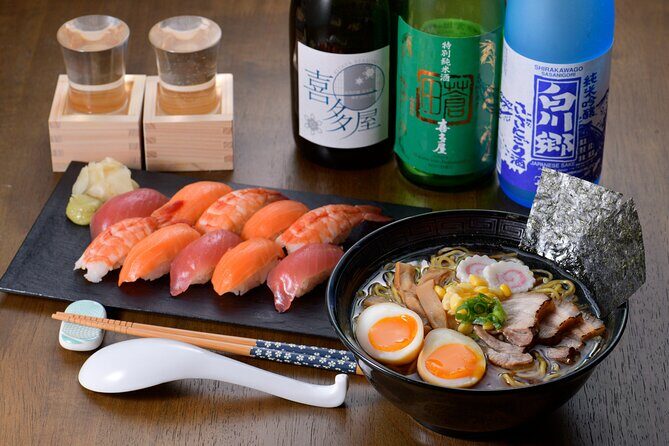
Small-group Tokyo food lessons feel personal. This 3-hour class in Tsukishima turns ramen and sushi into something you can actually recreate, with sake pairing and cultural conversation built into the cooking rhythm. You’ll be welcomed in a cozy setting, with English-friendly Japanese hosts guiding you through the hands-on parts and the why behind the flavors.
What I like most is the small group size and the way it stays conversational. In many sessions you’ll be guided by friendly hosts such as Umi, Komi, and Kou, and the pace is set so you can ask questions without shouting over a crowd. I also like that you leave with a detailed recipe gift, not just a full stomach.
One consideration: with only about 3 hours, it’s a best-of format. You’ll learn key steps and build confidence fast, but you won’t get a full day of noodle or sushi-depth practice. Think of it as a strong foundation you can take home.
In This Review
- Key highlights worth planning around
- Where this class fits in Tokyo: Tsukishima, a cozy kitchen vibe
- The small-group promise, and what to expect in practice
- The timing: about three hours
- What you actually cook: ramen + sushi (and optional gyoza)
- Ramen: learning the build, not just the recipe
- Sushi: technique plus taste-balancing
- Optional gyoza: when you want one more bite of comfort
- A realistic class flow: how the time gets used
- Step 1: Warm welcome and cultural tone-setting
- Step 2: Hands-on ramen prep and instruction
- Step 3: Sushi creation (or gyoza add-on)
- Step 4: Eat what you made, then talk through it
- Step 5: Take-home recipe gift
- Sake pairing and drinks: included, but you still steer your pace
- How to use unlimited drinks smartly
- Cultural exchange that doesn’t feel like a lecture
- Real talk: what makes the hosts matter
- Price and value: why $79 can actually make sense
- Who this is best for (and who might be disappointed)
- Who should book Cozy Tokyo Class
- Beginners
- Intermediate or confident home cooks
- Couples and friends
- Should you book this cooking class?
- FAQ
- How long is the Cozy Tokyo cooking class?
- What dishes will I learn to make?
- Is the class a small group?
- Is alcohol included?
- Where does the class start?
- Do I get anything to take home?
- What is the cancellation policy?
Key highlights worth planning around
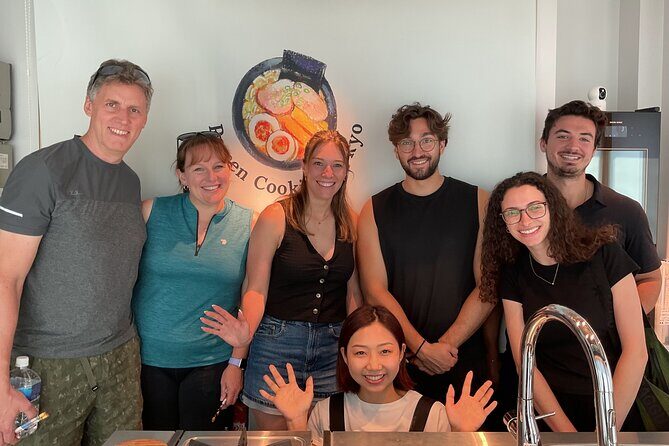
- Small group setup: capped at four people for a more personal experience, even though the activity lists a maximum of eight travelers overall.
- Two iconic dishes: you’ll make ramen and sushi, with gyoza as an optional extra.
- Sake pairing included: unlimited sake pairings, plus Japanese beer and non-alcoholic options.
- English-friendly hosts: you’ll get cultural explanations while still getting practical cooking guidance.
- Take-home recipe: you receive a detailed recipe gift so you can reproduce the results later.
Another round: more sake tastings
- Ramen and Sushi Cooking Class with Sake Pairing Set in Tokyo★ 5.0 · 291 reviews
- Sake Tasting Masterclass in Shinjuku (8+ Varieties with a Pro)★ 5.0 · 271 reviews
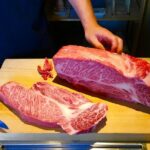
- Wagyu & Sake Pairing in Shinjuku – Steak, Shabu-Shabu & More★ 5.0 · 112 reviews
Where this class fits in Tokyo: Tsukishima, a cozy kitchen vibe
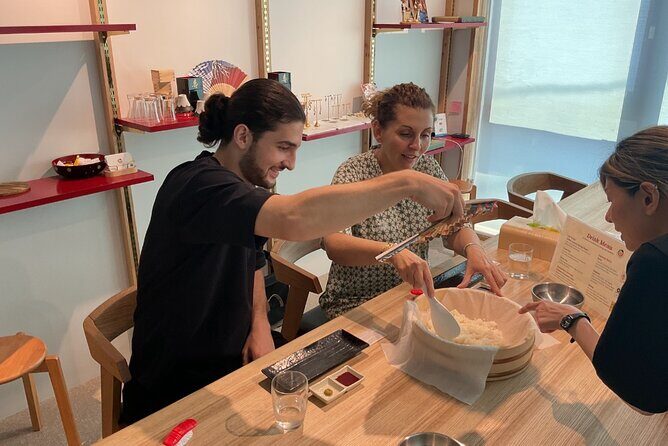
This cooking class is based in Tsukishima, in Tokyo’s Chuo City area, at HAUS Tsukishima (2-chōme, Tsukuda). The big win here is not sightseeing logistics. It’s the fact that you’re dropped into a small, cozy food setting rather than a large room where you’re half-listening and half-watching.
Tokyo has a way of overwhelming first-time visitors. This experience gives you a clear focus for a few hours: food, technique, and conversation. You’re also close to public transportation, which matters in a city where door-to-door transfers can add up fast.
The small-group promise, and what to expect in practice
The experience is described as capped at four people, which is the difference between having your questions answered and feeling like a spectator. The activity notes a maximum of eight travelers, which likely means multiple small groups may run together depending on demand. Either way, you should plan to get hands-on time and instructor attention rather than standing on the sidelines.
The timing: about three hours
You’re signing up for roughly 3 hours. That’s enough time to learn by doing, taste what you make, and still go home with usable notes. But it also means you should keep your questions tight and your interest ready. This is not a slow, step-by-step class that never ends. It’s a guided sprint in a friendly kitchen.
What you actually cook: ramen + sushi (and optional gyoza)
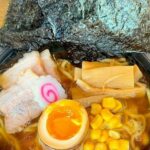
This isn’t a show-and-tell lesson where you just watch someone else work. The core promise is that you’ll create ramen and sushi from scratch. In some versions of the experience, gyoza can be included as an optional option.
Here’s why that matters for your value: ramen and sushi are two of Japan’s most recognizable food categories, but they’re also the hardest to re-create at home when you only rely on memory. Learning them side-by-side helps you understand both the cooking logic and the plating-and-texture logic that makes Japanese food feel so precise.
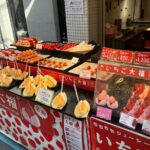
Other plates worth crossing Tokyo for



Ramen: learning the build, not just the recipe
For ramen, the class focuses on making it from scratch and getting you comfortable with the workflow. Even if you’ve eaten ramen your whole life, home ramen can go sideways without guidance. This class helps connect the dots between ingredients, preparation, and the final bowl you’ll be tasting during the session.
Sushi: technique plus taste-balancing
Sushi is another place where “I know what sushi is” often doesn’t translate to “I can make sushi that looks right and tastes right.” With the class structure, you’ll be working through the steps in a coached way, then you can take the same approach home.
Optional gyoza: when you want one more bite of comfort
If your session includes gyoza, it’s a great add because it’s familiar comfort food with Japanese technique behind it. It also pairs naturally with the class’s eating-and-sipping rhythm.
A realistic class flow: how the time gets used
Even without a printed itinerary list, you can understand how the experience is designed to fit the clock. The class starts with a welcome, shifts into hands-on cooking, includes cultural storytelling while you work, then ends with eating and take-home instructions.
Step 1: Warm welcome and cultural tone-setting
The class theme is Beyond Cooking, Feel the Connection. You’ll be greeted in the cozy space by the English-friendly Japanese hosts, and the tone is set early: this is meant to be cultural exchange, not just cooking mechanics.
This matters because food classes that ignore context can feel flat. Here, the stories about culinary traditions are woven into the cooking time, so you understand what you’re doing and why it’s done that way.
Step 2: Hands-on ramen prep and instruction
Once you’re set up, the instructor-led part moves into practical, watch-your-hands learning. The small group structure is important here. You need to see what the instructor is doing, but you also need time to correct your own technique.
A good sign in the overall feedback is how instructors keep a steady pace. When the class stays friendly and organized, you don’t feel rushed, and you don’t end up with a “we’ll fix it later” meal.
Step 3: Sushi creation (or gyoza add-on)
After ramen, you move into sushi. This is where the class format helps you build confidence. You’re learning two different skill types: ramen is about a bowl’s overall harmony, while sushi demands a careful touch and attention to detail.
If gyoza is offered in your session, it gives you another outlet for technique practice and adds more variety to your finished plate.
Step 4: Eat what you made, then talk through it
You’ll taste your creations after cooking. This is a key value driver. In a lot of cooking classes, you make something, eat it quickly, and leave with half the lesson forgotten. Here, the structure supports conversation. You’ll have time to discuss what worked and what to do differently next time.
Step 5: Take-home recipe gift
You’ll also receive a detailed recipe as a gift. This is one of the most useful parts of the whole experience because it turns a fun afternoon into something you can repeat at home.
Tip: take a few minutes right after class to skim the recipe while the steps are fresh. If you wait until the jet lag hits, you’ll remember the taste but not the order.
Sake pairing and drinks: included, but you still steer your pace
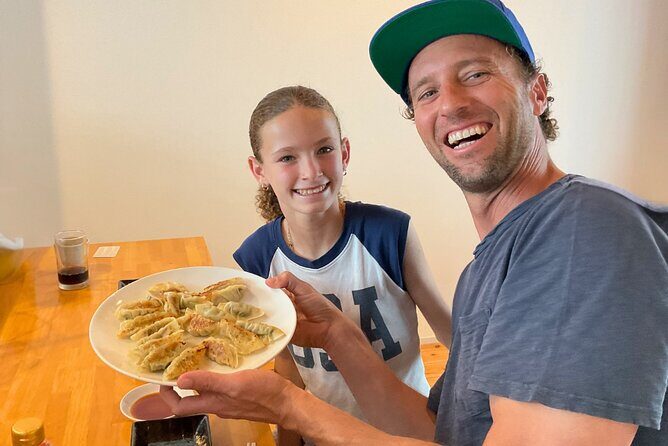
One of the easiest “why this is worth $79” arguments is the drink situation. The class includes unlimited sake pairings, plus Japanese beer, or non-alcoholic beverages.
That means you don’t have to figure out what to order later. You’re pairing as part of the lesson, which helps you notice how flavor changes with the right drink.
How to use unlimited drinks smartly
Unlimited doesn’t mean you need to go full throttle. If you’re also planning to enjoy Tokyo later that night, consider pacing your sake and alternating with water. It’s an easy way to keep the experience fun instead of foggy.
If you prefer not to drink, you’re covered too with non-alcoholic options.
Cultural exchange that doesn’t feel like a lecture
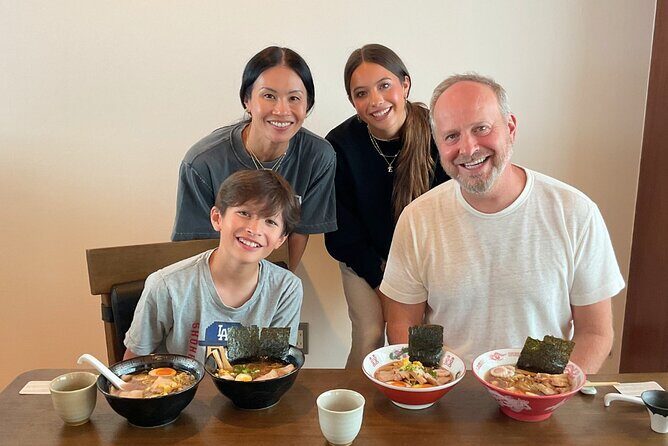
The class sells itself as Beyond Cooking, Feel the Connection, and the way it shows up is through conversation while you cook. The hosts are welcoming, and the explanations aren’t just random facts. They connect to the cooking steps you’re actively doing.
You’ll hear stories about Japanese culinary traditions during the session. That’s useful because it frames food as something people care about day-to-day, not as something locked inside restaurants.
Real talk: what makes the hosts matter
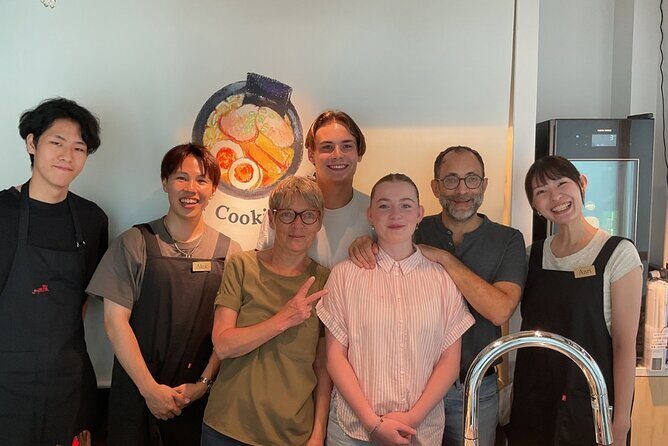
The class experience is strongly shaped by the instructors. Names that come up in the broader feedback include Umi San, Kou San, Komi, Alissa, Risa, and Namiko. Regardless of which hosts are assigned to your date, the consistent theme is warmth and clear guidance, with English support so you can actually follow along.
A small-group kitchen is also where you can ask questions without feeling awkward. If you’ve ever wondered how Japanese home cooks think about flavor or texture, this is one of the best ways to ask without needing formal Japanese language skills.
Price and value: why $79 can actually make sense
At $79 for about 3 hours, this class is not cheap in the abstract. But cooking classes are one of those categories where the value comes from what’s bundled and what you can take home.
Here’s what you get that supports the price:
- All fees and taxes are included
- You’re taught to make two iconic dishes: ramen and sushi
- Optional gyoza may be available depending on the session
- Unlimited sake pairings, Japanese beer, or non-alcoholic beverages are included
- You receive a detailed recipe as a gift
What’s not included is private transportation, which is fairly normal for Tokyo-based classes. You’ll want to factor in local transit costs, but the good news is that the meeting point is near public transportation.
Who this is best for (and who might be disappointed)
This fits especially well if you:
- want a hands-on skill, not just a meal
- like structured learning with friendly translation support
- enjoy small-group conversation
- want something memorable to do that’s not another bar crawl or shopping run
If you’re the type who only wants to watch expert chefs work and doesn’t want to cook yourself, you might find the hands-on approach less appealing. Still, the main design goal is learning by doing.
Who should book Cozy Tokyo Class
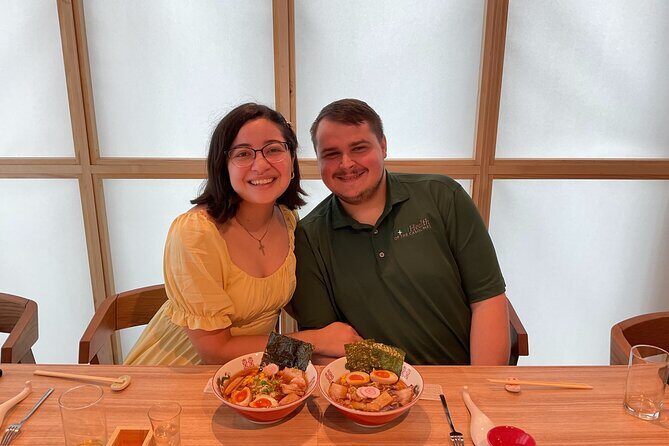
This experience is described as suitable for all ages and skill levels, and it’s popular for families, couples, and friends. That’s believable given the format: you get support in English and a steady pace, plus the group stays small.
Beginners
If you’re new to Japanese cooking, you’ll appreciate the instruction style and the small group limit. You’re not thrown in with a big crowd where you can’t ask basic questions.
Intermediate or confident home cooks
If you cook at home already, the value is in the cultural explanations and the written recipe gift. You can compare your usual method to what you learn here and adjust your process.
Couples and friends
Pairing ramen and sushi in one class is a fun shared challenge. Even if one person is faster at certain steps, the overall group setup keeps it relaxed rather than competitive.
Should you book this cooking class?
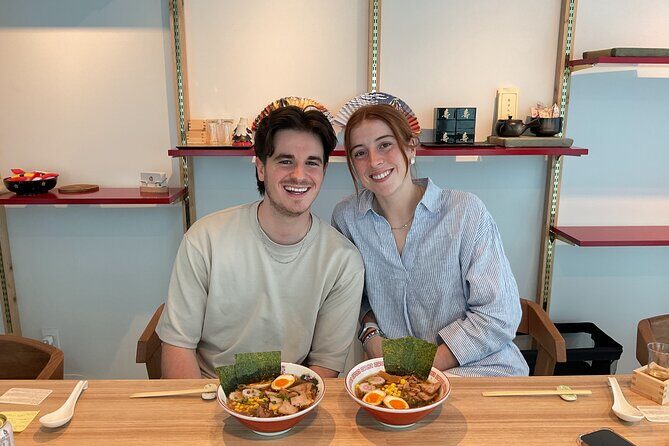
I’d book it if you want a compact Tokyo experience that hits three things at once: practical skills, a friendly small-group atmosphere, and included drinks that keep the meal feeling like an event. The take-home recipe is a big reason to choose this over a simple dinner, because it turns the class into something you can reproduce later.
I’d think twice if you’re looking for a long, deep masterclass on one dish. With about 3 hours, this is built for momentum and confidence-building, not exhaustive technique training.
If you’re in Tokyo and want a day-plan that feels both authentic and useful, this is one of those classes that can pay off long after you leave.
FAQ
How long is the Cozy Tokyo cooking class?
It runs for about 3 hours.
What dishes will I learn to make?
You’ll make ramen and sushi from scratch. Gyoza may be available as an optional part of the experience.
Is the class a small group?
Yes. It’s capped at four people, and the activity also lists a maximum of eight travelers.
Is alcohol included?
Yes. The class includes unlimited sake pairings, plus Japanese beer or non-alcoholic beverages.
Where does the class start?
The start point is HAUS Tsukishima, 2-chōme135, Tsukuda, Chuo City, Tokyo, 104-0051.
Do I get anything to take home?
Yes. You receive a detailed recipe as a gift so you can recreate what you made at home.
What is the cancellation policy?
You can cancel for a full refund if you cancel at least 24 hours before the experience starts. If you cancel less than 24 hours before, the amount paid is not refunded.
Eat Your Way Round Tokyo

More Tour Reviews in Tokyo





Tokyo by the Cup: More Sake Tastings


Fresh reviews from around Tokyo






Sake Tasting, compared.
 ★ 5.0Ramen and Sushi Cooking Class with Sake Pairing Set in TokyoFrom $79291 reviews
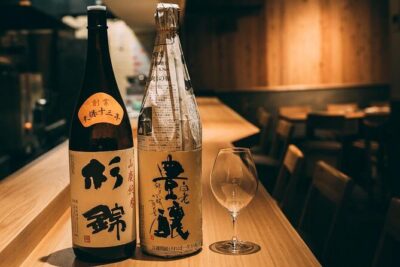 ★ 5.0Sake Tasting Masterclass in Shinjuku (8+ Varieties with a Pro)From $72271 reviews
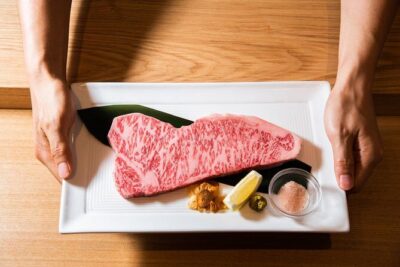 ★ 5.0Wagyu & Sake Pairing in Shinjuku – Steak, Shabu-Shabu & MoreFrom $148112 reviews
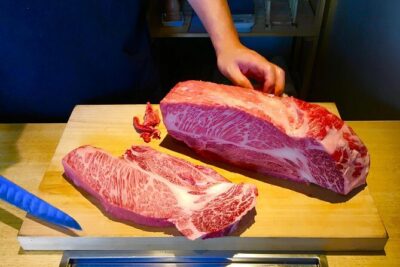 ★ 5.0Tokyo Wagyu & Sake Pairing Tasting Experience with Local FlavorsFrom $151108 reviews
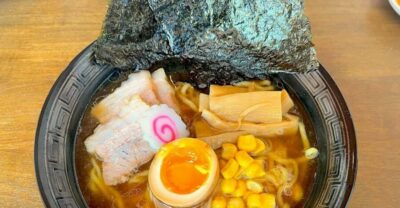 ★ 5.0Sushi and Ramen Cooking Class with Sake Pairing SetFrom $12981 reviews
 ★ 4.9Tsukiji: Outer Market Walking Tour & Sake Tasting ExperienceFrom $7081 reviews
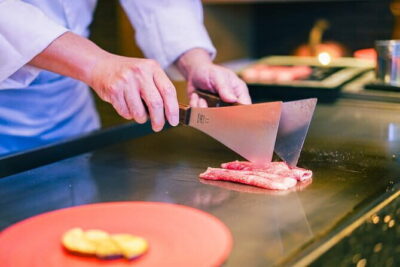 ★ 5.0Wagyu Beef and Sake Pairing Foodie Tour in TokyoFrom $21871 reviews
 ★ 4.9Tsukiji: Unlimited Sake Tasting ExperienceFrom $5467 reviews
Browse the lists this tour appears in