
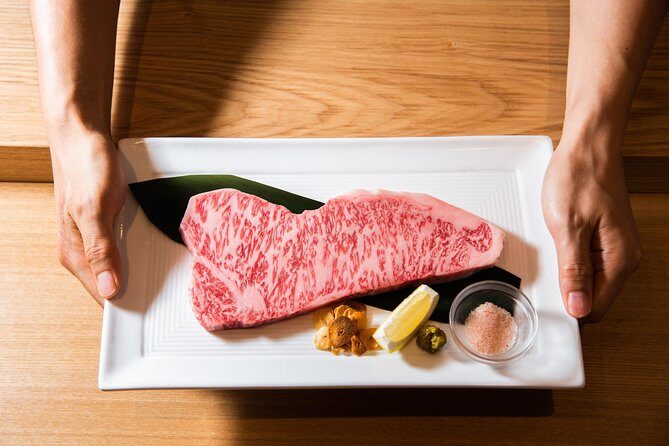
Reviewed · SHINJUKU BAR HOPPING
Wagyu & Sake Pairing in Shinjuku – Steak, Shabu-Shabu & More
That first sip of sake changes your whole meal.
This Shinjuku tasting is built around wagyu and sake pairing plus real help deciphering Japanese menus, so you leave with brains as well as a full stomach. I like that it’s not just eating: you get context on sake and wagyu, including history, what regions matter, and how to spot differences. I also love the structure of the full-course meal, where you taste multiple cuts and prep styles rather than one “big steak and done” moment.
One thing to plan for: if you have dietary needs, this is not always easy.
The tour says vegan, vegetarian, and gluten-free options are limited, and they can’t accommodate last-minute requests. If you can’t eat certain ingredients, message the team at least a week before—otherwise you might end up with less choice than you hoped.
In This Review
- Key Things You Should Know Before You Go
- Shinjuku at 6 pm: what happens before the first bite
- Japanese menu help you’ll actually use after dinner
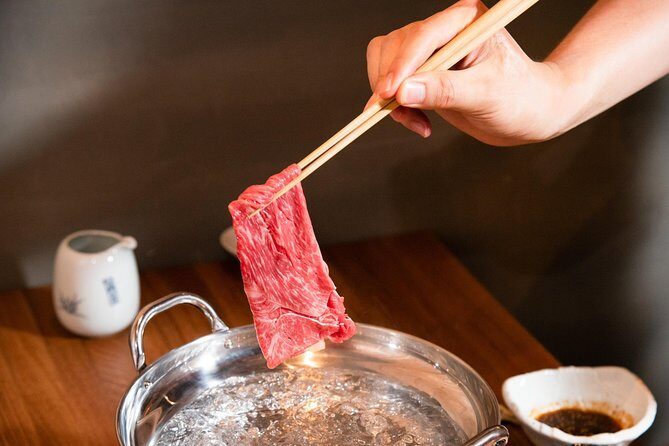
- A wagyu full-course meal that changes cuts and cooking styles
- The sake pairings: how they’re designed for each wagyu dish
- Small group dinner: why the explanations land better
- Food amount and dietary limits, in plain terms
- Price and value: what $148.65 buys you in Tokyo
- Who should book this Shinjuku wagyu and sake night
- Should you book it? My take
- FAQ
- How long is the Wagyu & Sake pairing in Shinjuku?
- What does the price include?
- What time does it start, and where do I meet?
- How many people are in the group?
- Do they offer vegan, vegetarian, or gluten-free options?
- Is it easy to get to the meeting point using public transport?
Key Things You Should Know Before You Go
- Small group size (max 8) keeps the pace relaxed and the explanations practical
- Japanese menu help and take-home foodie tips help you eat smarter after the tour
- Multiple wagyu styles across the meal (tongue, tataki, sirloin, hotpot, dashi udon)
- Different sake types per course, including nigori and unpasteurized styles, plus warm pours
- Original sake pairings/cocktails designed specifically for the wagyu dishes you’ll eat
- Full-course dinner included with more food than a normal group order would usually cover
Different nights, same neon: more Shinjuku crawls
- Tokyo: Shinjuku Food Tour (13 Dishes at 4 Local Eateries)★ 5.0 · 6,603 reviews
- Tokyo Bar Hopping Tour in Shinjuku (All-You-Can-Drink + Dinner)★ 5.0 · 3,587 reviews
- Tokyo: Shinjuku Food Tour (15 Dishes and 4 Eateries)★ 4.9 · 2,033 reviews
Shinjuku at 6 pm: what happens before the first bite
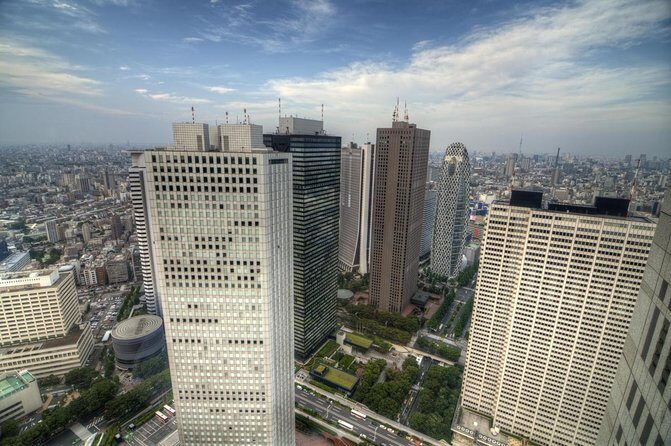
The experience starts at 6:00 pm at Ushinobi Shinjuku | Wagyu & Sake, inside the NSK Building area in Shinjuku (Hyakuninchō, 1-chōme-22-1). You’ll get a mobile ticket, and the activity ends back at the meeting point, which makes the whole night easy to plug into your Tokyo plans.
Before any steak shows up, you’re brought into the restaurant with an aperitif—some Japanese drinks—while the team talks through sake and wagyu. You’ll hear about sake’s role and wagyu’s place in Japanese food culture, plus how regional differences matter. It’s a simple setup, but it pays off because you’ll understand what you’re tasting instead of just reacting to it.
Japanese menu help you’ll actually use after dinner
If you’ve ever stood in front of a Japanese menu and felt your confidence quietly leave your body, this part is for you. The tour is designed to help you decipher menus in Japanese, so you can order with more control later, not just hope for the best.
You’ll also take away tailored foodie tips for the rest of your trip. The value here is that the tips connect to real flavors you tasted on the night—so when you see something similar in another neighborhood, you’ll know what to ask for and what to look for. Think of it like getting a cheat sheet for Japan’s food language, not just a single meal.
A wagyu full-course meal that changes cuts and cooking styles
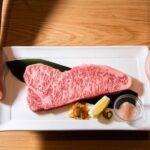
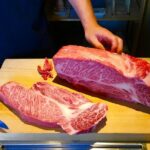
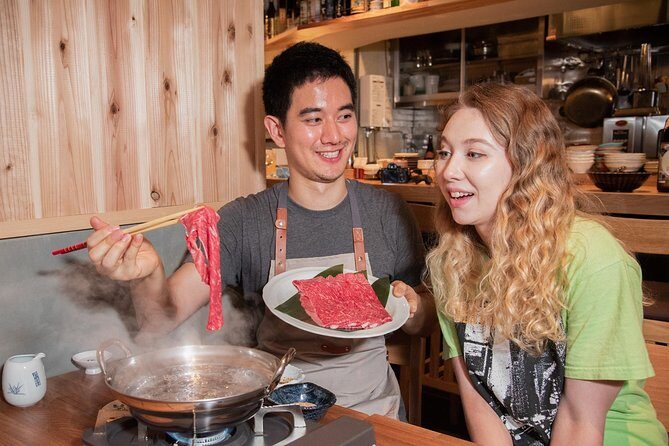
This is a true full-course dinner, not a quick tasting. The team sources wagyu from different regions, and they’ll serve you the best cuts available for your specific date. That last part matters: it means the menu is meant to reflect what’s on the market, not only a fixed lineup.
Here’s how the meal can look, using the example course they provide:
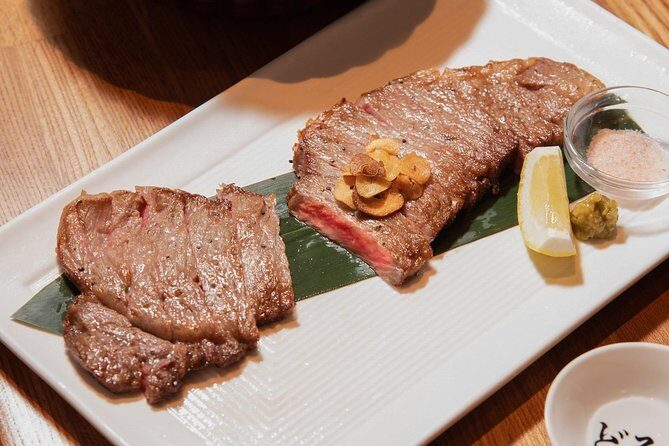
- Two kinds of appetizers, followed by a grilled wagyu beef tongue course paired with an original sake cocktail
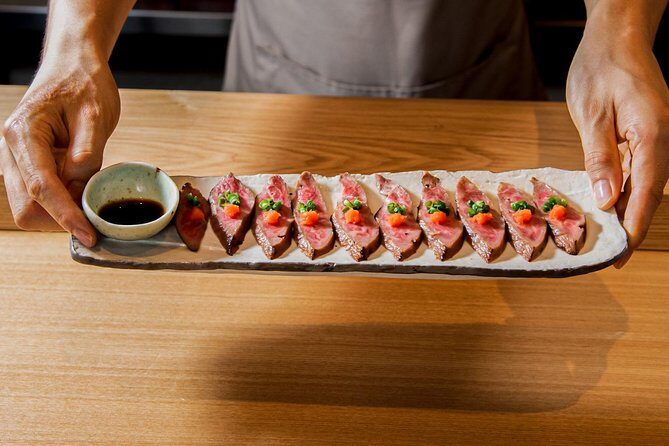
- Wagyu chuck flap tataki, served with a warm sake pairing
- Seasonal salad to reset your palate
- Wagyu sirloin steak paired with nigori (cloudy sake)
- Wagyu chuck hotpot paired with unpasteurized sake
- Wagyu dashi udon, bringing everything together in a comforting finish
- Dessert with sake, plus a surprise
What I like about this format is that you’re not tasting wagyu as one flavor. You’re tasting wagyu as texture, fat behavior, and how different cooking methods change the experience. Tongue brings a different chew and richness than steak. Hotpot changes everything by adding heat and broth. Udon then shifts you from “meat focus” to “comfort focus,” which is a smart way to end instead of overeating and calling it a day.
Also, the tour promises a mix of traditional and more modern dishes. That gives you variety without turning the meal into random experimentation.
The sake pairings: how they’re designed for each wagyu dish
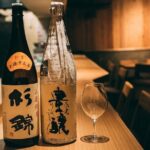
The big idea here is that sake isn’t treated like an afterthought. For each wagyu dish, you get a sake pairing where the sake is prepared in a different way. Some of these pairings include original cocktails designed specifically to match the wagyu you’re eating.
You’ll run into several sake styles referenced right in the course lineup:
- Nigori with the sirloin steak, so you get a cloudy, more full-bodied pour alongside the steak
- Unpasteurized sake with the hotpot, paired to the richer, deeper flavors of that course
- Warm sake paired with the tataki, which changes how aromas land on your palate
One review highlights aged and fermented sake and how those styles made a strong impression with A5 wagyu. Even if you’re not a hardcore alcohol nerd, that’s still useful: different sake types can swing from clean and sharp to rounder and deeper, and the pairings help you feel those differences.
Another round: more sake tastings
Small group dinner: why the explanations land better
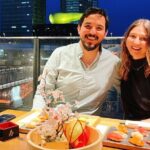
This is capped at 8 travelers, which keeps things conversational. In a larger group, you often get a quick toast and then you’re just eating. Here, you can actually ask questions and get responses that connect to what you’re chewing at that moment.
You’ll also get a lot of guidance on what you’re eating. Reviews mention learning the wagyu grading system, how sake is made, and even a hands-on moment where people got to have a go at preparing and cooking. You shouldn’t assume every night includes the exact same hands-on step, but the overall teaching style is clear: it’s not silent dining.
The hosts come through with personality too. You might meet someone like Chi, Tadashi, Joe, Andrea, or Miyuki—names that appear in past experiences—and the common theme is the same: clear, friendly explanations that make the food feel less mysterious.
Food amount and dietary limits, in plain terms
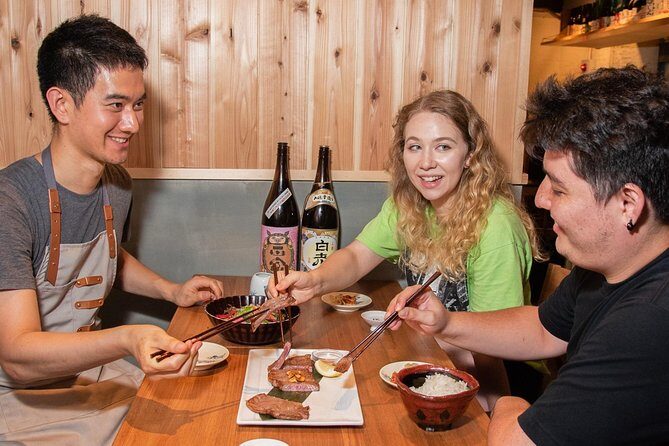
Bring your appetite. The meal is built as a full-course progression, and it’s easy to underestimate how much food wagyu tastings can add up to. One of the strongest comments in the provided feedback is that there’s more food and sake than expected, with satisfying portions across multiple courses.
Now, dietary reality check. The tour notes that vegan, vegetarian, and gluten-free options are limited. If you have allergies or specific restrictions, you need to message them at least a week before. Last-minute changes can’t be accommodated, so if your plan depends on a workaround, don’t gamble on it.
If you’re an easy eater—no major restrictions and you’re open to sake—this is a smooth experience. If you have strict needs, consider whether you’ll truly have enough safe options for every course.
Price and value: what $148.65 buys you in Tokyo
At $148.65 per person, you’re paying for more than meat. The tour includes the full course meal, and the sake pairings are also part of the deal. That matters because a lot of Tokyo food experiences charge extra once you start adding drinks.
Here’s what you’re realistically paying for:
- Multiple wagyu cuts from different regions
- A full set of courses, not just a tasting plate
- Multiple sake styles matched to each dish, including types like nigori and unpasteurized sake
- Learning time, menu help in Japanese, and take-home tips for future meals
It’s not a budget-only option. But for people who want to try top-tier flavors in a guided format—especially if it’s your first trip—this can be a strong value. One review even called it a great value for sake alone, which tells you the sake side isn’t just a small sip.
Also, additional drinks other than the sake pairings (like beer) aren’t included. If you plan on adding more alcohol, budget for it on your own.
Who should book this Shinjuku wagyu and sake night
This tour is a great fit if:
- You want a first-timer-friendly way to understand wagyu and sake without guessing
- You like structured meals where every course has a point
- You want help with Japanese menus and practical tips for eating afterward
- You prefer a small group where you can actually talk and learn
It might not be the best fit if:
- You need strict dietary accommodations, since the tour says options are limited and last-minute requests can’t be handled
- You dislike sake or don’t want alcohol as part of dinner
- You’d rather order independently with no teaching component
Should you book it? My take
If you’re coming to Tokyo and want one night that does both sides—food education and serious eating—this is easy to recommend. The pairing format is the heart of it: wagyu isn’t just served, it’s compared and explained through different sake styles and different cooking methods.
Book it if you’re hungry, curious, and okay with a full 3-hour dinner pace. Skip it (or plan carefully) if dietary restrictions are complicated for you, because the tour is upfront that accommodations are limited and changes can’t be made last minute.
FAQ
How long is the Wagyu & Sake pairing in Shinjuku?
It runs for about 3 hours.
What does the price include?
The price includes the full course meal. The pairing portion is centered on sake, and additional drinks like beer are not included.
What time does it start, and where do I meet?
It starts at 6:00 pm at Ushinobi Shinjuku | Wagyu & Sake in the NSK Building area (Hyakuninchō, Shinjuku).
How many people are in the group?
The group size is capped at a maximum of 8.
Do they offer vegan, vegetarian, or gluten-free options?
Vegan, vegetarian, and gluten-free options are limited. If you have food restrictions, you need to message them at least a week before the tour date.
Is it easy to get to the meeting point using public transport?
Yes. The meeting point is described as near public transportation.
More Tour Reviews in Tokyo






Tokyo by the Cup: More Sake Tastings

Shinjuku After Hours: The Other Crawls
Fresh reviews from around Tokyo






Shinjuku Bar Hopping, compared.
 ★ 5.0Shinjuku Food Tour (13 Dishes at 4 Local Eateries)From $866,603 reviews
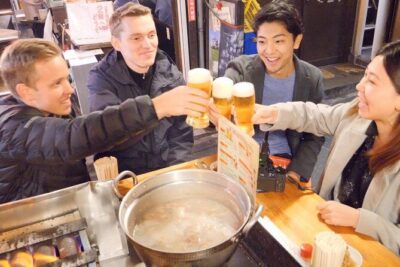 ★ 5.0Tokyo Bar Hopping Tour in Shinjuku (All-You-Can-Drink + Dinner)From $1063,587 reviews
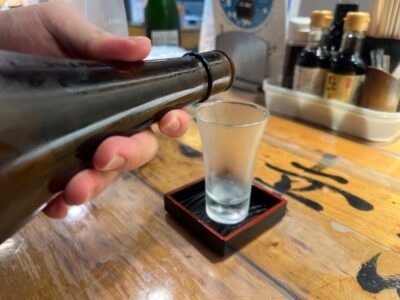 ★ 4.9Shinjuku Food Tour (15 Dishes and 4 Eateries)From $852,033 reviews
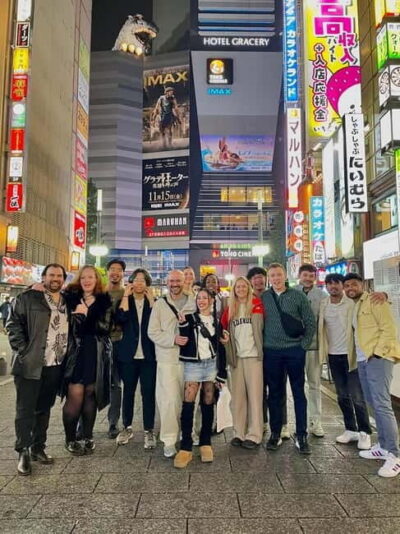 ★ 4.9Shinjuku Local Bar and Izakaya Guided Walking TourFrom $341,794 reviews
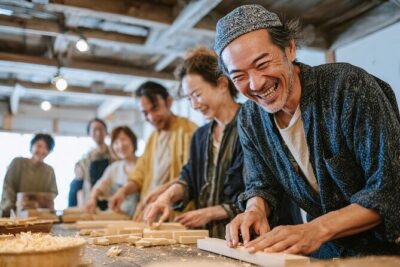 ★ 5.0Tokyo Shinjuku Chopsticks Making ClassFrom $201,763 reviews
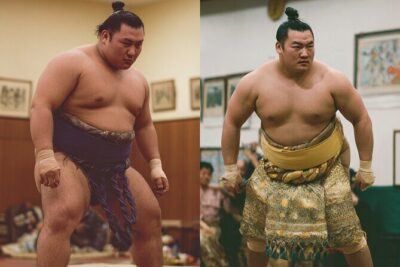 ★ 5.0Tokyo Shinjuku Sumo Show & Experience with PhotoFrom $791,750 reviews
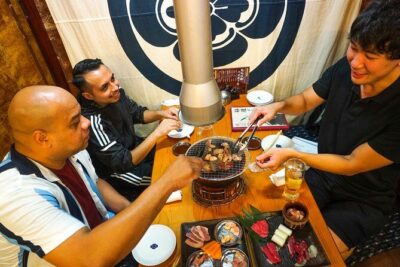 ★ 5.0Tokyo Night Foodie Tour in Shinjuku – Seasonal Sushi, Wagyu BeefFrom $1111,161 reviews
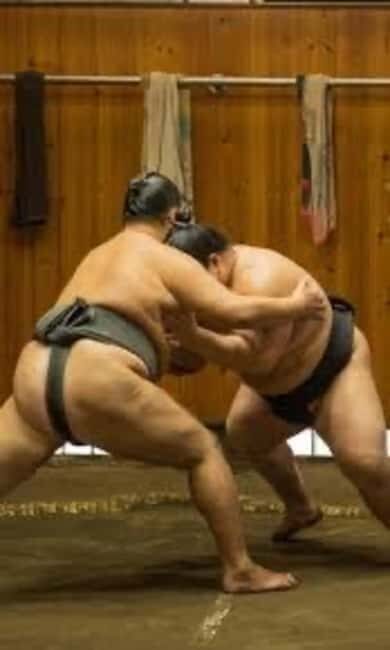 ★ 4.8Sumo Show and Experience in ShinjukuFrom $691,001 reviews
Browse the lists this tour appears in