
Reviewed · SHIBUYA TOURS
Private Mochi・Matcha sweets Making Class Near Shibuya Area
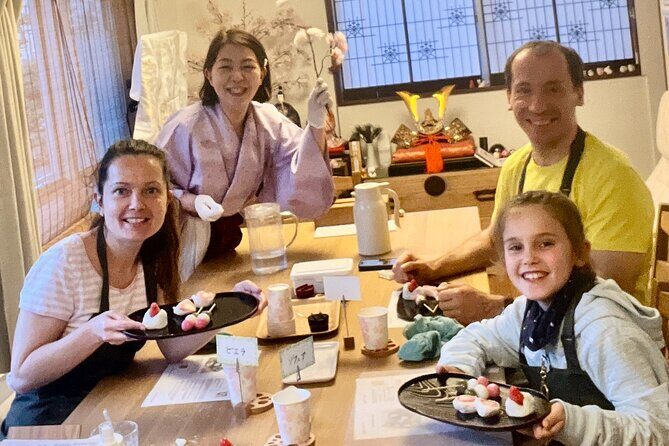
Mochi making feels like magic in Tokyo. This class takes place in a real Japanese house in Sangenjaya, where you get hands-on guidance from a wagashi instructor. You’ll learn to make mochi and nerikiri, plus you can add a simple tea break in their tea room.
What I like most is how personal it feels, even with a small group. You’re not just watching. You’re getting the steps, the pacing, and the little fixes that turn sticky, confusing dough into something you actually want to eat.
One thing to consider: there’s a toy poodle at the home. If you or someone in your group has a dog allergy, this probably isn’t the right fit.
In This Review
- Key Things to Know Before You Go
- Why This Class Works in Sangenjaya (Not a Souvenir Factory)
- The Main Event: Making Mochi and Nerikiri Step by Step
- Mochi: The Fun, Sticky Part
- Nerikiri: Where Texture and Shape Take Over
- What You’ll Likely Learn About Ingredients and Technique
- Matcha and a Simple Tea Ceremony in a Real Tea Room
- Meeting Point and Timing: A 2-Hour Plan That Fits a Tokyo Day
- Small Group Size: How It Helps You Actually Learn
- Dog on Site: The One Real Drawback to Not Ignore
- Price and Value: Is $78.83 Worth It?
- Who This Class Is Best For (And Who Should Skip It)
- Practical Tips to Make Your 2 Hours Smoother
- Should You Book This Private Mochi and Matcha Class Near Shibuya?
- FAQ
- How long is the Mochi・Matcha sweets making class?
- What sweets will I learn to make?
- Does the class include matcha?
- Where is the meeting point?
- Is this experience private?
- Is the class dependent on weather?
- Are there any animal-related concerns?
Key Things to Know Before You Go

- Hands-on mochi and nerikiri with real instruction, not just a demonstration
- Matcha included, with a simple tea ceremony option in the tea room
- Small group size (maximum 8), so you can ask questions and get help
- Foreigner-friendly pacing and clear guidance for beginners
- Sangenjaya location gives you a calmer, local Tokyo feel near the Shibuya area
- Dog in the house (toy poodle), with clear allergy caution
More to do within sight of the Crossing
- Official Street Go-Kart in Shibuya★ 5.0 · 3,435 reviews
- Tokyo: Street Kart Experience in Shibuya★ 4.9 · 1,484 reviews
- Shibuya Meltdown Nightlife Tour: All-You-Can-Drink Bar Hopping★ 5.0 · 1,058 reviews
Why This Class Works in Sangenjaya (Not a Souvenir Factory)
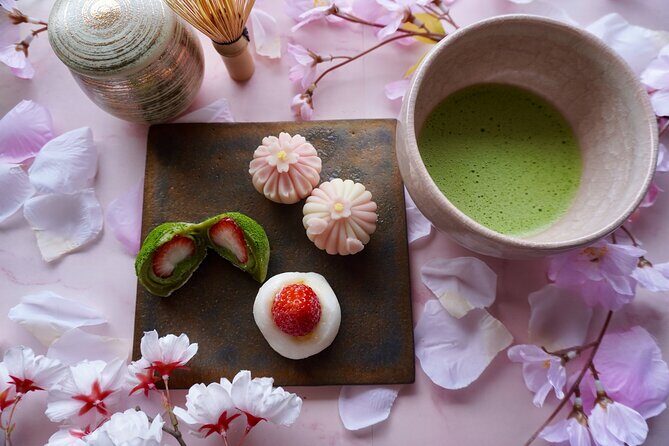
The setting is part of the value. You’re in Sangenjaya (Setagaya City), in a neighborhood feel that’s more residential than touristy. That matters because sweets making is easier when you’re not squeezed into a crowded workshop. You can focus on what your hands are doing.
You also get the kind of context that’s hard to get from a shop counter. Mochi isn’t just a dessert. The instructor talks about why mochi matters in Japanese culture, and you feel that story while you’re forming the sweets. If you like food as culture, this is the right format.
Logistics are straightforward. The activity is near public transportation, and the home is described as an easy walk from the train. You’ll meet at 1-chōme-11-13 Sangenjaya, Setagaya City and end back there.
The Main Event: Making Mochi and Nerikiri Step by Step
This is a private cooking class with personalized instruction. In practice, that means you’ll get the attention you need to succeed, especially if you’re a total beginner. And you’ll learn both mochi and nerikiri, two classic Japanese sweets that feel related—but don’t behave the same way.
Mochi: The Fun, Sticky Part
Mochi is the star here. You’ll learn the steps to shape it into familiar forms, and you’ll taste what you make at the end. In real terms, you’re learning technique, not just copying a finished model.
Some sessions can include mochi variations you might recognize from Japanese snack culture. One example shared in feedback is making strawberry daifuku-style mochi. Another is a playful shaved-ice with dango-style direction. Your exact menu can vary by what’s on hand and what the class decides together, but the goal stays the same: you leave with sweets you helped build.
Nerikiri: Where Texture and Shape Take Over
Then comes nerikiri, a traditional wagashi style that leans more into shaping and presentation. If mochi is hands-on and sticky, nerikiri is more about patience and careful forming.
The benefit of learning both is that you don’t just get a dessert lesson. You get a feel for how Japanese sweets differ by texture and technique. That’s the big gap between a class and eating mochi at a restaurant. At a restaurant, you taste. In a class, you understand.
More private options with your own guide



What You’ll Likely Learn About Ingredients and Technique
The class includes guidance on the ingredients used and why the process works. That’s not just trivia. Understanding the role of each ingredient helps you avoid the classic beginner problems: dough that’s too soft, too dry, or hard to shape without sticking everywhere.
You’ll also get your own corrections. That’s key. Sweets making is one of those activities where one small timing or pressure difference changes everything.
Matcha and a Simple Tea Ceremony in a Real Tea Room
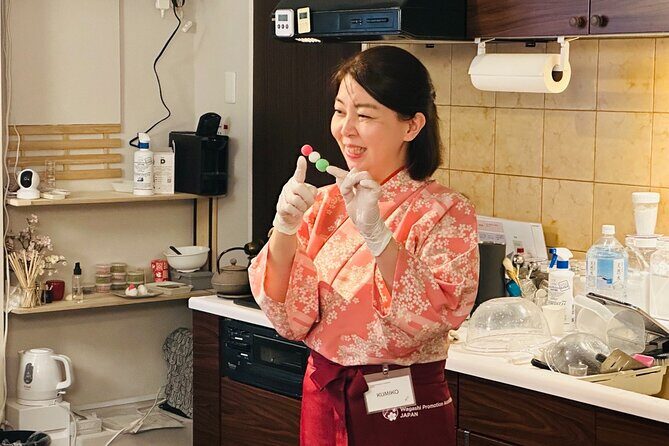
After the cooking work, you can slow down. The experience includes an optional tea room moment with a simple tea ceremony, and matcha is included.
This part matters because it connects the sweets to the way they’re actually enjoyed in Japan. Mochi and wagashi are often served with tea, and the tea ceremony isn’t just theater. It’s a way to balance sweetness and appreciate texture.
You’ll see how matcha changes the feel of what you made. Mochi’s chew and nerikiri’s refined shape go together with the clean bitterness and earthy taste of matcha. It’s a combo you can’t fully replicate by grabbing dessert and walking around.
Also, you don’t have to be overly formal. The class describes the tea ceremony as simple, and the tone stays friendly and beginner-friendly.
Meeting Point and Timing: A 2-Hour Plan That Fits a Tokyo Day
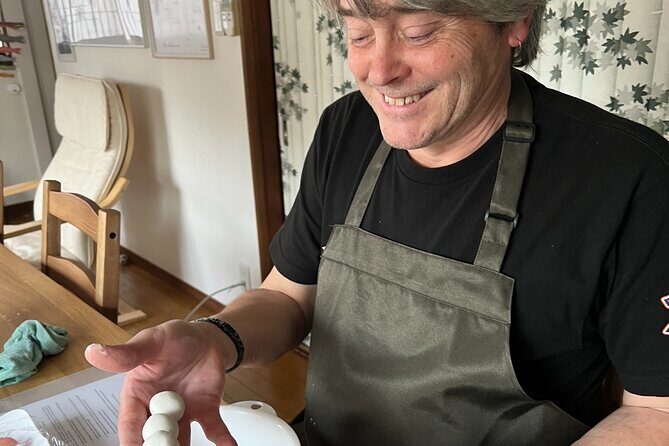
This is about 2 hours (approx.), and that length is ideal. You’re not committing to an all-day food project, which is nice in a city where you’ll already be walking a lot.
You meet at 1-chōme-11-13 Sangenjaya and you finish back there. That means you don’t lose time figuring out return routes or hoping taxis show up at the exact right second.
The class also uses a mobile ticket, and you’ll receive confirmation within 48 hours of booking (subject to availability). If you like to plan with a little breathing room, that helps.
And timing advice, practical and boring—in a good way: book early if you can. On average, this is booked about 26 days in advance, which suggests it fills up during peak periods.
Small Group Size: How It Helps You Actually Learn
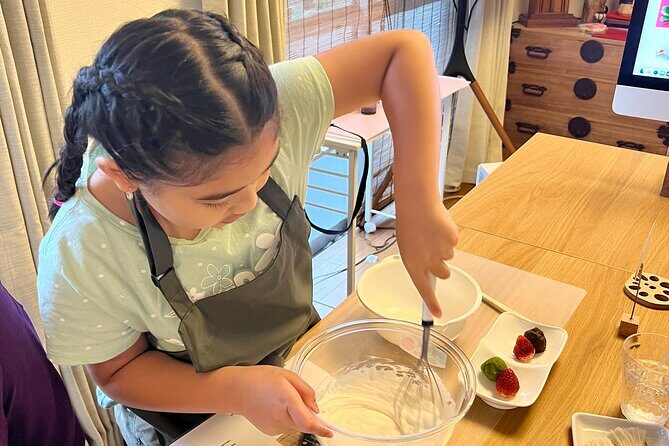
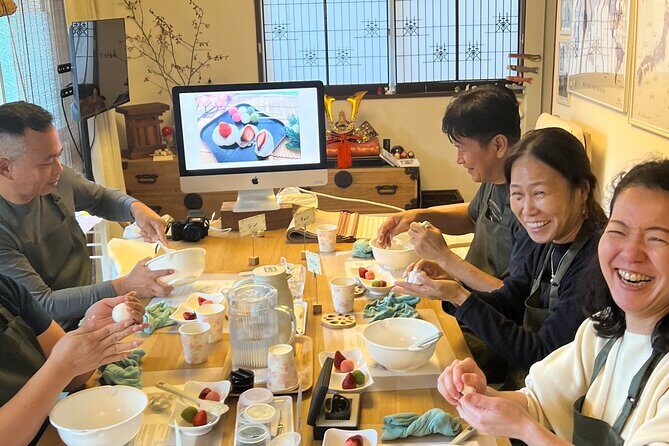
You’re capped at 8 travelers. That’s important. In a bigger class, you often wait your turn. With this size, you get feedback and correction fast.
In feedback from families, the pacing worked well for kids too. One shared experience highlighted making sweets with a child, with an instructor who was patient and attentive. If you’re traveling with younger guests and want something hands-on (not just a tasting), this format has the structure that helps.
This also tends to suit couples who want more than a generic cooking show. You get instruction plus the tea experience, and you still have a clear end time.
Dog on Site: The One Real Drawback to Not Ignore
There’s a toy poodle in the home, and the experience specifically notes it may not be recommended if you have a dog allergy. Service animals are allowed, but pet allergies are a different situation, and the guidance is clear.
One more practical note: if you’re sensitive to animal presence, don’t assume you’ll be able to ignore it. This is a home setting, not a sealed studio. If you’re unsure, ask before booking.
That said, the dog is also described as a cute added plus by some people. So if you’re not allergic, expect a small friendly distraction rather than a problem.
Price and Value: Is $78.83 Worth It?
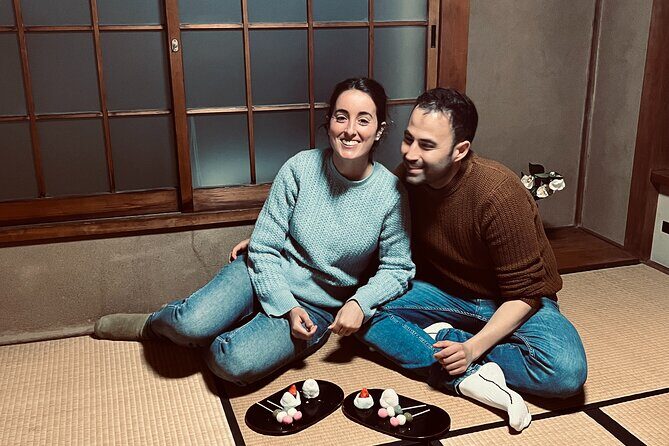
At $78.83 per person for about 2 hours, you’re paying for more than a dessert. You’re paying for:
- Instruction from a wagashi instructor (personal help, not just watching)
- Two types of sweets: mochi and nerikiri
- Tea with matcha in a tea room
- The chance to learn the why behind the steps, not only the final look
- A home setting in Sangenjaya, not a tourist factory
Could you buy mochi and matcha somewhere and call it a day? Sure. But restaurants and shops don’t teach you how to shape or why something turns out correctly. Here, your money buys skills and context. You also leave with a deeper appreciation for the cultural role of mochi—something you don’t get when your only interaction is ordering and eating.
Also, there are group discounts offered. If you’re traveling with friends, it can make the value feel even better. Just keep in mind the class still stays small.
Who This Class Is Best For (And Who Should Skip It)
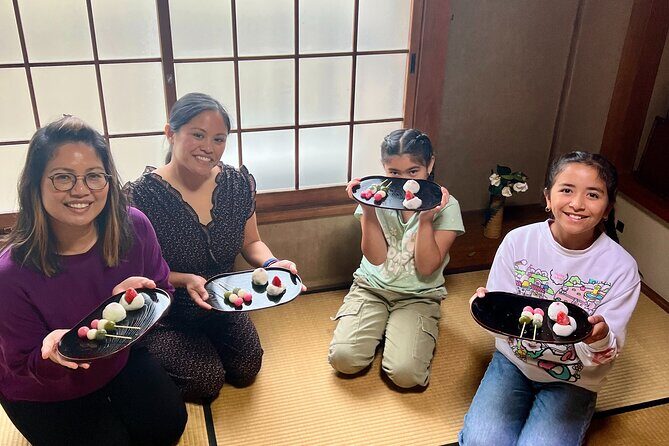
This is a great pick if you:
- Want a hands-on Tokyo food experience instead of only tasting
- Like learning cultural context while you cook
- Travel with kids who enjoy making things with their hands
- Want the matcha tea + sweets combination, but in a simple, friendly way
You might skip it if you:
- Have a dog allergy (toy poodle is present)
- Hate tasks that involve sticky dough and a little mess (yes, mochi gets messy)
- Only have time for a quick bite and you want zero commitment
Practical Tips to Make Your 2 Hours Smoother
Here’s how to set yourself up for success, based on what this type of class needs:
- Wear something comfortable. You’ll be working with dough and likely wiping your hands a few times.
- Bring a little patience. Mochi and nerikiri both require small adjustments. Your first attempt might not look perfect.
- If you want the tea ceremony, say so early. It’s available in the tea room, and you’ll want to plan your pace.
- If you’re sensitive to pets, take the dog note seriously and check suitability ahead of time.
- Use the mobile ticket when you arrive, since that’s how the class is set up.
And one more honest point: the best moment is usually right after you taste what you made. That payoff is the entire point.
Should You Book This Private Mochi and Matcha Class Near Shibuya?
Yes—if you want a real skill-based food experience. The class hits the sweet spot: mochi + nerikiri, matcha included, a calm home setting in Sangenjaya, and enough small-group attention to actually learn. It’s also a strong choice for families because the instruction style is described as patient and supportive.
Skip it if dog allergies are a concern for you. That’s the main true risk called out in the details.
If your Japan trip includes Shibuya and you want one break from the usual fast sightseeing loop, this class gives you something tactile and memorable. In a city full of great meals, learning how to make the dessert yourself is a different kind of souvenir. You can take it with you—at least the skill, and probably the pride.
FAQ
How long is the Mochi・Matcha sweets making class?
It lasts about 2 hours.
What sweets will I learn to make?
You’ll learn how to make mochi and nerikiri.
Does the class include matcha?
Yes. There is a simple tea ceremony option, and matcha is included.
Where is the meeting point?
The meeting point is 1-chōme-11-13 Sangenjaya, Setagaya City, Tokyo 154-0024, Japan.
Is this experience private?
It’s described as a private cooking class with personalized instruction, and it has a maximum group size of 8 travelers.
Is the class dependent on weather?
Yes. The experience requires good weather. If it’s canceled due to poor weather, you’ll be offered a different date or a full refund.
Are there any animal-related concerns?
There is a toy poodle in the house. It’s not recommended for people with allergies to dogs. Service animals are allowed.
Just Your Group: Private Options
More Tour Reviews in Tokyo






Still in Shibuya? Keep Going





Fresh reviews from around Tokyo






Shibuya Tours, compared.
 ★ 5.0Official Street Go-Kart in ShibuyaFrom $763,435 reviews
 ★ 4.9Street Kart Experience in ShibuyaFrom $741,484 reviews
 ★ 5.0Shibuya Meltdown Nightlife Tour: All-You-Can-Drink Bar HoppingFrom $1061,058 reviews
 ★ 5.0Shibuya Official Street Go-Kart in Shibuya AnnexFrom $69972 reviews
 ★ 5.0Shibuya Food Tour (13 dishes and 4 Eateries)From $77770 reviews
 ★ 5.0Best of Shibuya Food TourFrom $217612 reviews
 ★ 4.8Shibuya Highlights Walking TourFrom $19601 reviews
 ★ 4.7Premium Go-Kart Tour with Tower & Shibuya CrossingFrom $116528 reviews
Browse the lists this tour appears in