
Reviewed · DRINKING TOURS
Making Japanese desserts Nerikiri & drinking matcha in Tokyo
In This Review
- Nerikiri takes real hands-on focus.
- Key things to know before you go
- Nerikiri and Matcha in Setagaya: A Tokyo class that fits your day
- What you will make: three seasonal kneaded dough sweets
- How the class flows: hands-on steps, then matcha and tasting
- Seasonal nerikiri: why the theme matters more than the recipe
- Matcha break: a simple pairing that teaches what matters
- Taking your nerikiri home: packets and sharing
- Where you meet and why the location can change
- Price and value: is $65.69 worth it?
- Who should book this class (and who might skip it)
- After class in Setagaya: easy ways to keep the day moving
- Should you book the Nerikiri and Matcha class?
- FAQ
- How long is the nerikiri and matcha experience?
- Where does the class take place?
- What is the meeting point address?
- How big is the group?
- What do I make in the class?
- Can I request specific shapes like an owl or a needle mouse?
- Is matcha included?
- Can I take my nerikiri home?
- How much does it cost?
- What is the cancellation policy?
Nerikiri takes real hands-on focus.
One hour and change can teach you the feel of nerikiri—seasonal Japanese kneaded sweets—while you sip matcha and get the story behind the art. What makes this Tokyo class especially fun is that it is not just recipe talk. You make three types of seasonal dough, you shape them with your own hands, and the instructor explains the process and the traditions behind it as you work.
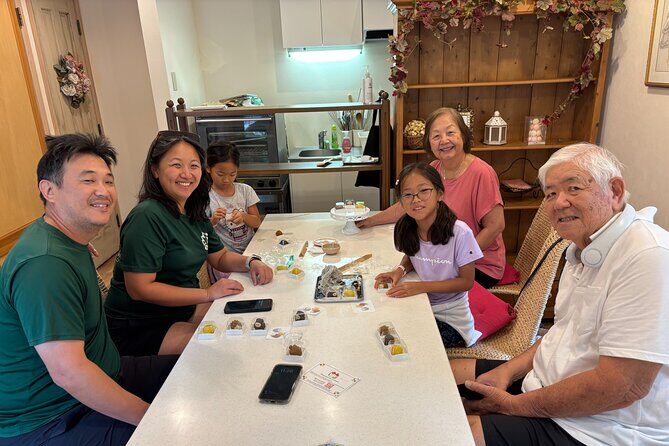
I really like the small size here (max 8), because you get personal attention when your shapes start to wobble. I also like that everything is included: ingredients, tools, and even matcha ready for you after the class. One drawback to plan for: the exact meeting spot can shift between a Shimokitazawa kitchen and Toritsudaigaku Station, depending on the rental space availability, so read the email details closely.
More good bars found for you in Tokyo
- Tokyo Bar Hopping Tour in Shinjuku (All-You-Can-Drink + Dinner)★ 5.0 · 3,587 reviews
- Tokyo: Shinjuku Local Bar and Izakaya Guided Walking Tour★ 4.9 · 1,794 reviews
- Shibuya Meltdown Nightlife Tour: All-You-Can-Drink Bar Hopping★ 5.0 · 1,058 reviews
Key things to know before you go
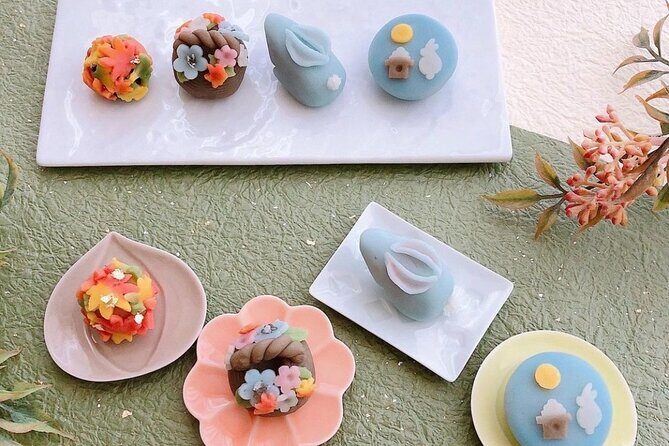
- Three seasonal nerikiri styles made by hand, not watched from the side
- Small-group size (up to 8) for faster help and a calmer pace
- Matcha included, prepared by the instructor after you finish shaping
- Take-home packets provided so you can share or snack later
- Seasonal theme drives what you make, so it changes with the time of year
- Optional owl and needle mouse request if you email ahead of time
Nerikiri and Matcha in Setagaya: A Tokyo class that fits your day
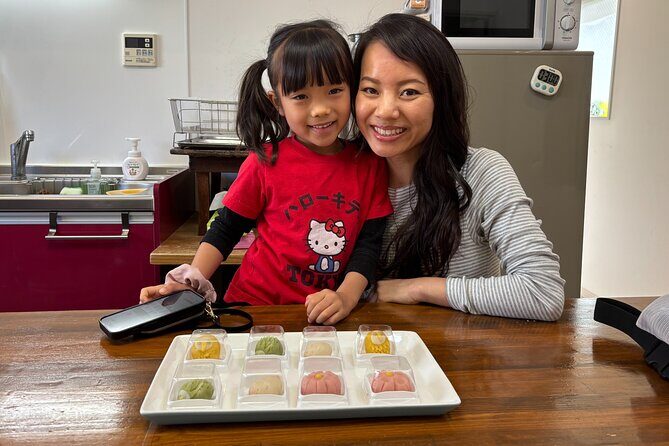
Tokyo cooking classes can be long, formal, or overly scripted. This one is different because the time matches a travel schedule: about 1 hour 30 minutes. You get a real skill session, then you are free to wander Setagaya-ku right after, when you still have energy and curiosity.
Setagaya is a great choice for this kind of activity. It is not trying to be a giant tourist stage. Instead, it is where you can step into everyday neighborhoods and make your trip feel more local. After class, you can use public transit to roam around nearby shops and streets without burning an entire day.
Also, the vibe is beginner-friendly. One of the strongest themes in the feedback is how welcoming and easy the class feels for first-timers. If you can follow directions and keep your hands steady, you are in the right place.
What you will make: three seasonal kneaded dough sweets
The heart of the experience is nerikiri: a Japanese sweet made by kneading and shaping dough for seasonal themes. In this class, you will make three types of seasonal kneaded dough. The exact shapes are set by the season of your visit, which keeps it feeling current rather than like an always-the-same demo.
Your instructor will explain the process and then you do it. That matters because nerikiri is tactile. You are not just mixing batter and hoping for the best. You are working dough with your hands, learning how the texture and shape come together.
There is also a small customization option. The basic plan is seasonal kneaded rice balls, but if you want specific shapes—like an owl or a needle mouse—you need to ask when you send your email reservation details. You might not be able to get every request depending on application timing, so if those shapes matter to you, contact them as soon as you can.
How the class flows: hands-on steps, then matcha and tasting
Here is how your time is likely to feel, from start to finish. After you book, you will receive an email with the event location details. Then you show up near public transportation at the meeting point, which is listed at 3-chōme-20-4 Kitazawa, Setagaya City, Tokyo 155-0031.
Once you are in the kitchen space, the instructor explains the process of making nerikiri and shows you how the dough should behave. Then it becomes a practical session. You will form the kneaded sweets using the tools and ingredients provided.
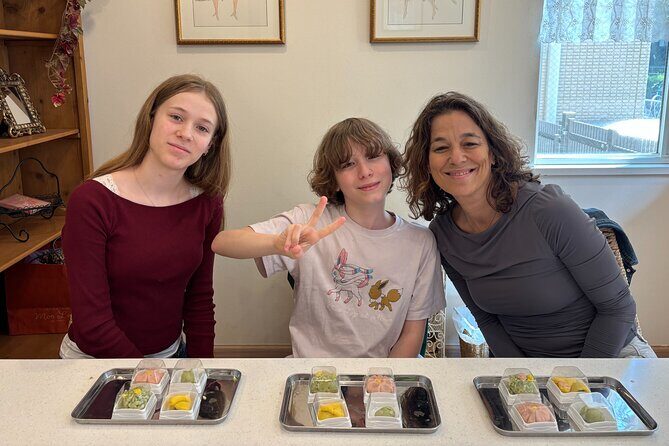
Expect a rhythm of short explanation, then action. That is the best way to learn these tactile sweets without getting lost. In a small group (maximum 8 travelers), you can ask questions and get corrections before your dough goes in a completely different direction.
After you shape your sweets, the session shifts to the reward part: popular matcha prepared by the instructor. You can eat the nerikiri you made right there, and if you want to share or save for later, you will get packets for taking the sweets home.





Seasonal nerikiri: why the theme matters more than the recipe
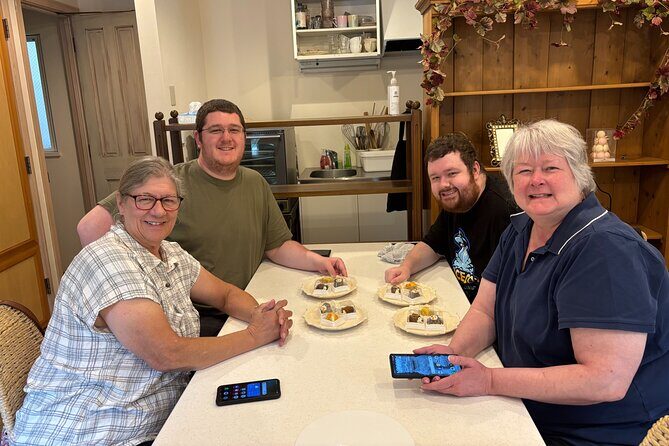
Most food classes teach one technique and call it a day. This one ties technique to seasonality, which is a big deal in Japanese sweets. Even though you are learning how to make something specific during your lesson, the instructor also frames it by discussing the history of nerikiri confectionery and how the seasonal feel shows up in the craft.
In practical terms, seasonality helps you understand why the shapes and dough choices change. Instead of memorizing a fixed set of steps, you start noticing the logic: the sweet is designed to match a time of year. That makes what you learn more useful, even if you never repeat the exact design later.
It also turns the class into something more than cooking. You leave with context you can carry into your Tokyo wandering. When you see seasonal wagashi (Japanese sweets) in shops, you will have a better sense of why a design looks the way it does.
Matcha break: a simple pairing that teaches what matters
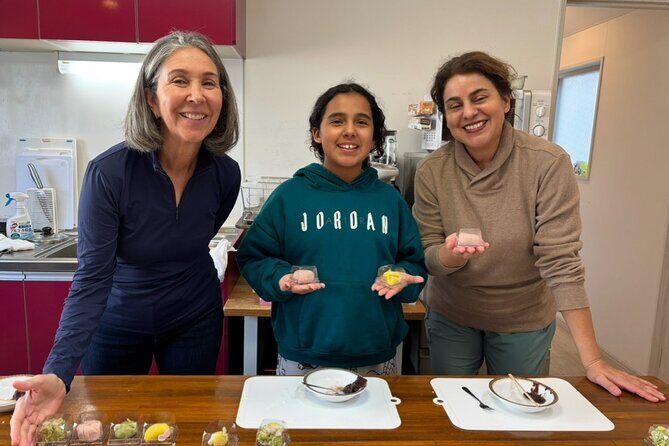
Matcha is included, and the class wraps with it. The instructor prepares matcha after you finish making the sweets, so the tea acts like a reset button: you sit, sip, and taste what you made.
This is not just about caffeine or dessert pairing. It is about learning how the flavor works alongside the sweets you shaped. Nerikiri can be sweet and soft, while matcha brings a distinct bitterness and earthy aroma. When you taste them together on the same schedule, your brain links cause and effect. That is how food lessons stick.
And because it is guided, you are not left guessing. You get a cup of authentic matcha green tea as part of the experience, rather than paying separately for it or making do with something less intentional.
Taking your nerikiri home: packets and sharing
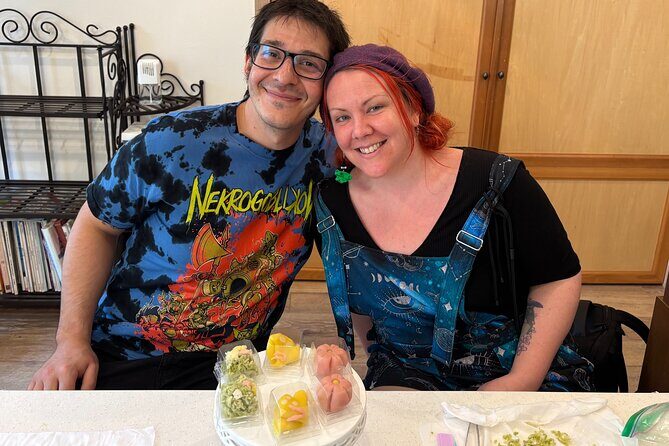
A small but important detail: you are not required to eat everything during the class. After shaping your three seasonal treats, the instructor prepares matcha and then you eat what you made on the spot or take the sweets with you.
Packets for taking them home are provided, which is great for two reasons. First, you can bring them back for friends or family without worrying about handling. Second, you can taste again later, when your appetite and expectations are different—often when you notice flavors more clearly.
This also makes the class feel like a real “activity,” not just a lesson. You end with something physical, which is part of the joy of cooking classes in Japan.
Where you meet and why the location can change
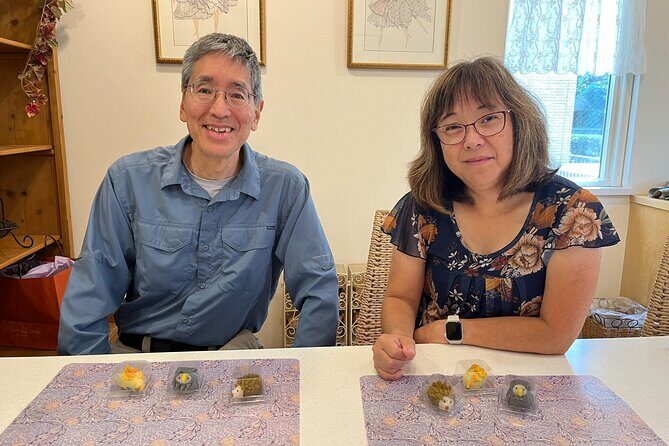
The class meeting point is listed at 3-chōme-20-4 Kitazawa in Setagaya City. That is your anchor address, and the experience ends back at the meeting point, so you do not need to plan a longer route after.
One planning note: due to the reservation of rental space, the location may be “Toritsu Daigaku Station” instead of the Shimokitazawa kitchen. You will be contacted by email if that happens. So, after booking, make it a habit to reread that email before you go.
The good news is that the class is near public transportation. That matters in Tokyo, where travel time can balloon if you pick the wrong station. With transit nearby, you can fit this into a day that also includes other Setagaya wandering.
Price and value: is $65.69 worth it?
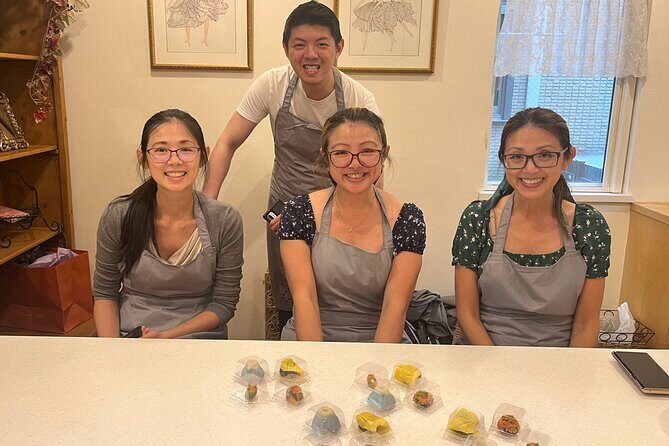
At $65.69 per person, this class sits in the midrange for Tokyo food experiences. The price feels justified because you are not paying just for ingredients. You are paying for guided instruction, a small-group setting, and a full set of included materials (ingredients and tools), plus matcha.
You also get three shaped sweets, not one. If you have ever paid for a cooking class where you do a quick stir and then leave, this one is different. You spend the time kneading, shaping, and learning technique. That is the kind of “I can do this later” value that makes the price easier to swallow.
Group discounts are mentioned too. If you have a couple of friends who want to do something hands-on and cultural without spending a full afternoon, you may get a better per-person deal than going solo.
Duration is short. For me, that is part of the value. You are buying focused learning time, not a half-day commitment that eats up your sightseeing.
Who should book this class (and who might skip it)
This is a strong fit if you want a cultural food experience that is hands-on. It also fits well if you travel with friends or family because the class is small and social. The feedback highlights how beginner friendly it feels, and that is exactly what you want when you are trying a skill in a foreign language environment.
You might consider skipping it if you want a very fast tasting-only experience. This is not a food tour where you sample a bunch of shops and walk away with stories. This is a do-it-yourself craft lesson, so you should be ready to get your hands involved.
You should also be aware that the shapes depend on the season and may follow the default seasonal plan. If you strongly want the owl and needle mouse, email with your request early, since time of application can affect whether the instructor can accommodate it.
After class in Setagaya: easy ways to keep the day moving
One of the underrated perks here is what you can do right afterward. The experience is designed so you can explore Setagaya-ku nearby after the class. You do not have to plan a separate activity that starts later; you simply continue your day.
Setagaya is a good match for this because it is more lived-in. You can look for small bakeries, stationery shops, and casual cafes without the pressure of a major tourist corridor. Even a slow walk helps you digest what you learned: nerikiri shapes, seasonal ideas, and matcha flavors start to feel personal once you start seeing everyday Tokyo again.
If your class location ends up around Toritsudaigaku Station, you can use that as your base for the rest of the day. If it stays in the Shimokitazawa kitchen area, you will still be well positioned for neighborhood strolling.
Should you book the Nerikiri and Matcha class?
If you like the idea of making something Japanese by hand—then eating it with matcha—you should book this. It has a 4.9 rating from 20 reviews and is recommended by 100%, which usually means people felt the value was real, not just charming. The biggest winners here are the personal attention in a small group, the beginner-friendly feel, and the fact that you leave with sweets in packets.
Book it if you want a focused craft lesson in a short window, and if you like the idea of seasonal food that changes with the time of year. It is especially worth it when you want an authentic experience that goes beyond sightseeing.
Don’t book it if you dislike hands-on cooking or you only want to snack and move on. This class is about doing, not just tasting.
FAQ
How long is the nerikiri and matcha experience?
The class takes about 1 hour 30 minutes.
Where does the class take place?
The class is basically held at the kitchen in Shimokitazawa, but it may be held at Toritsudaigaku Station instead. The instructor contacts you by email with the exact location.
What is the meeting point address?
The meeting point is listed as 3-chōme-20-4 Kitazawa, Setagaya City, Tokyo 155-0031, Japan.
How big is the group?
The class has a maximum of 8 travelers.
What do I make in the class?
You will make three types of seasonal kneaded dough for nerikiri.
Can I request specific shapes like an owl or a needle mouse?
Yes, you can request those shapes by emailing when you send your reservation details. The instructor may not be able to meet the request depending on application timing.
Is matcha included?
Yes. After the class, the instructor prepares matcha and you can drink it as part of the experience.
Can I take my nerikiri home?
Yes. You can eat the nerikiri on the spot or take them home. Packets for taking home are provided.
How much does it cost?
The price is $65.69 per person.
What is the cancellation policy?
You can cancel for a full refund up to 24 hours before the experience starts. Free cancellation is offered, but changes within 24 hours are not accepted.
Tokyo by the Glass




More Tour Reviews in Tokyo



Fresh reviews from around Tokyo






Drinking Tours, compared.
 ★ 5.0Tokyo Bar Hopping Tour in Shinjuku (All-You-Can-Drink + Dinner)From $1063,587 reviews
 ★ 4.9Shinjuku Local Bar and Izakaya Guided Walking TourFrom $341,794 reviews
 ★ 5.0Shibuya Meltdown Nightlife Tour: All-You-Can-Drink Bar HoppingFrom $1061,058 reviews
 ★ 4.5Pub Crawl and Bar TourFrom $27951 reviews
 ★ 5.0Shinjuku Local Bar & Izakaya Crawl TourFrom $39890 reviews
 ★ 4.9Shinjuku Bar Hopping with All-You-Can-Drink & DinnerFrom $108440 reviews
 ★ 4.9Shibuya: Local Bar & Izakaya CrawlFrom $29354 reviews
 ★ 5.0Ramen and Sushi Cooking Class with Sake Pairing Set in TokyoFrom $79291 reviews
Browse the lists this tour appears in