
Reviewed · TOKYO
Tokyo: Karate Experience with Former All-Japan Champion
Tokyo karate feels refreshingly practical. This 90-minute class with former All-Japan champion Ryo mixes traditional etiquette with hands-on technique, and it’s designed for both first-timers and people who already know karate. You’ll start with the full ritual of karate training, then move into stances, punches, kicks, blocks, and a calm, no-contact way to practice sparring concepts.
What I like most is the focus on basics that actually translate to control, not just memorized moves. You’ll work on bowing and belly breathing, then progress step by step so you’re not lost the moment your feet start moving.
One thing to consider: it’s still physical training. You should expect some intensity, and if your mobility is limited (especially for kicking), you may want to go slower and ask for options during technique practice.
In This Review
- Key points before you go
- Where you meet: Azumabashi Hall and the easiest train logic
- The full 90-minute flow: bow, breathe, stretch, then learn
- Standing Zen Training: the stance lesson that makes everything else easier
- Punches, blocks, and kicks: step-by-step precision without chaos
- A practical note on kicking
- Kumite without physical contact: learn defense safely and smart
- Ryo’s teaching style: clear English, cultural context, and real structure
- Gear, group size, and value: is $66.99 worth it?
- Who should book this karate class in Tokyo?
- Before you go: simple ways to make it smoother
- Should you book this Tokyo karate experience?
- FAQ
- How long is the karate class?
- How many people are in the group?
- What should I bring, and is equipment provided?
- Is the class suitable for beginners?
- What physical fitness level do I need?
- What is the cancellation policy?
Key points before you go
- Former All-Japan champion instruction: You’re learning from Ryo, with 20 years of experience.
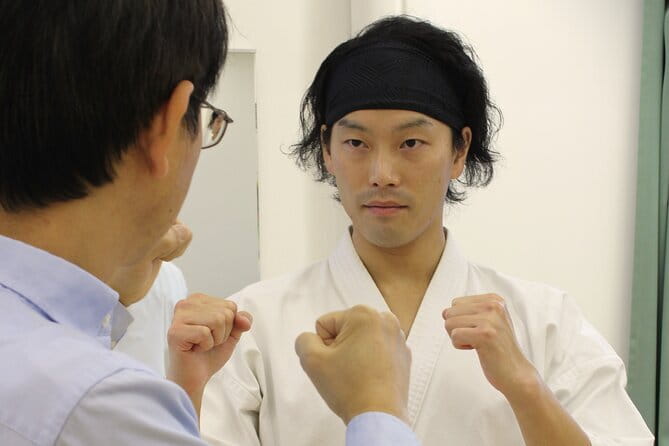
- Standing Zen Training stance: A specific posture drill helps with alignment, balance, and focus.
- No-contact kumite concepts: You practice defense and response without physical contact for safety.
- Small group size (max 8): Enough individual attention without feeling like a private boot camp.
- Karate uniform and pads included: The class gives you what you need to participate.
- Central meeting point near public transport: It’s easy to reach by train and you return to the same spot.
Before you commit, see how this one stacks up against a few Tokyo favourites:
- Mt Fuji and Hakone 1-Day Bus Tour Return by Bullet Train★ 5.0 · 26,383 reviews
- 1-Day Tokyo Bus Tour★ 5.0 · 14,250 reviews
- Tokyo: teamLab Planets TOKYO Digital Art Museum Entry Ticket★ 4.6 · 9,779 reviews
Where you meet: Azumabashi Hall and the easiest train logic
The class meets at Azumabashi Hall, 1-chōme-23-27 Azumabashi, Sumida City, Tokyo 130-0001. It’s listed as near public transportation, and that matters because 90 minutes in Tokyo can disappear fast if you’re spending it on transfers.
Also pay attention to one neat detail: the activity ends back at the meeting point. That reduces the hassle of figuring out an onward plan right after you’re warmed up and maybe slightly sweaty (karate does that to you).
If you’re building this into a busy day, I’d treat it like a scheduled appointment rather than an open-ended activity. Arrive a bit early so you can settle in, get your bearings, and focus on what happens next: bows, breathing, and movement.
The full 90-minute flow: bow, breathe, stretch, then learn
The class rhythm is very clear, and that’s part of the value. You’re guided through a progression that moves from mindset to body, then from body control to technique.
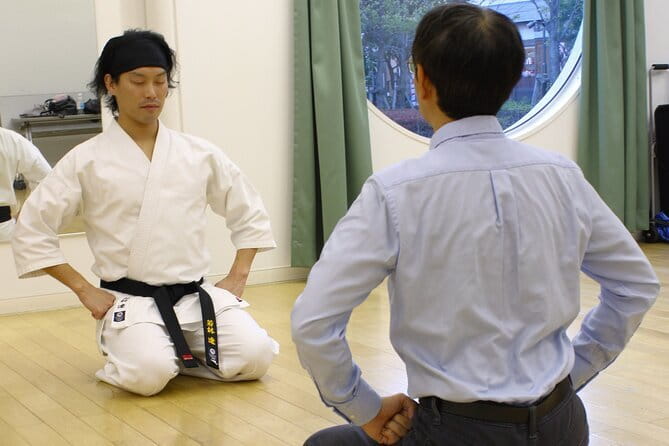
You’ll start with the karate etiquette of bowing. The lesson emphasizes that karate training begins with a bow and ends with a bow, which sounds simple until you realize it sets the tone: everyone is paying attention, and you’re learning in a respectful, structured environment.
Next comes breathing from the belly. It’s a focus tool, not just a warm-up. You’ll practice it so your mind stays calm and your body stays ready to move with intention.
Then you move into stretching for major areas like leg muscles, hip joints, shoulder blades, and the chest. That’s useful because the class includes kicking and blocking, which depend on mobility and shoulder control. If you’ve been sitting in train seats all day, this part helps your body catch up fast.
From there, the workout turns into technique practice: punches, kicks, and blocks in a proper stance. Expect step-by-step breakdowns, where each technique is divided into smaller moves so you can get it right without guessing.
Finally, you’ll learn the essence of kumite training—sparring concepts—without physical contact. You’ll practice defenses against attacks such as punches, front kicks, and low kicks, using tips for precision and efficiency.
Standing Zen Training: the stance lesson that makes everything else easier
One highlight is learning how to master the Standing Zen Training position. Even if you’ve never done karate before, stances are where you build real stability. They affect how well you can punch straight, block cleanly, and generate power without twisting from the wrong joints.
This class treats the stance like a skill you learn, not something you’re expected to already know. The instructor guides you into a proper posture, then reinforces it as you add techniques afterward.
What you’re likely to notice as you go:
- your feet stop feeling random and start feeling planted
- your hips and shoulders coordinate better
- your movements become more controlled instead of flailing
If you’ve practiced other combat sports, this is a good reminder that karate training often spends time on fundamentals because they carry forward. If you’re brand-new, it’s a gentle way to build confidence. If you already know karate, it’s a chance to compare your posture and timing to a teacher’s method.
Punches, blocks, and kicks: step-by-step precision without chaos
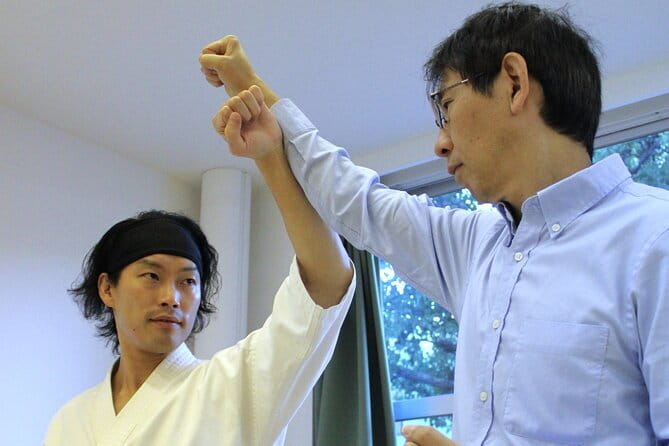
After the warm-up and stance work, you’ll practice basic techniques: punches, blocks, and kicks. The class doesn’t throw the whole sequence at you and hope you survive. Each technique is broken down into a few moves so participants can learn step by step.
That matters if your schedule brought you to Tokyo with jet lag, or if your body isn’t used to structured training. It also matters if you’re traveling solo and want something active, not overwhelming. You get the workout and the learning, without the feeling that you’re behind.
The instructor also adjusts the level. That’s supported by feedback about how Ryo adapts instruction to different experience levels. So if you’ve trained before, you’re not stuck doing only beginner motions. If you’re new, you won’t be punished for not knowing terms or coordination yet.
The focus on proper stance connects the whole lesson together. When your feet and hips are set, punching and blocking become more efficient. When your shoulders and arms are used correctly, you reduce unnecessary strain.





A practical note on kicking
Kicking is included, but your comfort level may depend on mobility. One piece of feedback pointed out that the class can feel challenging if you’re still lacking mobility for kicks. My suggestion: go in with a flexible mindset. Ask for pacing adjustments, and don’t try to force range for the sake of looking correct.
Kumite without physical contact: learn defense safely and smart
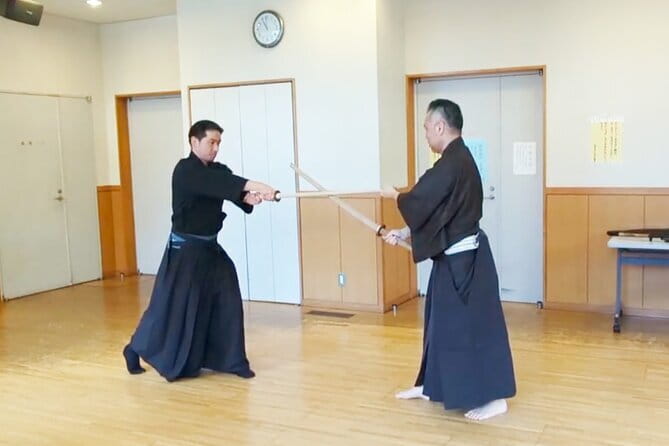
The class finishes by teaching the essence of kumite training without physical contact. That’s a big deal for travelers. You get the sparring mindset—reading attacks, responding with defense, moving efficiently—without the injury risk that comes with actual contact.
You’ll practice defending against common attacks, including punches, front kicks, and low kicks. The emphasis is on maximum precision and efficiency. In other words, it’s not just about blocking. It’s about defending in a way that keeps you ready for the next movement.
Because there’s no contact, you can focus on:
- timing (when you move)
- positioning (where your body is)
- clarity (what you’re trying to do)
This is especially good if you want a karate experience, not a bruising spar session. It’s also a solid fit if you’re traveling with limited recovery time. You’ll leave feeling worked, not wrecked.
Ryo’s teaching style: clear English, cultural context, and real structure
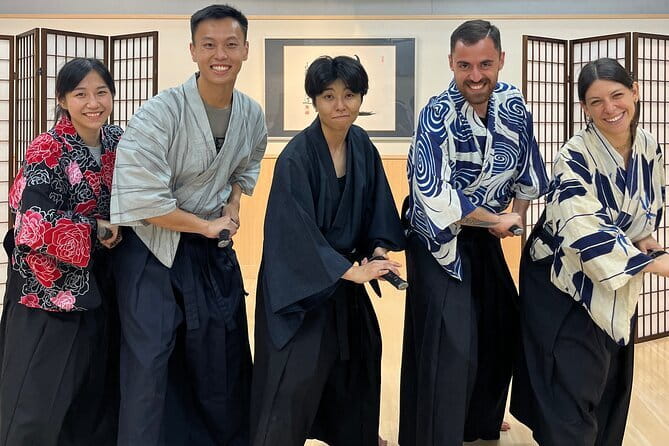
Ryo is the instructor, and he’s described as a former champion with 20 years of experience. More important than credentials is his teaching approach: clear explanations, demonstrations, and a class design that works for both beginners and experienced students.
Several details point to why people rate this so highly:
- instruction that’s easy to follow in English
- technique explanations that connect to what your body needs to do
- a friendly but serious tone that keeps training fun and focused
There’s also an added layer: the class often creates space for cultural exchange. One person described talking about differences between Japanese and French culture after training. Even if that part isn’t the main focus, it’s a good sign you won’t just be processed and sent out. You’re treated like a person, not an obstacle in the dojo.
If you care about authentic experience, this hits a useful balance: etiquette, structure, and technique, without turning it into a stiff museum lesson.
Gear, group size, and value: is $66.99 worth it?
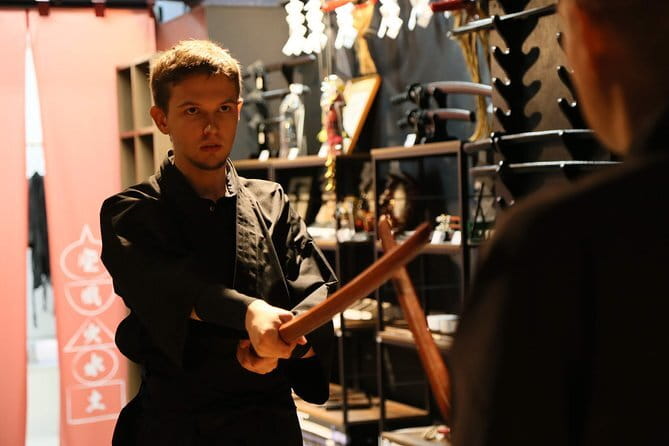
The price is listed as $66.99 per person for about 1 hour 30 minutes. You also get a karate uniform and pads included, which helps the value equation. For many activities in Tokyo, the cost covers instruction but you still need to rent or buy gear elsewhere. Here, the class provides what you need to participate in the style they’re teaching.
Add in the group limit of up to 8 travelers. That small group size is ideal for a class like this. It’s small enough to keep you from feeling lost, but large enough that it doesn’t turn into awkward solo training unless you prefer that.
And there’s practical convenience:
- central location near public transportation
- mobile ticket option
- morning or afternoon class choice (so you can fit it around sightseeing)
Is it a bargain compared to a gym workout? Not exactly. You’re paying for coaching from a high-level karate practitioner plus the traditional structure and guided progression. In my view, that’s the real value: you get a coached learning experience, not just “show up and try moves.”
Who should book this karate class in Tokyo?
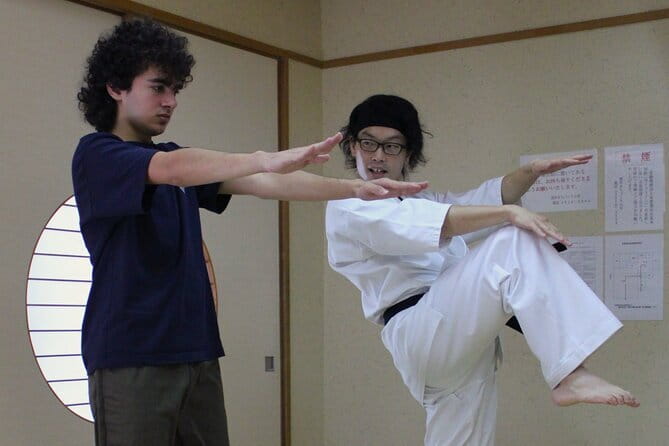
This experience is a good match if you want:
- a hands-on martial arts class with clear instruction
- something active that also teaches discipline and basics
- a safe way to practice sparring concepts without contact
- an authentic Tokyo activity that isn’t just walking and shopping
It’s especially suitable for beginners because you’ll learn the bowing ritual, belly breathing, stretching, and fundamental techniques. If you’ve trained before, you’ll likely appreciate the stance work and the chance to correct posture, timing, and technique.
One caution: moderate physical fitness is recommended. That doesn’t mean you need to be athletic already. It does mean you should be comfortable standing, moving, stretching, and practicing kicks at your own level.
Before you go: simple ways to make it smoother
Here are a few practical moves that help you get the most out of the class:
- Bring a calm, learning mindset. Karate basics are repetitive on purpose.
- Go at your pace. The instructor is meant to adjust to experience levels, so ask questions when something feels off.
- Expect to sweat. Stances, blocks, and kicks take effort even in a beginner-friendly class.
- If you want photos or videos, it’s reasonable to plan for it. One feedback mentioned capturing pictures and videos during the lesson, so you’re not completely out of place asking.
Also, arrive a little early at Azumabashi Hall so you’re not rushing while everyone is ready to bow and start.
Should you book this Tokyo karate experience?
Book it if you want a structured, beginner-friendly karate class with real coaching. The combination of fundamentals (stance, punches, blocks, kicks), traditional etiquette (bowing), and a safe sparring concept (kumite without contact) makes it a strong use of time in Tokyo.
Skip it if you’re looking for a long cultural lecture with zero physical activity. This is a workout. Also consider it more carefully if kicking mobility is a big issue for you right now—you can still participate, but you’ll want to pace yourself and ask for adjustments.
If you’re the kind of traveler who likes learning one skill well, this is an easy win. You’ll leave with technique you can practice later, plus a Tokyo story that’s different from the usual checklist.
FAQ
How long is the karate class?
The class lasts about 1 hour 30 minutes.
How many people are in the group?
The class has a maximum of 8 travelers.
What should I bring, and is equipment provided?
A karate uniform and pads are included, so you have the key gear for the session.
Is the class suitable for beginners?
Yes. The lesson is designed for beginners, and it also works for people who have practiced karate before.
What physical fitness level do I need?
You should have a moderate physical fitness level since the class includes stretching and technique practice.
What is the cancellation policy?
You can cancel for a full refund if you cancel at least 24 hours before the experience’s start time. If you cancel less than 24 hours before, the amount you paid won’t be refunded. Cut-off times are based on local time.
More Tour Reviews in Tokyo



Fresh reviews from around Tokyo






Tokyo, compared.
 ★ 5.0Mt Fuji and Hakone 1-Day Bus Tour Return by Bullet TrainFrom $16326,383 reviews
 ★ 5.01-Day Tokyo Bus TourFrom $12914,250 reviews
 ★ 4.6teamLab Planets TOKYO Digital Art Museum Entry TicketFrom $259,779 reviews
 ★ 4.0Mt Fuji & Hakone Cruise, Drum Show Bullet Train 1 Day from TokyoFrom $1497,413 reviews
 ★ 5.0Shinjuku Food Tour (13 Dishes at 4 Local Eateries)From $866,603 reviews
 ★ 4.4Tokyo Mt Fuji 5th St & Hakone Cruise Bus Tour w/Bullet TrainFrom $1545,024 reviews
 ★ 5.0Flagship 2-Hours Official Street Go-Kart Tour – Tokyo Bay ShopFrom $644,974 reviews
 ★ 4.5From Tokyo: Mount Fuji Full-Day Sightseeing TripFrom $684,970 reviews