
Reviewed · ASAKUSA TOURS
This is Asakusa! A Tour Includes the All Must-Sees!
Asakusa can feel like a swarm. This private tour gives you a clear path through Tokyo’s most famous old-street area, with a guide to translate what you’re seeing and keep you moving at a human pace. You also get a satisfying arc of sights, from classic temples to modern Skytree views, without the guesswork.
I especially like two things: the crowd-proof planning and the expert context your guide brings at each stop. Guides like Haruo, Macky, Walt, and Sayaka have been praised for being helpful, friendly, and good at tailoring the day to the group’s needs.
One possible drawback: entrance fees, meals, and most transit costs aren’t included in the tour price, so you’ll want to budget for on-the-day spending as you go.
In This Review
- Key things that make this tour work
- Why Asakusa feels intense without a plan
- Price and value: what you’re really paying for
- Meeting at Asakusa Station, then ending near Skytree
- Asakusa Culture Tourist Information Center: a terrace view first
- Senso-ji Temple: the lantern-and-red-buildings classic
- Asakusa Shrine: Sanja Matsuri’s spotlight
- Nishi-sandō Shopping Street and Hoppy Street
- Kappabashi Dogugai: kitchen tools you can actually shop
- Gonpachi soba by Azumabashi Bridge: views with lunch
- Tokyo Skytree and Solamachi: the modern finish near Oshiage
- Who this tour is best for
- Common pitfalls, and how to avoid them
- Should you book this Asakusa tour?
- FAQ
- How long is the Asakusa tour?
- What is included in the price?
- Are entrance fees and meals included?
- Where do we meet and where does the tour end?
- Is it affected by bad weather?
- Is this tour only for my group?
Key things that make this tour work
- Private, just your party: no waiting for strangers, no splitting up your attention
- A logical route through Asakusa, then across to Oshiage and Skytree
- Real learning moments at Senso-ji and the Asakusa Shrine, not just photo stops
- Kitchenware shopping time at Kappabashi, where you can actually browse with purpose
- Sumida River views built in via the Gonpachi soba stop
- Mobile ticket for smoother day-of coordination
More mornings around Senso-ji and the old town
- Tokyo: Japanese Dance Cabaret Theater Asakusa-Kaguwa Ticket★ 4.8 · 2,270 reviews
- Tokyo: Asakusa Walking Tour with Sensoji Temple Visit★ 4.8 · 1,583 reviews
- Tokyo Asakusa Rickshaw Tour★ 5.0 · 1,375 reviews
Why Asakusa feels intense without a plan
Asakusa is popular for a reason. You get temples, old streets, souvenir shops, food alleys, and people-watching—often all in the same few blocks. The tradeoff is congestion. Even when you’re excited, you can end up inching forward with everyone else.
That’s where a private guide earns their keep. You’re not just following a checklist; you’re getting a route that helps you stay oriented while the crowd noise stays behind you. And if you’re the type who likes asking questions as you walk, this setup makes that easy.
Also, because it’s private, the pacing can work better for different travel styles. Want more time at Kappabashi? Prefer a slower stroll around the temples? You can steer it in the moment.
Price and value: what you’re really paying for
The tour price is $137.29 per person for about 6 hours 30 minutes of guided time. The value is less about covering every entrance and snack, and more about paying for someone to connect the dots—so you spend your Tokyo hours seeing and understanding, not wandering and backtracking.
What’s included is the tour guide, the fact it’s private for your party, and the guide’s necessary expenses during the tour. What’s not included covers the real-world costs you’ll encounter while sightseeing: estimated spending is 4,880 JPY per person, including transportation (180 JPY), admission fees (3,400 JPY), and meal costs (1,200 JPY), plus optional experience costs (100 JPY) if you choose one.
This matters because Asakusa and Skytree are two different worlds. You’ll likely pay for things once you’re there—so you’re buying time and guidance, not an all-inclusive pass.
Meeting at Asakusa Station, then ending near Skytree
Your start point is Asakusa Sta. 1-chōme-1-3, Taito City, Tokyo. Your finish is Oshiage Sta. (Skytree) 1-chōme-1-65, Sumida City, Tokyo. That end point is a big deal: instead of dragging you back to where you started, it positions you right by Tokyo Skytree and the Solamachi area.
One practical heads-up: meeting points can be easy to misunderstand if your taxi driver or hotel staff goes by the broad station name. I’d take the full address seriously and double-check you’re being dropped at the right station side. Even the best tour can start rough if you and your guide are looking at different parts of the same station.
If the day turns wet or shaky, the route and destinations may change. You’re still going to hit the core ideas of the tour, but you might swap the walking order.
Asakusa Culture Tourist Information Center: a terrace view first
The tour begins at the Asakusa Culture Tourist Information Center, where admission is free. This stop is short, but smart. You’re positioned to get your bearings before the crowd gets loud.
The standout feature here is the observation terrace on the top floor overlooking Asakusa city. It’s the kind of view that helps you understand the layout—where the temple area sits, how the streets branch, and why certain paths feel more direct once you’re moving.
This is also the moment to ask your guide how you should think about the rest of the day. A good guide can explain what you’re about to see in plain language, so the rest feels less like random wandering.





Senso-ji Temple: the lantern-and-red-buildings classic
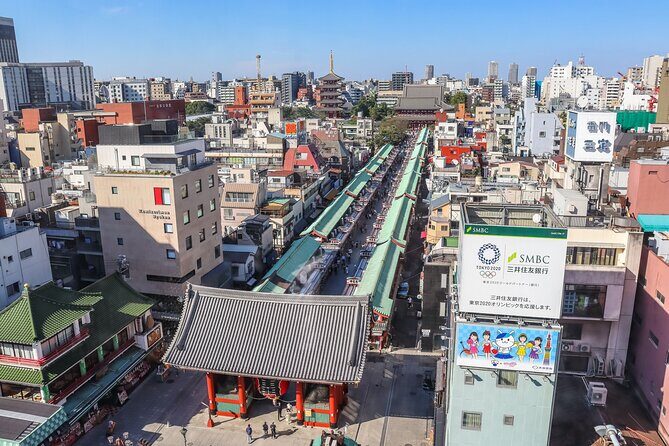
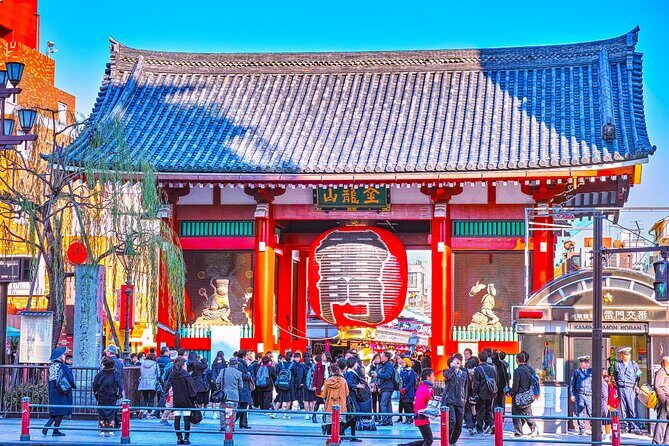
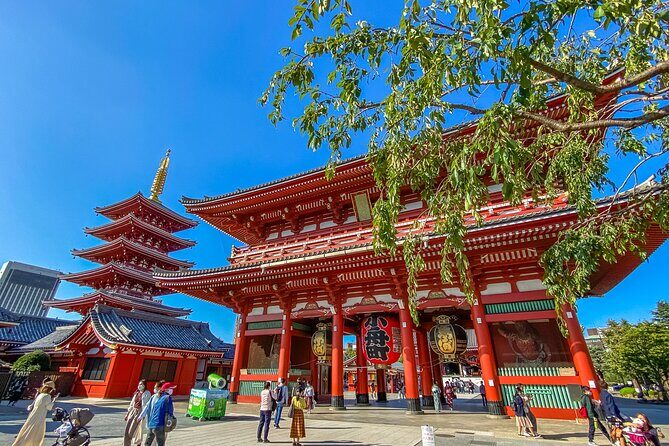
Next up is Senso-ji, Tokyo’s oldest temple. The iconic red lanterns aren’t subtle, and the red buildings are a feast for the eyes. This is the heart of Asakusa, and it draws the most people for a reason.
The tour gives you about an hour here, which is enough time to see the major highlights without turning it into a rush-through. With a guide, you don’t just photograph structures—you learn what the site means and how it fits into Tokyo’s older spiritual tradition.
Tip for your visit: go in with the mindset that you’re looking at a living place, not a set. Keep your pace steady, and leave time for small side moments, like watching how people approach the temple space.
Asakusa Shrine: Sanja Matsuri’s spotlight
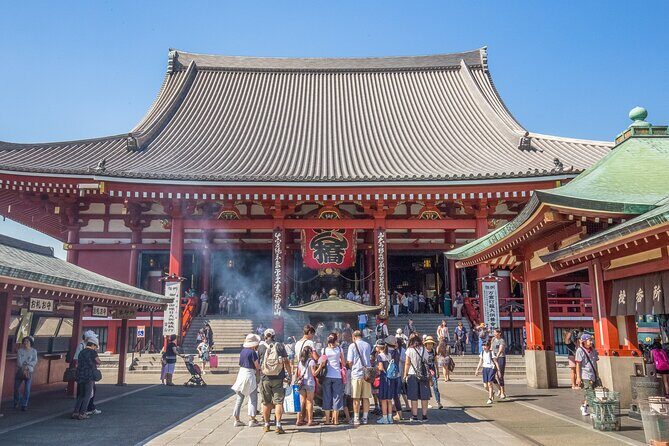
After Senso-ji, you head to Asakusa Shrine for a quicker stop of about 15 minutes. The shrine is famous for its connection to Sanja Matsuri, one of Tokyo’s major festivals.
Here’s what I like about pairing the shrine with the temple: it helps you see the difference between Japan’s religious institutions. A shrine and a temple aren’t the same kind of place, even though visitors often bundle them together visually.
Even on a short stop, your guide can help you notice what’s distinct about this setting—so you leave understanding the culture behind what you’re looking at, not just collecting images.
Nishi-sandō Shopping Street and Hoppy Street
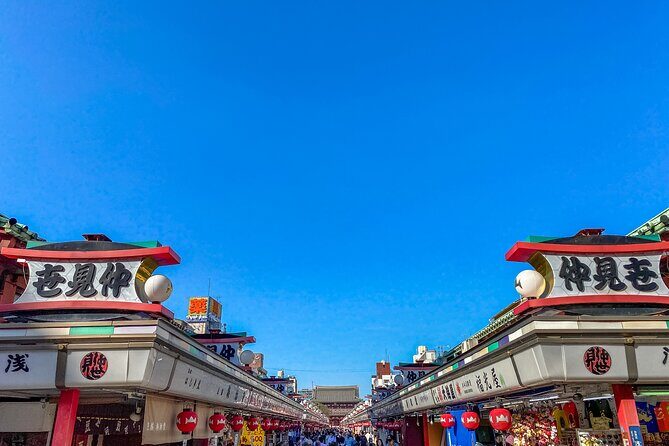
Then you shift into street life: Asakusa Nishi-sandō Shopping Street and Hoppy Street.
Nishi-sandō is known for shops and festival-themed decorations, where Japanese tradition and tourism overlap. It’s a useful transition after the sacred sites. Your eyes recalibrate from temple reds and ceremony spaces to vendor-lined streets and snackable storefronts.
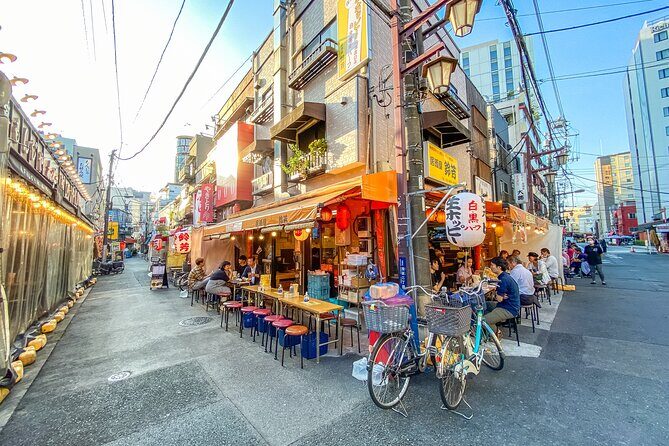
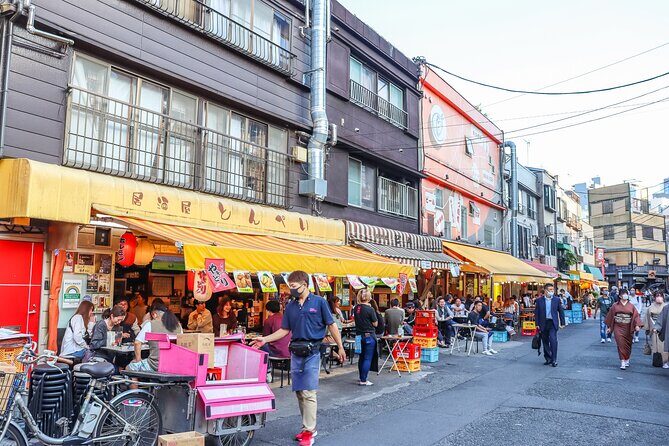
Hoppy Street is shorter, around 5 minutes, but it has a strong vibe. It’s packed with restaurants and has outdoor tables, with a reputation for reasonably priced drinks. It also has a clear mix of tourists and locals, which usually means the area is set up for easy strolling.
This is where your guide can help you pick what’s worth your money and time. When you’re hungry and the options look similar, a local opinion saves you from random choices.
Kappabashi Dogugai: kitchen tools you can actually shop
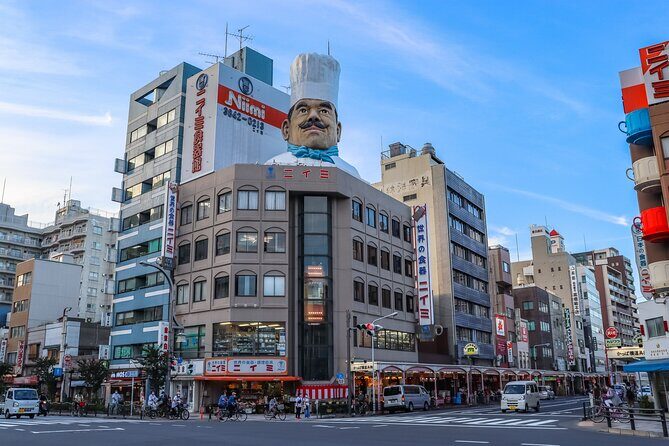
Now for one of the most fun and practical parts of Asakusa: Kappabashi Street (Kappabashi Dogugai). You get about 30 minutes here, and that time is ideal for browsing without stress.
Kappabashi is a specialty shopping district known for knives, tableware, and kitchen tools. The appeal is simple: you can find items that feel more useful than the usual trinkets. If you’ve ever wanted a quality knife for cooking at home, this area is the kind of place where the shopping itself becomes the attraction.
This stop is also a good reminder that a tour like this isn’t just about sightseeing. It’s about shopping with context. With your guide’s help, you can ask questions and target what you actually want to bring back.
Gonpachi soba by Azumabashi Bridge: views with lunch
For the next block, you’ll stop at Gonpachi, a handmade soba restaurant located at the foot of Azumabashi Bridge. The time here is about 50 minutes, and this meal is a real part of the pacing.
What makes it special is the setting: large windows let you see the Sumida River and Tokyo Skytree from inside. That view connection matters. You’re not just eating; you’re getting a visual transition from classic Asakusa to modern Skytree.
Meal costs aren’t included, so this is where your earlier budget math kicks in. If you care about value, choose something you’ll feel good finishing, not just ordering for novelty.
If you’re traveling with someone who gets hangry, this lunch timing also works well because it’s built before the Skytree climb. In other words: plan for energy, not just photos.
Tokyo Skytree and Solamachi: the modern finish near Oshiage
After lunch, the tour heads to Tokyo Skytree, one of Japan’s tallest structures at 634 meters, opened in 2012. You’ll have about 1 hour 10 minutes at this stop, which usually means enough time to experience the area and handle ticketing without feeling rushed.
Skytree isn’t just a tower. There’s a surrounding world: a mall and other facilities like an aquarium and office buildings in the complex area. Your guide helps you make choices based on what you care about, rather than letting the crowds decide for you.
Then you’ll head to Tokyo Solamachi, the commercial complex next door. You get about 30 minutes, and it’s set up for shopping and entertainment. Even if you don’t plan to spend big, it’s a good place to cool off, snack, and work off all the walking you did earlier.
Who this tour is best for
This is a great fit if you:
- Want a smooth, guided route through Asakusa’s crowded highlights
- Prefer private pacing over group herding
- Care about food and practical shopping, especially at Kappabashi
- Want a day that blends old Tokyo and modern Tokyo without building your own itinerary
- Like asking questions as you go—this tour is built for it
It also works well for small families or friend groups who want control. Since it’s exclusively your party, your guide can adapt the stops to your energy level.
Common pitfalls, and how to avoid them
The tour is designed to reduce stress, but you’ll still want to plan smart.
First: entrance fees and meals add up. The tour gives you a built-in lunch and Skytree stop, but those costs are on you. If you’re strict on budgeting, check your spending before the day starts so you don’t have to make hard decisions while hungry.
Second: meeting points matter. One negative experience shared with the tour focused on confusion about which subway station entrance to use. Avoid that by confirming the full meeting address, and don’t rely on a shortened version of station names.
Third: weather can change the route. The tour notes that routes and destinations may be adjusted if conditions are bad. That’s normal for city walking days—just don’t plan a tight schedule right before or right after if you’re trying to be perfectly on the minute.
Should you book this Asakusa tour?
If you’re in Tokyo for a short time and you want Asakusa to feel understandable instead of chaotic, I think this is a strong choice. Paying for a private guide is especially worth it when you want both the big sights and the smaller decisions—where to walk, what to notice, and how to shop without losing time.
I’d book it if you’re excited about Senso-ji, want real time at Kappabashi, and like the idea of ending by Skytree and Solamachi so you’re not reversing directions all day.
Skip (or consider another option) if you hate paying separate costs during the day, because Skytree admissions and your meal aren’t included. Also skip if you only want a quick photo walk. This works best when you’ll use the guide’s insights.
FAQ
How long is the Asakusa tour?
It’s approximately 6 hours 30 minutes.
What is included in the price?
The price includes a tour guide, a private tour exclusively for your party, and the necessary expenses for the guide during the tour.
Are entrance fees and meals included?
No. Entrance fees and meal costs are not included. The tour estimates about 4,880 JPY per person total for transportation, admission fees, and meals.
Where do we meet and where does the tour end?
You meet at Asakusa Sta. 1-chōme-1-3 in Taito City. The tour ends at Oshiage Sta. (SKYTREE) 1-chōme-1-65 in Sumida City.
Is it affected by bad weather?
There’s a possibility that transportation, destinations, and routes may be changed if the weather is bad.
Is this tour only for my group?
Yes. It’s a private tour/activity, and only your group participates.
If you tell me your travel dates and group size, I can help you figure out whether the estimated daily spending fits your budget style.
More Tours in Tokyo

More Tour Reviews in Tokyo



Around Senso-ji: More Asakusa Picks
Fresh reviews from around Tokyo






Asakusa Tours, compared.
 ★ 4.8Japanese Dance Cabaret Theater Asakusa-Kaguwa TicketFrom $492,270 reviews
 ★ 4.7Meiji Shrine, Asakusa, Skytree Bus Tour and CruiseFrom $1221,986 reviews
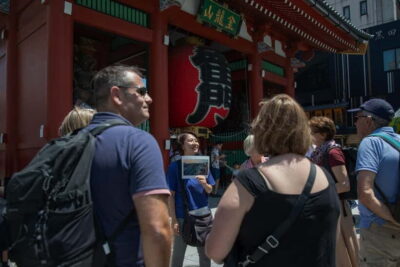 ★ 4.8Asakusa Walking Tour with Sensoji Temple VisitFrom $221,583 reviews
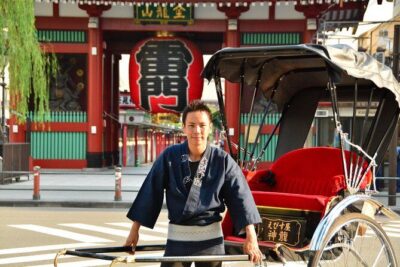 ★ 5.0Tokyo Asakusa Rickshaw TourFrom $421,375 reviews
 ★ 4.5Tokyo Panoramic 1 Day: Meiji Shrine, Asakusa, Odaiba and SKYTREE®From $851,222 reviews
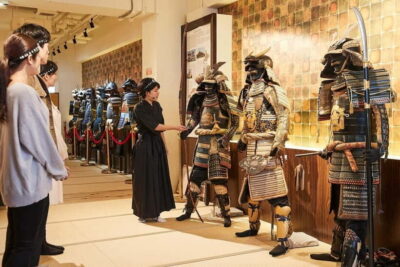 ★ 4.8Samurai Ninja Museum Asakusa: Samurai Sword Lesson & TourFrom $63306 reviews
Asakusa Sightseeing Tour by RickshawFrom $35195 reviews
Asakusa Kimono Dressing and Matcha ExperienceFrom $56173 reviews
★ 4.8Samurai Ninja Museum Asakusa: Samurai Sword Lesson & TourFrom $63306 reviews
Asakusa Sightseeing Tour by RickshawFrom $35195 reviews
Asakusa Kimono Dressing and Matcha ExperienceFrom $56173 reviews
Browse the lists this tour appears in