
Reviewed · CALLIGRAPHY EXPERIENCES
Sumi-e Ink Painting Suiboku-Ga Workshop in a Japanese Teahouse
Ink and tea, in a calm room.
This Suiboku-ga sumi-e workshop is one of those Tokyo experiences that feels personal, not tourist-factory. It’s held in a Japanese teahouse setting and guided by award-winning artist Rensui, with Japanese green tea built right into the class. I love the small group size (max 8), which makes it easier to get real help. I also love that you leave with a take-home piece plus a green tea souvenir pack. One thing to keep in mind: it’s a short one-hour intro, so you’ll learn the basics, not become a master.
You’ll work with water and ink to create texture and contrast the Japanese way, using washes rather than stacking layers of paint. The mood leans Zen, and the instruction focuses on simple, controlled moves—like finishing with a single brushstroke when the moment is right. The teahouse pace helps you slow down and see what the ink does as it spreads.
In This Review
- Key Highlights You Should Not Miss
- Why Suiboku-ga Feels So Different From Other Painting in Tokyo
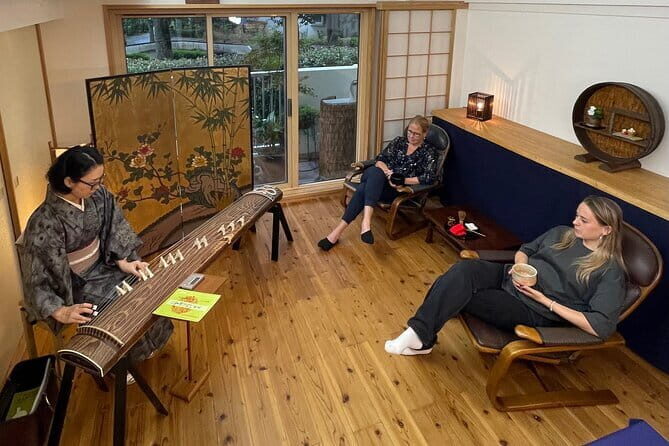
- Meeting at Uogashi Meicha Chanomi Club: The Teahouse Set-Up
- The One-Hour Workshop Flow: Tea, Tools, and Your First Brushstroke
- Choosing Your Subject: Pine, Bamboo, Plum, Orchid, Chrysanthemum, or Kanji
- What You’ll Learn About Ink Wash (Without Overpainting)
- Your Take-Home Souvenir: Art and Green Tea in One Package
- Price and Value for an Award-Winning, Small-Group Class
- Who This Suiboku-ga Workshop Suits Best (and Who Might Want Another Option)
- Tips to Get the Most From Your Class
- Should You Book This Suiboku-ga Ink Painting Workshop?
- FAQ
- How long is the Suiboku-ga workshop?
- How much does it cost?
- What do I get included with the workshop fee?
- Do I need to bring my own supplies?
- What will I paint in the class?
- How many people are in the workshop?
- Where does the class take place?
- Is there hotel pickup or drop-off?
- Is it easy to reach using public transportation?
- What is the cancellation policy?
- Is it suitable for kids?
Key Highlights You Should Not Miss
- Small-group class (up to 8 people) so you can actually ask questions
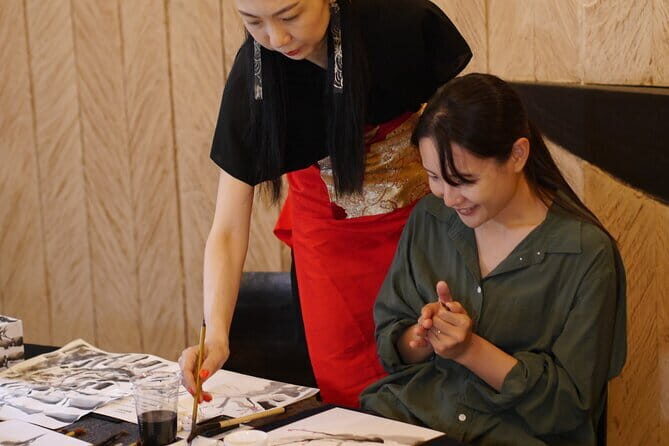
- Award-winning instructor Rensui guiding a true Suiboku-ga approach
- Green tea included twice, including a green tea souvenir to take home
- Choose your subject at booking from classic themes like pine, bamboo, plum, orchid, chrysanthemum, or kanji
- Learn the “no heavy layering” style that makes ink feel alive on the paper
More ink on paper
- Tokyo: Calligraphy on Kanji Fan & Scroll with Drink★ 5.0 · 210 reviews
- Let’s experience calligraphy in YANAKA, Taito-ku, TOKYO !!★ 5.0 · 127 reviews
- Tokyo: Calligraphy Workshop & Original T-Shirt Creation★ 4.9 · 105 reviews
Why Suiboku-ga Feels So Different From Other Painting in Tokyo
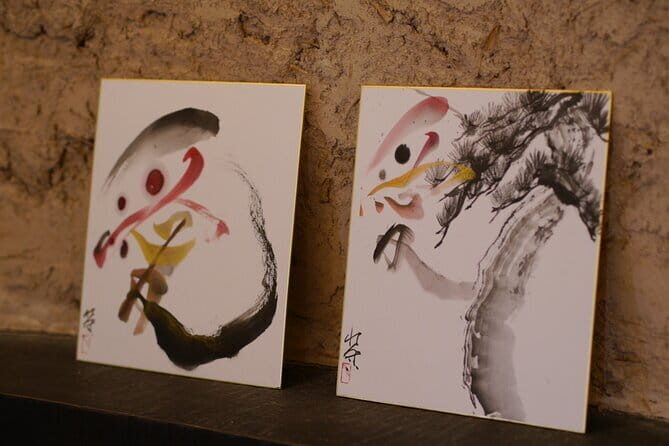
Most “paint” classes you’ll find in Tokyo lead you toward color mixing, multiple coats, and lots of steps. Suiboku-ga (a style of sumi-e) works differently. You’re using ink washes to build shape, texture, and contrast—without relying on the kind of layer-by-layer paint buildup you might expect from other art styles. That changes the whole mindset. Your goal isn’t to cover mistakes. It’s to steer the ink and accept its behavior.
There’s also something quietly philosophical about the method. The style is often described as heart-led, where simplicity lets your choices show up clearly. In practice, that means the workshop focuses on a few core moves and timing—things you can do even if you don’t consider yourself an art person. The class also leans into the Zen spirit of the technique, which helps explain why the setting is so calm. The ink needs patience.
If you like hands-on lessons that teach a real technique (not just a craft souvenir), this is the right lane. You’ll spend an hour learning how ink spreads, how water changes tone, and how to make a single decisive stroke when it counts.
Meeting at Uogashi Meicha Chanomi Club: The Teahouse Set-Up
Your workshop starts at Uogashi Meicha Chanomi Club in Tsukiji, Chuo City, Tokyo (2-chōme-11-12 Tsukiji). The location matters because Tsukiji can be busy outside the class, but the teahouse setting is meant to feel like a break from the city’s tempo. You’ll get to the class by public transportation; it’s listed as being near public transit, and you’ll end back at the same meeting point.
Expect an environment that’s comfortable and relaxed—exactly the kind of room where you can concentrate on tools, paper, and the slow rhythm of ink. Since you’re working with water-based ink, you’ll also want to dress like you’re okay with getting a tiny bit messy. The workshop includes materials, so you’re not hauling supplies across Tokyo.
One small but helpful detail: you receive a mobile ticket, so you’re not scrambling for paper when you arrive.
The One-Hour Workshop Flow: Tea, Tools, and Your First Brushstroke
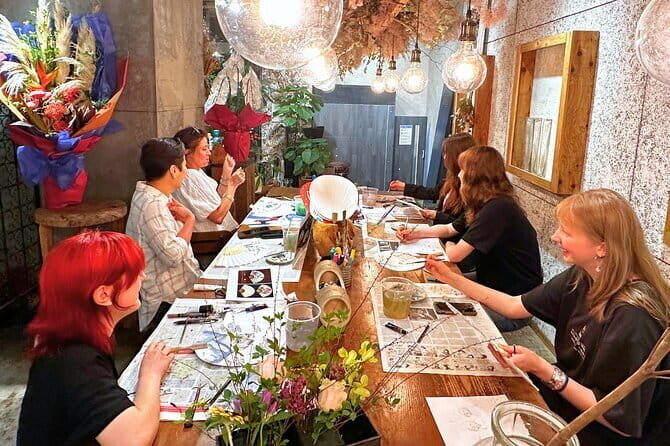
This is a 1-hour intro class, and the pacing is built around getting you from tools to a finished souvenir without rushing. The workshop includes Japanese green tea refreshment during the session, plus a packet of green tea to take home.
A typical flow goes like this:
- You arrive, get oriented, and settle in with tea
- You’re guided through how to handle ink and water
- You practice the foundational technique (how the wash behaves)
- You paint your chosen theme
- You finish with instructor guidance, including the idea of a clean, intentional single brushstroke to bring the piece together
- You leave with your work and the green tea souvenir packet
The biggest advantage of this structure is that you don’t have to “figure it out” alone. Ink painting can look simple online, but in real life it depends on control—how much ink, how much water, and how confidently you move the brush. You learn the basics so the hour feels productive, not like you’re just watching.
Choosing Your Subject: Pine, Bamboo, Plum, Orchid, Chrysanthemum, or Kanji
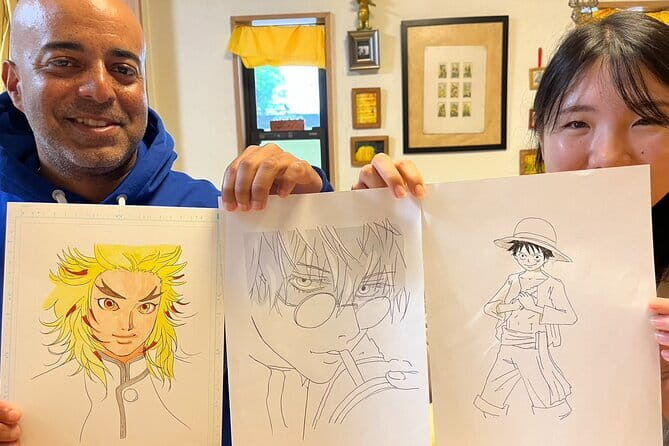
At booking, you can choose what object you’d like to paint on, and a theme is selected from a set list: pine, bamboo, plum, orchid, chrysanthemum, or Chinese kanji characters. That’s a good setup for two reasons.
First, it keeps the class organized. With up to eight people, the instructor can guide everyone without turning it into ten totally different lessons. Second, it helps you avoid the blank-page problem. You’re still making choices, but the framework is provided.
In one family experience, the instructor asked whether the kids preferred a bamboo or pine tree, and the class atmosphere was open enough that a kid expressed a specific idea. That tells you the mood isn’t stiff. Still, keep expectations realistic: it’s an introductory Suiboku-ga workshop, so the instructor will steer toward styles that fit the technique.
If you’re deciding what to pick, choose based on the look you want. Trees often feel forgiving because you can emphasize branches and texture. Kanji can be more challenging because it requires crisp intention, but if you want something that looks unmistakably Japanese (and symbolic), it’s a strong choice.
More things to make with your own hands


What You’ll Learn About Ink Wash (Without Overpainting)
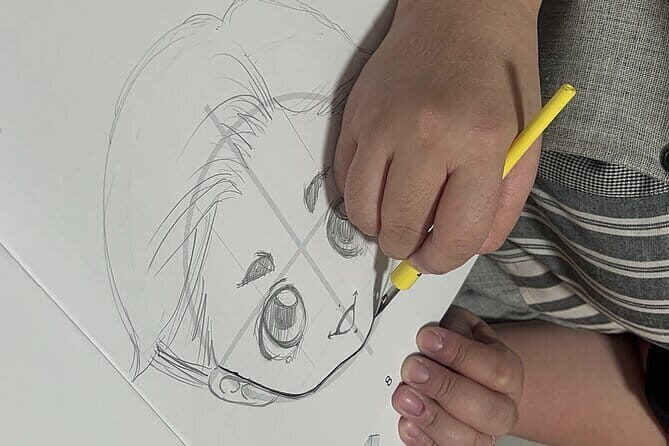
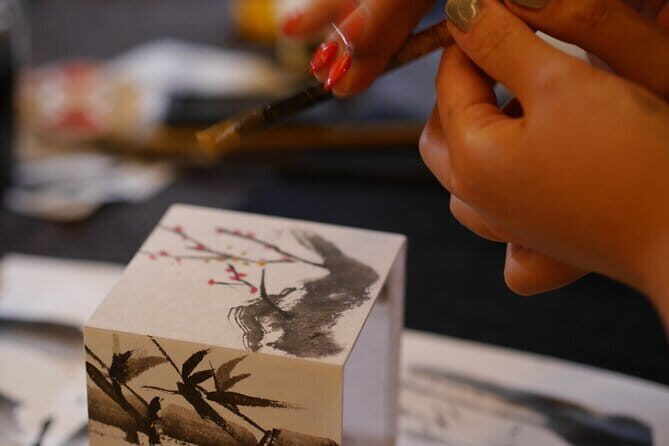
The heart of the class is Suiboku-ga ink-wash technique. The goal is texture and contrast using ink washes, not filling in with color. That’s why the workshop is so focused on how you use water and ink.
Here are the practical skills the class highlights:
- Controlling spread and tone by adjusting water and ink
- Building form with washes, rather than layering paint
- Creating texture and contrast so your subject doesn’t look flat
- Using confident brush movement, including finishing details in a single intentional stroke
The workshop description also frames the technique as having a Zen spirit. Translation: they’re not trying to overwhelm you with theory. You’ll get simple methods you can apply immediately, and you’ll see the outcome in front of you while you’re still in the lesson.
What I like about this approach for you as a visitor is that it turns a traditionally “serious” art form into something approachable. If you’re worried you’ll be bad at it, that fear is common. But the point of a good class like this is that the instructor can pull out the best in where you start.
Your Take-Home Souvenir: Art and Green Tea in One Package
You’ll leave with two types of souvenirs:
- Your finished artwork
- A packet of green tea as a souvenir, plus light green tea refreshment during the workshop
That combination is surprisingly meaningful. A lot of art experiences end with you holding a piece you don’t know how to display. Here, the workshop frames the art as something you can take home or gift. The green tea packet then becomes a second memory: you can actually taste the place after your Tokyo itinerary moves on.
Practical tip: plan ahead for how you’ll transport the artwork. Ink paintings are paper-based, so keep it flat if possible. If you’re moving straight to another part of Tokyo after the class, give yourself a little time to get your bag under control.
Price and Value for an Award-Winning, Small-Group Class
At $93.34 per person, this workshop isn’t the cheapest activity in Tokyo. But when you compare what’s included, the value makes more sense:
- Materials are included
- Green tea refreshment is included
- A green tea souvenir packet is included
- The class is limited to eight people, so instructor attention isn’t diluted
- You’re learning a technique taught by an award-winning artist, Rensui
In other words, you’re paying for more than a “do-it-yourself craft.” You’re paying for guidance on a traditional ink-wash method with a guided subject choice and a true instructor-led process. The one-hour format also keeps the class efficient. You get a meaningful experience without burning half a day.
One more thing: this gets booked around 25 days in advance on average, which is a clue that spots aren’t infinite. If you want a specific schedule, book sooner rather than later.
Who This Suiboku-ga Workshop Suits Best (and Who Might Want Another Option)
This workshop is a great fit if you want:
- A hands-on art experience where you’ll create something real
- A slower, calmer break from Tokyo sightseeing
- A class that feels intimate rather than crowd-based
- A souvenir tied to a technique, not just a product
It also looks family-friendly. One review highlights a father taking his sons aged 7 and 9, calling it a favorite experience and praising the instructor and the take-home artwork. That’s a good signal that the instructor can work with kids, not just adults—though you should still remember it’s an hour and requires steady attention with ink and brush handling.
If you’re looking for a long, multi-session art course, this may feel short. But for many visitors, an intro like this is exactly right. You get the core technique, the feel of ink wash, and a finished piece you can be proud of.
Tips to Get the Most From Your Class
You’ll get more from this workshop if you come in with the right expectations.
- Treat ink as reactive: the ink will spread and change. Don’t try to control everything.
- Go in open-minded: if your first brushwork looks different than you expected, that’s part of the method.
- Pick a subject you’ll enjoy looking at later: pine, bamboo, plum, orchid, chrysanthemum, or kanji are all strong choices for take-home symbolism.
- Plan for one decisive stroke: the instructor emphasizes finishing with a single brushstroke, so leave room for that moment.
- Dress comfortably: you’ll be using ink and water, even if materials are provided.
Also, arrive ready to be present. This is the kind of activity where your best results come when you slow down a little. The teahouse setting is meant for that.
Should You Book This Suiboku-ga Ink Painting Workshop?
I’d book it if you want a genuine Tokyo art experience with serious technique and an easy-to-manage time commitment. It’s one hour, it’s small-group, and the included tea makes it feel like more than a studio session. The best part is that you’re not just copying a picture—you’re learning how the ink wash works and how to make a piece that reflects your choices.
Skip it only if you need something highly structured with lots of English step-by-step details, or if you’re mainly after a quick photo stop. This class gives you a take-home artwork and a green tea souvenir, but it’s primarily about the process.
If you’re an art-lover, a curious beginner, or you want a memorable gift for someone back home, this is a very solid pick.
FAQ
How long is the Suiboku-ga workshop?
The workshop runs for about 1 hour.
How much does it cost?
It costs $93.34 per person.
What do I get included with the workshop fee?
You get the workshop fee, materials, Japanese green tea refreshment, and a green tea souvenir packet.
Do I need to bring my own supplies?
No. Materials are included.
What will I paint in the class?
You choose an object/theme at booking, and themes include pine, bamboo, plum, orchid, chrysanthemum, or kanji characters.
How many people are in the workshop?
It’s a small-group class limited to eight people.
Where does the class take place?
It starts at Uogashi Meicha Chanomi Club, 2-chōme-11-12 Tsukiji, Chuo City, Tokyo 104-0045, Japan, and ends back at the same meeting point.
Is there hotel pickup or drop-off?
No. Hotel pickup and drop-off are not included.
Is it easy to reach using public transportation?
Yes. It’s listed as being near public transportation.
What is the cancellation policy?
You can cancel for a full refund up to 24 hours before the experience start time. Confirmation is subject to availability and is received within 48 hours of booking.
Is it suitable for kids?
The experience is described as suitable for most travelers, and one family review mentions a great time with children aged 7 and 9.
Make Something to Take Home

More Tour Reviews in Tokyo






Brush and Ink: More Calligraphy Hours

Fresh reviews from around Tokyo






Calligraphy Experiences, compared.
 ★ 5.0Calligraphy on Kanji Fan & Scroll with DrinkFrom $53210 reviews
 ★ 5.0Let’s experience calligraphy in YANAKA, Taito-ku, TOKYO !!From $75127 reviews
 ★ 4.9Calligraphy Workshop & Original T-Shirt CreationFrom $30105 reviews
★ 5.0Calligraphy Workshop & Original T-Shirt CreationFrom $3380 reviews
★ 4.9Calligraphy Workshop & Original T-Shirt CreationFrom $30105 reviews
★ 5.0Calligraphy Workshop & Original T-Shirt CreationFrom $3380 reviews
 ★ 5.0Calligraphy Culture SHODO Experience in TokyoFrom $3366 reviews
 ★ 5.0Tokyo Asakusa:Calligraphy & Make T-shirt ActivityFrom $5862 reviews
 ★ 5.0Asakusa Calligraphy Workshop Craft Your Own Art in TokyoFrom $4054 reviews
 ★ 5.0Tokyo Japanese Calligraphy Experience with a Master ArtistFrom $9235 reviews
Browse the lists this tour appears in