
Reviewed · TOKYO
Mt Fuji Day Trip from Tokyo by Car with Photographer Guide
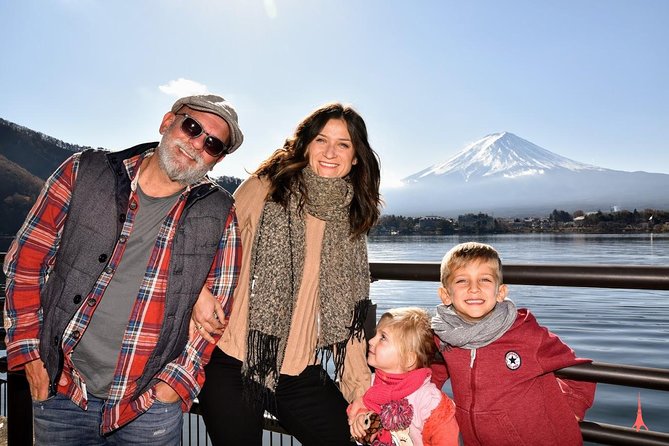
Mt Fuji is easier when it’s someone else’s job. This private day trip gets you out of Tokyo fast, with hotel pickup and drop-off plus a guide who helps you with photos along the way. I especially like the photo-focused guidance—it saves you time and helps you frame the views without guessing. The one real caution: if clouds move in, Mt Fuji can be hard to see, since the tour runs in good-weather conditions.
The route leans into the mountain’s north side, where the scenery spreads out across stops like the Fuji Five Lakes area and Oshino Eight Ponds. You’ll hit iconic spots, but you won’t waste your day juggling trains, tickets, and timing—your driver handles the logistics in a comfortable vehicle. With a mobile ticket and a private setup for up to six people, it feels designed for groups that want their day to run smoothly.
I also liked the human touch: guides such as Fumi (and also Tony, based on guide examples) are described as friendly, communicative, and helpful with safe driving and pacing. Even when the sky is moody, the day still works as a countryside outing with a clear plan and photo stops built in.
In This Review
- Key Things I’d Prioritize on This Mt Fuji Car Day Trip
- Why This Private Mt Fuji Day Trip Beats DIY Planning
- The 9-Hour North Side Route: How the Day Flows
- Stop 1: Arakurayama Sengen Park and the 400-Step Approach
- Stop 2: Oshino Hakkai Spring Water, Clear Ponds, and House Views
- Stop 3: Saiko Iyashi no Sato Nemba Village for Traditional Rooflines
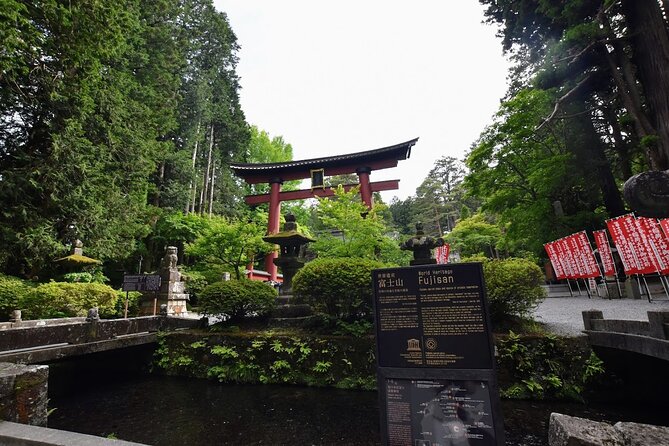
- Stop 4: Kitaguchi Hongu Fuji Sengen Jinja Shrine and the Trail Entrance
- Photographer Guide Support: Turning Stops Into Real Photos
- Value and Price: Is $1,150 Per Group Worth It?
- What to Expect on a Cold or Cloudy Fuji Day
- Who This Tour Fits Best (and Who Might Want Another Option)
- Should You Book This Mt Fuji Day Trip by Car?
- FAQ
- How long is the Mt Fuji day trip?
- What’s the group size for this tour?
- Is hotel pickup and drop-off included?
- What time does the tour start?
- Do I need to arrange transportation myself?
- Is lunch included?
- Are admission fees included?
- Is there a vegetarian option?
- Is the tour walk-heavy?
- What if the weather is poor for seeing Mt Fuji?
Key Things I’d Prioritize on This Mt Fuji Car Day Trip
- Hotel pickup and drop-off included so you skip the public-transport puzzle
- A photographer-friendly guide who helps you take better shots and keep moving
- North-side Fuji scenery with stops tied to the Five Lakes and Oshino Eight Ponds area
- Arakurayama Sengen Park’s 400-step approach for a classic view without long transfers
- Oshino Hakkai’s clear spring water plus scenic local houses to frame your pictures
- A traditional roofline village visit at Saiko Iyashi no Sato Nemba for strong visual variety
Before you commit, see how this one stacks up against a few Tokyo favourites:
- Mt Fuji and Hakone 1-Day Bus Tour Return by Bullet Train★ 5.0 · 26,383 reviews
- 1-Day Tokyo Bus Tour★ 5.0 · 14,250 reviews
- Tokyo: teamLab Planets TOKYO Digital Art Museum Entry Ticket★ 4.6 · 9,779 reviews
Why This Private Mt Fuji Day Trip Beats DIY Planning
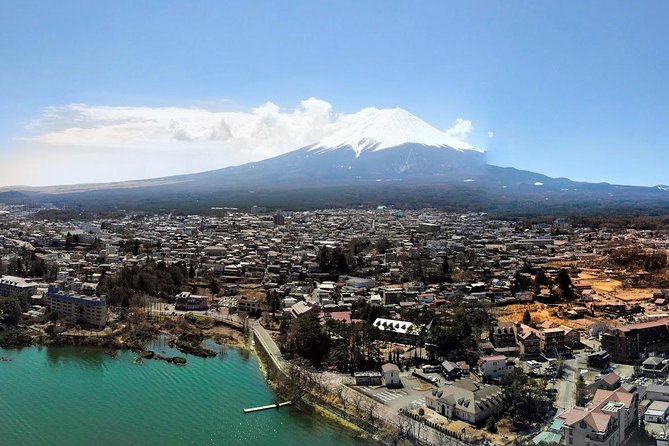
If you’ve ever tried to get to Mt Fuji from Tokyo, you know the problem: time. You spend more energy on timing trains, buses, and transfers than you do enjoying the places themselves. This tour is built around the opposite idea—renting you a smooth path out of Tokyo with private transport and a guide.
The biggest value is that the itinerary can be adjusted. That means your guide can respond to what you see that day—crowds, light, and pacing—so you aren’t stuck in a rigid schedule where you’re sprinting between stops. You’re also not stuck with the mental load of reading timetables, figuring out meeting points, and trying to herd a small group across multiple areas.
Then there’s the photo component. A lot of tours say photo-friendly. This one actually sets the day up so the guide can help you take pictures during the drive and at stops, which makes a difference when you’re dealing with changing weather and sightlines. It also takes pressure off you to be the sole “photography organizer” in your group.
The 9-Hour North Side Route: How the Day Flows
This is a single-day loop that spends real time at four stops, with about 40 minutes at most of them and a shorter 30-minute stop in the middle. Start time is 8:00 am, so you’re not wandering Tokyo at peak morning confusion. You’ll travel by comfortable car and focus on dispersed countryside sights rather than only one tight area.
A quiet but important point: the north side of Mt Fuji can feel like many mini-worlds stitched together. You go from panoramic park views to spring-water ponds, then to a preserved village atmosphere, and finally to a shrine setting that connects to Mt Fuji trails. That variety is one reason this kind of day trip works well as a “first Fuji” outing—even if the mountain doesn’t fully show itself.
Because it’s private for up to six, your group’s pace matters. If someone wants more walking at a viewpoint, you can usually shift time. If someone is tired after the steps, you can regroup and keep the day comfortable.
Stop 1: Arakurayama Sengen Park and the 400-Step Approach
Arakurayama Sengen Park is where you start to feel the Fuji magic. The highlight is that you climb about 400 steps to reach an outstanding viewpoint after the walk. Admission is free, and you’ll have about 40 minutes there, which is enough time to climb, settle your shots, and enjoy the view without turning it into a death march.
This stop works best when the sky is clear and the light is steady. If the day is bright, you’ll usually get cleaner visibility for Mt Fuji and better contrast for photos. If it’s cloudy, you may still get a dramatic sense of place, but the “iconic peak” can fade—so keep your expectations flexible.
Practical tip: wear shoes you trust. The steps are the kind that feel fine at first, then become the main workout once you’re halfway up. If you have moderate fitness, you can handle it—but plan for short, steady movement and a calm pace.
Stop 2: Oshino Hakkai Spring Water, Clear Ponds, and House Views
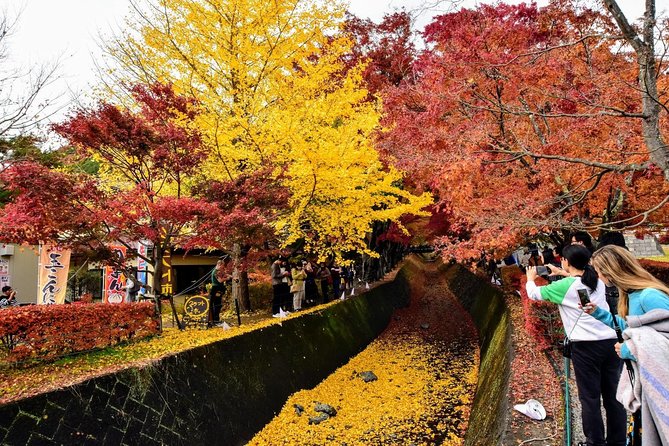
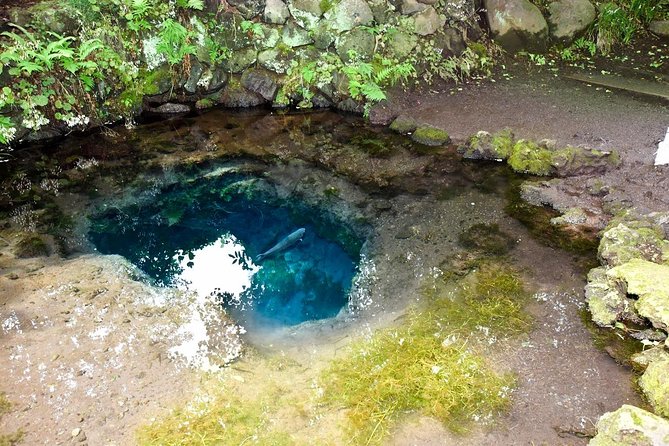
Next up is Oshino Hakkai, tied to the mountain’s water system—think spring-fed ponds and crystal-clear viewing spots. The idea here is simple: you see the ponds and get a real sense of how water shapes the area. The itinerary notes the water is so clear you can taste it, and you’ll also pass scenery with local Japanese houses around the viewing areas.
You get around 30 minutes at this stop, which is perfect for a focused walk and photos without dragging out your day. This is also a great moment to reset: you’ve done the viewpoint climb, and now you get something calmer and more grounded in everyday scenery.
If you’re traveling in cooler months, bring something warm to layer. Water-side areas can feel colder, and you may linger longer than you planned if the reflections are good.





Stop 3: Saiko Iyashi no Sato Nemba Village for Traditional Rooflines
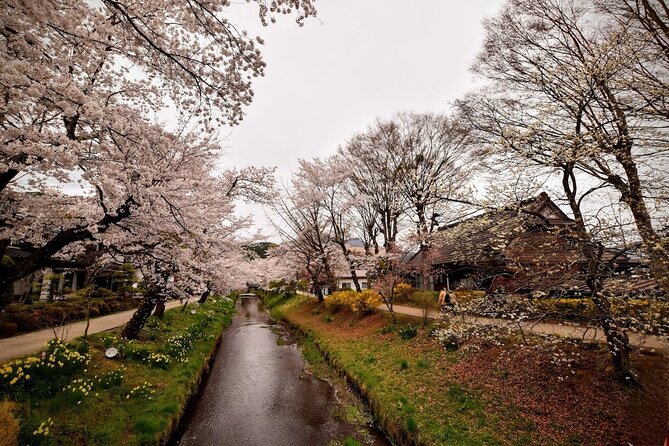
Then you shift into “history you can photograph.” Saiko Iyashi no Sato Nemba is a village made up of older detached-roof houses—described as being about a hundred years old. The key visual is the way the village layout gives you a view of Mt Fuji behind the houses, which is a powerful composition if the mountain is visible.
This stop is about 40 minutes, and it’s explicitly called out as a great photo spot. That makes it a strong choice if you want more than postcard scenery. You’re not only photographing a mountain; you’re photographing a preserved setting, with Fuji as the backdrop.
One drawback to note: admission here is not included. So budget for the entry fee if you plan to go inside areas you want to photograph. It’s still worth the stop for the visual variety, especially if you’re doing this as your one major Fuji day.
Stop 4: Kitaguchi Hongu Fuji Sengen Jinja Shrine and the Trail Entrance
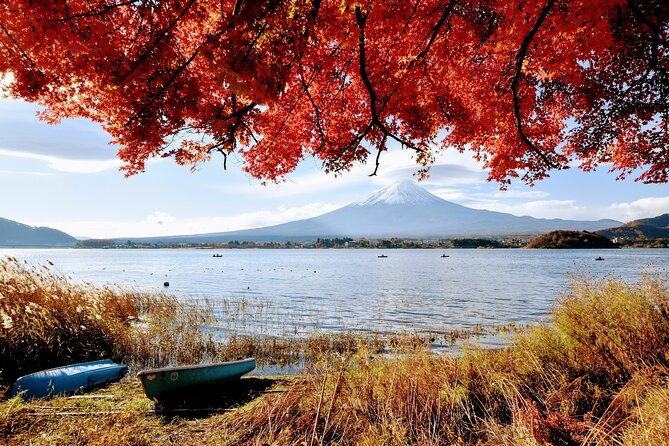
Your final major stop is Kitaguchi Hongu Fuji Sengen Jinja, a shrine setting that leans into atmosphere and symbolic details. The itinerary highlights sacred stone lanterns lining the path toward the main building. That’s the kind of visual rhythm that makes photos look more intentional, even when you’re shooting quickly.
You’ll have around 40 minutes here, and admission is listed as free. There’s also an entrance behind the shrine connected to a trail toward Mt Fuji. The tour doesn’t promise a long hike here, but it’s a real connection point if you want to understand how people link sacred places with the mountain.
Even if you don’t go far on the trail, you’ll likely enjoy the shrine grounds as a calmer finale. It’s a good place to pause, check the light, and take a few final pictures before the drive back.
Photographer Guide Support: Turning Stops Into Real Photos
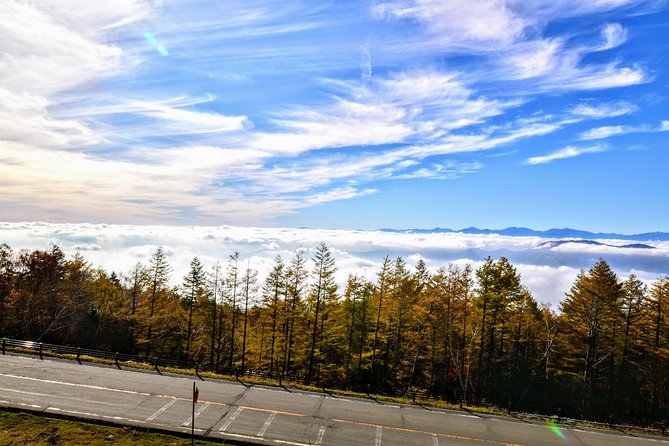
The photo angle is more than a nice extra. When you’re dealing with changing weather and distant views, the difference between decent shots and great shots is often timing and guidance. This tour is designed so the guide can help you take photos during the day instead of leaving you to scramble for angles.
From examples of guides such as Fumi and Tony, the tone is friendly and supportive, with conversation and story-sharing that makes the day feel human rather than mechanical. That matters because when you’re relaxed, you shoot better. You’re also more likely to get the kind of photo you want—whether it’s Fuji in the background, water reflections at Oshino Hakkai, or roofline village framing.
Practical note: bring layers and keep your camera ready. If it’s cold or cloudy, plan for quick bursts rather than long setups. You’ll still come home with countryside shots, and you’ll have a few images that feel like you were there—quiet, scenic, and grounded.
Value and Price: Is $1,150 Per Group Worth It?
Let’s talk money in plain terms. This tour costs $1,150 per group, up to six people. That’s high compared to a public-transit day, no question. But it can feel reasonable when you compare the cost of private cars, guide time, and the stress you avoid.
Here’s the value math that usually makes sense: if you’d otherwise pay for separate transport, pay someone to guide you at multiple stops, and then waste time figuring out routes, this price starts to look like a bundle. You’re also buying convenience—hotel pickup and drop-off, plus a private vehicle that connects dispersed sites efficiently.
For couples or small families, the main question is whether you want a “guided day” experience. If yes, you’re paying for fewer hassles and better pacing. For solo travelers, the cost per person can sting, unless you’re comfortable sharing the group cost with up to five others.
If you can split the group price, this tour becomes a strong option for a first Fuji visit—especially when you want photos, not just checkboxes.
What to Expect on a Cold or Cloudy Fuji Day
Good weather matters here. The tour notes it requires good weather, and when conditions are poor, you’ll be offered a different date or a full refund. That’s not just fine print—it’s the reality of photographing a mountain that can hide behind clouds.
So what happens if it’s cold and cloudy anyway? You still get a full countryside outing with planned stops, walk time, and scenery. You’ll just be more focused on textures—pond reflections, shrine paths, village rooflines—rather than crisp mountain silhouettes.
That’s also why the guide’s job matters. A friendly, experienced guide can adjust pacing and help you use the available light instead of waiting helplessly. And a comfortable car makes those changes easier, since you’re not stuck outside shivering between locations.
Who This Tour Fits Best (and Who Might Want Another Option)
This is ideal if you want a smooth, private day with clear stops and minimal planning. It’s also a good fit if you care about photography and want help translating what you see into images. And because it’s private, you’re not squeezed into a large group where you’re constantly trying to catch up.
You should also have moderate physical fitness. The big physical moment is the 400 steps at Arakurayama Sengen Park. It’s doable for many people, but it’s not a stroller-and-flat-walk kind of route.
One more practical note: lunch isn’t included. If you get hungry, you’ll need to plan your own meal timing during the day. If you’re traveling vegetarian, there is a vegetarian option available—just advise at booking.
Should You Book This Mt Fuji Day Trip by Car?
I’d book it if you’re traveling with people who want convenience, photo help, and a structured day outside Tokyo. The mix of viewpoint park, Oshino spring ponds, traditional village houses, and a shrine finale gives you multiple “story beats,” so even one shaky weather window doesn’t kill the whole trip.
I wouldn’t book it if you’re aiming for a low-cost DIY adventure, or if you hate any walking at all. The steps at Arakurayama are real, and since the tour is weather-dependent, you’re paying for a view that can be reduced by clouds.
Best decision rule: if you can split the group cost and you value a guided, photo-ready day with hotel pickup, this is a strong choice. If you want to gamble on weather and DIY your own route, you might be happier with a cheaper plan.
FAQ
How long is the Mt Fuji day trip?
It’s approximately 9 hours.
What’s the group size for this tour?
It’s a private tour for your group, up to 6 people.
Is hotel pickup and drop-off included?
Yes, pickup and drop-off are included.
What time does the tour start?
The start time is 8:00 am.
Do I need to arrange transportation myself?
No. You travel by private vehicle with the driver/guide handling transport.
Is lunch included?
No, lunch is not included.
Are admission fees included?
Some are free, but not all. Admission for Saiko Iyashi no Sato Nemba is not included; other stops listed are free.
Is there a vegetarian option?
Yes. A vegetarian option is available if you advise at booking.
Is the tour walk-heavy?
There’s moderate walking. One stop includes about 400 steps, so moderate physical fitness is recommended.
What if the weather is poor for seeing Mt Fuji?
The tour requires good weather. If it’s canceled due to poor weather, you’ll be offered a different date or a full refund.
More Tour Reviews in Tokyo



Fresh reviews from around Tokyo






Tokyo, compared.
 ★ 5.0Mt Fuji and Hakone 1-Day Bus Tour Return by Bullet TrainFrom $16326,383 reviews
 ★ 5.01-Day Tokyo Bus TourFrom $12914,250 reviews
 ★ 4.6teamLab Planets TOKYO Digital Art Museum Entry TicketFrom $259,779 reviews
 ★ 4.0Mt Fuji & Hakone Cruise, Drum Show Bullet Train 1 Day from TokyoFrom $1497,413 reviews
 ★ 5.0Shinjuku Food Tour (13 Dishes at 4 Local Eateries)From $866,603 reviews
 ★ 4.4Tokyo Mt Fuji 5th St & Hakone Cruise Bus Tour w/Bullet TrainFrom $1545,024 reviews
 ★ 5.0Flagship 2-Hours Official Street Go-Kart Tour – Tokyo Bay ShopFrom $644,974 reviews
 ★ 4.5From Tokyo: Mount Fuji Full-Day Sightseeing TripFrom $684,970 reviews