
Reviewed · MT FUJI DAY TRIPS
Mt Fuji Sightseeing Private tour with English Speaking Guide
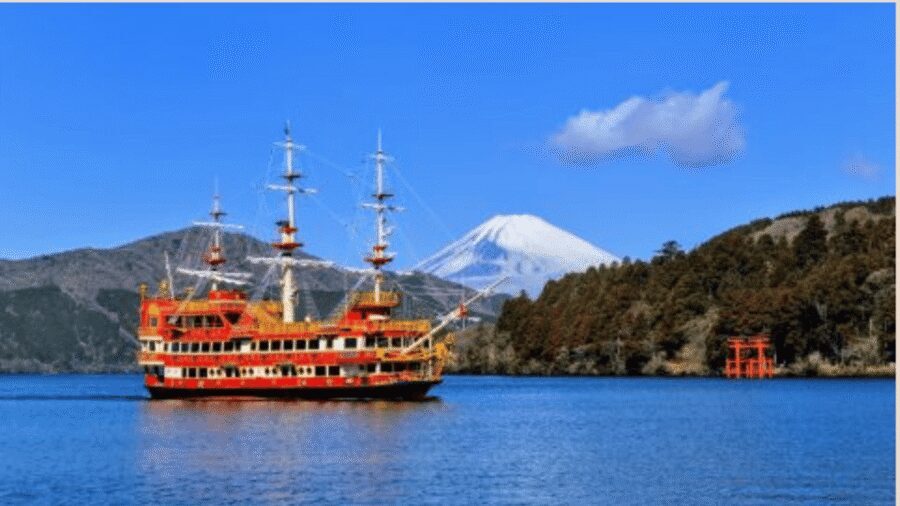
Fuji day trips can be magical for one reason: timing. This private run mixes Mt. Fuji 5th Station with Hakone-style nature stops, plus calm moments like a shrine visit and a lake cruise with Fuji in the background. Two things I really like: you get a true private vehicle and English-speaking guide, and the pace is adjustable so you’re not stuck rushing between photo spots.
The one possible drawback is simple: Fuji visibility is weather-dependent. Even on a well-run day, clouds can change the payoff at the top, and some stops can get queue-heavy—so planning your must-sees matters.
In This Review
- Key Things to Know Before You Go
- Mt. Fuji and Hakone in One Day: Why This Private Route Works
- Price and What You Actually Get for $381 (Up to 3 People)
- The Morning Run: Tokyo Pickup, Morning Traffic, and Fuji Strategy
- Fuji 5th Station: Panoramas, Layers, and Photo Reality
- Lake Town Stops and Scenic Parks: Where the Best Angles Hide
- Lake Cruise Time: Confirm the Lake, Then Enjoy the Water View
- Owakudani Geothermal Valley: Steam, Boiling Pools, and the Black Eggs
- Hakone Shrine and Kitaguchi-hongu Fuji Sengen Shrine: Calm Stops That Balance the Day
- Oshino Hakkai and Aokigahara Forest: Small Wonders and a Short Walk
- How Long Does the Day Really Feel? Timing, Queues, and Comfort
- The Guide Factor: Real People, Real Pace, Real Help
- What to Pack for a Fuji-Focused Day (So You’re Not Fussing Later)
- Should You Book This Mt. Fuji and Hakone Private Tour?
- FAQ
- Is this tour private?
- How many people can be in the group?
- How long is the tour?
- Where does pickup happen?
- Is lunch included?
- What’s included in the price?
- Are entrance fees included?
- Do you offer an English-speaking guide?
- Is the tour suitable for elderly travelers?
Key Things to Know Before You Go
- Private pickup from Tokyo: You’re collected from your hotel or even a train station, then dropped back the same way.
- Fuji 5th Station focus: The itinerary builds around a guided top-area experience rather than a quick drive-by.
- Lake cruise time with Fuji views: Expect boat time on the lake area as part of the day.
- Owakudani geothermal spectacle: Steam vents, boiling pools, and the famous black eggs are a major highlight.
- A packed-but-flexible route: You’ll hit classic parks, pagoda viewpoints, and Oshino Hakkai, but the guide can tailor the day.
Other routes to the mountain, compared
- Mt Fuji & Hakone Cruise, Drum Show Bullet Train 1 Day from Tokyo★ 4.0 · 7,413 reviews
- Tokyo Mt Fuji 5th St & Hakone Cruise Bus Tour w/Bullet Train★ 4.4 · 5,024 reviews
- From Tokyo: Mount Fuji Full-Day Sightseeing Trip★ 4.5 · 4,970 reviews
Mt. Fuji and Hakone in One Day: Why This Private Route Works
If you only have one day (or you just want to avoid train changes), this style of private tour makes a lot of sense. The big win is simple: you’re traveling by car with a guide who can keep the day organized, and you’re not spending half your energy on logistics.
This route also balances “wow” views with slower, grounded moments. You get the height at the 5th Station, then a quieter shrine stop, and later the steam-and-rock drama at Owakudani. That mix keeps the day from feeling like one long photo line.
I also like that the tour is described as customizable. That matters on Fuji/Hakone days, because weather, energy levels, and what you actually care about can vary a lot.
Price and What You Actually Get for $381 (Up to 3 People)
At $381 per group (up to 3), you’re not buying a budget bus ride. You’re paying for a private vehicle/driver plus an experienced guide, and that’s what makes the time feel smoother.
Here’s the value math that I think is most helpful:
- For 3 people, the cost per person drops fast compared to solo pricing.
- For 2 people, it’s still a strong deal when you count how much easier it is than doing the full route on public transport.
Also, you get bottled water and a day plan with specific stops like Owakudani Valley and Hakone Shrine. When a day tour includes those “anchor” experiences, it’s easier to feel like you got your money’s worth.
The Morning Run: Tokyo Pickup, Morning Traffic, and Fuji Strategy
Your day starts with pickup from your Tokyo hotel, apartment, or a train station. That’s a real convenience win because Fuji-area planning often gets messy fast once you factor in timing and getting everyone moving.
A common trick on successful Fuji days is going earlier. One customer specifically noted an early start around 6:30am helped avoid Tokyo traffic and supported clearer views at the top. You can’t control the weather, but you can control how much time you spend sitting in traffic instead of sightseeing.
If you’re photo-focused, tell your guide your top priority early. With a limited day and lots of viewpoints, it’s smart to pick your “must” so you don’t waste time chasing optional stops.
Fuji 5th Station: Panoramas, Layers, and Photo Reality
The heart of the itinerary is a guided visit to Mt. Fuji 5th Station for about an hour. This stop is popular for a reason: it’s where the view starts to feel “big” in a way that photos can’t fully replace.
Expect cooler air than in Tokyo, and plan for wind. Even if the city is warm, Fuji zones can feel sharp, so you’ll want layers and a weather-appropriate jacket.
A practical note: guides can help you time the best moments for photos and walking. If clouds roll in, your guide may adjust the order of stops where possible, so you still get value from the day.
More days made easy by a guide

Lake Town Stops and Scenic Parks: Where the Best Angles Hide
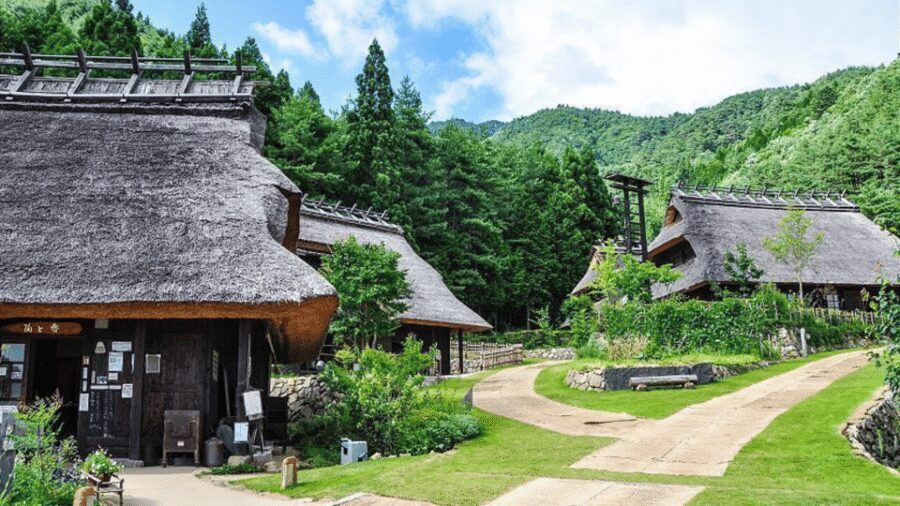
After Fuji 5th Station, the day moves into classic viewpoint territory. The schedule includes Lake Kawaguchi and several park areas designed for Fuji-framed shots and easy wandering.
You’ll see stops such as:
- Oishi Park (about an hour with guidance)
- Arakurayama Sengen Park with shopping and sightseeing (about an hour)
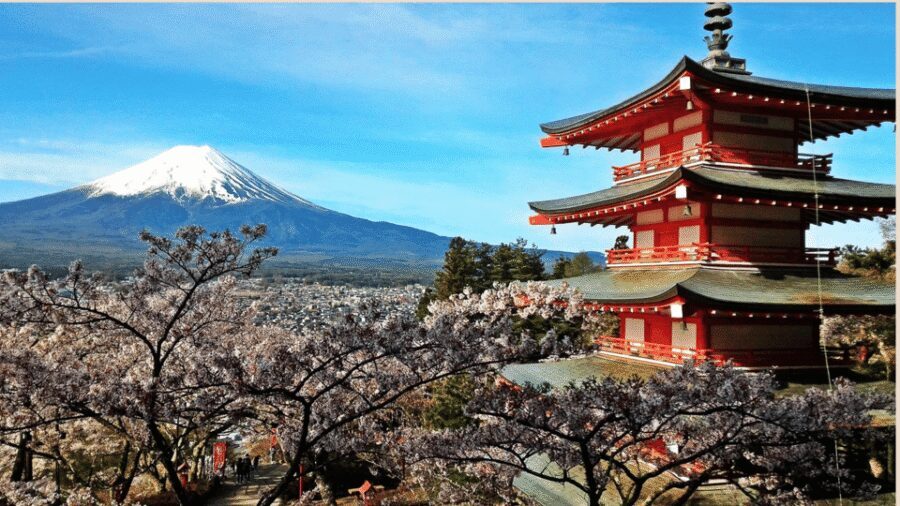
- Chureito Pagoda viewing (guided)
These places are often chosen because they give you viewpoints that work even when the light changes. They’re also relatively straightforward stops for families and mixed ages, since you’re not hiking long distances.
That said, do keep expectations realistic. Parks and popular pagoda areas can develop queues, especially during peak travel windows. If your group hates waiting, decide in advance which viewpoints you want most and how long you’re willing to stand.
Lake Cruise Time: Confirm the Lake, Then Enjoy the Water View
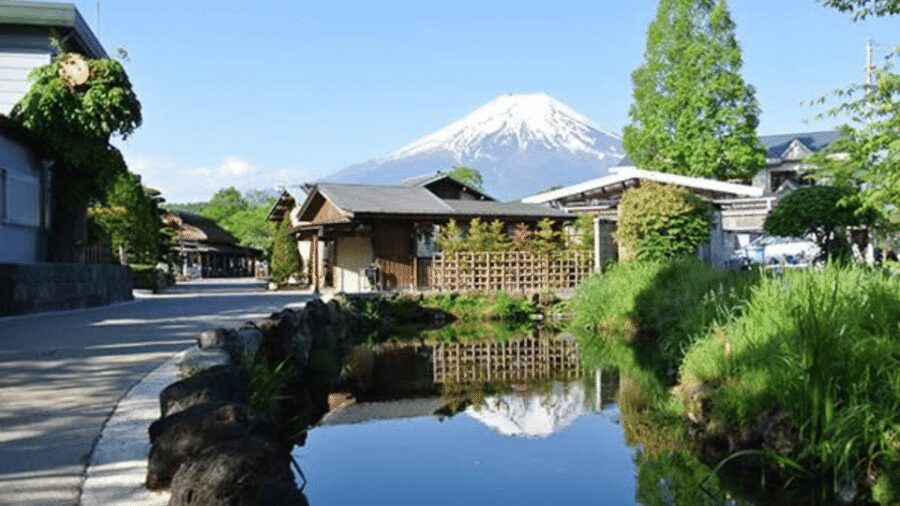
The experience description includes a lake cruise with Mt. Fuji in the background. The itinerary stop list mentions Lake Kawaguchi, while the overall tour overview calls out Lake Ashi. That mismatch happens often in Fuji-area day plans because different operations can swap “best available” lake time.
So here’s my best practical advice: when you book, confirm which pier and lake you’ll be using on your date. Once you’re there, the idea is the same—get out on the water for a perspective that you can’t match from the roadside.
If you’re traveling with kids or you just want a break from viewpoints, this boat time is a good reset. It’s also one of the easiest moments to enjoy without constantly thinking about angles.
Owakudani Geothermal Valley: Steam, Boiling Pools, and the Black Eggs
Owakudani is the kind of place that makes Fuji feel even more alive. The tour includes geothermal exploration where you’ll see steaming vents and boiling pools.
One highlight here is the famous black eggs. The tour description says they’re said to add years to your life, and you’ll usually find this snack tied to the steaming-mineral theme of the area. Even if you treat the legend as a fun bonus, it’s still a very on-theme food moment.
A small reality check: geothermal areas can be active and windy, and you’ll be walking a bit. Wear shoes with grip and expect you’ll want a jacket even if the rest of the day feels warm.
Hakone Shrine and Kitaguchi-hongu Fuji Sengen Shrine: Calm Stops That Balance the Day
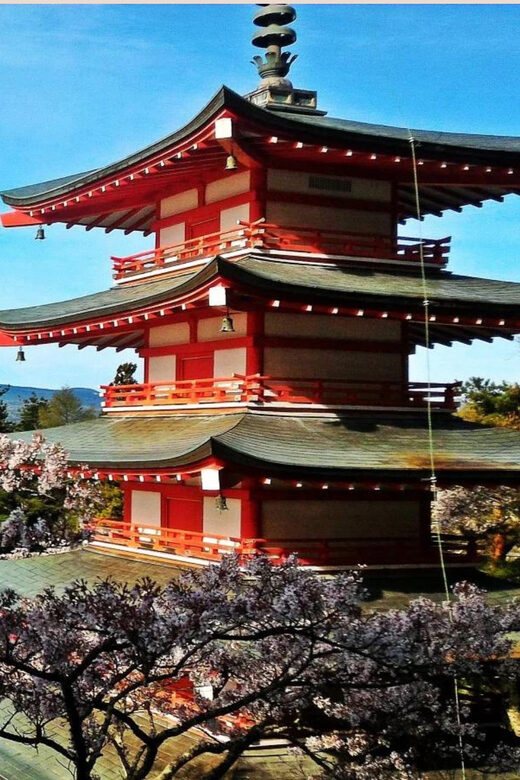
The day includes shrine time, including Hakone Shrine in the overall tour highlights and later Kitaguchi-hongu Fuji Sengen Shrine (about 40 minutes). This is more than a box check. Shrines in this region tend to feel like a pause button, letting you reset between viewpoint intensity and geothermal spectacle.
At these stops, it helps to look slowly. Even if you don’t read every sign, the atmosphere carries the meaning. You’ll also get guided context, which makes the visit feel less like “just walking around” and more like learning why the place matters.
If you’re a fan of quiet travel moments, this is where the tour can feel most rewarding.
Oshino Hakkai and Aokigahara Forest: Small Wonders and a Short Walk
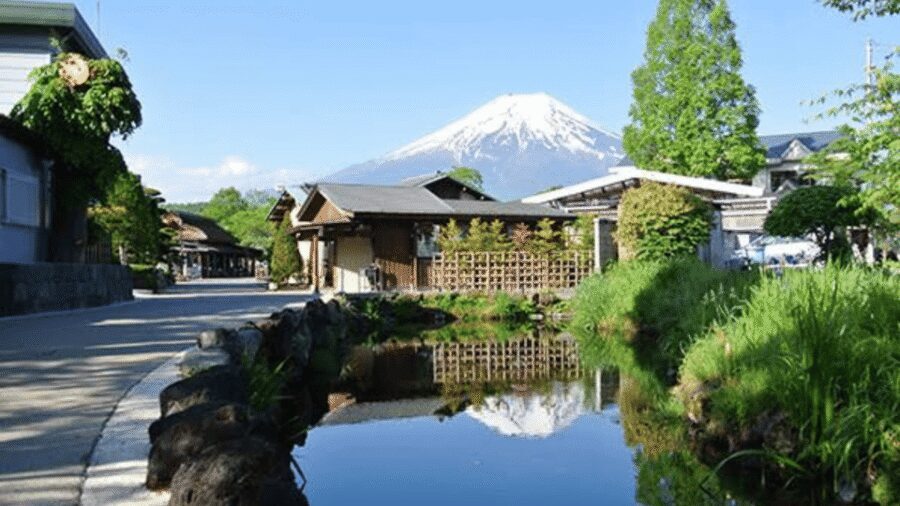
The itinerary also includes Oshino Hakkai (guided for about an hour). This stop is known for water-related sights tied to Fuji’s influence. It’s a different flavor from the volcanic drama of Owakudani, and it helps keep the day from repeating the same type of scenery.
Then there’s Aokigahara Forest with free time and a short walk (around 30 minutes). You don’t go deep for long, but you do get a sense of the forest’s scale and mood.
A practical note: even short forest walks can be muddy or cooler than you expect. Bring comfortable walking shoes and keep your pacing relaxed. Also, if your group prefers “viewpoints only,” you might find this stop a change of tempo—but it still fits well as contrast.
How Long Does the Day Really Feel? Timing, Queues, and Comfort
With a total duration of about 10 hours, this tour is designed as a full day, not a relaxed half-day drift. You’ll be moving between regions, and you’ll want to treat the day like a planned route with guided stops rather than a loose wander.
Where comfort shows up is in the private car and the driver. If you’ve ever tried to stitch together Fuji-area transit by yourself, you know how quickly it becomes stressful. Here, you’re mostly riding in one vehicle, then walking in short bursts.
Still, plan for queues. One customer explicitly warned that some popular areas can have lines. My advice is to set a reasonable expectation: you’ll likely spend some time waiting, but the route is structured so the waiting isn’t constant.
The Guide Factor: Real People, Real Pace, Real Help
The biggest differentiator I see in this tour style is the human part. A lot of the praise centers on guide quality and how smoothly the day runs with your group.
Several guide names came up in the experience, including Ali, Usman, Zaman, Hassan, and Rana, plus Qasim. The recurring theme is that the guide adjusts the flow to your needs, whether that means taking extra care with kids, helping with photo timing, or suggesting an earlier departure to dodge traffic and improve your chances at a clear view.
One detail I really value for couples and families: guides are often described as making the day feel relaxed rather than “checklist travel.” That’s exactly what you want when you’re spending a full day outdoors with lots of stops.
What to Pack for a Fuji-Focused Day (So You’re Not Fussing Later)
You don’t need much gear, but you do need the right basics. The tour guidance specifically calls for:
- Comfortable walking shoes
- Weather-appropriate clothing for Mt. Fuji changes
- Sunscreen and sunglasses
- Camera or smartphone for photos
- Extra cash or a credit card for personal expenses
Add one practical item I always recommend for Fuji days: a light layer in your bag even if you’ll be in the car most of the time. Temperatures can shift quickly around viewpoints.
Also, if you’re sensitive to crowds, pack patience and a flexible mindset. The day runs on many popular stops, and weather can shift where the best views happen.
Should You Book This Mt. Fuji and Hakone Private Tour?
Book it if you want a smooth, organized day with a guide and private pickup, and you like the idea of ticking off the classic Fuji-area highlights in one shot. The value is strongest when your group has 2–3 people and you want to avoid the mental math of transit.
I wouldn’t book it if you’re chasing a guaranteed Mount Fuji silhouette every minute. Visibility is weather-driven, and popular viewpoints can involve queues. If you’re the type who gets stressed by waiting or long days, choose your must-sees and communicate priorities early.
If you want my bottom-line take: this is a strong choice for travelers who value convenience, guided context, and a well-paced Fuji-focused day. With the right expectations (and layers), it’s one of the most efficient ways to experience the Mt. Fuji and Hakone mix from Tokyo.
FAQ
Is this tour private?
Yes. It’s a private group tour with a private vehicle and driver.
How many people can be in the group?
The price is listed per group up to 3 people.
How long is the tour?
The duration is 10 hours.
Where does pickup happen?
Pickup is available from your hotel in Tokyo, your apartment, or any kind of train station in Tokyo.
Is lunch included?
Lunch is not included. It’s optional and can be arranged at a local restaurant in Hakone.
What’s included in the price?
Included are a private vehicle and driver, an experienced English-speaking guide, hotel pickup and drop-off, guided visits to Mt. Fuji 5th Station, Owakudani Valley, and Hakone Shrine, plus bottled water.
Are entrance fees included?
Entrance fees for attractions not listed in the itinerary are not included.
Do you offer an English-speaking guide?
Yes. The tour includes an English-speaking live guide, and the guide languages listed also include Urdu, Hindi, Japanese, Punjabi, Nepali, and Vietnamese.
Is the tour suitable for elderly travelers?
It’s not suitable for people over 95 years old.
More Tours in Tokyo




More Tour Reviews in Tokyo




The Fuji Shortlist: Other Days Out to the Mountain

Fresh reviews from around Tokyo






Mt Fuji Day Trips, compared.
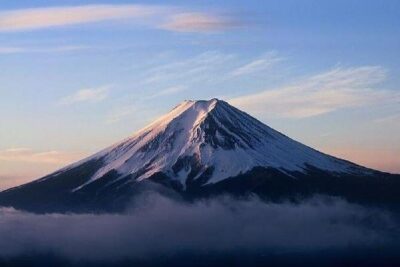 ★ 4.0Mt Fuji & Hakone Cruise, Drum Show Bullet Train 1 Day from TokyoFrom $1497,413 reviews
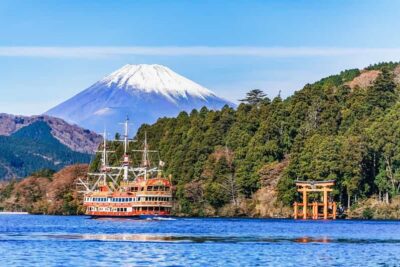 ★ 4.4Tokyo Mt Fuji 5th St & Hakone Cruise Bus Tour w/Bullet TrainFrom $1545,024 reviews
 ★ 4.5From Tokyo: Mount Fuji Full-Day Sightseeing TripFrom $684,970 reviews
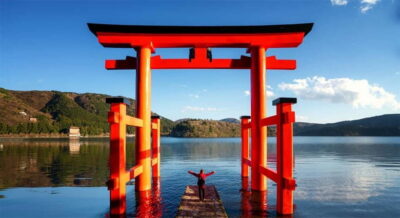 ★ 4.7Mt. Fuji Tour, Hakone Ropeway, Owakudani, Lake AshiFrom $544,002 reviews
 ★ 5.0Private Tour to Mt. Fuji and Hakone (Fully Licenced Operator)From $4971,910 reviews
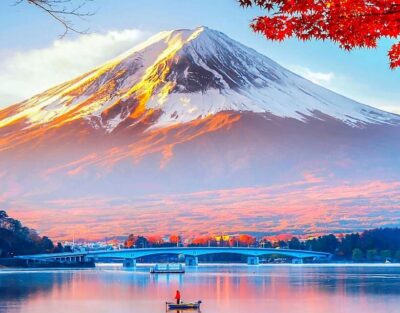 ★ 4.9Mount Fuji Full-Day Private Tour from Tokyo (Customizable)From $3931,470 reviews
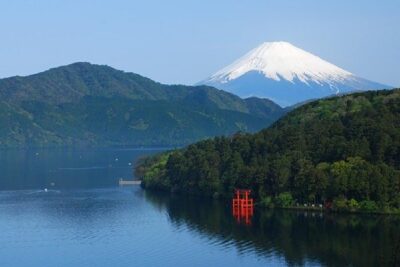 ★ 4.0Mt Fuji & Hakone Cruise, Drum Show Bus 1 Day from TokyoFrom $1221,287 reviews
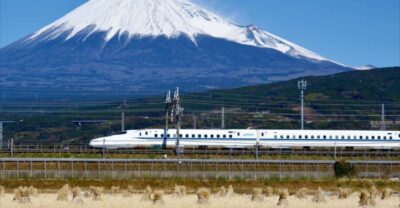 ★ 4.2From Tokyo: Mt. Fuji & Hakone Tour w/ Return by Bullet TrainFrom $1171,278 reviews
Browse the lists this tour appears in