
Reviewed · CITY TOURS
Bonsai Tour & Experience at the Most Sacred City for Bonsai in JP
Tiny trees, serious detail.
This hands-on bonsai tour in Bonsai-cho gives you a real sense of how Japanese miniature gardening is done, not just what it looks like. You start near Tokyo, learn the history of the area (including its connection to post–Great Kanto Earthquake bonsai culture), then visit an outdoor garden packed with mature trees. I really like that the focus stays practical, and you also get guide commentary while you’re seeing top-quality examples up close, not after the fact.
Two things I’m especially glad about: the small group cap (max 10) makes it easier to ask questions, and Jun-san’s explanations make the techniques feel understandable. One possible drawback to plan for: part of the experience happens at a café, and you’ll need to order something there, plus there are optional extra costs like a museum admission if you want to enter.
In This Review
- Key highlights to know before you go
- Bonsai-cho: why this area matters for your bonsai understanding
- The 2 hours 30 minutes plan: simple, focused, and paced
- The garden sightseeing: learning to see what matters in bonsai
- Hands-on pruning and shaping: the practice part that turns curiosity into skill
- Jun-san and the small-group advantage
- Tools, café order, and optional extra fees you should expect
- Price and value: is $55.52 worth it?
- Who this bonsai tour is best for
- Should you book the Bonsai-cho tour with Jun-san?
- FAQ
- How long is the bonsai tour near Tokyo?
- Where do I meet for the tour?
- How big is the group?
- What is included in the price?
- What is not included?
- Is a mobile ticket used?
- What are the age requirements and limits?
- Can I cancel and get a refund?
Key highlights to know before you go
- Bonsai-cho setting: a dedicated bonsai area known as Bonsai City, established around 100 years ago after the Great Kanto Earthquake
- Small-group attention: max 10 people, so Jun-san can slow down and answer questions
- Two-part format: garden sightseeing first, then hands-on pruning and shaping
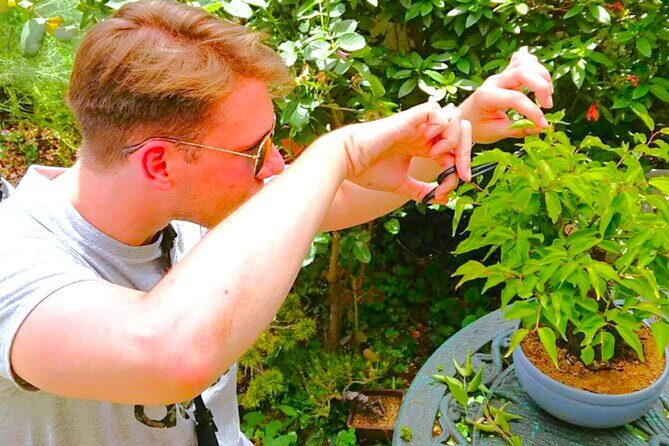
- Real techniques: you’ll practice key maintenance skills like pruning, trimming, and even wire-related work
- Included basics: instructor, bonsai tool usage fee, and consumption tax are covered in the tour price
Bigger sweeps: other Tokyo city tours
- Tokyo: Private City Highlights Tour with Local Guide★ 4.8 · 1,433 reviews
- Tokyo: 3-Hour Bike or E-Bike City Highlights Tour★ 4.8 · 435 reviews
- Tokyo: Sumo Morning Practice Tour at Sumida City★ 4.8 · 308 reviews
Bonsai-cho: why this area matters for your bonsai understanding
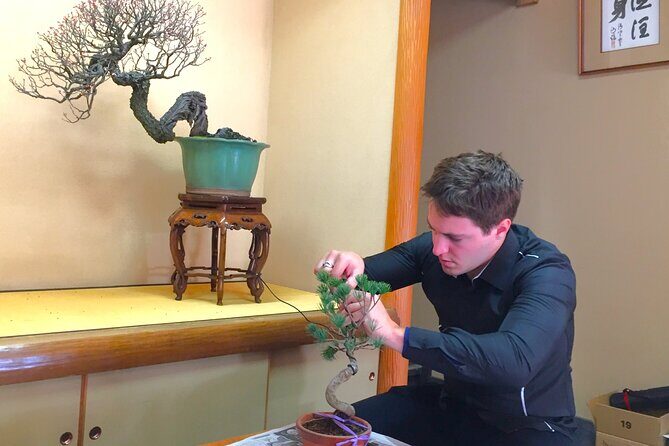
Bonsai isn’t just a craft in Japan. It’s a way of reading nature with patience—training a tree’s growth over years to fit a chosen form. That theme shows up fast on this tour because you’re heading to Bonsai-cho, literally Bonsai City, a long-established area built around bonsai gardens.
What makes the place more than a pretty stop is the background. Bonsai-cho was formed about 100 years ago by bonsai gardeners after the Great Kanto Earthquake. That matters because it frames bonsai as more than decoration. It’s tied to how people rebuild, preserve, and keep cultural practices alive through changing times.
You’ll also get the sense that the area is built for bonsai watchers. Bonsai-cho is surrounded by greenery and is home to 5 long-established bonsai gardens. Even if you only see a subset during your 2.5-hour visit, the point lands: this is not a one-off photo spot. It’s a place where bonsai is part of daily life.
The 2 hours 30 minutes plan: simple, focused, and paced
This experience runs about 2 hours 30 minutes with a start time of 10:00 am. You meet at Toro Station (1 Chome Torocho, Kita Ward, Saitama, 331-0804) and then return to the same meeting point at the end. It’s a tight schedule, but in a good way—enough time to see, learn, and try without turning it into an all-day logistics puzzle.
Here’s how the flow typically feels:
First, you do the sightseeing portion at an outdoor bonsai garden. This is where you’ll see lots of trees and hear extensive commentary from Jun-san at nurseries and garden spaces.
Second, you shift into the experience part. This is where the tour turns from watching to doing, and you’ll work on essential maintenance skills like pruning and shaping. Some of the techniques discussed and practiced include trimming and wire cutting, which is one of the big differences between looking at bonsai and actually understanding it.
Keep in mind: the tour also includes a café stop connected to the class setting. You’ll want to plan for a small extra spend, since ordering something is required there.
The garden sightseeing: learning to see what matters in bonsai
The first session is built around one goal: helping you notice what bonsai experts look for. You’ll visit an outdoor bonsai garden and view many top-quality pieces with explanation while you’re there.
What you should pay attention to during this time:
- How the branches are positioned and thinned to fit the tree’s intended silhouette
- How the canopy is controlled (and why balance looks the way it does)
- Where pruning choices show up in the structure
The tour doesn’t treat bonsai like a mystery. It gives you a lens. That’s why the guide commentary is such a big deal. When someone explains what you’re looking at while you’re still standing in front of the tree, the lessons stick faster than if you read about it later.
Also, this is the kind of stop that rewards slow looking. Even though the schedule is structured, you’ll get more value by taking your time with each tree. Bonsai rewards pattern-spotting: once you recognize a few shaping strategies, everything starts to click.
Hands-on pruning and shaping: the practice part that turns curiosity into skill
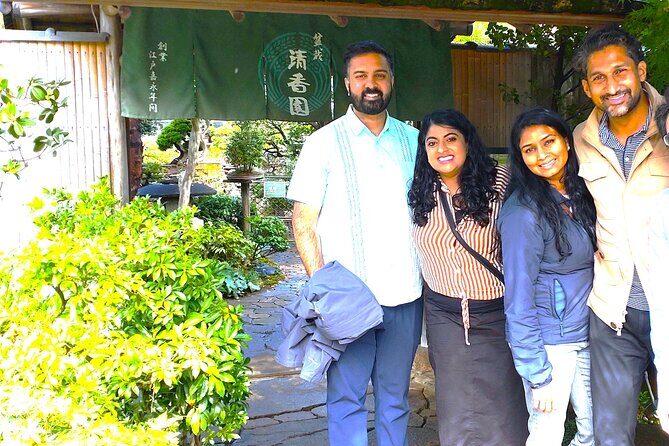
This is the section you’ll remember. The tour is set up so you’re not just watching bonsai—it’s a proper maintenance practice where you try key techniques.
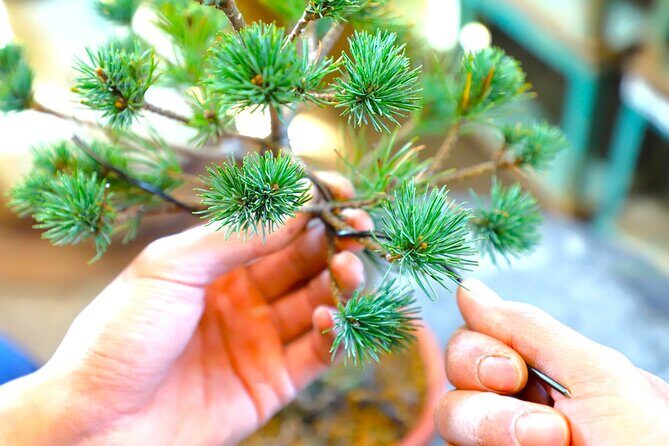
The main theme is bonsai maintenance: controlling growth, guiding form, and shaping branches so the tree matures into the look you want. Based on what Jun-san teaches during the experience, you’ll work with tools and learn core handling concepts tied to pruning and shaping.
You might cover techniques like:
- pruning as a method of directing future growth
- trimming to refine line and structure
- wire cutting as part of shaping work
Even if you’re a complete beginner, this is valuable because it turns bonsai into actions you can visualize. You’ll see how small decisions change what a tree can become.
One thing I like about this format is how it keeps questions alive. With a group size capped at 10, it’s realistic to get personal answers instead of watching from the back and hoping the guide notices your question. And in past tours, solo or near-solo days have happened, which makes the experience even more conversational—so if your date ends up small, don’t be shy about asking extra questions.
Practical note: bonsai work involves careful handling. Wear comfortable clothes and shoes you don’t mind getting a little busy. Even if the tour provides the structure, you’re the one doing the work.





Jun-san and the small-group advantage
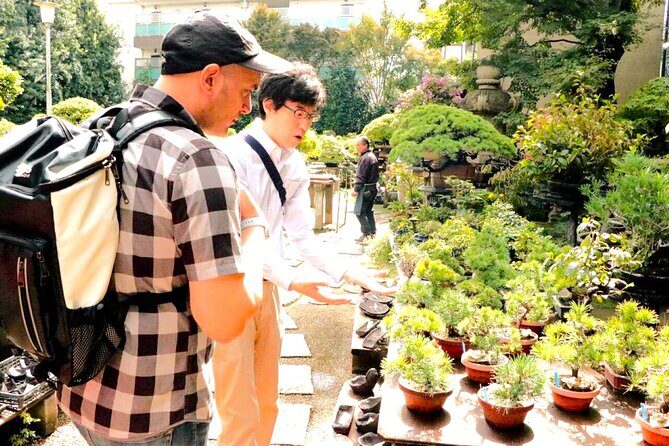
Jun-san is a key reason this tour hits so well for both beginners and people who already care about bonsai. The way he explains the area and the art matters because he doesn’t just recite facts. He connects the history and the style choices to what you’re seeing and what you’re doing.
Two standouts from the way the tour is taught:
- He answers lots of questions patiently, including questions about bonsai and Japan in general.
- He gives practical technique guidance during the hands-on portion, not just a quick demo.
That combination is rare. A lot of group tours will either be informative or practical. This one tries to do both—and the small size helps it stay personal.
If you’re traveling with a parent, friend, or teen, the small group size also makes it easier for people with different comfort levels to participate. You can stay engaged without feeling rushed.
Tools, café order, and optional extra fees you should expect
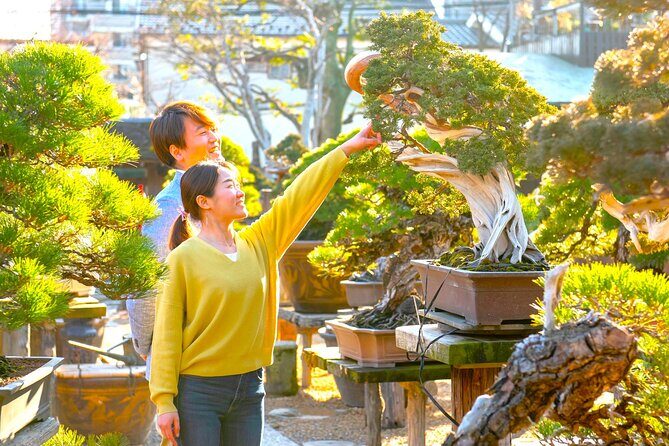
The tour price includes:
- an instructor
- bonsai tool usage fee
- consumption tax
That’s good because it removes the biggest uncertainty in workshop-style activities.
What’s not included:
- Café ordering during the experience (plan around 450 JPY and up, roughly 3 USD and up)
- Admission fee for the Bonsai Art Museum (310 yen, about 2 USD)
There’s also a note about shop access. If you want to enter a shop without participating in the class, an additional fee is required and must be indicated when requested. In other words: if you’re thinking of turning the visit into a shopping stop, ask first so you’re not surprised by access rules.
How to handle the café part smoothly:
- Eat lightly before you go, since the tour is about 2.5 hours.
- Bring a bit of cash if you like, but keep in mind you’ll need to order something there anyway.
Price and value: is $55.52 worth it?
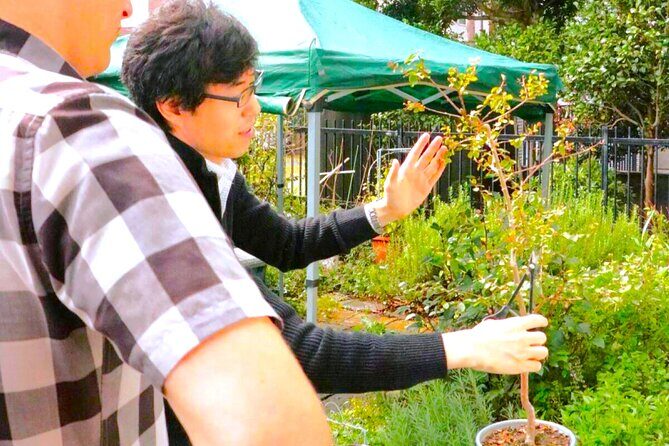
At $55.52 per person, the value depends on what you’re comparing it to. If you’re thinking about doing bonsai sightseeing on your own, the cost is competitive once you factor in guide commentary and hands-on practice.
Here’s why this price often feels fair:
- The instruction and included tool usage fee are part of what you pay
- The group is small (max 10), which increases time per person
- You get both sight-and-do: you see bonsai examples first, then practice maintenance techniques
Could it feel pricey if you only want photos and walking? Yes. If your goal is purely scenic sightseeing, you might find cheaper options. But if you want actual technique (pruning, shaping, and wire work), you’re paying for expertise and time with guidance.
Also, the tour is booked about 30 days in advance on average. That’s a sign it’s popular enough to fill, so if this is on your Japan wishlist, check availability sooner rather than later.
Who this bonsai tour is best for
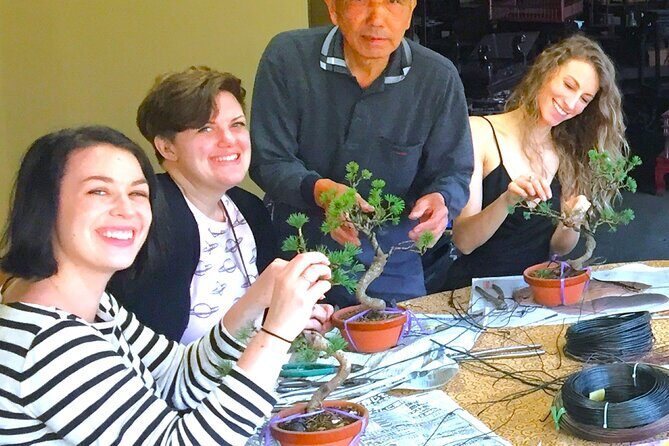
This experience fits best if you want a guided start in bonsai culture and you’re curious about learning how maintenance works.
You’ll likely enjoy it if you:
- are a beginner who wants hands-on technique guidance
- are intermediate and want a structured refresher with expert explanations
- like small groups where it’s easy to ask questions
- enjoy combining history with practical craft skills
It’s designed for most travelers, and participation requires at least 13 years old. If someone in your group is under 18, they must be accompanied by an adult.
Also, it’s worth noting that people who are unwell or under the influence of alcohol will not be permitted to participate, with no refunds. That’s standard for safety in a hands-on workshop.
Should you book the Bonsai-cho tour with Jun-san?
Book it if you want more than bonsai photos. The mix of Bonsai-cho sightseeing plus a real pruning and shaping practice is what makes this tour worth your time. The small group cap and Jun-san’s Q&A style are the kind of details that turn a workshop from a one-time activity into something you can carry forward.
Skip it (or consider another option) if you only want a casual, flexible stroll. The schedule is compact, and there are required costs like ordering at the café, plus optional fees if you want to enter places like the Bonsai Art Museum.
If bonsai is your interest—whether you’re just starting or you’ve already read a few books—this is a smart way to get oriented quickly in one focused afternoon.
FAQ
How long is the bonsai tour near Tokyo?
The tour lasts about 2 hours 30 minutes.
Where do I meet for the tour?
You meet at Toro Station (1 Chome Torocho, Kita Ward, Saitama, 331-0804, Japan). The tour ends back at the meeting point.
How big is the group?
The experience has a maximum group size of 10 travelers.
What is included in the price?
The price includes the instructor, bonsai tool usage fee, and consumption tax.
What is not included?
You’ll need to order something at a café during the experience (450 JPY and up is suggested). The admission fee for the Bonsai Art Museum is 310 yen.
Is a mobile ticket used?
Yes, the tour offers mobile tickets.
What are the age requirements and limits?
Participants must be at least 13 years old. Those under 18 must be accompanied by an adult. People who are unwell or under the influence of alcohol will not be permitted to participate.
Can I cancel and get a refund?
No. The experience is non-refundable and cannot be changed for any reason.
The Whole City in a Day


More Tours in Tokyo

More Tour Reviews in Tokyo



Fresh reviews from around Tokyo






City Tours, compared.
 ★ 4.8Private City Highlights Tour with Local GuideFrom $1061,433 reviews
3-Hour Bike or E-Bike City Highlights TourFrom $45435 reviews
★ 4.8Private City Highlights Tour with Local GuideFrom $1061,433 reviews
3-Hour Bike or E-Bike City Highlights TourFrom $45435 reviews
 ★ 4.8Sumo Morning Practice Tour at Sumida CityFrom $116308 reviews
 ★ 4.5Private Haneda Airport (HND) to Central Tokyo City TransferFrom $119260 reviews
 ★ 5.03-Hour Bike/E-Bike Tour of the City’s HighlightsFrom $63209 reviews
 ★ 5.0Small Town in the Big City: Tasting Tokyo’s KichijojiFrom $195195 reviews
 ★ 4.5Private departure transfer from Tokyo city to Tokyo Haneda Airport(HND)From $118123 reviews
Kamakura Walking Tour – The City of ShogunFrom $35100 reviews
★ 4.5Private departure transfer from Tokyo city to Tokyo Haneda Airport(HND)From $118123 reviews
Kamakura Walking Tour – The City of ShogunFrom $35100 reviews
Browse the lists this tour appears in