
Reviewed · TSUKIJI FISH MARKET TOURS
Tokyo Tsukiji Fish Market Food & Culture Walking Tour
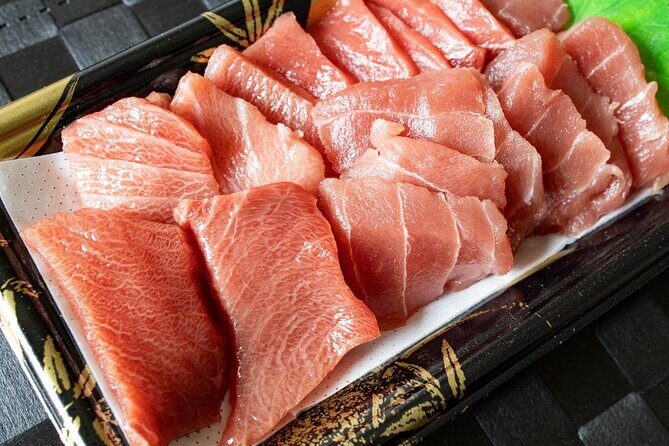
Tsukiji’s Outer Market hits your senses fast. This walking tour strings together the key places you want to see, then turns them into small food stops so you get a real feel for how Tokyo eats. You start with a temple, then move through the former fish-market area and into the market’s working lanes, with pauses for photos and a breather when you need it.
I especially like two things: the easy, short format (about 1 hour 30 minutes, frequent stops) and the menu variety that ranges from sizzling skewers and sushi to traditional sweets. One consideration: it’s a food-focused walk through tight alleys, so if you’re not comfortable with moderate crowds and standing for tastings, plan to slow down and take the breaks the guide offers.
In This Review
- What makes this tour worth your time
- Key highlights you’ll actually notice
- Getting your bearings in Tsukiji (without a headache)
- Stop 1: Tsukiji Hongwanji Temple in 10 minutes
- Stop 2: The former market footprint and Tokyo food culture stories
- Stop 3: Tsukiji Jogai Market and the “taste a little bit of everything” plan
- What you can expect from the food samples
- Group size, pace, and why it feels easier than going alone
- Price and value: what $26.36 is buying you
- Who should book this Tsukiji walking tour
- A note on the guide vibe (the part you can feel fast)
- Should you book this tour?
- FAQ
- Where does the tour start?
- What time does it begin?
- How long is the tour?
- What stops are included?
- How big is the group?
- Can I cancel and get a full refund?
What makes this tour worth your time
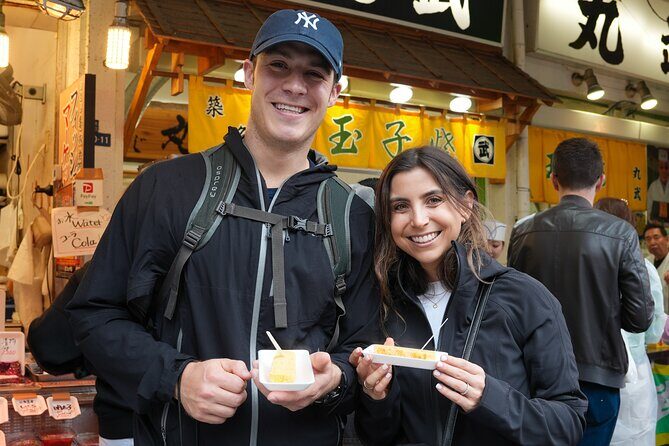
The best part here is how the tour balances history-lite context with hands-on eating. You’re not trying to master Tsukiji on your own. Instead, you’re guided to the spots that explain the market’s food culture while keeping things relaxed and low-stress. With a small group cap of 10, the experience stays manageable, and the pacing works even if you don’t want a marathon.
Still hungry? More Tsukiji breakfasts and market walks
- Tokyo Tsukiji Fish Market Food and Culture Walking Tour★ 5.0 · 3,184 reviews
- Tokyo: Tsukiji Fish Market Food and Walking tour★ 5.0 · 1,724 reviews
- Tokyo: Tsukiji Fish Market Guided Walking Tour★ 4.9 · 1,397 reviews
Key highlights you’ll actually notice
- Temple start, market payoff: A quick look at Tsukiji Hongwanji Temple before you hit the food lanes.
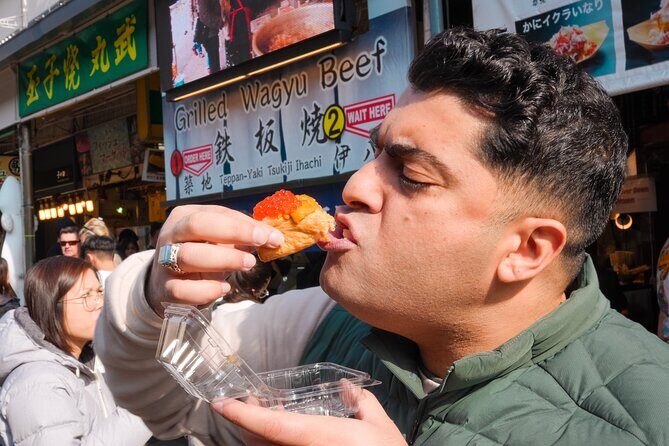
- Satisfying sampling strategy: You taste a little bit of everything, from seafood to grilled items and sweet treats.
- Small-group feel: Maximum 10 people, which helps you keep moving without losing the vibe.
- Built-in photo moments: The route includes time to grab colorful market shots and family-friendly memories.
- Short walking loop: Frequent stops and breaks make it easier than doing Tsukiji solo.
- Admissions included: Ticket entry is included for the temple and market stops.
Getting your bearings in Tsukiji (without a headache)
Tsukiji can be a lot, fast. Even if you’ve researched it, it’s the kind of place where your first hour can turn into confusion: where to go, what’s worth trying, and how to keep your day from turning into queue time and map time.
This is why a guided loop works so well. You get a structured route that hits the major layers of Tsukiji: a temple connection, the former wholesale market footprint, then the active Outer Market areas where the vendors keep the working culture alive. It’s not a long slog. The total time is about 1 hour 30 minutes, and the tour stays short enough that you can still enjoy the rest of your Tokyo day afterward.
Another practical win: you don’t need to wrestle with a paper map. The tour uses a mobile ticket, and the meeting point is clear (FamilyMart in Tsukiji). That means you can show up, check in, and focus on food.
And yes, food is the point. The tasting plan is designed to cover different categories: grilled skewers, sushi, street snacks, plus traditional sweets. That matters because Tsukiji isn’t one flavor. It’s a whole spectrum.
Stop 1: Tsukiji Hongwanji Temple in 10 minutes
You begin at Tsukiji Hongwanji Temple, included with a ticket. This start gives you something useful right away: context for why Tsukiji is more than just seafood stalls.
The temple is described as using a rare Indian architectural style within Tokyo, which makes it visually different from the typical temple look you might expect. That contrast is helpful. Markets can blur into one busy scene, but this quick temple stop resets your eyes and makes the area’s story feel more layered than just commercial food.
In a practical sense, this is also a timing move. Starting with a calmer landmark gives you a clean runway for the day. You’re not immediately packed into a crowd before you’ve even found your footing. After those first 10 minutes, you’ll walk into the market with better awareness of your surroundings and what you’re about to see.
What to watch for
Stand comfortably and take in the architectural detail. Even if you only spend a short time there, the visual change between temple calm and market noise makes the whole tour feel more intentional, not rushed.
Stop 2: The former market footprint and Tokyo food culture stories
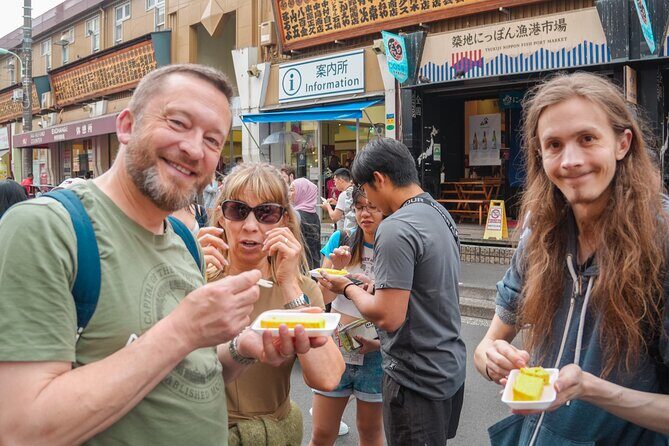
Next comes the Fish Market Tsukiji Outer Market area, tied to the former Tsukiji Market. This is where the tour shifts from scenery to meaning.
You’ll hear stories about the market’s legacy and how it shaped Tokyo’s food culture. The point isn’t to turn this into a lecture. It’s to give your tastings context so you can understand why Tsukiji mattered (and still matters) beyond the tourist hype.
This stop is also included with an admission ticket, and it lasts about 30 minutes. That time is long enough to absorb the layout and the vibe of the former wholesale fish-market site, without eating up your whole tour.
The real value here
When a tour explains the former wholesale role, the Outer Market hits differently. You start tasting with a clearer mental image of what’s happening today—vendors still keep the market spirit alive, but now it’s a mix of classic food and visitor energy.
If you like history only when it connects to food, this stop is built for you. It supports the tasting rather than slowing it down.
Tokyo at walking pace, a few more ways


Stop 3: Tsukiji Jogai Market and the “taste a little bit of everything” plan
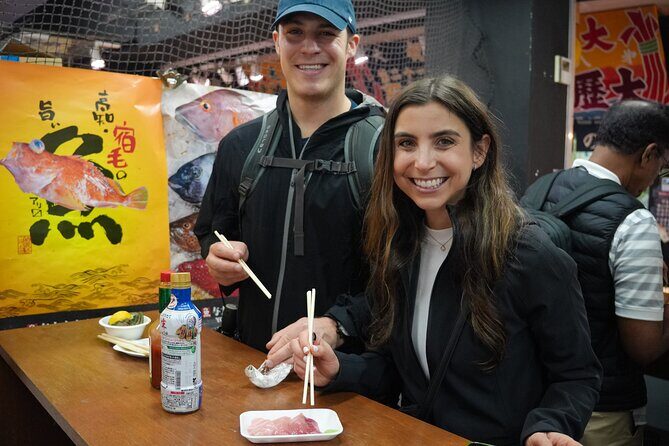
The final major stop is Tsukiji Jogai Market, where around 400 vendors keep the Tsukiji spirit alive. This is the heart of the experience: the lanes, the stalls, the sights and smells, and the actual eating.
This segment lasts about 50 minutes and is where you’ll sample items across categories. Expect the kinds of bites mentioned in the tour highlights: sizzling skewers, sushi, and street snacks. The tour also includes sweet traditional treats, which is a big plus because many market tours only focus on savory.
Why that matters: if you only taste seafood and grilled items, your brain can get stuck in one flavor mode. By the end, you want balance—something salty, something rich, and something sweet. That’s how this tour reads on paper and in the experience description.
How the pacing helps you taste more (and stress less)
The tour is designed with breaks and photo opportunities, so you aren’t standing in line for long stretches. Even with crowds, you’re not left to figure out what to do next. The guide keeps the flow moving, and the short walk stops make the market feel like a series of mini-experiences rather than one overwhelming mass.
A small but important reality check
Jogai Market is active, and some lanes are tight. If you’re traveling with kids or anyone who needs to move slowly, take advantage of the offered rests. The tour is built to be easy and relaxed, but you’ll still want to manage your pace in the crowd.
What you can expect from the food samples
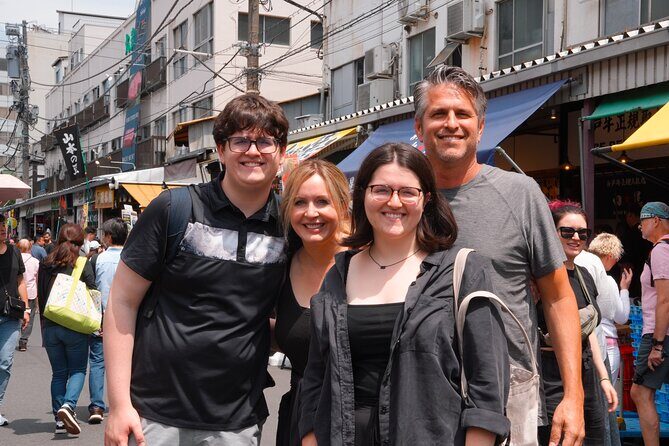
This tour’s tasting style is pretty clear: you’ll eat enough to feel like you tried the key sides of Tsukiji, without turning your stomach into a food coma.
From the information provided, here’s what’s explicitly part of the experience:
- Sushi as one of the core tastings
- Sizzling skewers (grilled street-style bites)
- Street snacks from lively stalls
- Traditional sweets to round things out
- A guided approach so you don’t have to pick blindly
I like tastings that cover contrast. Tsukiji skewers and sushi bring different textures and temperatures. If there’s a sweet stop at the end or mid-route, it gives you a natural reset and keeps the experience from feeling one-note.
One more practical benefit: you can treat the rest of your day as flexible. After 1 hour 30 minutes of sampling, you won’t feel locked into heavy meals for the rest of the schedule. You can graze later or save room for other Tokyo food hits.
Group size, pace, and why it feels easier than going alone
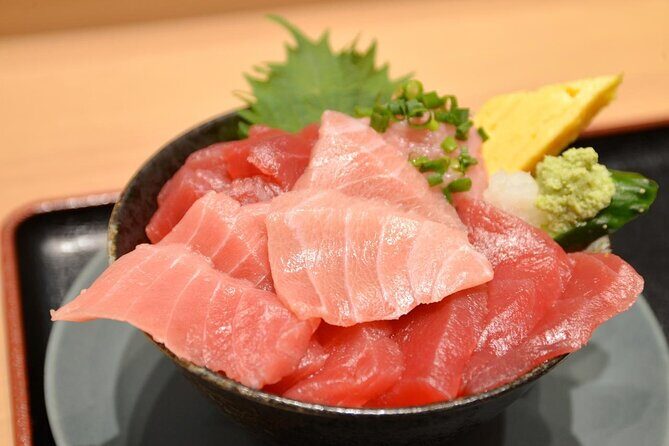
This tour caps at 10 travelers, which is not just a number. It affects your whole experience.
In small groups:
- you get more attention on where to stand and what to try
- the guide can keep a steady walking rhythm
- the stops don’t stretch into chaotic free-for-alls
The walking itself is described as short, with time to rest. That’s important for Tsukiji, where the environment naturally encourages standing. This format helps you keep energy for tasting instead of burning it all on navigation and waiting.
Also, it’s near public transportation, and you return to the meeting point at the end. That makes it easier to plug into your morning plan. Start at 9:00 am, do Tsukiji, then continue your day.
Price and value: what $26.36 is buying you
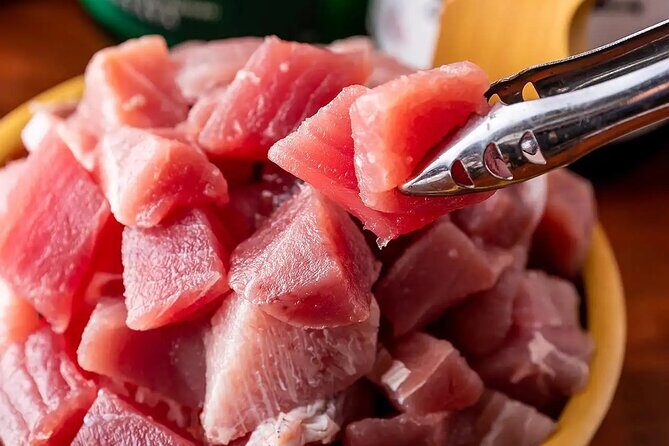
At $26.36 per person for about 1 hour 30 minutes, the value comes from three areas, not just the label price.
First, you’re paying for a guided food route—the part that saves you decision fatigue. Tsukiji can be tricky to interpret. A guide turns the market into a planned set of tastings.
Second, admissions are included for the stops that require tickets: the temple and the market areas. That means you’re not juggling separate costs while you’re already spending money on snacks.
Third, you’re getting multiple tasting categories: savory bites (including sushi and grilled skewers) plus sweets. For a short tour, that’s a solid amount of variety.
Where to be realistic: you won’t leave Tsukiji like you ate a full restaurant meal worth of food. This is sampling. The win is range and guidance, not massive portions.
Who should book this Tsukiji walking tour
This is a great fit if:
- you want Tsukiji but don’t want to plan every stall stop yourself
- you enjoy street food and want a mix of savory and sweet
- you’re traveling with family or a group that benefits from a calm, guided pace
- you like photo-friendly moments built into the route
It may be less ideal if you:
- prefer long, independent exploration where you roam at your own tempo
- don’t like crowds or standing for tastings
- want very deep market logistics details rather than food-and-culture storytelling
The moderate physical fitness level requirement also suggests it’s accessible for many people who can handle light walking and brief standing. Take the breaks and you’ll be fine.
A note on the guide vibe (the part you can feel fast)
One thing that stands out from the guide name highlighted is that Lax is credited with keeping the mood relaxed while still hitting the key food stops. That matters because Tsukiji can feel like sensory overload on your own. A good guide acts like a throttle: you get the experience without letting it turn into stress.
Should you book this tour?
Book it if you want the simplest way to get a meaningful Tsukiji experience in a short window. The mix of temple context, market history storytelling, and guided tastings (sushi, skewers, street snacks, and sweet treats) is a strong combo for the price. With a small group size and a short walking format, it’s easier than DIY and more structured than a generic market wander.
Skip it if you’re the type who wants to fully roam Tsukiji independently for hours, or if you’re sensitive to crowded alleys and standing around stalls.
If your goal is to leave Tsukiji with a clear sense of what makes the place famous and a full sampler of flavors, this tour is a solid call.
FAQ
Where does the tour start?
The tour starts at FamilyMart, 3-chōme-11-8 Tsukiji, Chuo City, Tokyo 104-0045, Japan.
What time does it begin?
It starts at 9:00 am.
How long is the tour?
The duration is about 1 hour 30 minutes.
What stops are included?
The tour includes Tsukiji Hongwanji Temple, Fish Market Tsukiji Outer Market, and Tsukiji Jogai Market.
How big is the group?
The tour has a maximum of 10 travelers.
Can I cancel and get a full refund?
Yes. You can cancel up to 24 hours in advance for a full refund. If you cancel less than 24 hours before the start time, the amount paid is not refunded.
More Tours in Tokyo





More Tour Reviews in Tokyo




Back to the Market: More Tsukiji Tours




Fresh reviews from around Tokyo






Tsukiji Fish Market Tours, compared.
 ★ 5.0Tokyo Tsukiji Fish Market Food and Culture Walking TourFrom $993,184 reviews
 ★ 5.0Tsukiji Fish Market Food and Walking tourFrom $301,724 reviews
 ★ 4.9Tsukiji Fish Market Guided Walking TourFrom $221,397 reviews
 ★ 5.0Tokyo Sushi Making Class in Tsukiji with Professional ChefFrom $491,177 reviews
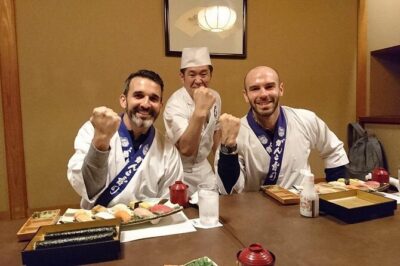 ★ 5.0Tsukiji Fish Market Guided Tour and Sushi Making with Pro ChefFrom $104775 reviews
★ 4.7Tsukiji Fish Market Food and Culture Walking TourFrom $96757 reviews
★ 5.0Tsukiji Fish Market Guided Tour and Sushi Making with Pro ChefFrom $104775 reviews
★ 4.7Tsukiji Fish Market Food and Culture Walking TourFrom $96757 reviews
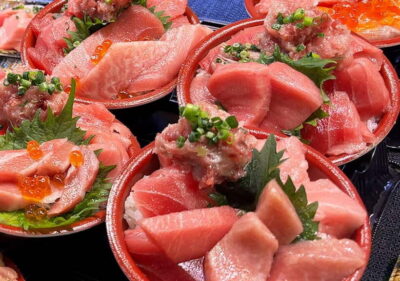 ★ 5.0Tsukiji Fish Market: Street Food & Culture Walking TourFrom $33669 reviews
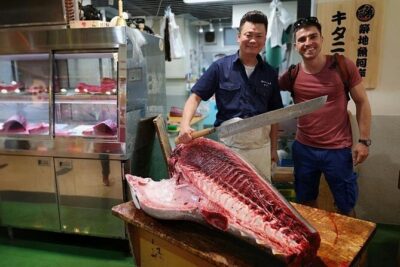 ★ 5.0Tsukiji Fish Market Small-Group Food Walking TourFrom $87621 reviews
Browse the lists this tour appears in