
Reviewed · SAMURAI & NINJA EXPERIENCES
Tokyo: Best Samurai Experience
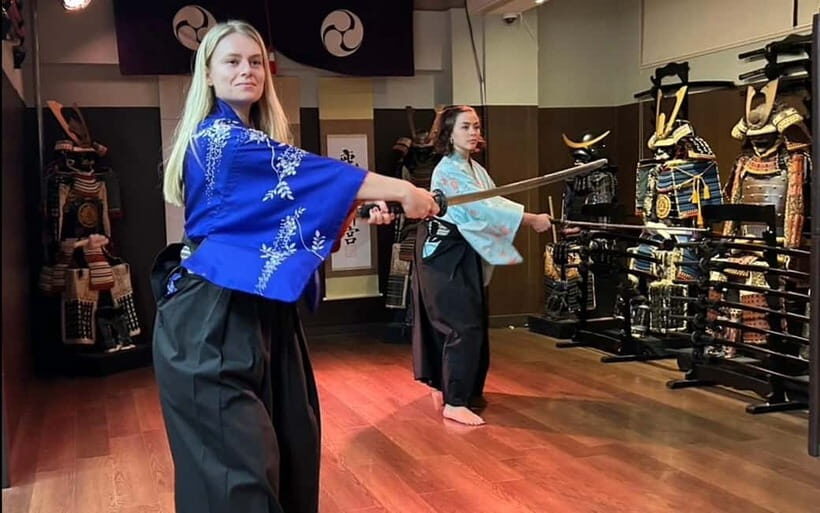
Tokyo’s samurai lessons are way more fun than you think. This one-hour experience at Samurai Theater Tokyo pairs dressing up in kimono and hakama with hands-on sword practice in a dojo-style setting that feels far from modern life. You’ll learn how to handle a sword safely, then join a simple mock fight with the samurai.
I like two things most: the training is structured (you don’t just swing a prop sword), and you get lots of photo and video opportunities to turn the session into real memories. One thing to consider: the activity isn’t for everyone, including wheelchair users and certain age groups, so check the limits before you book.
In This Review
- Quick hits: what makes this one-hour samurai session special
- Kimono and hakama first: the moment it stops feeling like a tour
- Inside the dojo: old-school weapons, not a sterile studio
- Sword basics that you can actually remember: draw, hold, swing, retract
- Chanbara time: the mock fight that feels real because you practice first
- The finale: exterminate bad guys to the music
- Photos and videos: how to get more than one decent snapshot
- Who teaches you: authentic instructors with screen experience
- Group size and pacing: up to 10 people for a more personal feel
- Price and value: is $63 for a one-hour sword lesson worth it?
- Language and accessibility: choose it with eyes open
- Getting the most out of your hour
- My booking verdict: should you do this Tokyo samurai experience?
- FAQ
- How long is the Samurai Theater Tokyo samurai experience?
- What is included in the price?
- Can I take videos and pictures with my smartphone?
- Is the sword real?
- Is there an extra cost for armor?
- Who should not book this experience?
Quick hits: what makes this one-hour samurai session special
- Pick your own kimono and hakama before training starts
- Learn sword basics step-by-step: draw, hold, swing, and retract
- Practice a simple chanbara sword fight with the group
- End with a music-driven routine that feels like a mini performance
- Smartphone-friendly: you can take videos and pictures during the action
More blades, bows and dojo hours
- Tokyo: Samurai Ninja Museum Guided tour and Experience★ 4.6 · 1,010 reviews
- Tokyo: Samurai Sword & Archery Class from Samurai Descendant★ 5.0 · 603 reviews
- Best Samurai Experience in Tokyo★ 5.0 · 458 reviews
Kimono and hakama first: the moment it stops feeling like a tour
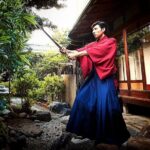
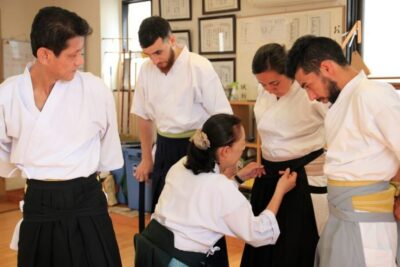
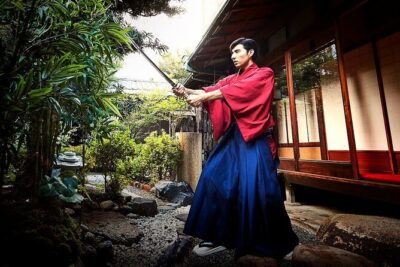
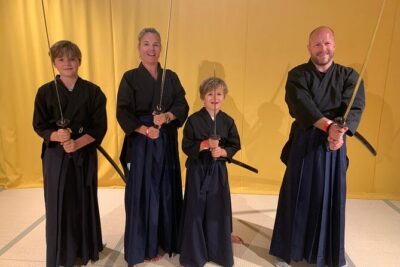
The experience starts with you choosing your favorite kimono and hakama, then getting changed into the costume. This matters more than it sounds. In Tokyo, it’s easy to see samurai culture from behind glass, or from a stage with only one-way storytelling. Here, your training begins only after you’re physically in the costume, so you don’t feel like an observer.
Once you’re suited up, you’re in the right mindset for what comes next: learning how a sword is handled with control. The costumes also help the space feel like a traditional dojo—more character, less theme-park vibe.
Practical tip: since you’ll be changing clothes as part of the session, plan to arrive with enough time to settle in and get ready for instructions right away.
Inside the dojo: old-school weapons, not a sterile studio
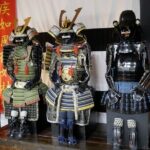
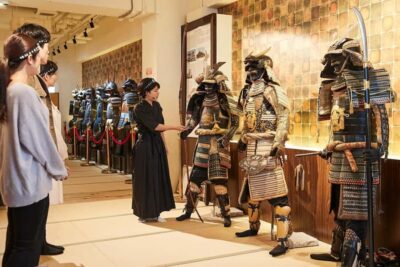
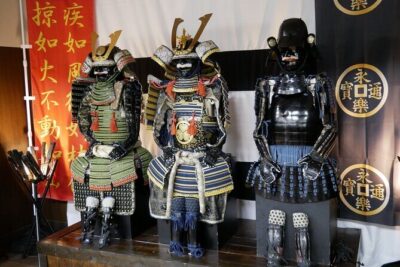
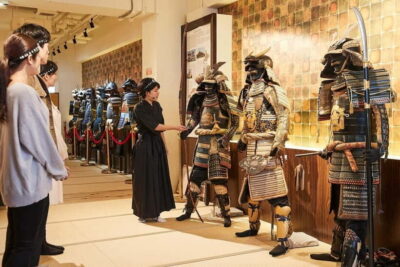
You meet in a space that doesn’t feel modern, and the dojo has displays that help you picture the world samurai stepped into. There are many weapons on display, including swords and spears, plus armor you can see around the area.
This part is worth your attention even if you’re mainly there for the action. Seeing the variety of gear helps your brain connect the sword training to a bigger setup. It also makes the photos more interesting: the background isn’t a plain wall. It’s a room filled with historical-looking props.
One small consideration: there’s an optional fee if you want to wear the armor on display. So if you want that extra costume moment, keep a little buffer in your budget.
Sword basics that you can actually remember: draw, hold, swing, retract
After you’re in costume, the instruction moves into the fundamentals. You’ll get an explanation of the sword parts, then practice with a fake sword that cannot be cut. That safety detail is important: you’re learning control and technique without turning the lesson into something risky.
The core sequence is straightforward and step-based:
- Draw a sword
- Learn how to hold it properly
- Practice a controlled swing
- Finish by retracting the sword safely
This is one of the best parts of the experience for first-timers. Many sword demos are either pure performance or pure chaos. Here, the training builds in the basics first, so when you move into the fight portion, you understand what you’re doing and why your instructor keeps correcting your posture.
You’ll also learn stances and execution names as part of the lesson flow. Even if Japanese isn’t your thing, the structure gives your brain labels to attach to movements—so the whole hour feels like skill-building rather than random choreography.
Chanbara time: the mock fight that feels real because you practice first
Once the basics are in your hands, you’ll move into a simple chanbara (sword fight) practice. This is where the experience shifts from technique to teamwork.
You practice a mock fight with the group, guided by the instructor’s energy and corrections. The big win here is that the session doesn’t expect you to be athletic or already trained. It’s paced so you can follow along and then try again. That balance is echoed in the way people describe the instructors—patient, encouraging, and focused on getting everyone participating.
If you’re the kind of traveler who worries about doing “active” experiences with strangers, this is still a good pick. The group size is small, and you’re practicing a controlled sequence rather than trying to free-spar. You’re building confidence, not performing heroics.





The finale: exterminate bad guys to the music
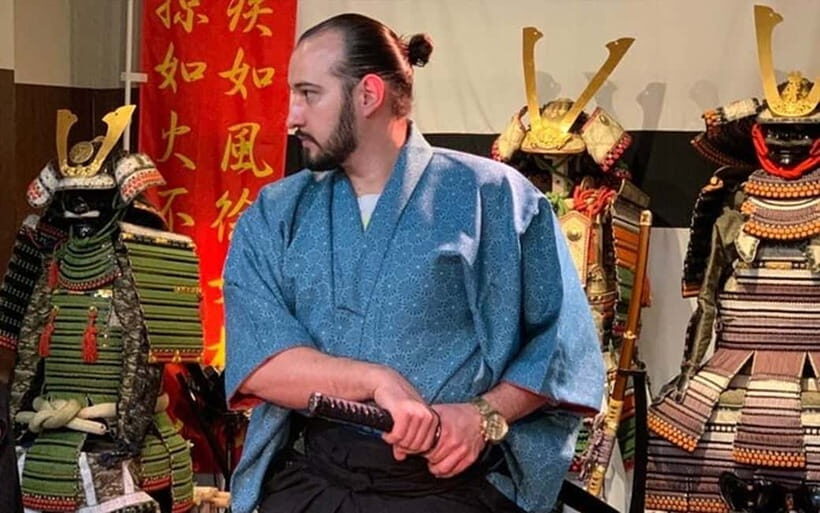
After the practice fight, the session ramps up into a performance-style moment. You’ll go into a more dramatic routine to music—described as trying to exterminate bad guys—which turns the training into something theatrical.
This finale is the point where you stop thinking about technique and start thinking about the story: you’re in costume, you’ve learned the basics, and now you’re using them in a set sequence. It’s the kind of finale that makes sense even if you’re not a martial arts fan, because it’s built for participation and excitement.
And yes, the staff helps you capture it. You’ll have chances to take pictures, and multiple people mention that assistants recorded moments on their phones. That means you’re not stuck juggling your camera while you’re trying to learn.
Photos and videos: how to get more than one decent snapshot
If you’re spending real money to do a samurai experience, you want something beyond a single blurry photo. This one is designed to give you repeat moments to film and photograph yourself during the action.
What’s included:
- Changing into kimono and hakama
- Explanation of sword parts
- Wielding a fake sword (uncuttable)
- Sword fight with samurai
- A photo with a samurai
On top of that, people describe assistants actively helping record. That detail matters because it turns your phone into a tool for memory, not a distraction. You can focus on following instructions while someone else handles the filming timing.
My practical advice: keep your phone ready and charged, and think about whether you want more video or more photos. Once the finale starts, there’s less time to adjust.
Who teaches you: authentic instructors with screen experience
The instructors are described as authentic teachers who have appeared in major Japanese dramas and movies. In plain terms, this tends to show up in the delivery: clear instructions, confident demonstrations, and a performance energy that keeps the hour moving.
You also have assistants on hand. That combination helps beginners. In a small group, one instructor can only watch and correct so many people at once. Assistants help keep the flow smooth and keep participants engaged.
In many experiences, “fun” comes at the cost of accuracy. Here, the structure and corrections keep the movements believable—enough that you can learn technique while still leaving with a smile.
Group size and pacing: up to 10 people for a more personal feel
The group is limited to 10 participants, and a solo traveler can join too. That small size is a big part of why this works. It’s not just about comfort; it changes the training.
When the group is small, you get more direct attention during the basic handling moves. It also means the final routine feels more participatory rather than you watching from the edge.
The session is one hour, so it’s easy to fit into a Tokyo day without wrecking your schedule. It’s short enough that you’ll feel excited rather than exhausted, but long enough for real learning: costume up, fundamentals, practice fight, finale.
Price and value: is $63 for a one-hour sword lesson worth it?
At $63 per person for a one-hour session, this isn’t bargain-bin pricing, but it also doesn’t look like a luxury spa day. The value is in what you get packed into that hour:
- Costume changing (kimono and hakama)
- Hands-on sword fundamentals using a prop sword
- A guided chanbara-style fight
- A music-driven finale
- Photo time included
- Many chances to film and photograph yourself during the session
If you compare the cost to doing any “dressing up + action performance + instruction + photos” separately in Tokyo, it usually adds up fast. Here, the session is bundled into one place and one hour, which keeps the experience tight and focused.
Optional armor costs extra, so your total budget may be a bit higher if you want that layer of costume drama.
Language and accessibility: choose it with eyes open
The instruction is offered in English and Japanese, which is useful if you’re traveling without fluent Japanese. You’ll still get taught step-by-step visually, and the structure is simple enough that language usually isn’t the barrier people fear.
Accessibility limits are clear: it’s not suitable for wheelchair users and it’s also not listed for people who are visually impaired. There are also age limits (including bans for babies and young children, and a height requirement under 90 cm). It also isn’t suitable for pregnant women, and there’s an upper age limit listed at 95 years.
So this isn’t a “try it and see” situation for everyone. If you fit the limits, it’s built to be welcoming. If you don’t, pick a different samurai-style activity that matches your mobility and comfort level.
Getting the most out of your hour
You don’t need prior martial arts experience. The session is built for first-timers, and the structure keeps you from getting lost. Still, you’ll have a better time if you treat it like a workshop, not a show only.
Here’s what helps:
- Pay attention during the sword basics segment, because the finale uses those same motions.
- Let the instructions guide your timing rather than trying to freestyle.
- Think of your phone as part of the plan: film the moments you care about, then put your focus back into technique.
Also, remember the experience includes costume changing. That means you’re not just “watching samurai.” You’re stepping into the role for an hour.
My booking verdict: should you do this Tokyo samurai experience?
Book it if you want hands-on fun with real instruction, plus a costume experience you can film and remember. The small group size (up to 10) and the step-by-step sword training make it feel approachable, and the finale gives the hour a clear payoff.
Skip it (or choose something else) if you fall into the listed unsuitability categories, including wheelchair access limitations, pregnancy, and the specific age/height limits. And if you don’t want any active component at all, this may feel too physical for your comfort.
If you’re planning a first Tokyo trip and you want one memorable, authentic-feeling activity that’s not just sitting in a theater, this one is a strong choice.
FAQ
How long is the Samurai Theater Tokyo samurai experience?
It lasts 1 hour.
What is included in the price?
The experience includes changing into kimono and hakama, an explanation of sword parts, using a fake sword (a sword that cannot be cut), a sword fight with samurai, and a photo with a samurai.
Can I take videos and pictures with my smartphone?
Yes. You can take videos with your smartphone and take pictures during the experience.
Is the sword real?
No. You’ll wield a fake sword that cannot be cut.
Is there an extra cost for armor?
Yes. There is an optional fee required if you want to wear the armor on display.
Who should not book this experience?
It’s not suitable for wheelchair users, visually impaired people, pregnant women, and it has multiple age and height limits (including young children). People over 95 years are also listed as not suitable.
More Tour Reviews in Tokyo



The Way of the Sword, Continued


Fresh reviews from around Tokyo






Samurai & Ninja Experiences, compared.
 ★ 4.6Samurai Ninja Museum Guided tour and ExperienceFrom $271,010 reviews
 ★ 5.0Samurai Sword & Archery Class from Samurai DescendantFrom $193603 reviews
 ★ 5.0Best Samurai Experience in TokyoFrom $65458 reviews
 ★ 5.0Ninja Experience (Family Friendly) at Samurai Ninja Museum TOKYOFrom $47441 reviews
 ★ 4.6Samurai Entertainment Night Show in Kanda ShrineFrom $41417 reviews
 ★ 5.0Tokyo Sword Experience – includes Museum Ticket/Ninja ExperienceFrom $84314 reviews
 ★ 4.8Samurai Ninja Museum Asakusa: Samurai Sword Lesson & TourFrom $63306 reviews
 ★ 5.0Samurai Sword Experience (Family Friendly)at SAMURAI MUSEUM TOKYOFrom $65168 reviews
Browse the lists this tour appears in