
Tokyo at night gets louder when you add wheels. This 2-hour neon bike tour turns famous light spots into something you can feel at street level, not just watch from the curb. I like the way the custom bikes glow as you move, and I also like that you get an English-speaking guide who can shape the route to what your group wants.
You’ll pedal past major illumination areas like Shibuya and Omotesando, with stops rolling toward Tokyo Midtown and ending by Tokyo Tower. One drawback to plan for: this is for confident riders. You’re not taking a beginner lesson, and some roads can mean sharing space with regular traffic since bike lanes aren’t guaranteed.
In This Review
- Key things you should know before you ride
- Neon bikes and Tokyo night lights: what the experience is really like
- Meeting at Yoyogi Park: how to start smoothly
- Your guide and the route: why Kei’s style matters
- Shibuya’s Scramble Crossing by bike: seeing the lights from street level
- Omotesando’s seasonal lights: the sweet spot for photos
- Roppongi: futuristic glow and the feel of a modern city
- Tokyo Midtown illuminations: where the ride keeps moving
- Finishing at Tokyo Tower: the classic skyline close-out
- Price and value: is $73 actually a smart deal?
- Who should book this neon bike tour (and who shouldn’t)
- Practical tips that make the ride better
- Should you book the Tokyo neon night bike tour?
- FAQ
- How long is the neon bike tour?
- Where do we meet for the tour?
- What kind of bike do you ride?
- Does the guide speak English?
- What should I bring?
- Is the tour suitable for children?
- What items are not allowed during the tour?
Key things you should know before you ride
- Neon Bianchi and Fuji bikes with lights on the frame so you’re easy to spot and fun to photograph
- Fluent English-speaking guides, including guides like Kei, who can adjust your route if you have preferences
- A 2-hour night loop focused on illuminated districts, not a long grind of transit
- Tokyo Tower as the payoff, with a classic skyline view to close out the ride
- A mini pouch on the bike for phone, wallet, and keys, plus bike insurance for peace of mind
More of Tokyo by bike
- Tokyo Guided Small-Group Biking Tour★ 5.0 · 1,250 reviews
- Tokyo Great Cycling Tour★ 5.0 · 811 reviews
- Tokyo Top Highlights 3h Guided E-bike Tour★ 5.0 · 714 reviews
Neon bikes and Tokyo night lights: what the experience is really like
This tour is built around a simple idea: Tokyo’s night illumination is made for motion. When you’re pedaling through the streets, the lights don’t just hang there. They bounce off shop windows, reflect off building glass, and change the mood every time you turn a corner.
The ride uses customized bikes (Bianchi and Fuji) with neon-style lights. That matters more than you’d think. The glow helps keep the group visible and keeps the whole experience playful, not stiff. You’ll also feel less trapped in “photo mode.” You can ride, look up, and still move forward.
The best part for me is the mix of big-name sights and the feeling that you’re being guided through the city’s lighting personality. You’ll hit recognizable areas such as Shibuya’s famous crossing and Omotesando’s seasonal displays, then follow the glow into Roppongi and the Tokyo Midtown area, before ending with Tokyo Tower.
Just remember: this isn’t a casual walk. If you can ride a bike comfortably, you’ll have a blast. If you’re new to bikes or nervous around traffic, you’ll likely feel tense the whole time.
Meeting at Yoyogi Park: how to start smoothly
Your start point is the main entrance of Yoyogi Park. The bikes will be lit up, which makes it easier than most meetups. Still, show up a bit early so you can get fitted, check your gear, and get your bearings before darkness fully takes over.
I recommend wearing comfortable shoes. You’ll want grip for any brief stops, and you’ll also be standing around at intersections. Bring water too. Night rides still dehydrate you, especially when you’re bundled in comfortable-but-not-breathable layers.
You also should come dressed for a steady night ride. The tour asks for comfortable clothes, and that’s smart. You’re going to move for two hours, so you want layers you can manage when the temperature shifts between bright shopping streets and darker stretches.
Your guide and the route: why Kei’s style matters
A big reason this tour gets such high marks is the guide. The tour uses friendly, knowledgeable English-speaking guides, and the guides can be accommodating about route preferences. One guide mentioned by name is Kei. In practice, that means you’re not locked into one rigid path for every group.
That flexibility matters because Tokyo’s night traffic and crowd flow can change. A guide who can steer you toward the best-lit roads for your group’s comfort level can make the difference between a smooth ride and a stressful one.
I also like the way these routes often show Tokyo in a way you can’t replicate from a train window or a taxi seat. You’re moving at a human speed, so you notice details like storefront lighting, building reflections, and the way neighborhoods shift from flashy to sleek.
Shibuya’s Scramble Crossing by bike: seeing the lights from street level
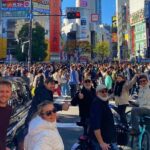
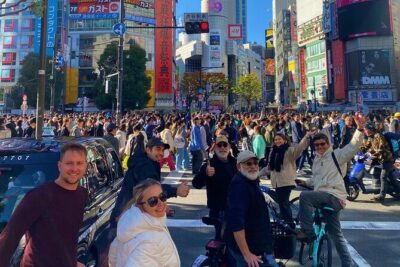
The tour highlights Shibuya’s Scramble Crossing as one of the stops you ride through. Seeing it by foot can be overwhelming because you’re stuck in a crowd. Seeing it from a train is fast, but you lose the street rhythm.
On a bike, you get a middle ground. You can take in the illumination around the crossing without waiting for gaps the whole time. You’ll be close enough to feel the energy, but still mobile.
A practical note: major intersections can mean slower riding and more stops. You’ll want calm control of your speed and balance. If you’re looking for an adrenaline rush, this part delivers. If you’re hoping for a gentle cruise the whole time, set your expectations accordingly.
Bigger sweeps: other Tokyo city tours

Omotesando’s seasonal lights: the sweet spot for photos
After Shibuya, the ride heads toward Omotesando and its seasonal light displays. This is where the tour’s “street-level illumination” concept really shines.
Omotesando tends to feel polished and design-focused, and at night that becomes even more pronounced. The seasonal displays make the area look like it’s dressed for an occasion. When you’re on a bike, you can linger just long enough to frame photos without breaking the flow of the group.
Try to keep your phone secure and ready, because stopping for long stretches can interrupt the ride rhythm. The tour provides a mini pouch on the bike for your phone, wallet, and keys, which is great. You can grab your phone without fishing around in pockets while riding.
If you’re sensitive to stopping-and-starting, this segment is where you’ll want to practice smooth braking and easy starts before you reach the busier areas.
Roppongi: futuristic glow and the feel of a modern city
Next up is Roppongi, known for cutting-edge design and high-rise density. Here, the illumination feels more futuristic: light installations, glass surfaces, and reflections that multiply everything.
Roppongi can be a fun change of pace after the large-icon sights. Instead of only chasing one landmark, you ride through zones where lighting is part of the architecture. You’ll notice how the street scenes shift block by block, especially around upscale areas where the light quality changes from warm storefront glow to cooler building reflections.
This is also a good time to pay attention to what your guide points out. The tour includes local insights and stories, and those stories help you connect the visuals to how the neighborhoods feel and function at night. You’re not just passing lights. You’re learning how Tokyo shapes its nighttime identity.
Tokyo Midtown illuminations: where the ride keeps moving
As the tour approaches the Tokyo Midtown complex, you’ll pass dazzling seasonal illuminations. This is one of those “pause for a photo, keep rolling” moments.
Why it works on a bike: Midtown-style complexes often look best when viewed while walking slowly. But you can’t always walk through everything efficiently with traffic and crowds. The bike lets you keep moving while still getting the best angles.
Look for the effects of lighting on surfaces like glass and polished stone. On a bike, you can change your viewing angle without needing to cross streets or fight through dense crowds.
Also, keep an eye on your spacing. The group rides together, and smooth coordination keeps everyone relaxed. If you ride confidently and follow your guide’s pace, this section feels fluid instead of chaotic.
Finishing at Tokyo Tower: the classic skyline close-out
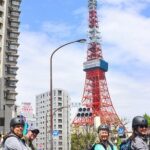
The tour culminates at Tokyo Tower, with its red-and-white silhouette towering over the skyline. This is the kind of finish that makes the whole two hours feel complete, like you didn’t just ride around. You reached something.
Tokyo Tower works well as a finale because it gives you scale. Even if you’ve seen it in photos, at night it’s a different creature. The lighting creates a graphic outline against the darker sky, and the surrounding illumination makes it feel like the city is putting on a show around it.
Expect the last portion to feel like a gradual shift from busy street energy to that “stand and look up” moment. Have your phone ready, but don’t hold it in a way that distracts you from balance. Use the mini pouch and take photos during safe stops.
Price and value: is $73 actually a smart deal?
$73 per person for a two-hour guided night ride is not cheap, but it can be fair value if you compare what you get.
You’re paying for:
- Custom neon bikes (Bianchi and Fuji) rather than a basic rental
- A fluent English-speaking guide with local insights
- Bike insurance for added safety coverage
- A structured route that targets illumination spots rather than you trying to hop between districts on your own
Where you save money: if you’ve tried to DIY this kind of night illumination route, you end up paying for transport time, ticket-style costs to get around key areas, and a lot of guesswork. Here, the guide handles the “how do we ride through this safely and efficiently” part.
Also, consider time value. Two hours in Tokyo at night can feel like a blur if you’re navigating alone. This tour gives you a guided loop with a clear endpoint at Tokyo Tower.
The main value question is your comfort level. If you ride confidently, this is likely worth it. If you’re hesitant on bikes, you might feel like you paid for stress. In that case, skip the neon ride and choose a walking or transit-based illumination tour instead.
Who should book this neon bike tour (and who shouldn’t)
This ride is ideal if you:
- can ride a bike confidently (the tour is not a lesson)
- want a fun, photo-friendly way to see the city’s illumination districts
- travel with friends or family who want one guided activity that still feels like an adventure
It’s especially good for groups with mixed familiarity with Tokyo. Even if you’ve been before, you get a different viewpoint by bike, not just a repeat of the daytime itinerary.
You should think twice if you:
- can’t ride a bike comfortably
- have back problems (not suitable)
- are pregnant (not suitable)
- are traveling with children under 12 (not suitable)
There’s also one Tokyo-realism point: cycling in the city can mean riding on roads without dedicated bike lanes. That’s why confidence matters. If you can handle that kind of shared-road reality, you’ll likely enjoy the ride more than you expect.
Practical tips that make the ride better
I’m a big fan of simple prep. It turns a good tour into a smooth one.
- Wear comfortable shoes with grip. You may dismount briefly and you’ll want stability.
- Bring water. Two hours at night is still active time.
- Dress for comfort. The tour asks for comfortable clothes, so plan layers that won’t make you sweat or freeze.
- Follow the rules: no smoking, no alcohol or drugs, and no littering. That’s not just policy. It keeps the experience clean and safe.
- Plan on focusing. This isn’t a slow sightseeing crawl where you can wander. Stay aware and ride with the group.
One more thing: if you’re tempted to treat this like a casual stroll, don’t. Think of it as a guided ride with photo moments, not the other way around.
Should you book the Tokyo neon night bike tour?
Book it if you want a guided, two-hour night experience that mixes iconic spots with Tokyo’s illumination mood, and you’re comfortable riding a bike in a real city. The payoff at Tokyo Tower is a strong finish, and the neon bikes make photos and fun feel built-in.
Skip it if bike riding makes you nervous or if you need a more beginner-friendly approach. This tour assumes you already know how to ride. And Tokyo’s roads can mean shared lanes, so comfort matters more than anything.
If you fit the “confident cyclist” box, this is a high-value way to see Tokyo after dark, with a guide who can keep the route moving and the mood upbeat.
FAQ
How long is the neon bike tour?
The ride lasts 2 hours.
Where do we meet for the tour?
Meet at the main entrance of Yoyogi Park. The neon bikes will be lighted, so you should be able to spot them easily.
What kind of bike do you ride?
You ride high-quality customized neon bikes by Bianchi and Fuji.
Does the guide speak English?
Yes. English is available, and the guide is fluent in English.
What should I bring?
Bring comfortable shoes, water, and comfortable clothes.
Is the tour suitable for children?
No. It is not suitable for children under 12.
What items are not allowed during the tour?
Smoking is not allowed, and alcohol and drugs are not allowed. Littering is also not allowed.
Tokyo on Two Wheels
More Tours in Tokyo




More Tour Reviews in Tokyo




Fresh reviews from around Tokyo






Cycling Tours, compared.
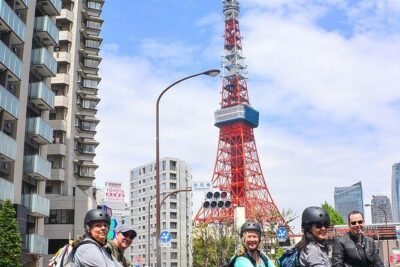 ★ 5.0Tokyo Guided Small-Group Biking TourFrom $1061,250 reviews
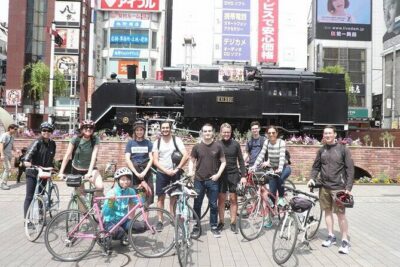 ★ 5.0Tokyo Great Cycling TourFrom $99811 reviews
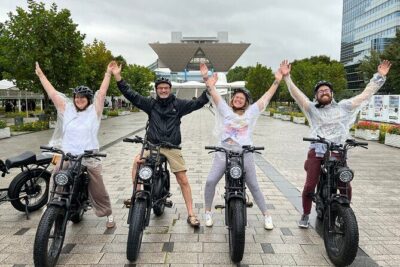 ★ 5.0Tokyo Top Highlights 3h Guided E-bike TourFrom $63714 reviews
3-Hour Bike or E-Bike City Highlights TourFrom $45435 reviews
★ 5.0Tokyo Top Highlights 3h Guided E-bike TourFrom $63714 reviews
3-Hour Bike or E-Bike City Highlights TourFrom $45435 reviews
 ★ 5.0Tokyo West-Side Cycling & Food TourFrom $99214 reviews
 ★ 5.03-Hour Bike/E-Bike Tour of the City’s HighlightsFrom $63209 reviews
 ★ 5.0Small Group Cycling Tour in TokyoFrom $66184 reviews
 ★ 5.03-Hour Tokyo Private E-Bike Tour Starting from Your HotelFrom $145117 reviews
Browse the lists this tour appears in