
Real kendo, not a costume show. In northern Tokyo, you train in a real dojo setup, and the session has a mock tournament feeling that makes it more than just watching sword moves.
I love that it’s practical. You learn what to do with the bamboo sword, not just the story behind it.
I also like the hands-on pace. You’ll put on the keikogi and hakama, then step into bogu protective gear while an English-speaking instructor explains etiquette and fundamentals in a way you can follow. The class is set up for one-on-one coaching, even if you start from zero.
One drawback to plan for: the heavy gear and active drills can mean lunging and kneeling. If you have knee trouble, tell the instructor right away so you can modify moves.
In This Review
- Key things to look forward to
- Why This Tokyo Kendo Class Feels Genuine
- Inside the 2-Hour Session: Gear-Up, Basics, Then a Tournament-Style Fight
- How to Get to the Dojo in Arakawa Without Losing Time
- The Kendo Skills and Etiquette You’ll Actually Understand
- One-on-One Coaching in a Small Group: Why It Doesn’t Feel Generic
- Bogu Armor, Bamboo Sword Practice, and Fitness Tips That Matter
- Price and Value: Is $118.92 Worth It?
- Who Should Book This Kendo Experience (and Who Might Want to Skip It)
- Should You Book This Tokyo 2-Hour Kendo Experience?
- FAQ
- How long is the Kendo experience?
- Where does the experience take place?
- Is hotel pickup and drop-off included?
- What’s included in the price?
- What’s the minimum age?
- Do I need prior Kendo experience?
Key things to look forward to
- Full kendo kit included: rental armor and equipment, plus bottled water and a Japanese hand towel
- Work with an English-speaking instructor: clear explanations geared to different experience levels
- Tournament-style sparring game: you apply the basics against an opponent, not just do warmups
- Authentic dojo environment: you’re in a northern Tokyo neighborhood training space, not a staged photo set
- Small group size: capped at a maximum of 15, with one-on-one attention built in
More blades, bows and dojo hours
- Tokyo: Samurai Ninja Museum Guided tour and Experience★ 4.6 · 1,010 reviews
- Tokyo: Samurai Sword & Archery Class from Samurai Descendant★ 5.0 · 603 reviews
- Best Samurai Experience in Tokyo★ 5.0 · 458 reviews
Why This Tokyo Kendo Class Feels Genuine
Tokyo has no shortage of samurai-themed experiences. The problem is that many are mostly performance. This one is different in the way it’s built: you train. You wear the gear. You practice the strikes. And then you test your skills in a tournament-style combat game.
That matters because kendo is a discipline of timing, distance, posture, and control. If someone only tells you about “samurai swordsmanship,” you’ll leave with stories. If you actually do the movements in protective armor, you leave with muscle memory and a new sense of what the sport demands.
This class also gives you culture and etiquette instruction, not just technique. You’ll hear why kendo is structured the way it is, so the drills don’t feel random. In a good session, you understand what you’re doing and why your instructor expects it.
Inside the 2-Hour Session: Gear-Up, Basics, Then a Tournament-Style Fight
The magic of this experience is that it compresses a lot of kendo into a tight two hours. Here’s the practical flow you should expect.
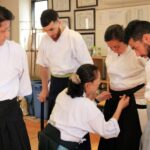
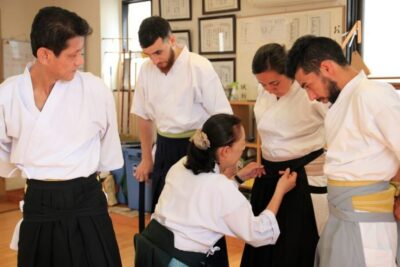
First, you meet at the dojo in Arakawa City (Higashinippori area), where the session begins and ends back at the same meeting point. Then you’ll get kendo gear on—this isn’t a quick costume moment. You put on the keikogi (jacket-like top) and hakama (skirt-like trousers) and then add protective equipment, including bogu armor.
Next comes instruction and demonstrations. The instructor you’ll work with is experienced and explains in English that’s meant to be easy to understand. The teaching style is hands-on, and you also get guide demonstration. Think: watch, then copy, then adjust. That keeps the learning curve realistic for a beginner.
After the basics, you practice practical kendo moves. This is where the class turns from “learning” into “doing.” You’ll work on hitting techniques with a bamboo sword (shinai-style practice weapon) and start building good form: timing, stance, and clean contact on the target area.
Then you move into the tournament-style combat game. You’re not doing full-on match rules for hours. It’s more like structured sparring rounds designed to test your basics quickly and safely. You’ll get the feel of facing an opponent while keeping the etiquette of the dojo in mind.
The tone stays fun but serious. Expect the class to be active, with a sense of energy that comes from practicing as a group while still getting individual coaching. Some people find it surprisingly motivating—enough that they start thinking about training back home.
How to Get to the Dojo in Arakawa Without Losing Time
You’ll make your own way to the dojo. The meeting address is:
誠道館ビル4 Chome-7 Higashinippori, Arakawa City, Tokyo 116-0014, Japan
The good news: it’s near public transportation. That means you’re not chained to a complicated route. You can plan your trip using the station area and then walk to the building.
Pickup is listed as offered, but hotel pickup and drop-off are not included. In practice, that usually means you should expect to meet at the agreed spot (or use any station pickup option if it’s confirmed). Your safest move is to check your confirmation details and plan as if you’re doing it yourself.
One more practical note: sessions run in morning or afternoon choices. One start time shown is 10:00 am. If you’re mapping your day, don’t schedule a tight train connection right after—two hours flies, and gear changes take a bit of time.
If you want to make it a half-day activity, the surrounding neighborhood can be easy to enjoy afterward, with a chance to mix in local sights and casual food stops.
The Kendo Skills and Etiquette You’ll Actually Understand
Kendo isn’t only about swinging a sword. It’s about control, respect, and disciplined practice. This experience gives you both the physical side and the cultural side.
On the etiquette and culture side, you’ll get instruction on the tradition behind the sport—often described as the path of the sword in Japan. That matters because kendo has a specific mindset: you don’t just “hit harder.” You hit correctly, with awareness of distance and safety, and you follow dojo behavior.
On the technique side, you’ll learn practical kendo moves. That includes basics of form and hitting techniques, so you can land strikes properly. You’ll likely get feedback on your accuracy—when your form matches what the instructor wants, it shows fast.
One thing I think makes this class especially good for beginners: the instructor explains in English that’s designed to land. Even if you know nothing about kendo, you can follow along and ask questions during coaching time.
And if you’re the type who’s watched kendo videos before, you might recognize the teaching style. The class feels consistent with what people expect from well-known kendo instruction—clear, patient, and focused on fundamentals rather than showy tricks.
Worth weighing up alongside this Tokyo pick:



One-on-One Coaching in a Small Group: Why It Doesn’t Feel Generic
With a maximum of 15 travelers, this doesn’t feel like a cattle-call activity. The class is structured so you can get individual attention from the instructor, including one-on-one coaching as described.
That’s a big deal. In combat sports, everyone learns at a different pace. Some people will pick up footwork quickly and want to push harder. Others need extra time on stance and target alignment. One-on-one time helps the instructor adjust your practice without turning the whole group wait-and-watch.
It also helps the instructor explain the same concept in a few ways. You might hear a technique explained, then see it demonstrated, then get coached while you try it. If you’ve ever tried learning something technical in a big group, you know how valuable that is.
The instructor associated with the dojo is often named Keshi in the context of this experience. There can also be another instructor or co-instructor assisting, which adds a second set of eyes for corrections and guidance.
Bogu Armor, Bamboo Sword Practice, and Fitness Tips That Matter
This is a physical activity. The sport requires strong stamina and mobility, and the protective gear isn’t lightweight. The kendo outfit fabric is warm and the armor adds weight. Even during a two-hour session, you’ll work up a sweat.
A couple practical things to do before you arrive:
- Wear athletic clothing you can move in easily.
- Drink water ahead of time so you’re not starting dehydrated.
- If you have knee issues, mention it right away so modifications are possible.
The experience includes bottled mineral water, and the session is paced to include hydration breaks. You’ll want to use that time and not treat it like a quick sip. Reset your breathing and hydrate so you can keep form during active drills.
Safety is built around protective equipment. You’ll be wearing armor (bogu) and using practice weapons made for training. Still, kendo is intense. Expect contact during sparring-style rounds and take the instructor’s feedback seriously. If you’re careful and follow directions, the class stays both active and fun.
Price and Value: Is $118.92 Worth It?
At $118.92 per person for about two hours, it’s not the cheapest way to spend time in Tokyo. But it’s also not expensive for what you get.
Here’s the value breakdown that matters:
- You’re paying for instruction from a professional guide/instructor, with English explanations.
- The price includes rental of kendo armor and equipment, so you don’t need to source gear.
- You get bottled mineral water and a Japanese hand towel.
What’s not included is also clear: there’s no hotel pickup/drop-off, and food/drinks aren’t included. Also, the listed price doesn’t include transportation between activities (so you’ll handle your own transit plan).
When I judge value for a short activity, I focus on the “hands-on factor.” This class has a high hands-on ratio. You’ll be dressed in real kendo gear, you’ll practice strikes, and you’ll get a tournament-style sparring round. That’s a better use of time than passive “see the samurai swords” sightseeing, especially if you’re the kind of traveler who likes learning a skill, not just taking photos.
And if you book soon, you also benefit from free cancellation up to 24 hours before the start time, so you can plan without feeling trapped.
Who Should Book This Kendo Experience (and Who Might Want to Skip It)
This tour is a great match if you want something authentic and active in Tokyo. It’s also a strong option for families with older kids since the minimum age is 9 years. That said, it’s still a workout. If you’re bringing kids, choose athletic kids and talk to them about the idea of wearing armor and practicing with a real training weapon.
It’s also a good fit if you:
- Want English instruction for kendo fundamentals
- Like hands-on experiences over museum-style stops
- Enjoy sports with clear rules and feedback
You might want to think twice if:
- You have mobility limitations that make protective-gear drills tough
- You’re looking for a relaxed, low-activity cultural show
If you do book and have limitations, be upfront with the instructor. The class is designed for all experience levels, but you’ll still need to follow safe movement guidance.
Should You Book This Tokyo 2-Hour Kendo Experience?
If you want a Tokyo activity where you leave with something real—new technique, new confidence with the gear, and a strong sense of dojo discipline—this is an easy yes.
Book it if you’re ready to work for your fun. Wear athletic clothes, hydrate, and give the instructor your full attention. You’ll get the best results by treating it like training, not like a novelty.
Skip it only if you’re hoping for a passive cultural experience or if your knees or mobility make active drills hard to manage. Otherwise, this is the kind of short, skill-based day that can genuinely refresh your whole trip.
FAQ
How long is the Kendo experience?
It lasts about 2 hours.
Where does the experience take place?
You’ll meet at 誠道館ビル4 Chome-7 Higashinippori, Arakawa City, Tokyo 116-0014, Japan, and the activity ends back at the same meeting point.
Is hotel pickup and drop-off included?
No. Hotel pickup and drop-off are not included, though pickup is listed as offered.
What’s included in the price?
Included are a professional guide/instructor, rental of kendo armor and equipment, bottled mineral water, and a Japanese hand towel.
What’s the minimum age?
The minimum age is 9 years.
Do I need prior Kendo experience?
No. All experience levels are welcome, and the instructor speaks English in an easy to understand way.
More 2-Hour Experiences in Tokyo

More Tour Reviews in Tokyo






The Way of the Sword, Continued
Fresh reviews from around Tokyo






Samurai & Ninja Experiences, compared.
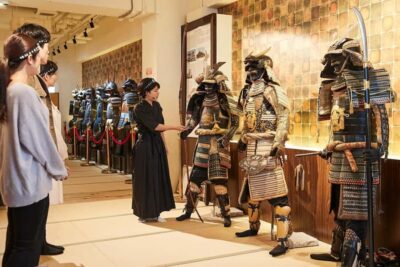 ★ 4.6Samurai Ninja Museum Guided tour and ExperienceFrom $271,010 reviews
 ★ 5.0Samurai Sword & Archery Class from Samurai DescendantFrom $193603 reviews
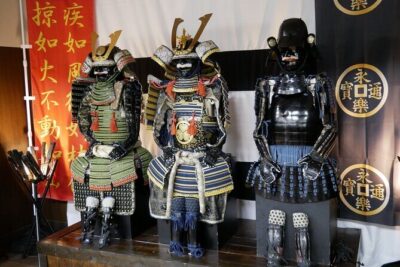 ★ 5.0Best Samurai Experience in TokyoFrom $65458 reviews
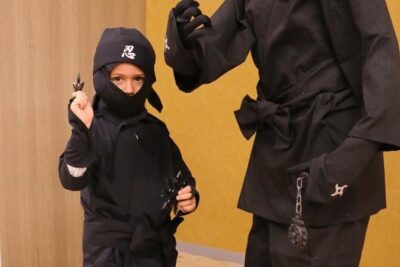 ★ 5.0Ninja Experience (Family Friendly) at Samurai Ninja Museum TOKYOFrom $47441 reviews
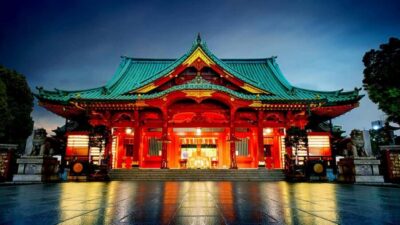 ★ 4.6Samurai Entertainment Night Show in Kanda ShrineFrom $41417 reviews
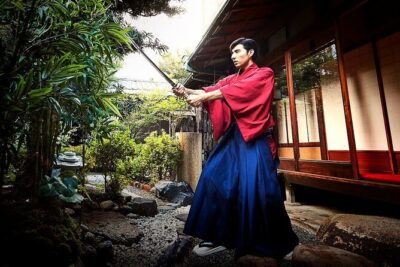 ★ 5.0Tokyo Sword Experience – includes Museum Ticket/Ninja ExperienceFrom $84314 reviews
 ★ 4.8Samurai Ninja Museum Asakusa: Samurai Sword Lesson & TourFrom $63306 reviews
 ★ 5.0Samurai Sword Experience (Family Friendly)at SAMURAI MUSEUM TOKYOFrom $65168 reviews
Browse the lists this tour appears in