
Sumo feels big in Tokyo. This tour makes it small and close—morning training at a working stable, not a stage show. I especially like the special access to an authentic training space and the chance to see how the wrestlers actually work day to day.
Two more things I like: the guide makes sumo understandable on the spot, and you get a chance for photos with sumo wrestlers. One thing to consider is that the session runs early (8:30 am), and during training you’ll be expected to stay very quiet.
In This Review
- Key Things to Know Before You Go
- Why a Sumo Morning Practice Feels More Real Than a Show
- Finding Kiyosumi-shirakawa and Starting at 8:30 am
- The 2-Hour Flow: What You’ll Do and What You’ll Actually See
- Quiet Training Etiquette You’ll Need to Follow
- Getting the Most From the Guide: Rules, Rituals, and Traditions
- The Photo Opportunity: How to Think About It
- Price and Value: Is $118.92 a Good Deal?
- Logistics That Make the Tour Feel Easier
- Who This Tour Suits Best (and Who Might Want Something Else)
- Tips to Make Your Visit Smoother
- Should You Book This Sumo Morning Practice Tour?
- FAQ
- What time does the tour start?
- How long is the experience?
- Where is the meeting point?
- What is the tour duration spent observing training?
- Is there a mobile ticket?
- Is the meeting point near public transportation?
- Can I take photos during the tour?
- Will the guide explain sumo rules and traditions?
- How big is the group?
- What is the cancellation policy?
Key Things to Know Before You Go
- Real stable access for a close look at morning practice
- Photo time with sumo wrestlers, guided by the experience team
- Sumo rules explained as you watch (so you’re not guessing)
- Quiet training atmosphere, since talking isn’t allowed during practice
- Small-group feel with a maximum of 50 people
More chances to sit ringside
- Tokyo: Sumo Show and Dining Experience★ 4.8 · 2,742 reviews
- the SUMO show★ 5.0 · 1,960 reviews
- Tokyo Shinjuku Sumo Show & Experience with Photo★ 5.0 · 1,750 reviews
Why a Sumo Morning Practice Feels More Real Than a Show
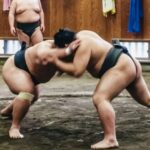
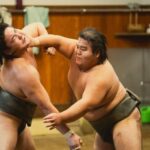
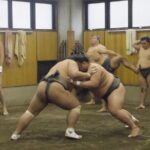
If you love sumo, you’ll probably notice the difference fast. A performance is built for spectators. Morning practice is built for training, reps, and routine, which means you get something closer to how the sport really works.
The value here is that you’re not just watching action—you’re getting context. The guide explains rules, rituals, and traditions as you go, so what looks like chaos at first starts to make sense. You’ll also get to see the wrestlers as athletes in a training mindset, not performers hitting moments on cue.
Also, this is set up as a stable visit, not a quick photo stop. That matters because sumo culture lives in daily habits: how people move, how practice flows, and how everyone keeps order in a tight space.
Finding Kiyosumi-shirakawa and Starting at 8:30 am
The tour meets at Kiyosumi-shirakawa Station area: 1-chōme-6-13 Shirakawa, Koto City, Tokyo 135-0021. The start time is 8:30 am, and the experience wraps back at the meeting point.
That early start is part of the point. You’re seeing practice while the day is still calm, and it fits the whole idea of watching a normal stable morning rather than a later event. If you’re visiting Tokyo on a packed schedule, put this one first thing in the day so you’re not rushed.
It’s also near public transportation, so you shouldn’t need a complicated plan. Still, I’d give yourself buffer time and let your phone map you to the exact address. Early tours can be unforgiving if you drift a few blocks.
The 2-Hour Flow: What You’ll Do and What You’ll Actually See
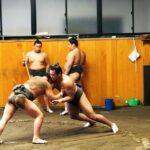
The experience is about 2 hours total, with around 1 hour 30 minutes spent observing training. During that window, you’re there to watch how the practice runs inside an active sumo stable.
Here’s what makes that stretch satisfying for visitors. It’s long enough to notice patterns—how the wrestlers transition between drills and how the stable’s routine shapes the session. It also gives the guide time to translate what you’re seeing into plain language.
One practical note: expect a more controlled environment. This is not a walking-around city tour where you can chat freely the entire time. The training portion is meant to be respected, and that leads into the next important point.
Quiet Training Etiquette You’ll Need to Follow
During the practice session, you should plan on quiet time. One of the clearest lessons from how this tour runs is that no one is allowed to speak during training. That changes the vibe in a good way: you become a careful observer, not a noisy audience.
If you’re the type who asks lots of questions in the moment, you’ll need to shift your timing. A guide may collect questions and answer them in a way that doesn’t disrupt the stable (one guide, Mao, has used a WhatsApp group for questions). Even if your guide uses a different approach, the principle is the same: ask, then listen.
This is also why the guide’s presence matters so much. When you can’t talk during the action, you rely on the guide to explain the rules and rituals in advance or between key parts of the training.
Worth weighing up alongside this Tokyo pick:
Getting the Most From the Guide: Rules, Rituals, and Traditions
A sumo morning can look simple from far away and confusing up close. You might see wrestlers working intensely, but not know what you’re watching or why it’s done that way.
That’s where the commentary turns the visit into something you’ll remember. The guide explains sumo rules and the rituals and traditions you’ll notice during practice. So you can read the session instead of just staring at bodies colliding.
Guides for this tour may include people like Tomo or Mao. The common thread is that they’ll answer questions and guide you through what matters so you’re not stuck doing your own research while standing in a stable.
If you’re new to sumo, this is especially helpful. If you already know some basics, you’ll still likely pick up stable-life details you don’t get from event coverage or highlight clips.
The Photo Opportunity: How to Think About It
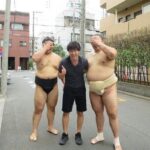
One of the most appealing parts is the chance to take photos with sumo wrestlers. That’s not just a fun extra—it’s tied to why this experience works better than general sightseeing.
A photo opportunity at a stable often comes with a “follow the moment” feel. You’ll likely be instructed when it’s appropriate, and you’ll want to keep your phone ready without turning it into a distraction machine.
My advice: treat photo time like part of the etiquette. Aim for a few good photos and then go back to watching practice. You’ll enjoy the training more when you’re not constantly switching into “event mode.”
Price and Value: Is $118.92 a Good Deal?
At $118.92 per person, this isn’t the cheapest thing you can book in Tokyo. But it’s also not just a ticket to see people train. You’re paying for a combination of three things:
- Access to an authentic morning training setting
- Guided interpretation of what you’re seeing (rules, rituals, traditions)
- A structured photo opportunity tied to the experience
For many people, the biggest value is the interpretation. Without it, you can watch sumo practice and still miss why certain actions matter. With it, the session becomes more than a spectacle—it becomes understandable.
You’re also in a group capped at 50 people, which typically helps keep the visit from feeling like a mass shuffle through someone’s workplace. You’ll still be in a group setting, but the format is meant to keep you oriented and calm.
Logistics That Make the Tour Feel Easier
This experience uses a mobile ticket, which is exactly what you want for a morning activity in Tokyo. Less paper. Less scrambling. You can focus on getting to the meeting point and being ready when the session starts.
The tour also ends back at the meeting point. That sounds minor, but it reduces stress. After a short morning experience, you can plan your next stop without guessing how far you’ll be from transit.
The group size cap (maximum 50 travelers) matters too. Big tours can feel loud even when you’re not supposed to talk. Here, because the training portion is quiet, the group size helps keep the atmosphere controlled.
Who This Tour Suits Best (and Who Might Want Something Else)
This tour is a great match if you:
- Love sumo and want to see training, not a performance
- Want a guide to explain what’s happening instead of guessing
- Prefer smaller, early-morning cultural experiences over late-day crowds
- Care about getting close-up photos but still want the visit to feel respectful
It’s less ideal if you:
- Need lots of time for wandering and chatting during the whole experience (the training portion is quiet)
- Are strongly sensitive to early starts
- Want a long, multi-stop day trip feel instead of a focused, 2-hour stable visit
If you’re traveling with kids who can follow instructions, this can work well, especially if you set expectations before you go about staying quiet during practice.
Tips to Make Your Visit Smoother
A few practical choices will make this go smoothly:
- Arrive early so you’re not tense at 8:30 am.
- Bring a fully charged phone/camera for the photo opportunity.
- Wear comfortable shoes. You’ll be standing and watching for a while.
- Plan mentally for quiet time during training. Save questions for when your guide is speaking.
If you’re the type who loves structure, you’ll probably appreciate how this tour stays focused: meet, walk in, observe training, get guided explanations, and return.
Should You Book This Sumo Morning Practice Tour?
I’d book it if you want a genuine close-up look at sumo life and you like understanding what you’re seeing. The combination of real stable access, a guide who explains the rules and rituals, and the chance to take photos makes it a strong value for sumo fans.
Skip it if you’re looking for a loud, interactive sightseeing day. This is a training environment with rules, and it rewards visitors who can be calm and attentive.
If your goal is to learn sumo beyond highlights, this morning practice tour is one of the most direct ways to do it.
FAQ
What time does the tour start?
The tour starts at 8:30 am.
How long is the experience?
The duration is about 2 hours (approximately).
Where is the meeting point?
You’ll meet at Kiyosumi-shirakawa Sta. 1-chōme-6-13 Shirakawa, Koto City, Tokyo 135-0021, Japan.
What is the tour duration spent observing training?
You’ll spend about 1 hour 30 minutes observing the training session.
Is there a mobile ticket?
Yes, the tour includes a mobile ticket.
Is the meeting point near public transportation?
Yes, the meeting point is near public transportation.
Can I take photos during the tour?
Yes, there is an opportunity to take photos with sumo wrestlers.
Will the guide explain sumo rules and traditions?
Yes. The guide explains sumo rules, rituals, and traditions as part of the experience.
How big is the group?
The experience has a maximum of 50 travelers.
What is the cancellation policy?
You can cancel for free up to 24 hours in advance for a full refund. If you cancel less than 24 hours before the start time, the amount paid is not refunded.
More Tours in Tokyo





More Tour Reviews in Tokyo




More Mornings with the Wrestlers

Fresh reviews from around Tokyo






Sumo Shows, compared.
 ★ 4.8Sumo Show Experience with Chicken Hot Pot and a PhotoFrom $1036,678 reviews
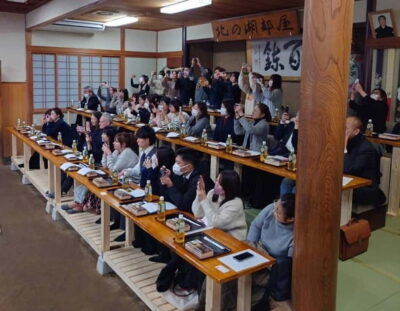 ★ 4.8Sumo Show and Dining ExperienceFrom $792,742 reviews
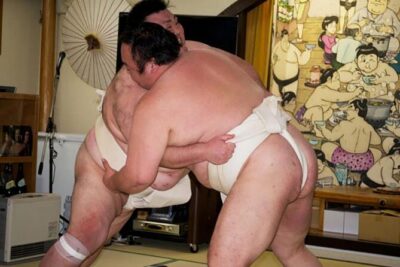 ★ 5.0the SUMO showFrom $891,960 reviews
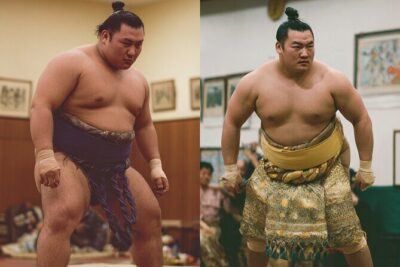 ★ 5.0Tokyo Shinjuku Sumo Show & Experience with PhotoFrom $791,750 reviews
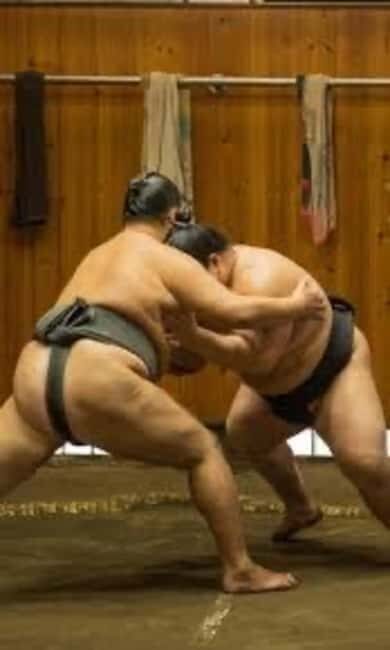 ★ 4.8Sumo Show and Experience in ShinjukuFrom $691,001 reviews
 ★ 5.0Authentic Sumo Experience in Tokyo: Enter the SanctuaryFrom $171603 reviews
 ★ 4.8Tokyo Sumo Experience: Chanko & Mochi with a Former ProFrom $103567 reviews
 ★ 5.0Ultimate Sumo Tournament: Tokyo, Osaka, Nagoya, FukuokaFrom $184468 reviews
Browse the lists this tour appears in