
Reviewed · HALF-DAY
Half-day Tokyo Morning Tour by Hato Bus
Waking up to Tokyo Tower views in the morning is a win. This Hato Bus half-day is a smart way to hit big landmarks fast, with a professional English guide and bus rides that save you from rail hops and transfer stress. I like how it mixes skyline views with old Tokyo culture, including the Senso-ji stop and the shopping-energy of Nakamise Street. I also like that the Tokyo Tower ticket is already included for the main observatory. The main drawback is the pace: you get short visits and quick photo moments, so it is not the right fit if you want slow, deep wandering.
You start and finish at Tokyo Station, which makes the timing practical—perfect for a layover or for adding one more activity after. Just be ready for a morning that feels efficient rather than leisurely, and keep an eye on sound outside the bus if your guide uses no microphone at times.
In This Review
- Key points to know before you go
- Why a 4-hour morning tour beats figuring everything out
- Meeting at Tokyo Station and the hybrid bus reality
- Imperial Palace area: what you see, what you do not
- Tokyo Tower main deck: 360-degree views at 150 meters
- Asakusa and Senso-ji: the real culture-heavy hour
- Pacing, sound, and how the morning can feel
- Price and value: what you pay for, what you get
- Who this tour suits best
- Practical tips to make your morning smoother
- Should you book this Half-Day Tokyo Morning Tour by Hato Bus?
- FAQ
- How long is the Half-Day Tokyo Morning Tour by Hato Bus?
- Where does the tour start and end?
- Is a Tokyo Tower ticket included?
- How much time do you spend at each main stop?
- Do you get into the Imperial Palace?
- Are tickets for Senso-ji included?
- Is food included in the tour price?
- Is there an English guide?
- What if Tokyo Tower weather or visibility is poor?
- What is the cancellation policy?
Key points to know before you go
- Tokyo Tower at 150 meters is included, so you do not have to calculate the ticket cost on the fly
- Imperial Palace is mainly a view/photo stop, not a long interior visit
- Asakusa and Senso-ji are the time-heavy part, with about an hour plus Nakamise Street browsing
- Meet at Tokyo Station, then drop off at Tokyo Station near the Marunouchi South Exit
- A hybrid bus may shut off heat/AC while waiting, so dress for the season
- Group size is capped at 40, which helps keep the tour organized
Worth weighing up alongside this Tokyo pick:
- Tokyo: Sumo Morning Training Visit★ 4.4 · 370 reviews
- Tokyo: Sumo Morning Practice Tour at Sumida City★ 4.8 · 308 reviews
- Tokyo Sumo Morning Practice Tour at Stable★ 5.0 · 298 reviews
Why a 4-hour morning tour beats figuring everything out
Tokyo can feel like two cities at once: mega-fast highways of neighborhoods, and then suddenly you are in a quiet lane with a temple bell and incense smoke. This tour is built for the first kind of day—when you want the headlines and not the logistical headache.
The big value is compression. In about four hours, you stack three of Tokyo’s most recognizable stops: Tokyo Tower, Imperial Palace area, and Senso-ji/Asakusa. You also get bus time to watch Tokyo roll by, which helps you start learning the city’s geography instead of only seeing one district at a time.
This is not a “stay all day” format. It is a “get oriented fast” format. If you are the type who likes to return later to the best neighborhoods with more time, this works especially well.
Meeting at Tokyo Station and the hybrid bus reality
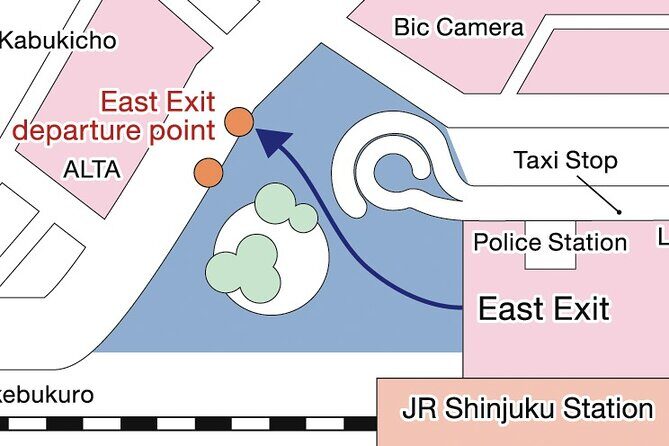
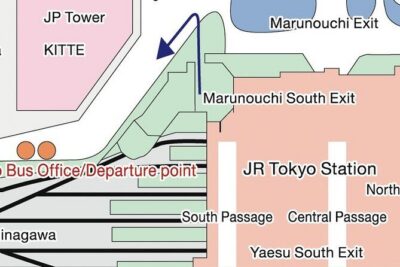
You meet in central Tokyo at Tokyo Station (1 Chome-9 Marunouchi, Chiyoda City). The tour ends back at Tokyo Station, near the Marunouchi South Exit around 1:00 PM, so you are not stuck at the far end of town.
Because this is a group tour, the morning depends on getting everyone together smoothly. One caution from the experience: directions to the meeting place can be confusing. My practical advice is simple—give yourself buffer time, and use your phone navigation to identify the exact station area first, then locate the group.
On the bus, you ride in comfort, and the vehicle is described as an environment-friendly hybrid bus. One operational detail matters for comfort: the bus may turn off its engine and cooling/heating while waiting. If you are touring in a hot summer or cold winter, dress like you might spend a bit of time standing around at stops.
Imperial Palace area: what you see, what you do not
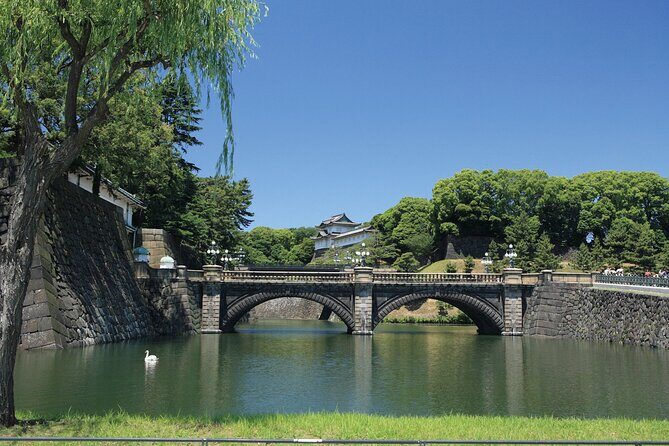
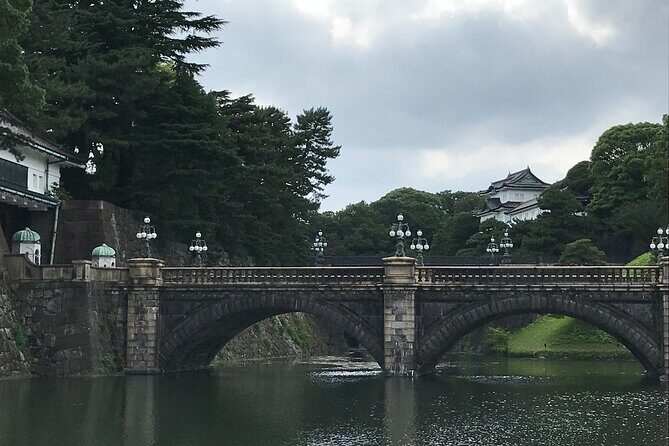
The Imperial Palace stop is about 40 minutes, and ticket costs are listed as free. The emphasis here is the exterior views and the classic landmarks you recognize instantly—like Nijubashi Bridge, often treated as the face of the palace area.
Important detail: this tour is not about entering palace grounds. Even on a guided run, you should expect mostly a walk around the outside viewpoints. So if your mental picture is a full palace tour with interior halls, adjust expectations now.
Why this photo stop is worth it anyway:
- It gives you an official, symbolic Tokyo contrast to the commercial city you just rode through
- You get a clean overview point where Tokyo’s government-center sits in Western-style architecture
- It helps you understand why the area is treated with such formality
If you want more than a quick look, plan to return later on your own when the palace grounds are open. The tour data notes that the grounds are not generally open, and access is limited to specific times of the year.
Tokyo Tower main deck: 360-degree views at 150 meters
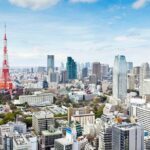
If you came to Tokyo for one “wow” skyline view, this stop is the one. You spend about 40 minutes at Tokyo Tower, and the main observatory admission (150 m) is included.
At this height, you get a true sense of scale: Tokyo’s sprawl, its dense grid of streets, and the mix of modern towers and older neighborhoods. The key point is that you get to see the city from the top without paying an extra ticket up front for the basic level.
Optional add-on exists. The tour explicitly notes that the special observatory (250 m) is not included. If you want the higher deck, you must pay the extra fee at the location.
One fun extra detail from the experience: on a clear day, visibility can be excellent, and people have reported seeing Mount Fuji from Tokyo Tower. You cannot count on that every day, but it is worth knowing the viewing conditions can be stunning.
Worth weighing up alongside this Tokyo pick:


Asakusa and Senso-ji: the real culture-heavy hour
This is where the tour slows down just enough to feel like you stepped into old Tokyo.
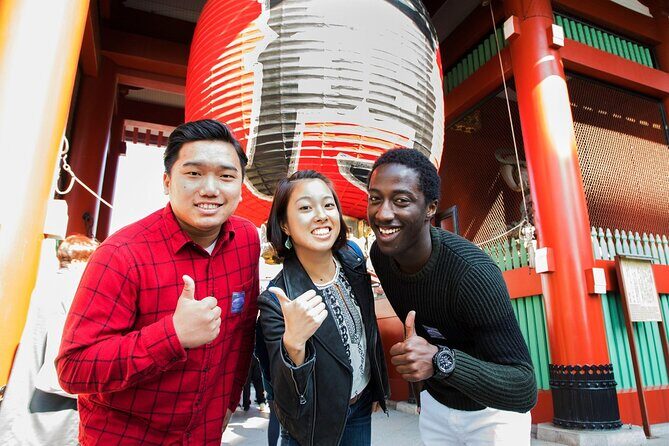
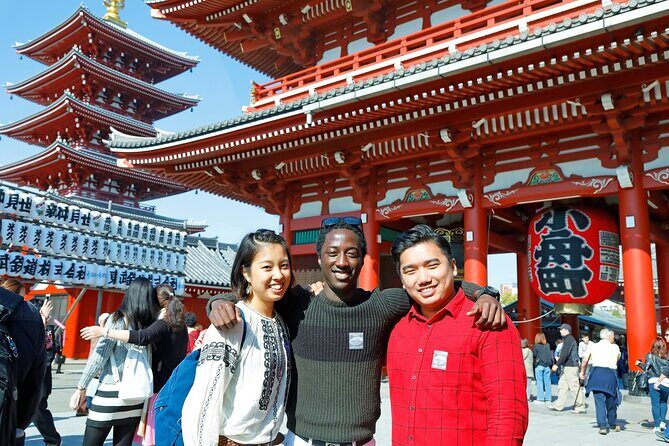
You visit Senso-ji Temple (Asakusa Kannon), which the tour describes as Tokyo’s oldest Buddhist sanctuary. The highlight is Kaminarimon Gate (the bright red Thunder Gate), plus the temple’s major sights like the five-story pagoda area and the statue linked with thunder.
Then you roll into the shopping streets—Nakamise Street—a classic lane lined with stalls where you can browse traditional souvenirs and snacks. The tour timing here is about 1 hour, and that hour usually feels packed because the temple area plus the market streets naturally pulls you in different directions.
This stop is a good example of why a tour can be worth it even when you do not need bus transport. If you do Asakusa alone, you still need to decide what to see first. Here, the guide effectively helps you focus your attention so your short time does not feel wasted.
Practical note: Senso-ji and Nakamise can be crowded. Expect lines and shoulder-to-shoulder moments. If you are hoping for a quiet, slow visit, this may not be the daydream version of the temple—but it is still the real one, and that is the point.
Pacing, sound, and how the morning can feel
This tour is fast-paced by design, and the structure reflects that: short time slots at each stop, constant movement, and bus transitions between neighborhoods.
A few details from the experience that help you plan your expectations:
- The order of stops can shift due to road conditions or other factors
- Traffic can delay arrival times, depending on the day and season
- Near the Imperial Palace, entry or traffic restrictions can cause suspended operation or difficulty departing from the designated location
Also, one recurring comfort issue in the experience is that microphone use may not always happen outside the bus. The guide’s English can be strong, but if there’s no microphone, you may need to stand closer to hear. If you are hard of hearing or you prefer a quieter learning style, position yourself accordingly during each brief walk.
Finally, do not judge Tokyo by this tour alone. If you feel like you only scratched the surface, that is normal. This is an orientation hit, not a full museum day.
Price and value: what you pay for, what you get
At $41.61 per person for about four hours, the cost is mainly for three things: guided time, organized logistics, and Tokyo Tower ticket inclusion for the main observatory.
Here is how to think about it:
- Tokyo Tower admission is not free if you buy it on your own. Including the main deck makes the pricing feel more balanced.
- The Imperial Palace area stop gives you a structured photo viewpoint without you needing to plan how to get there efficiently.
- The Asakusa portion is the payoff hour. One hour is short, but it is also enough to see the major temple landmarks and spend time on Nakamise Street.
What is not included matters:
- Food and drinks
- Tokyo Tower special observatory (250 m)
- Any extras beyond listed inclusions
Is it a bargain? If you are the kind of traveler who hates figuring out routes on an unfamiliar morning, it can be. If you are already confident using trains and you want to linger, you might find it less cost-efficient. Either way, it is priced like a time-saving “best-of in one run” product.
Who this tour suits best
This tour is a strong match for you if:
- You have a short morning window and want a high hit-rate itinerary
- You are new to Tokyo and want a guide to help you understand what you are seeing
- You care about getting skyline views at Tokyo Tower without extra planning
- You like the idea of returning later to the neighborhoods you liked best
It is less ideal if:
- You want long, slow visits where you can sit and linger
- You expect the Imperial Palace to be entered deeply (this one is mostly a viewing/photo approach)
- You dislike group pacing or you get irritated when you cannot control timing
One more thought: the tour group size is capped at 40, which usually helps the experience feel orderly. If you are sensitive to crowd energy, Asakusa will still feel like a crowd day.
Practical tips to make your morning smoother
A great tour still needs smart prep. Here are the details that can make the difference between smooth and stressful:
- Arrive early at Tokyo Station. The meeting area can be confusing, and being on time keeps the whole day flowing.
- Wear walking shoes. Even short palace-area walks add up, and Asakusa is all uneven terrain and crowd flow.
- Bring cash or a card for snacks. The Nakamise Street portion is about browsing and buying small treats, but meals are not included.
- Decide in advance about the Tokyo Tower special deck. The main deck is included; the 250 m deck costs extra at the location.
- Watch the sound. If you have trouble hearing, choose a spot where you can see the guide and listen well, especially during off-bus segments.
- Plan for the weather. The hybrid bus may turn off heating/AC while waiting, so you might feel it more than you expect.
Should you book this Half-Day Tokyo Morning Tour by Hato Bus?
Book it if you want a practical, guided sampler that gets you to three headline places—Tokyo Tower, the Imperial Palace area, and Senso-ji/Asakusa—without spending your morning wrestling with transit.
Skip or consider an alternative if you crave long time in fewer places. This tour moves fast, and the Imperial Palace portion especially is more about views than immersion. Also, if you are very sensitive to sound or you hate group pacing, it may frustrate you.
My bottom line: if you only have one Tokyo morning, or you are on a tight schedule before an afternoon plan, this is a solid way to get oriented fast and come away with clear targets for where you want to return next.
FAQ
How long is the Half-Day Tokyo Morning Tour by Hato Bus?
The tour runs for about 4 hours.
Where does the tour start and end?
It starts at Tokyo Station (1 Chome-9 Marunouchi, Chiyoda City) and ends near the Marunouchi South Exit at Tokyo Station around 1:00 PM.
Is a Tokyo Tower ticket included?
Yes. The tour includes admission to the Tokyo Tower Main Observatory at 150 m. The Special Observatory at 250 m is not included.
How much time do you spend at each main stop?
Imperial Palace area is about 40 minutes, Tokyo Tower is about 40 minutes, and Senso-ji Temple is about 1 hour.
Do you get into the Imperial Palace?
You have time for a brief photo opportunity in front of the Imperial Palace area. The tour notes you are mainly walking/viewing around the palace area, not entering extensively.
Are tickets for Senso-ji included?
Senso-ji Temple admission is listed as free.
Is food included in the tour price?
No. Food and drinks are not included.
Is there an English guide?
Yes. The tour includes a professional English guide.
What if Tokyo Tower weather or visibility is poor?
The tour still provides access to the main observatory (150 m). Visibility can vary day to day, and special views like Mount Fuji depend on conditions.
What is the cancellation policy?
You can cancel up to 24 hours in advance for a full refund. If you cancel less than 24 hours before the start time, the amount paid is not refunded.
More Morning in Tokyo





More Tours in Tokyo




More Tour Reviews in Tokyo




Fresh reviews from around Tokyo






Half-Day, compared.
 ★ 4.0Half-day Tokyo Afternoon Tour by Hato BusFrom $41269 reviews
 ★ 5.0Tokyo Private Half-Day Tour with a Local – Secrets & HighlightsFrom $14353 reviews
 ★ 5.0Private Hakone Half-day Car Tour with Hotel Pickup – Local GuideFrom $27748 reviews
 ★ 5.0Private Fuji Half-day Car Tour with Hotel Pickup and Local GuideFrom $34120 reviews
 ★ 5.0Half-Day Local Tokyo Tour in Adachi Market and ShibamataFrom $9116 reviews
 ★ 4.5Private Tokyo Custom Half-Day Tour by Chartered VehicleFrom $84913 reviews
 ★ 5.0Kamakura Private & Customized Half-Day Tour with Local GuideFrom $8511 reviews
 ★ 3.0Half-Day Morning Small Group TourFrom $598 reviews
Browse the lists this tour appears in