
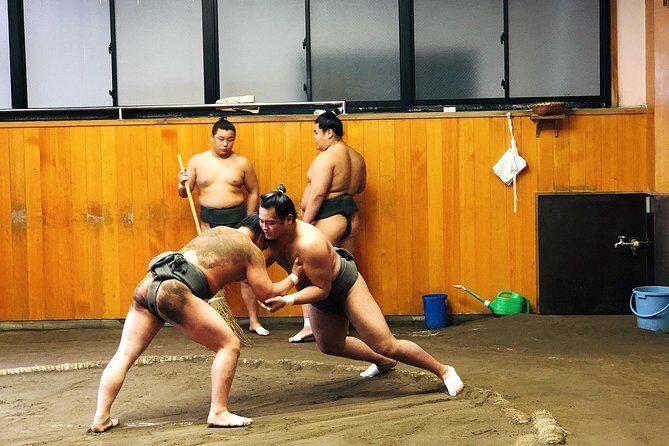
Reviewed · SUMO SHOWS
Watch Sumo Morning Practice at Stable in Tokyo
Sumo is not a show. It’s work.
Watching a stable morning practice in Tokyo is interesting because you see the training rhythm up close, from first stretches to serious sparring in the dohyo. I like the intimate small-group feel (up to 10) and the fact that the tour includes the stable entrance plus a photo moment at the end. One thing to weigh: you’ll be sitting on the floor for a long time, and the timing can be shorter during tournament season.
You also avoid the hassle of hunting down a proper meeting spot, since there’s a prearranged meetup and the practice start window is an easy morning slot. The good news is you don’t need to be a sumo expert to enjoy it. Just come ready to sit, watch, and follow the strict etiquette.
In This Review
- Key Points to Know Before You Go
- A Calm, Serious Morning at a Tokyo Sumo Stable
- Ryogoku Kokugikan and the Schedule That Drives Everything
- Your 60 to 90 Minutes of Training to Watch
- The Rules of the Dohyo: Silence, Shoes, and Photos
- Seats and Comfort: Front Row Is Worth It, Chairs Are Complicated
- Getting There in Tokyo: Taxi vs Rail, and Why Address Text Matters
- Price, Value, and What Is Included
- Who This Tour Fits Best (and Who Should Pass)
- Should You Book This Sumo Morning Practice?
- FAQ
- What time does the sumo morning practice run?
- How long is the practice usually?
- Where does the tour start and end?
- Is food included?
- Is there a minimum age?
- Do I need to sit on the floor the whole time?
- Are cameras allowed?
- What is the cancellation policy for a full refund?
Key Points to Know Before You Go
- You’re there to observe, not participate: the tone is quiet and the rules are real.
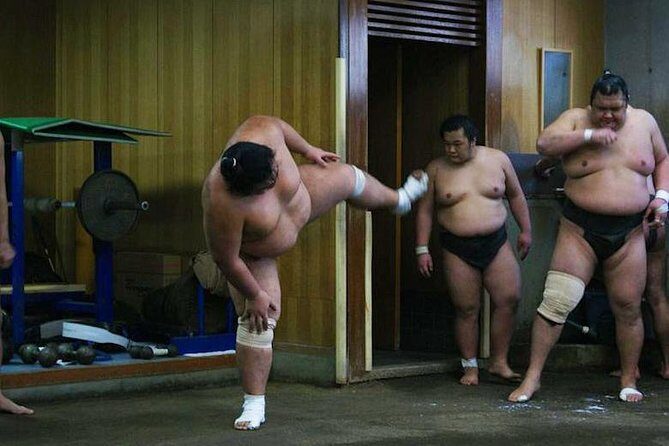
- Expect real training stages: warm-ups, building intensity, then sparring.
- Seats matter: front rows are easier to see; chairs may be limited and can affect your view.
- Timing shifts: the stable’s schedule controls how long you watch.
- Photos are included at the end: plan to stay until the closing photo moment.
- Comfort is the main trade-off: floor seating can be hard on knees and backs.
More chances to sit ringside
- Tokyo: Sumo Show and Dining Experience★ 4.8 · 2,742 reviews
- the SUMO show★ 5.0 · 1,960 reviews
- Tokyo Shinjuku Sumo Show & Experience with Photo★ 5.0 · 1,750 reviews
A Calm, Serious Morning at a Tokyo Sumo Stable
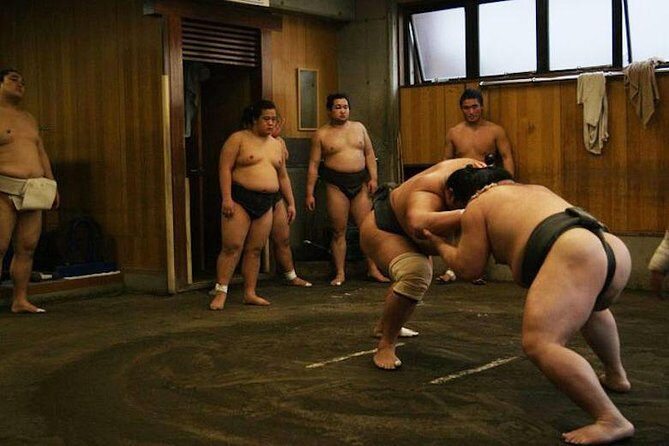
This is one of those Tokyo experiences that feels old-school in the best way. Instead of a staged performance, you’re watching athletes preparing for their day the way they always do: warm-up, technique, then higher intensity work. The atmosphere is usually hushed. When you step into the stable area, it clicks fast that this is tradition plus discipline, not entertainment for the crowd.
I love that you get a window into sumo culture that most visitors never see. You’re near enough to appreciate scale, stance, and the physical force of training. And because the group stays small, it’s easier to keep your spot and follow the flow without bumping into other people every minute.
The day starts early. That’s part of the magic and part of the challenge. If you prefer late mornings and lots of strolling, this one might feel like a wake-up call. But if you want a Tokyo morning that feels specific, not generic, this fits.
Ryogoku Kokugikan and the Schedule That Drives Everything
The practice you watch is tied to the stable schedule near the Ryogoku area. Ryogoku Kokugikan is listed as the stop, and that matters because it places you in Tokyo’s sumo zone rather than somewhere random. The tour also runs only during certain date windows in the year, with morning hours typically 8:00 AM to 10:00 AM for the stated periods.
Here’s what you really need to understand: your viewing time depends on whether it’s a tournament month and what the stable has planned. The normal practice window is about 60 to 90 minutes, but during sumo tournament season in January, May, and September (roughly mid-month to around the 25th), practice can be 30 to 40 minutes while the price stays the same.
That timing unpredictability is normal for sumo. The stable is not a museum. If you try to plan this around another strict appointment later in the day, you’ll feel stress. If you treat it like your morning anchor, you’ll have a calmer experience.
One more schedule note: confirmation happens within about 48 hours of booking, but the stable can only be confirmed about a week ahead depending on their availability. Also, date changes aren’t allowed within 3 days of the experience, and if something like a flight delay or illness forces you to change late, it can be treated as cancellation.
Your 60 to 90 Minutes of Training to Watch
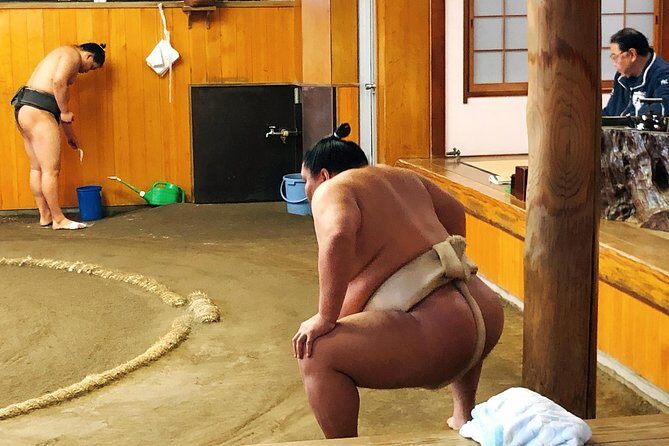
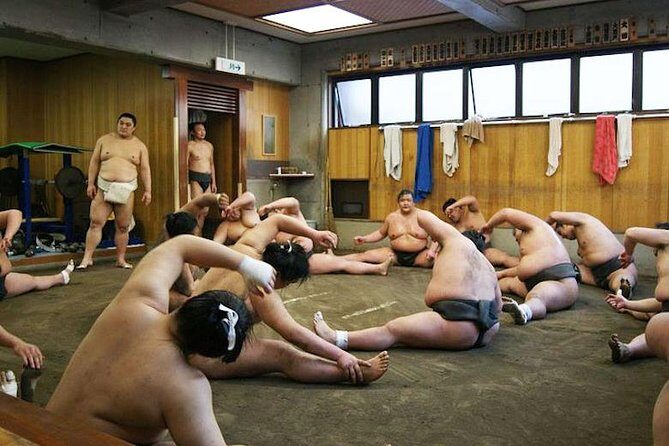
Your tour experience is centered on watching the morning practice itself. After you meet your group at the prearranged meeting point, you head inside the stable and settle in. Then you watch the wrestlers train with a steady progression.
The training isn’t random. You’ll typically see:
- Stretching and warm-ups that look slow at first but get increasingly purposeful.
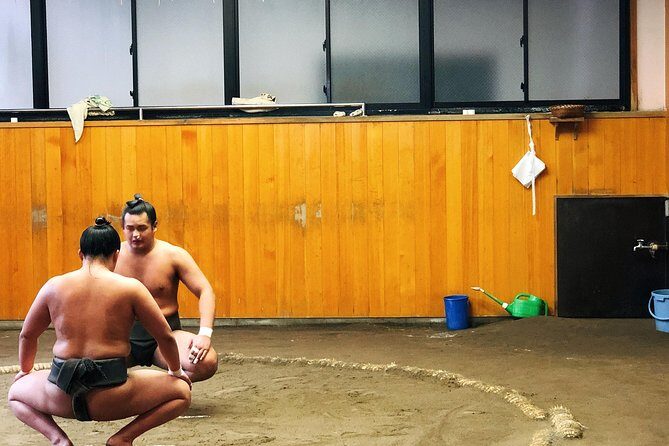
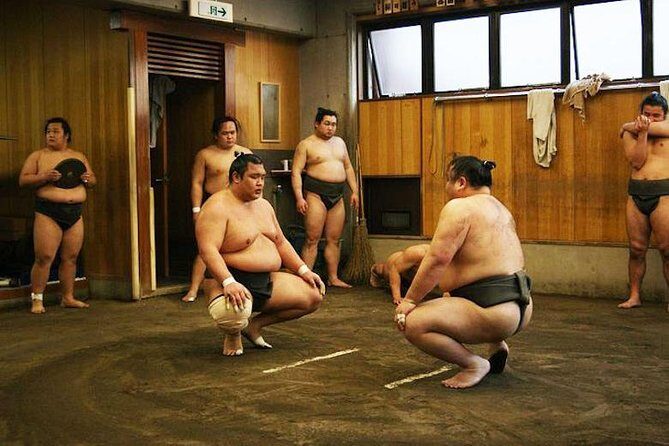
- Technique work in the ring area (dohyo), with serious focus on footwork, balance, and timing.
- Partner work and sparring when the session ramps up, where you can feel the impact through the pace and intensity.
What surprised people most is how much of the practice is about preparation and control. Warm-up doesn’t feel like filler. It feels like the first chapter of a serious routine. Then, when sparring begins, the contrast is huge. The wrestlers go from controlled movements to real contact and high force, and you understand why sumo is so demanding.
Also, expect the session to move like a team rhythm, not a scripted agenda for spectators. If you want commentary like a sports broadcast, you may or may not get much. Some groups have had a guide for discussion and history. Other times, you might be met by someone who simply opens the door and helps with the basics. So if you love explanations, consider doing a little reading ahead so the hierarchy and roles make sense as you watch.
If you’re curious about sumo background, it helps to learn the basics of rank and how wrestlers move through training. That way you notice what matters in the room, instead of only noticing size and strength.
The Rules of the Dohyo: Silence, Shoes, and Photos
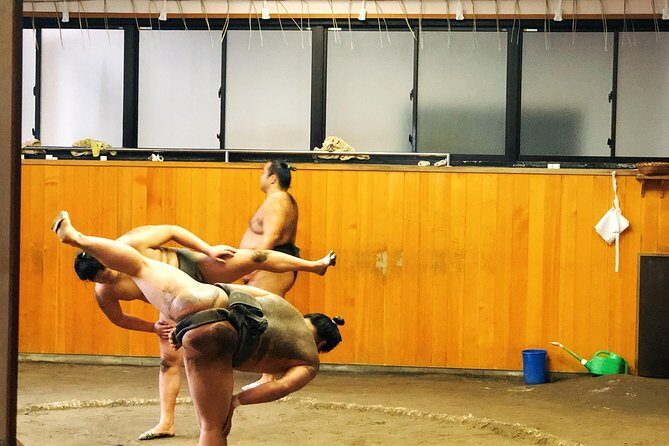
The stable etiquette is part of the experience, even if it’s not the headline. You’ll be seated on the floor and asked to keep your behavior low-impact. The main rules are simple and strict: no loud talking, no eating, and no disruptive camera use like bright flashes or intrusive sound.
This is why the morning feels different from a museum tour. You’re not hearing narration over a crowd. You’re learning by watching and listening less. That silence can be relaxing, or it can be boring if you expected movement constantly. Most people find it grows on them because the wrestlers are impressive in their focus.
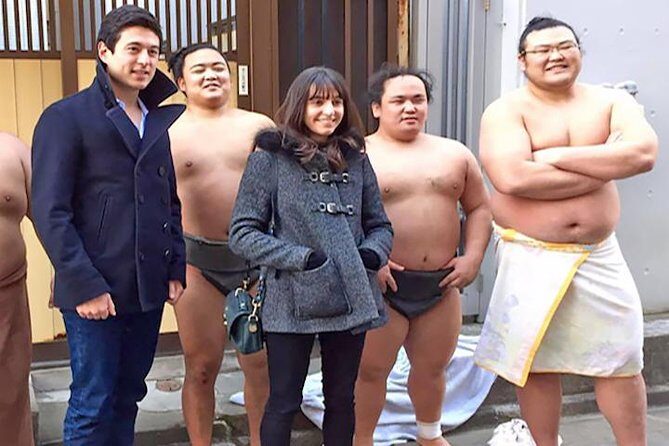
Camera-wise, you get a practical balance. You’ll likely have time for photos at the end, and the tour includes photos with the wrestlers at that closing moment. That means you don’t need to fight for perfect shots during the most intense training parts. Just keep your camera respectful and quiet when you’re allowed to use it.
And yes, it’s a serious environment. That’s the point. You’re there for athletes preparing and practicing, not for you to perform your travel experience.
Worth weighing up alongside this Tokyo pick:
Seats and Comfort: Front Row Is Worth It, Chairs Are Complicated
Let’s talk comfort honestly. Your body needs to cooperate.
You should plan for long sitting periods on the floor. Even when there are chairs available on request, the floor seating is the norm. Some people find the seating painful because the tatami can feel thin on top of a harder surface, especially if you’re sitting for nearly two hours.
There are a couple of real-world tips that help:
- Arrive early for better placement. Front-row seats tend to be easier to see, and you’ll spend less time craning and slipping sideways.
- If you have back or mobility issues, request a chair or stool in advance. One important trade-off: reviews mention that chairs can limit your view depending on where they place you.
- Avoid the seating zone where a coach or prominent person might block your line of sight. If you end up behind someone large and close, your view can be frustrating for a lot of the session.
This is the main drawback for the whole tour. If you hate floor seating, you might not enjoy the full hour-plus. If you can handle sitting quietly and you bring a calm mindset, the payoff is big.
Getting There in Tokyo: Taxi vs Rail, and Why Address Text Matters
Ryogoku sumo-area access is doable, but you should respect the location. The tour experience may feel far depending on where you start your morning.
A helpful practical tip: taking a taxi from Asakusa Station is often the easiest option, and one person quoted about $10 Australian for the ride. Public transport can work too, but the walk can be long and tricky to coordinate at an early hour.
Also, have the venue address in Japanese. Some taxi drivers can’t read English street names. That single step can save you time and awkwardness.
The tour itself is designed to reduce stress once you’re at the meeting point. You don’t have to navigate on your own to the stable door. But you do need to get yourself to the right neighborhood and arrive with time to settle in.
If the day feels tight, don’t schedule another event immediately afterward. You’ll likely want a buffer because the practice can run shorter or longer depending on stable timing, tournament season changes, and even how the session progresses.
Price, Value, and What Is Included
This experience costs $95.77 per person, and it’s a morning session booked on average around 62 days ahead. The duration is listed as around 1 hour, but in reality you should think 60 to 90 minutes, depending on the stable and any tournament timing.
So is it worth it? For me, the value comes from access and authenticity:
- You get an entrance fee included to the practice.
- You get a photo moment at the end with sumo wrestlers.
- You watch athletes in a real training setup, where etiquette matters and the focus stays on practice.
What’s not included is simple: no food or beverages. That means you should bring a plan for hydration and breakfast timing. Since you’re sitting quietly and following rules, you don’t want to start the practice hungry and rushed. Grab something earlier, then treat this as your structured cultural stop.
One nuance on value: during tournament months, the practice can be 30 to 40 minutes but the price stays the same. That can feel like less time for your money. Still, it’s often the only way to see authentic stable routine that month, and you’re not paying for a spectacle. You’re paying for real access when it’s available.
Also consider group size. The tour caps at 10 travelers, which helps you feel less crowded than big group tours. Still, the stable seating area can feel packed depending on who else is watching.
Who This Tour Fits Best (and Who Should Pass)
This tour fits best if you want one of these:
- A Tokyo activity that feels culturally specific, not just a photo stop.
- Quiet observation where you can watch real athletes work.
- A morning plan you don’t mind doing early and calmly.
It can also be a good family activity if the kids can sit still. Some participants describe their family staying engaged through the whole session, even while silent and still. If your child needs constant entertainment, you might switch to something more interactive.
Who should pass? If you struggle with:
- Floor sitting for an extended period,
- Patience for a quiet, repetitive warm-up phase,
- Or line-of-sight frustration (for example, if you know you get bothered by coaches or people in front),
then this might feel disappointing. One review basically sums it up by saying it can be boring if you expected more explanation or standing. That’s a fair warning. The experience is about training, not storytelling.
Also, if you strongly want an in-depth explanation throughout the practice, know that the level of guidance can vary. Some groups report a history discussion with a guide, including a guide named Ricko and help from people associated with True Japan Tours like Hiroko. Other groups might get lighter guidance. A little homework before you go can fill those gaps.
Should You Book This Sumo Morning Practice?
Book it if you’re chasing authenticity and you can handle quiet, floor seating. The included stable entrance and the ending photo moment make it more than just a casual look at sumo. And the best part is you watch the real build-up: warm-up into sparring, with rules that show respect for the sport.
Consider skipping or adjusting expectations if you:
- Have knee or back problems and don’t want to rely on a chair request,
- Expect a guided, talk-heavy experience,
- Or need lots of movement and variety every 10 minutes.
If you do book, my practical checklist is straightforward:
- Try to arrive early for a better sight line.
- Plan for silence and long sitting.
- Keep your camera polite and quiet.
- Do a small amount of reading so you can recognize what you’re seeing, especially around training hierarchy.
If good weather is forecast, that’s another reason to go. The experience requires good weather, and if it gets canceled for weather you’re offered a different date or a full refund.
FAQ
What time does the sumo morning practice run?
The listed opening hours for the experience are 8:00 AM to 10:00 AM for the specified date ranges in your booking window.
How long is the practice usually?
Duration is typically 60 to 90 minutes, and it can be shorter during Tokyo tournament season when practice may run 30 to 40 minutes.
Where does the tour start and end?
It starts in Tokyo, Japan and ends back at the meeting point.
Is food included?
No. Food and beverages are not included, so plan to eat earlier.
Is there a minimum age?
Yes. The minimum age is 13 years.
Do I need to sit on the floor the whole time?
Yes, the activity requires sitting for long periods on the floor. Chairs or stools may be available on request, but floor seating is the main setup.
Are cameras allowed?
You can take photos, but you should avoid bright flashes and anything intrusive or disruptive during the practice.
What is the cancellation policy for a full refund?
You can cancel up to 6 days in advance for a full refund. Canceling closer than that reduces refunds or may result in no refund, based on how close you are to the start time.
More Morning in Tokyo

More Tour Reviews in Tokyo






More Mornings with the Wrestlers
Fresh reviews from around Tokyo






Sumo Shows, compared.
 ★ 4.8Sumo Show Experience with Chicken Hot Pot and a PhotoFrom $1036,678 reviews
 ★ 4.8Sumo Show and Dining ExperienceFrom $792,742 reviews
 ★ 5.0the SUMO showFrom $891,960 reviews
 ★ 5.0Tokyo Shinjuku Sumo Show & Experience with PhotoFrom $791,750 reviews
 ★ 4.8Sumo Show and Experience in ShinjukuFrom $691,001 reviews
 ★ 5.0Authentic Sumo Experience in Tokyo: Enter the SanctuaryFrom $171603 reviews
 ★ 4.8Tokyo Sumo Experience: Chanko & Mochi with a Former ProFrom $103567 reviews
 ★ 5.0Ultimate Sumo Tournament: Tokyo, Osaka, Nagoya, FukuokaFrom $184468 reviews
Browse the lists this tour appears in