
Reviewed · SUMO SHOWS
the SUMO show
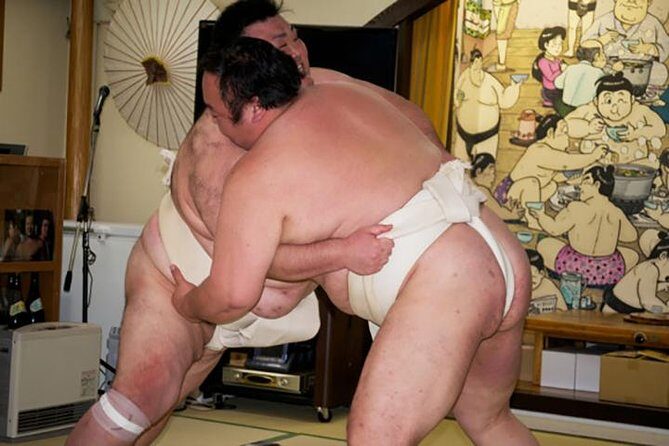
Sumo action is surprisingly fun. This Tokyo experience mixes a short intro to sumo rules and training rituals with live demonstrations, then lets you test your skills in a friendly bout. It’s also built around food, with a meal cooked and served in the sumo tradition.
What I love most is the chance to interact with retired sumo wrestlers up close, not just watch from the sidelines. I also like the included tonkatsu and chanko soup lunch, which turns the experience into something you can actually plan around in your day.
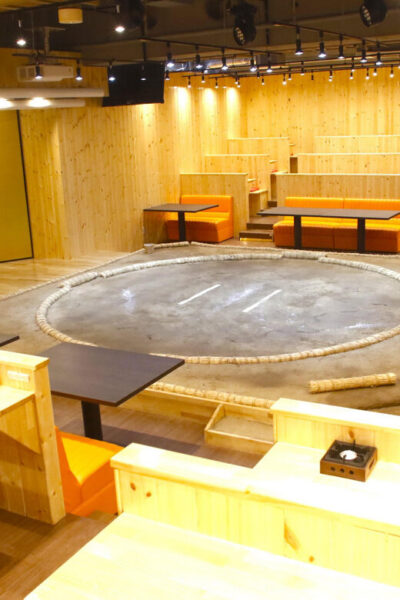
One consideration: seating can be tight, and some tables may sit farther from the dohyo (ring). You might end up standing to get a good view, especially in a packed session.
In This Review
- Key Things That Make This Sumo Show Worth Your Time
- Finding the Show in Sumida City: Tokyo Logistics in Plain Terms
- What Happens When You Arrive: Host, Small Group Energy, and the Wrestlers
- The Sumo Mini-Training: Rules, Rituals, and Why This Isn’t Just “A Performance”
- Your Chance to Challenge a Wrestler: Participation Without Pressure
- The Friendly Sparring Show: Sparring Demonstration and Audience Interaction
- Photos in Traditional Sumo Costume: The Easy Souvenir
- Tonkatsu + Chanko Nabe Lunch: What You Actually Get
- Timing and Pace: How to Fit 1.5 Hours Into Your Tokyo Day
- Price and Value: What $89.54 Gets You (and What Costs Extra)
- Making the Most of It: Small Tips That Improve Your View and Your Fun
- Who This Sumo Show Works Best For (And Who Might Hesitate)
- Should You Book the SUMO Show With Lunch?
- FAQ
- How long is the Sumo show experience with lunch?
- What time does the experience start?
- Where is the meeting point in Tokyo?
- Is lunch included in the price?
- Are drinks included?
- Can I participate in a bout with the wrestlers?
- Can I request a vegetarian or other dietary option?
- Is it near public transportation, and how big is the group?
- What if I need to cancel?
Key Things That Make This Sumo Show Worth Your Time
- Retired wrestlers teach while they perform, so the explanations feel real instead of scripted
- Interactive participation is optional, but it’s the part most people remember
- Tonkatsu + chanko nabe lunch is included, and it’s often described as better than expected
- Photo time in traditional sumo costume turns your show into a keepsake
- Room dynamics matter: table sharing may happen, and some seats can be farther from the ring
More chances to sit ringside
- Tokyo: Sumo Show and Dining Experience★ 4.8 · 2,742 reviews
- the SUMO show★ 5.0 · 1,960 reviews
- Tokyo Shinjuku Sumo Show & Experience with Photo★ 5.0 · 1,750 reviews
Finding the Show in Sumida City: Tokyo Logistics in Plain Terms
This experience starts at 1:00 pm at Yokozuna Tonkatsu / Sumo lunch, 3-chōme-1-11 Tatekawa, Sumida City, Tokyo. The good news is that it’s described as near public transportation, so you’re not stuck with a long, stressful taxi ride or a complicated last-mile walk.
Tokyo neighborhoods can feel big and spread out, so location matters for a 90-minute activity. Because the tour ends back at the meeting point, you can treat this as a clean “block” in your schedule: get there, do the show and lunch, then move on.
If you’re planning your day, I’d recommend pairing it with something nearby afterward. You’ll leave with full bellies (most of the time) and a couple of new sumo questions you’ll want to chase with more exploring.
What Happens When You Arrive: Host, Small Group Energy, and the Wrestlers
After booking, you get details from the host about the exact meeting location. You’ll then meet your host and your small group, along with retired sumo wrestlers who run the show with you.
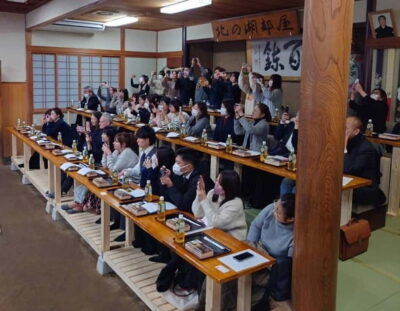
The vibe is family-friendly and social. The format is designed so people aren’t just silent spectators. You’ll get prompts, you’ll get chances to ask questions, and the show has a rhythm that keeps the room engaged.
Two things to watch for right away:
- You may be asked to share a table with another group to fit everyone in.
- Seating is arranged based on reservation timing, and arriving early doesn’t necessarily mean you’ll get closer to the ring.
If you care about view, arrive with a plan. Don’t assume your first five minutes of standing around will fix everything. If you’re farther back, be ready to stand when the dohyo action starts.
The Sumo Mini-Training: Rules, Rituals, and Why This Isn’t Just “A Performance”
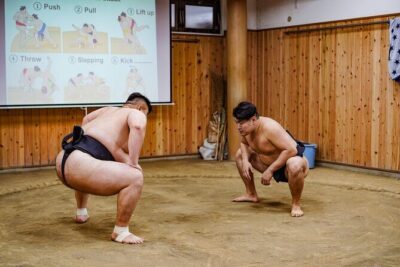
Before any friendly sparring happens, you’ll get a demonstration of a few sumo moves and techniques. You’ll also get an introduction to sumo history and the sport’s rules—yes, the complicated ones.
This part is valuable because sumo looks simple until you try to understand what makes a bout end. The show focuses on the basics you can actually use in the moment: how wrestlers move, what they’re trying to control, and why certain actions matter.
You also learn about daily-life training rituals. It’s not academic trivia for the sake of trivia. It helps you understand why sumo wrestlers train the way they do, and why the sport has such a strong set of traditions around discipline and routine.
Your Chance to Challenge a Wrestler: Participation Without Pressure
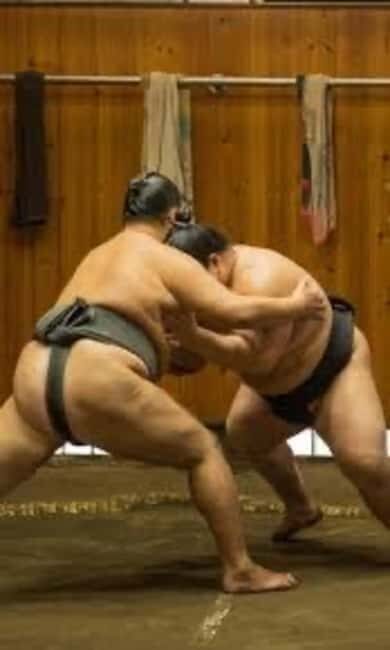
Here’s where this experience earns its high marks: you can challenge a wrestler to a bout. That doesn’t mean you’ll be thrown into anything dangerous or complicated. It’s a friendly, structured interaction meant for non-athletes and curious beginners.
Most people get the best value when they participate in some way—throwing in the “challenge” moment and learning what it feels like to face someone trained for this sport their whole life. Even if you don’t go all-in, you’ll still see how technique and balance matter more than brute strength.
A practical tip: bring a good attitude and listen closely to staff instructions. This is one of those experiences where good judgement isn’t optional; if anything gets out of hand, staff may require you to leave the hall, and there’s no refund in that case. You’ll have more fun if you treat the interaction like a guided class that happens to be run by big friendly athletes.
Worth weighing up alongside this Tokyo pick:
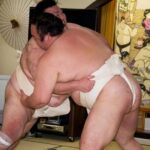
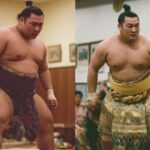
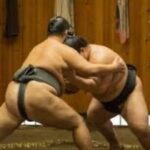

The Friendly Sparring Show: Sparring Demonstration and Audience Interaction
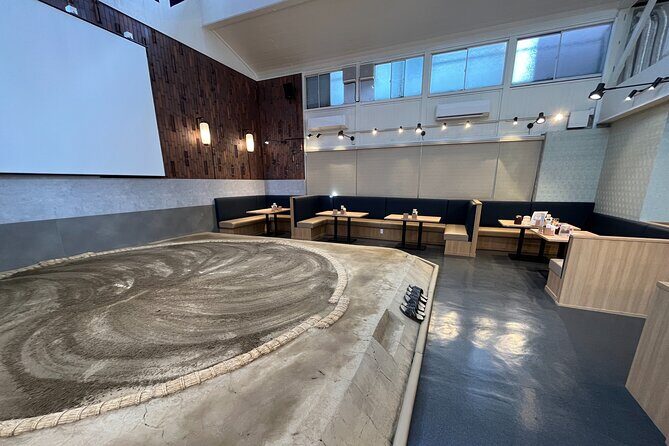
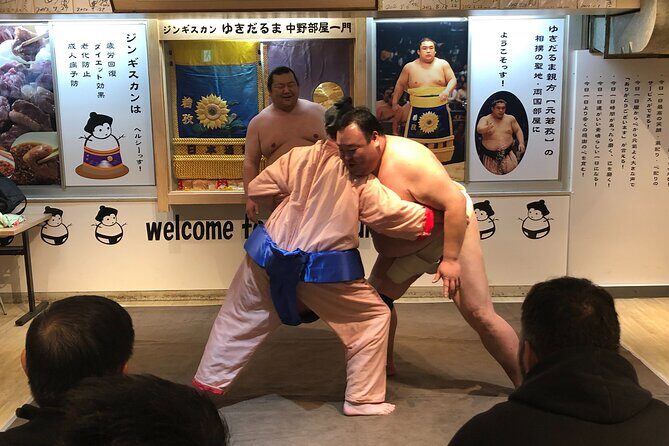
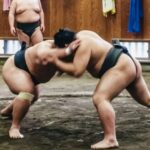
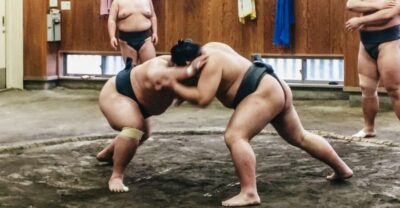
Live sparring demonstration is part of the show, and the crowd interaction is built into the flow. You’ll see wrestlers demonstrate techniques and then turn it into something you can understand with your own body in the room.
In a lot of “watch-only” cultural shows, you feel like an observer. Here, the energy is closer to a stage show with a participation option. If you like humor, you’ll likely appreciate that the wrestlers and host keep things light while still teaching the core ideas of sumo.
One small real-world thing: some sessions may feel busy visually and acoustically. A review tip I’d take seriously—if there’s any video component during explanations, consider lowering or muting the audio so you can clearly hear what the host is saying while you listen.
Photos in Traditional Sumo Costume: The Easy Souvenir
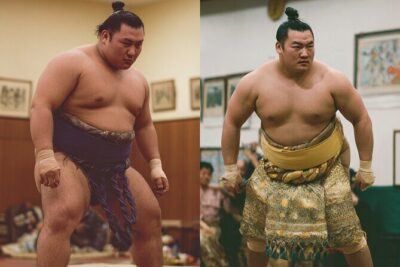
You’ll have time for photos with the wrestlers, and the experience includes snaps in a traditional sumo costume. This is one of the easiest “worth it” parts because it’s quick, fun, and you don’t need to arrange anything yourself.
The reason this hits so well is emotional, not technical. You walk out with an image that looks like Japan, but it’s also tied to a real interaction with the people performing the sport.
If you’re traveling with kids, this is often the moment they’ll remember most. Even if you’re an adult, getting into the outfit and posing with someone who’s lived the lifestyle is a special kind of souvenir.
Tonkatsu + Chanko Nabe Lunch: What You Actually Get
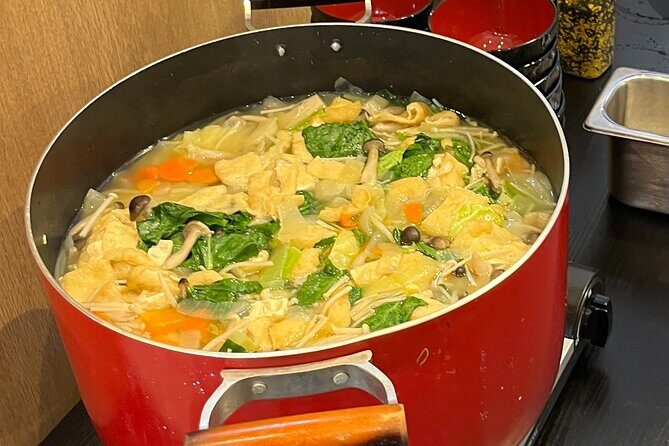
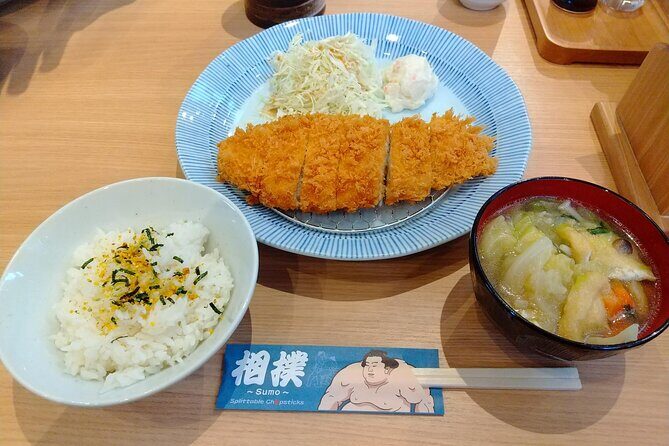
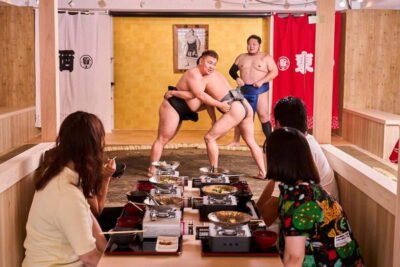
The included lunch is tonkatsu and chanko soup. This is a big part of the value here, because you’re not just eating near the venue—you’re eating as part of the experience, connected to sumo culture.
Chanko nabe is the kind of hearty meal that makes sense for people training daily. In practice, it’s warming and filling, and it pairs well with a short, active show before or after you eat.
A couple of useful notes from real feedback:
- The food is often described as surprisingly good.
- Some people wanted more soup portion than what they received.
- Vegetable accommodations are available if you request dietary needs in advance.
Drinks are not included, so plan for that if you want tea, water, or something else. If you’re sensitive to dietary changes, send your needs early since requests made less than 5 days before the event can’t be guaranteed.
Also, one review mentioned an ice cream extra. Since that’s not listed as a standard inclusion, treat it as a possible bonus rather than something you should count on.
Timing and Pace: How to Fit 1.5 Hours Into Your Tokyo Day
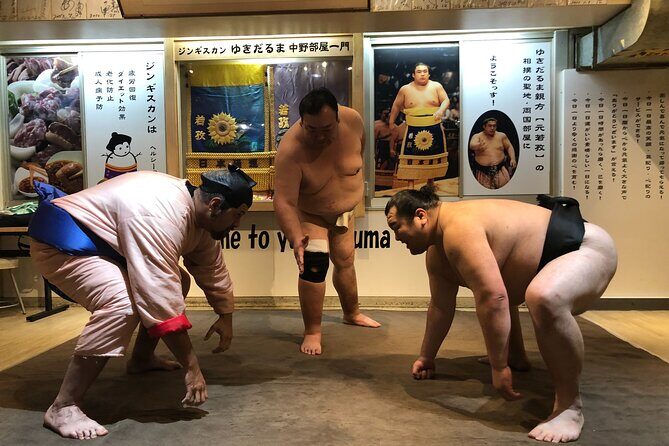
This experience runs about 1 hour 30 minutes and starts at 1:00 pm. That total time includes the demo and the meal. In other words, it’s designed to be a compact cultural stop, not an all-day project.
The pace tends to be structured:
- You start with introductions and explanation.
- You get demonstrations of moves and techniques.
- Participation options happen during the performance.
- Then you shift into the meal and photo time.
If you’re the type who likes a clear plan, you’ll appreciate this format. You get a story arc: learn → watch → try → eat → take photos.
If you’re arriving hangry, this also helps. Lunch is part of the package, so your main energy drain is handled.
Price and Value: What $89.54 Gets You (and What Costs Extra)
The price is $89.54 per person, and it includes meeting and learning from retired sumo wrestlers plus tonkatsu and chanko soup for lunch.
To evaluate value, I break it into three parts:
- Human interaction: you’re spending time with retired wrestlers who explain and demonstrate.
- Participation: you can challenge a wrestler in a friendly bout.
- Food: a substantial sumo-style lunch is included.
What’s not included is drinks, which is normal for many lunch-included experiences. There’s also an important “value vs. seat comfort” reality: if you’re farther back, you may need to stand to see the ring. That doesn’t ruin the experience, but it does change how “comfortable” the value feels.
Given the extremely high rating and the recurring themes—fun, educational, well-run, and interactive—this is the kind of activity where the price feels tied to experience, not just access to a show.
Making the Most of It: Small Tips That Improve Your View and Your Fun
Here are a few practical ways to get a better experience on the day:
- Choose to participate at least once. Even light participation makes the explanations click.
- Plan to stand if your table isn’t close to the ring. Some seating can be farther back.
- Keep your phone/camera ready for costume photos, but don’t ignore staff directions during the action.
- If you’re sensitive to audio during explanations, adjust the volume so you can hear the host clearly.
Also: this is a hall with instructions. Be flexible, respectful, and ready to follow guidance. That’s how the room stays friendly and everyone gets the chance to do the fun parts.
Who This Sumo Show Works Best For (And Who Might Hesitate)
This is a strong fit if you want:
- A beginner-friendly introduction to sumo with rules and rituals explained in plain language
- A family-friendly activity where kids can laugh and try something physical
- An interactive show where you’re not just watching
It may be less ideal if you only want a purely spectator event. Even though participation is optional, the experience does encourage interaction. Also, if being seated close to the ring matters a lot to you, be aware that some seating can be farther back and tables might be shared.
If you love cultural sports, Japan food, and meeting people rather than just seeing sights, this one tends to land well.
Should You Book the SUMO Show With Lunch?
If you’re choosing between a standard show and one with participation plus a wrestler-served meal, I’d book this. The combination of retired sumo wrestlers, a structured explanation of rules and rituals, and the chance to challenge someone in a friendly bout is exactly the kind of “Japan feels personal” experience that’s hard to replicate.
The only reason not to book is if you strongly prefer a quiet, no-pressure theater style and you’re not open to standing for a better view. Otherwise, for most people—especially families and first-timers—this is a fun, well-organized sumo introduction that you can finish with lunch and photos instead of just memories.
FAQ
How long is the Sumo show experience with lunch?
It’s about 1 hour 30 minutes.
What time does the experience start?
It starts at 1:00 pm.
Where is the meeting point in Tokyo?
The start point is Yokozuna Tonkatsu / Sumo lunch, 3-chōme-1-11 Tatekawa, Sumida City, Tokyo 130-0023, Japan.
Is lunch included in the price?
Yes. Tonkatsu and chanko soup for lunch are included.
Are drinks included?
No. Drinks are not included.
Can I participate in a bout with the wrestlers?
Yes. If you’re feeling brave, you can challenge a wrestler to a friendly bout.
Can I request a vegetarian or other dietary option?
Yes. Vegetarian and dietary accommodations are available if you request them in the special notes when reserving. Requests made less than 5 days before the event may not be accommodated.
Is it near public transportation, and how big is the group?
Yes, it’s near public transportation. The experience has a maximum of 60 travelers.
What if I need to cancel?
You can cancel for a full refund up to 24 hours before the experience’s start time. Less than 24 hours before the start time is not refundable.
A Night at a Tokyo Show


More Tour Reviews in Tokyo





More Mornings with the Wrestlers
Fresh reviews from around Tokyo






Sumo Shows, compared.
 ★ 4.8Sumo Show Experience with Chicken Hot Pot and a PhotoFrom $1036,678 reviews
 ★ 4.8Sumo Show and Dining ExperienceFrom $792,742 reviews
 ★ 5.0Tokyo Shinjuku Sumo Show & Experience with PhotoFrom $791,750 reviews
 ★ 4.8Sumo Show and Experience in ShinjukuFrom $691,001 reviews
 ★ 5.0Authentic Sumo Experience in Tokyo: Enter the SanctuaryFrom $171603 reviews
 ★ 4.8Tokyo Sumo Experience: Chanko & Mochi with a Former ProFrom $103567 reviews
 ★ 5.0Ultimate Sumo Tournament: Tokyo, Osaka, Nagoya, FukuokaFrom $184468 reviews
 ★ 4.4Sumo Morning Training VisitFrom $77370 reviews
Browse the lists this tour appears in