
Reviewed · SUMO SHOWS
Tokyo: Sumo Show Experience with Chicken Hot Pot and a Photo
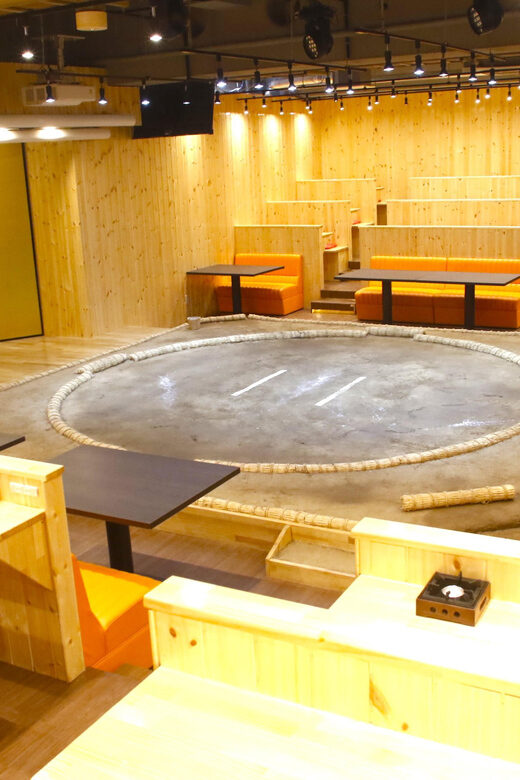
Sumo in Tokyo has a way of feeling both ceremonial and surprisingly funny. This show is staged right around a real sumo ring (dohyo), with retired wrestlers putting on a family-friendly program you can actually understand. You’ll get live bilingual commentary in English and Japanese, plus a geisha dance that sets the tone before the wrestling begins.
Two things I really like: the hands-on interaction (you may be able to step into the ring), and the food setup. The meal is all-you-can-eat chicken hot pot (chanko-nabe) served alongside the action, so you’re not stuck waiting for dinner like it’s an airport meal. You can order more using a QR code if you want extra.
One thing to consider: this is entertainment, not the serious, early-morning practice you’d see inside an active stable. If you’re chasing that behind-the-scenes training vibe, you may feel slightly under-served by the show format.
In This Review
- Key points before you go
- A Real Dohyo, Retired Wrestlers, and a Sumo Night You Can Follow
- How the Show Flows: Exercises, Rules, and a Match You Can Understand
- The Sumo Challenge: Fun, Bravery, and a Lottery System
- Chicken Hot Pot Chanko-nabe and the Meal That Makes It Worth It
- Seats in the Dohyo Room: Standard vs VIP vs VVIP
- The Photo, Goody Bag, and the End of the Show Moment
- Price and Value: What You Get for About $103 in 2 Hours
- Who This Is For (and Who Might Skip This Type of Sumo Show)
- Quick Tips to Make the Experience Smooth
- Should You Book the Asakusa Sumo Show Experience?
- FAQ
- How long is the sumo show experience?
- What’s included in the ticket price?
- Is the sumo challenge guaranteed?
- What kind of meal do I get?
- Are vegetarian, vegan, gluten-free, or halal meals available?
- What seating options are available?
- Is the tour suitable for babies and wheelchairs?
Key points before you go
- A real dohyo inside the venue makes the whole night feel closer to the sport than most staged shows.
- Bilingual commentary (English and Japanese) helps you follow what’s happening without guessing.
- Best-of-three match with retired professional wrestlers keeps the pace moving and the action clear.
- Challenger spots are limited and selected by lottery if demand is high.
- All-you-can-eat chicken hot pot plus Japanese side dishes makes the price easier to justify.
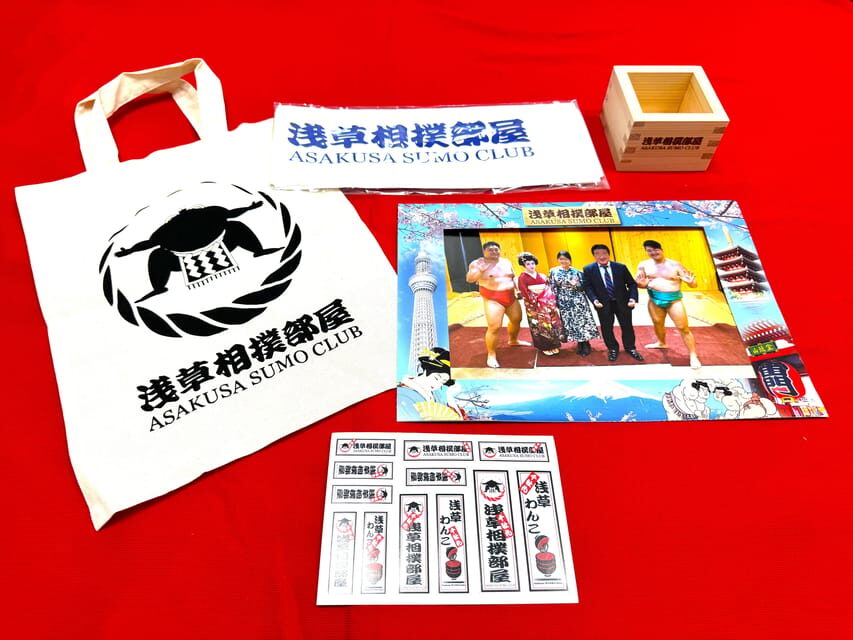
- Souvenir photo set and gift bag give you a tangible memory without extra shopping.
Before you commit, see how this one stacks up against a few Taito City favourites:
- Tokyo Asakusa: Miu Kimono Rental and Optional Photoshoot★ 4.9 · 54 reviews
- Tokyo: Karate Experience with Former All-Japan Champion★ 4.9 · 46 reviews
- Made from flour in 30min! Ramen-noodle Making Experience!★ 4.8 · 24 reviews
A Real Dohyo, Retired Wrestlers, and a Sumo Night You Can Follow
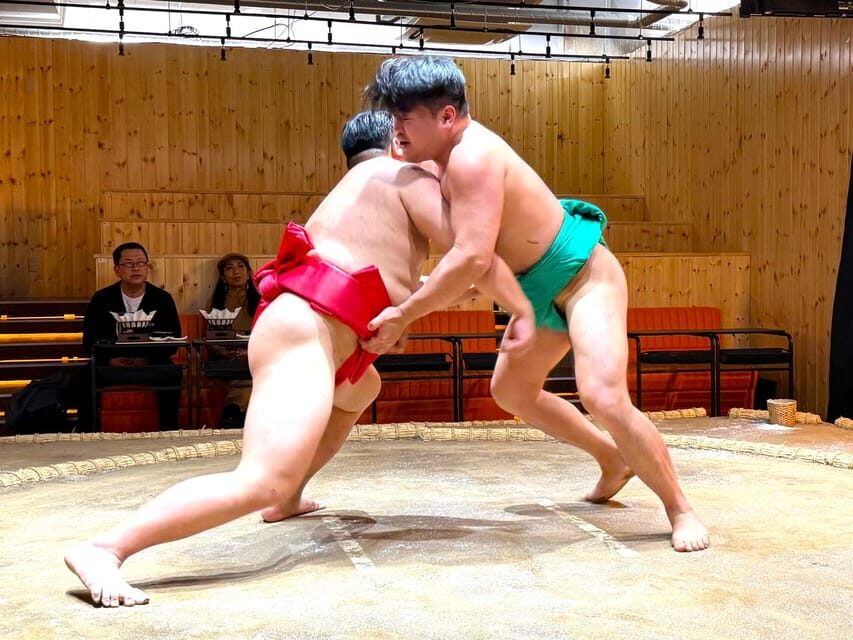
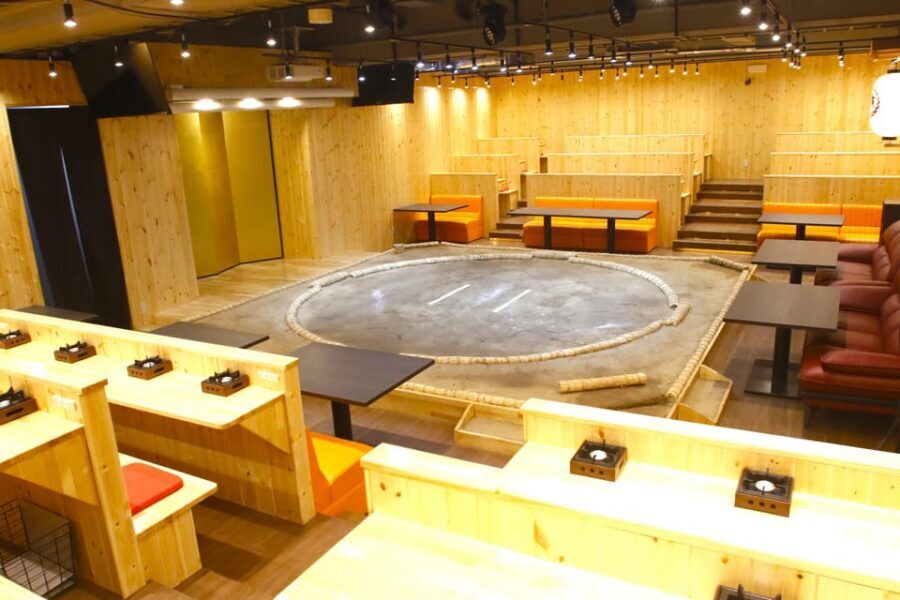
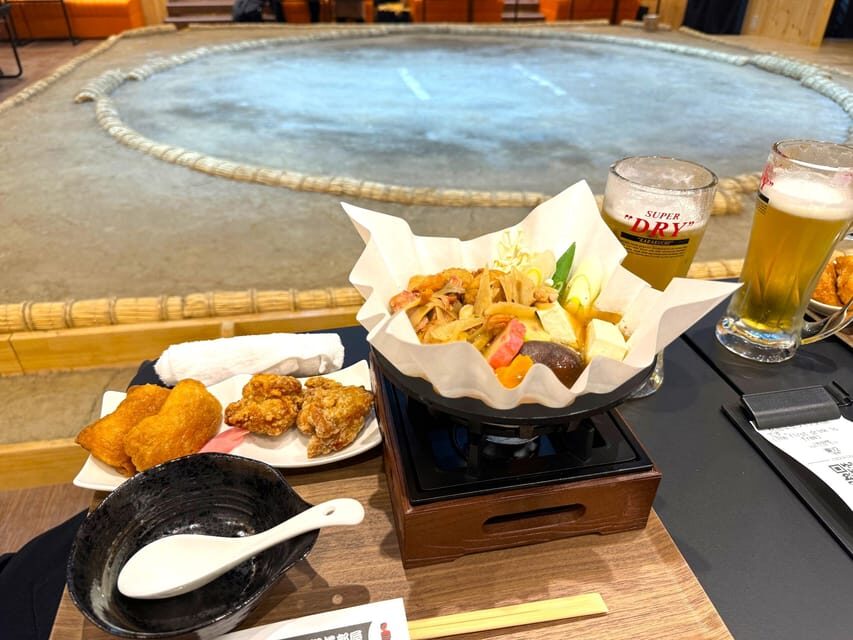
Tokyo has plenty of ways to see sumo, but this one is built for understanding and fun. The venue centers on a dohyo right in the room, so you’re watching from close enough to catch the mood changes as the wrestlers circle and reset. It feels more like a performance that explains itself, not a spectacle you have to decode.
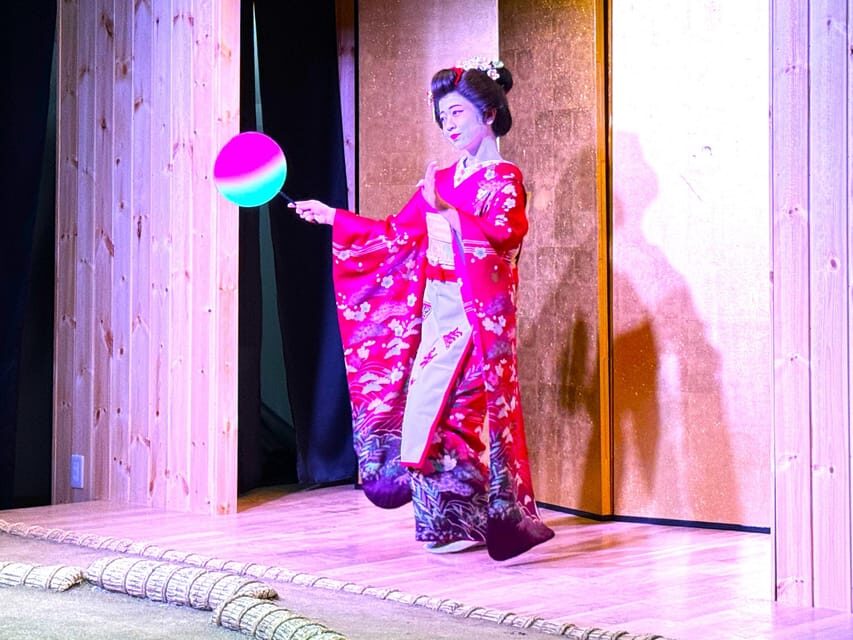
The show is also designed to work for mixed ages. Kids can enjoy the energy and the interaction, and adults can appreciate the rituals and the structured explanations. A traditional Japanese dance performed by geisha in elegant kimono kicks things off, which helps the whole night feel respectful even while it’s entertaining.
I also like that the format doesn’t pretend it’s a training session. You’re there for an evening program, with retired wrestlers performing and engaging the audience, not for quiet observation of daily practice.
How the Show Flows: Exercises, Rules, and a Match You Can Understand
The program moves through several clear stages, so you don’t spend the evening wondering what you’re supposed to be watching. First, you’ll get a history-and-culture framing for sumo, including how it has evolved over time. Then the show shifts into demonstrations of classic techniques and sumo rules, explained with live bilingual commentary.
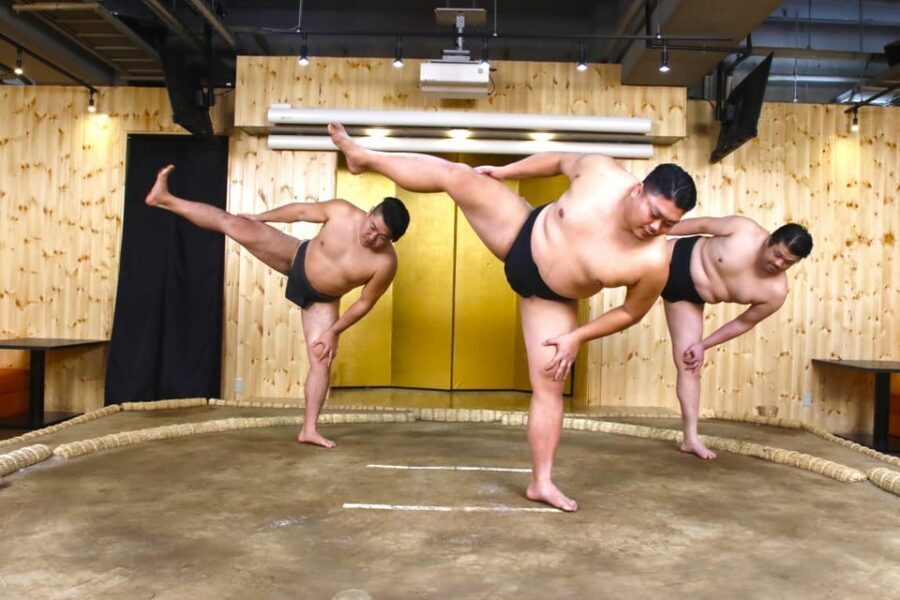
You’ll also see morning-exercise style demonstrations. This matters because sumo is more than the final push; the routine and preparation are part of what makes it sumo. Even if you’re new, the moderator’s explanations help you recognize the purpose behind what the wrestlers are doing.
After the teaching moments, the main event is a best-of-three match featuring retired professional sumo wrestlers. It’s the segment where the whole room’s attention tightens. Since it’s “best of three,” you get multiple rounds, which helps you stay engaged even if you’re still learning the basics.
The Sumo Challenge: Fun, Bravery, and a Lottery System
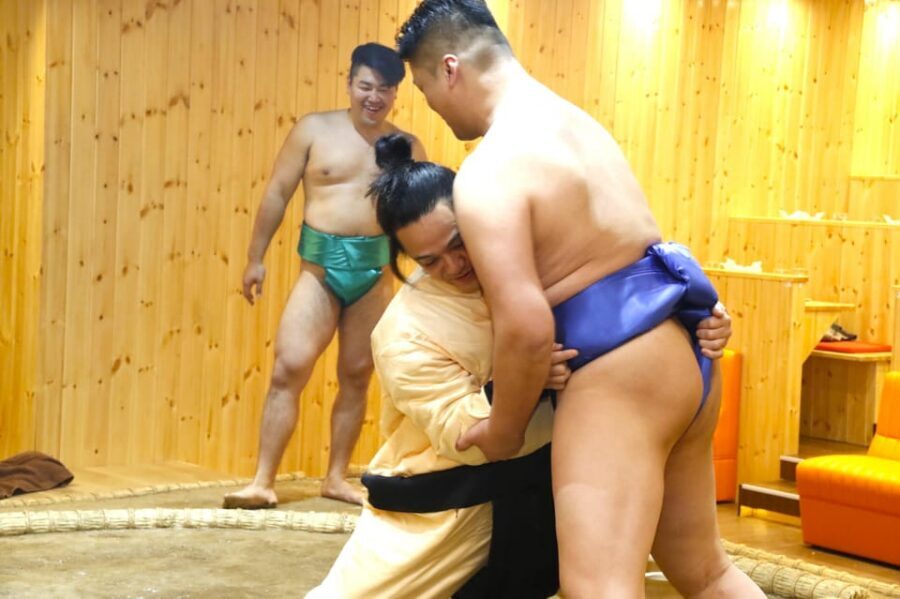
Yes, you can step into the ring. That’s the big headline moment, and it’s also where expectations need managing.
Challenger slots are limited per show. If too many people apply, participants are selected by lottery, so you can’t count on it happening even if you want it badly. If you’re okay with that, the chance to challenge a wrestler is a fantastic way to make the experience feel personal.
From what I’ve learned, the interactive portion is also where the wrestlers lean into comedy and engagement. Names that show up in the experience include the host Lala, and wrestlers mentioned include Anosonobi and Ansohibi. Even when I’m not sure I can pronounce everything correctly, the energy is easy to catch.
Practical tip: if you want the best odds of actually getting chosen, show up with the mindset that it’s optional but worth applying. And keep your expectations realistic. This challenge is about having fun within a safe, controlled show setting, not about becoming the next sumo champion.
Chicken Hot Pot Chanko-nabe and the Meal That Makes It Worth It
A lot of cultural shows in Japan give you a snack. This one feeds you like you came to eat. The meal is all-you-can-eat chicken hot pot (chanko-nabe), plus Japanese dishes served during the program.
The “chanko” angle is key. In sumo culture, chanko-nabe is traditionally associated with feeding wrestlers, and here it’s turned into a beginner-friendly meal you can enjoy without knowing anything first. The hot pot format also fits the show rhythm: you get something comforting while you watch, and you’re not stuck waiting for a separate restaurant dinner slot.
You may see a mix of sides in addition to the hot pot. People have described dishes like edamame, inari sushi, and sweet rolls alongside the main hot pot, and that lines up with the idea of a full Japanese set rather than just one bowl.
Two details I think you’ll appreciate:
- You get one complimentary drink, and extra drinks are available for purchase.
- Some people liked how easy it is to order more using a QR code if you want extra food or drinks.
One caution: a few reviews mention that the food portion might feel limited to some diners. If you’re the type who eats big, go in ready to ask for more and use the QR ordering if it’s offered to your seat area. This is where the all-you-can-eat promise is only as good as how comfortable you are asking for refills.
Also, there are dietary options, but with rules:
- Vegetarian and vegan meals are available on request, and they need to be reserved at least 2 days in advance.
- Gluten-free and halal meals aren’t provided, but you can bring your own food if that’s important for you.
Seats in the Dohyo Room: Standard vs VIP vs VVIP
Seating is not just about comfort here; it’s about seeing the dohyo clearly. Every seat offers an intimate view, but if you want the closest experience, upgrading matters.
You’ll have three options:
- Standard: comfortable seats with a clear ring view.
- VIP: front-row seats for an up-close look.
- VVIP: premium central seats with the most immersive and unobstructed view of the dohyo.
If you’re going as a couple, with kids, or you just really love watching body mechanics and footwork, I’d seriously consider VIP. If you’re mostly there for food, explanations, and the challenge moment, Standard can still feel like a good fit.
Also note that you may sit together with other groups. That’s common in small venues, and it usually just means a lively room, not a problem.
The Photo, Goody Bag, and the End of the Show Moment
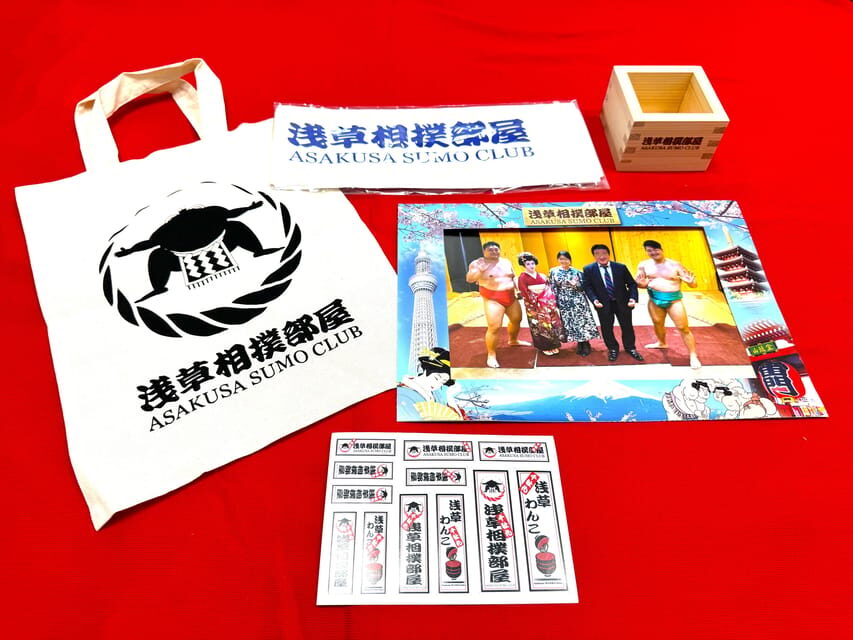
The souvenir piece is part of the experience here, not an extra add-on after you’re done. After the show, you’ll take home a souvenir gift bag and a framed photo featuring the sumo wrestlers and the geisha performer.
You’ll also get a printed souvenir photo included in the experience. That’s a nice touch because it means you leave with something immediate, rather than hoping your phone camera catches the right second.
In reviews, people often mention the wrestlers being funny and the staff being welcoming, and that end-of-night souvenir moment helps the memory stick. It’s also convenient if you don’t want to hunt for extra shopping while you’re in Asakusa.
Price and Value: What You Get for About $103 in 2 Hours
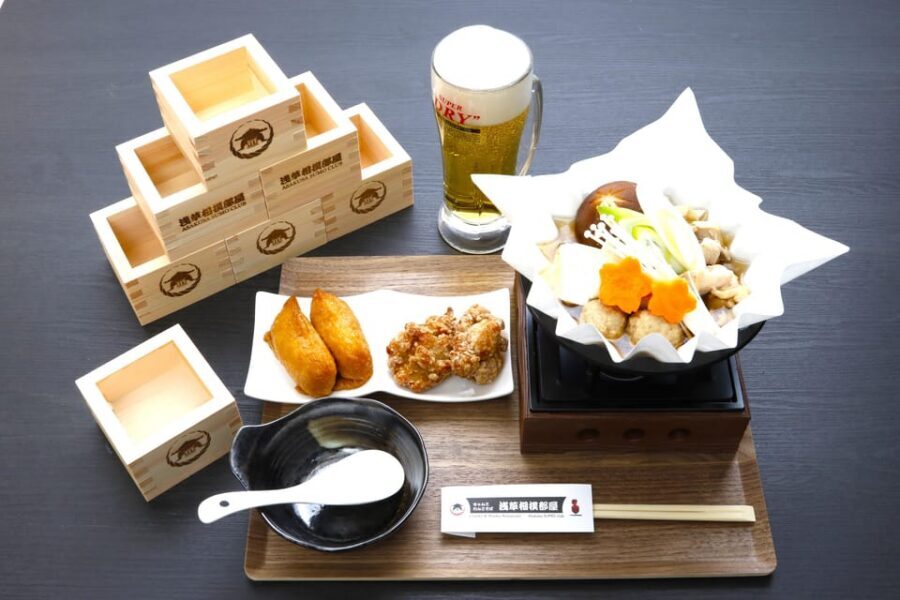
At around $103 per person for a 2-hour experience, you’re paying for more than a show ticket. You’re buying a package: bilingual commentary, interactive entertainment with retired professional wrestlers, geisha dance, all-you-can-eat chanko-nabe, and a complimentary drink. Then you add the souvenir photo and gift set.
That’s why the value feels solid for many people. A venue that feeds you and teaches you at the same time is rare. You’re not juggling dinner plans, and you’re not stuck with a language barrier.
Is it expensive compared with a standard museum entry? Yes. But compared with other “performance + meal” style activities in Tokyo, it’s easier to justify. The key is going in with the right expectations: you’re here for a show that explains itself, and the meal is part of the show experience, not a separate ticket.
If you’re deciding between Standard and VIP/VVIP, treat the upgrade as a visibility upgrade. Think of it as paying to see the dohyo more clearly, especially during the best-of-three match and the moments where wrestlers move around the ring.
Who This Is For (and Who Might Skip This Type of Sumo Show)
This works especially well for:
- Families who want kids to enjoy the night without being bored.
- First-timers who need explanations in both English and Japanese.
- People who want sumo culture with interaction, plus a real sit-down meal.
It might not be the best match for you if:
- You specifically want the serious, early-morning stable routine you’d see in a training-focused tour.
- You strongly prefer a pure-athletic focus with minimal show scripting. This is light entertainment, even when it includes serious elements like techniques and rules.
It can also be a good choice for multi-generational groups. Some reviews mention this kind of wide age range working well because the program has clear pacing and audience involvement that doesn’t require technical knowledge.
Quick Tips to Make the Experience Smooth
A few practical things I’d do if you’re going:
- If you care about the ring view, pick VIP or VVIP. The difference is the closest sightlines to the dohyo.
- If you want the sumo challenge, be ready for the possibility of a lottery selection.
- If you have dietary needs, plan ahead for vegetarian/vegan. For gluten-free or halal, assume you may need to bring your own food.
- Bring a bit of patience for a lively room. This is an intimate, interactive show, and that energy can feel loud at times.
And if you’re unsure about what you’ll be watching, don’t worry. The program is structured to explain the rules and techniques as it goes.
Should You Book the Asakusa Sumo Show Experience?
I’d book it if you want an easy Tokyo night that combines sumo culture, live explanation, and a filling meal in one go. The real dohyo setup, bilingual commentary, and the all-you-can-eat chanko-nabe make it feel like more than a quick tourist performance.
I’d skip or shop around if your main goal is serious behind-the-scenes sumo training. This show is family-friendly entertainment with retired wrestlers, and it’s not trying to replace an active stable visit.
If you go in with that mindset, it’s one of the more straightforward “worth it” experiences in Asakusa.
FAQ
How long is the sumo show experience?
The experience lasts about 2 hours. You can check availability for the specific starting times.
What’s included in the ticket price?
Your ticket includes live bilingual commentary, the sumo show performances, the chance to step into the ring (limited), the geisha dance, all-you-can-eat chicken hot pot and Japanese dishes, one complimentary drink, a printed souvenir photo, and a souvenir set.
Is the sumo challenge guaranteed?
No. Challenger spots are limited, and if there are more applicants than available spots, participants are selected by lottery.
What kind of meal do I get?
You’ll enjoy all-you-can-eat chicken hot pot (chanko-nabe) along with Japanese dishes served during the show.
Are vegetarian, vegan, gluten-free, or halal meals available?
Vegetarian and vegan meals are available on request if reserved at least 2 days in advance. Gluten-free and halal meals are not provided, but you’re welcome to bring your own food.
What seating options are available?
There are three seating types: Standard, VIP (front-row), and VVIP (premium central seats with an unobstructed view).
Is the tour suitable for babies and wheelchairs?
Babies under 1 year are not suitable. Wheelchair-accessible seating is available but limited, so you should inform the provider at booking if you need it.
More Tour Reviews in Taito City
Fresh reviews from around Taito City
Sumo Shows, compared.
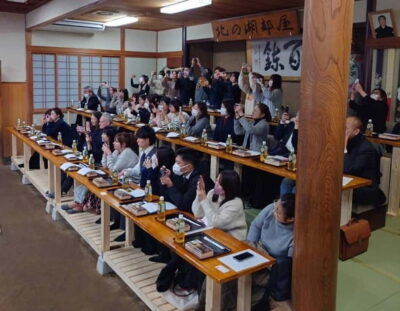 ★ 4.8Sumo Show and Dining ExperienceFrom $792,742 reviews
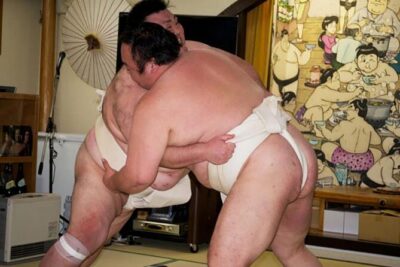 ★ 5.0the SUMO showFrom $891,960 reviews
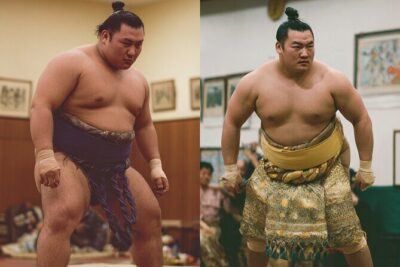 ★ 5.0Tokyo Shinjuku Sumo Show & Experience with PhotoFrom $791,750 reviews
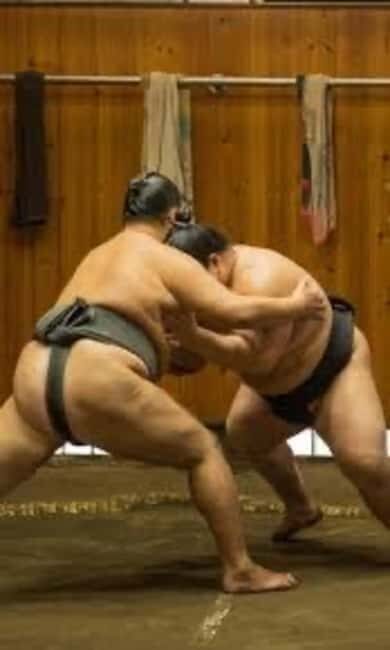 ★ 4.8Sumo Show and Experience in ShinjukuFrom $691,001 reviews
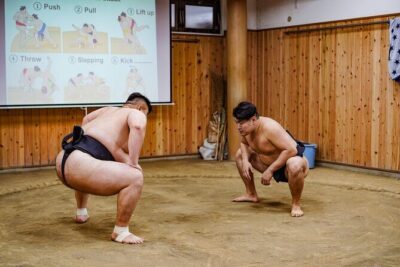 ★ 5.0Authentic Sumo Experience in Tokyo: Enter the SanctuaryFrom $171603 reviews
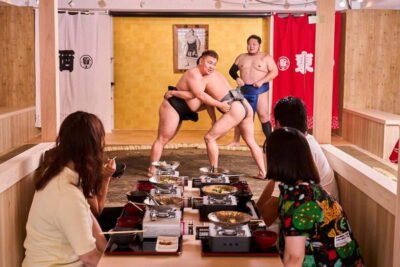 ★ 4.8Tokyo Sumo Experience: Chanko & Mochi with a Former ProFrom $103567 reviews
 ★ 5.0Ultimate Sumo Tournament: Tokyo, Osaka, Nagoya, FukuokaFrom $184468 reviews
 ★ 4.4Sumo Morning Training VisitFrom $77370 reviews
Browse the lists this tour appears in