
Reviewed · SUMO SHOWS
Tokyo: Sumo Morning Training Visit
Sumo looks totally different when it’s happening right in front of you. This morning training visit puts you inside a real Tokyo stable to watch active wrestlers do keiko, then finish with a group picture. One catch: you’ll sit on the floor for a while, and the training is a real session, not a narrated show.
I like that you’re getting access to the working rhythm of sumo, not just the glamorous match-day version. I also appreciate that it’s short on paper (about 1 hour) and usually runs on a tight schedule. Still, plan for variations: sessions can be shorter during major tournament weeks, and some groups get light commentary.
In This Review
- Key Things That Make This Tokyo Sumo Visit Worth It
- Sumo Morning Training: What You’re Actually Watching
- The 60-Minute Promise vs. Real-World Sitting Time
- Getting In: Meeting Point Rules That Catch People Off Guard
- Entering the Stable With a Guide (and Why That Matters)
- Floor Seating, Sightlines, and the Group Photo Deal
- The Rules You’ll Be Thankful For (Once You Know Them)
- Why Watching Keiko Feels So Much More Real Than a Tournament
- Price and Value: Is $77 a Good Deal?
- Optional Hotel Transfer: Convenient, but Not Always English-Friendly
- Who Should Book This Sumo Morning Training Visit
- Should You Book It?
- FAQ
- How long is the sumo training visit?
- Will I get a group photo with the wrestlers?
- Do I need to bring anything?
- Are there rules about photos and phones?
- How do I know where to meet?
- Can I include hotel pickup?
Key Things That Make This Tokyo Sumo Visit Worth It
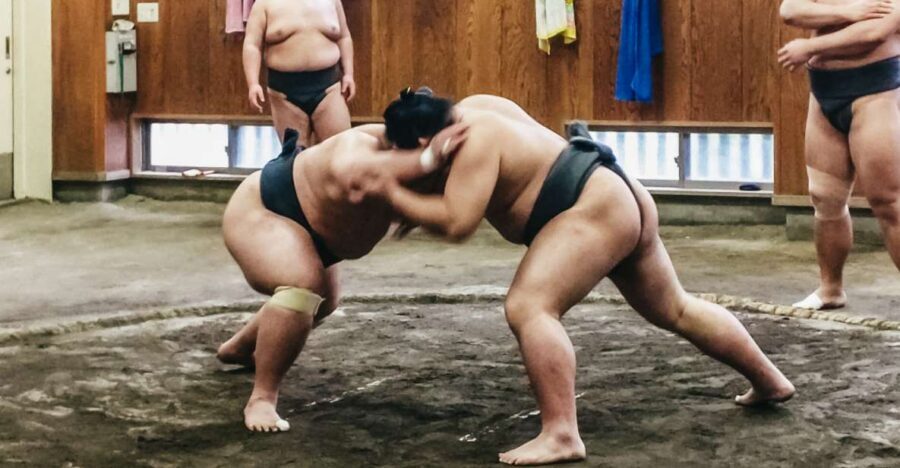
- Keiko, up close: You see drills and sparring from a near-view perspective.
- Real stable rules: Quiet, phones on silent, and no flash photography.
- Small-group feel: The format is designed so you can get solid sightlines.
- Group photo at the end: But you’ll need to stay through the session.
- Timing matters more than you think: Seating and entry depend on arriving at the confirmed time.
More chances to sit ringside
- Tokyo: Sumo Show and Dining Experience★ 4.8 · 2,742 reviews
- the SUMO show★ 5.0 · 1,960 reviews
- Tokyo Shinjuku Sumo Show & Experience with Photo★ 5.0 · 1,750 reviews
Sumo Morning Training: What You’re Actually Watching
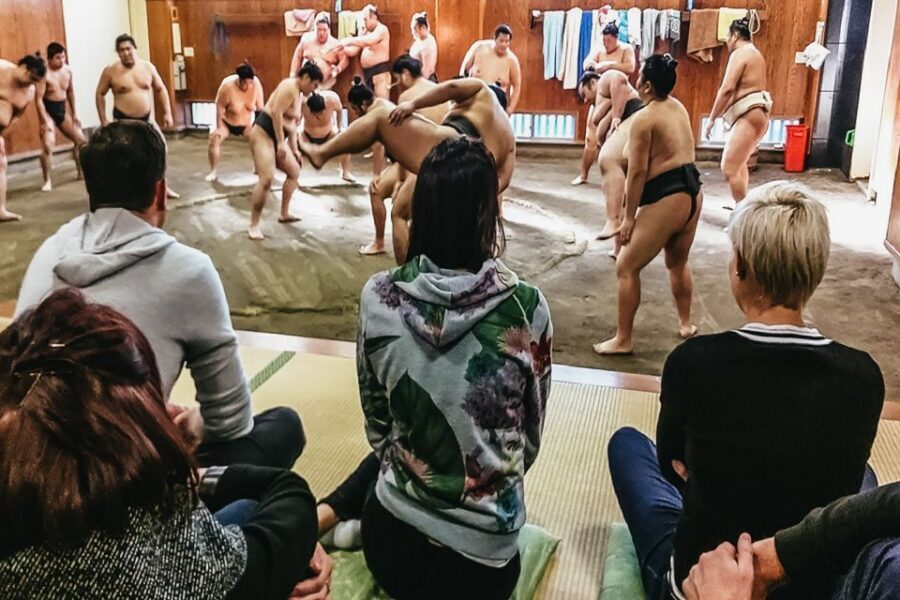
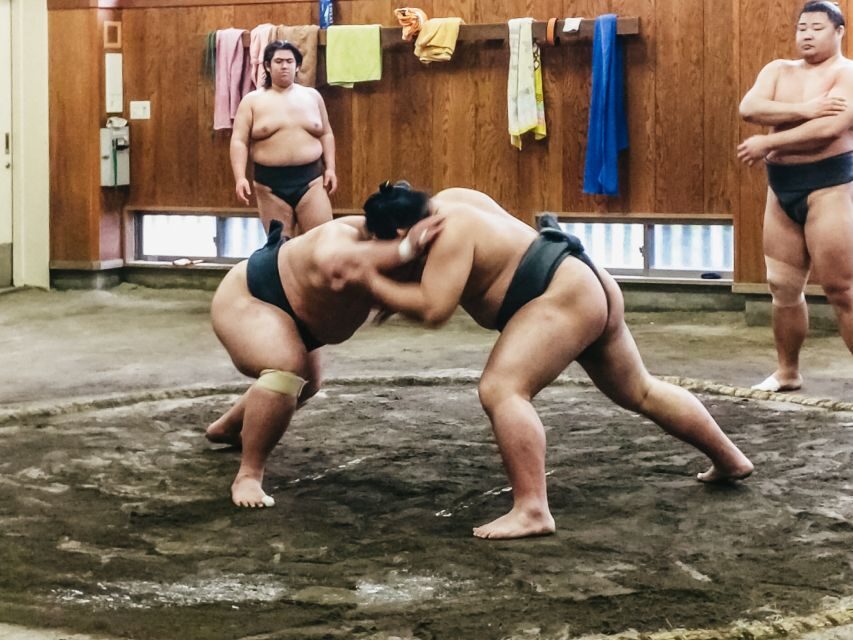
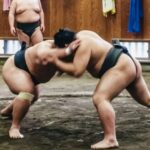
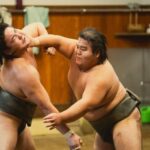
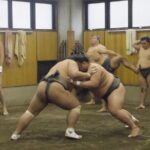
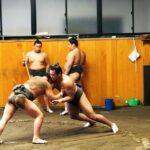
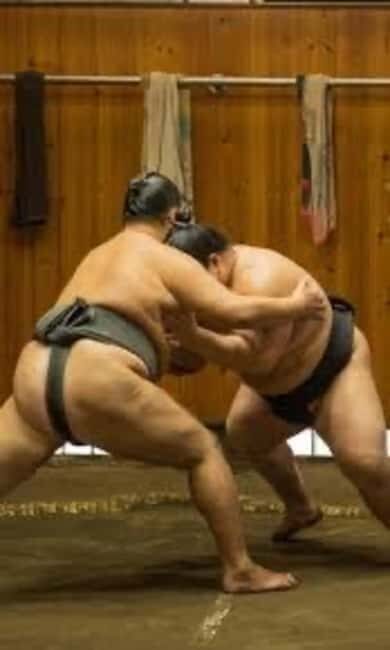
This isn’t a tour of a museum. It’s a working morning training session at a sumo stable, where you watch pro wrestlers practice the techniques that make matches possible. Most people only see sumo from far away during tournaments, so being close to the action is the whole point.
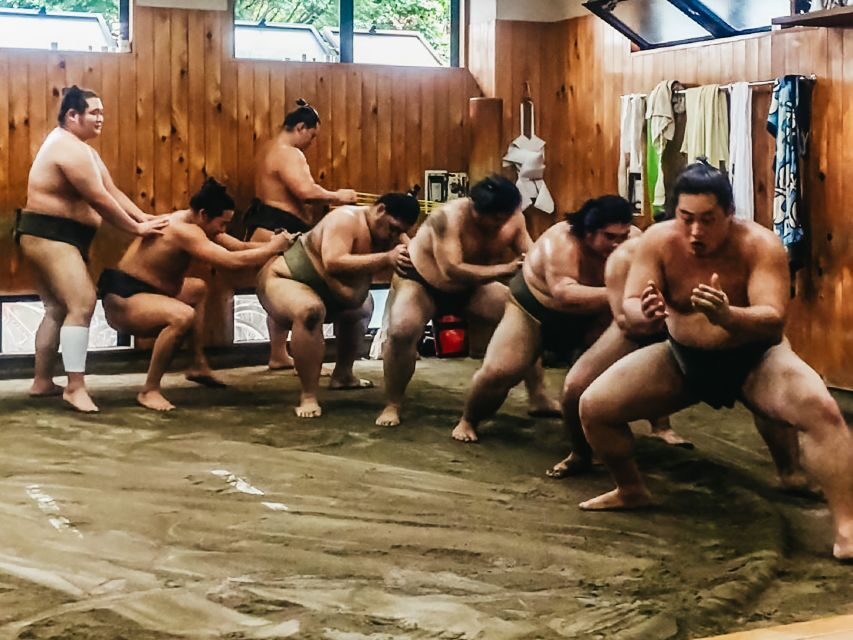
During the session, you’ll see the flow of keiko—warmups, practice movements, and the grappling drills that build timing and balance. A big part of what you notice is speed and force. Even when it looks controlled, the effort is real, and the body language tells you who’s working what.
There’s also a useful “expectation check” built into the experience: this is training, not entertainment. That mindset matters. If you go looking for a storyline and a running commentary, you might feel a little underfed. If you go ready to observe, you’ll get a lot more out of it.
The 60-Minute Promise vs. Real-World Sitting Time
The published duration is about 1 hour, and training normally runs around 60 minutes. But you should plan for a longer total sit-and-watch block. Some schedules can stretch to around two hours of waiting and watching, and you may still be in position for the full session flow.
Also pay attention to tournament timing. During the Tokyo Grand Sumo Tournaments (January, May, and September), training sessions are shorter—around 30 minutes—and you don’t get a refund for that shorter duration. In other words, the “morning training” label still holds, but the length of the actual activity may shrink.
So how do you handle this as a practical traveler? Bring the mental setup for waiting. The experience is about watching closely and respectfully during a real practice day, which means you’ll stay seated and keep things quiet even when you’re tempted to shift around.
Getting In: Meeting Point Rules That Catch People Off Guard
Tokyo logistics can be tricky, and this experience has its own twist. The address shown on Google Maps may not match the real meeting place. The stable and entry point are decided a few days before your visit, and you’re sent an email confirmation with the details.
Timing is strict. Check-in starts at the meeting time. If you arrive early, don’t ring the doorbell or enter early. If you’re late—specifically, more than 10 minutes after the pick-up time in cases where a car is involved—you risk being marked as a waiver.
A smart move: before your morning, read both the confirmation email and your voucher carefully and match them to the correct stable. When you do that, the rest of the morning goes much smoother.
Entering the Stable With a Guide (and Why That Matters)
You don’t simply walk into a sumo stable on your own. Entry is only allowed with the guide, and the whole setup is designed around keeping the session calm and orderly. This is why the check-in timing matters and why you don’t want to improvise your arrival plan.
For the human part: there’s an English-speaking host or greeter, but don’t count on a long, detailed talk. Some experiences have very little verbal explanation during the session. You may get basic guidance or a rules sheet about stable behavior, then you mainly watch.
That can be totally fine if you’re the kind of person who likes seeing the technique first and the context later. If you’re the kind of person who wants history, rituals, and explanations in real time, you might find yourself wanting more. Either way, plan to observe first, learn second.
Worth weighing up alongside this Tokyo pick:

Floor Seating, Sightlines, and the Group Photo Deal
You’ll be seated on the stable floor, and you’ll need to stay still. This is one of the most common practical complaints: sitting quietly can feel long, especially with limited cushion and limited space to move. If you have knee issues, keep that in mind. Also note that people in front can block your view, so your row matters.
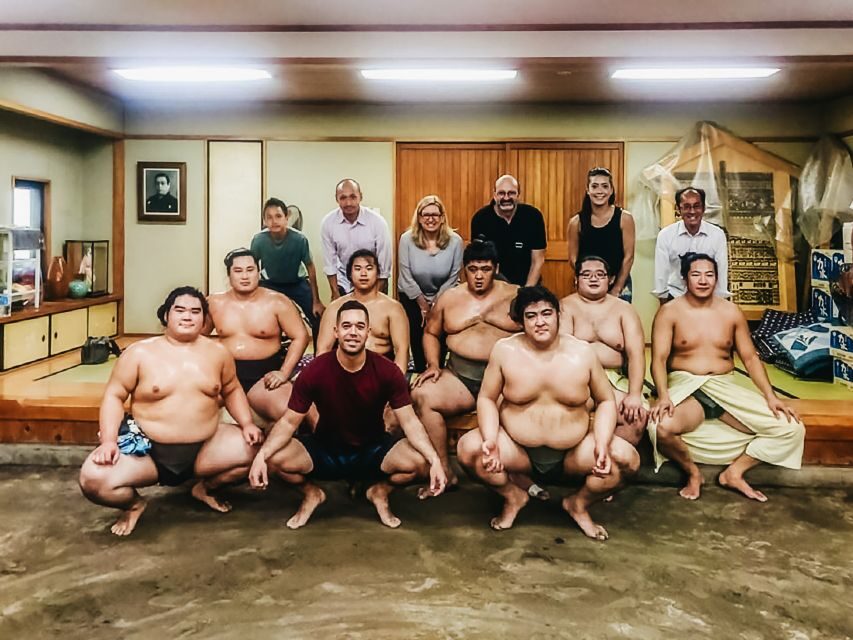
There’s another big detail: the group picture happens at the end, and if you leave early, you won’t receive it. That’s important when you’re thinking about trains, morning meetings, or bathroom breaks. Commit to staying through the end if the photo is a key reason you booked.
If you’re hoping for better views, the best strategy is simple: arrive with enough time to settle at the right spot before entry. You can’t control everything, but early arrival helps you avoid the back-row tradeoff.
The Rules You’ll Be Thankful For (Once You Know Them)
Stable etiquette isn’t optional here. You’ll notice the expectations immediately once you arrive, and they’re designed to protect the wrestlers and keep the practice focused.
Here’s what to plan around:
- You should bring a face mask or protective covering.
- Hats and sunglasses aren’t allowed.
- Food and drinks aren’t allowed.
- No flash photography.
- Phones must be switched to silent mode.
- Video might be allowed only with prior permission.
Also, talking loudly and making noises is prohibited. That means you’ll need to keep your group’s energy in check, even if you’re excited. The wrestlers are training, and the stable wants calm.
If you’re a photographer: skip the flash and don’t assume you can record freely. When in doubt, follow the guide’s lead and keep your camera ready but controlled.
Why Watching Keiko Feels So Much More Real Than a Tournament
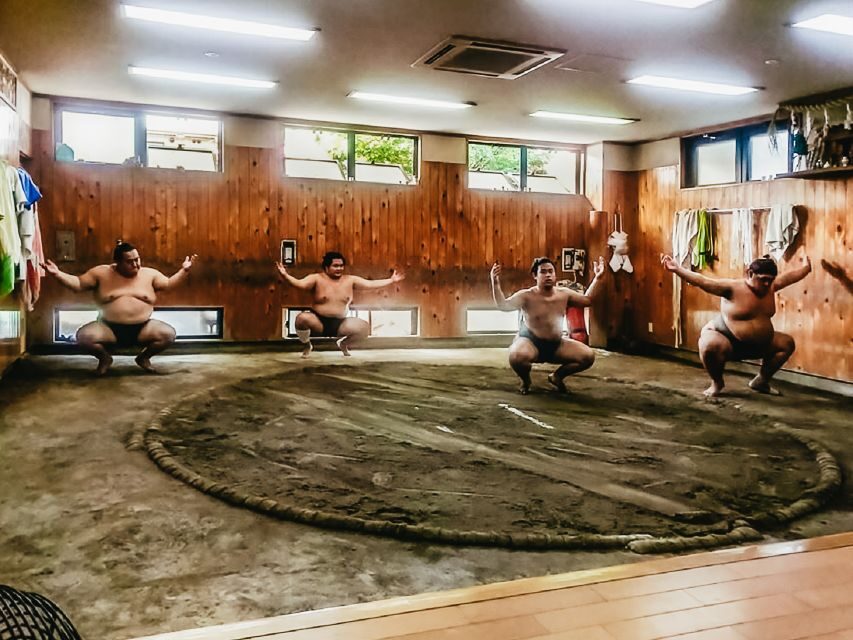
Tournament sumo is high drama. Training sumo is focus.
In a stable, you see the repetition—the drills that polish grip, footwork, and timing. You notice how quickly wrestlers reset, how they work with intent, and how forceful even “practice” movements look up close. Some sessions include sparring and pushing drills that show who’s controlling balance.
And because it’s training, the mood can feel more workmanlike than stage-like. That’s why people who want authenticity tend to love this format. You’re not chasing match results—you’re watching the craft being built.
That also explains a common frustration: you might not see bouts like a competition. If you specifically want to watch wrestlers compete against each other in a match format, this visit may feel more like a look inside the gym than a ticket to the arena. In that case, you might still want a tournament day ticket separately.
Price and Value: Is $77 a Good Deal?
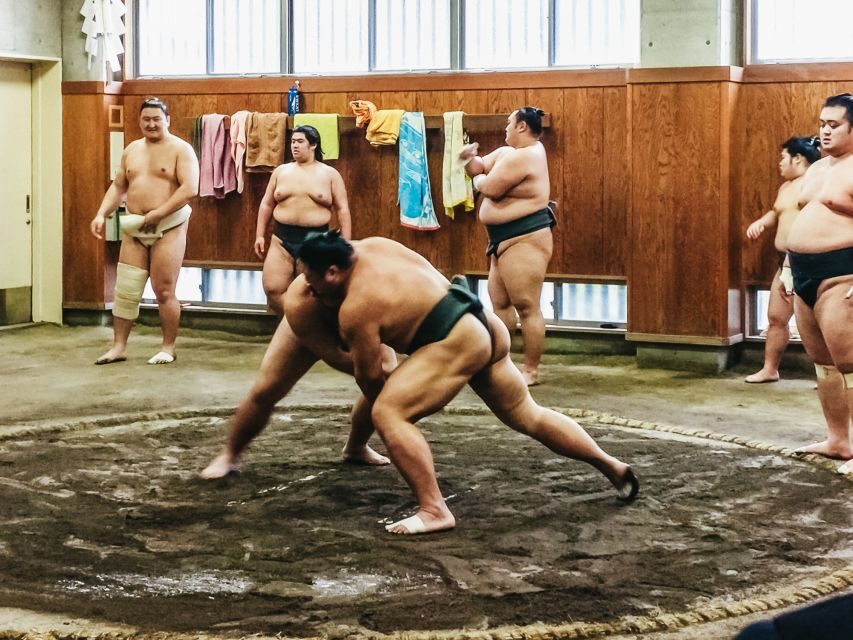
At $77 per person, you’re paying for access and proximity, not a pre-produced show. There isn’t a giant stage production here. You’re paying because you get entry to an active stable session and a group photo at the end.
So what makes it good value?
- Close viewing of professional keiko, which is hard to replicate on your own.
- A real end-of-session group photo, which many visitors treat as a “proof this happened” moment.
- A short visit length in most cases, which fits into a Tokyo morning plan.
What might make it feel expensive?
- If you arrive hoping for lots of narration or educational talk, some groups report minimal guidance during the session.
- If you end up in a back row or have limited seating comfort, the cost can feel less justified.
My practical take: this is worth it if you want to observe sumo as a working sport and you’re comfortable with quiet time on the floor. If you want maximum storytelling and maximum match action, you’ll probably get more satisfaction by combining this with a tournament ticket.
Optional Hotel Transfer: Convenient, but Not Always English-Friendly
Hotel pickup and drop-off is optional, and if you choose it, it’s a one-way transfer. The pickup is limited to Tokyo’s 23 wards, and vehicles typically hold up to 4 passengers.
The driver speaks Japanese only, so don’t expect English conversation in the car. If you’re booking and want the smoothest experience, make sure your hotel details are clear and your contact number in Japan is correct. The service confirms times by email and expects you to meet the timing requirements.
If your hotel has no front desk, pickup isn’t acceptable. If that describes your stay, plan to handle your own arrival to the confirmed meeting point.
Who Should Book This Sumo Morning Training Visit
This experience is a great fit if:
- You’re curious about how athletes train, not only how they perform.
- You like cultural experiences where you’re observing real practice rather than attending a show.
- You’re okay sitting still and quietly for a while.
It may not be ideal if:
- You need lots of spoken explanation during the session.
- You have knee or mobility limitations that make floor seating hard.
- You want competitive bouts like a tournament match.
If you fall into the middle—curious but not sure—my advice is to book with the right goal. Treat it as a behind-the-scenes look. When you do that, the session tends to land as a memorable Tokyo morning.
Should You Book It?
I’d book this if your top priority is proximity to real stable keiko and you’re happy to respect stable rules while watching closely. The group photo adds a clear finish line, and the short session length (often about an hour) makes it a manageable addition to a Tokyo itinerary.
Skip it—or pair it with a tournament plan—if your dream day is match day entertainment. This is training-focused, and the commentary may be light depending on the guide and group.
If you do book, the winning move is planning: re-check the confirmed stable details 3 days before, arrive at the stated time, and bring your face covering. Do those basics, and you’ll spend the morning watching sumo the way it actually works: repeat, refine, and stay disciplined.
FAQ
How long is the sumo training visit?
The visit is about 1 hour in most cases, and training sessions normally last around 60 minutes. During Tokyo Grand Sumo Tournament weeks (January, May, and September), sessions are about 30 minutes.
Will I get a group photo with the wrestlers?
Yes, the group picture is included at the end of the training. If you leave earlier, you will not receive the group photo.
Do I need to bring anything?
You should bring a face mask or protective covering.
Are there rules about photos and phones?
Flash photography isn’t allowed. Phones must be switched to silent mode, and video may require prior permission.
How do I know where to meet?
The meeting place and time are confirmed by email about 3 days before the experience. The address shown on Google Maps may not be correct, so use the email details and voucher for the actual stable.
Can I include hotel pickup?
Hotel pickup and drop-off are optional. If you choose transfer, pickup must be within Tokyo’s 23 wards, and the driver is Japanese-speaking only.
More Morning in Tokyo


More Tour Reviews in Tokyo






More Mornings with the Wrestlers

Fresh reviews from around Tokyo






Sumo Shows, compared.
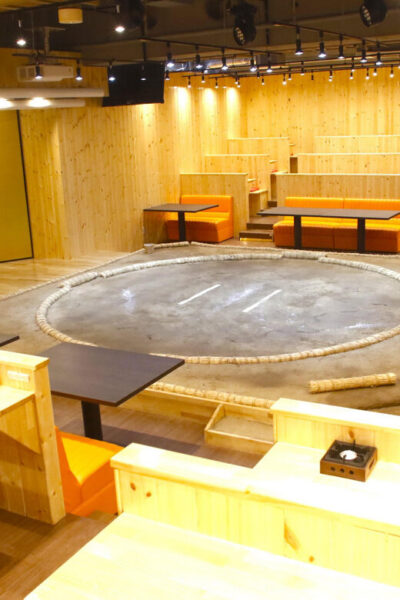 ★ 4.8Sumo Show Experience with Chicken Hot Pot and a PhotoFrom $1036,678 reviews
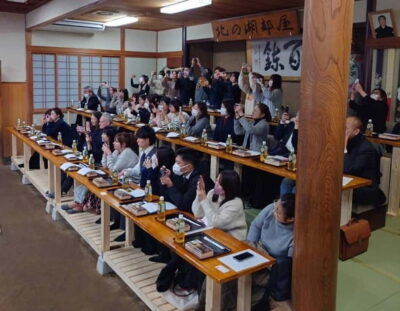 ★ 4.8Sumo Show and Dining ExperienceFrom $792,742 reviews
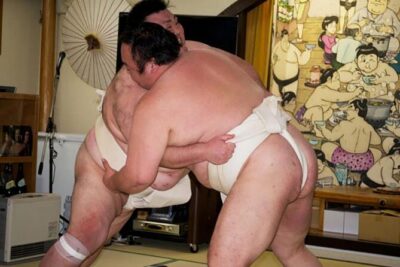 ★ 5.0the SUMO showFrom $891,960 reviews
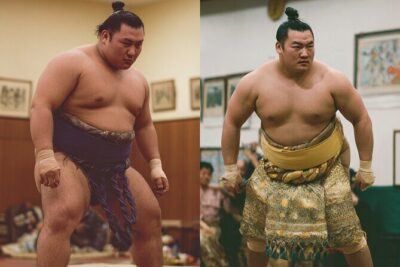 ★ 5.0Tokyo Shinjuku Sumo Show & Experience with PhotoFrom $791,750 reviews
 ★ 4.8Sumo Show and Experience in ShinjukuFrom $691,001 reviews
 ★ 5.0Authentic Sumo Experience in Tokyo: Enter the SanctuaryFrom $171603 reviews
 ★ 4.8Tokyo Sumo Experience: Chanko & Mochi with a Former ProFrom $103567 reviews
 ★ 5.0Ultimate Sumo Tournament: Tokyo, Osaka, Nagoya, FukuokaFrom $184468 reviews
Browse the lists this tour appears in