
Reviewed · SHINJUKU BAR HOPPING
Tokyo: Sumo Show and Experience in Shinjuku
Sumo in Shinjuku is surprisingly human. You’ll watch professional wrestlers do live sparring and you’ll learn the why behind the drama. I love that the program is taught clearly in English, often with an MC like Dai or Paula, so the rituals make sense fast. I also love the hands-on part: you can wear a traditional sumo outfit and step into the ring to challenge a wrestler. The one drawback to plan for: this is not a tournament, so if you want the full pro-event stakes, the vibe will be more like training and demonstration than “win-or-go-home.”
If you’re short on time in Tokyo, this is a smart use of it. At 90 minutes, it packs history, rules, and real action without turning into a long, confusing spectacle. Still, timing matters a lot. Entry has to go through the front door route, and late arrivals may get turned away because the show runs on a schedule.
In This Review
- Key points worth your attention
- Sumo Power in Shinjuku: What You Actually Get in 90 Minutes
- Where to Meet: Sekisaku Building and the Correct Front Door
- The Rituals You’ll See: Shiko, Salt, and Why It Matters
- Live Sparring Matches: Where the Speed and Strength Surprise You
- English MC Energy: Turning Sumo Rules Into Something You Can Use
- Suit Up and Step Into the Ring: The Dohyo Challenge Moment
- Price and Value: Is $69 a Good Deal in Shinjuku?
- Logistics That Matter: Schedule, Entry Rules, and Staying On Time
- Who This Sumo Experience Fits Best
- Quick Practical Tips Before You Go
- Should You Book This Tokyo Sumo Show in Shinjuku?
Key points worth your attention
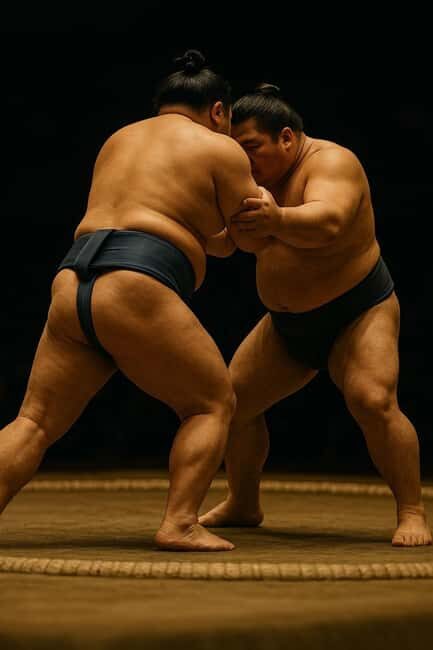
- Live sparring, not just static demos gives you the real feel of how fast and powerful sumo is.
- English explanations come from an English-speaking MC, often with a fun, interactive style like Dai or Paula.
- You can try the outfit and get the full costume moment, not just watch it from the crowd.
- Dohyo challenge experience turns the show from education into a memory you’ll talk about for years.
- Rituals are explained (think shiko foot stomping and salt-throwing) so it’s culture, not random pageantry.
- Shinjuku location makes it easy to fit into an evening in one of Tokyo’s most convenient areas.
Different nights, same neon: more Shinjuku crawls
- Tokyo: Shinjuku Food Tour (13 Dishes at 4 Local Eateries)★ 5.0 · 6,603 reviews
- Tokyo Bar Hopping Tour in Shinjuku (All-You-Can-Drink + Dinner)★ 5.0 · 3,587 reviews
- Tokyo: Shinjuku Food Tour (15 Dishes and 4 Eateries)★ 4.9 · 2,033 reviews
Sumo Power in Shinjuku: What You Actually Get in 90 Minutes
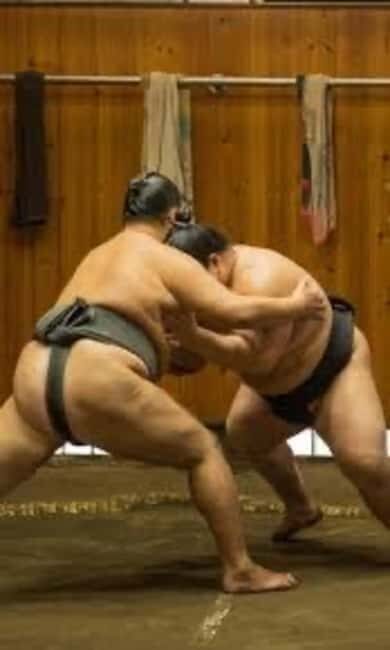
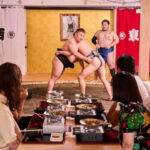
This isn’t the kind of sumo you “sort of” understand from a TV highlight reel. In Shinjuku, the sport gets shown up close, with context. You’ll see pro wrestlers demonstrate techniques, perform the key rituals, and then get into live sparring. The result is that your brain finally connects the big moves you’ve seen on screens with the rules and strategy underneath.
The schedule is built to move. You start with an introduction to sumo—how matches work, what matters, and what the wrestlers are trying to do. Then the program shifts into demonstrations and action. The MC keeps things organized so you don’t feel lost when the wrestlers start getting serious.
Two things make this format work for first-timers. First, the MC’s English guidance gives you a quick “map” before you watch the hard-to-read details. Second, you get to participate at the end, which forces you to feel what the wrestlers are working with—balance, weight, grip, and footwork.
One practical note: this is not a tournament. You won’t be seeing an official bracket or the intense pressure of a full competition. Instead, you’re getting a real pro-sumo presentation: demonstrations, sparring, and crowd interaction.
Where to Meet: Sekisaku Building and the Correct Front Door
Meet at the second floor of Sekisaku Building in Shinjuku. The exact arrival plan matters because entry is restricted.
You’ll need to enter through the front of the building facing the main door next to Daiso. That detail is important. Late arrivals may not be accepted because the show follows a time schedule and the front desk may stop admitting people once things are underway.
My advice is simple: treat this like a ticketed show. Plan to arrive with breathing room, find the building entrance early, and get upstairs before you start worrying about time. Shinjuku can be chaotic, even when you’re doing everything right.
The Rituals You’ll See: Shiko, Salt, and Why It Matters
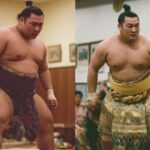
One of the best parts of sumo is that it looks theatrical until someone explains the logic. Here, the MC does that work for you. You’ll see signature rituals such as shiko (the stomping) and the salt-throwing, presented as more than tradition-for-tradition’s-sake.
The way I’d think about it: sumo rituals are like a pre-match reset and a signal to everyone in the room. They set focus. They also show respect for the ring and for the opponent. When the explanation comes first, the rituals stop being “cool moves” and become part of the sport’s mindset.
This is also where the experience turns cultural. You’re in a modern entertainment district, but you’re learning a discipline that has kept its form for centuries. The show makes sure you don’t just watch the ceremony—you understand what it’s doing.
Live Sparring Matches: Where the Speed and Strength Surprise You
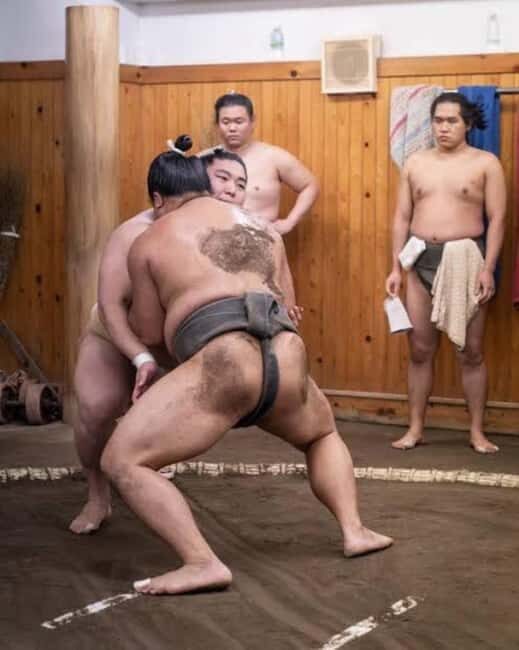
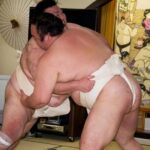
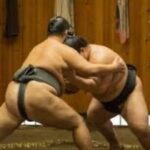
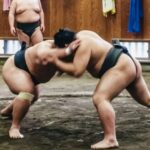
After the intro, you’ll watch professional wrestlers in live sparring. This is the moment where most first-timers go from guessing to understanding. On TV, sumo can look slow, because the camera is far away. Up close, it’s different. The shifts happen fast. The force is physical. The ring feels smaller than you expect.
You’re not just watching the biggest throws. You’re also learning the rhythm: setup, contact, small adjustments, then a sudden turn into action. The MC typically helps you follow what you’re seeing, and that matters because sumo doesn’t have the same “points scoreboard” clarity as many sports.
Also, the program isn’t shy about showing technique. You’ll see explanations tied to what the wrestlers are about to do. That’s why the experience is good value for people who want more than entertainment.
More chances to sit ringside
English MC Energy: Turning Sumo Rules Into Something You Can Use
An English-speaking MC anchors the whole experience. On different sessions, names that come up include Dai, Paula, Ali, and Ari. Regardless of who’s running the show, the goal is consistent: make sumo understandable quickly and keep the pace friendly.
What you’ll get from the MC is not a dry lecture. It’s guidance that lets you watch better. For example, the show explains how sumo works, and you’ll get context on discipline and the sport’s structure. Some presentations also cover techniques and fouls, which helps you understand what changes when the wrestlers start breaking rhythm or getting out of position.
I like this because it avoids the common problem in “culture shows” where you’re left with facts but no sense of how to watch. Here, you get facts and then you watch the results of those facts.
Suit Up and Step Into the Ring: The Dohyo Challenge Moment
This is where the experience goes from “nice event” to “I can’t believe I did that.”
After the matches, you can put on a traditional sumo outfit and step into the ring to challenge a sumo wrestler. Even if you have zero chance in a real contest—and you don’t—you’ll still feel what the wrestlers are using: stance, balance, and pressure at close range.
Expect this part to be playful as well as memorable. You may also get chances for photos with the wrestlers, and you’ll almost certainly be able to interact with them in the crowd-focused way these sessions are designed.
The practical takeaway: wear shoes you can take on and off easily, and follow staff directions closely when it’s your turn. The ring area is part of the show space, so you’ll want to move carefully and stay focused.
Price and Value: Is $69 a Good Deal in Shinjuku?
$69 for a 90-minute live sumo experience is reasonable—especially because the package isn’t only “watching.” You’re paying for several things at once:
- Professional sumo wrestling matches and sparring demonstrations
- An English-speaking MC explaining rituals and rules
- A welcome drink (bottled water)
- The chance to wear a traditional sumo outfit
- The chance to challenge a wrestler in the ring
Food isn’t included. So if you’re planning your timing, eat before you arrive or plan to grab something afterward in Shinjuku.
Here’s how I’d judge the value: if you want sumo in Tokyo but you’re not planning to commit to a full tournament schedule, this gives you the core of sumo—ritual, technique, and real action—plus the doyo challenge. The “hands-on” piece is what really sells it. A pure show ticket is entertainment. This is entertainment plus participation.
Logistics That Matter: Schedule, Entry Rules, and Staying On Time
Because the show follows a time schedule, late entry may not be accepted. That means your biggest risk isn’t weather or crowds—it’s simply walking in after the session has started.
Also, remember the entry rule: only enter through the front of the building facing the main door next to Daiso. If you show up and try a side entrance, you might slow yourself down at the worst possible moment.
Your best strategy:
- Arrive early enough to find the building and get upstairs.
- Use the front door route next to Daiso.
- Keep your phone brightness low and your directions ready—Shinjuku signage can be a lot when you’re also hunting for an exact building entrance.
Who This Sumo Experience Fits Best
This tour fits especially well if you’re any of these:
- A first-time visitor who wants sumo explained in plain English
- A family looking for a short, high-energy cultural activity
- Anyone who loves hands-on moments and doesn’t mind being part of the fun
- People who want pro-level sumo atmosphere without needing tournament tickets
It may be less satisfying if you’re specifically hunting the full tournament format. This isn’t that. But if you want understanding plus real sparring plus a memorable challenge, it’s a strong match.
Quick Practical Tips Before You Go
- Bring your curiosity. The MC explains what you’re seeing, but your attention helps.
- Go with the mindset that rituals are part of the sport, not just “set dressing.”
- Plan to eat separately since food isn’t included, and rely on the welcome drink only.
- Follow staff directions in the ring area so you don’t lose your moment.
Should You Book This Tokyo Sumo Show in Shinjuku?
Yes, if you want an easy, 90-minute way to understand sumo and also do something you can’t do just by walking around Shinjuku. The strongest reasons to book are the mix of live sparring, an English-speaking MC, and the chance to wear the outfit and challenge a wrestler.
Skip it only if you’re set on tournament-style stakes and a bracket competition atmosphere. If that’s your top priority, you’ll want a different kind of sumo outing.
If you’re flexible and want a memorable cultural night that’s actually fun, this is a solid pick for Tokyo.
More Tour Reviews in Tokyo






More Mornings with the Wrestlers
Shinjuku After Hours: The Other Crawls

Fresh reviews from around Tokyo






Shinjuku Bar Hopping, compared.
 ★ 5.0Shinjuku Food Tour (13 Dishes at 4 Local Eateries)From $866,603 reviews
 ★ 5.0Tokyo Bar Hopping Tour in Shinjuku (All-You-Can-Drink + Dinner)From $1063,587 reviews
 ★ 4.9Shinjuku Food Tour (15 Dishes and 4 Eateries)From $852,033 reviews
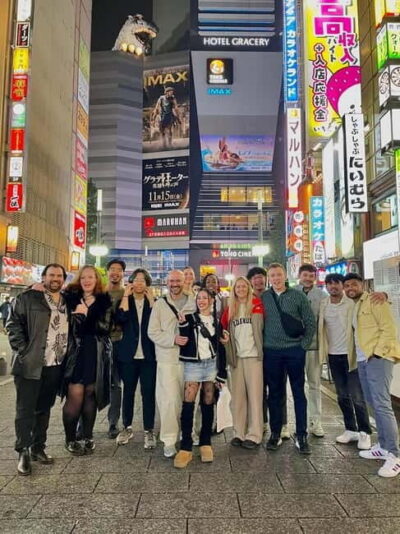 ★ 4.9Shinjuku Local Bar and Izakaya Guided Walking TourFrom $341,794 reviews
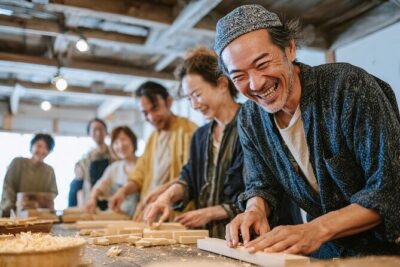 ★ 5.0Tokyo Shinjuku Chopsticks Making ClassFrom $201,763 reviews
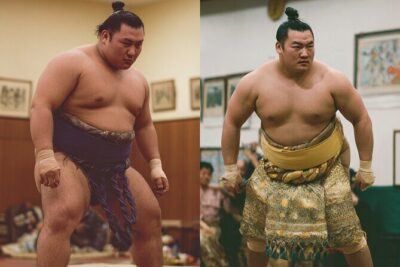 ★ 5.0Tokyo Shinjuku Sumo Show & Experience with PhotoFrom $791,750 reviews
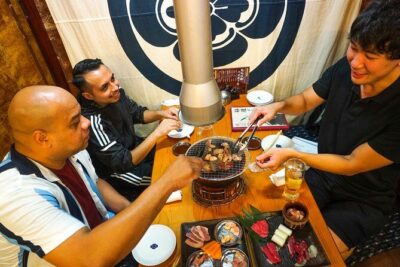 ★ 5.0Tokyo Night Foodie Tour in Shinjuku – Seasonal Sushi, Wagyu BeefFrom $1111,161 reviews
 ★ 5.0Shinjuku Local Bar & Izakaya Crawl TourFrom $39890 reviews
Browse the lists this tour appears in