
Reviewed · SUMO SHOWS
Tokyo Ryogoku Sumo Morning Practice + Photo Shoot with Wrestlers
Early morning sumo is a time warp.
This tour takes you into Ryogoku for real training rather than a staged show, with a local guide helping you reach the stables that most visitors can’t access on their own. You’ll see hierarchy, discipline, and the physical grind—up close—then get a photo shoot moment depending on stable rules, plus included tour photos.
I especially like that the format is small and straightforward: meet at Ryogoku, walk to the stable, watch from the tatami floor, then head back. I also love the practical value of the included guide—when you understand what you’re seeing (ranks, routines, how practice works), the whole morning clicks.
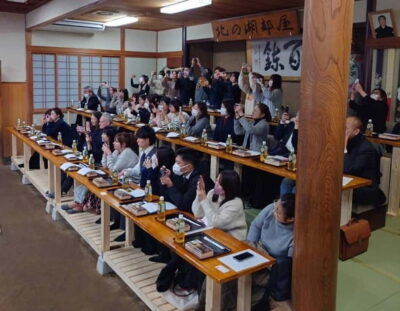
One consideration: you’re sitting on the floor for about 1 hour 30 minutes (sometimes longer if practice runs late), and the stable controls strict behavior rules, including where you can sit and whether photos are allowed.
In This Review
- Key Things to Know Before You Go
- Ryogoku Morning Practice: The Best Way to See Real Sumo Training
- Meeting at JR Ryogoku East Exit (and Finding the Correct Spot)
- Walking to the Stable: Fast, Local, and Sometimes Varies
- Watching Practice Up Close: What You’ll Actually See
- Photo Shoot and Photo Rules: What’s Included vs What’s Controlled
- Ryogoku Kokugikan Stop: A Short Sumo Town Taste
- Timing, Duration, and Why Starting Early Matters
- Comfort and Etiquette: How to Have a Smoother Morning
- Plan for floor time
- Wear weather-smart clothing
- Expect quiet rules
- Arrive on time
- Value for $98.16: What You’re Paying For (and What Can Feel Off)
- Who This Tour Suits Best
- Should You Book This Tokyo Sumo Morning Practice Tour?
- FAQ
- What time does the tour start?
- Where do I meet the guide in Tokyo?
- Which Ryogoku station should I use?
- Who can join the sumo morning practice?
- Are the admission tickets and photos included?
- Can I take photos during the practice?
- What if the stable cancels the practice?
Key Things to Know Before You Go
- Ryogoku JR East Exit meeting point with a MagicalTrip board, and you must avoid the wrong Ryogoku station
- First come first serve seating inside the stable, so arrive early for the best view
- Tatami floor seating with no chairs in most stables, plus limited chances to stand up
- Stable-driven photo rules, meaning your photo access can vary by day and by stable
- Guides often explain sumo’s culture and ranking, and names like Mayu, Masao, Ayaka, and Yumiko come up in great feedback
- Practice schedules can change, and your slot can be refunded if the stable cancels
More chances to sit ringside
- Tokyo: Sumo Show and Dining Experience★ 4.8 · 2,742 reviews
- the SUMO show★ 5.0 · 1,960 reviews
- Tokyo Shinjuku Sumo Show & Experience with Photo★ 5.0 · 1,750 reviews
Ryogoku Morning Practice: The Best Way to See Real Sumo Training
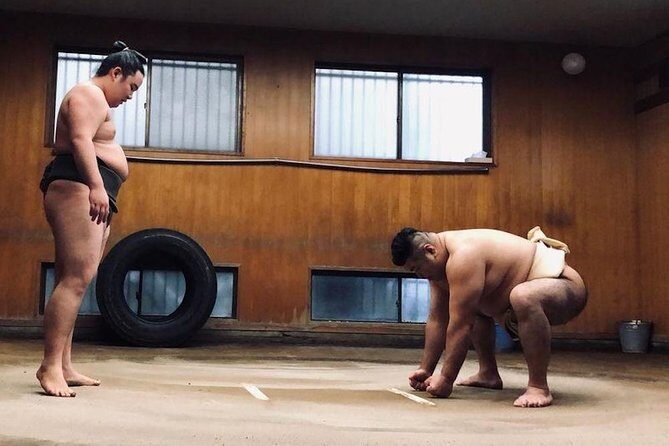
If your sumo experience so far has been limited to TV or a match-day arena, this morning practice will recalibrate your expectations fast. Sumo in the stable isn’t about spectacle. It’s about repetition: warmups, technique work, and partner practice that looks simple until you watch long enough to see the detail and pace.
Ryogoku is the heartland for sumo culture in Tokyo, and the morning slot matters. By the time you’re seated, the athletes are already in training mode—serious faces, controlled movement, and the constant sense that this is work, not performance.
You’re also getting a level of access that’s hard to DIY. Stables are not tourist attractions, and visitors often struggle with where to go, when to arrive, and how to behave once inside. Having a guide to get you there—plus a small group—makes the whole thing feel grounded.
Meeting at JR Ryogoku East Exit (and Finding the Correct Spot)
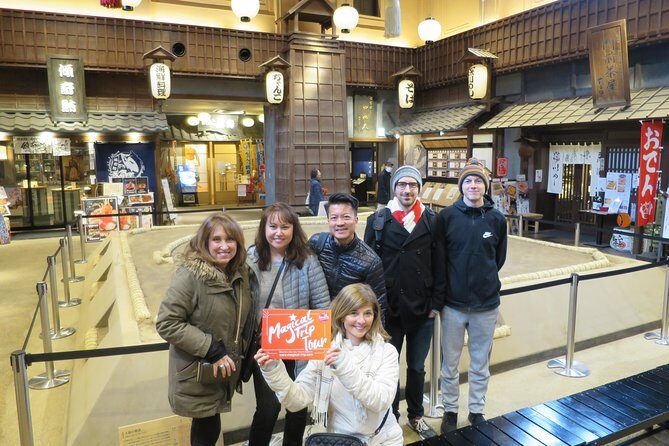
The meeting point is Re.Ra.Ku Ryōgoku Ekimae at the address listed near JR両国駅東口高架下 (JR Ryogoku Station East Exit area). Your guide will be holding a red/orange MagicalTrip signboard.
Two practical tips that can save your morning:
- Don’t head to Ryogoku Oedo Line Station by accident. There are two Ryogoku stations, and you want the JR side.
- Aim to be early. If you’re late by more than 15 minutes past the meeting time, you won’t be able to join, and refunds or reschedules won’t be possible.
I like this setup because it’s clear and transit-friendly. You’re meeting close to a train hub, so you can build your morning around normal Tokyo public transport.
Walking to the Stable: Fast, Local, and Sometimes Varies
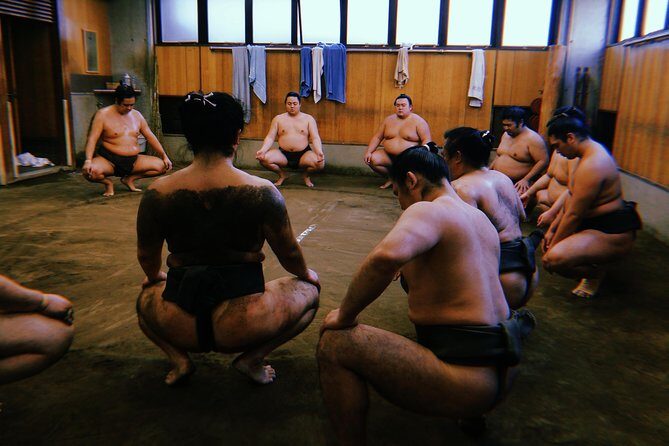
After you meet, you’ll walk to a sumo stable. The walk can range from about 5 minutes to as long as 30 minutes, depending on which stable is available that day. That variability is normal with stable scheduling, and it’s part of why this is an assisted experience rather than a fixed “tourist building.”
Inside, the tour stays respectful and quiet. Most stables keep rules tight:
- You’ll be limited to off-limits areas that you’re specifically allowed to be in.
- Seating is typically on the tatami straw floor, and chairs are usually not provided.
- You may have to sit in a certain way, and in general you should expect the stable environment to be strict.
Also note a real-life detail: you may not be allowed to use the toilet during practice. I’d treat this as a “use the restroom first” kind of tour.
Watching Practice Up Close: What You’ll Actually See
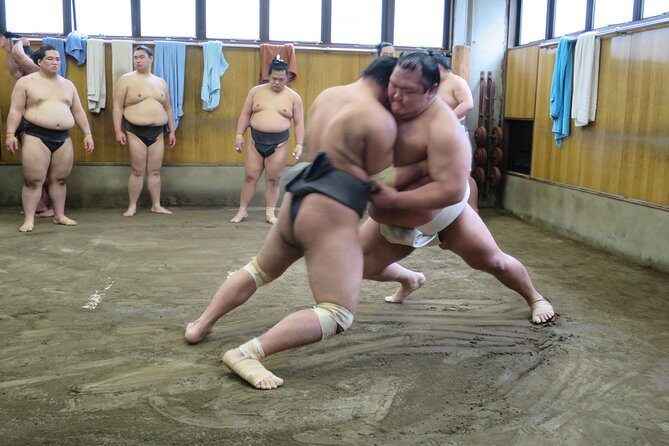
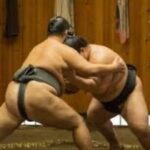
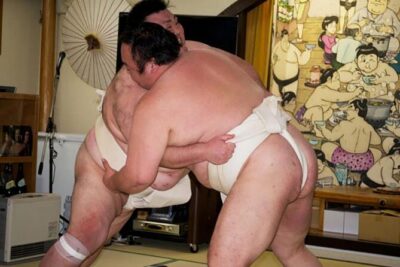
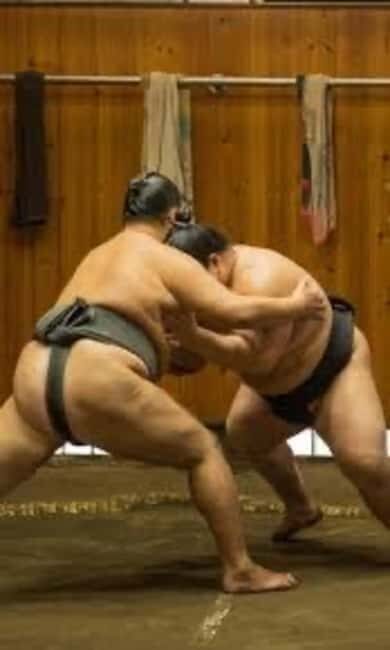
This is the main event, and it’s why the reviews are so consistently positive. You’re watching an unstaged morning practice, and you’ll get close enough to notice the flow of training: warmups, intensity spikes, and technique repetition.
Sumo practice tends to include both general work and more focused bouts, so you’re not only watching warmups. Some groups report seeing a lot more actual action than they expected, including practice confrontations between trainees.
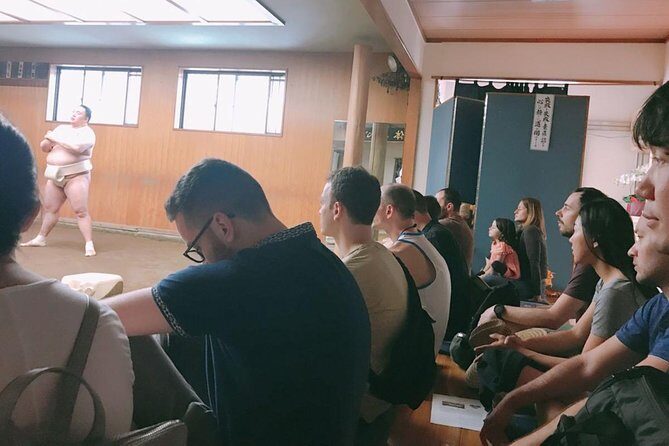
A guide’s job here is to turn what looks like wrestling into something you can understand. In the strongest sessions, guides take time to explain:
- how sumo is organized,
- how hierarchy and ranks work,
- what certain routines mean in training terms.
Specific guide names that show up in praise include Masao, Mayu, Ayaka, and Yumiko—and the common thread is that they help you read the practice instead of just watching bodies move.
One more key point: you’re joining a working session that starts very early, so you might not catch the very first minute. The tour can join partway through depending on how the morning schedule lines up, which can affect your sense of value if you expected a full warmup from the start.
Worth weighing up alongside this Tokyo pick:
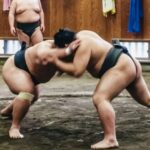
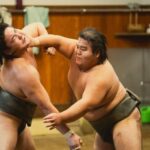
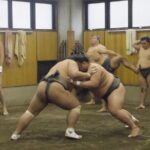

Photo Shoot and Photo Rules: What’s Included vs What’s Controlled
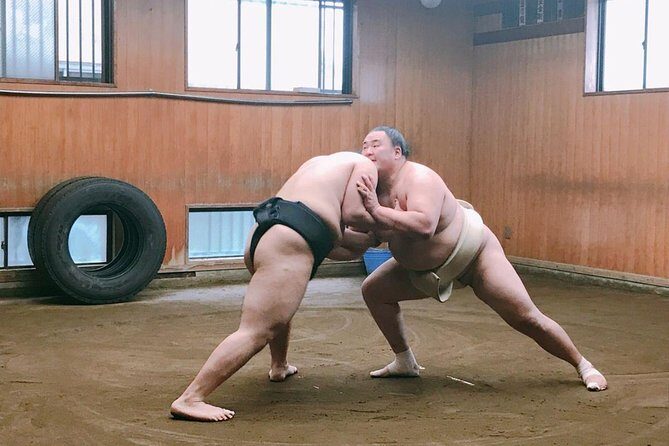
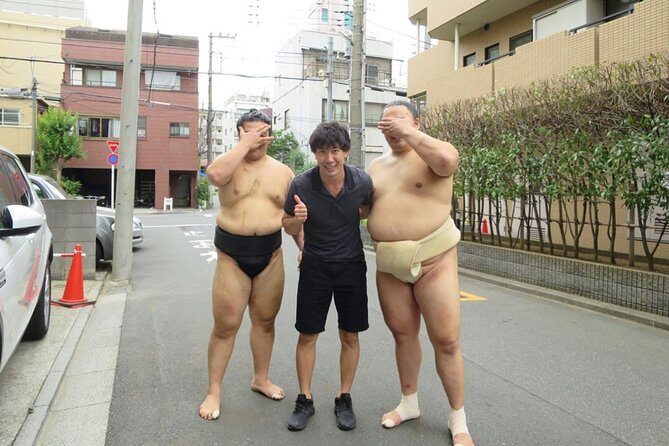
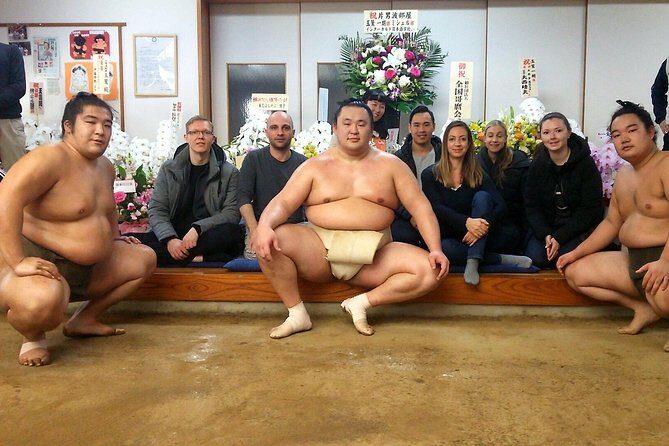
You’ll have tour photos included, and you’ll also have a chance for a photo moment with wrestlers after practice in some cases. Several people describe a posed photo opportunity at the end.
But here’s the catch: the stable decides what’s allowed on the day.
- The stable may allow photos of training.
- The stable may allow photos with wrestlers.
- The stable may restrict or refuse photos entirely.
So think of the “photo shoot” as permission-based. It’s not something you can demand once you’re inside. When planning your expectations, plan for photos to be possible, but not guaranteed.
Practical tip: follow the stable rules on timing and location for photos. If you’re told when you can move and when you need to stay quiet, do it without debate. It’s their gym, and it keeps the day on track for everyone.
Ryogoku Kokugikan Stop: A Short Sumo Town Taste
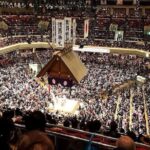
After the practice, you’ll return toward Ryogoku Station, with an extra stop at Ryogoku Kokugikan—about 10 minutes. Kokugikan is the big sumo arena landmark in the area, so this quick stop helps you connect what you saw in the stable to the wider sumo world.
Even in a short time, it’s useful. You’ll be standing in sumo town territory, with the sense that this isn’t a random cultural detour. It’s a Tokyo neighborhood where sumo has weight.
In some sessions, the surrounding walk can include a brief temple visit. One example mentioned is Ekōin, a temple tied to honoring the dead. Since this isn’t guaranteed in the basic outline, treat it as a possible add-on that your guide may work in when timing allows.
Timing, Duration, and Why Starting Early Matters
Start time is 8:00 am, and the total duration is about 2 hours. That’s an estimate. Two things can stretch the schedule:
- Practice can run longer, and your tour may end later than planned.
- Walk time to the stable can vary.
The early start is also part of the authenticity. You’re seeing athletes in their daily rhythm, not in a later, staged tourist window.
For planning your morning: I’d keep your next activity flexible. You’re dealing with a live training schedule, not a clockwork museum visit.
Comfort and Etiquette: How to Have a Smoother Morning
This tour can be simple, but it’s not lazy. The comfort points matter.
Plan for floor time
Most stables don’t offer chairs, so you’ll likely sit on tatami mats for around 1 hour 30 minutes. Some people find it manageable; others wish they’d brought something for cushioning. Either way, don’t show up assuming you’ll stand and stretch easily.
Wear weather-smart clothing
This is Tokyo, in the real world. In summer it can be hot and humid, so bring water and wear a hat to reduce heat stress.
Expect quiet rules
Many stables treat practice as work, not entertainment. You may need to sit quietly and avoid interrupting. Some people also note they can be asked to follow stable rules like wearing a mask. If it happens, treat it like part of participating, not a negotiation.
Arrive on time
Because seating is limited and rules are strict, lateness can mean you miss the group. If you want a front-row-ish experience, arriving early helps because seating inside is first come first serve.
Value for $98.16: What You’re Paying For (and What Can Feel Off)
At $98.16 per person with an included admission ticket to the practice, this tour can feel like excellent value if you want an authentic sumo morning and you benefit from a guide.
Here’s what you’re really buying:
- access to a stable that’s hard to reach without help,
- small-group structure (max 7 travelers),
- included tour photos,
- interpretation from a guide—especially when they explain ranks and routine meaning.
Where value can wobble:
- If you join partway through practice, it can feel like you paid for less time than you hoped.
- Seating can place you farther back if you arrive later, even within the tour group.
- Photo access can be limited by the stable’s rules, which can reduce the “photo shoot” feel even if you still watch great training.
My take: this tour pays off most when you go in with the right mindset. You’re not buying a guaranteed performance. You’re paying to witness a living training session with a guide smoothing the way.
Who This Tour Suits Best
This experience fits you best if:
- You’re a sports fan or you like seeing athletes train for real.
- You want culture that isn’t stuck behind a ticket counter.
- You’re okay with quiet rules and floor seating.
It’s also good as a solo-friendly activity because you’re with a small group, and practice requires stillness anyway—so you’re not stuck doing small talk the whole time.
If you hate waiting, hate being told to be quiet, or need lots of sitting comfort, you’ll want to think twice. This is a “show up, listen, watch, sit” kind of morning.
Should You Book This Tokyo Sumo Morning Practice Tour?
I’d book it if you’re excited by the idea of seeing sumo as daily training, not a choreographed attraction. The small group size, the guide support, and the chance to get close enough to understand the intensity make it a standout Tokyo experience.
But I’d hesitate if you need guaranteed photos, guaranteed full start-to-finish practice timing, or comfortable seating. Since the stable controls the rules (including photo permission) and schedules can shift, your best strategy is to show up early, follow instructions, and treat the morning as a real working environment.
If you want the most reliable experience, go with a flexible schedule, bring water, and be ready to sit on the tatami.
FAQ
What time does the tour start?
The tour starts at 8:00 am. You should arrive a bit early since meeting rules are strict.
Where do I meet the guide in Tokyo?
Meet at Re.Ra.Ku Ryōgoku Ekimae, at JR両国駅東口高架下 near Ryogoku Station’s East Exit. Your guide will be holding a red/orange MagicalTrip board.
Which Ryogoku station should I use?
Use JR Ryogoku Station East Exit. Do not go to Ryogoku Oedo Line Station.
Who can join the sumo morning practice?
The tour is for guests over 12 years old. Children under 12 aren’t allowed inside the practice.
Are the admission tickets and photos included?
Yes. Admission ticket for the sumo morning practice is included, and tour photos are included as part of the experience.
Can I take photos during the practice?
It depends on the stable’s rules for that day. The stable decides whether you can photograph the training and whether you can take photos with the wrestlers.
What if the stable cancels the practice?
If the practice is canceled due to last-minute schedule changes or cancellation by the stable, your booking is fully refunded shortly.
More Morning in Tokyo

More Tour Reviews in Tokyo






More Mornings with the Wrestlers

Fresh reviews from around Tokyo






Sumo Shows, compared.
 ★ 4.8Sumo Show Experience with Chicken Hot Pot and a PhotoFrom $1036,678 reviews
 ★ 4.8Sumo Show and Dining ExperienceFrom $792,742 reviews
 ★ 5.0the SUMO showFrom $891,960 reviews
 ★ 5.0Tokyo Shinjuku Sumo Show & Experience with PhotoFrom $791,750 reviews
 ★ 4.8Sumo Show and Experience in ShinjukuFrom $691,001 reviews
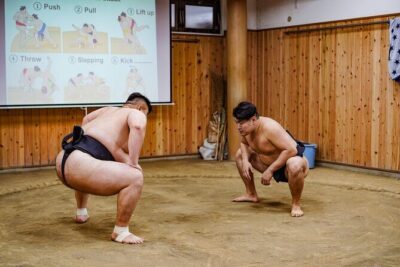 ★ 5.0Authentic Sumo Experience in Tokyo: Enter the SanctuaryFrom $171603 reviews
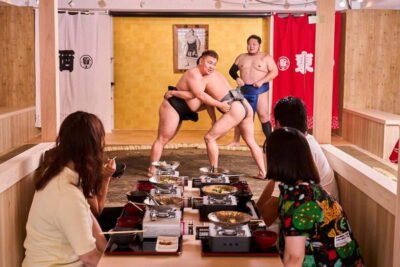 ★ 4.8Tokyo Sumo Experience: Chanko & Mochi with a Former ProFrom $103567 reviews
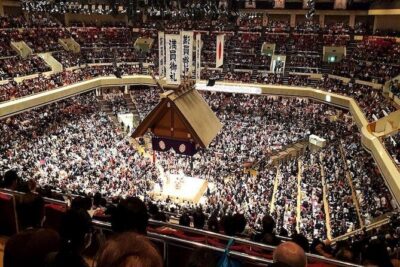 ★ 5.0Ultimate Sumo Tournament: Tokyo, Osaka, Nagoya, FukuokaFrom $184468 reviews
Browse the lists this tour appears in