
Reviewed · SHINJUKU BAR HOPPING
Tokyo Shinjuku Sumo Show & Experience with Photo
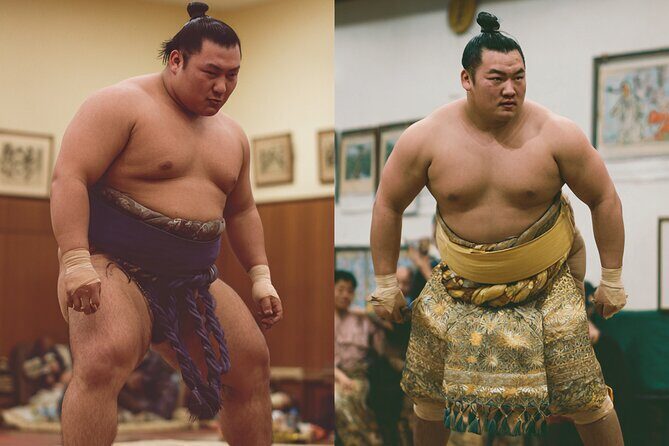
Sumo in Shinjuku is quick and fun. This experience brings real pro wrestlers into a traditional-style venue, then explains what you’re seeing in plain English and Japanese with a bilingual MC. You’ll watch live clashes and demonstrations, learn the meaning behind sacred rituals like salt throwing and ring stomping, and then get hands-on with a friendly challenge plus a playful photo moment.
I also like how much effort goes into making it understandable, not just entertaining. There’s audience interaction, a Q&A vibe, and clear guidance so you know what each movement is trying to do. The main drawback: if you’re hunting for tournament-level seriousness, this is more of an upbeat cultural showcase than the hard-edged competition you’d see in official sumo tournaments.
In This Review
- Key highlights
- Entering the Shinjuku Sumo Club: What the venue sets up
- The main show: Sacred rituals, pro action, and an easy explanation
- Audience participation: Stepping into the dohyō without the stress
- Photos with the wrestlers: Turning a show into a memory
- How the time (about 90 minutes) fits into a Tokyo day
- Price and value: Is $79.59 per person worth it?
- Who this suits best (and who might bounce)
- Practical tips to get the most out of it
- Should you book this Shinjuku Sumo Show with Photo?
- FAQ
- How long is the Shinjuku Sumo show and experience?
- Where does the experience take place?
- What do I get with the ticket?
- Is the ticket mobile?
- Is it family-friendly, and can most people participate?
- Can I get a refund if I cancel?
Key highlights
- Bilingual MC explains sumo rituals and rules clearly while keeping the mood light
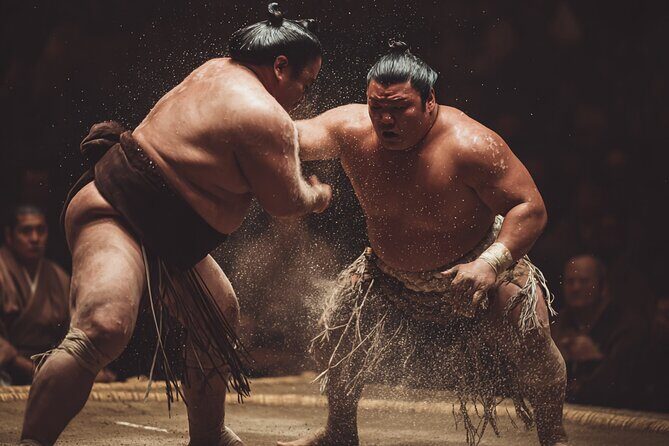
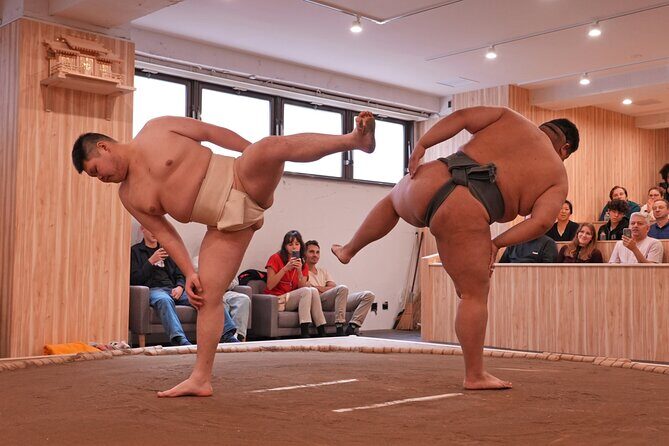
- Two professional wrestlers demonstrate techniques and interact with the crowd
- Dohyō (sumo ring) challenge lets you step in and try a friendly version of sumo
- Photo moment gives you memorable, up-close pictures with the performers
- Rituals up front like salt throwing and pre-match ceremonies help you understand the sport
- Family-friendly format with participation that works for different ages
Different nights, same neon: more Shinjuku crawls
- Tokyo: Shinjuku Food Tour (13 Dishes at 4 Local Eateries)★ 5.0 · 6,603 reviews
- Tokyo Bar Hopping Tour in Shinjuku (All-You-Can-Drink + Dinner)★ 5.0 · 3,587 reviews
- Tokyo: Shinjuku Food Tour (15 Dishes and 4 Eateries)★ 4.9 · 2,033 reviews
Entering the Shinjuku Sumo Club: What the venue sets up
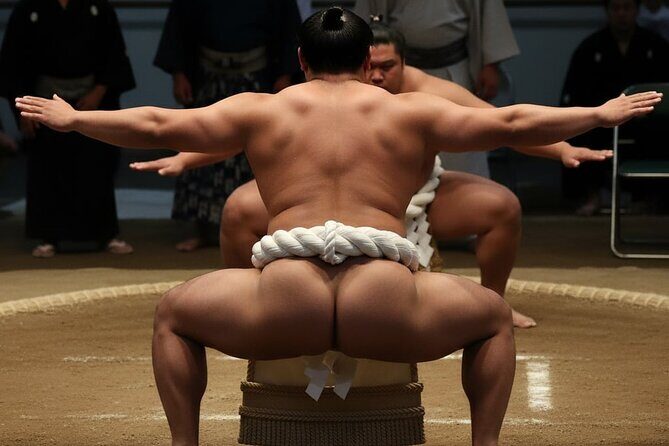
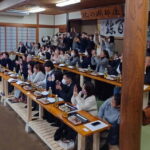
This is one of those Tokyo activities that feels made for first-timers. The setting is a traditional-style venue in Shinjuku, and that matters because sumo is not just a sport. It’s theater, ritual, and etiquette—salt in the air, stomps on the ring, and a very specific kind of respect that you’ll start noticing the moment the show begins.
The group experience also helps. You’re not wandering around guessing what you’re looking at. A bilingual MC guides you through what’s happening and why it matters, so the “I have no idea what’s going on” feeling is replaced by quick context. That’s a big part of why this show earns such strong ratings and a 99% recommendation rate.
And yes, you’ll want to plan for comfort in Shinjuku logistics. The event is near public transportation, and it’s generally easy to find by train, but Shinjuku can be slow if you’re late or switching lines. One practical tip: give yourself a buffer. If you arrive late, you’ll miss the flow that makes the explanations click.
The main show: Sacred rituals, pro action, and an easy explanation
Most sumo on TV cuts straight to the match. Here, you get the “setup” first—so when the wrestlers start moving, you understand the language of the ring.
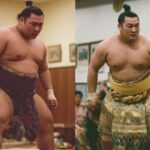
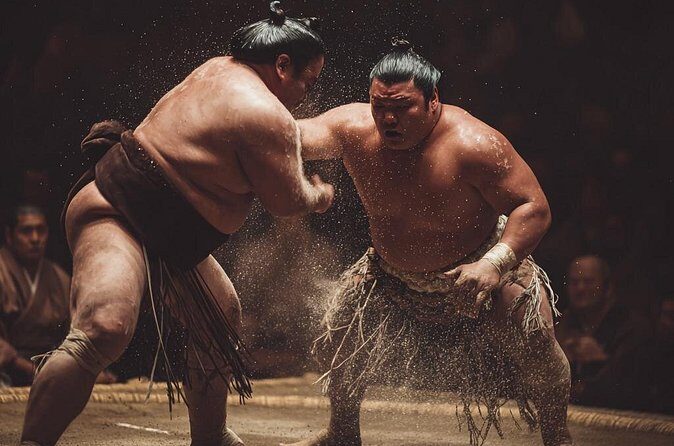
You’ll see demonstrations that cover the sacred rituals and pre-match moments that make sumo feel different from other sports. Salt throwing is a great example. Once you understand that it’s part of a ceremonial cleansing, it stops being a random gesture and becomes a cue that sets the tone. Ring stomping is another one. It’s dramatic in person, but it also ties into the formality and intensity of the sport.
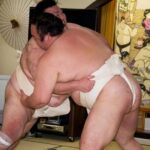
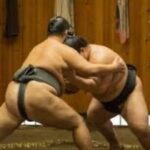
Then come the live wrestling moments. The show uses two real sumo wrestlers to bring the techniques to life in a way that’s easy to follow. The pace is kept audience-friendly, with explanations timed so you can connect what you’re seeing to what the MC is saying.
A fun detail from past shows: the MCs can be funny while still respecting the seriousness of the sport. Names that have appeared with this experience include Shane and Manny as MCs in particular performances, along with Mr. So mentioned in a show. That variety is a good sign: the format seems to be built around teaching first, performing second.
Audience participation: Stepping into the dohyō without the stress
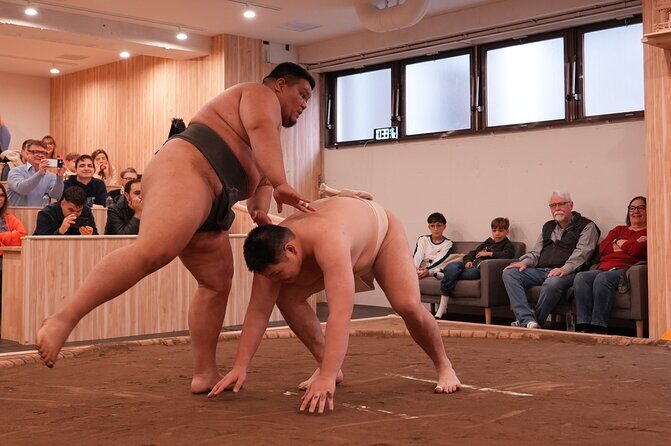
The best part for many people is the dohyō challenge. This isn’t “learn professional sumo in 90 minutes.” It’s a friendly, guided attempt where you get the feel of the ring and the basic idea of how sumo works.
After watching the wrestlers, you’ll be invited onto the sumo ring area for a challenge. You’ll get instructions so you’re not just standing there like a confused tourist. When it works, it’s a great equalizer: kids get a laugh, adults get a story, and everyone gets a better sense of why sumo looks simple until you try it.
One thing I’d take seriously: listen closely during the instructions phase. Even though it’s playful, you’re still dealing with a formal environment and a lot of attention on the ring. The guidance helps you focus on safety, posture, and the basic movements you’re being asked to try.
This is also where the “serious athletes, fun delivery” mix shines. The show tends to keep the tone respectful, but it doesn’t try to be stiff. That balance is why families often come out happy instead of overwhelmed.
Photos with the wrestlers: Turning a show into a memory
The experience includes a photo opportunity, and for many visitors that’s the difference between watching something and actually taking a piece of it home.
In Shinjuku, you’ll find plenty of photo spots, but this kind of image is different. You’re photographing in a real sumo context, with performers who are part of the show, not staged characters. That’s the practical value: you’re getting a memory that feels tied to the culture you just learned.
What to expect: you’ll have time for photos after key parts of the performance, when the wrestlers are engaged with the group. If you’re traveling with a partner or kids, this is also the moment to get everyone together and not rush through it.
Small tip: bring the ability to switch from video to still fast. Tokyo photos often happen in quick windows, and you’ll want to capture the moment without fumbling with settings.
More chances to sit ringside
How the time (about 90 minutes) fits into a Tokyo day
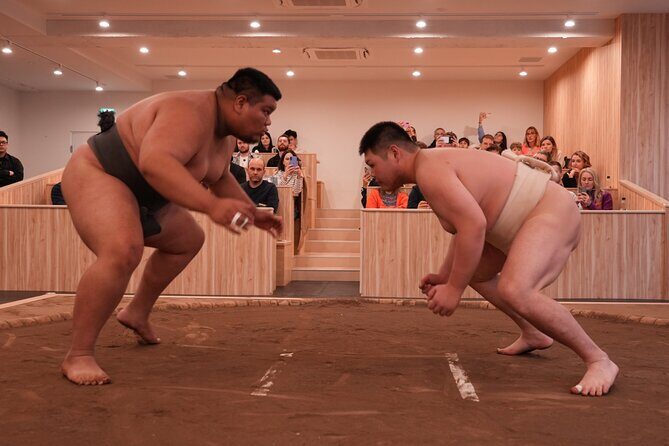
The experience runs about 1 hour 30 minutes. That’s a sweet spot in Tokyo: long enough to teach you something real and still short enough to stack with other plans.
Think about what you get for that time:
- A structured explanation (rituals, rules, and meaning)
- Live demonstrations by pro wrestlers
- Audience participation on or near the dohyō
- A photo moment
For a lot of people, sumo is either a big-ticket tournament day or something that gets compressed into a museum stop. This option sits in the middle. It’s not trying to replace official tournaments—it’s giving you a fast, friendly introduction that helps you understand what you’d notice later if you went to a formal event.
Drawback to consider again: because it’s a showcase format, it won’t scratch the itch if you want only competitive bouts and no audience engagement. If you’re in Tokyo planning to attend an actual tournament, this show still makes sense as a cultural primer, not as your sole sumo “fix.”
Price and value: Is $79.59 per person worth it?
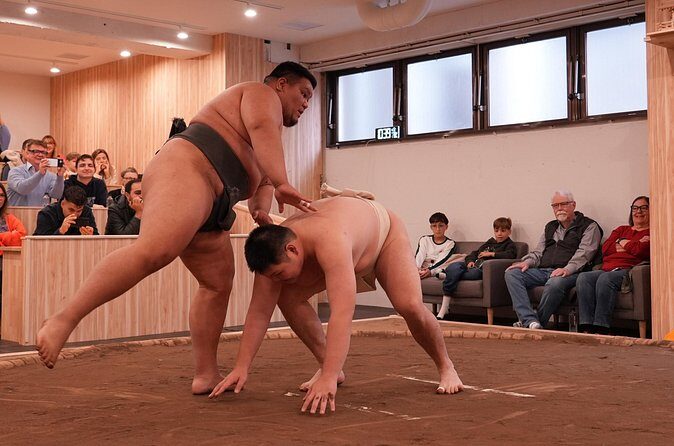
At $79.59 per person, this is not the cheapest activity in Tokyo. But it is fairly priced for what you’re getting: pro performers, a structured bilingual explanation, audience participation, and photo time, all in a compact 90-minute package.
Here’s the value logic in plain terms:
- You’re paying for real instruction and real show content, not just a seated performance.
- You also get access to the dohyō challenge, which is the kind of experience you can’t easily replicate on your own.
- The bilingual MC reduces friction. If you’ve ever tried to figure out Japanese sports rules mid-show, you know how frustrating that gets.
One “expectation” note that came up in the format: drinks. One person felt the included drink expectation didn’t match the experience, describing it as essentially one bottled water per person rather than multiple choices. Also, snacks and drinks are available for purchase during the show. So if beverages matter to you, plan to either buy what you want on site or bring your own preferences.
Overall, I’d call it good value for families, couples, and curious solo travelers who want an easy, meaningful cultural experience in a set time slot.
Who this suits best (and who might bounce)
This works especially well if you’re:
- New to sumo and want a clear introduction to rituals and basic rules
- Traveling with kids and want participation that doesn’t feel awkward
- Visiting Shinjuku and want a simple, transit-friendly plan
- Looking for a fun evening that mixes learning with laughter
It may be less ideal if you’re:
- Only interested in serious match results and tournament-style intensity
- Planning to spend most of your time chasing highly technical sports footage and deep strategy talks
In one performance style note, some shows are described as more fun and less serious than official competitions, and the performers can be jovial. That’s exactly what makes it approachable for beginners.
Practical tips to get the most out of it
A good show runs on timing, and Tokyo loves to test your timing. Keep these in mind:
- Arrive with extra buffer time. One visitor mentioned traffic and the need to allow at least 30 minutes to avoid being late.
- Wear comfortable shoes. You’ll be moving and potentially approaching the ring for the challenge.
- Use the MC’s explanations as your guide. If the MC says why a ritual matters, pay attention—those details are what turn random moments into understanding.
- If you care about photos, be ready to follow directions quickly so you don’t miss your window.
Also, this venue is described as easy to find by train, and it’s near public transportation. That’s a big plus in Shinjuku, where wrong turns can waste time.
Should you book this Shinjuku Sumo Show with Photo?
Book it if you want a fun, well-taught introduction to sumo in a short time window. The combination of bilingual explanation, real pro wrestlers, interactive participation on the dohyō, and a photo moment makes it feel like more than a standard performance. For $79.59, it’s a solid cultural value—especially if you’re traveling with family or you’re new to sumo rules and rituals.
Skip it only if your goal is specifically tournament-level competition and you don’t want the playful audience interaction. Otherwise, this is one of the easiest ways to understand why sumo looks the way it does—and why Japanese sports culture can be so ceremonial and joyful at the same time.
FAQ
How long is the Shinjuku Sumo show and experience?
It lasts about 1 hour 30 minutes.
Where does the experience take place?
It’s in Tokyo, in Shinjuku, at Shinjuku Sumo Club.
What do I get with the ticket?
The admission ticket includes the experience, and the experience includes a photo component and participation such as a friendly sumo challenge.
Is the ticket mobile?
Yes, it uses a mobile ticket.
Is it family-friendly, and can most people participate?
The show is described as suitable for families and includes audience participation. Most travelers can participate.
Can I get a refund if I cancel?
Yes, free cancellation is available. You can cancel up to 24 hours in advance for a full refund.
More Tour Reviews in Tokyo






More Mornings with the Wrestlers
Shinjuku After Hours: The Other Crawls

Fresh reviews from around Tokyo






Shinjuku Bar Hopping, compared.
 ★ 5.0Shinjuku Food Tour (13 Dishes at 4 Local Eateries)From $866,603 reviews
 ★ 5.0Tokyo Bar Hopping Tour in Shinjuku (All-You-Can-Drink + Dinner)From $1063,587 reviews
 ★ 4.9Shinjuku Food Tour (15 Dishes and 4 Eateries)From $852,033 reviews
 ★ 4.9Shinjuku Local Bar and Izakaya Guided Walking TourFrom $341,794 reviews
 ★ 5.0Tokyo Shinjuku Chopsticks Making ClassFrom $201,763 reviews
 ★ 5.0Tokyo Night Foodie Tour in Shinjuku – Seasonal Sushi, Wagyu BeefFrom $1111,161 reviews
 ★ 4.8Sumo Show and Experience in ShinjukuFrom $691,001 reviews
 ★ 5.0Shinjuku Local Bar & Izakaya Crawl TourFrom $39890 reviews
Browse the lists this tour appears in