
Reviewed · SUMO SHOWS
Tokyo Sumo Experience: Chanko & Mochi with a Former Pro
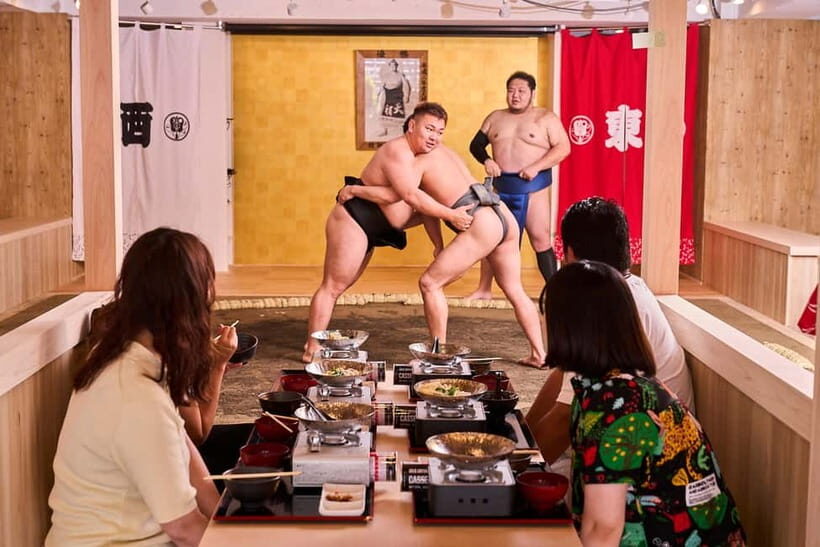
That first glimpse of the dohyo hits fast. This hands-on sumo show happens in Ryogoku, the heartland of the sport, with action close enough to feel the power. You’ll eat chanko nabe as you watch wrestlers right in front of you, then join in with sumo basics and a mochi dessert finale.
I especially like the way the meal and the match energy blend together. The chanko nabe is a real hot pot experience, supervised by sumo wrestlers, and it’s filling in a good way. I also love the participation: you’re not just staring from afar, you’re stepping onto the ring area and trying moves, plus pounding and making mochi for dessert.
One thing to consider: seating is assigned, and the venue warns that holding a child on your lap can be dangerous in standard seats. If you’re traveling with kids, plan for the right seat type for your group.
In This Review
- Key things to know before you go
- Ryogoku Sumo, Close Enough to Notice the Details
- Chanko Nabe: Your Sumō-Stable Dinner, Not a Token Meal
- Getting On the Dohyo: Sumo Moves You Can Actually Try
- Mochi Pounding and Making: The Dessert Finale With a Story
- The Former Pros + MC Team: How the Show Stays Fun and Teaches Too
- Price and Value: What You Really Get for About $103
- Timing, Seating, and Getting There Near Ryogoku Station
- Who Should Book This Sumo + Mochi Experience
- Should You Book This Sumo and Mochi Experience?
- FAQ
- How long is the Tokyo Sumo Experience?
- Where do we meet near Ryogoku Station?
- What languages are supported during the experience?
- What’s included in the experience?
- Is the experience wheelchair accessible?
- Can I request a vegetarian, vegan, or gluten-free meal?
- Is halal food available?
- Can I choose my seats?
Key things to know before you go
- Ryogoku location: easy to find near Ryogoku Station, with sumo signs and flags marking the storefront
- Chanko nabe with wrestlers: hot pot flavors guided by people who live sumo life
- Hands-on ring time: you try sumo on/around the dohyo, not just watch
- Mochi pounding + making: you learn the process and then eat what you made
- Interactive MC energy: the show keeps moving with plenty of audience involvement
- Dietary options with notice: vegetarian/vegan/gluten-free possible if arranged at least two days ahead
More chances to sit ringside
- Tokyo: Sumo Show and Dining Experience★ 4.8 · 2,742 reviews
- the SUMO show★ 5.0 · 1,960 reviews
- Tokyo Shinjuku Sumo Show & Experience with Photo★ 5.0 · 1,750 reviews
Ryogoku Sumo, Close Enough to Notice the Details
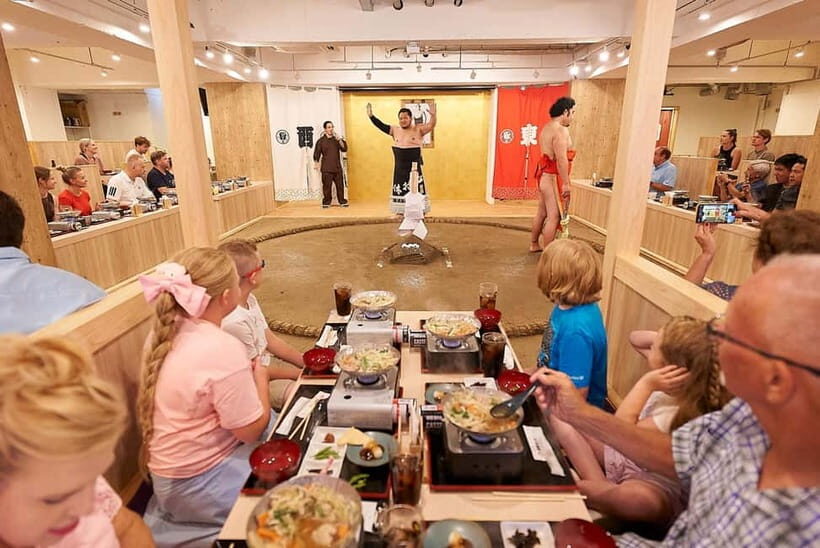
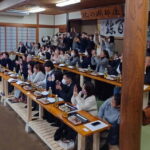
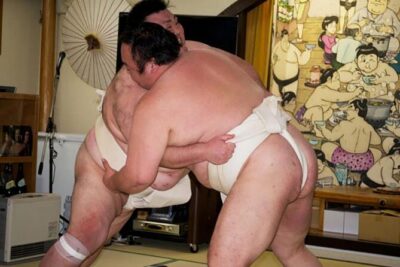
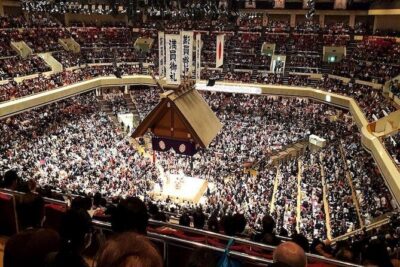
Ryogoku is where sumo fans feel at home. This experience puts you right in the action area, with your seats set around the dohyo (sumo ring). Instead of watching sumo on TV with the volume muted, you’re watching big, controlled strength in real time, from a distance that makes the sport feel immediate.
The show is also built for mixed ages. It’s not the strict, serious morning-training style where everyone just observes. This is entertainment with education woven in. You’ll see demonstrations, then get chances to participate, so the event stays fun even if you’re bringing kids who get antsy.
A small practical note that matters: your seat location is assigned by the venue, and you can’t request specific seats. That’s normal for this kind of activity, but it does affect your view and your comfort level if you’re traveling as a family. If you’re holding a child on your lap, you’ll want to reserve for the exact number of people and follow the venue’s guidance about seat safety.
Chanko Nabe: Your Sumō-Stable Dinner, Not a Token Meal
Chanko nabe is one of the most satisfying things about experiencing sumo culture up close. It’s the traditional hot pot associated with sumo wrestlers’ training diets, and here it’s served as part of the event. The best part is that it feels supervised and authentic rather than treated like a pre-show snack.
Expect a warm, savory meal that’s built for stamina. The hot pot format also makes it easy to keep eating while the show continues around you. You’re in that sweet spot where you can focus on the match moments without rushing the meal, which matters because the full experience is only two hours.
One detail I’d watch for: there’s a complimentary sour plum drink mentioned in reviews. If you have an alcohol allergy, that’s the sort of item you’ll want to skip. The good news is that you can still enjoy the meal and the program without it.
If you have dietary needs, you have options, but you need to plan. The venue can provide vegetarian and vegan meals and gluten-free meals if you notify them at least two days before your reservation. Halal meals can’t be provided, though you’re allowed to bring your own food. That’s a useful rule to know so you don’t show up and scramble.
Getting On the Dohyo: Sumo Moves You Can Actually Try
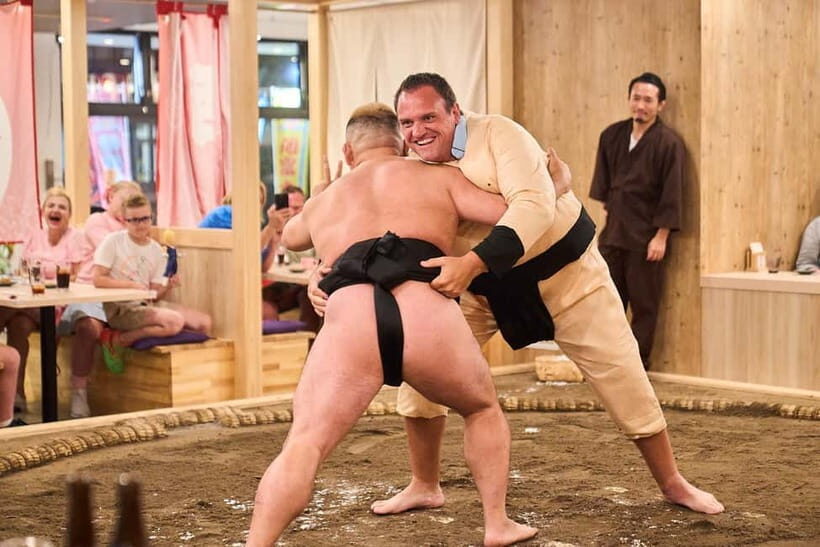
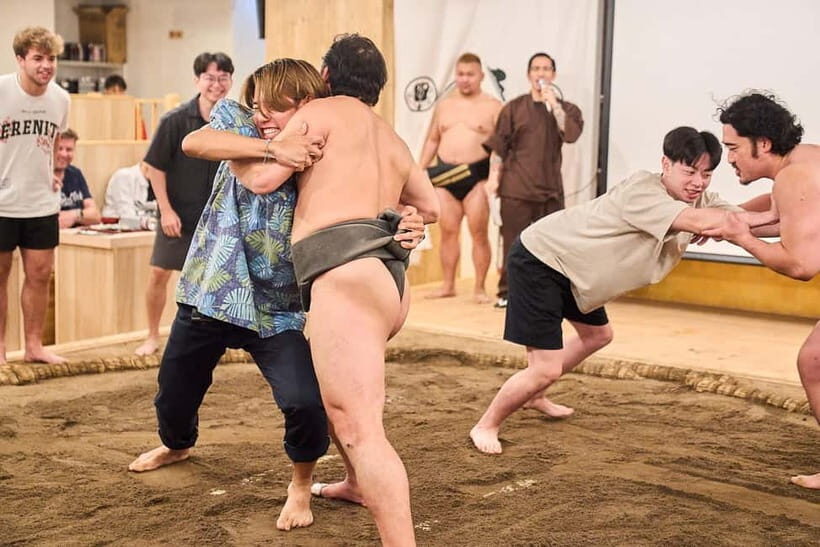
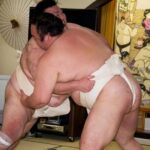
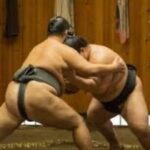
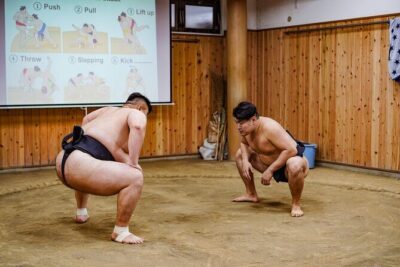
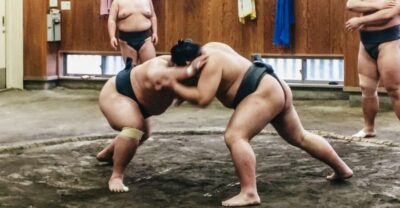
Seeing sumo is one thing. Trying it is a different kind of fun. This experience has you interact with the wrestlers on or around the dohyo, so you get a feel for the sport’s mechanics, balance, and footwork.
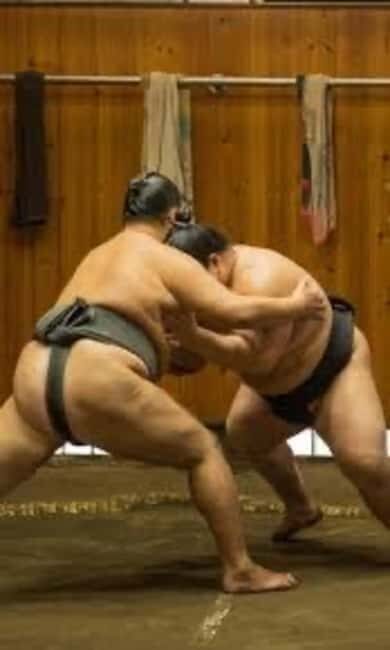
The wow factor here is proximity. You’re not stuck behind layers of glass or a far-off fence. You’re close enough to see posture changes and how wrestlers set their stance. Then the MC and wrestlers guide you into simplified training and technique moments that still feel real.
You’ll also get to watch rounds of wrestling while you’re seated. Many people love the blend of spectator excitement and hands-on practice. Reviews often highlight that the wrestlers are kind and good at encouraging participation, which helps if you’re worried about being clumsy or intimidated.
Just keep your expectations right-sized. This is not the same as an all-day, grind-it-out training session. It’s designed as an entertaining experience for adults and children. That’s why it works well for first-timers: you get the spirit of sumo, plus practical, try-it-yourself moments.
Mochi Pounding and Making: The Dessert Finale With a Story
Mochi is one of those foods that feels magical in Japan, mostly because the process is so hands-on. Here, you don’t just get dessert—you take part in it.
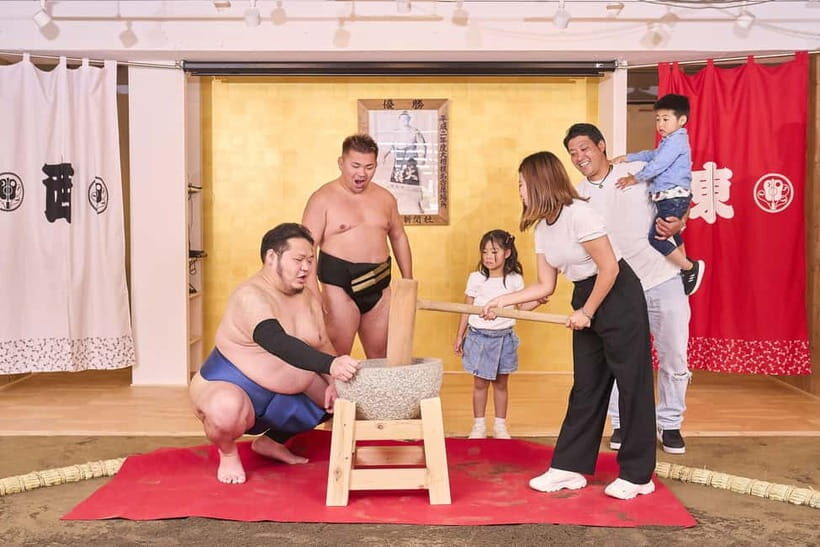
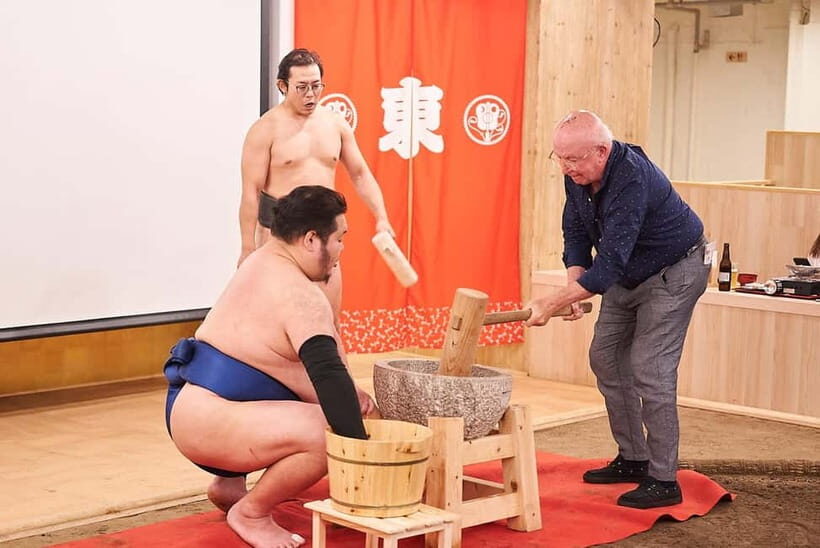
The program includes a mochi pounding demonstration that shows how mochi is traditionally made. Then you’ll have your chance to pound mochi with the wrestlers. Expect it to be physical. Even if you’re not strong, the way the pounding gets coordinated makes it surprisingly fun. It also gives you a memorable photo moment because you’re right in the action.
After that comes the best part: eating sweet mochi as dessert. The event treats mochi as a finish line, not just a bonus snack. Since the earlier part includes chanko nabe, this combination gives you a full food arc—savory warmth first, then the chewy sweet ending.
If you like learning by doing (and not just watching), mochi pounding is a standout. It’s also great for kids because it turns food culture into a game with clear steps.





The Former Pros + MC Team: How the Show Stays Fun and Teaches Too
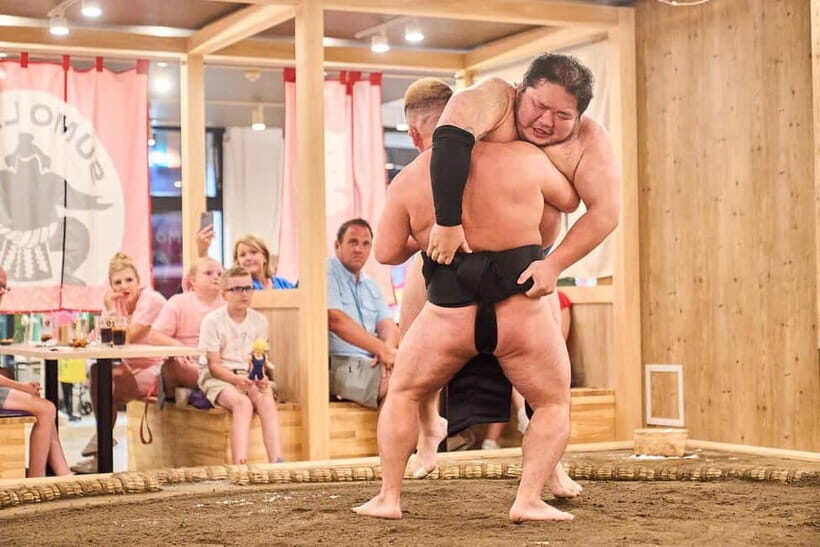
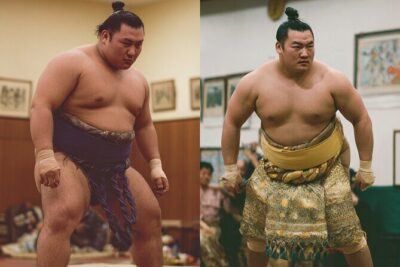
The quality of this experience is in how the wrestlers and the MC manage the room. The former pro instruction isn’t used to lecture. It’s used to guide. You’ll see demonstrations, then you’ll be invited to try. That rhythm keeps it lively and keeps participation from feeling forced.
A lot of reviews emphasize that the hosts are attentive and the wrestlers are friendly. That matters because sumo can seem intimidating from far away, but up close it becomes a lesson in balance, stance, and control. When the wrestlers encourage you, it’s easier to relax and just enjoy the moment.
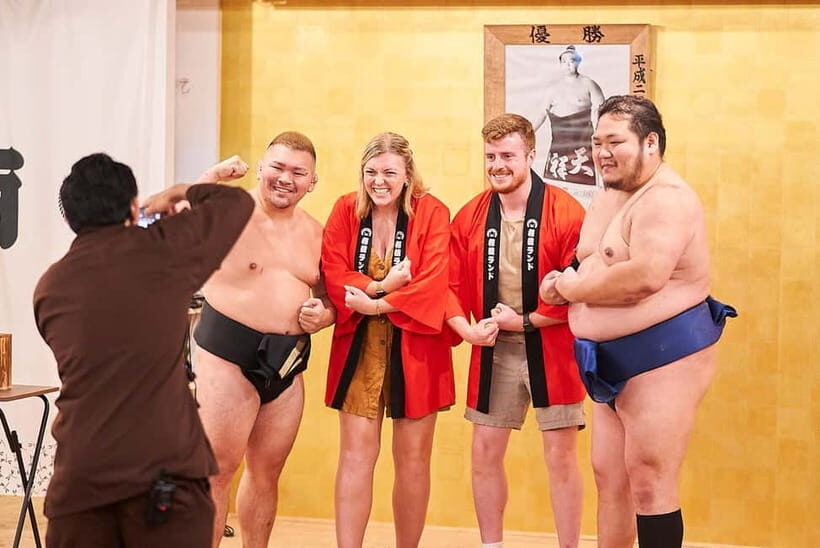
You also get lots of photo opportunities. Being in the center of the action makes it easier to capture the experience without needing a long lens or perfect angle. If you like taking pictures, bring your camera and plan to take breaks between activities so you don’t miss the technique moments.
Price and Value: What You Really Get for About $103
At around $103 per person for a two-hour experience, you should judge value by participation, not by the word show.
Here’s what you’re paying for, in plain terms:
- Access to sumo close up in Ryogoku, not a distant viewing angle
- A full chanko nabe hot pot meal supervised by wrestlers
- Multiple interactive activities: sumo tryouts plus mochi pounding and making
- Instruction and demonstrations that explain enough to make the sport feel approachable
That combination is the value. If you wanted only a quick match viewing, you could find other options. But this gives you the food + hands-on learning + culture experience in a single compact block of time.
The two-hour format also helps value. You’re not giving up half a day, and you still walk away with something you did, not just something you saw.
If you’re on a tighter schedule in Tokyo, that efficiency is a quiet win.
Timing, Seating, and Getting There Near Ryogoku Station
The meeting point is straightforward once you know what to look for. The store is on the first floor, a short walk from Ryogoku Station, and it’s marked with a large sumo wrestler sign and flags. It’s close enough that you can arrive without stress, but one practical tip: give yourself a little extra time to find the entrance calmly. A few people note it can be a bit tricky if you rush in.
You’ll be seated in areas assigned by the venue. Seat choice isn’t part of the deal. This is important if you’re traveling with children. The venue says it can be dangerous to sit while holding a child on your lap in standard seats. Box seats are considered safe and can fit up to six people, with the option to sit while holding a child on your lap. If that applies to you, book with the exact number of people so you land in the right setup.
What to bring is simple:
- A camera
- Comfortable clothes (you’ll be moving around during participation)
Rules are also simple: no smoking.
Who Should Book This Sumo + Mochi Experience
This is a smart fit if you want Tokyo that feels local and active. It’s especially good for:
- Families: the activities are built for kids and adults, with multiple participation moments
- Food lovers: chanko nabe plus mochi dessert gives you a full flavor experience
- Sumo first-timers: you get close without needing deep prior knowledge
- People who like hands-on learning: mochi pounding is where the culture becomes real
If you’re coming from sightseeing in the Ryogoku area, you’ll also like the practical location. The neighborhood is positioned near other major Tokyo sights such as Asakusa, Akihabara, Nihonbashi, and Tokyo Skytree, so you can tie it into the rest of your day or evening.
One limitation: the experience isn’t suitable for wheelchair users, based on the provided information.
Should You Book This Sumo and Mochi Experience?
If you’re the type of traveler who likes doing more than watching, I think this one is worth your time. For the price, you’re getting a real meal, close-up sumo energy, and hands-on activities that end with mochi you helped make.
Skip it only if you want a quiet, purely spectator experience. This event is designed for participation, laughter, and movement. If that sounds like your style, book it and plan to arrive a bit early so you’re not rushing around Ryogoku Station.
FAQ
How long is the Tokyo Sumo Experience?
It runs for 2 hours.
Where do we meet near Ryogoku Station?
You meet at a store on the first floor, just a short walk from Ryogoku Station. Look for a large sumo wrestler sign and flags.
What languages are supported during the experience?
Instruction is available in English and Japanese.
What’s included in the experience?
You get a dynamic sumo experience, a chanko nabe meal, a mochi making experience, and a sumo wrestling experience.
Is the experience wheelchair accessible?
No, it is not suitable for wheelchair users.
Can I request a vegetarian, vegan, or gluten-free meal?
Yes. Vegetarian and vegan meals and gluten-free can be provided if you notify the team at least two days before your reservation.
Is halal food available?
Halal meals cannot be provided, but you are allowed to bring your own food.
Can I choose my seats?
No. Seat locations are assigned by the venue, and you can’t choose or request specific seats.
More Tour Reviews in Tokyo



More Mornings with the Wrestlers
Fresh reviews from around Tokyo






Sumo Shows, compared.
 ★ 4.8Sumo Show Experience with Chicken Hot Pot and a PhotoFrom $1036,678 reviews
 ★ 4.8Sumo Show and Dining ExperienceFrom $792,742 reviews
 ★ 5.0the SUMO showFrom $891,960 reviews
 ★ 5.0Tokyo Shinjuku Sumo Show & Experience with PhotoFrom $791,750 reviews
 ★ 4.8Sumo Show and Experience in ShinjukuFrom $691,001 reviews
 ★ 5.0Authentic Sumo Experience in Tokyo: Enter the SanctuaryFrom $171603 reviews
 ★ 5.0Ultimate Sumo Tournament: Tokyo, Osaka, Nagoya, FukuokaFrom $184468 reviews
 ★ 4.4Sumo Morning Training VisitFrom $77370 reviews
Browse the lists this tour appears in