
Reviewed · SUMO SHOWS
Tokyo Sumo Morning Practice Tour at Stable
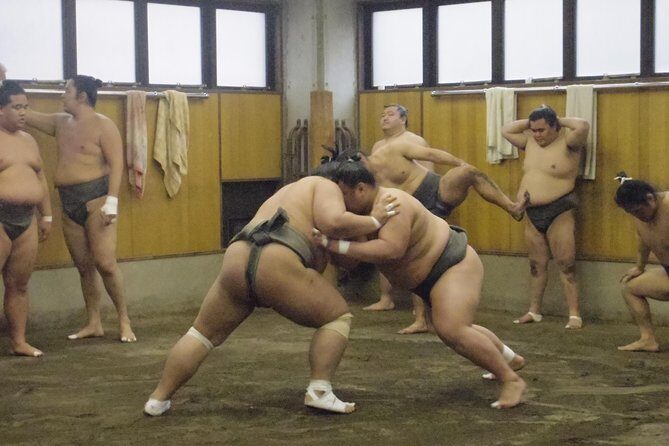
Waking up early actually pays off. This Tokyo sumo morning practice tour gets you into a working stable, where big athletes train with real discipline. You also get the context that makes the action make sense, from sumo’s Shinto roots to the structure of Japan’s top tournaments.
I love two things most: the guide-led running explanations (I’ve heard clear, friendly narration from guides like Seiji, Yumi, Cameo, Noriko, and Nobu), and the fact that you’re watching training, not a staged show. Even better, you’re close enough to notice the details that disappear on TV.
One thing to consider: narration can be distracting if you’re sensitive to audio. Some people reported headset static or hard-to-hear commentary, so if quiet focus matters to you, plan to rely on your eyes as much as the narration.
In This Review
- Key Highlights to Know Before You Go
- Why A Sumo Morning Practice Feels More Real Than Tournament Day
- Getting to Ryogoku and Finding the Right Starting Point
- Stop 1 at Ryogoku Station Gallery: Shinto Origins and the Tournament Map
- Stop 2 in Ryogoku at the Stable: Watching Serious Training Up Close
- Seating on Stools, Spot Access, and Why Small Details Change Everything
- Stable Etiquette: The Rules That Keep the Experience Respectful
- Guide Style, Headsets, and the Value of Running Commentary
- Photos After Practice: Timing, Permissions, and Getting the Shot
- Price and Value: Is $83.57 for Two Hours Worth It?
- Who This Tokyo Sumo Tour Is Best For (And Who Might Skip)
- Should You Book This Sumo Stable Morning Practice Tour?
- FAQ
- How long is the Tokyo sumo morning practice tour?
- Where do I meet for the tour?
- What is the minimum age to enter the stable?
- Can I take photos or record video?
- Is food or drink allowed during the tour?
- What are the main rules once I’m inside the stable?
- Is there free cancellation?
Key Highlights to Know Before You Go
- Real stable access near Ryogoku Station: You meet up in the morning and head into a functioning training space for day-to-day practice.
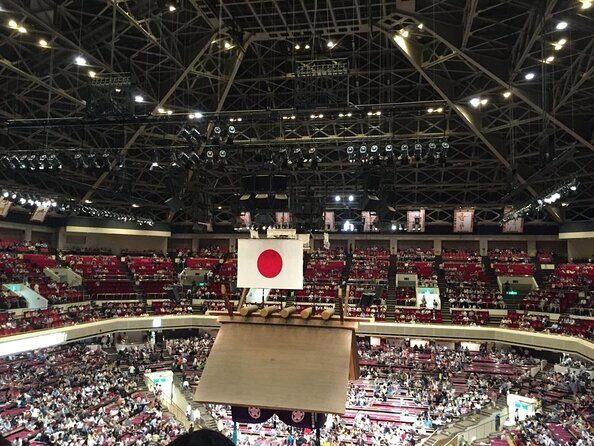
- Shinto roots and the six grand tournaments: You’ll get the origin story and the tournament map—Tokyo plus Osaka, Nagoya, and Fukuoka.
- Close-up training and repeated bouts: Expect lots of action during practice, not just one or two moments.
- Guided commentary through headsets (when it works): The narration helps you track what’s happening and why.
- Photo time after practice: There’s a short wrap-up photo moment with wrestlers, depending on timing and the stable’s flow.
- Summer reality check: No air conditioning on the tour; you can bring cold support like an ice pack or cold towel, and summer water is allowed.
More chances to sit ringside
- Tokyo: Sumo Show and Dining Experience★ 4.8 · 2,742 reviews
- the SUMO show★ 5.0 · 1,960 reviews
- Tokyo Shinjuku Sumo Show & Experience with Photo★ 5.0 · 1,750 reviews
Why A Sumo Morning Practice Feels More Real Than Tournament Day
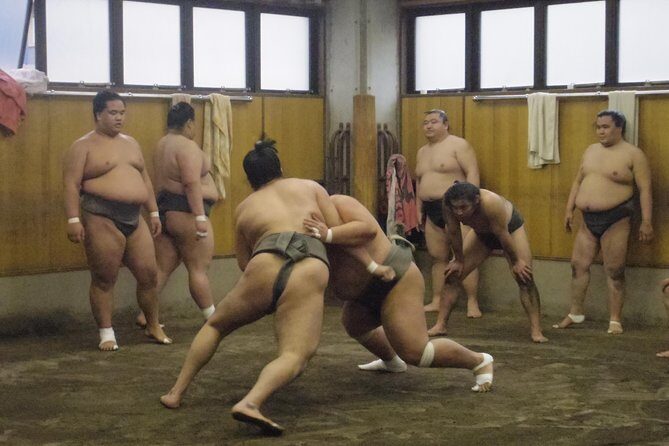
If you only know sumo from TV ceremonies and final results, a morning practice can hit differently—in a good way. Tournament weeks look dramatic, but practice is where you see the grind: repetition, footwork, pushing power, and that calm intensity between clashes.
This is also a great culture lesson, because sumo isn’t just sport. You’ll learn how its rituals connect to Shinto traditions, and how older beliefs shaped what happens inside the stable each day. When you understand the rules and the routine, the training stops looking random and starts looking purposeful.
And since you’re there during the athletes’ normal rhythm, you’re not watching a performance built for your attention. You’re watching work that happens whether tourists show up or not.
Getting to Ryogoku and Finding the Right Starting Point
The morning starts near Ryogoku Station, with a planned meeting at 7:45am at the Ryogoku Station Gallery area. From there, you’ll get oriented by your guide and then make your way to the stable.
Two practical notes matter here. First, the experience can involve a short train transfer after you meet, so don’t plan to “arrive right before.” Second, plans can vary by option, which means the exact meeting spot might differ—so check the confirmation you receive.
Good call: use the restroom before you start. Stable rules are strict once you’re inside, and you don’t want to be scrambling during quiet, focused training.
Stop 1 at Ryogoku Station Gallery: Shinto Origins and the Tournament Map
This first stretch is brief—about 15 minutes—but it sets you up to watch smarter.
You’ll get the core background: sumo’s traditions tied to Shinto and the idea that its origins stretch back at least 1500 years. That matters because the stable is not just a gym. There’s etiquette, respect, and a sacred sense of place—especially around the ring area.
You’ll also get a clear explanation of Japan’s six annual grand tournaments. The big pattern you’ll hear: three are in Tokyo, and the others rotate through Osaka, Nagoya, and Fukuoka. Once you know that, you’ll understand what you see on TV later, and you’ll place wrestlers’ schedules in the right context.
Even if you’re a first-timer, this short primer helps you connect individual training efforts to the bigger competition system.
Stop 2 in Ryogoku at the Stable: Watching Serious Training Up Close
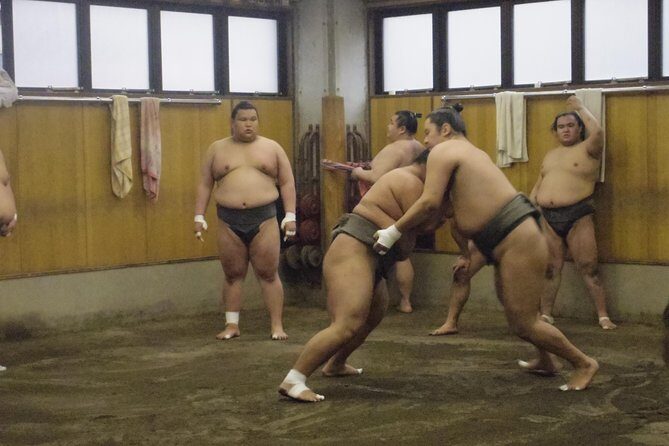
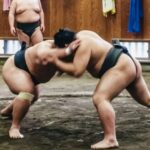
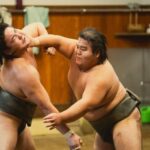
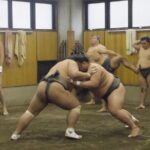
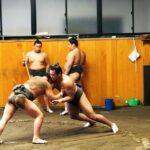
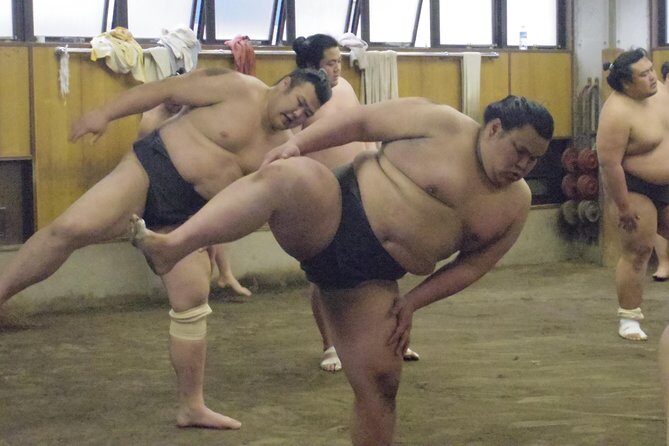
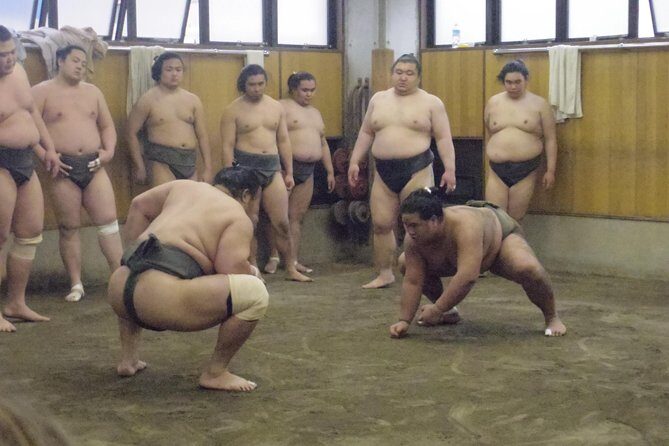
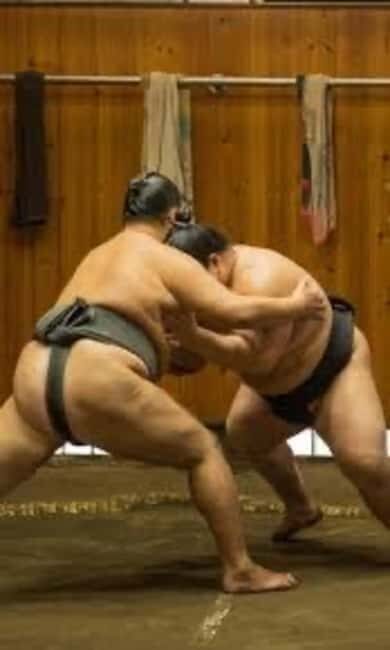
This is the heart of the experience, about 1 hour 30 minutes at the stable. You’ll watch quietly and respectfully as wrestlers move through their daily regimen—warming up, practicing techniques, and sparring in repeated exchanges.
What makes this part special is the repetition. You’re not waiting in suspense for a single “big moment.” You’re watching athletes keep working—testing balance, pressure, and timing—over and over. That constant action is why many people feel this can teach more than a tournament broadcast, where ceremonies and breaks can take over.
You’ll also get guidance from your guide on what’s going on. Some narration is delivered via headsets during the practice, which can be a big help if you’re new. You’ll be able to follow the flow instead of just guessing.
One more real-world note: stable viewing conditions vary a bit by where you sit. Some spots give a clearer view of the action than others, so arrive early when you can and stay focused on your line of sight once you’re seated.
Worth weighing up alongside this Tokyo pick:
Seating on Stools, Spot Access, and Why Small Details Change Everything
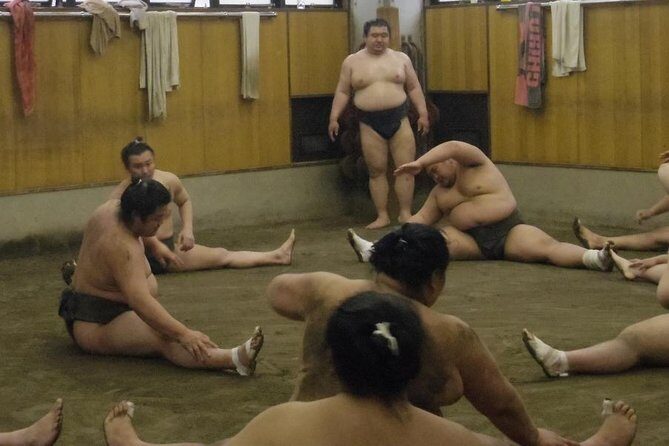
Inside the stable, you’ll typically sit on stools rather than mats. That can be comfortable for a morning session, and it also helps you maintain your viewpoint over the training area.
But visibility is tied to seating position. If you’re toward the side, some exchanges might be partially blocked. Reviews also suggest the front reserved area may be limited for sponsors, so don’t expect the very front unless you’re in the designated section.
My advice: think of your viewing as a moving target. The wrestlers don’t stand still, and their footwork changes where you’ll want to look. If the audio commentary is hard to hear in your spot, don’t fight it—watch the key moments and let the guide’s explanation fill in the gaps afterward.
Also, take the rules seriously. Not because it’s strict for tourists—it’s strict because it protects the wrestlers’ focus and the ring’s sacred setting.
Stable Etiquette: The Rules That Keep the Experience Respectful
This is one of the most important parts of the tour, even if it sounds like “boring rules” at first. They exist to keep the wrestlers calm and protect the ritual space around the ring.
Here’s what you should expect and follow:
- Silence during practice: phones must be on silent, and you should watch respectfully.
- No stepping onto the ring or sandy ground: the ring is sacred and off-limits.
- Don’t show the soles of your feet toward the ring: stretching legs toward the action is considered impolite.
- Don’t interrupt the wrestlers: avoid shifting, standing suddenly, or crowding the view.
- No photos during practice: you can take photos, but not during the active session in the way you might be imagining.
- No video: photos only, with restrictions.
If you take these seriously, you’ll feel part of the morning rather than a spectator standing in the way.
Guide Style, Headsets, and the Value of Running Commentary
The guide is a big part of why this tour works for first-timers. Names I’ve seen connected with excellent experiences include Seiji, Yumi, Cameo, Noriko, and Nobu. What they seem to share in common: clear English, enthusiasm, and a focus on making the practice understandable.
You’ll likely get a mix of background and live guidance as the session moves along. That helps you recognize common training phases and understand how practice fits into tournament goals.
Still, there’s a drawback to plan for. Some people reported that headsets were hard to hear or had static, and a few said the narration competed with their ability to watch. So set your expectations: the best experience happens when your audio works and you’re comfortable splitting attention between eyes and explanation. If you’re the type who wants total quiet, bring your patience and treat the guide as optional context rather than the main event.
Photos After Practice: Timing, Permissions, and Getting the Shot
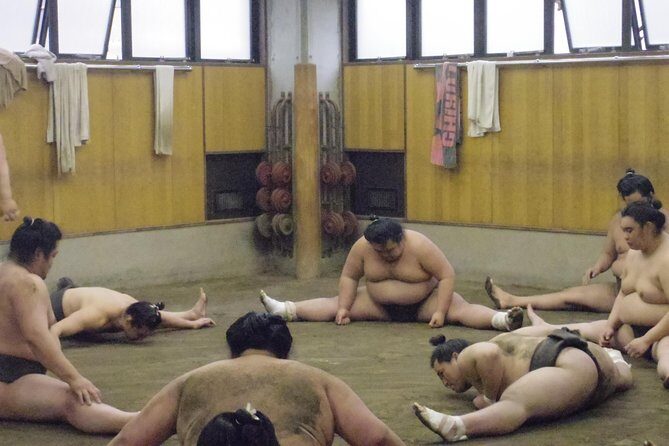
Photo rules matter here because the stable protects privacy and routine.
You can generally take photos without flash or shutter sounds, and video is not allowed. During the practice itself, you’re expected not to interfere with focus, including not asking wrestlers for photos mid-session.
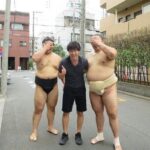
After the practice ends, there’s a short photo moment. In reviews, this is described as a wrap-up window that can be brief, and the chance may depend on the stable’s flow and who’s available. Some groups even got a photo moment with two wrestlers after practice, which is an extra bonus when it happens.
If you care about photos: have your phone charged, keep it ready only when it’s allowed, and don’t rush your movements. The stable rules are there for a reason, and you’ll get a better experience if you’re calm.
Price and Value: Is $83.57 for Two Hours Worth It?
At $83.57 per person for about two hours (plus the morning timing), this isn’t the cheapest Tokyo activity. But it’s also not a dinner-show price point.
The value comes from three things:
- You’re paying for access to a real training stable, not just a view from outside.
- Admission and guide guidance are built into the experience, so you’re not scrambling to book your way in.
- The group is capped at 20, which usually keeps the vibe from turning into a herd.
Where the price can feel less justified is if you’re stuck in a seat where you can’t see well, or if the narration audio doesn’t work for you. There’s also no promise of a long Q&A window during the session. So if you want maximum chat time with the guide, keep your questions short and focused once the tour wraps.
On balance, for people who want authentic Tokyo culture beyond tourist performances, this tends to land as good value.
Who This Tokyo Sumo Tour Is Best For (And Who Might Skip)
This tour fits best if you’re:
- A sumo curious first-timer who wants the story behind the spectacle.
- Someone who likes watching athletes work, not just waiting for highlights.
- The kind of traveler who respects rules and can keep quiet for a morning session.
- Interested in Japanese sport and culture, especially Shinto-linked tradition.
It might be less ideal if:
- You have strong sensory preferences and hate any background audio (because headset narration is part of the experience).
- You need lots of interactive Q&A time during the main practice window.
- You expect tournament-level ceremony. This is training work, not a staged event.
If you’re in doubt, I’d still recommend going if you can wake up early. The payoff is seeing athletes up close and understanding what you’re watching.
Should You Book This Sumo Stable Morning Practice Tour?
If your goal is authentic, hands-on cultural understanding, this is an easy yes. The combination of real stable access near Ryogoku, respectful viewing, and guide explanations tied to the Shinto roots and six grand tournaments makes it far more useful than a basic intro.
Before you book, weigh two points:
- Make peace with the fact that the stable experience has strict etiquette and limited movement, including no videos and no food inside (with summer water allowed).
- Decide whether headset narration will help you. If you’re worried about audio quality, go in knowing you’ll still be able to watch the training and learn from what your eyes can catch.
Overall, this is the kind of morning that changes how you watch sumo later—on TV, in conversation, and in how you understand the sport’s rules and rituals.
FAQ
How long is the Tokyo sumo morning practice tour?
The tour runs for about 2 hours total (approximately). The stable portion is about 1 hour 30 minutes after a short meeting and orientation.
Where do I meet for the tour?
You meet in the morning at 7:45am near Ryogoku Station at the Ryogoku Station Gallery. Your confirmation email will specify the meeting location, and it may differ depending on the option plan.
What is the minimum age to enter the stable?
The minimum age is 12 years old. Kids 11 and under cannot enter the stable.
Can I take photos or record video?
Photos are allowed without flash or shutter sounds. Videos are not allowed, and during practice you should not interfere with the wrestlers or ask for photos.
Is food or drink allowed during the tour?
Eating and drinking are not allowed. In summer, you’re allowed to drink water and sports drinks inside the stable, and it’s noted that there is no air conditioning.
What are the main rules once I’m inside the stable?
Keep your phone on silent, watch respectfully and quietly, and do not step onto the ring or sandy ground. Also avoid stretching your legs toward the ring and avoid showing the soles of your feet toward the wrestlers.
Is there free cancellation?
Yes. You can cancel up to 24 hours in advance for a full refund. If you cancel less than 24 hours before the start time, the amount paid will not be refunded.
More Tours in Tokyo





More Tour Reviews in Tokyo




More Mornings with the Wrestlers
Fresh reviews from around Tokyo






Sumo Shows, compared.
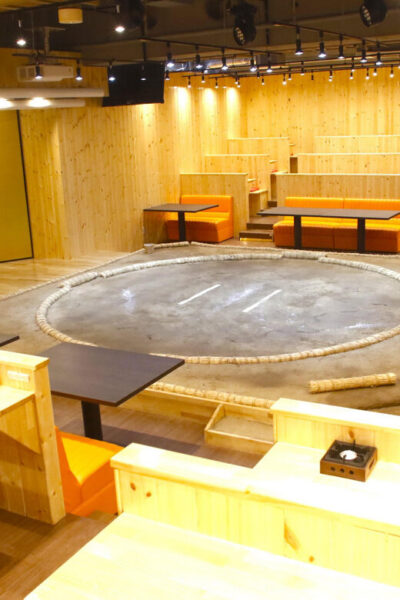 ★ 4.8Sumo Show Experience with Chicken Hot Pot and a PhotoFrom $1036,678 reviews
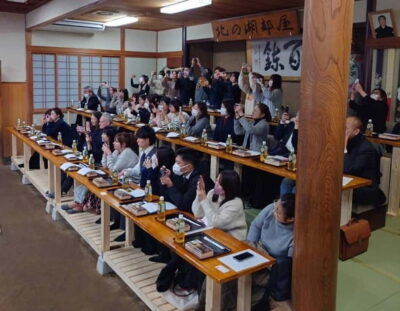 ★ 4.8Sumo Show and Dining ExperienceFrom $792,742 reviews
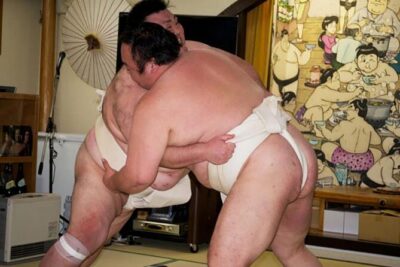 ★ 5.0the SUMO showFrom $891,960 reviews
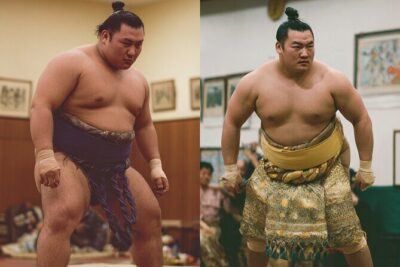 ★ 5.0Tokyo Shinjuku Sumo Show & Experience with PhotoFrom $791,750 reviews
 ★ 4.8Sumo Show and Experience in ShinjukuFrom $691,001 reviews
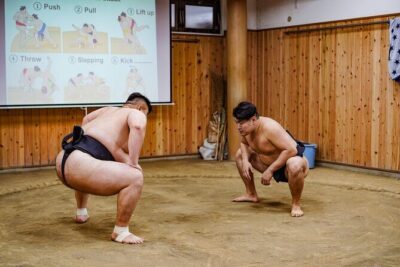 ★ 5.0Authentic Sumo Experience in Tokyo: Enter the SanctuaryFrom $171603 reviews
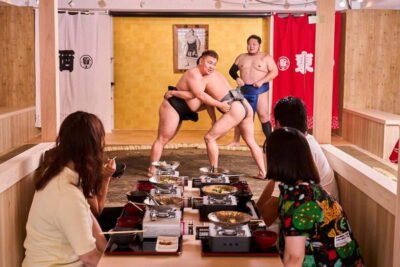 ★ 4.8Tokyo Sumo Experience: Chanko & Mochi with a Former ProFrom $103567 reviews
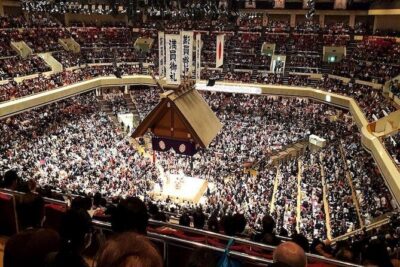 ★ 5.0Ultimate Sumo Tournament: Tokyo, Osaka, Nagoya, FukuokaFrom $184468 reviews
Browse the lists this tour appears in