
Reviewed · COOKING CLASSES
Tokyo: Night Cooking Class: 5 Home-Cooked Japanese Dishes
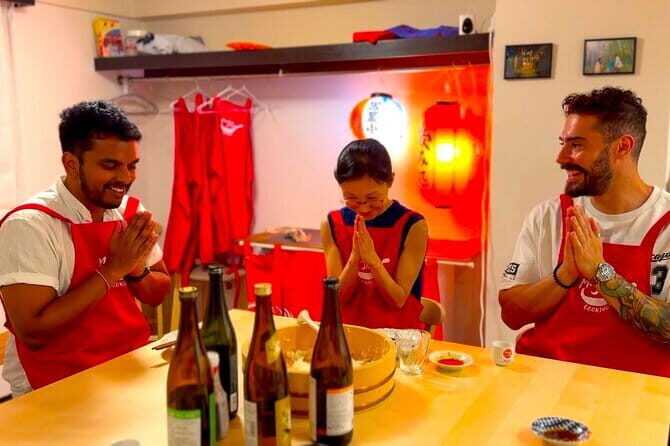
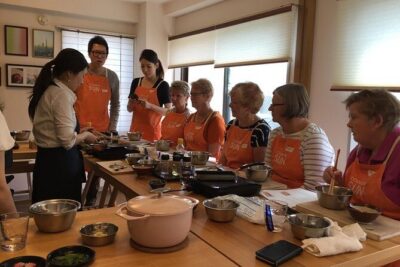
Three hours and you cook like a local. This Tokyo night class recreates the feel of an izakaya drinking party, where you cook small dishes and then match them with what you’re sipping—Japanese beer, sake, or soft drinks. I love the drink pairing focus, because it turns food into something you can taste and remember, not just follow. I also love how hands-on it is, with an English-speaking guide and a small group limited to 6. One thing to consider: there’s no hotel pickup, and the meeting spot in Iriya Station can be confusing since there are two FamilyMarts.
The guides make a big difference. People have praised instructors like Alice, Masae, and Fuji for keeping things relaxed, teaching clearly, and making the whole night feel social. If you want a fun plan that still feels real Tokyo, this is an easy sell. Just know there are age limits around alcohol and handling heat or knives, so check those before you go.
In This Review
- Key highlights worth planning around
- Why an izakaya-night cooking class fits Tokyo so well
- Finding the meeting point near Iriya Station (and why it matters)
- The five dishes you’ll cook, and what each one teaches you
- Sushi hand roll: the fast, fun entry dish
- Wagyu (or tofu) steak: learning the “comfort meat” role
- Japanese rolled egg: tamagoyaki as technique, not just food
- Miso-grilled eggplant: umami you can recognize later
- The extra small plate: how it rounds out the whole night
- Sake and beer pairing: the logic behind nomikai
- Techniques you can repeat at home (without stress)
- Who should book this Tokyo night class (and who should skip it)
- Practicalities: timing, group size, language, and food limits
- Should you book the Tokyo night cooking class?
- FAQ
- What dishes are included in the cooking class?
- How long is the experience?
- Is alcohol included, and who can drink?
- What is the meeting point in Tokyo?
- Do I get hotel pickup or drop-off?
- Are vegetarians or vegans welcome?
- Can children join, and are they allowed to cook?
- Is the tour good for wheelchair or stroller users?
Key highlights worth planning around
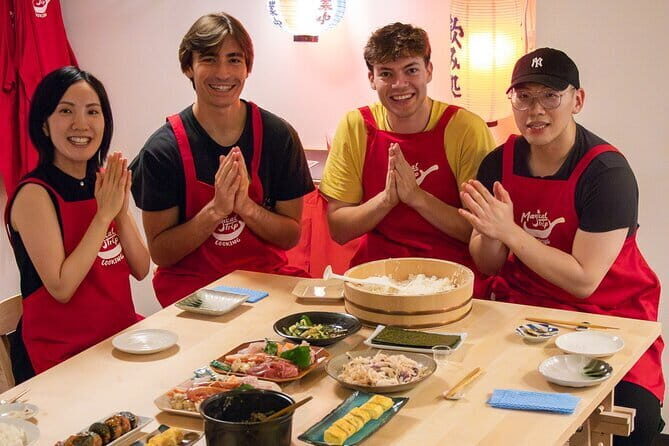
- Izakaya-style cooking at night with drinks as part of the class, not an afterthought
- Hands-on instruction in a small group (max 6), which keeps things moving and questions welcomed
- A clear set of dishes including sushi hand roll, rolled omelette, wagyu (or tofu) steak, and miso-grilled eggplant
- Sake and beer pairing practice, so you learn what complements what
- Recipes to take home, plus tour photos to help you repeat the night later
More aprons-on time in Tokyo kitchens
- Ramen & Gyoza Cooking Class in Tokyo with Local Supermarket Visit★ 5.0 · 823 reviews
- Tokyo: Easy Ramen Cooking Experience in Kabukicho, Shinjuku★ 4.6 · 321 reviews
- Ramen and Sushi Cooking Class with Sake Pairing Set in Tokyo★ 5.0 · 291 reviews
Why an izakaya-night cooking class fits Tokyo so well
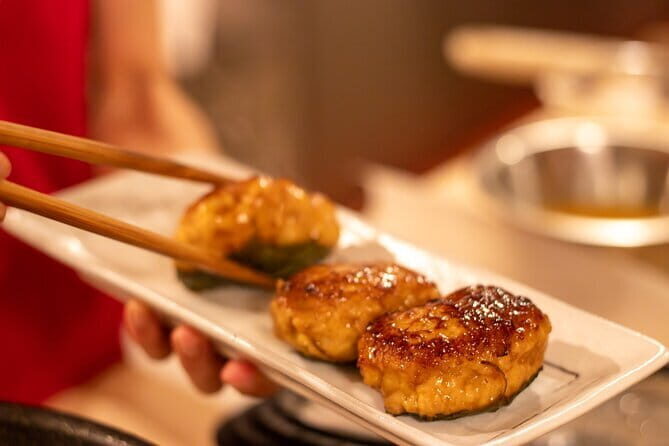
Tokyo at night can be loud, bright, and fast. This class slows things down just enough to let you pay attention. You’re not doing a formal, sit-down meal where everything lands at once. Instead, you cook small, shareable dishes—very much the way people eat during nomikai (drinking get-togethers).
The practical payoff is that you learn a system. A lot of people can cook one recipe. Fewer people understand how flavors work together across a whole evening. Here, the class nudges you toward that thinking: savory bites, egg-based comfort, grilled umami, and tender meat or tofu. Then you connect those flavors to what you’re drinking.
And yes, it can be social without being chaotic. With a small group and an English live guide, you get time to talk, ask, and compare notes with whoever you’re cooking alongside.
One more smart angle: because the dishes are framed as home-cooking, you’re shown how to recreate them later, not just admire them for a night.
Finding the meeting point near Iriya Station (and why it matters)
No pickup means you own the start. Good news: the meeting point is straightforward if you know what to look for.
You meet in front of a FamilyMart at Iriya Station Exit 2. The key detail is that there are two FamilyMarts in Iriya Station, so you must find the one next to Gindako and Doutor Coffee. That’s the spot.
For your sanity, arrive early—10 to 15 minutes helps. You’ll have time to confirm you’re in the right place, grab a water if you want, and settle before the group gathers.
Also note the class includes a no-smoking rule, and you’ll be working around heat and knives. Even if you’re just watching at first, being on time keeps things smooth for the guide and everyone’s schedule.
The five dishes you’ll cook, and what each one teaches you
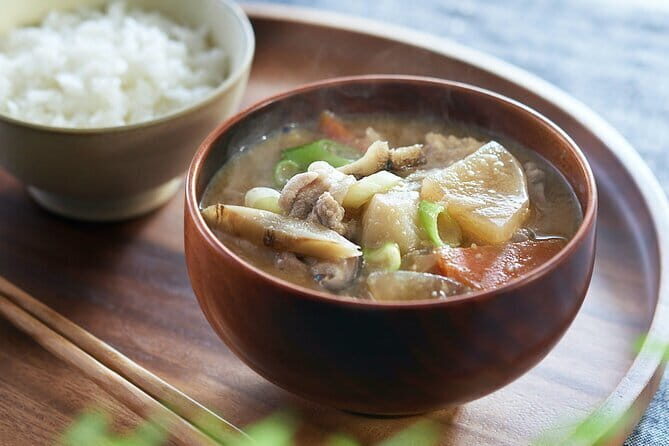
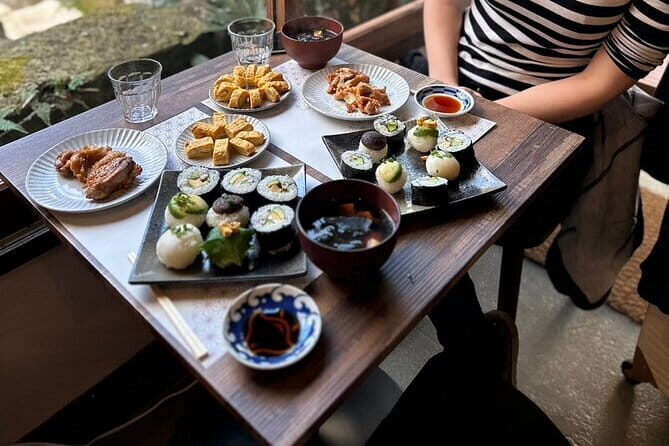
This class centers on 5 home-style Japanese dishes. The core set you’ll definitely cook includes:
- Sushi hand roll
- Wagyu steak or tofu steak
- Japanese rolled egg (tamagoyaki)
- Grilled eggplant with miso sauce
Then you’ll round out the night with another small-plate component from the class lineup of home izakaya favorites—think items in the direction of skewers, crispy tempura, tangy pickles, and similar bites. The exact mix can vary, but the goal stays the same: a lineup you’d actually serve with drinks.
Sushi hand roll: the fast, fun entry dish
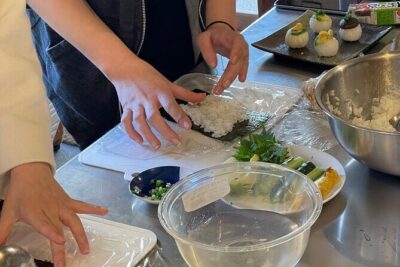
The sushi hand roll is a great first recipe because it’s hands-on without being overly complicated. You get the feel of Japanese rice and seasonings, and you learn how to assemble something that looks polished even when it’s homemade.
Why it matters: hand rolls are forgiving. They’re also easy to recreate at home for parties because you can build them fast and customize toppings.
Other ways into a Tokyo evening


Wagyu (or tofu) steak: learning the “comfort meat” role
If you eat meat, the class includes wagyu steak. If you’re vegetarian, you’ll get a tofu steak option.
This dish teaches a useful idea: in Japanese home eating, steak isn’t always a heavy, standalone course. It’s often part of a bigger spread, where the seasoning and texture matter more than making a “full dinner.”
Practical benefit: whether it’s beef or tofu, you’ll learn how to get a satisfying bite that plays well with alcohol—no awkward pairing mistakes.
Japanese rolled egg: tamagoyaki as technique, not just food
The Japanese rolled omelette is where technique shows up. Rolled egg isn’t about one trick—it’s about timing and layering so it comes out tender, not rubbery.
This is also the dish that helps you understand why Japanese kitchens value controlled heat. If you’re a beginner, this is a teachable win. If you’re more experienced, you’ll still appreciate how the guide explains the logic behind the method.
Miso-grilled eggplant: umami you can recognize later
Grilled eggplant with miso sauce is a classic home-drinking flavor for a reason. Miso adds depth and a gentle sweetness, and eggplant turns silky when it’s cooked right.
Why it’s valuable for you: eggplant and miso are both easy to buy outside Japan. Once you learn the flavor balance here, you’ll be able to recreate the profile even when you’re not following exact restaurant steps.
The extra small plate: how it rounds out the whole night
The class is built around variety: skewers, crispy fried bites like tempura, and tangy pickles show up as examples of how people keep snacking while sipping.
Even if you forget every step, you’ll probably remember the rhythm—something savory, something crisp, something tangy, something grilled. That’s how you get a satisfying night of food without it turning into one-note eating.
Sake and beer pairing: the logic behind nomikai
This is one of the biggest reasons the class is worth your time. You don’t just taste drinks—you learn how food style changes what works with what.
The class includes 3 cans of alcoholic or soft drinks. Alcohol tasting is available only for guests aged 20 and over. If you’re younger, you can still participate fully with soft drink options.
What you’ll do with the pairing concept:
- Taste alongside different dishes
- Learn how richness, saltiness, and acidity can make a drink feel better (or worse)
- Get ideas for which beverages fit certain flavors
You’ll also pick up some behind-the-scenes context about Japanese home drinking culture—how people plan a spread, how they snack between sips, and how small plates make conversation easier than a formal multi-course meal.
It’s a small shift, but it changes how you eat. Instead of thinking, I like this dish, you start thinking, this flavor profile works with that drink.
Techniques you can repeat at home (without stress)
One line that’s easy to miss is that the dishes use ingredients readily available in your home country. That matters more than it sounds.
When a cooking class teaches you recipes you can’t recreate, you end up with a memory and a book you never open. Here, you get recipes to take home, plus the training to rebuild the dishes for friends.
I also like that the class is set up for normal people. It’s not only for food nerds with professional gear. You use the cooking equipment provided, and the guide focuses on technique you can translate.
A tip for repeatability: after the class, keep your recipe set and make a short shopping list for your next attempt. You’ll know which ingredients are essential versus what can be swapped—like using tofu instead of wagyu, or choosing a different vegetable that behaves similarly to eggplant.
In at least some sessions, guides also take you to a nearby supermarket first, which can make future shopping feel easier. Even if you’re not doing that exact step, the class still gives you a practical roadmap for how the meal pieces fit together.
Who should book this Tokyo night class (and who should skip it)
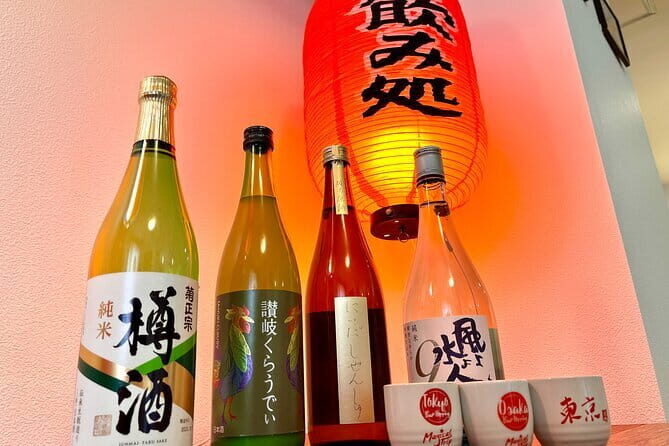
This class is a great fit if you want:
- A fun night out that still feels like real Tokyo home-style cooking
- A small group experience where you can talk, learn, and eat
- Beginners who want guidance without feeling judged
- People who specifically care about sake and beer pairing
It’s also a solid choice for couples and friends. Cooking together naturally creates conversation, and a 3-hour format is long enough to feel like you did something, but not so long you lose energy.
Vegetarian? You’re welcome. The class arranges ingredients and process for vegetarian participants. If you’re vegan or gluten-free, it’s not available, so you’ll need a different activity.
Family note: the tour is open to participants aged 6 and above, and there’s a kids’ playroom. But the activity is described as not suitable for children under 12. Also, any steps involving knives and heat are only permitted for those aged 12 and over, under a parent or guardian’s supervision.
Not suitable for: pregnant women.
So the best decision rule is simple: if you’re comfortable with a hands-on cooking class and you’re able to match the age rules, this will feel like a memorable night. If you’re vegan/gluten-free, or you have safety constraints, you’ll be happier elsewhere.
Practicalities: timing, group size, language, and food limits
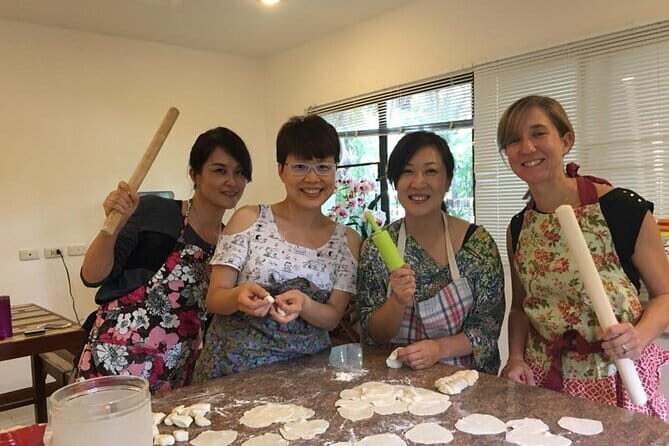
Duration: 3 hours.
Group size: small, limited to 6 participants.
Language: English live guide.
Photos: tour photos are included.
That combination is part of the value. With a max group of 6, you’re less likely to spend time waiting. You can also ask questions without shouting. And because it’s in English, you can actually understand why the guide does each step, not just copy it.
Dietary and allergies: vegetarian arrangements are available, but the class can’t guarantee allergy-free food or customized dietary restrictions, since preparations happen in kitchens that aren’t part of the same kitchen operation. Substitutions might not be possible at every stop.
If you have a serious allergy, I’d treat this as a “contact first” situation, not a “show up and hope” plan.
Accessibility: some parts of the tour route aren’t accessible by wheelchair or stroller, so plan accordingly.
Safety: smoking isn’t allowed, and there are age limits for knives and heat.
Finally, the price is $103 per person. For Tokyo, this can feel reasonable once you factor in what’s included: ingredients, cooking equipment, the guided instruction, 3 cans of drinks, recipes to take home, and tour photos. If you tried to recreate this solo—shopping for ingredients, paying for time, and then figuring out technique—you’d likely spend more.
Should you book the Tokyo night cooking class?
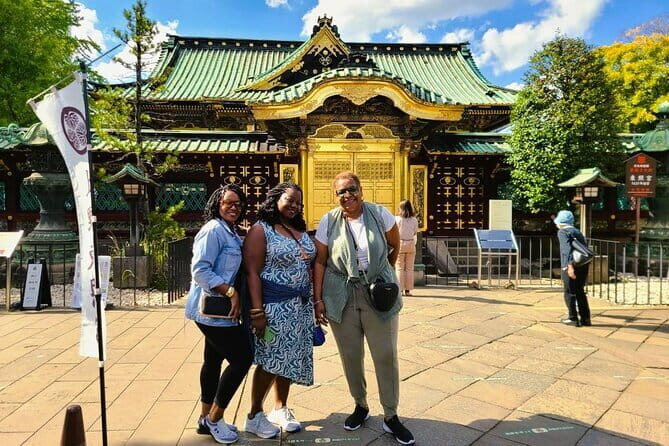
Book it if you want a Tokyo experience that mixes food, learning, and a social night out without turning into a tourist-only show. The pairing with sake and beer is the standout reason. You’ll leave with dishes you can re-make and a better sense of how Japanese home drinking spreads work.
Skip it if you’re vegan or gluten-free, you’re traveling with young kids who fall under the not-suitable age guidance, or you’re sensitive to the limits on alcohol access and hands-on heat or knife work.
If you’re on the fence, here’s your quick checklist:
- You’re comfortable meeting in the Iriya Station area (no pickup).
- You’ll enjoy cooking and tasting in an izakaya style.
- You want pairing ideas you can use at home.
- Your dietary needs match what’s supported.
If those boxes are checked, this class is a smart, value-minded way to spend an evening in Tokyo.
FAQ
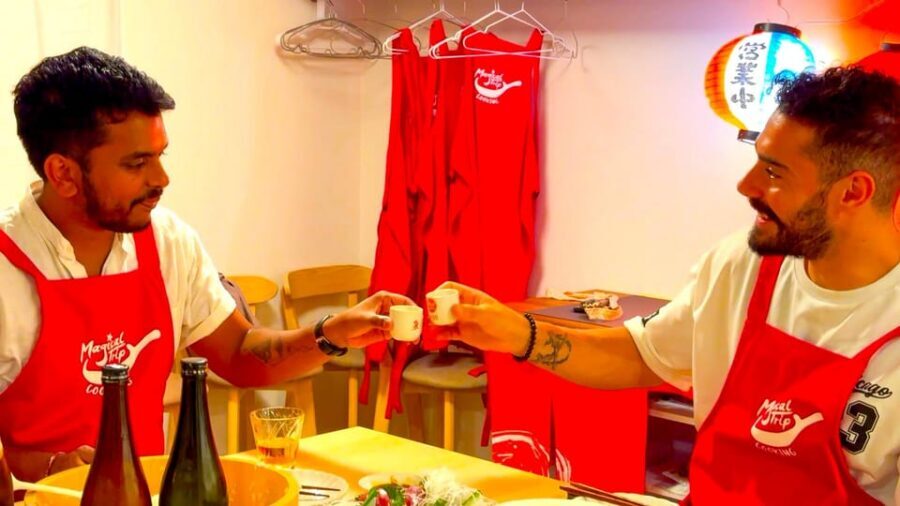
What dishes are included in the cooking class?
The class includes hands-on cooking for a sushi hand roll, wagyu or tofu steak, Japanese rolled egg, and grilled eggplant with miso sauce. The experience is described as covering 5 home-cooked Japanese dishes overall.
How long is the experience?
It lasts 3 hours.
Is alcohol included, and who can drink?
You get 3 cans of alcoholic or soft drinks. Sake tasting and alcoholic beverages are available only to guests aged 20 and over.
What is the meeting point in Tokyo?
Meet in front of a FamilyMart at Iriya Station Exit 2, specifically the FamilyMart next to Gindako and Doutor Coffee. There are two FamilyMarts in Iriya Station, so double-check you’re at the right one.
Do I get hotel pickup or drop-off?
No. Hotel pickup and drop-off are not included.
Are vegetarians or vegans welcome?
Vegetarians are welcome, and ingredients and the cooking process can be arranged. However, the activity is not available for people who are vegan and it’s also not available for gluten-free diets.
Can children join, and are they allowed to cook?
The tour is open to participants aged 6 and above, and there is a kids’ playroom. However, the activity is not suitable for children under 12. Steps involving knives and heat are only permitted for those aged 12 and over, under a parent or guardian’s supervision.
Is the tour good for wheelchair or stroller users?
The itinerary includes locations that are not accessible by wheelchair or stroller, so it may not be a fit if you rely on those.
When the Lanterns Come On

Learn Another Dish: Tokyo Cooking Classes


More Tour Reviews in Tokyo






Fresh reviews from around Tokyo






Cooking Classes, compared.
 ★ 5.0Ramen & Gyoza Cooking Class in Tokyo with Local Supermarket VisitFrom $122823 reviews
 ★ 4.6Easy Ramen Cooking Experience in Kabukicho, ShinjukuFrom $29321 reviews
 ★ 5.0Ramen and Sushi Cooking Class with Sake Pairing Set in TokyoFrom $79291 reviews
 ★ 4.9Wagyu and 7 Japanese Dishes Cooking ClassFrom $67273 reviews
 ★ 5.0Tokyo Washoku 4-hour Cooking Class: From Market to TableFrom $79253 reviews
 ★ 5.0Small-Group Wagyu Beef and 7 Japanese Dishes Tokyo Cooking ClassFrom $72190 reviews
 ★ 5.0Private Home Cooking in Yanaka – Local Flavors in a Warm SettingFrom $122173 reviews
 ★ 5.0Tokyo Sushi Making Experience & Japanese Cooking ClassFrom $59150 reviews
Browse the lists this tour appears in