
Paper making in Asakusa feels oddly calming. This Tokyo Asakusa washi workshop mixes a short intro video, a quick feel for the craft’s deep-rooted methods, and then real, messy hands-on work with water. I especially liked the way the history of Tosa Washi (one of Japan’s major traditional papers, with a history over 1,000 years) gives meaning to what you’re doing with your hands.
You’ll also get a lot of personal attention in a small group limited to 8, plus you’ll take home a postcard-sized sheet you made yourself. One thing to watch: if you want the colorful “postcard art” look, the colored paper (Rakusuishi) add-on isn’t the default in the plain option, and extras can cost more.
In This Review
- Key things you’ll notice
- Asakusa’s Handmade Paper Moment: What You’re Making
- The Tosa Washi Story You Hear Before the Water
- Samue Work Clothes, Stairs, and Practical Hands-On Crafting
- Quick practical tips so you enjoy it
- Rakusuishi Color Layers: The Fun Part and the Cost Question
- The fine print to actually plan for
- Making Something That Feels Like Japan: What’s Special Here
- Where It Is in Asakusa: Kaminarimon and Sensoji Nearby
- Price and Value: Is $38 Worth It?
- Who Should Book This Workshop (and Who Should Skip It)
- Should You Book This Tokyo Asakusa Washi Paper Class?
- FAQ
- How long is the Tokyo Asakusa handmade paper workshop?
- What is included in the plain paper plan versus the colored paper plan?
- Do I get to wear traditional Japanese work clothes?
- What languages does the instructor speak?
- Do I need to remove items before working with water?
- Is there a restroom inside the shop?
- Is the workshop suitable for young children or everyone’s health situation?
Key things you’ll notice
- Tosa Washi intro first, so the craft feels purposeful, not random
- Samue work clothes help you get ready for water and patterns
- Hands-on washi making with a friendly instructor guiding each step
- Rakusuishi color layering only with the colored paper plan
- Take-home souvenir: your own handmade paper from scratch
- Asakusa location near Kaminarimon and Sensoji, with an easy walk and a quick upstairs check
More mornings around Senso-ji and the old town
- Tokyo: Japanese Dance Cabaret Theater Asakusa-Kaguwa Ticket★ 4.8 · 2,270 reviews
- Tokyo: Asakusa Walking Tour with Sensoji Temple Visit★ 4.8 · 1,583 reviews
- Tokyo Asakusa Rickshaw Tour★ 5.0 · 1,375 reviews
Asakusa’s Handmade Paper Moment: What You’re Making
This is a one-hour craft class focused on making handmade Japanese paper, specifically inspired by Tosa Washi. You start with a postcard-sized base sheet, then (depending on which plan you choose) you add decorative layers using Rakusuishi, which creates that delicate, stained-looking color effect.
The experience is built around a simple idea: you don’t just watch paper get made. You do it. You’ll follow an instructor’s pace, use the materials you’re given, and end with something you can actually bring home—paper you made with your own hands.
The Tosa Washi Story You Hear Before the Water
Before you put your hands anywhere near the paper pulp, you’ll watch a short video explaining the history and the process behind making Tosa Washi. It’s known for being durable and for having warmth in how it feels and looks.
That intro matters more than you might think. When you understand what makes Tosa Washi special—its long lineage and the method behind it—you’re more likely to see your own actions as part of a bigger tradition. Instead of just producing a souvenir, you’ll understand what technique you used and why.
Samue Work Clothes, Stairs, and Practical Hands-On Crafting
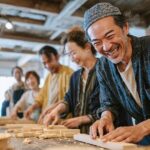
Right after the intro, you’ll change into traditional Japanese work clothes called samue. This is a smart touch in a workshop like this: you’re about to work with water, so sleeves and comfortable movement matter.
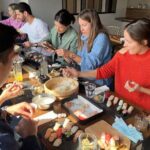
Then it’s the workshop rhythm: the instructor helps you step-by-step as you create your sheet. The process involves pouring water onto the washi base and building patterns. At this stage, the mood is usually cheerful and active, because the craft is hands-on right away, not something you only watch from the sidelines.
Quick practical tips so you enjoy it
- Remove watches and accessories before working with water.
- Wear sleeves you can roll up easily.
- The workshop has no elevator since it’s on the 2nd floor, so wear comfortable shoes and expect stairs.
- There are no restrooms inside the shop, so use a nearby public restroom first if you can.
If you arrive late, you might not be able to join the session, since the timing is tight in a hands-on class. The safest move is to arrive early enough to get upstairs and settled.
More things to make with your own hands


Rakusuishi Color Layers: The Fun Part and the Cost Question
Here’s where the experience branches.
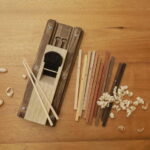
If you choose the Colored Paper Plan, you’ll make your own postcard-sized washi base sheet and then layer colored paper pieces called Rakusuishi on top. Rakusuishi is created by pouring water to form patterns, then dyeing—so the colors and textures aren’t just printed. They’re the result of that process.
You’ll get to pick a favorite among dozens of Rakusuishi options that have already been prepared. It’s a satisfying step, because you’re not just choosing a color. You’re choosing a texture and a mood for the final piece.
The fine print to actually plan for
Rakusuishi is not included in the Plain Paper Plan. And even for the colored approach, some people have found there can be extra charges for each additional Rakusuishi piece they use. One participant noted an extra fee per paper piece (about 3€ for each Rakusuishi layer when making two). That means you should budget slightly above the base price if you want a more complex or multi-layer look.
If you’re the type who loves picking out details and layering things just right, the colored plan is worth it. If you’re mainly there for the core washi-making experience, the plain option can be enough.
Making Something That Feels Like Japan: What’s Special Here
A good craft class gives you two things: a skill and a story. This one does both.
The skill is straightforward but real: you learn the basics of handmade paper from scratch, with water and patterning, under a friendly instructor’s guidance. The story comes from that Tosa Washi background and from seeing how durability and warmth are tied to traditional methods.
Even if you’ve never crafted anything before, the class format helps. It’s a small group capped at 8 participants, and instructors speak English, Japanese, and Spanish. In at least one session, the instructor was called Fuji-san, and the tone was patient and step-by-step, which is exactly what you want when you’re working with a new material like washi pulp.
Where It Is in Asakusa: Kaminarimon and Sensoji Nearby
The workshop shop is located at 1-32-11 Asakusa, Taito-ku, Tokyo 111-0032 on the 2nd floor. It’s close to Kaminarimon and Sensoji Temple, which is great because Asakusa is already a place you walk around.
Meeting is simple: come upstairs, and a staff member will guide you. The store provides lockers for valuables, which helps because you’ll be removing things like watches and keeping personal items out of the way.
One logistics note: since there’s no elevator, this is better done when you’re wearing shoes you can trust on stairs. Also, because there’s no restroom inside the shop, plan a quick stop at a nearby public restroom before you start.
Price and Value: Is $38 Worth It?
At $38 per person for a 1-hour workshop, you’re paying for three things: instructor guidance, materials, and a tangible take-home item.
The value is strongest when you treat it as a real craft souvenir, not just a quick photo stop. You’re making paper from scratch, and you’re taking it with you. That’s different from buying a pre-made item, because you leave with an object that has your decisions in it—especially if you choose Rakusuishi and layer the colors yourself.
If you choose the plain plan, your cost lines up with the base price, and you walk out with a homemade sheet. If you choose the colored plan, you may need to budget a bit more depending on how many Rakusuishi pieces you want to use.
The biggest reason I think it still feels fair: this is a small-group, time-limited class that includes the working clothes (samue), materials, and staff support. Plus, you can reserve in a flexible way (reserve now, pay later), and cancellations are allowed up to 24 hours in advance for a full refund.
Who Should Book This Workshop (and Who Should Skip It)
This is a good fit for you if you want a hands-on Tokyo activity that’s:
- compact (just one hour),
- close to major sights in Asakusa,
- creative but not complicated, and
- small-group enough that you can ask questions when you need to.
It’s also a nice option if you speak limited Japanese. The workshop offers instruction in English, Japanese, and Spanish.
It’s not suitable if you fall into the workshop’s listed limits: children under 4, pregnant women, or people with heart problems. The reason is pretty obvious: you’ll be working with water and using a hands-on craft setup.
Should You Book This Tokyo Asakusa Washi Paper Class?
Yes, book it if you want a meaningful souvenir you actually made in Tokyo. The mix of Tosa Washi history, samue, and the chance to create your own sheet is a strong formula for a short trip. If you care about color and visual texture, the Colored Paper Plan (Rakusuishi layering) can turn your paper into something more personal and more decorative.
Book with one smart expectation: the plain option won’t include Rakusuishi, and the colored option may include extra costs depending on how you design your piece. If you’re clear on that before you go, there are few crafts in Tokyo that feel as “you made it” as this one.
If you’re in Asakusa anyway for Kaminarimon and Sensoji, this is the kind of activity that fits naturally into the day—creative, calm, and practical, with a real take-home payoff.
FAQ
How long is the Tokyo Asakusa handmade paper workshop?
The workshop lasts 1 hour.
What is included in the plain paper plan versus the colored paper plan?
In the Plain Paper Plan, you make the washi paper base. In the Colored Paper Plan, you also add Rakusuishi layers. Rakusuishi is not included in the plain option.
Do I get to wear traditional Japanese work clothes?
Yes. Samue (traditional Japanese work clothes) is included.
What languages does the instructor speak?
The workshop offers instruction in English, Japanese, and Spanish.
Do I need to remove items before working with water?
Yes. You’ll work with water during the class, so you should remove watches and accessories before starting.
Is there a restroom inside the shop?
No. There are no restrooms in the shop, so you should use a nearby public restroom.
Is the workshop suitable for young children or everyone’s health situation?
It is not suitable for children under 4, and it’s also not suitable for pregnant women or people with heart problems.
Make Something to Take Home

More Tour Reviews in Tokyo






Around Senso-ji: More Asakusa Picks
Fresh reviews from around Tokyo






Asakusa Tours, compared.
 ★ 4.8Japanese Dance Cabaret Theater Asakusa-Kaguwa TicketFrom $492,270 reviews
 ★ 4.7Meiji Shrine, Asakusa, Skytree Bus Tour and CruiseFrom $1221,986 reviews
 ★ 4.8Asakusa Walking Tour with Sensoji Temple VisitFrom $221,583 reviews
 ★ 5.0Tokyo Asakusa Rickshaw TourFrom $421,375 reviews
 ★ 4.5Tokyo Panoramic 1 Day: Meiji Shrine, Asakusa, Odaiba and SKYTREE®From $851,222 reviews
 ★ 4.8Samurai Ninja Museum Asakusa: Samurai Sword Lesson & TourFrom $63306 reviews
Asakusa Sightseeing Tour by RickshawFrom $35195 reviews
Asakusa Kimono Dressing and Matcha ExperienceFrom $56173 reviews
★ 4.8Samurai Ninja Museum Asakusa: Samurai Sword Lesson & TourFrom $63306 reviews
Asakusa Sightseeing Tour by RickshawFrom $35195 reviews
Asakusa Kimono Dressing and Matcha ExperienceFrom $56173 reviews
Browse the lists this tour appears in