
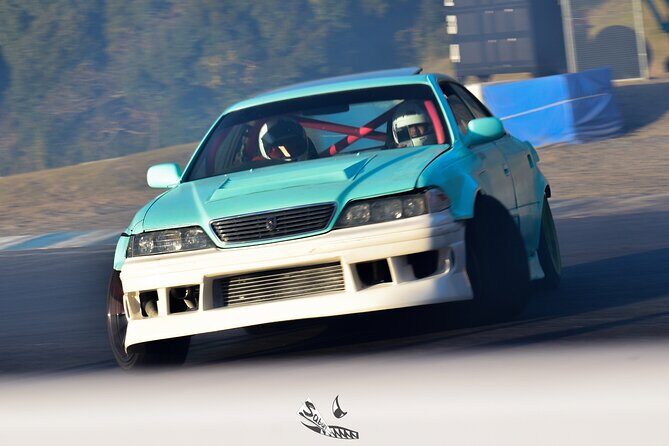
Reviewed · JDM DRIFT CAR EXPERIENCES
Tokyo Drift Lesson self driving & PRO experience JAPAN TRACK
Tokyo drift is loud, but this lesson is controlled.
What makes this experience special is the setup: a self-driving drift lesson on a closed circuit near Tokyo, with instructors who teach you how to steer, manage traction, and build repeatable moves. Even if you start with zero drift background, the goal is steady circle driving by the end of the day, plus chances to learn by watching advanced drivers run the line.
I especially like the hands-on coaching style and the fact that the day is private, so you can ask questions without feeling rushed. I also like that you get more than just seat time: you’ll ride along with advanced drivers, and you’ll end up with a photographer shoot to capture the moment.
One thing to think about: you’re doing real driving all day, so you need to show up ready to follow the clothing and weather rules. Good conditions matter, and your knees and arms will feel it if you don’t dress properly.
In This Review
- Key Highlights You’ll Care About
- Why Minami Chiba Circuit Makes This Feel Like Real Drifting
- Getting From Shinbashi to the Track: What Your Day Actually Looks Like
- The Lesson Plan: From Beginner Circles to Cone Donuts and Beyond
- Ride-Alongs With Advanced Drivers: Learn the Line, Then Try to Copy It
- Safety Gear and Clothing Rules That Actually Affect Comfort
- The Photographer Shoot: Turning a Skill Day Into Proof
- Price and Value: What $846.98 Really Buys You
- Who This Experience Fits Best (And When to Skip It)
- Tips to Get the Most Out of Your Drift Lesson Day
- Should You Book This Tokyo Drift Lesson?
- FAQ
- How long is the Tokyo Drift Lesson experience?
- Is this a private experience or shared with other groups?
- Do I need a driver’s license to drift on this circuit?
- What safety equipment is included?
- What should I wear to participate?
- Is there a photographer during the experience?
- Where does the experience take place?
- What happens if the weather is poor?
- Cancellation: Can I get a refund if I change my plans?
Key Highlights You’ll Care About
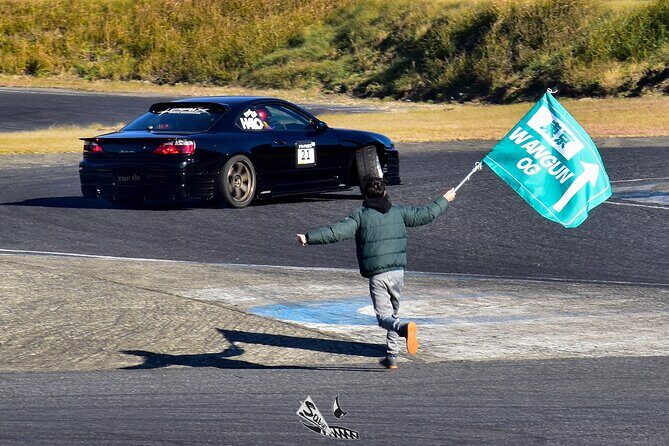
- Private group access means your instructor can slow down or speed up based on your questions and comfort level
- Minami Chiba Circuit is close to Tokyo, but feels worlds away from street drifting
- Practice moves you can build on, like donuts around cones and progressing toward tighter patterns like 8s
- Ride-alongs with advanced drivers let you study chase-style positioning in action
- Provided safety gear (helmet, face mask, gloves) lowers the friction for first-timers
- A photographer shoot gives you something real to take home, not just blurry phone pics
More horsepower: other JDM and drift experiences
- GT-R35 800hp Club Membership – secret underground car meet★ 4.8 · 998 reviews
- Secret Car Meet: R34 Skyline Car Club Membership★ 4.8 · 494 reviews
- Tokyo Drift: Daikoku PA Supreme Car Experience 大黒PA★ 4.7 · 372 reviews
Why Minami Chiba Circuit Makes This Feel Like Real Drifting
This is the rare Tokyo-area activity where the drift happens in the place that drift is supposed to happen: a closed track. That changes the whole vibe.
On a proper circuit, you’re not guessing. Your instructor can build sequences that let you repeat the same idea again and again. In drift, repetition is everything. You start to understand how small inputs change the car’s angle and how long you can hold the slide without overcorrecting.
Minami Chiba Circuit sits in Chiba Prefecture, close enough to Tokyo that it works as a day trip, but far enough that the track experience feels legitimate. You’re surrounded by other people who actually care about cars, and that matters for motivation. You’ll notice it when the advanced drivers are running and when the crew explains drift culture beyond just the driving.
Getting From Shinbashi to the Track: What Your Day Actually Looks Like
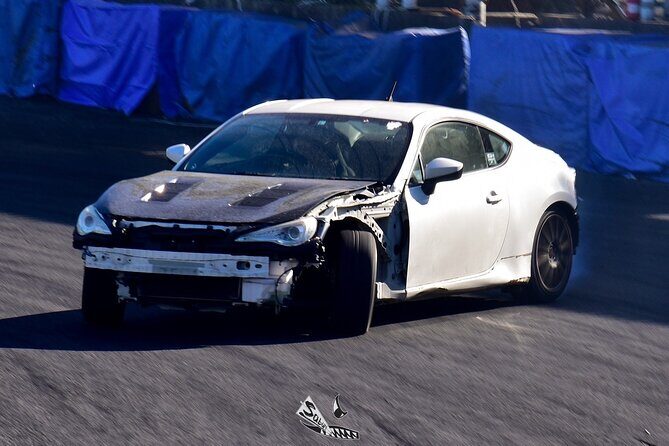
Your day starts at a meeting point in Shinbashi, Minato City in Tokyo, and the experience ends back there. The total time is listed at about 6 hours, which is a helpful anchor when you’re planning the rest of your trip.
Because the track is in Chiba next to Tokyo, you should expect some transit time and setup time before you drive. That’s not a drawback. It’s part of why the lesson works for beginners: you get geared up and briefed before you start throwing the car around.
Also, this isn’t a big cattle-car tour. The experience is private, meaning only your group participates. That gives you more focused attention, which you’ll feel when you’re trying to nail a technique without having to compete for instructor time.
Tip for your schedule: plan this as a main activity day. You’ll be mentally switched on and physically involved. If you stack heavy walking or long dinners right after, you might regret it.
The Lesson Plan: From Beginner Circles to Cone Donuts and Beyond
The headline here is a drift lesson that’s designed for people who have never drifted. The aim isn’t to turn you into a pro in one afternoon. It’s to teach you the fundamentals in a way that feels fun and doable.
You’ll be practicing while drifting across the circuit, and the structure is built around progress you can measure. One key idea you’ll hear in drift instruction is steady control. You’re not just trying to spin. You’re trying to hold a consistent slide angle while keeping the path smooth.
Based on how the day is described, you’ll likely start with simpler patterns that let you build muscle memory—then you move toward more playful stuff as your confidence rises. The reviews highlight learning techniques like making donuts around cones, and for drivers who pick it up quickly, stepping up toward tighter patterns like 8s.
If you’re nervous at the start, don’t fight that feeling. In drift lessons, your first job is to trust the car and trust the instructor. The moment you stop trying to force it and start letting the inputs work, your driving smooths out fast.
Ride-Alongs With Advanced Drivers: Learn the Line, Then Try to Copy It
One of the smartest parts of this experience is that you don’t only learn from instruction. You also learn by watching the experts.
You’ll ride along with advanced drivers to see how they perform, and that’s huge. Drift looks chaotic from the outside, but on track it’s a precise chain of choices: entry speed, steering timing, and where the car is positioned during the slide.
When you’re in the passenger seat, you can observe details you’ll miss while driving—like how the driver sets up the angle early, how they correct without killing the slide, and where they aim the car after the exit. Then when you go back to driving, you have something concrete to try.
Reviews also mention chase-style learning, including the option for advanced drifters to participate so you can experience side-riding in that chase dynamic as much as you like. Even if you stay focused on your own practice, that atmosphere helps you understand why drift culture obsesses over style and consistency.
You’ll come away with a clearer mental picture: not just what a drift is, but how it’s built.
More things to make with your own hands



Safety Gear and Clothing Rules That Actually Affect Comfort
This is one of those activities where “safety provided” isn’t marketing fluff. You’re given the core safety items: helmet, face mask, and gloves.
That said, you’re still responsible for your clothing. Shoes are not included, so wear sneakers. You also need long sleeves and long pants to cover your skin.
Why I care about this? Because clothing affects both comfort and your ability to focus. If you show up in the wrong outfit, you’ll spend your first hour dealing with discomfort instead of learning how to steer and manage the slide.
One more practical note: even with a helmet and face mask provided, you’ll likely be wearing gear while driving in an active track environment. Come with the mindset that you’ll be warm, you’ll sweat, and you’ll want clothes that don’t chafe.
If you wear anything that restricts movement, swap it for something you can move in. Drift is physical, even when your hands do most of the work.
The Photographer Shoot: Turning a Skill Day Into Proof
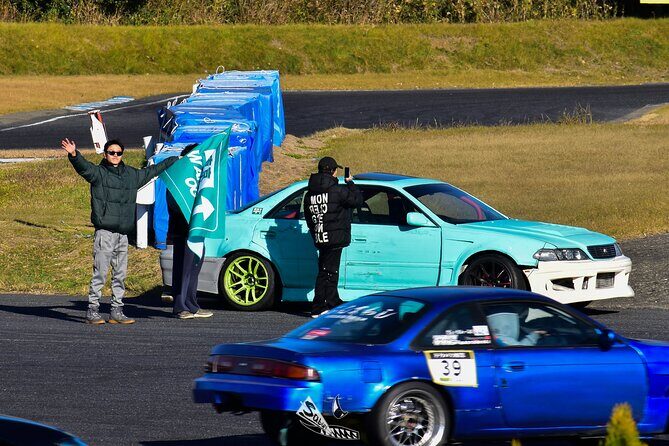
You’re not just finishing the day with memories in your head. The experience includes a shoot with a photographer, so you can capture what you looked like while you were doing it.
That matters more than you might think. Drift has a visual language—car angle, body position, line choice—that a standard vacation photo often misses. When you have a photographer included, you get images that actually fit the story of the day.
Also, it’s a good way to document progression. If you start the day tense and end the day with smoother control, you’ll see that shift in your photos and in the way you talk about the drive afterward.
If you’re a car fan or just want something way more memorable than a generic Tokyo day, this is the difference between a cool story and something you can show friends later.
Price and Value: What $846.98 Really Buys You
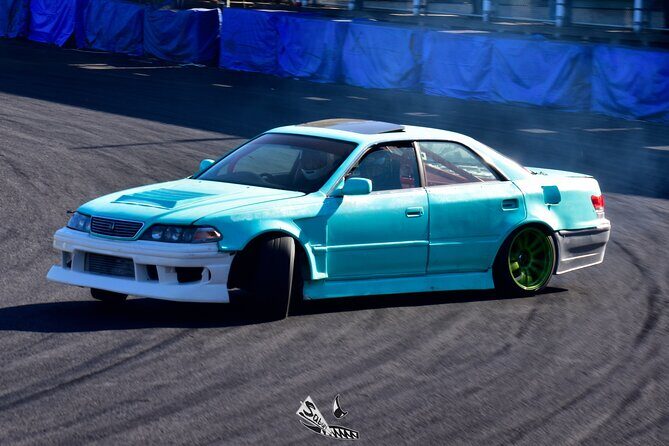
The price is $846.98 per person, and that number can look steep if you compare it to standard sightseeing. But drift lessons aren’t sightseeing. You’re paying for a full, track-based driving experience with instruction, safety gear, and production-quality extras like a photographer shoot.
Here’s what you’re getting for that money:
- A private drift lesson setup where you can ask questions as much as you want
- Instruction focused on getting you to drive steady, controlled circles by the end of the day
- Safety equipment provided so you don’t have to shop for track gear
- Ride-alongs with advanced drivers so you learn by watching
- A photo shoot included, which adds value compared to experiences that only provide phones-and-good-luck
The reviews also point to instructor quality and energy. Names that stand out include Ken and Ren (called out for their driving skill and insight into drift culture) and Tai (praised for making the day memorable). One review also highlights Morty with strong vibes from pickup through the track day.
Those aren’t random compliments. When you’re learning a sport that depends on timing and confidence, the coaching style matters. A strong instructor can shorten the learning curve, and a great driver in a ride-along can help you understand what to focus on.
Also, the listing notes group discounts. If you’re traveling with friends or planning this with a partner, that can make the price feel less like a solo splurge and more like a shared day you’ll talk about for years.
Who This Experience Fits Best (And When to Skip It)
This experience is a great fit if you’re a JDM fan, you care about drift culture, or you simply want a rare, hands-on Tokyo-area activity that doesn’t feel like every other tour.
It’s also a good fit if you want structured learning without needing prior drift experience. The lesson is designed so most people can participate, and the stated goal is getting you to steady circle driving by the end of the day.
You should think twice if you hate activities that require dressing for physical work. You’ll need long sleeves and long pants, sneakers, and you’ll be in safety gear while driving. If that sounds like misery to you, you might enjoy watching drift more than doing it.
And remember the weather requirement. If conditions aren’t right, the experience can be canceled and you’ll be offered a different date or a full refund. Plan this on a day when you can be flexible.
Tips to Get the Most Out of Your Drift Lesson Day
You’ll learn faster if you walk in with the right expectations.
First, treat the day like skill practice, not a one-time thrill ride. You’ll get more satisfaction if you focus on control and consistency instead of trying to impress yourself with chaos.
Second, ask questions early. The experience is private and guide-led, so you’re allowed to get answers in real time. If you don’t know what to ask, start simple: how should the steering timing feel, what’s the one mistake beginners make most often, and what should you correct first when the car doesn’t respond?
Third, pay attention during the ride-alongs. Don’t just watch the angle. Watch where the driver seems to set up the slide, how they correct without killing it, and how they exit.
Finally, dress like you’ll be active. Sneakers plus long sleeves and long pants isn’t just compliance. It helps you concentrate on driving.
Should You Book This Tokyo Drift Lesson?
If you want an authentic Tokyo-area car experience that feels real, this is a strong yes. You’re not watching drift from a safe distance. You’re getting coached on how it works, you’re allowed to ride with advanced drivers, and you’ll leave with photos from the day.
Book it if you:
- want a memorable hands-on activity near Tokyo
- care about JDM/drift culture and want instruction, not just entertainment
- are okay dressing for track driving and committing to a full day
Skip it if you:
- want a relaxed, low-physical-effort sightseeing day
- don’t want to deal with weather-dependent scheduling
- prefer passive experiences over learning a sport-based skill
FAQ
How long is the Tokyo Drift Lesson experience?
The experience is listed at about 6 hours.
Is this a private experience or shared with other groups?
It’s private. Only your group participates.
Do I need a driver’s license to drift on this circuit?
No. The drift happens on a closed circuit, so you do not need a license.
What safety equipment is included?
Helmet, face mask, and gloves are included.
What should I wear to participate?
Wear sneakers. You also need long sleeves and long pants to cover your skin.
Is there a photographer during the experience?
Yes, the experience includes a shoot with a photographer to remember the day.
Where does the experience take place?
It’s a drift lesson at Minami Chiba Circuit in Chiba Prefecture, next to Tokyo.
What happens if the weather is poor?
The experience requires good weather. If it’s canceled due to poor weather, you’ll be offered a different date or a full refund.
Cancellation: Can I get a refund if I change my plans?
Yes. You can cancel for a full refund up to 24 hours in advance of the experience start time.
Make Something to Take Home

More Tour Reviews in Tokyo






For the Petrolheads: More JDM Days




Fresh reviews from around Tokyo






JDM Drift Car Experiences, compared.
 ★ 4.8GT-R35 800hp Club Membership – secret underground car meetFrom $205998 reviews
 ★ 4.8Fast & Furious Tokyo Drift 3 Experience (Kaila Yu SP)From $157947 reviews
Daikoku JDM Car Meet & Night Car Culture TourFrom $98626 reviews
★ 4.8Fast & Furious Tokyo Drift 3 Experience (Kaila Yu SP)From $157947 reviews
Daikoku JDM Car Meet & Night Car Culture TourFrom $98626 reviews
 ★ 4.8Secret Car Meet: R34 Skyline Car Club MembershipFrom $236494 reviews
 ★ 4.9EVO, WRX, Skyline – JDM Night Run to Daikoku Car MeetFrom $125478 reviews
 ★ 4.7Tokyo Drift: Daikoku PA Supreme Car Experience 大黒PAFrom $58372 reviews
 ★ 4.5Daikoku Car Club Temporary MembershipFrom $145275 reviews
 ★ 5.0Daikoku JDM Car Meet & Night Car Culture TourFrom $99232 reviews
Browse the lists this tour appears in