
Reviewed · ASAKUSA TOURS
Asakusa: A Big-picture History Walk to Know Japan
Japan’s story starts here. This Asakusa tour works like a history map in motion, using each landmark as a doorway into beliefs, art, and big political shifts. I love how the guide lays out Buddhism vs Shinto early, so the gates and temples don’t feel like random stops. I also like the global-angle explanations, like how ukiyo-e prints helped spark change in Western art. One thing to plan for: it’s a moderate walking experience, and you’ll be on your feet for about 2 hours.
You’ll also see why Asakusa stands out for something you can’t easily “fake” with photos: 1,000-year religious coexistence in one neighborhood. Guides such as Choco, Sachi, Amy, Yasu, and Yoko show up in different ways, but the common thread is clarity and momentum, with extras like snack tastings and even a fortune-telling moment at the temple entrance. The only real drawback to consider is that some people find the headsets a bit echo-y, so bring patience and be ready to ask for volume help if needed.
In This Review
- Key highlights worth your time
- Asakusa’s Shortcut to Japan’s Big Story
- Price and time: what you’re really paying for
- Getting started at Asakusa: meeting point and what the walk feels like
- Along the Sumida River Pier: isolation to reopening, explained from the water
- Asakusa Culture Tourist Information Center: your quick guide to Shinto and Buddhism
- Kaminarimon Gate: thunder, dragons, and a Japan-vs-West twist
- Nakamise Shopping Street: vajra symbols and ukiyo-e changing Europe
- Hōzōmon Gate: the 1,000-year Japan–West mindset surprise
- Senso-ji Temple: the oldest Buddhist temple and how prayer works
- Asakusa Shrine: one place, two religions, and shared worship space
- Guides matter: what you can expect from the explanation style
- Who should book this Asakusa history walk
- Should you book this tour of Asakusa’s history?
- FAQ
- How long is the Asakusa history walk?
- How much does the tour cost?
- Where do I meet the guide?
- Is the tour in English?
- What’s included in the price?
- Is pickup from my hotel included?
- Is the tour held in bad weather?
- Is there cancellation protection?
- Is it suitable for kids?
- Can I join if I have mobility issues?
Key highlights worth your time
- Sumida River big-picture context: isolation, one allowed trading partner, and reopening after Admiral Perry
- Buddhism and Shinto, explained visually before you hit the gates and halls
- Kaminarimon’s dragon contrast: Japanese dragons flip the Western role
- Nakamise street symbols and ukiyo-e to Europe: vajra imagery and Impressionist inspiration
- A 1,000-year Japan–West mindset comparison at Hōzomon Gate
- Two religions sharing the same grounds at Asakusa Shrine and its temple complex
More mornings around Senso-ji and the old town
- Tokyo: Japanese Dance Cabaret Theater Asakusa-Kaguwa Ticket★ 4.8 · 2,270 reviews
- Tokyo: Asakusa Walking Tour with Sensoji Temple Visit★ 4.8 · 1,583 reviews
- Tokyo Asakusa Rickshaw Tour★ 5.0 · 1,375 reviews
Asakusa’s Shortcut to Japan’s Big Story
This tour is built for one goal: to help you understand Japan, not just look at Japan. The route is compact, but the explanations jump across centuries and across cultures. By the end, Asakusa stops feeling like a scenic district and starts feeling like a living timeline.
What makes it work is the guide’s method. At each landmark, you don’t just hear facts. You get the why behind them—how the place connects to religion, art, and Japan’s changing relationship with the wider world. If you like learning with your feet on the ground, not trapped in a museum room, this is a good fit.
And yes, you’ll still see the classic icons. You’ll just understand what you’re looking at as you see it.
Price and time: what you’re really paying for
The tour costs $58 per person and runs for about 2 hours. That might sound simple until you list what’s included: a certified guide, a walking format, headsets (for groups of 3 or more), and traditional snack tastings. It’s not a cheap photo-walk. You’re paying for interpretation—someone connecting history, symbols, and global impact while you move.
Also, you’re getting a lot of “major stop density” in a short window: river pier, gates, a shopping street, a top Buddhist temple, and a shrine-temple shared site. If you have limited time in Tokyo, that time-efficient structure is part of the value.
The only timing consideration is the walk pace. It’s not a sprint. It’s moderate walking, and you’ll cover several sites without long breaks.
Getting started at Asakusa: meeting point and what the walk feels like
Meet near Asakusa Station on the Ginza line, by Exit 4. The meeting spot is in front of a Burger King, next to that exit—step outside when you reach it and you’ll find the group.
You’ll want comfortable shoes and water. The tour runs rain or shine, so dress for weather. If you’re sensitive to rain slick sidewalks, plan a light layer you can manage quickly.
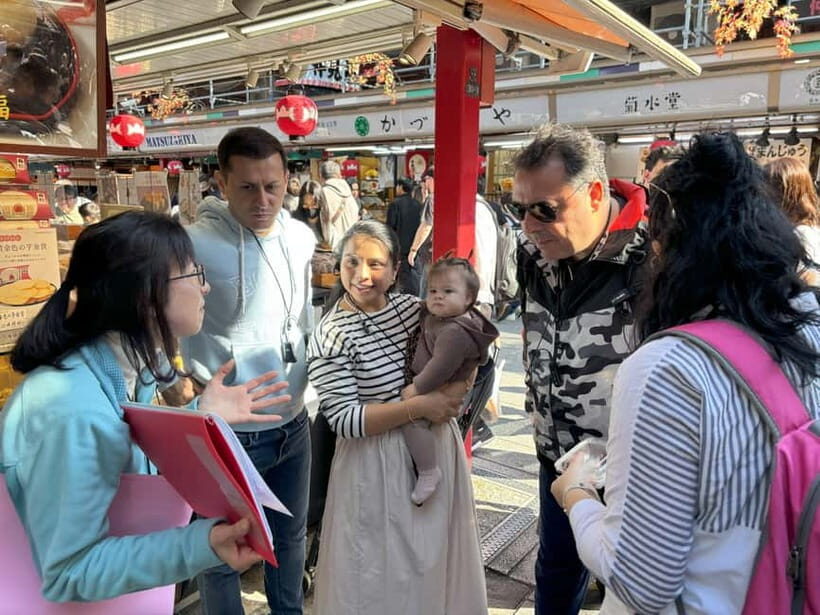
For sound, you’ll get headsets if your group has three or more people. Most people find them helpful. If the audio ever sounds off (one guest noted an echo effect at times), the practical move is to speak up and ask the guide to help fix the volume or positioning.
Along the Sumida River Pier: isolation to reopening, explained from the water
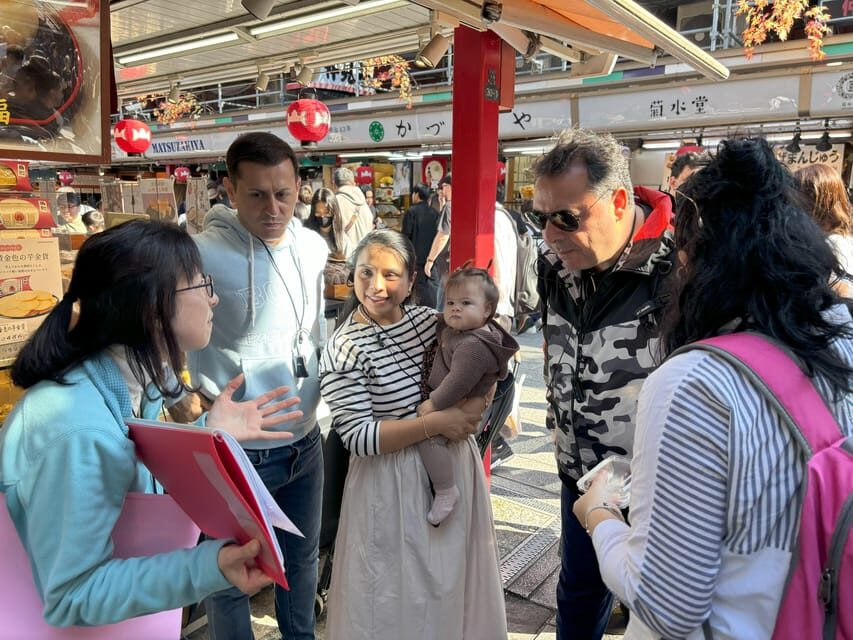
The first “wow” moment isn’t a temple gate. It’s the Tokyo Cruise Asakusa Pier area along the Sumida River. This is where the tour sets the political frame for everything else you’ll see.
You’ll learn how the Edo shogunate sealed the country for over 200 years, and how the Netherlands alone was permitted to trade. Then you connect the story to modern Tokyo: Admiral Perry’s arrival forced Japan to reopen, and that shift echoes in places you may have heard of, like Odaiba’s former gun batteries.
The guide even ties it to a modern icon: a Statue of Liberty replica facing the Pacific. The point isn’t that the replica is the history. The point is that global symbols landed here because Japan changed how it dealt with the outside world.
If you tend to get lost in “Tokyo sightseeing,” this opening helps you get bearings fast.
Tokyo at walking pace, a few more ways
Asakusa Culture Tourist Information Center: your quick guide to Shinto and Buddhism
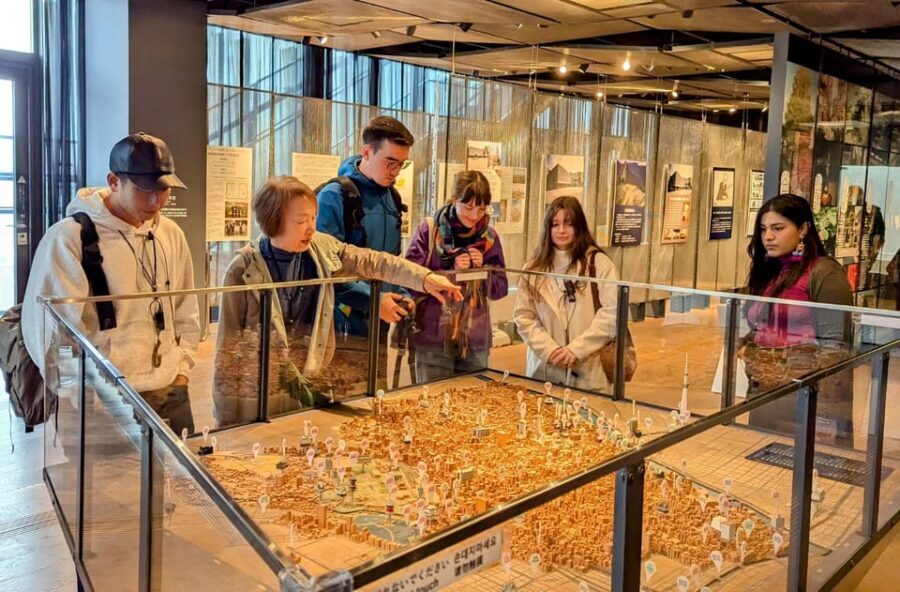
Before you hit the gates, you stop at the Asakusa Culture Tourist Information Center. This is where the tour does something smart: it gives you a foundation for the two major religions you’ll see constantly in Asakusa—Buddhism and Shinto.
If you’ve ever walked into a shrine area and felt unsure what you’re supposed to notice, this part helps. The explanation is designed to be clear and visual, so you can start spotting patterns instead of feeling overwhelmed.
By the time you reach Kaminarimon and Senso-ji, you’ll recognize the logic behind the scenes. That means less guessing while you’re standing there, and more understanding of what each place is trying to communicate.
Kaminarimon Gate: thunder, dragons, and a Japan-vs-West twist
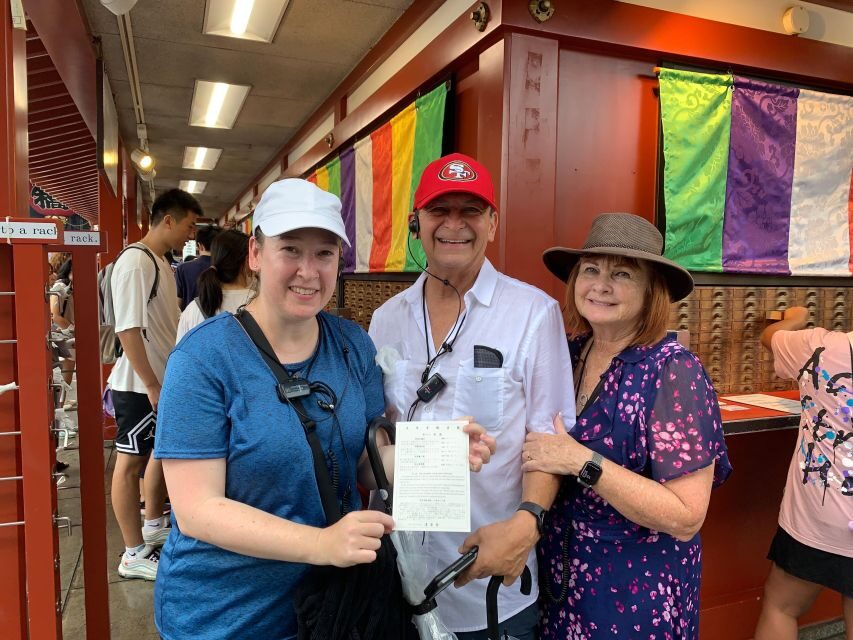
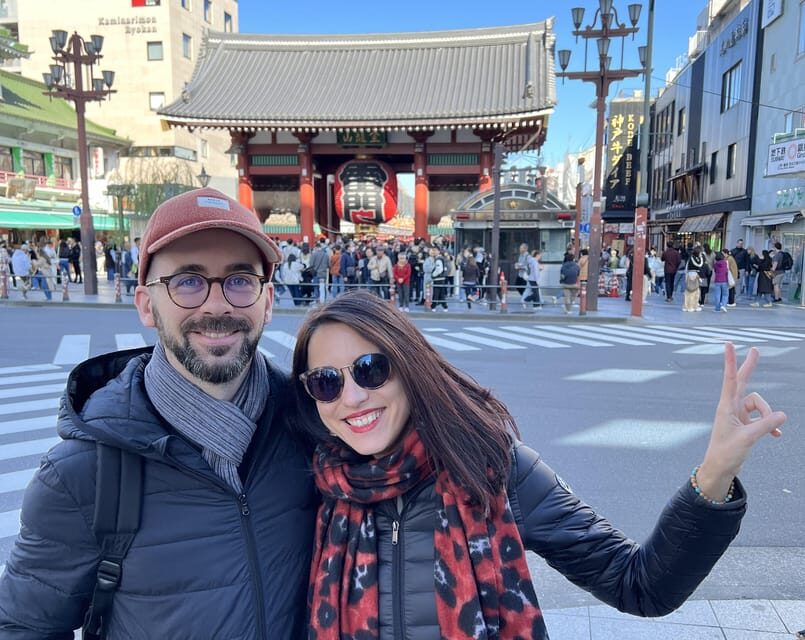
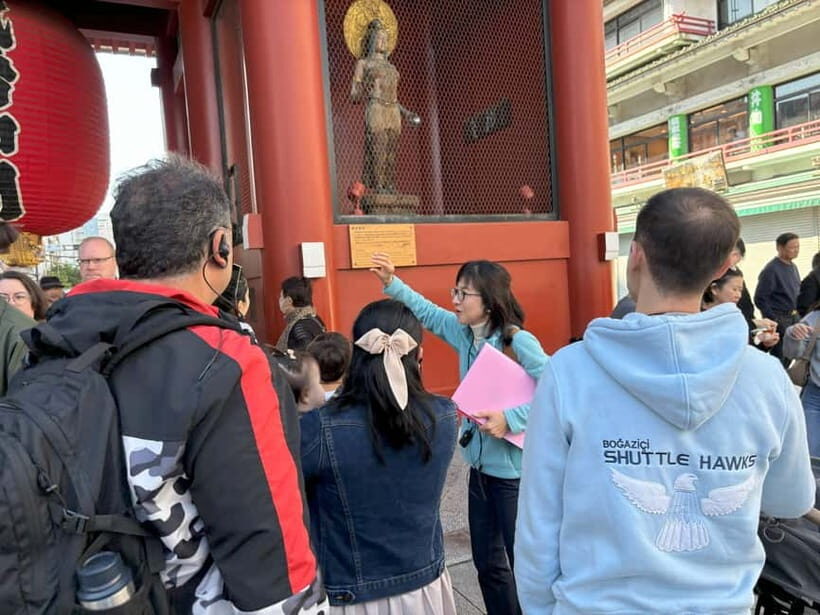
Kaminarimon, the Thunder Gate, is iconic for a reason. You’ll spend time here exploring one of the tour’s favorite tactics: comparing ideas across cultures.
The guide points out the contrast between Japanese and Western dragons. The most memorable takeaway is that the Japanese dragon plays the opposite role from the Western one. It’s the kind of detail that makes you look longer at carvings, plaques, and symbols after you leave.
This is also a good moment to slow down. The gate is busy, but your guide will frame what you’re seeing so it turns from landmark to meaning.
Nakamise Shopping Street: vajra symbols and ukiyo-e changing Europe
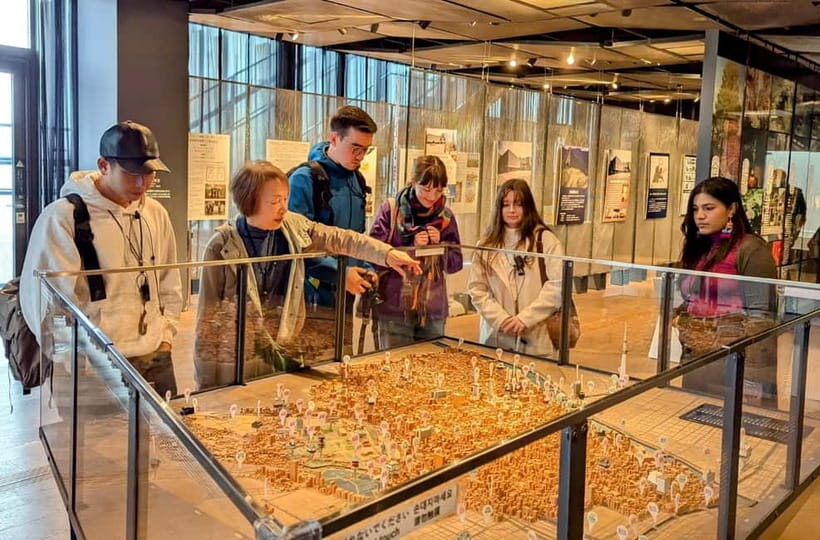
Next comes Nakamise Shopping Street, where the tour blends street-level flavor with symbolic reading.
You’ll learn about Buddhist symbolism you might otherwise miss—especially the vajra (tokko) references connected to the area. And then the tour jumps to something you might not expect on a shopping street in old Tokyo: ukiyo-e woodblock prints.
Here’s the global connection. The guide explains how ukiyo-e prints made their way to Europe and helped influence Western Impressionist painters. This is a big-picture story you can feel, because you’re surrounded by the old-market setting where you’d find ink-and-paper crafts in daily life.
Practical note: Nakamise can be crowded. Use your guide’s timing cues so you don’t get stuck at slow-moving bottlenecks. And if you want snacks, keep an eye on what’s coming—traditional tastings are included on the tour.
Hōzōmon Gate: the 1,000-year Japan–West mindset surprise
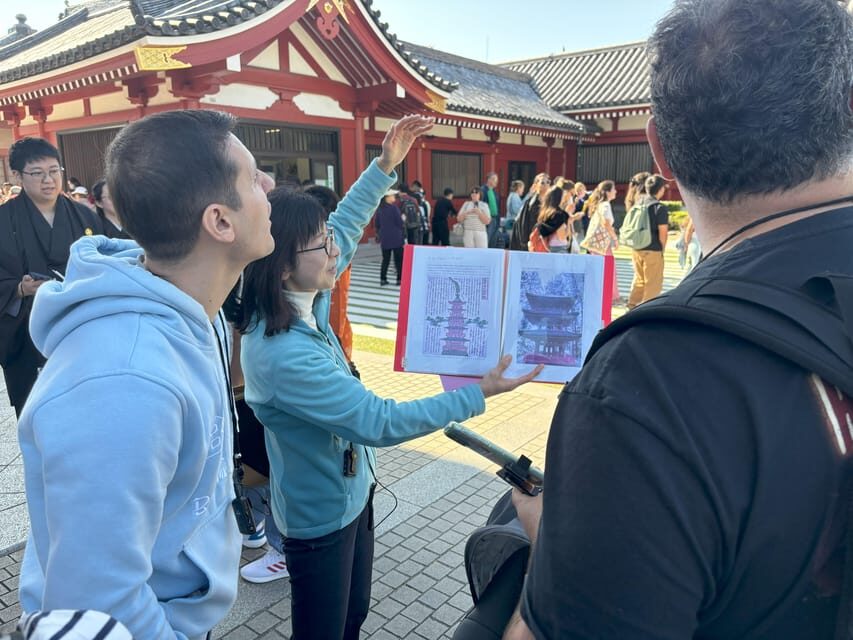
At Hōzōmon Gate, the tour makes one of its boldest claims—not about technology, not about politics, but about mindset.
You’ll hear a comparison between how people in Japan and the West thought about life about 1,000 years ago. This is meant to be a shock of recognition: you’re not just seeing Japan as separate. You’re being encouraged to see parallels in human thinking, long before modern globalization.
It’s also a reminder that culture doesn’t evolve in one direction. Similar questions can surface in different places, shaped by different religious systems and social structures.
When a tour does this well, you leave feeling smarter, not just more entertained. This is one of those stops.
Senso-ji Temple: the oldest Buddhist temple and how prayer works
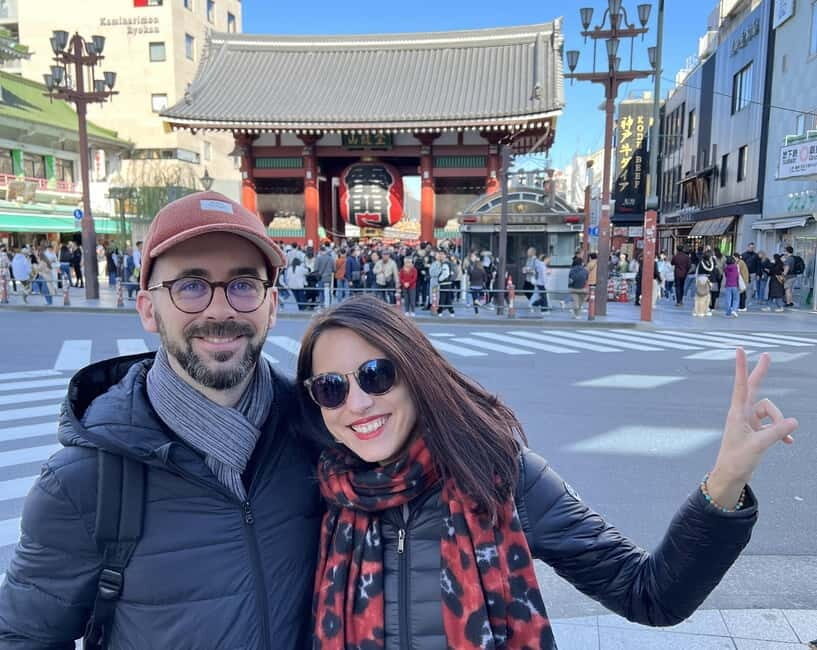
Senso-ji is where the tour becomes unmistakably spiritual and very visual. The guide explains that it’s Japan’s oldest Buddhist temple, and you’ll get a clearer breakdown of how worship functions here.
You’ll also learn something practical: how prayer differs in Buddhism and Shinto. This matters because many visitors expect religious spaces to operate the same way. They don’t. Once you understand the difference, the rituals and gestures start to make sense instead of feeling like theater.
You might also get a small, memorable break from pure explanation: a guest highlighted a fortune-telling activity at the temple entrance that kept an 8-year-old engaged. If fortune-telling is part of what’s available that day, it’s a fun way to connect the ideas to real-life curiosity.
If you enjoy temples, you’ll like how the tour slows down enough to make you notice details. If you don’t usually care about religion, the guide’s structure still helps you connect the dots.
Asakusa Shrine: one place, two religions, and shared worship space
The tour ends at Asakusa Shrine, and this is one of the strongest reasons to pick this experience over a simple walking route.
You’ll be shown how Shinto and Buddhism share the same grounds here, with people worshipping together in overlapping spaces for over a millennium. The guide doesn’t treat it like a museum artifact. It’s presented as lived history.
This stop makes the earlier foundation click. Once you understand the basic difference between religions, the shared site stops being confusing. It becomes a story about how communities actually organized belief in daily life.
If you want proof that Japan’s religious culture isn’t a one-size-only switch, this is it.
Guides matter: what you can expect from the explanation style
A lot of the high ratings point to guide performance, and you can see patterns in the names people associate with great tours: Choco, Sachi, Amy, Yasu, Kay, and Yoko.
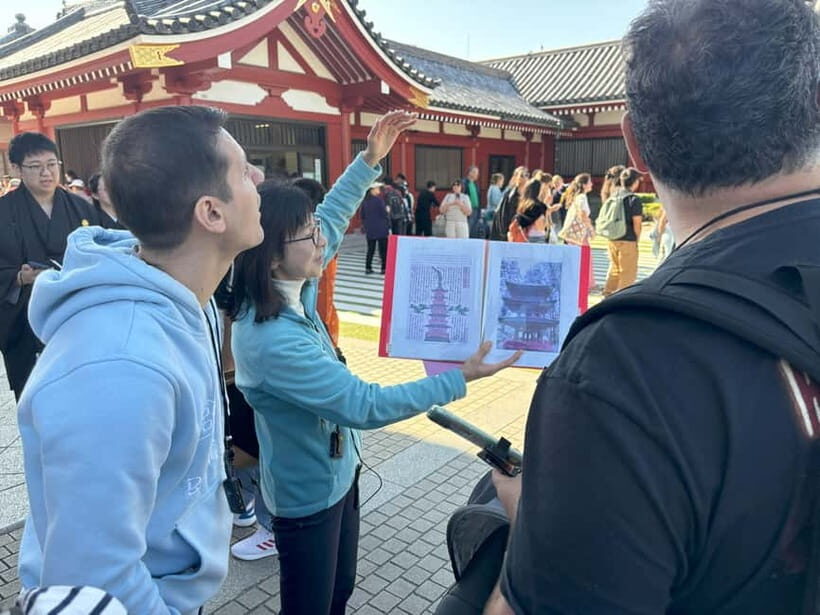
The common praise theme is engagement and clear explanations. One guide is noted for bringing prints to help explain concepts, which is smart. If you’re a visual learner, that kind of support can make a big difference.
Another practical improvement: the guide helps you approach the area with respect, especially in and around sacred spaces. That kind of coaching is underrated. It keeps the visit smoother and helps you avoid accidental disrespect.
Who should book this Asakusa history walk
Book it if you want:
- A short, high-output tour that connects many Asakusa sites into one story
- A guide who explains Buddhism and Shinto in a way you can remember
- A global angle on Japanese culture, including ukiyo-e and Impressionist influence
- A “mindset” lesson, like the 1000-year Japan–West comparison
You might skip it if:
- You need a low-walking experience. The tour involves moderate walking, and it’s noted as not suitable for people with mobility impairments.
- You hate structured explanations and prefer wandering freely with zero context.
Should you book this tour of Asakusa’s history?
I think this is a smart booking if you have limited time and want understanding, not just photos. The value comes from the way the tour stitches together religion, symbolism, art influence, and political change—while still showing you the core sights people come to see.
If you’re the type who gets bored by lectures, look for guides who use visual aids, like the prints one guide is known for. And bring comfortable shoes, because the only real “cost” here is your legs.
If your goal is Japan’s big picture in a compact, walking format, this one is worth the $58.
FAQ
How long is the Asakusa history walk?
It runs for 2 hours.
How much does the tour cost?
The listed price is $58 per person.
Where do I meet the guide?
Meet in front of a Burger King right next to Exit 4 of Asakusa subway station (G19) on the Ginza line.
Is the tour in English?
Yes, the tour guide is English, and the tour includes English audio as well.
What’s included in the price?
Included: a certified guide, walking tour, headsets for groups of 3 or more, and traditional snack tastings.
Is pickup from my hotel included?
No, hotel pickup and drop-off are not included.
Is the tour held in bad weather?
It operates rain or shine, so dress appropriately.
Is there cancellation protection?
There is free cancellation up to 24 hours in advance for a full refund.
Is it suitable for kids?
Children younger than 6 can join for free. The tour has a historical focus, so it’s generally more adult-friendly, but families can still enjoy it.
Can I join if I have mobility issues?
The tour is not suitable for people with mobility impairments. If you have mobility issues, contact the supplier beforehand to see what they can do.
Tokyo on Foot: More Walks


More Tour Reviews in Tokyo






Around Senso-ji: More Asakusa Picks
Fresh reviews from around Tokyo






Asakusa Tours, compared.
 ★ 4.8Japanese Dance Cabaret Theater Asakusa-Kaguwa TicketFrom $492,270 reviews
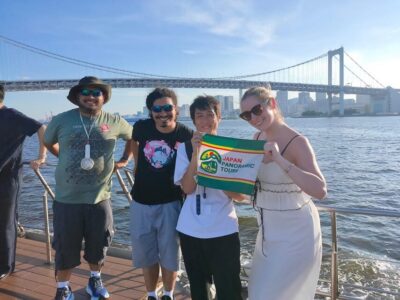 ★ 4.7Meiji Shrine, Asakusa, Skytree Bus Tour and CruiseFrom $1221,986 reviews
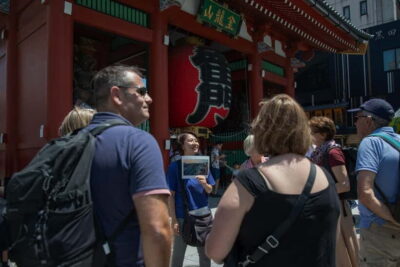 ★ 4.8Asakusa Walking Tour with Sensoji Temple VisitFrom $221,583 reviews
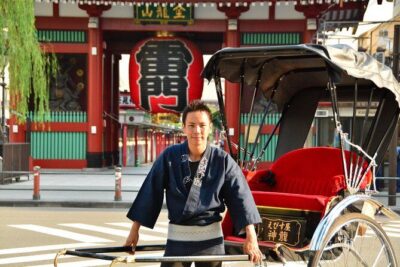 ★ 5.0Tokyo Asakusa Rickshaw TourFrom $421,375 reviews
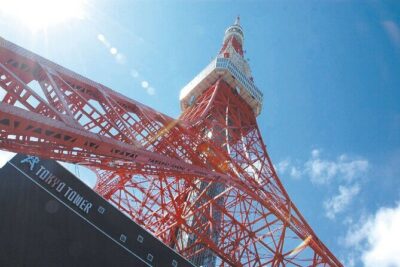 ★ 4.5Tokyo Panoramic 1 Day: Meiji Shrine, Asakusa, Odaiba and SKYTREE®From $851,222 reviews
 ★ 4.8Samurai Ninja Museum Asakusa: Samurai Sword Lesson & TourFrom $63306 reviews
Asakusa Sightseeing Tour by RickshawFrom $35195 reviews
Asakusa Kimono Dressing and Matcha ExperienceFrom $56173 reviews
★ 4.8Samurai Ninja Museum Asakusa: Samurai Sword Lesson & TourFrom $63306 reviews
Asakusa Sightseeing Tour by RickshawFrom $35195 reviews
Asakusa Kimono Dressing and Matcha ExperienceFrom $56173 reviews
Browse the lists this tour appears in