
Reviewed · HALF-DAY
Tokyo Private Half-Day Tour with a Local – Secrets & Highlights
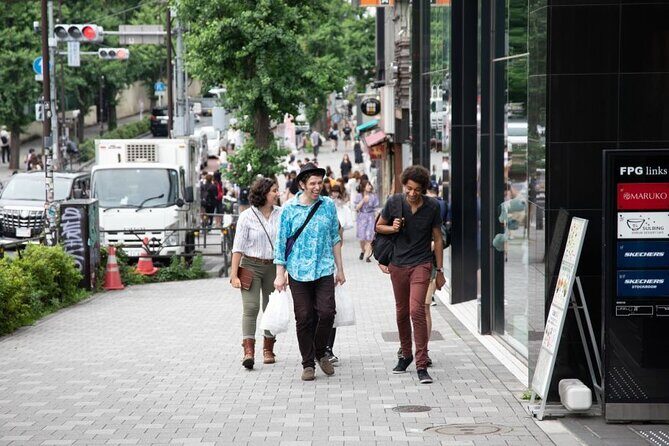
Four hours, and Tokyo feels personal. This is a private half-day walking tour with a tailored itinerary, built around your interests so you don’t waste time on stops you’d skip. I like that it mixes big landmarks with quieter backstreets, and you get a real local lens instead of a scripted checklist.
The main thing to consider is practical: it’s mostly walking, and food, drinks, attraction tickets, and transfers aren’t included (public transport or local taxis may add cost). If you’re not a comfy-shoes person, you’ll feel it faster than you expect.
Guides can make or break a tour here. I’ve seen how guides like Chiara handle a smooth meet-up, Taishiro manage crowd flow, Mari keep the energy up, and Hiroko communicate clearly before you start—so you should get a day that feels organized, not chaotic.
In This Review
- Key Things That Make This Tour Worth Your Time
- Entering Tokyo Through Asakusa: The Walk Starts With Sense
- How the Questionnaire Tailors Your Day (And Saves You From Waste)
- Sensoji and Asakusa: Classic Tokyo With the Stories That Stick
- Nakamise Shopping Street: Souvenirs, Snacks, and the Fine Print of Taste
- The Sumida River Stroll: A Calm Reset in Old Downtown
- Showa-Era Alleys: Narrow Lanes, Big Stories
- Kagurazaka Lanes: Old Tokyo Meets Modern Small Shops
- The Real Value of $143.14 for 4 Hours
- Getting Around: Walking Comfort and Transfer Reality
- Who This Tour Is Best For (And Who Might Want Something Else)
- Should You Book This Tokyo Private Half-Day Tour?
- FAQ
- What’s the duration of the Tokyo private half-day tour?
- Where does the tour start and end?
- Is this tour mostly walking?
- What’s included in the tour price?
- Are food, drinks, and attraction tickets included?
- Can I cancel for a refund?
Key Things That Make This Tour Worth Your Time
- A questionnaire that actually shapes your route before you meet your guide
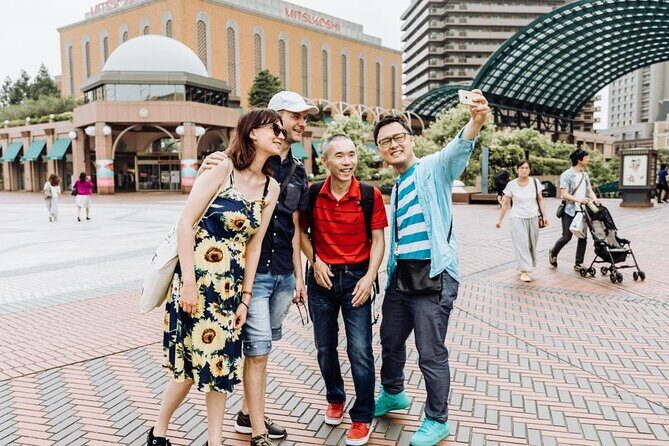
- Private, exclusive group time so you can ask questions and go at your pace
- Asakusa temple + Nakamise street for classic Tokyo, handled with local context
- Old downtown river views that look good in any season, especially cherry blossom time
- Showa-era alley stories that help you understand what you’re seeing
- Kagurazaka lanes and quiet shrines plus small shops and cafés tucked off the main paths
More private options with your own guide
- Tokyo 6hr Private Tour with Government-Licensed Guide★ 5.0 · 3,902 reviews
- Private Tour to Mt. Fuji and Hakone (Fully Licenced Operator)★ 5.0 · 1,910 reviews
- Tokyo Customized Private Tour (Must See Places in 1 Day)★ 5.0 · 1,499 reviews
Entering Tokyo Through Asakusa: The Walk Starts With Sense
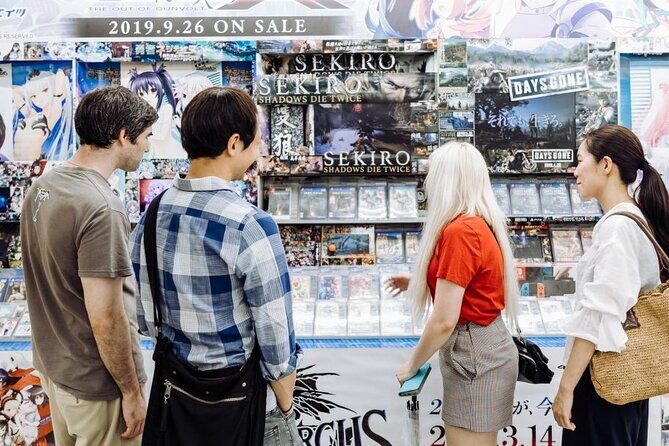
Your tour begins at the Asakusa Culture Tourist Information Center near Kaminarimon—an easy anchor point for getting oriented. From there, you’ll move on foot, which is the best way to understand Tokyo’s scale. You feel the neighborhood rhythms right away: storefronts, side streets, and the way people flow around crowds.
Because it’s private, you’re not stuck waiting for the group pace. If you want extra time to look at a detail—architecture, signage, a small shop window—you can. If you’d rather keep moving, your guide can steer you there too.
Also: you’re walking with an actual plan. The stops are clustered so the day feels efficient, not like random hops across the city.
How the Questionnaire Tailors Your Day (And Saves You From Waste)
One of the best parts is the pre-tour questionnaire. After booking, you’ll get a short set of questions about what you care about and what you don’t. Then your guide personally reaches out to shape a route that matches your style—history, food focus, shopping, quiet corners, or culture.
This matters because Tokyo can be overwhelming on day one. A good guide won’t just name places; they’ll help you choose what’s worth your limited time. In past experiences on this kind of tour format, the difference is obvious: you’re not chasing “must-sees” that don’t fit your mood.
You also get direct communication with your guide for itinerary planning and local recommendations. In reviews tied to this service, that kind of contact has included messaging via WhatsApp, which is handy if you’re trying to line up a meet-up without stress.
Sensoji and Asakusa: Classic Tokyo With the Stories That Stick
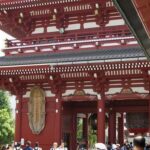
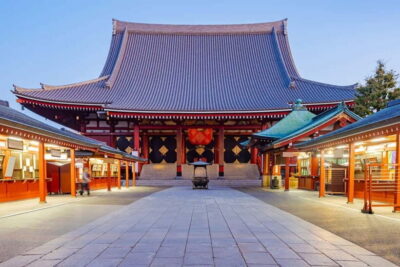
A big chunk of the day is built around Asakusa’s oldest and most famous temple. Expect to walk through the impressive temple grounds with your guide explaining what you’re seeing and why it matters. This is one of those places where photos are easy, but understanding takes a good human filter.
Why this stop works on a half-day schedule: it gives you an immediate “Tokyo contrast.” You get deep traditional focus early, before the day shifts to streets and neighborhoods with a different feel.
What to watch for: Asakusa is famous for a reason, and you will run into crowds. A strong guide helps you negotiate the flow so you spend less time bracing and more time looking. One review specifically highlighted how helpful the guidance was for handling dense crowds.
Practical tip: wear shoes you can walk in for a few hours without regrets. Even though it’s only half a day, temple-area walking adds up fast.
Nakamise Shopping Street: Souvenirs, Snacks, and the Fine Print of Taste
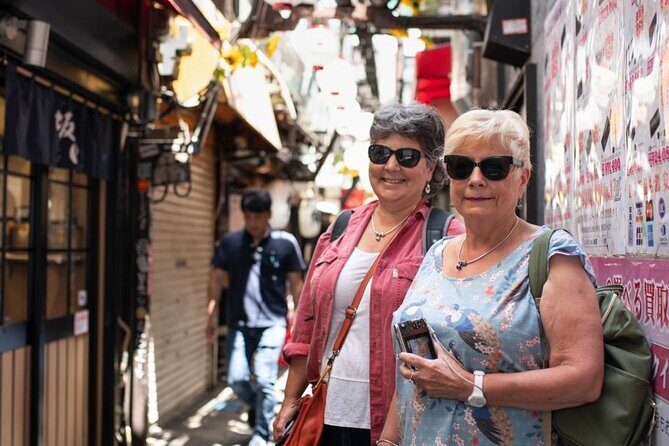
After the temple, you’ll head to Japan’s oldest shopping street in Asakusa—Nakamise. This is where the tour goes from “sightseeing” to “stuff you might actually buy or eat,” guided by local context.
Here’s the value: your guide can help you sort what’s tourist-trap versus what feels more traditional or personal. You’ll also get suggestions for snacks and souvenirs, so you’re not wandering aimlessly with your mouth making up its own plan.
Drawback to keep in mind: shopping streets move fast, and it can get crowded. If you’re shopping for gifts, you’ll want to set a budget and maybe pick a couple priorities early so you don’t lose the day in the middle of the lane.
If food is your thing, tell your guide upfront. The route can be adjusted around the tastes you want, not around what you think you should try.
Worth weighing up alongside this Tokyo pick:


The Sumida River Stroll: A Calm Reset in Old Downtown
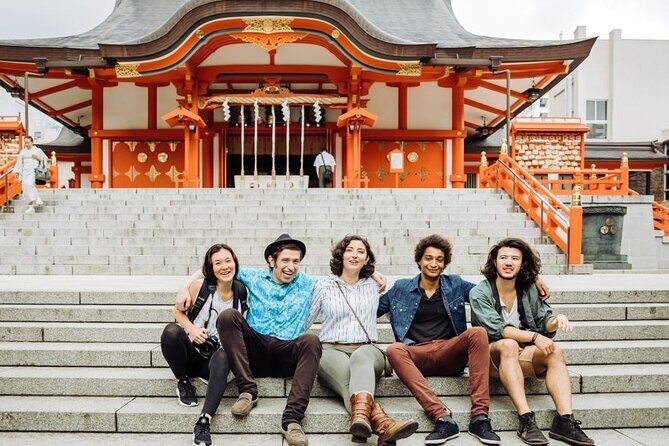
Next comes a riverside stroll with views toward old downtown Tokyo. This part is a nice change of pace from temple crowds and shopping streets. The river gives you space to breathe, and the atmosphere shifts from “market energy” to “slow walking and looking.”
The season note is useful: the views are especially stunning during cherry blossom season. Even when blossoms aren’t happening, the riverfront scenery is still a good way to understand Tokyo’s geography—how neighborhoods sit alongside water and how that shapes the feel of the city.
What you’ll enjoy here is the pacing. It’s not just a walk-by photo stop. With a local guide, you can connect what you see to how the area developed, and you’ll likely get suggestions for photo angles that work even with crowds around.
Showa-Era Alleys: Narrow Lanes, Big Stories
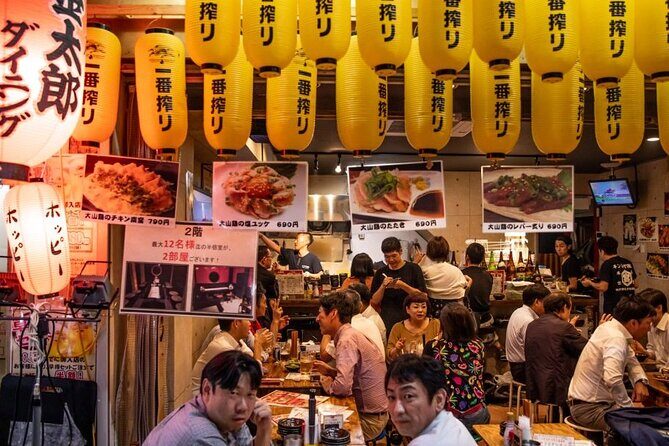
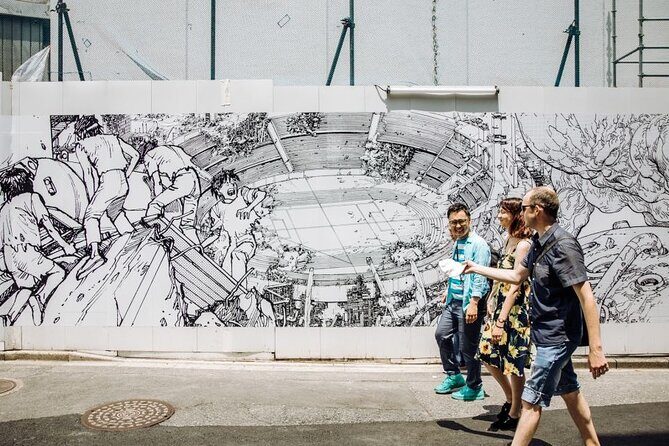
Then you’ll move into narrow, atmospheric alleys in a historic district with Showa-era charm. This is where a local guide earns their keep. Without context, side streets can look like side streets. With the right explanation, you start noticing details—sign shapes, building styles, the logic of storefront placement, and small signs of how daily life has changed over time.
Expect a walk that feels slower and more story-driven. The alleys are the kind of place where you might find a quiet corner café or a small scene that makes you pause.
Potential consideration: these lanes can be tight. If you’re carrying a lot of bags, or you’re traveling with mobility limitations, you’ll want to keep it light and move carefully. Most travelers can participate, but the physical reality of narrow streets matters.
Kagurazaka Lanes: Old Tokyo Meets Modern Small Shops
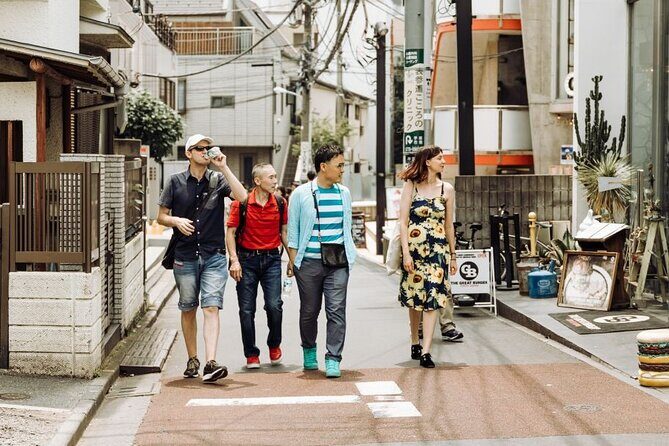
Kagurazaka is a great finale zone because it blends old and new in a way you can actually feel. You’ll explore winding lanes with a mix of old Tokyo atmosphere, modern boutiques, and quiet shrines.
This neighborhood is ideal for anyone who likes Tokyo that isn’t just “big landmark, then repeat.” It’s also a strong spot for people who want a gentler ending to the tour—less rush, more wandering with purpose.
Look for tucked-away details: small signs, compact storefronts, and side passages that change the mood from one block to the next. Your guide’s job here is to help you notice what matters without dragging you through a checklist.
Photo lovers often like Kagurazaka for that reason. In reviews for this service, guides such as Alberto have been praised for helping with photography, which fits perfectly with neighborhoods like this where the best shots are about angles and timing.
The Real Value of $143.14 for 4 Hours
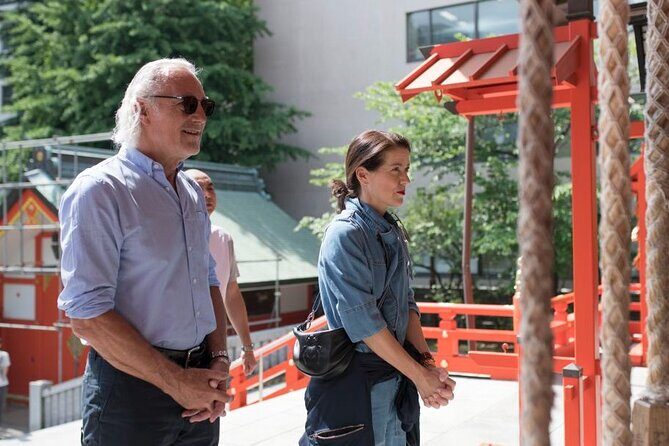
The price is listed at $143.14 per person for an approximately 4-hour private tour. The smartest way to think about value here is not the landmarks themselves—Tokyo has plenty of them for free.
You’re paying for:
- private guide time (so you can tailor the route)
- local interpretation (so places become understandable)
- time-saving navigation in busy areas
- flexibility through a customized itinerary
Also, the tour includes flexible start times. That can be a hidden value if your trip timing is messy. You choose a time when booking, and the guide works around it.
One note on costs: transportation isn’t included, and the tour is mainly walking. Public transport or local taxis may be used to transfer between sites, and exact costs can be discussed with your host after reservation. Plan for that if your route needs transfers on your chosen day.
Getting Around: Walking Comfort and Transfer Reality
This is primarily a walking experience, and there’s no private vehicle. For between-stop transfers, you may use public transport or a local taxi if needed. That means you should budget a little extra time and cash/card for transit.
The good part: starting in Asakusa and finishing back at the meeting point makes it feel contained. You’re not getting scattered across the city.
Practical advice: if you’re prone to getting tired, treat this as your “one big walking day” and keep the rest of your schedule lighter.
Who This Tour Is Best For (And Who Might Want Something Else)
This tour fits well if you:
- want a local perspective and not just photo ops
- like the idea of a private, customized walk
- are spending limited time in Tokyo and want a smart mix of areas
- enjoy history, alleyway atmosphere, and neighborhood texture
It’s also good for families and couples because the itinerary can be adjusted. Reviews have included positive notes about guides keeping the experience fun and responsive for different traveler needs.
It may be less ideal if you:
- want major-ticket attractions included (tickets aren’t included here)
- dislike walking or narrow streets
- plan to eat full meals during the tour (food and drinks aren’t provided)
Should You Book This Tokyo Private Half-Day Tour?
Yes—if you want Tokyo to feel useful early in your trip. The biggest reason to book is the customization. A half-day is short, and Tokyo is big. A tailored route prevents wasted time.
I’d especially book it if you’re excited about Asakusa and Kagurazaka. That pair covers old-and-new Tokyo without needing long train rides every hour.
If you’re budgeting tightly, you’ll still feel good about it, because the cost is mainly for guided time and interpretation, not attraction entry fees. Just plan for transit add-ons and bring money for snacks, drinks, and anything you buy on Nakamise or in Kagurazaka.
FAQ
What’s the duration of the Tokyo private half-day tour?
It’s listed as about 4 hours.
Where does the tour start and end?
It starts at Asakusa Culture Tourist Information Center at 2-chōme-18-9 Kaminarimon, Taito City, Tokyo, and ends back at the meeting point.
Is this tour mostly walking?
Yes. It’s primarily a walking experience, and no private vehicle is included.
What’s included in the tour price?
You get a private and personalized walking experience with insider tips, a pre-tour questionnaire, and direct communication with your host for planning and local recommendations.
Are food, drinks, and attraction tickets included?
No. Food, drinks, and tickets to attractions are not included.
Can I cancel for a refund?
Yes. Cancellation is free up to 24 hours in advance for a full refund. If you cancel less than 24 hours before the start time, the amount paid isn’t refunded.
Just Your Group: Private Options


More Tours in Tokyo




More Tour Reviews in Tokyo




Fresh reviews from around Tokyo






Half-Day, compared.
 ★ 4.0Half-day Tokyo Afternoon Tour by Hato BusFrom $41269 reviews
 ★ 4.0Half-day Tokyo Morning Tour by Hato BusFrom $41220 reviews
 ★ 5.0Private Hakone Half-day Car Tour with Hotel Pickup – Local GuideFrom $27748 reviews
 ★ 5.0Private Fuji Half-day Car Tour with Hotel Pickup and Local GuideFrom $34120 reviews
 ★ 5.0Half-Day Local Tokyo Tour in Adachi Market and ShibamataFrom $9116 reviews
 ★ 4.5Private Tokyo Custom Half-Day Tour by Chartered VehicleFrom $84913 reviews
 ★ 5.0Kamakura Private & Customized Half-Day Tour with Local GuideFrom $8511 reviews
 ★ 3.0Half-Day Morning Small Group TourFrom $598 reviews
Browse the lists this tour appears in