
Reviewed · MEIJI SHRINE TOURS
Sacred Morning Walk and Brunch Meiji Shrine
Tokyo feels different at dawn.
This tour is all about slowing down fast: you start at Harajuku Station at 8:00am and step into the quiet around Meiji Jingu Shrine, with a guide to help you understand what you’re seeing and how to act appropriately. I love that it’s early, so it protects the rest of your day for whatever you want next.
What I like most is the size. With a maximum of just four travelers, you get real attention from guides such as Tomo and Atsushi, and you can ask practical questions instead of waving your hand in the air.
The one thing to plan for is cost: the brunch is not included (JPY 1,000 to 2,000 depending on what you order), and it’s an early start that depends on decent weather.
In This Review
- Key points to know before you go
- A 8:00am start that gives you Tokyo hours back
- Meiji Jingu Shrine: calm, etiquette, and context you can use
- How a group of four changes what you learn
- Takeshita Street right after the shrine walk
- Brunch in Harajuku: budget it and make it yours
- Price check: what $32.58 gets you (and why it can still be a bargain)
- Who this experience fits best (and who should skip it)
- Quick watch-outs: weather, early hours, and crowd contrast
- Should you book Sacred Morning Walk and Brunch at Meiji Shrine?
- FAQ
- What time does the Sacred Morning Walk and Brunch start?
- Where do I meet for the tour?
- How long does the experience last?
- Is brunch included in the tour price?
- How many people are in the group?
- What’s included in the tour?
- What if the weather is bad?
- Can I cancel for free?
Key points to know before you go
- 8:00am start, short and focused: about 1 hour 30 minutes, then you’re free
- Meiji Shrine etiquette, explained in plain talk: so you feel confident inside the rules
- Small group (max 4): more guidance, fewer unanswered questions
- Takeshita Street as a morning transition: culture first, then modern Harajuku energy
- Brunch in Harajuku is your call: budget JPY 1,000–2,000 for food
- Weather can affect it: good weather is required, with options if it’s poor
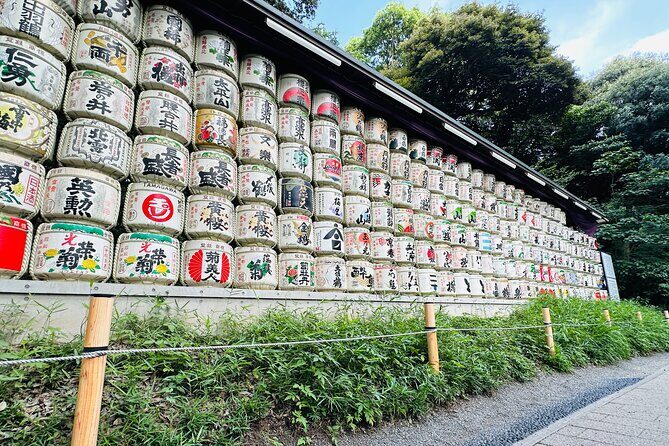
More forest calm at Meiji Shrine
- Tokyo: Meiji Shrine Walking Tour — Shinto & Imperial System★ 4.9 · 266 reviews
- Tokyo: Meiji Jingu Shrine and Shinto Culture Walking Tour★ 5.0 · 245 reviews
- Tokyo: Meiji Shrine and Shinto Culture Walking Tour★ 5.0 · 225 reviews
A 8:00am start that gives you Tokyo hours back
If you’ve only got a few days in Tokyo, mornings are gold. This experience starts at 8:00am at Harajuku Station, and the total time is about 1 hour 30 minutes before you’re sent back to the same meeting point. That timing is a big part of the value. You’re not locking your whole morning into a long tour where the rest of the day becomes recovery time.
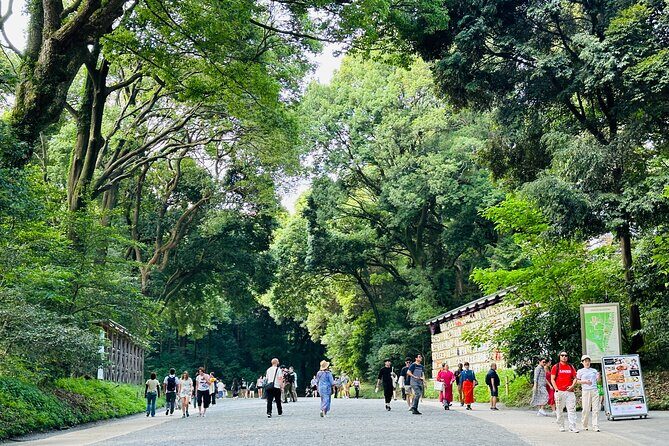
You also get a cleaner pace. Meiji Shrine is the kind of place where the experience depends on how you enter it. The early hour helps you trade the city’s noise for calmer surroundings, which makes the etiquette lessons feel more natural instead of rushed.
Logistics are straightforward. You’ll use a mobile ticket, and the tour runs near public transportation. Service animals are allowed, and the tour notes that most people can participate, which matters if you’re not sure how “walk-heavy” a shrine visit will feel.
One small practical tip: since you end back where you start, you can treat this like a morning “reset” for your Tokyo day plan. After the walk, you can jump into shopping, neighborhoods, or even just sit down somewhere and process what you learned—because you’ll actually have time.
Meiji Jingu Shrine: calm, etiquette, and context you can use
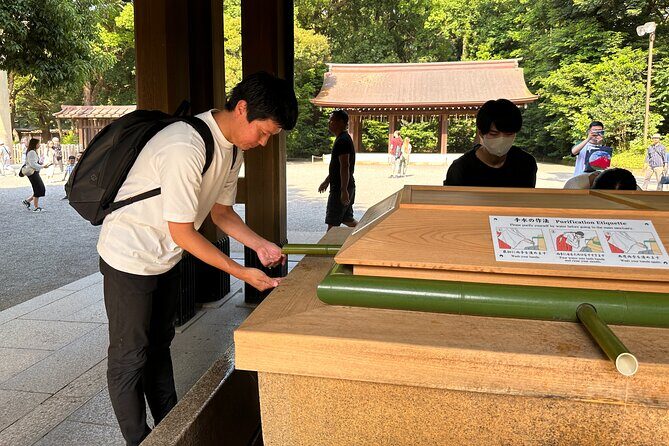
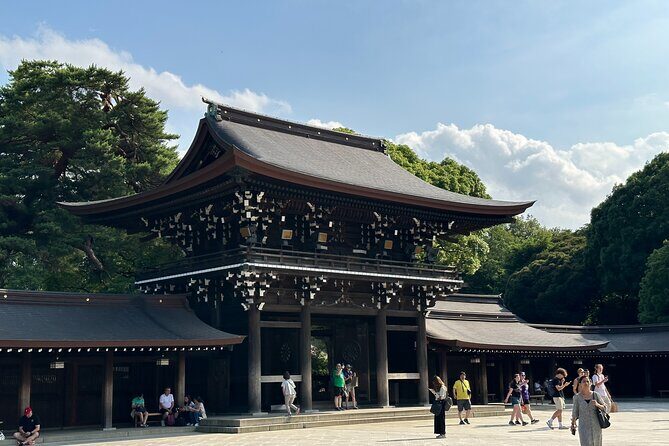
The core of the tour is a walk around Meiji Jingu Shrine, plus guidance on the history of Meiji Shrine and, most importantly, proper shrine etiquette. That last piece is the difference between seeing a shrine and understanding how to behave in it.
Even if you’re good at reading signs, you often miss what people don’t write down—how to move through the space, when to slow down, and what visitors are expected to do. The whole point here is to help you follow the rules expected, so you’re not guessing.
This is where the small-group format really helps. With room for questions, you can ask things like what a gesture means, why certain behaviors show respect, or how to keep the visit from feeling awkward. In the same tour experience, guides like Tomo and Atsushi are praised for teaching shrine manners and explaining what’s going on at a human pace, not a lecture-speed one.
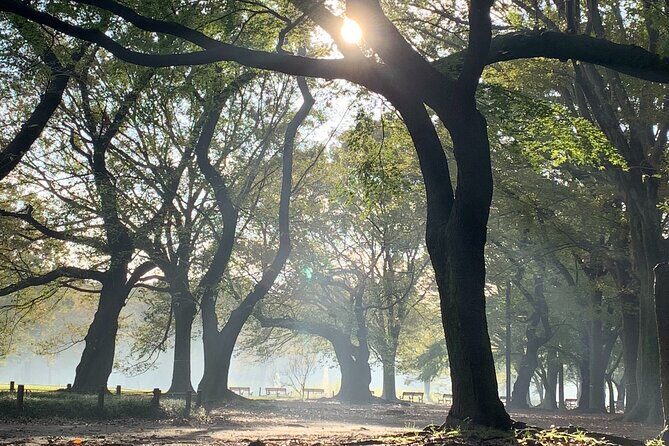
There’s also an “early morning mindset” payoff. When you arrive with less crowd pressure, you can actually notice details: the flow of people, the moments of quiet, and the way the area feels like a pause from the rest of Tokyo. That makes your etiquette lesson stick, because you’re not trying to learn rules while fighting through a crowd.
One consideration: a shrine visit isn’t the same as a photo-only stop. If you’re expecting constant sightseeing “hits” and not interested in cultural context, this may feel more thoughtful than thrill-based. But if you want to start your Tokyo trip with understanding, this part delivers.
How a group of four changes what you learn
A max group size of four isn’t just a number. It changes the whole feel.
With a larger group, you often get one-way information and a quick, polite tour-stop interaction. Here, the guide can slow down and check if you understood what you’re doing. That shows up in the kind of feedback you get: people talk about feeling welcomed, comfortable, and able to learn rules without feeling overwhelmed.
It’s also worth noting that the tour is typically conducted in English, but the experience information includes that if circumstances call for it, a guide may switch languages. One review noted English is usual, and when someone was the only participant on a given date, the guide kindly provided the tour in Japanese. That’s a useful signal: you’re not locked into one rigid script, and the guide can adjust to the group.
You’ll also benefit from the guide’s “local navigation” style. One review specifically called out that the guide brought the group to a local coffee place afterward and shared recommendations for other parts of the city—helpful when it’s your first day and you don’t yet know what you like.
Practical takeaway: come with a few curiosity questions. Even simple ones work, like what to watch for, what people tend to do at certain moments, or what to keep in mind so your visit feels respectful. A small group means the guide can actually answer you.
Takeshita Street right after the shrine walk
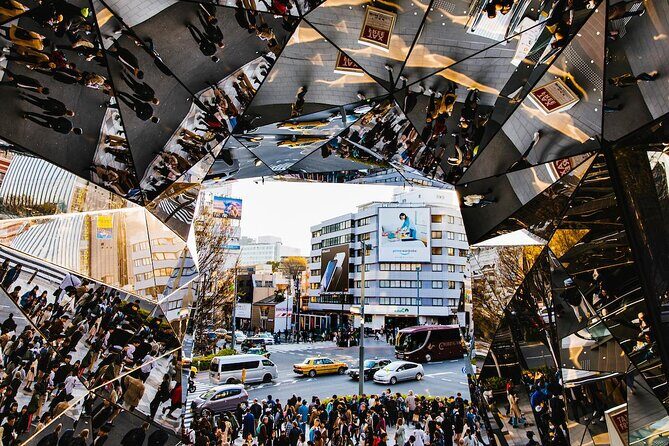
The tour includes Takeshita Street as the second stop, which makes for a strong contrast: quiet cultural space, then quick energy in Harajuku.
This pairing works because it keeps your morning balanced. You don’t just go from one crowd to another without a purpose. You get culture first, then you get a sense of modern Harajuku life right after. It’s also useful if you want an easy starting point for exploring Harajuku after the tour ends, because your bearings are fresh.
That said, you should be honest about what Takeshita Street is like: it’s a shopping street. It can be busy in its own way. If you’re hoping for a calm, scenic second stop, this isn’t the kind of place that will feel quiet. But if your goal is a first-day orientation—where you learn etiquette, then you quickly see the neighborhood vibe—that stop does its job.
Another smart move: treat the Takeshita portion as a “context check.” Look for what you want to come back for later—shops, snacks, photo spots—then return when you can browse at your own pace.
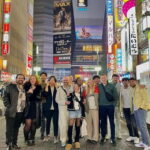
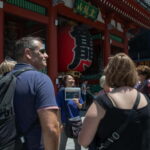
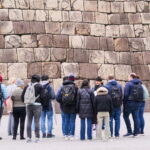
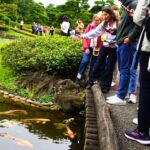
Tokyo at walking pace, a few more ways
Brunch in Harajuku: budget it and make it yours
After the shrine and Takeshita time, you’ll have an option for brunch at a café in Harajuku. The key detail: brunch is own expense and runs JPY 1,000 to 2,000 depending on what you order.
The tour frames this as a little-known café option, which is usually what you’re hoping for on a morning like this. Instead of wasting your energy searching for a place while everyone else is waking up, you get a guide-assisted “where to eat next” moment.
Use the brunch time strategically:
- If you want to sample a Japanese-style morning meal, treat brunch like your chance to do it without rushing.
- If you’re more into coffee and a relaxed sit-down, you can often keep it simple and still feel like you had a real experience.
- If you’re traveling with dietary needs, plan to order based on the menu you’re given at the café, since the tour pricing range suggests choices exist.
One reason this works well for first-timers: you end up with recommendations tied to what you just did culturally. In feedback, guides like Atsushi were praised for taking people to a local coffee spot afterward and offering suggestions for other areas in the city. Even if your exact order is different, the guidance often helps you avoid the “random café roulette” problem.
Price check: what $32.58 gets you (and why it can still be a bargain)
At $32.58 per person, you’re paying for a guided morning that includes:
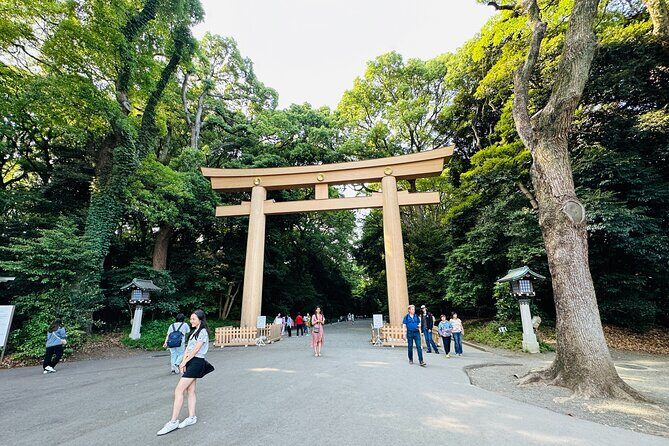
- A guide around Meiji Jingu Shrine
- A guide around Harajuku
- Japanese culture context, including shrine etiquette and shrine history
You’re not paying for the brunch itself. That’s extra at JPY 1,000 to 2,000.
So where’s the value? It’s in the guide’s role. Shrine etiquette is one of those topics where self-exploring can make you feel like you’re doing things “kind of right,” especially if you’re unsure about what visitors should do at certain moments. Paying for a guide helps you convert the visit into real understanding instead of guesswork.
The price also makes sense because the time is short and the group size is tight. You’re getting individual attention without the long commitment of a half-day program. This is the kind of tour that works well early in a trip, when the “how to do things correctly” part can save you time later.
A final note on demand: the experience is often booked about 35 days in advance on average, so if you’re set on a specific date, it’s smart to reserve sooner rather than later.
Who this experience fits best (and who should skip it)
This tour is ideal if you:
- Want a first-day Tokyo experience that starts with calm and ends with freedom
- Care about doing things respectfully and understanding what you’re seeing
- Like small groups and hate feeling lost in a crowd
- Prefer cultural learning that’s practical, not just descriptive
You’ll also do fine if you appreciate walking but don’t want a long grind. The total time is about 1 hour 30 minutes, and the pace is designed for questions and etiquette learning.
Skip it if you:
- Want a long, multi-hour day with lots of stops
- Only want food and shopping with minimal cultural context
- Dislike early mornings, since 8:00am is part of the deal
Quick watch-outs: weather, early hours, and crowd contrast
This experience requires good weather. If it’s canceled due to poor weather, you’ll be offered another date or a full refund. Since this is tied to an outdoor morning walk, don’t count on it if your schedule is extremely tight and you can’t flex.
Also consider the rhythm of the morning. You’ll start calm and go to a busier shopping street later. That contrast is fun for many people, but if you want one vibe only—quiet all morning—you might find the Takeshita part a bit of a shift.
Finally, keep your budget realistic. Brunch is optional on your order choice, and you’ll probably want to spend the extra JPY 1,000–2,000 to make the morning complete.
Should you book Sacred Morning Walk and Brunch at Meiji Shrine?
Yes, if you want an easy win for your first Tokyo day: learn shrine etiquette, walk through Meiji Jingu with a real guide, and still keep your afternoon open. The price is fair for what you get—especially the small group attention and the cultural context that helps you feel confident once you’re inside the shrine space.
Think twice if you’re allergic to early mornings or you don’t care about etiquette and cultural meaning. In that case, you might prefer a less-structured Harajuku-food-focused plan.
If you do book, go in with the right mindset: treat it as a respectful learning walk, then enjoy Harajuku after. That combination is exactly why this morning tour works.
FAQ
What time does the Sacred Morning Walk and Brunch start?
It starts at 8:00am.
Where do I meet for the tour?
You meet at Harajuku Station, 1-chōme-18 Jingūmae, Shibuya, Tokyo 150-0001, Japan.
How long does the experience last?
The duration is approximately 1 hour 30 minutes.
Is brunch included in the tour price?
No. Brunch is not included. It costs about JPY 1,000 to 2,000 depending on what you order.
How many people are in the group?
The tour has a maximum of 4 travelers.
What’s included in the tour?
You get a guide around Meiji Shrine and Harajuku with knowledge of Japanese culture.
What if the weather is bad?
The experience requires good weather. If it’s canceled due to poor weather, you’ll be offered a different date or a full refund.
Can I cancel for free?
Yes. You can cancel up to 24 hours in advance for a full refund. If you cancel less than 24 hours before the start time, the amount you paid will not be refunded.
Tokyo on Foot: More Walks



More Tour Reviews in Tokyo






More Time at Meiji Shrine


Fresh reviews from around Tokyo






Meiji Shrine Tours, compared.
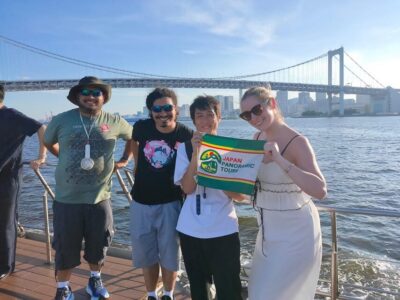 ★ 4.7Meiji Shrine, Asakusa, Skytree Bus Tour and CruiseFrom $1221,986 reviews
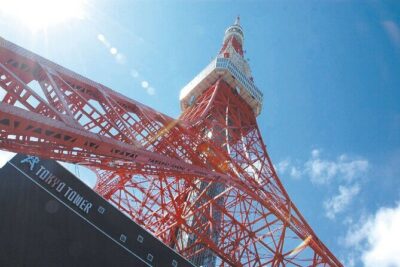 ★ 4.5Tokyo Panoramic 1 Day: Meiji Shrine, Asakusa, Odaiba and SKYTREE®From $851,222 reviews
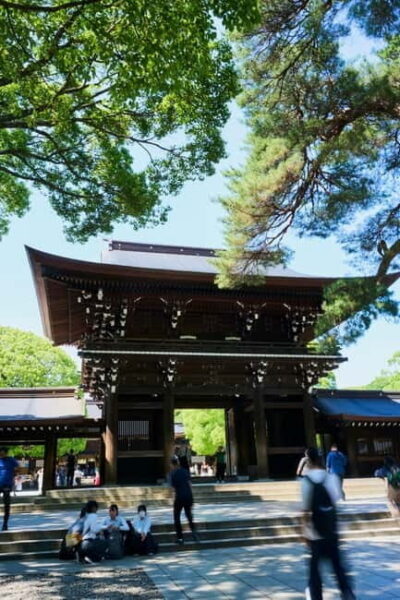 ★ 4.9Meiji Shrine Walking Tour — Shinto & Imperial SystemFrom $23266 reviews
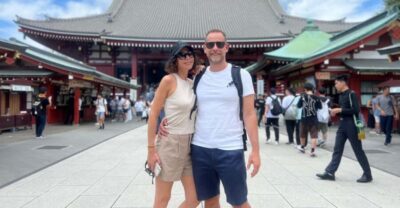 ★ 5.0Meiji Jingu Shrine and Shinto Culture Walking TourFrom $19245 reviews
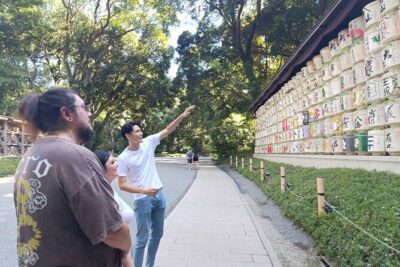 ★ 5.0Meiji Shrine and Shinto Culture Walking TourFrom $18225 reviews
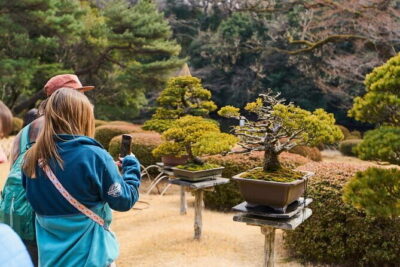 ★ 5.0Meiji Shrine Walking Tour — Shintoism & Imperial SystemFrom $21209 reviews
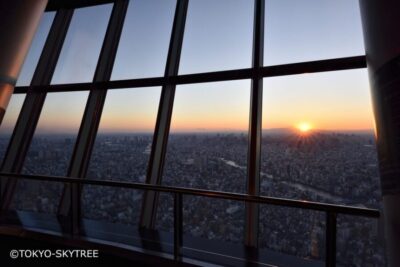 ★ 4.61 Day Bus Tour with Meiji-Jingu,Odaiba,lunch&SkytreeFrom $83156 reviews
 ★ 5.0Tokyo Morning Tour : Meiji Shrine, Asakusa and Fish MarketFrom $72102 reviews
Browse the lists this tour appears in