
Reviewed · COOKING CLASSES
Zen Buddhist Vegetarian(Shojin Ryori): Cooking Experience
Zen cooking changes your pace.
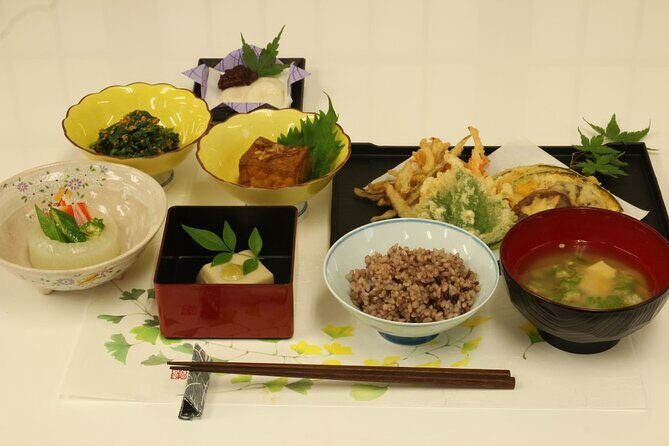
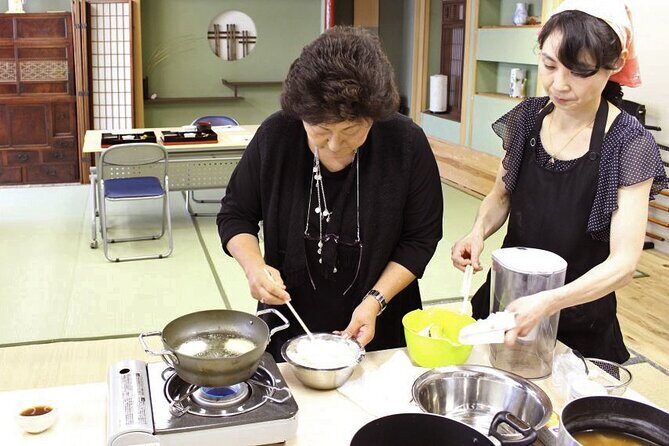
This Tokyo class focuses on shojin ryori, a Zen Buddhist vegetarian style shaped over 700 years, with a cruelty-free philosophy you can actually feel in the food. I like that it is built for hands-on learning in a small group of eight, not a big demo where you watch and hope. And I like that you get to work on specific dishes such as sesame tofu, dashi broth soup, vegetable tempura, and more, with an instructor guiding you so the techniques make sense. You’ll also get language support from a nationally accredited guide-interpreter, and the instructors include Masue and Hiro, noted for being friendly and patient.
One thing to consider: this experience is strictly vegetarian and centers on Buddhist monk-inspired cooking. If you’re traveling mainly for meat-and-seafood comfort food, you may find the menu a big culture shift—even if the flavors are very satisfying. Also, tea pairing is an optional upgrade, so budget time for it only if you want that extra layer with your meal.
In This Review
- Key things I’d pay attention to
- Why shojin ryori in Tokyo feels different from a typical cooking class
- The 2.5-hour flow: meeting, cooking, then eating your own meal
- Recipes you’ll be able to cook again: sesame tofu, dashi broth soup, tempura
- Tea pairing upgrade: a calmer way to finish the meal
- Small-group cooking with Masue and Hiro: what the size really buys you
- Price and value: what $114.67 gets you in real terms
- Getting to Kikai Shinkō Kaikan near Shibakōen at 11:00 am
- Who should book this shojin ryori cooking experience
- Should you book this shojin ryori cooking class?
- FAQ
- How long is the shojin ryori cooking experience?
- What time does the class start in Tokyo?
- How many people are in the group?
- What’s included in the price?
- Where does the experience meet?
- Is tea included?
- What’s the cancellation policy?
Key things I’d pay attention to
- Zen Buddhist shojin ryori, taught through real cooking: not just theory, you’ll make the dishes
- Max group size of eight: more chances for questions and step-by-step help
- Dishes like sesame tofu, dashi broth soup, and vegetable tempura: practical recipes you can repeat at home
- Instructors Masue and Hiro: clear, patient guidance that works even if you’re not a confident cook
- Optional Japanese tea pairings with your meal: a calmer way to finish than rushing out for the next stop
More aprons-on time in Tokyo kitchens
- Ramen & Gyoza Cooking Class in Tokyo with Local Supermarket Visit★ 5.0 · 823 reviews
- Tokyo: Easy Ramen Cooking Experience in Kabukicho, Shinjuku★ 4.6 · 321 reviews
- Ramen and Sushi Cooking Class with Sake Pairing Set in Tokyo★ 5.0 · 291 reviews
Why shojin ryori in Tokyo feels different from a typical cooking class
If Tokyo cooking in your mind equals sushi, ramen, or katsu, this workshop is a smart change of direction. Shojin ryori is vegetarian food shaped by Zen Buddhist monks, with an emphasis on mindfulness and restraint. That doesn’t mean bland. It means the flavor comes from technique—balances, textures, and simple ingredients treated with care.
What you’ll be learning is not a vague wellness idea. It’s a specific cooking tradition built across centuries, using methods developed over a long timeline by monks who ate to live with focus. In practice, that translates into a lesson where you learn how to create satisfying meals without relying on meat or seafood as the main flavor engine.
I also like that the class has a quiet confidence. One of the best parts of experiences like this is they slow you down for a moment. You’re not sprinting between famous sights. You’re hands-deep in ingredients, learning why the steps matter, then eating what you made while the lesson wraps up.
The 2.5-hour flow: meeting, cooking, then eating your own meal
The class runs about 2 hours 30 minutes, starting at 11:00 am at Kikai Shinkō Kaikan (3-chōme-5-8 Shibakōen, Minato City). It ends back at the meeting point, so it’s easy to stitch into a day without complicated logistics.
Here’s the practical rhythm you should expect:
First, you’ll meet your group and get oriented by the nationally accredited guide-interpreter. Even if you’re not fluent in Japanese, the support is meant to keep the cooking instructions clear and the cultural context understandable. This is a small-group setting, so you should feel comfortable asking follow-up questions instead of waiting for the next wave of translations.
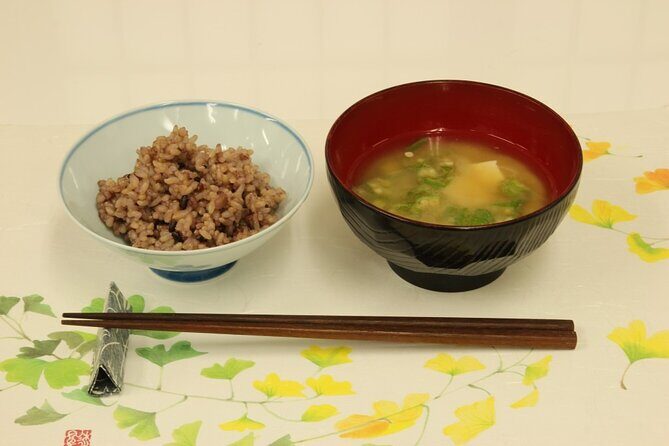
Next comes the cooking portion. The workshop is structured as a vegetarian cooking lesson with ingredients included, and the focus is on time-tested shojin ryori recipes you can recreate at home. The instructor support matters here. When someone demonstrates a step slowly, then helps you do it, you stop guessing and start building muscle memory.
Finally, you sit down to eat the dishes you prepared. The experience is designed to be a full loop: learn the why, make the how, then enjoy the results. If you choose the upgrade, you’ll also get Japanese tea pairings while you eat, which turns the meal into more of a paced ritual than a quick food stop.
One small drawback to keep in mind: transportation is not included. The meeting location is near public transportation, which helps, but you still need to plan your route and arrive on time.
Recipes you’ll be able to cook again: sesame tofu, dashi broth soup, tempura
The big win here is that you aren’t leaving with a vague idea of shojin ryori. You’re learning recognizable dishes with clear culinary purpose. The list includes:
- Sesame tofu: a staple that highlights richness and texture without needing meat
- Dashi broth soup: learning how Japanese flavor foundations work in a vegetarian setting
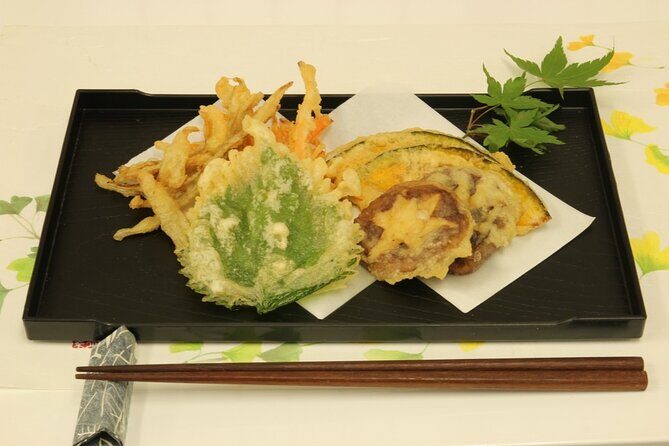
- Vegetable tempura: showing how crunch and lightness can come from batter and technique, not seafood
The class also includes additional shojin ryori dishes, but the practical takeaway is this: you’ll get comfortable with the core methods behind the cuisine. Once you can handle a sesame-based tofu component, a flavorful vegetarian-friendly broth style, and a tempura approach, you have a framework for more home cooking.
Why this matters for you: Tokyo classes can sometimes feel like trophy experiences—fun for the day, hard to repeat later. Here, the lesson is built around recipes you can recreate at home, which makes the time feel like an investment, not a one-off.
If you’re a cautious home cook, that’s a relief. You’ll be stepping through traditional methods with an instructor, not just working from your memory after the meal.
Tea pairing upgrade: a calmer way to finish the meal
Tea pairing is an optional add-on, and it’s one of those choices that can make the experience feel more complete. Instead of wrapping up with a rushed dessert moment, you get Japanese tea served alongside what you cooked.
I like this because tea is part of everyday Japanese eating culture, not just a fancy extra. It also helps you notice differences in texture and flavor after a few bites. A dish like tempura tends to feel best when it’s eaten soon after making, and tea can help you reset your palate between bites and keep the meal feeling light.
If you’re choosing the upgrade, treat it as part of the experience, not an afterthought. Give yourself a little extra time to linger after the meal so you can enjoy the pace.





Small-group cooking with Masue and Hiro: what the size really buys you
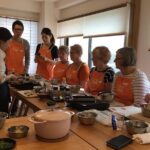
This isn’t a class where you sit in the back and watch one person cook. The group is limited to a maximum of eight people, which is a huge deal for comfort and clarity.
In a small group, you get:
- More direct feedback when something doesn’t go quite right
- A better chance to ask questions about steps and ingredients
- Less standing around, more actual participation
The instructors Masue and Hiro are specifically called out for being friendly and patient, and that matters for beginners. Cooking classes can be stressful if the pace is fast and the steps are technical. Here, the teaching style is meant to keep you moving without leaving you behind.
You also get support from a guide-interpreter who helps bridge language, so you’re not stuck translating everything in your head while trying to manage a hot pan.
The result is a more personal feel than many Tokyo food tours—less performance, more mentorship.
Price and value: what $114.67 gets you in real terms
At $114.67 per person, this workshop isn’t a budget snack. But it can still be good value if you look at what’s included.
You get:
- A vegetarian cooking lesson (not just a tasting)
- Ingredients included
- A nationally accredited guide-interpreter
- Time with instruction in a small group (max eight)
When I judge value, I focus on whether you leave with skills, not just a full stomach. Here, the emphasis is on recipes you can recreate at home—sesame tofu, dashi broth soup, vegetable tempura, plus other dishes. That turns the class into a practical souvenir: a set of techniques and taste memories you can reproduce.
The timing also helps. On average, people book about 24 days in advance, which suggests this fills up at a steady clip. If you know your Tokyo dates, it’s smart to lock it in sooner rather than later so you’re not hunting for a replacement.
Group discounts are listed too, which can improve the deal if you’re traveling with someone who also wants a hands-on workshop.
Getting to Kikai Shinkō Kaikan near Shibakōen at 11:00 am
The meeting point is Kikai Shinkō Kaikan, 3-chōme-5-8 Shibakōen, Minato City, Tokyo 105-0011. The start time is 11:00 am, and the tour ends back at the meeting point.
Because transportation isn’t included, plan for:
- Arriving 10 to 20 minutes early so you can check in calmly
- Using nearby public transit routes (the venue is near public transportation)
- Wearing comfortable shoes, since you’ll likely move between prep areas and cooking stations
You’ll be glad you arrived early if you want time to settle before the cooking starts. These workshops move at a steady pace once everyone is ready.
Who should book this shojin ryori cooking experience
This class is a great fit if you want more than a food photo. You’ll enjoy it if you:
- Prefer vegetarian meals or want to expand what you can cook without meat
- Want to learn Japanese techniques beyond sushi and ramen
- Enjoy quieter, slower activities during a Tokyo trip
- Like small-group instruction where you can ask questions
- Want a cultural angle that connects food to Zen Buddhist philosophy
It may feel less ideal if you want a high-energy nightlife style activity, or if your goal is specifically to eat seafood and meat dishes. The point here is the vegetarian tradition, and that’s non-negotiable.
Should you book this shojin ryori cooking class?
Yes, if you want a hands-on Tokyo meal that teaches technique, not just tasting. The small group size (max eight), the included ingredients, and the fact that the lesson centers on repeatable dishes like sesame tofu, dashi broth soup, and vegetable tempura all point to real value.
Book it especially if you like the idea of a cruelty-free Zen approach to cooking and you want that translated into steps you can do at home. If you’re traveling with a friend or partner, it can also be a smart choice because the experience supports group discounts.
Don’t book it if you’re mainly hunting for meat-and-seafood Japanese comfort food. Also, factor in that transportation isn’t included, so choose a day when getting to Shibakōen is easy for you.
FAQ
How long is the shojin ryori cooking experience?
It runs for about 2 hours 30 minutes.
What time does the class start in Tokyo?
The start time is 11:00 am.
How many people are in the group?
The maximum group size is eight travelers.
What’s included in the price?
The package includes a vegetarian cooking lesson, ingredients, and a nationally accredited tour guide-interpreter. Transportation to the venue is not included.
Where does the experience meet?
You’ll start at Kikai Shinkō Kaikan, 3-chōme-5-8 Shibakōen, Minato City, Tokyo 105-0011, Japan.
Is tea included?
Tea pairing is available as an optional upgrade while you eat.
What’s the cancellation policy?
You can cancel for free up to 24 hours in advance of the experience’s start time for a full refund.
Learn Another Dish: Tokyo Cooking Classes

More Tour Reviews in Tokyo



Fresh reviews from around Tokyo






Cooking Classes, compared.
 ★ 5.0Ramen & Gyoza Cooking Class in Tokyo with Local Supermarket VisitFrom $122823 reviews
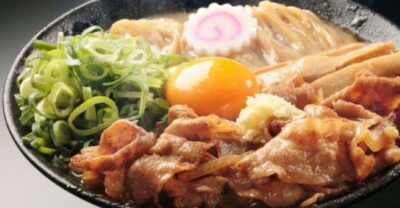 ★ 4.6Easy Ramen Cooking Experience in Kabukicho, ShinjukuFrom $29321 reviews
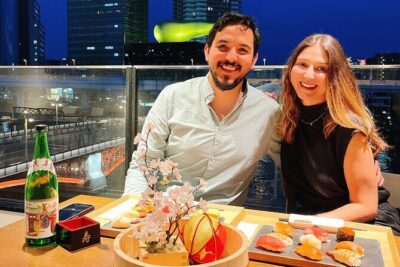 ★ 5.0Ramen and Sushi Cooking Class with Sake Pairing Set in TokyoFrom $79291 reviews
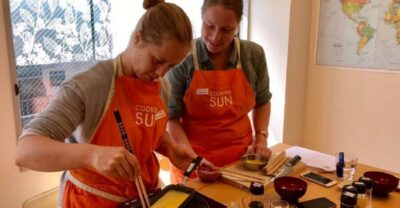 ★ 4.9Wagyu and 7 Japanese Dishes Cooking ClassFrom $67273 reviews
 ★ 5.0Tokyo Washoku 4-hour Cooking Class: From Market to TableFrom $79253 reviews
 ★ 5.0Small-Group Wagyu Beef and 7 Japanese Dishes Tokyo Cooking ClassFrom $72190 reviews
 ★ 5.0Private Home Cooking in Yanaka – Local Flavors in a Warm SettingFrom $122173 reviews
 ★ 5.0Tokyo Sushi Making Experience & Japanese Cooking ClassFrom $59150 reviews
Browse the lists this tour appears in