
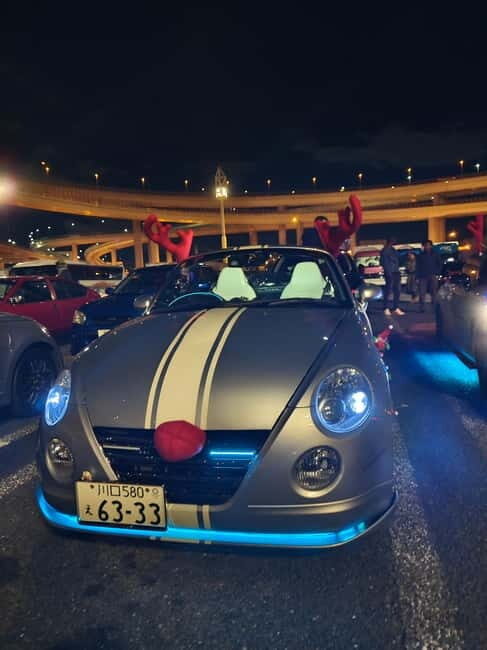
Reviewed · JDM DRIFT CAR EXPERIENCES
Tokyo Night Drive: Daikoku PA Car Culture & Wangan Midnight
Street scenes, but with proper context.
This is a Tokyo Night Drive built around the Daikoku Parking Area car culture stop, with that movie-like Wangan Midnight energy—but you’re seeing it in real life at night. I love the way the tour turns Tokyo’s fast-road legend into an actual route you can watch play out, and I also love the contrast: jaw-dropping modified cars at Daikoku, then fast-changing city lights when you slide past landmarks like Tokyo Tower and Rainbow Bridge. One possible drawback: at $93 per person for a 4-hour outing, it’s not a good fit if you mainly want scenery and don’t care about car meets, and you’ll need to handle food yourself since there’s no food or drink included.
What makes this tour feel unusually efficient is the small group size (max 4 people) and the guide’s role as a translator + street-level facilitator. If your guide happens to be Lee or Kaku, the energy matches the subject: calm, friendly, and clearly into Japanese car culture, so the stops make more sense instead of feeling random.
In This Review
- Key Highlights You’ll Actually Notice
- Wangan Midnight Energy, Without the Chaos
- Starting Point: Akihabara Sets the Tone
- Autobacs Shinonome: A Quick Gear Fix Before the Night Drive
- Rainbow Bridge: Ten Minutes of Reflections and City Light
- Tokyo Tower at Night: The Most Classic Tokyo Moment
- Daikoku Parking Area: Where the Night Gets Real
- A PIT Autobacs: The Gearhead Finale
- The Drive: Highway Travel and a Real Tokyo Night Feel
- Price, Value, and Who It’s For
- Timing and Where You Finish
- Practical Tips That Make the Night Easier
- Should You Book This Tokyo Night Drive to Daikoku PA?
- FAQ
- Where does the tour usually start?
- How long is the Tokyo Night Drive experience?
- How much does it cost?
- What language is the guide?
- Is there a small group size?
- What’s included in the price?
- Is food and drink included?
- How will I find the meeting point?
- Do I need a passport?
- Is alcohol allowed?
Key Highlights You’ll Actually Notice
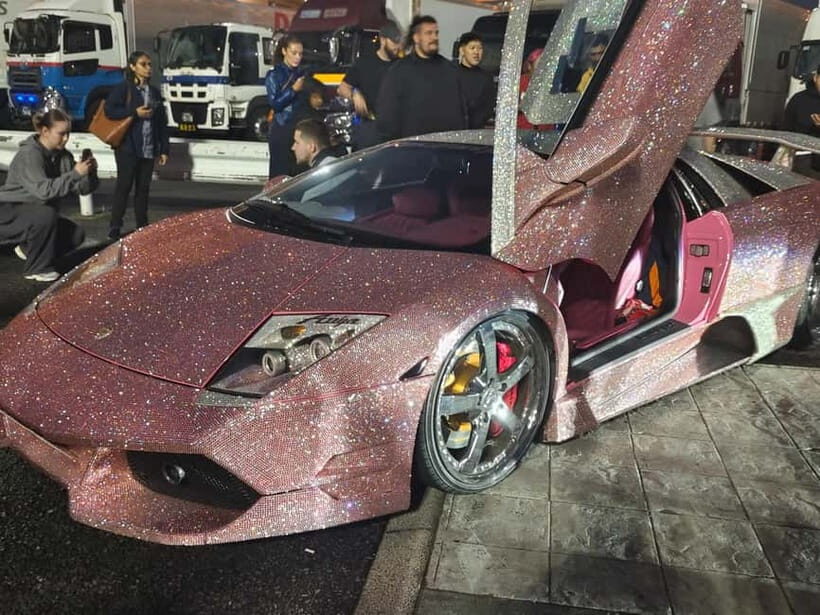
- Daikoku PA car meetup: custom builds, loud personalities, and the kind of nighttime sound you feel in your chest
- Wangan Midnight vibes on the road: you experience the legend instead of just hearing about it
- Tokyo Tower at night: a classic view stop that adds a real Tokyo “wow” moment
- Rainbow Bridge timing: a short window to catch the bridge lighting before the city shifts again
- A PIT Autobacs store stop: parts, gear, and memorabilia for the gearheads in your group
More horsepower: other JDM and drift experiences
- GT-R35 800hp Club Membership – secret underground car meet★ 4.8 · 998 reviews
- Secret Car Meet: R34 Skyline Car Club Membership★ 4.8 · 494 reviews
- Tokyo Drift: Daikoku PA Supreme Car Experience 大黒PA★ 4.7 · 372 reviews
Wangan Midnight Energy, Without the Chaos
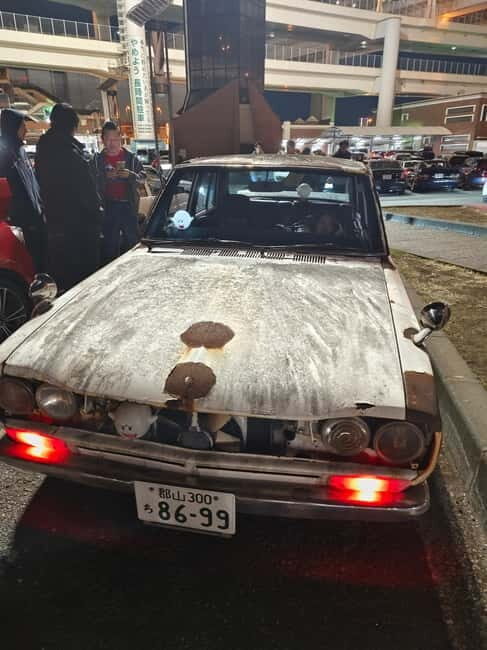
Tokyo has a serious nighttime scene, and this tour is one of the most direct ways to see it. You’re not just riding around randomly—you’re traveling the same kind of mood the Wangan Midnight story is based on, with real fans and real modified cars acting out the vibe at a proper meetup point.
The best part is the balance. You get enough time at the car stop to actually walk, look, and take photos. Then the tour keeps moving so you also get Tokyo’s night skyline moments—lights, structure, and reflections—so you leave with more than just “I saw cars.”
If you’re the type who likes details, you’ll also appreciate that the tour doesn’t treat car culture like a museum exhibit. It’s social. People are there to talk. Machines are there to be compared. That’s why the atmosphere matters as much as the vehicles themselves.
Starting Point: Akihabara Sets the Tone
Most of these departures start in Akihabara, and that’s a smart choice. Akihabara at night is energetic and easy to recognize, and it helps you shift gears quickly: from gaming/electronics Tokyo into the tuning-car world.
Because this is a small group (limited to 4 participants), you’re not stuck in a crowd where nobody can hear the guide. It also tends to make photo stops easier. You don’t have to coordinate like a bus tour.
You’ll also want to be ready for WhatsApp contact. The meeting point details come through the day-before messaging, so make sure you can access your phone and that your pickup instructions are saved.
Autobacs Shinonome: A Quick Gear Fix Before the Night Drive
The first real stop is autobacs Shinonome for about 30 minutes. This is a practical warm-up, especially if you’re not already deep in the parts world. Even if you don’t buy anything, you get a feel for how Japanese car culture is organized: brands, categories, and the obsession with the right gear.
This timing also works psychologically. You’re fresh, you’re curious, and it’s early enough that you don’t feel rushed while people choose what to look at. Then you head out into the night driving portion with your brain already set to notice car details.
For photographers, this kind of stop can be helpful too. You get ideas for what to look for at Daikoku—specific styling cues, common aftermarket parts, and the way cars are presented when owners know they’ll be seen.
Rainbow Bridge: Ten Minutes of Reflections and City Light
You get a quick sightseeing moment at Rainbow Bridge for around 10 minutes. Ten minutes sounds short, but it’s the right length for Tokyo at night. The lighting changes quickly, and the skyline looks best when you’re not standing forever waiting for it to stay still.
This stop is less about deep sightseeing and more about capturing the feel of the bayside night scene. If you like night photos, bring a steady hand and plan for low-light shots. You’ll be working fast, since the tour is structured as a moving night drive.
A note for expectations: if you’re hoping for a long, stand-around photo session, this isn’t built for that. The point is to give you a taste of the waterfront atmosphere between car-culture highlights.
Other ways into a Tokyo evening
Tokyo Tower at Night: The Most Classic Tokyo Moment
Next up is Tokyo Tower for about 30 minutes. This is where the tour gives you a recognizable postcard moment, but you also benefit from having context. When Tokyo Tower is framed against night road-and-water energy, it fits the Wangan Midnight vibe better than if you just showed up in daytime.
Thirty minutes is long enough to walk around a bit, reposition for photos, and soak in the lights. It’s also short enough that the guide can keep everyone moving and still protect the schedule for the main car stop later.
If you’re sensitive to crowds, plan your photo timing. Tokyo Tower can attract people, and your group size won’t insulate you from that. The tradeoff is worth it if you want that iconic Tokyo skyline look mixed into the night driving story.
Daikoku Parking Area: Where the Night Gets Real
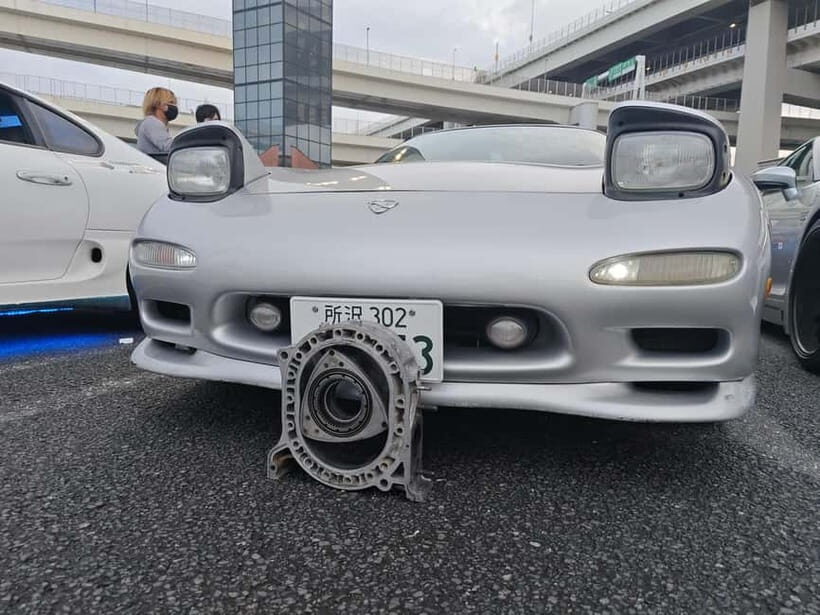
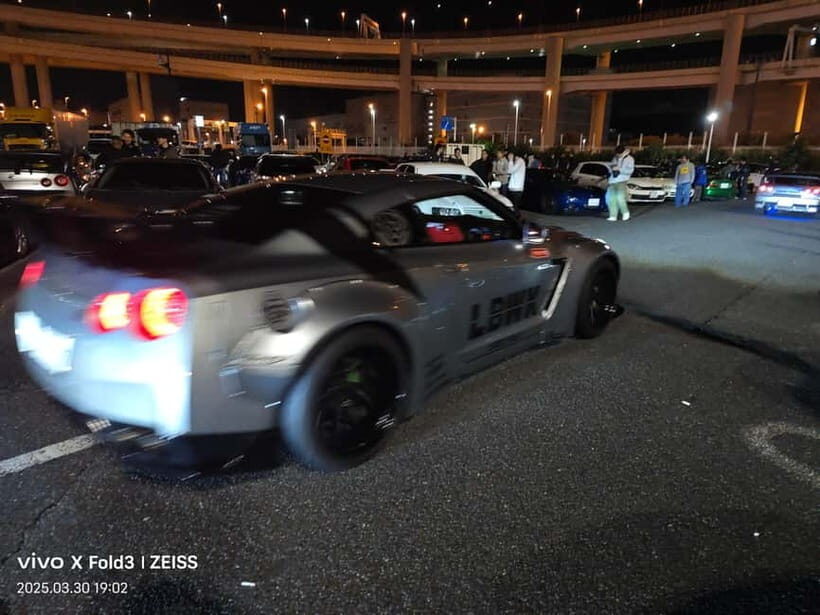
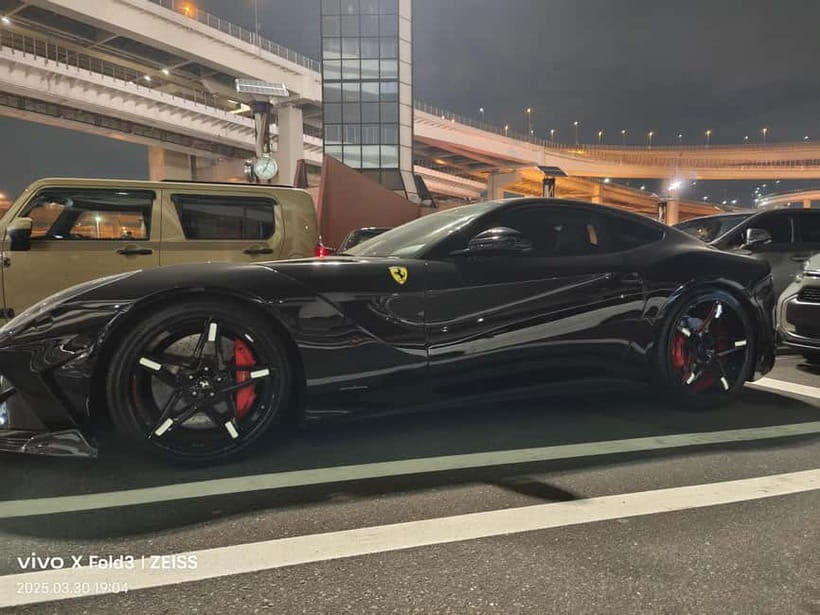
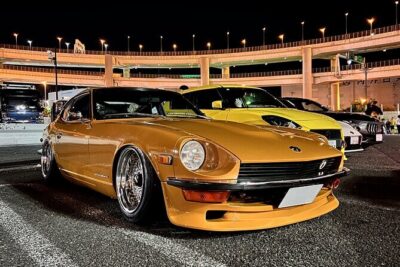
The core of the whole experience is Daikoku Parking Area, where you spend about 1 hour. This is the stop car people talk about for a reason. It’s a meetup environment where modified cars aren’t just parked—they’re part of a social scene.
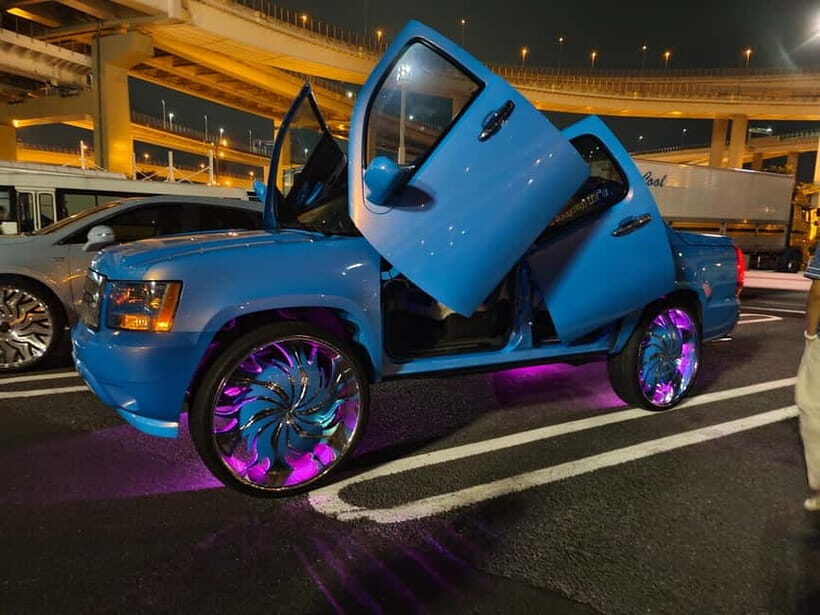
I love how this stop is set up like a genuine car culture moment. You don’t just see cars rolling by; you get time to walk the area, look at details, and watch how owners engage with the people around them. Even if you’re not an expert, you can tell the difference between a car that’s been carefully built and a car that’s been quickly thrown together.
Based on what I’ve seen from guide-led visits, the crowd tends to mix new and old builds, with lots of different styling choices—some cars look like they’re designed for a specific look, others for a specific stance, and some are about performance signals you can spot from small design changes. One review specifically called out the parking area acoustics as a unique feature inside the highway circle—so yes, sound is part of the experience.
What to do with your hour
- Take a slow circuit first. Get your bearings, then return to the cars you want to photograph.
- Focus on one or two details per car. Wheels, paint finish, lighting setup, and aero pieces often tell the story best.
- If you want photos, be mindful of space. Keep your movement predictable so owners and other spectators can walk.
Potential drawback here: because this is a popular car-meet atmosphere, it’s not a quiet, sit-down sightseeing stop. If you hate noise or prefer calm museums, this will feel intense. If you like cars and people, it’s the best part.
A PIT Autobacs: The Gearhead Finale
After Daikoku, you’ll also visit A PIT Autobacs. This is a smart ending because it turns the night’s visual inspiration into something you can bring home as knowledge—or gear—if that’s your thing.
This store stop tends to work like a “wrap-up browser.” You can compare what you saw at Daikoku with what’s on shelves: tuner parts, branded items, and car culture merchandise. If your brain likes connecting dots, the store helps you translate the looks you photographed into the categories of parts that make them possible.
In past experiences with this tour type, guides have described it as a fun finale with memorabilia and tuner-focused items. Even if you don’t plan to spend, it’s a satisfying way to end: you’ve seen the scene, now you’re seeing how the scene is supported.
The Drive: Highway Travel and a Real Tokyo Night Feel
The tour includes highway driving, which matters more than it sounds. Tokyo night views aren’t just about what you look at—they’re about speed, timing, and how reflections streak through city light. The highway segment is what gives the trip that Wangan Midnight-style motion.
As you travel, you’ll get views of major night landmarks and the general bayside skyline feel. The route is designed for nighttime sightlines like Tokyo Tower and Rainbow Bridge, not just transportation from stop to stop.
Also, you get practical help during the drive. The tour includes transportation, a friendly introduction, and even a charger. That’s a small detail, but it matters when you’re taking photos and your phone battery is trying to escape.
Price, Value, and Who It’s For
The price is $93 per person for about 4 hours, including transportation, highway time, a guide, and a phone charger. There’s no food or drink included.
Here’s how I’d judge value: you’re paying for access and time in the right places. Daikoku Parking Area is the main draw, and you’re also getting scheduled landmark sightings and an A PIT Autobacs store stop. If you care about car culture, the hour at Daikoku plus the store makes the cost easier to justify. You’re not only getting a ride; you’re getting context and an organized path to the scene.
If you’re only mildly interested in cars, the value can feel heavy. You’re paying for a structured night outing, not a cheap taxi hop. Also, since food and drink aren’t included, you’ll want a plan. Grab something earlier in Akihabara, or plan to eat after your drop-off.
Who this fits best
- Car enthusiasts who want real-world modified car culture at Daikoku
- People who like night photography and want a schedule that hits Tokyo Tower and Rainbow Bridge
- Groups of older teens and adults who can handle a nonstop night pace (it’s not a leisurely walking tour)
Who should think twice
- Anyone looking for a quiet, low-intensity sightseeing experience
- People who don’t care about modified cars and mainly want scenic driving
Timing and Where You Finish
This is a short-format tour: about 4 hours, and it usually starts in Akihabara. You may choose where the tour ends (either back toward Akihabara or toward Ginza). The tour finish point is listed around the Marunouchi area, so you can treat the ending as city-center convenience rather than a remote drop.
That flexibility helps if you’re planning a night after the tour. If you want to keep sightseeing, ending closer to Ginza can be convenient. If you want to return near where you started, ending in Akihabara can be easier for connections.
Just remember: this is a night experience with stops that are time-boxed. Be ready to move when the guide signals it’s time to go.
Practical Tips That Make the Night Easier
Bring your passport. That’s the one hard requirement listed, and you don’t want to be the person scrambling at pickup.
No alcohol and drugs are allowed. That keeps the vibe focused and helps everyone stay comfortable in a car-meet environment.
A small-group format is great, but it also means you should be on time. Missing a pickup or being late affects everyone when there are only a few seats available.
If you’re into photos, expect low light. Bring your usual camera strategy: enough battery, a way to keep settings stable, and realistic expectations for fast moments at Rainbow Bridge and Tokyo Tower.
Should You Book This Tokyo Night Drive to Daikoku PA?
Book it if you want the Wangan Midnight feel for real: the road motion, the landmark night views, and a genuine Daikoku PA modified car meetup with time to look and talk. I also like that you get an A PIT Autobacs stop as a payoff, so the tour ends with car culture you can browse on foot.
Skip it if modified cars don’t interest you. The tour is built around the scene at Daikoku first, and sightseeing supports it second. And if you’re trying to keep costs low, remember food and drink aren’t included.
FAQ
Where does the tour usually start?
The tour usually starts in Akihabara.
How long is the Tokyo Night Drive experience?
The duration is 4 hours.
How much does it cost?
The price is $93 per person.
What language is the guide?
The tour offers a live guide in English and Japanese.
Is there a small group size?
Yes. The group is limited to 4 participants.
What’s included in the price?
Included items are transportation, highway driving, a friendly introduction, and a charger.
Is food and drink included?
No. Food and drink are not included.
How will I find the meeting point?
Details are shared by WhatsApp.
Do I need a passport?
Yes. You need a passport.
Is alcohol allowed?
No. Alcohol and drugs are not allowed.
When the Lanterns Come On
More Tour Reviews in Tokyo






For the Petrolheads: More JDM Days
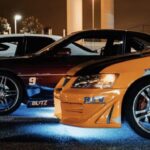
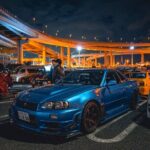
Fresh reviews from around Tokyo






JDM Drift Car Experiences, compared.
 ★ 4.8GT-R35 800hp Club Membership – secret underground car meetFrom $205998 reviews
 ★ 4.8Fast & Furious Tokyo Drift 3 Experience (Kaila Yu SP)From $157947 reviews
Daikoku JDM Car Meet & Night Car Culture TourFrom $98626 reviews
★ 4.8Fast & Furious Tokyo Drift 3 Experience (Kaila Yu SP)From $157947 reviews
Daikoku JDM Car Meet & Night Car Culture TourFrom $98626 reviews
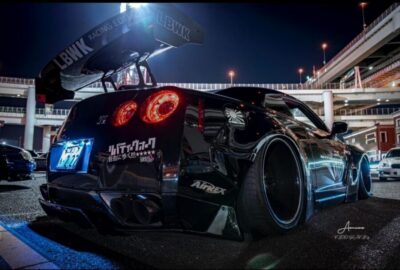 ★ 4.8Secret Car Meet: R34 Skyline Car Club MembershipFrom $236494 reviews
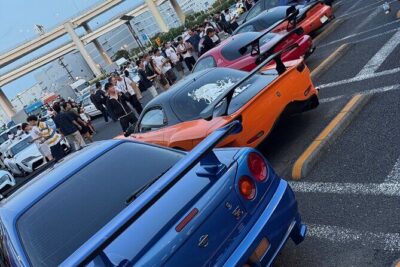 ★ 4.9EVO, WRX, Skyline – JDM Night Run to Daikoku Car MeetFrom $125478 reviews
 ★ 4.7Tokyo Drift: Daikoku PA Supreme Car Experience 大黒PAFrom $58372 reviews
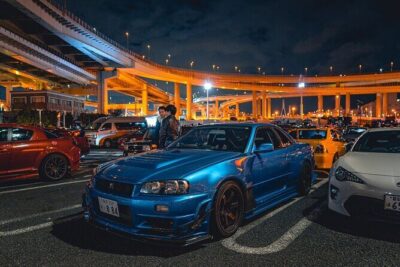 ★ 4.5Daikoku Car Club Temporary MembershipFrom $145275 reviews
 ★ 5.0Daikoku JDM Car Meet & Night Car Culture TourFrom $99232 reviews
Browse the lists this tour appears in