
Reviewed · MT FUJI DAY TRIPS
One day mountain Fuji & Hakone tour with English hindi bilingual
Fuji in one full day? Yes, and it moves. I like how this tour hands you a ready-made route through classic views—so you spend less time figuring things out and more time getting the shots. Mt. Fuji photo stops and private, air-conditioned transport are the real wins, especially if you want a smooth day outside Tokyo. One thing to plan for: parts of the day are weather-dependent, and some sights have extra costs (like the Fuji 5th station fee and certain transport like ropeway/boat tickets).
You’ll get English-Hindi bilingual guidance, plus a guide who can keep your group on track while also helping with practical things like timing and photos. The pacing is built for a one-day sampler: lakes on the Fuji side, then over to Hakone’s volcanic zone and the famous waterside torii atmosphere.
The main consideration is simply expectations. If clouds roll in, views can fade. Also, it’s a long day (about 10 hours), so comfortable shoes and a light plan for lunch matter.
In This Review
- Key highlights worth your attention
- How the private pickup and 10-hour pace really feels
- Saiko Iyashi no Sato Nemba: thatched-roof village start (and the extra ticket)
- Arakurayama Sengen Park and the 398-step reward
- Kitaguchi Hongu Fuji Sengen Jinja: cedar-and-pine atmosphere
- Oshino Hakkai: eight spring ponds with koi and snack energy
- Lake Kawaguchiko: boat views and the Kachi Kachi ropeway
- Mt. Fuji 5th Station at 2,300 meters: the altitude reality check
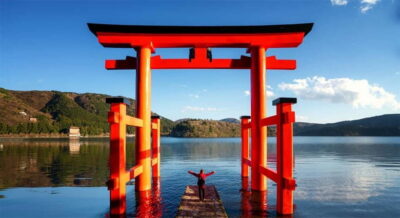
- Lake Ashi and the floating torii vibe in Hakone
- Owakudani Valley: volcanic zone, ropeway ride, and black eggs
- Price and value: when $465 per group works best
- How to get the best Fuji photos with this kind of route
- Should you book this Fuji and Hakone day trip?
- FAQ
- How long is the Fuji and Hakone tour?
- What time does the tour start?
- Is pickup provided?
- How big is the group?
- What languages are covered?
- Is lunch included?
- Which tickets or fees are not included?
- Which attractions have free admission?
- Do I need a paper ticket?
- Can I cancel for a full refund?
- Is this tour private?
Key highlights worth your attention
- Guided photo help so you’re not guessing where to stand for the best angles
- Private group size up to 6 which keeps the day from feeling like cattle herding
- Fuji-side classics plus Hakone’s volcanic stop in one continuous route
- Multiple lakes with different vibes (Kawaguchi for views, Ashi for the pirate-cruise feel)
- Volcanic Owakudani with Hakone black eggs as a well-known stop to look forward to
- A guide named Busal in at least one recent group who helped with photos and even suggested a good lunch spot
Other routes to the mountain, compared
- Mt Fuji & Hakone Cruise, Drum Show Bullet Train 1 Day from Tokyo★ 4.0 · 7,413 reviews
- Tokyo Mt Fuji 5th St & Hakone Cruise Bus Tour w/Bullet Train★ 4.4 · 5,024 reviews
- From Tokyo: Mount Fuji Full-Day Sightseeing Trip★ 4.5 · 4,970 reviews
How the private pickup and 10-hour pace really feels
This is a private one-day tour for up to 6 people, priced per group, not per person. Start time is 8:30 am, and the overall time is around 10 hours, give or take traffic and weather. You also get pickup offered and you’ll use a mobile ticket, which keeps logistics simpler than paper vouchers.
The value here is that you don’t need to stitch together separate trains, buses, and timed transfers. Instead, you ride in an air-conditioned vehicle and let the guide handle the order of stops. That matters because Fuji and Hakone can be a time trap: lines, transfers, and “we missed our connection” stress.
One small reality check: you’ll be on your feet at several points. There’s at least one major stair climb, plus walking around lake areas and viewing spots. If your group likes leisurely wandering, you may want to set a “see, snap, move on” mindset.
Saiko Iyashi no Sato Nemba: thatched-roof village start (and the extra ticket)
Your day kicks off at Saiko Iyashi no Sato Nemba, a traditional old village with thatched-roof houses. It’s a good first stop because it slows the mood right after departure. Many of the buildings can include exhibitions or museum-style spaces, so you’re not just looking at scenery—you’re learning how this area preserved its traditional look.
This is scheduled for about 1 hour. Admission isn’t included, so you’ll want to budget for it or be ready to pay on the day if your operator handles it at check-in.
Practical tip: wear shoes you can trust. Village walkways can be uneven, and the “cute photo angles” often mean stepping off the main path. Also, if you’re picky about photos, this is one of the calmer places to shoot before the day gets busier.
Arakurayama Sengen Park and the 398-step reward
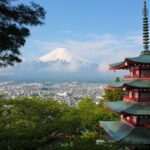
Next up is Arakurayama Sengen Park, famous for a five-story red pagoda with Mount Fuji in the background. To get the view, you climb 398 steps. That climb is the “cost” of the payoff. If anyone in your group has knee issues, plan for a slower pace and breaks.
This stop runs about 1 hour, and it’s free. The park’s layout also means you can shoot from multiple angles as you climb and regroup. On clear days, the pagoda-and-Fuji composition is exactly what people come for.
Weather note: this is one of those spots where a cloud bank can hide the top of Fuji. If your group is serious about views, you’ll appreciate having a guide who can keep you moving efficiently so you don’t lose your whole window to waiting.
Kitaguchi Hongu Fuji Sengen Jinja: cedar-and-pine atmosphere
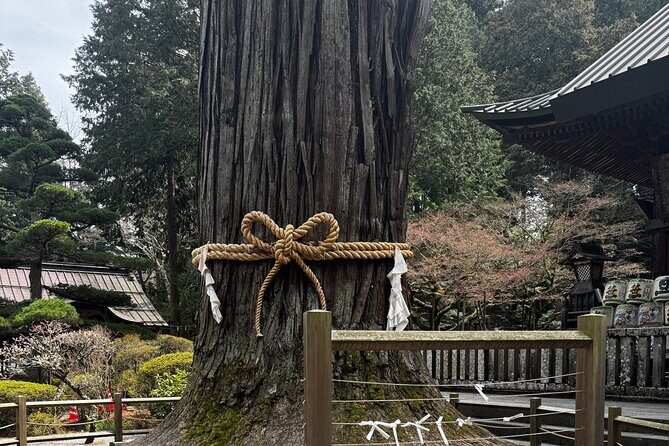
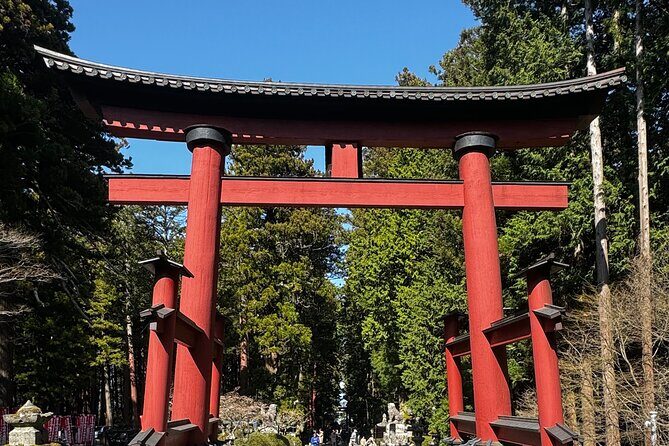
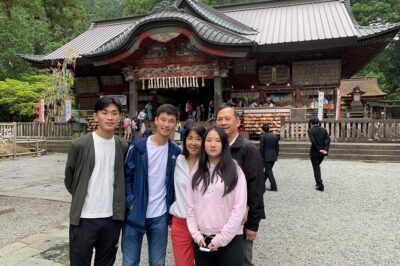
After the steps, you switch gears to a quieter, more shaded setting at Kitaguchi Hongu Fuji Sengen Jinja Shrine. This is described as one of the oldest Shinto shrines in the Mount Fuji area, built around 100 AD.
You’ll spend about 1 hour here. Admission is free, and the big draw is the forested approach—dense cedar and pine trees make it feel cooler and more grounded than the lakeside view stops.
This is a great pause in the day for groups who want a cultural moment that doesn’t require a long detour. Also, for photos, shade helps your phone and camera behave better—less harsh glare than open outdoor areas.
More Hakone loops, ropeways and lake crossings
Oshino Hakkai: eight spring ponds with koi and snack energy
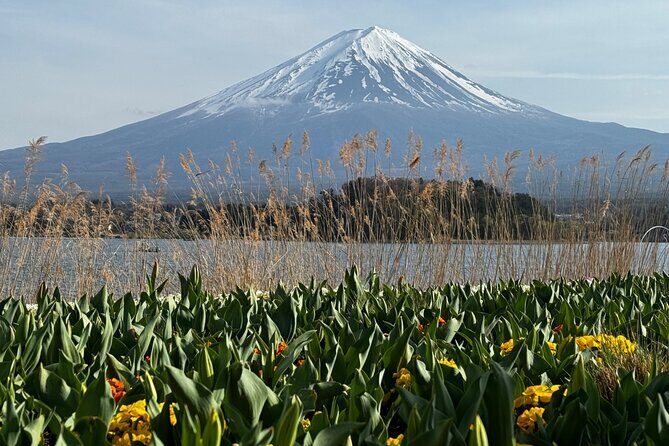
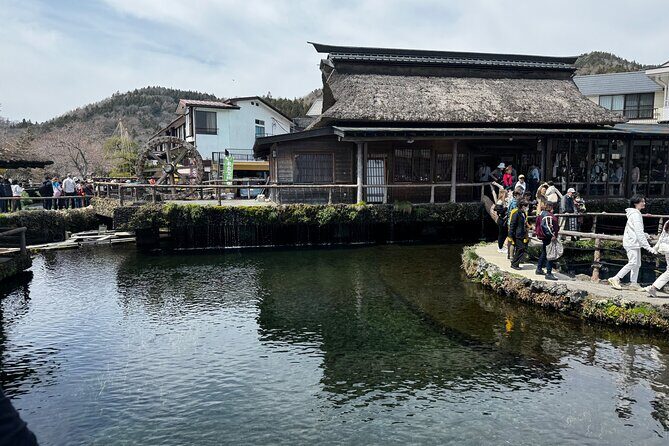
Oshino Hakkai is next, a traditional old village set around eight spring-water ponds. There’s a lot going on in a small area: koi fish, souvenirs, and local food stalls. It’s scheduled for 1 hour, and admission is free.
What you’ll like here is the texture. The ponds create a calm “water + old buildings + local bustle” vibe. It’s also a good stop to reset before the bigger Fuji-view moments—easy to take photos, but not so long that you feel rushed.
The possible drawback is simple: it can be crowded depending on the day. If you’re sensitive to queues, this is where you might want to do your main photos quickly and then spend the rest of your time wandering and grabbing a bite.
Lake Kawaguchiko: boat views and the Kachi Kachi ropeway
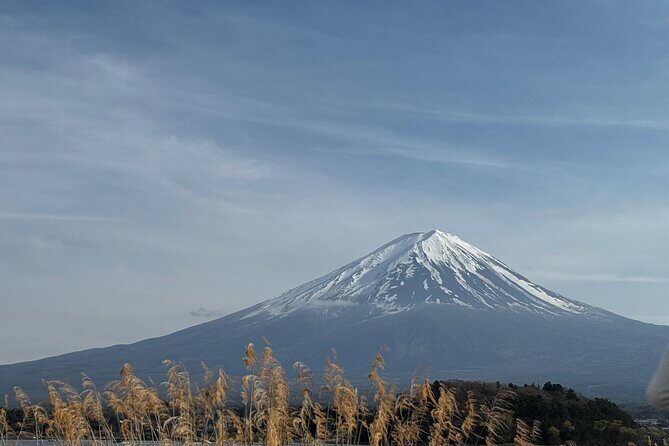
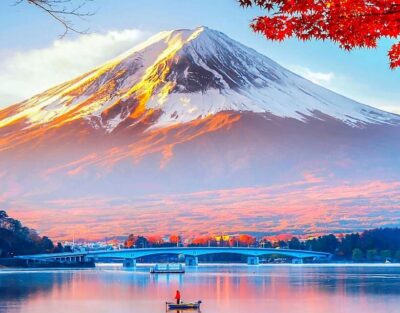
Then you head to Lake Kawaguchiko, which is described as the most beautiful and biggest of the five Fuji lakes. You get about 1 hour here, with options for a 30-minute scenic boat ride and views via the Kachi Kachi ropeway.
Admission for Lake Kawaguchiko itself is listed as free, but the boat/ropeway tickets aren’t included. So budget for those extras if you want the full “classic lake view” experience.
This stop is where your day leans hard into the iconic Fuji panorama. You’re looking for the kind of framing where Fuji reflects in the lake or lines up behind boats and shoreline structures. On a clear day, it’s a standout. On a foggy or cloudy day, you can still enjoy the lakeside atmosphere, but don’t expect the mountain peak to magically appear.
Practical tip: if your group wants the ropeway and the boat, follow the guide’s lead on timing. It’s easy to lose the best light if you wander too long.
Mt. Fuji 5th Station at 2,300 meters: the altitude reality check
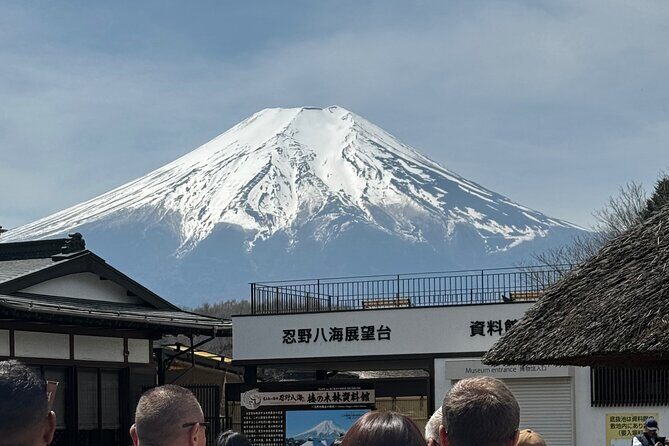
Next is Mt. Fuji 5th Station at about 2,300 meters. The goal is to see impressive views of the mountain top area and Fujiyoshida city. This is scheduled for about 1 hour, and entry isn’t included—there’s a listed entrance fee of ¥2100 for Mount Fuji.
This is the stop that feels the most “real mountain” because you’re high up compared to the city-level lakes. But there’s also a reality check: conditions can change fast. Winds, cold air, and cloud cover can affect comfort and visibility.
If your group tends to get winded, take it slow when you first arrive. Even though you’re only there for an hour, the altitude plus walking around viewing points can feel stronger than you expect.
Lake Ashi and the floating torii vibe in Hakone
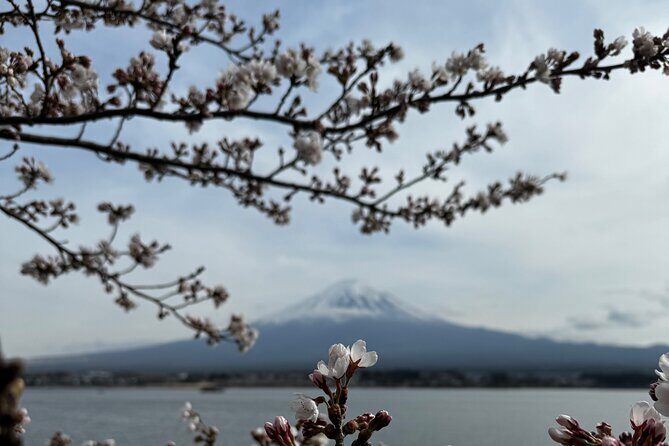
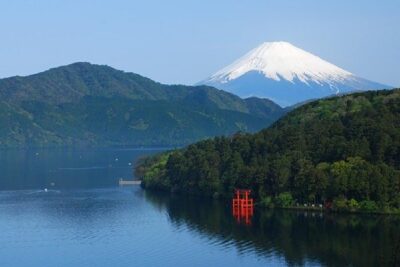
After Fuji-side scenery, you move into Hakone with Lake Ashinoko (Lake Ashi) and a pirate cruise style boat ride. You’ll spend about 50 minutes here, and admission isn’t included for this boat/cruise portion.
The signature detail is the view of Mount Fuji (when visible) and the famous floating torii gate. That torii is one of Japan’s most photographed “water-shrine-on-a-lake” images, and being on the water changes the angle completely.
This is also a nice emotional transition: the day shifts from village and lakeside walking into a slow-moving water scene. If you’ve got tired legs, the cruise is a payoff.
Possible drawback: just like other open-view stops, clouds can steal the mountain. Still, the lake scene and the torii area remain visually interesting even without a crystal-clear Fuji peak.
Owakudani Valley: volcanic zone, ropeway ride, and black eggs
Your last big wow-factor stop is Owaku-dani Valley (Owakudani). You reach it using the Hakone ropeway from Togendai station. This area is known for its volcanic landscape vibe, souvenir shops, and the famous Hakone black eggs.
You’ll have about 1 hour here, and the ropeway portion isn’t included in the cost you pay upfront. So plan for those ticket expenses when you think about total spending.
One practical thing: this is a spot where visibility can turn on a dime. In fog, the experience can feel more like “steam and textures” than “grand panorama.” That said, even in reduced visibility, the volcanic atmosphere and activity around the egg stands still make it memorable.
Bring a layer. Even if Tokyo feels warm, elevated and volcanic areas can cool down.
Price and value: when $465 per group works best
The price is $465 per group, up to 6 people, with pickup and private transportation included. That matters because private tours can get pricey fast when you’re splitting costs across individuals. Here, the group-based pricing can make it affordable if you’re traveling as a small family or a tight group of friends.
Also, the tour lists all fees and taxes as included—but not everything is included. Lunch is not included. Cable car/boat ride tickets and some entry fees (Saiko Iyashi no Sato Nemba and Mt. Fuji 5th Station) are extra.
So the “real” value equation is this:
- If you’re the kind of traveler who would otherwise pay for separate transport, paid viewpoints, and timed activities, this day can save money and stress.
- If you skip some of the extra-ticket experiences (like boat/ropeway parts), then the tour feels more like guided transport between sites. You may still enjoy it, but it won’t be the bargain you hoped for.
One small money-smart tip from experience-style feedback: a guide named Busal helped his group find a great lunch spot and also supported photo-taking. That kind of local input can make the day feel smoother and less guesswork-heavy.
Finally, this tour is commonly booked about 29 days in advance. If your travel dates line up with high-demand weeks, booking earlier helps.
How to get the best Fuji photos with this kind of route
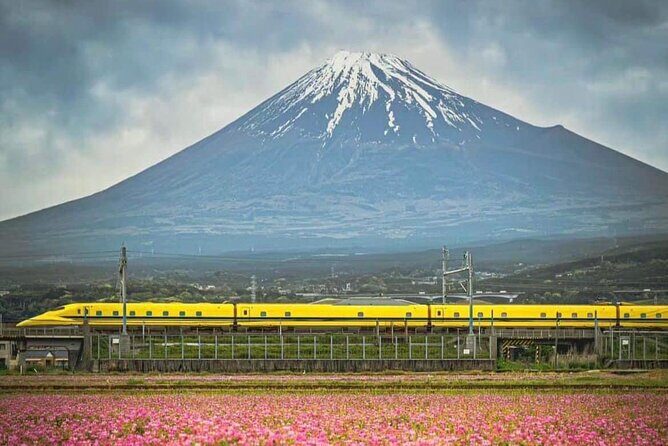
If your priority is photos, this tour is designed for you. You’re hitting classic viewpoints in a logical flow: pagoda shots, shrine forest angles, lake framing, then Hakone’s water and volcanic scenes. That means you’re not trying to “solve logistics” between shots.
Here’s how to maximize your results:
- Ask the guide to tell you where to stand and when to move. The photo-friendly stops are built into the route, but angles matter.
- Keep your camera/phone ready during transitions. Many great shots happen in the first few minutes after you arrive.
- Wear clothing you can adjust quickly. Mount Fuji-side weather can shift, and ropeway/valley areas can feel cooler.
And don’t underestimate the human factor. A friendly guide who helps with photos—like Busal did for one group—can save you from awkward “where do we go next?” moments, and that alone improves the quality of your shots.
Should you book this Fuji and Hakone day trip?
Book it if you want a one-day “greatest hits” plan with a guide who handles the routing and keeps the pace moving. It’s especially worth it when:
- you’re traveling with a small group (up to 6),
- you prefer private logistics over train juggling,
- you care about getting multiple Fuji-and-Hakone viewpoints without planning every transfer.
Skip or reconsider if:
- your group has limited mobility or a strong aversion to stairs (398 steps at Arakurayama),
- you expect guaranteed clear skies on Mt. Fuji (visibility is never under your control),
- you want a long lunch break and slow wandering (this is a 10-hour, full-route day).
If you’re the type who likes your travel day organized but still very scenic, this is a solid pick.
FAQ
How long is the Fuji and Hakone tour?
The tour runs about 10 hours (approx.).
What time does the tour start?
The start time is 8:30 am.
Is pickup provided?
Yes, pickup is offered.
How big is the group?
This is a private tour/activity, and it’s priced for up to 6 people per group.
What languages are covered?
The tour is English and Hindi bilingual.
Is lunch included?
No, lunch is not included.
Which tickets or fees are not included?
Cable car/boat ride tickets are not included. Mount Fuji 5th station has an entrance fee of ¥2100 that is not included. Entry/admission for Saiko Iyashi no Sato Nemba and Mt. Fuji 5th Station is also not included.
Which attractions have free admission?
Arakurayama Sengen Park, Kitaguchi Hongu Fuji Sengen Jinja Shrine, and Oshino Hakkai are listed as free. Lake Kawaguchiko is listed as free as well.
Do I need a paper ticket?
No, it uses a mobile ticket.
Can I cancel for a full refund?
Yes, free cancellation is available. You can cancel up to 24 hours in advance for a full refund.
Is this tour private?
Yes, it’s a private tour/activity with only your group participating.
More Tour Reviews in Tokyo






Hakone, Three More Ways
The Fuji Shortlist: Other Days Out to the Mountain

Fresh reviews from around Tokyo






Mt Fuji Day Trips, compared.
 ★ 4.0Mt Fuji & Hakone Cruise, Drum Show Bullet Train 1 Day from TokyoFrom $1497,413 reviews
 ★ 4.4Tokyo Mt Fuji 5th St & Hakone Cruise Bus Tour w/Bullet TrainFrom $1545,024 reviews
 ★ 4.5From Tokyo: Mount Fuji Full-Day Sightseeing TripFrom $684,970 reviews
 ★ 4.7Mt. Fuji Tour, Hakone Ropeway, Owakudani, Lake AshiFrom $544,002 reviews
 ★ 5.0Private Tour to Mt. Fuji and Hakone (Fully Licenced Operator)From $4971,910 reviews
 ★ 4.9Mount Fuji Full-Day Private Tour from Tokyo (Customizable)From $3931,470 reviews
 ★ 4.0Mt Fuji & Hakone Cruise, Drum Show Bus 1 Day from TokyoFrom $1221,287 reviews
 ★ 4.2From Tokyo: Mt. Fuji & Hakone Tour w/ Return by Bullet TrainFrom $1171,278 reviews
Browse the lists this tour appears in