
Reviewed · MT FUJI DAY TRIPS
Mt Fuji and Kawaguchiko Private Tour
Fuji, without the headaches. This private 10-hour tour is built for an easier day: hotel pickup and drop-off from Tokyo, a guide to explain what you’re seeing, and a tight route that hits the key photo-and-feel moments around Mt Fuji. I like how it trades public transport juggling for a calm start and a clear plan.
Two things I really like: lunch is included, so you don’t waste the day hunting for food between stops, and the English-speaking guide helps with everything from etiquette at shrines to what to look for at each lookout. In past groups, guides such as Machiko, Silvia, Meg, and Yuka Yoshida have been praised for handling details well and making the day feel personal.
One possible drawback: Mt Fuji is weather-dependent. Access to the 5th station can be limited or swapped out in certain seasons, so if you’re set on a specific viewpoint at altitude, you’ll need a little flexibility.
In This Review
- Key highlights that matter (not just nice words)
- Private Tokyo Pickup: The Real Start to a Better Fuji Day
- Arakura Fuji Sengen Shrine: A Pagoda-View Stop With Etiquette Built In
- Mt. Fuji 5th Station at Around 2,300 Meters: Worth It When It Works
- Oshino Hakkai: Fuji’s Spring Ponds and Thatched-Roof Charm
- Lake Kawaguchiko: Pick One Experience and Make It Yours
- Lunch at a Local Restaurant: A Small Detail That Changes Everything
- Timing, Pace, and What Your Body Needs (Because It’s a Long Day)
- Price and Value: Why This Private Tour Costs More (and When It’s Worth It)
- Who Should Book This Mt. Fuji Private Tour?
- Weather Plans and “If Fuji Hides” Reality
- Should You Book This Tour?
- FAQ
- What time does the tour start, and how long is the day?
- What’s included in the price?
- What happens if Mt. Fuji 5th station is closed due to weather?
- Can I choose what to do at Lake Kawaguchiko?
- Is this a private tour just for my group?
- Do I need to speak Japanese to enjoy it?
- What should I wear?
- What’s the minimum age?
Key highlights that matter (not just nice words)
- Pickup-first convenience: depart from your Tokyo hotel in an air-conditioned vehicle
- Sengen Shrine stops your camera on purpose: Arakura Fuji Sengen Shrine views and a pagoda scene
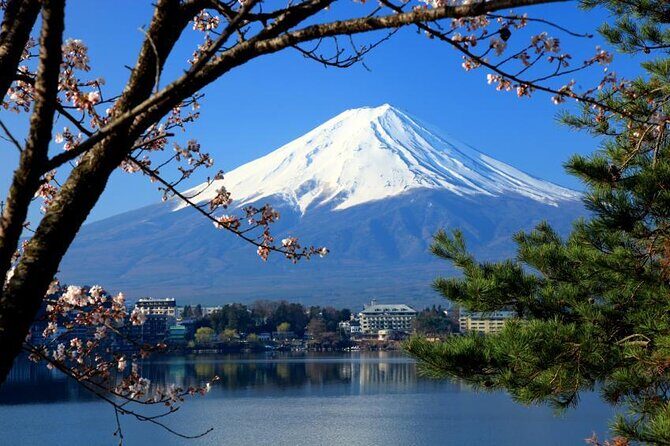
- Real altitude time: the Mt Fuji 5th station area sits around 2,300 meters when conditions allow
- Oshino Hakkai for the Fuji water story: spring ponds plus traditional thatched-roof farmhouses
- Lake Kawaguchiko with choices: ropeway, art museum, or sake brewery—pick one ahead of time
- A private day: only your group rides, which makes pacing and questions easier
Other routes to the mountain, compared
- Mt Fuji & Hakone Cruise, Drum Show Bullet Train 1 Day from Tokyo★ 4.0 · 7,413 reviews
- Tokyo Mt Fuji 5th St & Hakone Cruise Bus Tour w/Bullet Train★ 4.4 · 5,024 reviews
- From Tokyo: Mount Fuji Full-Day Sightseeing Trip★ 4.5 · 4,970 reviews
Private Tokyo Pickup: The Real Start to a Better Fuji Day
If your plan is Mt Fuji from Tokyo, the biggest frustration is usually logistics. Trains, transfers, time lost, and crowds that turn a view into a queue. This tour answers that with hotel pickup and return by private vehicle, so you’re not spending your one Fuji day figuring out which line goes where.
The tour starts at 7:00 am, which matters more than it sounds. Morning gives you a better shot at clearer skies and lighter crowd levels, especially around popular shrine and lookout areas. It also gives you time to move between viewpoints without feeling rushed—because it’s a scheduled route, not a free-for-all.
Because it’s private, you can ask more specific questions without feeling like you’re interrupting a group. That sounds small until you’re standing at a shrine entrance wondering what the rules are for photos and clothing. A guide handles that.
Arakura Fuji Sengen Shrine: A Pagoda-View Stop With Etiquette Built In
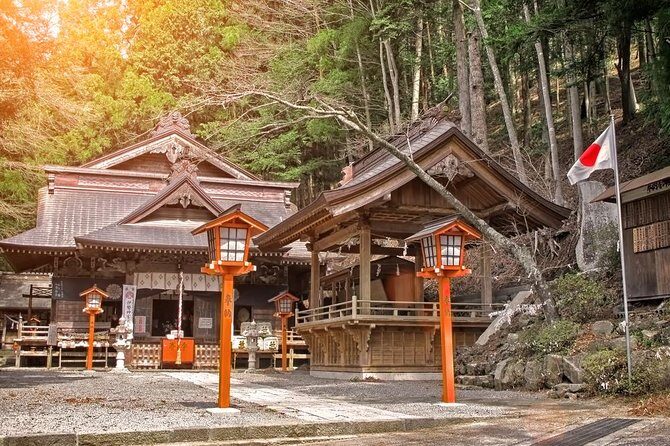
The day’s first big “look up” moment is Arakura Fuji Sengen Shrine. It’s known for an iconic view of Mt Fuji along with a pagoda scene, so it’s the kind of stop that’s both spiritual and photogenic. The admission here is free, which helps keep the day feeling good value.
What you should expect: a viewpoint-style stroll where you’ll want comfortable shoes. You’ll also hit the etiquette part of Japan’s shrine culture. You’ll want knees and shoulders covered for shrine visits, and it helps to dress with that in mind from the start of your day rather than scrambling for a scarf later.
This is also where the day’s “meaning” shows up. A stop at Sengen Shrine at the foot of the mountain ties into pilgrimage traditions up Mt Fuji. When you have a guide, you don’t just see a pretty place—you understand why that view matters to people who come for more than photos.
One note from how this experience can play out: some tours include a chance to meet a priest or take part in a ceremony at the shrine. That can be moving, but it may not match everyone’s expectations for a private, slow moment. If you’re hoping for something very specific, follow your guide’s cues during the process.
Mt. Fuji 5th Station at Around 2,300 Meters: Worth It When It Works
The best-known “wow” moment in this route is the Mt Fuji 5th station. It’s listed as being around 2,300 meters (7,546 feet), which is why it feels like a threshold between normal sightseeing and serious mountain terrain. The admission ticket is included, and this stop is timed at about 30 minutes—enough to take in the views, check out the area, and get a few good photos without turning it into a half-day hike.
Here’s the honest part: Mt Fuji is not guaranteed. The tour notes that access to the 5th station can be unavailable depending on weather, and you’ll be taken to the highest point allowed. That’s smart. It also means you should plan for options and not treat the 5th station as the only “success” moment.
Season matters too. Between May to October, and when weather permits, you may visit the 5th station. In colder months—when snow closes it—the plan changes. The 5th station is closed from mid-December to late April, and the itinerary swaps to alternatives such as the Fuji Panorama Ropeway. If your visit is in winter, you’re not “missing out,” you’re getting a different way to see Mt Fuji from a safer, open viewpoint.
If you hate uncertainty, this might feel like a gamble. If you’re the type who can be happy with whatever conditions allow, this stop is still a strong centerpiece because it’s built around altitude and views, not just a roadside photo spot.
Oshino Hakkai: Fuji’s Spring Ponds and Thatched-Roof Charm
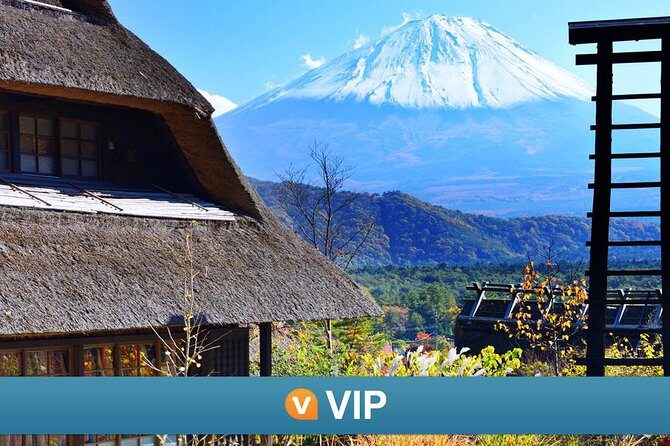
After shrine and mountain altitude, the route shifts to a calmer, more local-feeling area: Oshino Hakkai. This is where you see well-known spring water ponds and traditional thatched-roof farmhouses. The vibe here is different from the big viewpoint moments—more strolling, looking closely, and enjoying the atmosphere.
This stop is scheduled for about 30 minutes, and it makes a lot of sense as a “reset.” It’s easy to appreciate without needing a long hike, and it gives your body a break after the earlier driving and walking.
One practical takeaway: this is a great place to slow down and zoom out. At the 5th station you’re looking for a mountain silhouette and sky effects. At Oshino Hakkai you’re looking for water, structures, and the way local life connects to Fuji’s environment.
Admission is free for this stop, which again helps value. And because it’s within the Fuji area, the crowds feel manageable compared to the most congested viewpoint sites.
More private options with your own guide

Lake Kawaguchiko: Pick One Experience and Make It Yours
Lake Kawaguchiko is where the tour gives you choice. You can select ONE included activity:
- Fuji panoramic ropeway
- Ichibu Kubota Art Museum
- Ide Sake Brewery
This matters because it keeps your day from being one-note. Ropeway tends to fit if you want more sweeping views. The art museum can be a nice indoor option when it’s cold or hazy. A sake brewery gives you a cultural stop that’s more hands-on than you might expect.
The schedule leaves about 1 hour here, which is a good length for a focused visit without rushing. I like this setup because it lets you match your priorities to the weather. If visibility is weak, an indoor or structured attraction can save the day.
The instruction to inform the operator ahead of time is important. Don’t treat the “choice” as something you can always decide on the day. Decide before you go so the day stays smooth.
Lunch at a Local Restaurant: A Small Detail That Changes Everything
Lunch is included, served at a local restaurant. That doesn’t sound glamorous, but it’s one of the biggest value drivers in a day like this. When lunch is not included, you end up losing time, arguing over where to eat, and sometimes paying more than you expected because you’re buying convenience.
Here, you get fed as part of the flow. It also helps that the guide can steer you toward options that fit the day’s pace. For example, if it’s cold or wet, you’ll likely want a warmer, sit-down meal rather than grabbing snacks and running.
One practical tip: eat like you have a viewpoint checklist later. This is not the kind of tour where you want a heavy, dragging lunch that slows you down. Still, because the day includes driving, walking, and a mountain-area stop, a solid meal is exactly what you want in the middle.
Timing, Pace, and What Your Body Needs (Because It’s a Long Day)
This is an approximately 10-hour day, and it includes pickup, multiple stops, and a return drive to your Tokyo hotel. That long window is the trade-off for seeing so much within one day.
Walking is described as moderate, so you should wear comfortable walking shoes. You’re not training for a marathon, but you will move. Shrine areas can include stairs or uneven paths, and lookout areas usually involve short walks in open air.
Clothing also matters. The tour specifically warns you to check the weather the night before because you might need an extra jacket. That’s not just “nice to know.” At higher altitude near Fuji, temperatures can feel very different from Tokyo. Even if you start in mild weather, you can end up cold fast.
A slightly humorous truth: when people plan Fuji, they pack for a movie version of Japan. This tour can still be wonderful, but you should pack for reality—layers, a warm outer layer, and shoes you can trust.
Price and Value: Why This Private Tour Costs More (and When It’s Worth It)
At $846.98 per person, this is not a budget tour. The value comes from what’s included and what’s avoided.
You’re paying for:
- private hotel pickup and drop-off
- an English-speaking guide
- lunch
- admission tickets included for key parts (like the 5th station, plus one selected Lake Kawaguchiko option)
You also benefit from fewer decision points. If you’ve ever tried to coordinate Fuji day plans on your own, you know the cost isn’t only money—it’s time and mental load. A private guided day buys back energy so you can focus on the views and the meaningful stops.
This also works best when at least two passengers are traveling, since there’s a minimum requirement per booking. If you’re traveling solo, you might find the cost feels steep. If you’re a couple or small group, the private format becomes more rational because you’re splitting the ride and guide time.
Bottom line: this is worth it if you want a smooth, guided, worry-light day and you’d rather pay than figure out transport and ticket timing. If you’re comfortable with public transport and love planning, you can do Fuji for less. If you want your day to feel handled, this is priced to match.
Who Should Book This Mt. Fuji Private Tour?
This tour fits best if you want a guided Fuji day without the stress of self-transport. I’d especially point it to you if:
- you’re visiting Tokyo and want a one-day Fuji hit that still feels well structured
- you don’t want to deal with transfers, timetable math, and crowd navigation
- you care about learning what you’re seeing at shrines and viewpoints
- you want a private setting where questions and pacing are easier
It’s also a solid choice for families with older kids, since the minimum age is 12, and anyone 18 and under must be accompanied by an adult. That said, because it’s a 10-hour schedule with moderate walking and higher-altitude conditions, it suits families who can handle a long day.
If you’re going very late in the year, remember the 5th station closure window and plan for alternative viewpoints like the ropeway.
Weather Plans and “If Fuji Hides” Reality
Mt Fuji is famous for being dramatic. Sometimes it’s clear and bold; sometimes it hides behind cloud. This tour doesn’t pretend you’ll always get the perfect peak shot. Instead, it’s set up to adapt:
- the 5th station may be limited by weather, and you’ll go to the highest point allowed
- in winter (mid-December to late April), the 5th station is closed and the itinerary changes to alternatives such as the Fuji Panorama Ropeway
So what should you do? Check conditions the night before, and pack layers. Then keep expectations realistic. Even when the full summit isn’t visible, you can still enjoy viewpoints, shrine settings, and the surrounding Fuji region’s atmosphere.
That mindset is the difference between a tour that feels disappointing and one that still feels special.
Should You Book This Tour?
If you want a stress-light, guided day from Tokyo with hotel pickup, lunch, and a route built around major Fuji sights, I think this tour is a strong choice. The private format plus guide support is especially valuable when you want more than just quick photos.
But book with realistic expectations about weather and the 5th station. This isn’t a guaranteed summit shot every time. If that uncertainty bothers you, you’ll want to plan flexibility and pack for cold.
If you’re the type who values convenience, good pacing, and a guide to translate both language and meaning, this is the kind of Fuji day that feels worth the price.
FAQ
What time does the tour start, and how long is the day?
The tour starts at 7:00 am and runs for approximately 10 hours.
What’s included in the price?
It includes an English-speaking guide, hotel pickup and drop-off, and lunch at a local restaurant. Admission is included for certain stops, including Mt. Fuji 5th station, and one selected option at Lake Kawaguchiko.
What happens if Mt. Fuji 5th station is closed due to weather?
Access to Mt. Fuji’s 5th station may be unavailable depending on conditions, and the tour will ascend to the highest point allowed. From mid-December to late April, the 5th station is closed due to snow, and the itinerary changes to alternatives such as the Fuji Panorama Ropeway.
Can I choose what to do at Lake Kawaguchiko?
Yes. You can pick one included option: the Fuji panoramic ropeway, Ichibu Kubota Art Museum, or Ide Sake Brewery. You should inform the operator ahead of time so the correct plan is arranged.
Is this a private tour just for my group?
Yes. It’s a private tour/activity, and only your group participates.
Do I need to speak Japanese to enjoy it?
No. The tour includes an English-speaking guide, which helps with communication and understanding throughout the day.
What should I wear?
Comfortable walking shoes are recommended due to moderate walking. For entry to temples and shrines, knees and shoulders must be covered. The tour also advises bringing an extra jacket if needed after checking the weather the night before.
What’s the minimum age?
The minimum age is 12 years. Guests 18 and under must be accompanied by an adult.
More Tours in Tokyo




More Tour Reviews in Tokyo




The Fuji Shortlist: Other Days Out to the Mountain

Fresh reviews from around Tokyo






Mt Fuji Day Trips, compared.
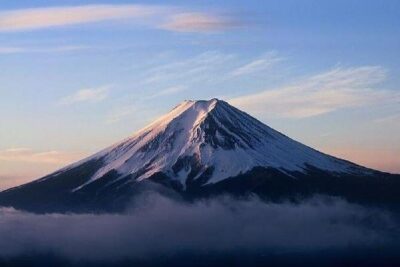 ★ 4.0Mt Fuji & Hakone Cruise, Drum Show Bullet Train 1 Day from TokyoFrom $1497,413 reviews
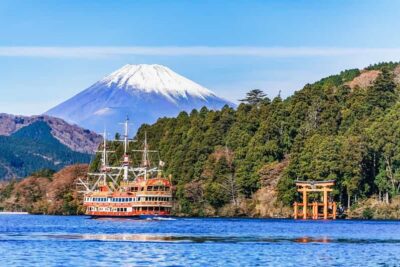 ★ 4.4Tokyo Mt Fuji 5th St & Hakone Cruise Bus Tour w/Bullet TrainFrom $1545,024 reviews
 ★ 4.5From Tokyo: Mount Fuji Full-Day Sightseeing TripFrom $684,970 reviews
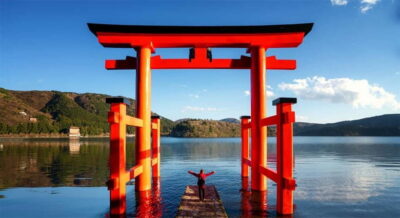 ★ 4.7Mt. Fuji Tour, Hakone Ropeway, Owakudani, Lake AshiFrom $544,002 reviews
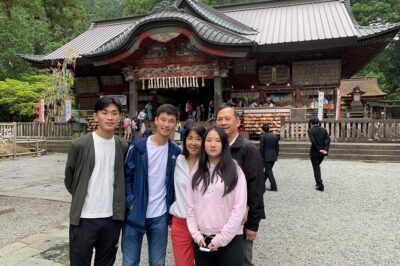 ★ 5.0Private Tour to Mt. Fuji and Hakone (Fully Licenced Operator)From $4971,910 reviews
 ★ 4.9Mount Fuji Full-Day Private Tour from Tokyo (Customizable)From $3931,470 reviews
 ★ 4.0Mt Fuji & Hakone Cruise, Drum Show Bus 1 Day from TokyoFrom $1221,287 reviews
 ★ 4.2From Tokyo: Mt. Fuji & Hakone Tour w/ Return by Bullet TrainFrom $1171,278 reviews
Browse the lists this tour appears in