
Reviewed · FOOD & DRINK
Matcha Experience with of Japanese Tea Tasting in Tokyo
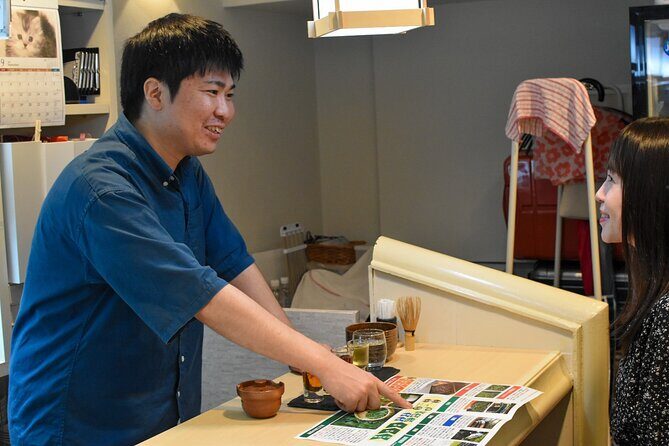
If you like tea, this class feels oddly personal. In Tokyo, you’ll sit down with Chisei (former tea farmer in Kyoto and a practicing pharmacist) and Rina for a hands-on matcha experience, not just a quick cafe stop. The big wins for me are the 8-tea lineup you sample in a smart order, and the chance to actually whisk your own matcha (Ousucha) with a bamboo whisk instead of treating it like a souvenir photo. One thing to consider: this is a general class, so if you’re hunting for a high-speed, pass-through activity or super-specific matcha branding, you may feel it moves at a teaching pace.
The setup is refreshingly human-sized: a maximum of five people, about 1 hour 30 minutes, and a mobile ticket format. It also helps that you’ll start with a seasonal welcome drink and finish with both matcha latte and hojicha latte, so you’re not just sipping green stuff for 90 minutes. If you’re sensitive to foods, the hosts are used to checking allergy needs (and you’ll get a chance to flag restrictions before tasting).
In This Review
- Key Things That Make This Tokyo Matcha Class Worth Your Time
- Tokyo Matcha and Tea Tasting With a Max-Five Setup
- Where You Meet: Henn Na Hotel and a Clear Start
- The Welcome Drink: A Simple Start That Sets the Tone
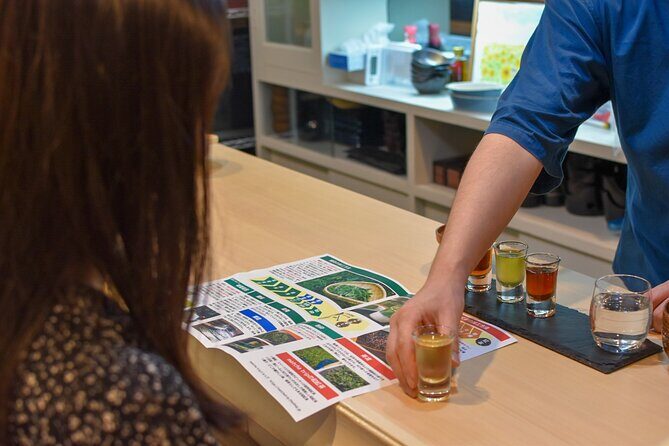
- Comparing Six Green Teas: What You’ll Actually Notice in the Cup
- Japanese Black Tea Plus Homemade Sweets
- The Matcha Ceremony Practice: Make Ousucha With a Bamboo Whisk
- Matcha Latte and Hojicha Latte: Two More Ways to Enjoy Tea
- Why Chisei’s Background Changes the Whole Lesson
- Price and Value: What $57.98 Really Gets You
- Who This Experience Fits Best (And Who Might Want a Different Style)
- Final Call: Should You Book This Tokyo Matcha Class?
- FAQ
- How long is the Matcha experience in Tokyo?
- What is the price per person?
- How many people are in the group?
- What kinds of Japanese tea will I taste?
- Do I get to make matcha, or only taste it?
- Are matcha latte and hojicha latte included?
- Are snacks included?
- Where is the meeting point?
- Is there free cancellation?
- Can I bring a service animal?
Key Things That Make This Tokyo Matcha Class Worth Your Time
- Former tea farmer in Kyoto teaching processing basics you can taste immediately
- Eight teas to compare, including Gyokuro, Kabuse-cha, deep steamed sencha, Hojicha, and Japanese black tea
- Color-and-leaf checks before pouring, so you learn what to look for
- Matcha ceremony practice using Ousucha and a bamboo whisk
- Homemade sweets paired with the tea flight, plus options for matcha and hojicha lattes
Other plates worth crossing Tokyo for
- Tokyo: Shinjuku Food Tour (13 Dishes at 4 Local Eateries)★ 5.0 · 6,603 reviews
- Tokyo Tsukiji Fish Market Food and Culture Walking Tour★ 5.0 · 3,184 reviews
- Tokyo: Shinjuku Food Tour (15 Dishes and 4 Eateries)★ 4.9 · 2,033 reviews
Tokyo Matcha and Tea Tasting With a Max-Five Setup
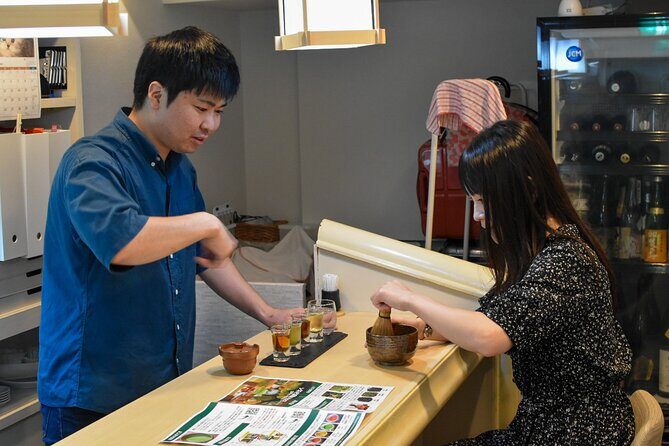
This experience is built for attention, not crowds. With a maximum of five people, you’ll have room to ask questions and actually get feedback while you’re tasting and whisking. That matters because Japanese tea is subtle: aroma, temperature, and technique can shift the whole cup.
The cost is $57.98 per person, and you’re not paying for a single matcha bowl. You’re paying for a structured tasting class that includes multiple tea styles, snacks, and the tools and instruction for making matcha you can reproduce later. For most visitors, that’s the difference between having matcha and understanding it.
Also, the duration—about 1 hour 30 minutes—keeps it realistic during a Tokyo day. It’s long enough to compare teas properly and still short enough that you won’t feel trapped when your legs need a break.
Where You Meet: Henn Na Hotel and a Clear Start
Your meeting point is matcha tripJapan at Henn Na Hotel, 2F Sports Bar Leaf, in Taito City (Kotobuki, 3-chōme, 19-8). Since it’s near public transportation, you won’t have to plan your whole day around complicated last-mile travel.
Practical tip: arrive a few minutes early so you can settle in and start on time—your welcome drink and the teaching flow matter because you’ll be comparing teas one after another.
You’ll also receive a mobile ticket, and confirmation is received at booking. That’s one less thing to track in a busy city.
The Welcome Drink: A Simple Start That Sets the Tone
The session begins with a seasonal welcome drink. While you sip, you get your first chunk of context about the Japanese tea you’ll taste that day. I like this approach because it gives you a mental map before the tasting starts.
Think of it like tuning an instrument. When you learn what each tea category is aiming for—shade, steaming level, roasting—you start tasting with intention instead of guessing.
Comparing Six Green Teas: What You’ll Actually Notice in the Cup
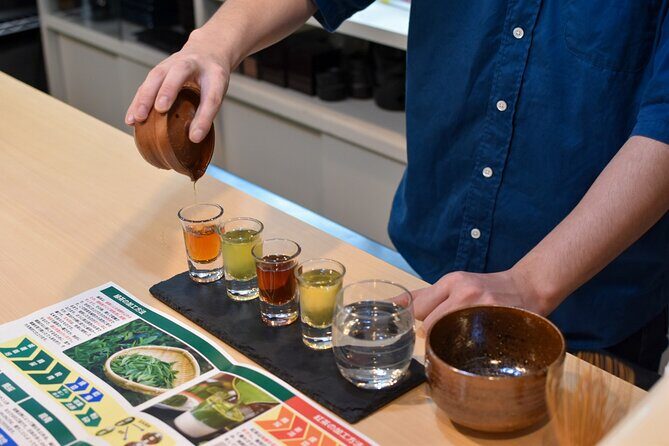
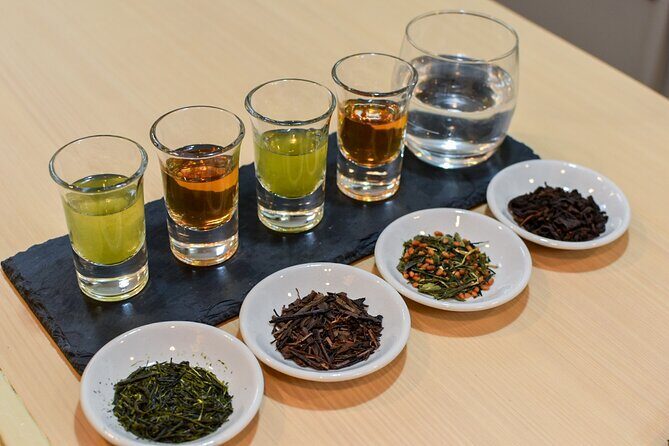
Next comes the core tasting comparison. You’ll work through a set of green teas designed to show how cultivation and processing create distinct flavors. The format is very teachable:
1) You’ll look at the color and shape of the tea leaves.
2) Then you’ll prepare and serve each tea using the best method for that tea.
3) You’ll taste for differences in color, fragrance, and flavor.
Here’s what’s included in this comparison set:
- Sencha
- Kabuse-cha
- Gyokuro
- Deep steamed sencha
- Brown rice tea (Genmaicha)
- Hojicha (roasted green tea)
From a practical standpoint, Hojicha is the “curveball” that helps you learn quickly. Roasting changes the whole profile, so if your brain is stuck expecting grassy bitterness, that style helps reset your palate. Brown rice tea also adds an earthy comfort note that makes it easier to understand tea outside of matcha-only thinking.
And because each tea is prepared in the best way, you avoid the most common tasting mistake: drinking a tea that’s been steeped or handled in the wrong style and blaming the tea instead of the method.





Japanese Black Tea Plus Homemade Sweets
After the green-tea comparison, you’ll move to Japanese black tea, selected to pair well with sweets. This is a smart inclusion. Japanese black tea can be a bridge for people who usually prefer coffee or don’t love green tea bitterness.
Then comes the pairing: homemade sweets made to match the cups you’re drinking. Even if you’re not a “dessert person,” these sweets are part of the lesson because they change what you notice in the tea. You’ll learn how aroma and flavor shift when sweetness is in the mix.
One extra detail from the way the class is taught: you may be invited to try tea leaves as well (for example, with ponzu). If that’s offered during your session, it’s a fun way to experience tea outside the cup.
The Matcha Ceremony Practice: Make Ousucha With a Bamboo Whisk
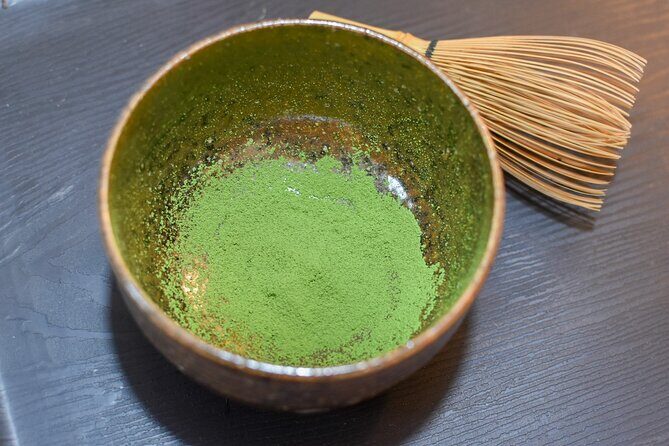
Then you do the thing you came for: matcha practice. You’ll learn how to perform the matcha ceremony and make Ousucha (matcha) using a bamboo tea whisk.
This portion is valuable because it turns matcha from a drink you order into a technique you can repeat. You’ll get instruction you can bring home, which is exactly what most people want after tasting a premium cup: the ability to recreate the texture and experience.
Also, you don’t just watch. You make it. That’s the moment where the earlier tasting starts clicking—because now you know what you liked, and you have context for why the matcha felt that way.
Matcha Latte and Hojicha Latte: Two More Ways to Enjoy Tea
To keep things flexible (and delicious), the class includes both matcha latte and hojicha latte options. This is a great move for beginners who find straight matcha too intense.
Latte-style drinks also help you compare matcha to hojicha in a realistic way. If you’re wondering what you’ll actually order later in Tokyo, this gives you an immediate answer.
And since the session already includes multiple matcha types and matcha lattes, you’ll see how changing preparation style affects taste. That’s useful when you’re shopping back in your home city or comparing cafe menus.
Why Chisei’s Background Changes the Whole Lesson
The instructor team matters here. Chisei teaches from real production experience: he grew tea for 6 years in Kyoto, and he’s also a practicing pharmacist. That mix shows up in how the class is explained—clear cause-and-effect between farming/processing choices and what you taste.
You’ll learn about:
- Tea history in a way that connects to flavor
- How tea is cultivated and processed
- Practical ways to use Japanese tea and enjoy it
If you’re the type who likes to understand the why, this is where the session becomes more than a tasting. You’ll leave with a framework for making better choices at tea counters and specialty shops.
Price and Value: What $57.98 Really Gets You
At $57.98 per person for about 1 hour 30 minutes, you’re basically paying for:
- A small-group class (max five)
- A full tea flight of multiple Japanese green teas plus black tea
- Homemade sweets included
- Hands-on matcha making (Ousucha with a bamboo whisk)
- Matcha latte and hojicha latte included
- A teacher with serious real-world experience
For many visitors, tea tasting in Tokyo can get expensive when you’re trying to compare multiple styles. Here, the structure does the work for you. You’re tasting like a student with an expert guiding preparation and explaining what to look for.
So even though the price isn’t bargain-basement, it’s not overpriced for what you receive. It’s closer to a mini workshop than a cafe meal.
Who This Experience Fits Best (And Who Might Want a Different Style)
This class is a strong fit if you:
- Want hands-on matcha, not just sipping
- Like food pairings and want the tea to come with a snack lesson
- Enjoy learning how cultivation/processing affects flavor
- Prefer smaller groups for Q&A
You might choose a different activity if you:
- Only want a quick matcha drink and don’t care about comparisons
- Have zero patience for structured learning (this is teaching-focused)
- Are traveling with strict schedules that can’t handle about 90 minutes of seated time
One more note: the experience is designed for general guests to learn about tea, and commercial or wholesale discussions aren’t meant to happen during the session. If you’re coming for business purposes, you’re asked to contact in advance.
Final Call: Should You Book This Tokyo Matcha Class?
I’d book it if you want a genuine Tokyo “tea moment” that teaches you something you can use later. The combination of multiple tea styles, homemade sweets, and the matcha-making workshop is what turns this from a tasting into a skill.
If matcha is on your list, this gives you more than a cup. You get technique, comparisons, and context—all in a group small enough that your questions don’t get lost.
FAQ
How long is the Matcha experience in Tokyo?
It runs for about 1 hour 30 minutes (approx.).
What is the price per person?
The price is $57.98 per person.
How many people are in the group?
The experience has a maximum of five travelers.
What kinds of Japanese tea will I taste?
You’ll enjoy eight types of Japanese tea: matcha, sencha, kabuse-cha, Gyokuro, deep steamed sencha, hoji-cha, brown rice tea, and Japanese black tea.
Do I get to make matcha, or only taste it?
You’ll make Ousucha (matcha) at the end using a bamboo tea whisk.
Are matcha latte and hojicha latte included?
Yes. You can enjoy both matcha latte and hojicha latte.
Are snacks included?
Yes. You’ll receive homemade sweets that go well with the tea.
Where is the meeting point?
Meet at matcha tripJapan at Henn Na Hotel, 2F Sports Bar Leaf, in Taito City, Kotobuki, 3-chōme (19-8).
Is there free cancellation?
Yes. You can cancel up to 24 hours in advance for a full refund. If you cancel less than 24 hours before the start time, the amount you paid won’t be refunded.
Can I bring a service animal?
Yes, service animals are allowed.
Eat Your Way Round Tokyo


More Tour Reviews in Tokyo



Fresh reviews from around Tokyo






Food & Drink, compared.
 ★ 5.0Shinjuku Food Tour (13 Dishes at 4 Local Eateries)From $866,603 reviews
 ★ 5.0Tokyo Tsukiji Fish Market Food and Culture Walking TourFrom $993,184 reviews
 ★ 4.9Shinjuku Food Tour (15 Dishes and 4 Eateries)From $852,033 reviews
 ★ 5.0Tsukiji Fish Market Food and Walking tourFrom $301,724 reviews
 ★ 5.0Eat and Drink Like a Local: Tokyo Ueno Food Tour-Taverns&RamenFrom $95957 reviews
 ★ 5.0Shibuya Food Tour (13 dishes and 4 Eateries)From $77770 reviews
★ 4.7Tsukiji Fish Market Food and Culture Walking TourFrom $96757 reviews
★ 5.0Shibuya Food Tour (13 dishes and 4 Eateries)From $77770 reviews
★ 4.7Tsukiji Fish Market Food and Culture Walking TourFrom $96757 reviews
 ★ 5.0Tsukiji Fish Market: Street Food & Culture Walking TourFrom $33669 reviews
Browse the lists this tour appears in