
Reviewed · WALKING TOURS
Tokyo: Private Walking Tour with a Local Guide
Tokyo feels smaller with a local lead. I love custom routing that matches your time and interests, and I love meeting native English-speaking guides who know how to move through Tokyo without wasting hours. You can stitch together a day that swings from temples to trend districts, with the pace kept relaxed and practical.
Pick-up from your hotel or a central meeting spot matters in Tokyo, and that’s where guides like Miwa and Rika tend to shine—fast, clear meet-ups and smooth transit planning. The guide will contact you on WhatsApp within 24 hours before, then confirm your route about a day ahead so you’re not guessing.
The tradeoff is simple: Tokyo is huge, so if you choose too many high-energy stops, you can end up doing a lot of crowd hopping. One guest even said Shibuya Crossing was the one stop they wouldn’t repeat.
In This Review
- Key highlights I’d plan around
- How custom planning keeps Tokyo from frying your feet
- Price and what you get for $53
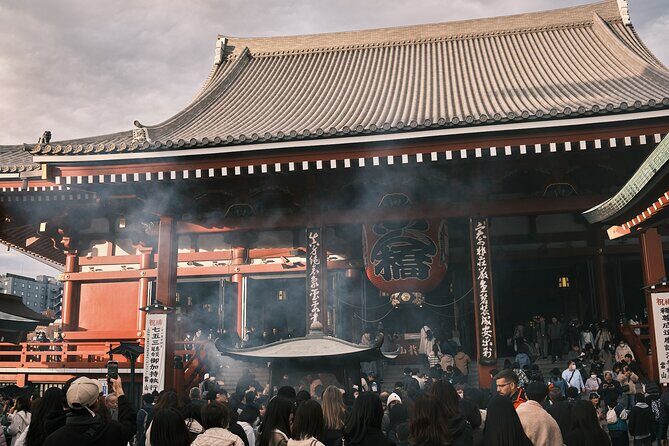
- Senso-ji and Asakusa: incense, etiquette, and the feeling of old Tokyo
- Ueno and Ameya-Yokocho: markets with a built-in sense of direction
- Akihabara to Shibuya and Harajuku: tech, style, and the big crossing
- Meiji Shrine to the Imperial Palace area: where Tokyo slows down
- Tsukiji Outer Market and Ginza: food, contrasts, and practical browsing
- Shinjuku and transit training: making Tokyo work day to day
- Should you book this Tokyo Vibes private walking tour?
- FAQ
- How long is the Tokyo private walking tour?
- Is this tour truly private?
- Where will the guide pick me up?
- Are temple and shrine entrance fees included?
- Are meals and beverages included?
- Does the tour include public transportation?
- Do I need WhatsApp before the tour?
- What should I bring?
- Is the tour suitable for wheelchair users or mobility impairments?
- What is the cancellation policy?
Key highlights I’d plan around
- Private, not packaged: It’s a one-on-one walking tour with your own preferences driving the day.
- Temple and shrine fees covered: You don’t have to manage ticket lines just for basic entry.
- A guide who helps with transit decisions: You’ll spend less time standing around figuring out which exit to take.
- Old Tokyo plus modern Tokyo in one day: Think Senso-ji/Asakusa-type spirituality plus Akihabara and Shibuya-style energy.
- Markets and food streets built in: Tsukiji Outer Market-style stops can add real flavor to your route.
- Photos and comfort checks: Several guides are praised for keeping you moving at a human pace and snapping group photos.
Tokyo at walking pace, a few more ways
- Tokyo Tsukiji Fish Market Food and Culture Walking Tour★ 5.0 · 3,184 reviews
- Tokyo: Shinjuku Local Bar and Izakaya Guided Walking Tour★ 4.9 · 1,794 reviews
- Tokyo: Tsukiji Fish Market Food and Walking tour★ 5.0 · 1,724 reviews
How custom planning keeps Tokyo from frying your feet
This is a private walking tour with a local guide where you choose the vibe: classic shrines, iconic landmarks, shopping streets, or quieter neighborhoods. Each stop has its own time window, but the route stays flexible, so you can slow down where you care and speed up when you don’t.
The big win is that Tokyo can overwhelm you fast. With a guide, you’re not just moving between famous places—you’re learning what’s worth your time and how to connect areas without getting trapped in wrong turns or pointless backtracking. Guides such as Momo, Momoha, and Hina are repeatedly described as warm, organized, and good at keeping the day from turning into an info overload.
You also get real control over your energy level. If you want a heavier walking day, you can do that. If you’d rather prioritize temples and views, you can. And if it’s a short trip, the 2–4 hour options help you “get your bearings” without burning a full day.
Consideration: The more stops you stack, the more your day becomes about transit timing and crowd flow. One person noted Shibuya Crossing didn’t justify the effort for them—so if you’re not into people-watching, you can likely swap it for something quieter.
Price and what you get for $53
At $53 per person, this tour is built for value if you want a guided day without paying for private taxis. You’re paying for a private local guide, hotel or accommodation pick-up and drop-off in central Tokyo areas, and a walking route that can also use convenient public transport.
Two things make the price easier to justify:
- Entrance fees for temples and shrines are included. That removes a common surprise cost when you’re visiting multiple spiritual sites.
- You’re not paying for generic sightseeing. Your guide shapes the day around your preferences, so you’re more likely to spend time on your interests instead of the guide’s default script.
What you still pay for (or plan for) is also clear. Meals and beverages aren’t included, and if you want lunch or dinner during the tour, you’ll need to cover the guide’s meal if you ask them to join. Also, entrance fees for additional attractions beyond temples and shrines are not included.
Practical takeaway: If your goal is a first-day orientation plus “high-impact” sights, this is strong value. If your goal is only one or two specific attractions, you might compare against cheaper group tours—though the private aspect and covered shrine/temple entry often tip the scale in your favor.
Senso-ji and Asakusa: incense, etiquette, and the feeling of old Tokyo
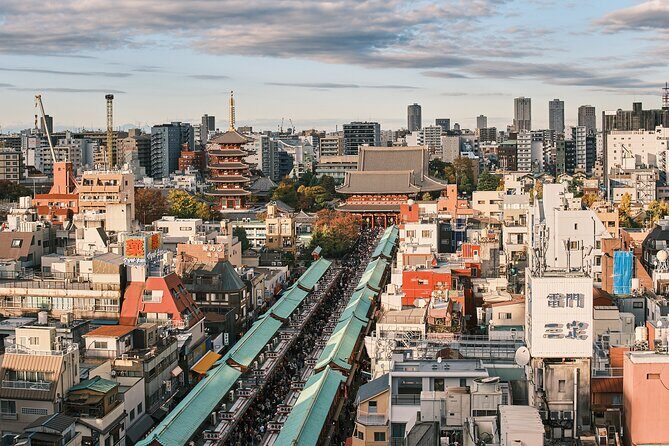
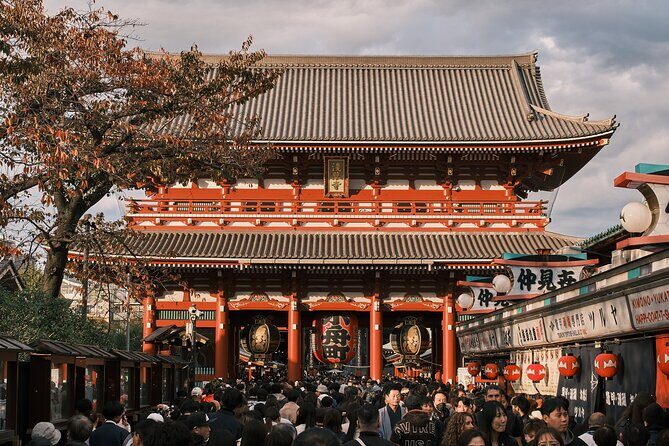
A classic starting point is the Senso-ji area in Asakusa. This is where Tokyo shows its spiritual side up close, with big energy at the temple approach and a strong sense of tradition once you slow down. Your guide helps you understand what you’re seeing—how shrines and temples function, what visitors usually do, and what matters for respectful behavior.
Asakusa also works well because it’s not just a postcard. You get that layering effect: historic space, local street life, and places to snack or browse at human speed. Guides often pace this segment so you’re not standing too long in the busiest stretches, and that’s especially helpful in hot or humid weather.
One reason I like this part of the day is that it sets context. After Senso-ji, Tokyo’s modern districts start to make more sense, because you’ve already seen how old customs still shape everyday life.
Possible drawback: Crowds. If you hate dense visitor flow, pick a plan that gives you time early, or have your guide choose side streets where the walking feels more local.
If you want the tour to lean more spiritual, this is usually the anchor you keep. If you want it more pop-culture and shopping, your guide can shorten Asakusa and move you onward sooner.
Ueno and Ameya-Yokocho: markets with a built-in sense of direction
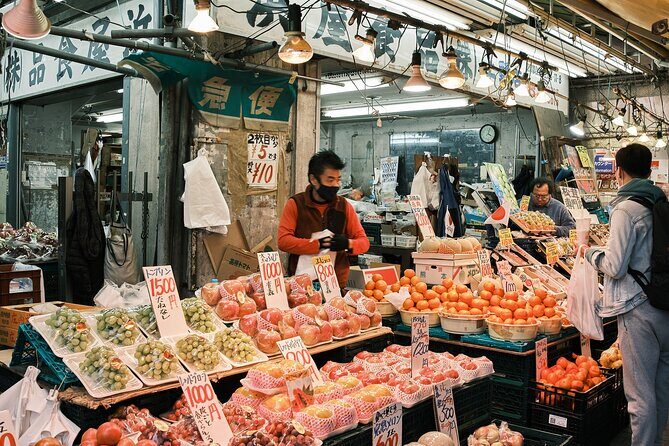
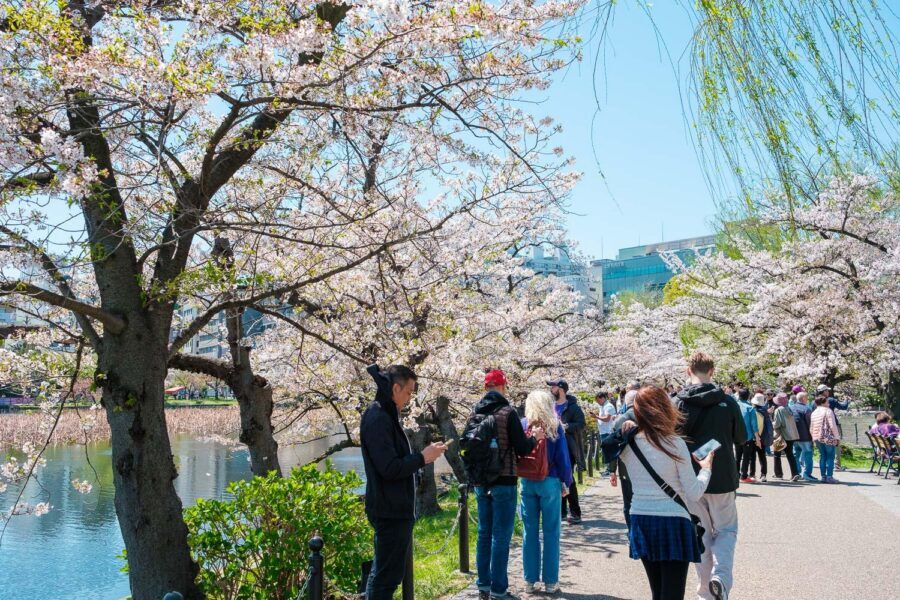
From there, many routes flow into Ueno and the Ameya-Yokocho area. This is where Tokyo turns practical and fun: market streets, shopping lanes, and lots of everyday rhythm that you’d miss if you only chase big-name landmarks.
A guide makes this section work because markets are easy to wander into without a plan. With a local, you’re more likely to know where to focus—whether that’s browsing street stalls, finding snack stops that fit your tastes, or just enjoying the chaos without getting overwhelmed.
This is also a good time to ask for small strategy upgrades. More than one guide has been praised for handling the train and metro system efficiently, and that same skill matters here: you’ll spend less time moving and more time experiencing.
Consideration: If your idea of travel is quiet museums and open space, market districts may feel like sensory overload. But if you like people-watching, casual shopping, and quick bites, Ueno and Ameya-Yokocho are exactly the kind of stop that turns a tour into a memory.
In a short 2–4 hour option, you can treat this as a texture stop. In a longer day, it can become a full “Tokyo street life” block.
More days made easy by a guide

Akihabara to Shibuya and Harajuku: tech, style, and the big crossing
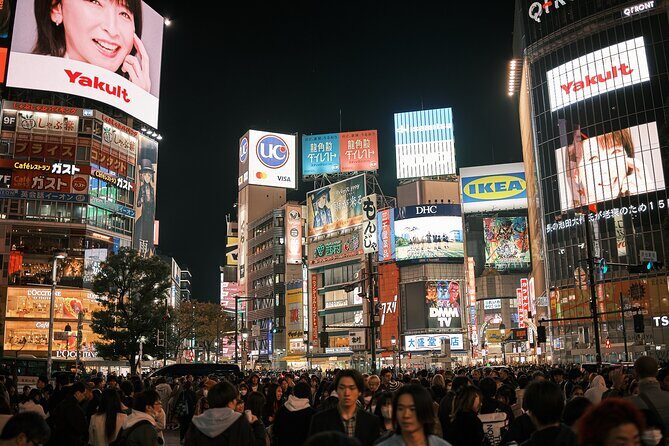
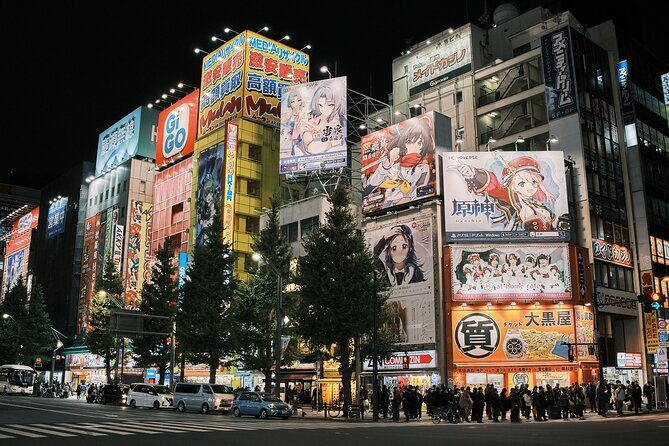
This is the Tokyo many people picture: Akihabara for pop culture and tech, then onward toward Shibuya Crossing and Harajuku. Whether you care about anime merch, fashion streets, or just the sheer spectacle of modern Japan, these stops deliver strong visuals and fast-moving energy.
Akihabara is a great place to go if you want modern fandom culture without needing to hunt around alone. If you’re not into electronics or character goods, you can still enjoy the area as a snapshot of what Tokyo loves right now.
Then comes Shibuya Crossing. It’s iconic, and it’s also the kind of spot that can feel like a theme park if you’re not in the mood. One guest explicitly mentioned they would not choose it again in hindsight, which is a useful reminder: you can treat Shibuya Crossing as optional, not mandatory.
Harajuku can soften the day. It brings street style and youthful energy, and many routes pair it with a calmer nearby rhythm so you don’t feel stuck in one kind of crowd.
Smart way to tailor this section: Tell your guide what you want to feel. If you want motion and photos, keep Shibuya. If you want fashion and browsing, emphasize Harajuku. If you want a mix, your guide will often stitch together a smooth flow.
Meiji Shrine to the Imperial Palace area: where Tokyo slows down
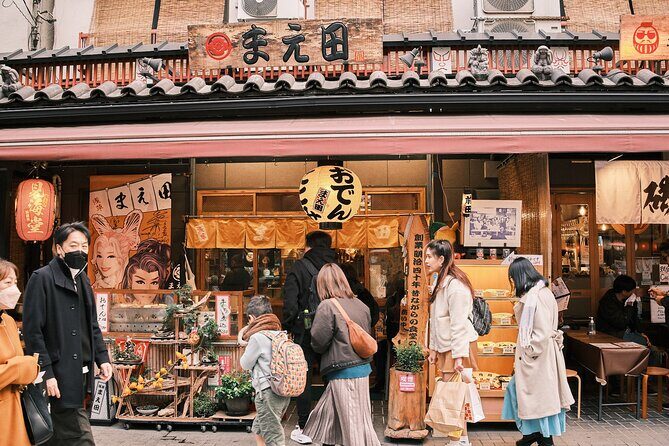
Not every stop should be loud. That’s why Meiji Shrine and the Tokyo Imperial Palace area can be a fantastic reset during your tour.
Meiji Shrine is often where people notice the atmosphere shift. You’re leaving dense city streets for a calmer, more reflective setting, and it gives your legs a break too. A guide can explain what you’re seeing in Shinto-style practice and why the space feels different even though you’re still inside Tokyo.
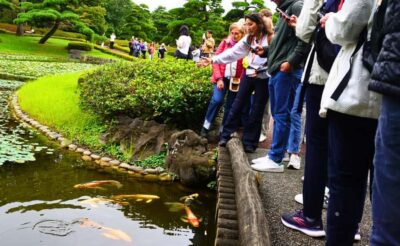
After that, the Imperial Palace area offers a different kind of context—Japan’s historical power and continuity, framed by a major central landmark zone. This is less about frantic photo hunts and more about understanding how Tokyo’s current city identity sits on older foundations.
Guides like Kanako and Yossy are praised for clear, thoughtful explanations without turning the day into a lecture. That matters here, because shrine and palace areas reward calm attention more than rapid-fire facts.
Consideration: If you’re short on time and want maximum “street action,” you might feel this is slower. But if you want balance—and you don’t want your whole trip to be crowd-based—these stops are the pressure relief valve.
Tsukiji Outer Market and Ginza: food, contrasts, and practical browsing
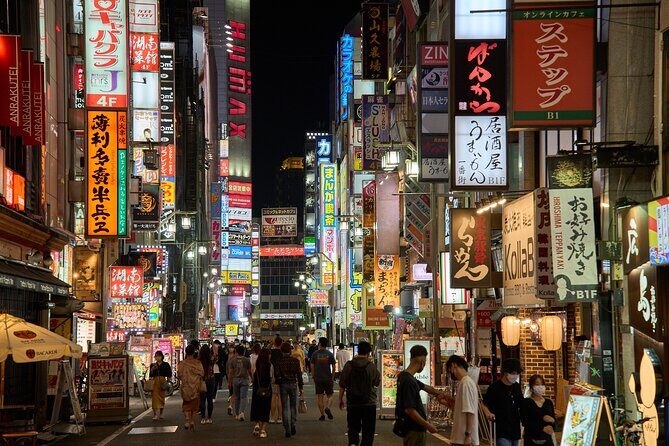
Tsukiji Outer Market is the food-focused stop that often becomes a highlight. It’s a lively area with lots to look at, and it’s easy to turn into a snack-and-stroll adventure when you have a guide managing the flow.
One review specifically mentioned free taste tests at the market, which shows the kind of extras that can make this stop fun beyond just walking. Even if you don’t snack nonstop, the guide helps you aim your attention so you’re not just staring at stalls randomly.
Ginza then adds a clean contrast. It’s a more polished district where the shopping energy feels different—less “market lanes,” more “city elegance.” Pairing Ginza after Tsukiji often gives you the best of both worlds: casual food excitement, then a more refined urban scene.
Practical tip: If you plan lunch during the tour, remember meals aren’t included. If you want your guide to join, you cover their meal cost. If you’d rather keep lunch separate, tell your guide ahead of time so they can plan around it comfortably.
Shinjuku and transit training: making Tokyo work day to day
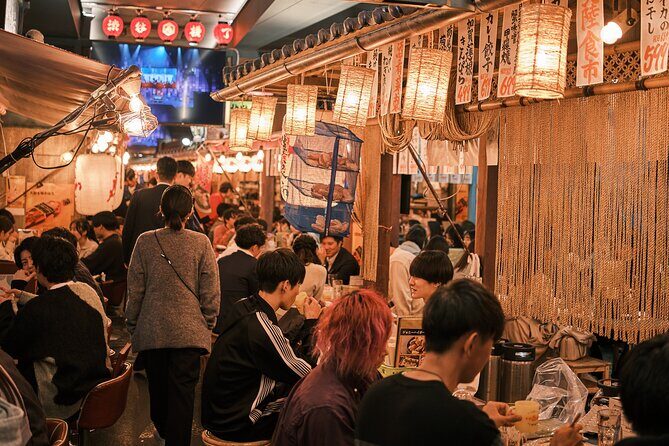
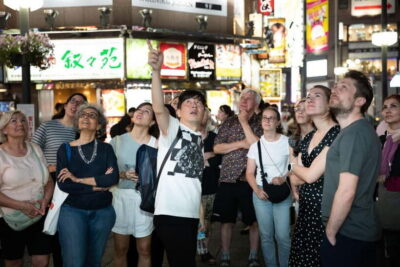
Shinjuku is a good place to end—or at least to include—because it’s where Tokyo feels like Tokyo. It’s big, layered, and full of movement. If you want to leave your tour with better confidence navigating the city on your own, Shinjuku helps because you’ll see how busy transit systems really function.
A strong guide makes this segment practical. Several guests praised guides for being efficient with trains and metros, and for helping them understand which routes and exits matter. That kind of guidance is huge in Tokyo, where a small wrong turn can turn a 10-minute hop into a long detour.
This is also where you can calibrate your pace. If you’re tired, tell your guide early. Some guides are described as checking in about comfort, hunger, and energy, and even suggesting taxis for older travelers who can’t keep up with heavy walking.
Possible drawback: If you choose the longest tour length and pack in multiple neighborhoods, Shinjuku can push your day toward transit time and standing on crowded routes. One guest wished they had specified a better mix of trains and taxis earlier, so if you want an easier day, say so up front.
Should you book this Tokyo Vibes private walking tour?
Book it if you want a private local guide who can shape your day, not just escort you between landmarks. The best fit is a first-time visit (or a short trip), people who like a mix of temples and neighborhoods, and anyone who wants help using Tokyo’s transit without getting stressed.
I’d skip or customize heavily if you’re sensitive to crowds or you only care about one or two specific attractions. In that case, you may end up spending time on transit and busy zones you don’t need.
If your goal is a guided introduction that covers classic sights plus modern Tokyo areas, with entrance fees for temples and shrines already handled, this is a solid way to spend your hours. And with guides like Miwa, Rika, Momo, Hina, and Kanako coming up for their warmth and planning skills, you’re likely to get more than just a route—you’ll get a smoother day.
FAQ
How long is the Tokyo private walking tour?
The duration options range from 2 to 8 hours. Starting times depend on availability.
Is this tour truly private?
Yes. It’s a private group experience with a live English-speaking guide.
Where will the guide pick me up?
The guide includes hotel or accommodation pick-up and drop-off in central Tokyo, or you can choose a preferred meeting place in Tokyo.
Are temple and shrine entrance fees included?
Yes. Entrance fees for temples and shrines are covered.
Are meals and beverages included?
No. Meals and beverages are not included. If you want to have lunch or dinner during the tour and you invite the guide to join, you should cover their meal cost.
Does the tour include public transportation?
The tour is designed around walking plus convenient public transport, with the guide accompanying you. Other transport such as private cars is not included, and additional attractions may require separate tickets.
Do I need WhatsApp before the tour?
Yes, you should download WhatsApp. The guide reaches out there within 24 hours prior to the tour date to connect and coordinate.
What should I bring?
Bring a passport or ID card, comfortable shoes, a credit card, and cash.
Is the tour suitable for wheelchair users or mobility impairments?
No. It is not suitable for people with mobility impairments and wheelchair users.
What is the cancellation policy?
You can cancel up to 24 hours in advance for a full refund. There is also a reserve now & pay later option to keep plans flexible.
Tokyo on Foot: More Walks

More Tours in Tokyo




More Tour Reviews in Tokyo




Fresh reviews from around Tokyo






Walking Tours, compared.
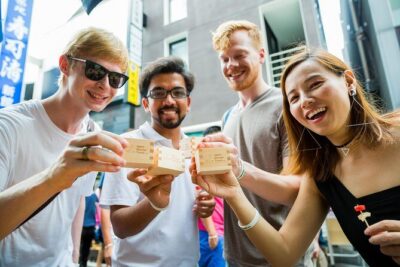 ★ 5.0Tokyo Tsukiji Fish Market Food and Culture Walking TourFrom $993,184 reviews
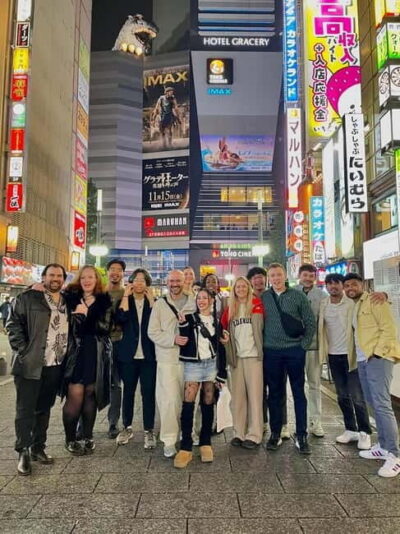 ★ 4.9Shinjuku Local Bar and Izakaya Guided Walking TourFrom $341,794 reviews
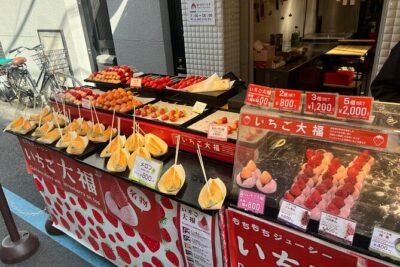 ★ 5.0Tsukiji Fish Market Food and Walking tourFrom $301,724 reviews
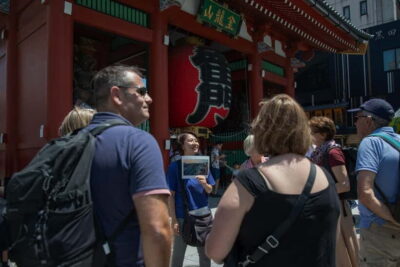 ★ 4.8Asakusa Walking Tour with Sensoji Temple VisitFrom $221,583 reviews
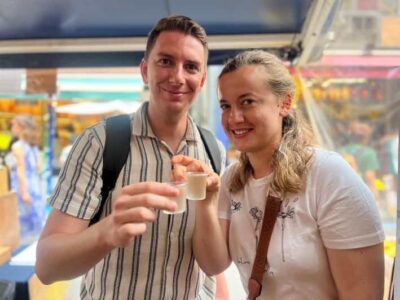 ★ 4.9Tsukiji Fish Market Guided Walking TourFrom $221,397 reviews
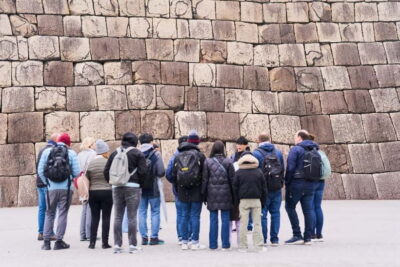 ★ 4.7Tokyo Castle & Imperial PalaceーShogun Walking TourFrom $231,068 reviews
 ★ 4.9Imperial Palace Japanese History Walking TourFrom $32987 reviews
 ★ 4.7Dark Side of Tokyo Shinjuku Red Light Walking TourFrom $29862 reviews
Browse the lists this tour appears in