
Reviewed · WORKSHOPS
Tokyo: Manga Drawing Workshop Guided by Pro Manga Artist
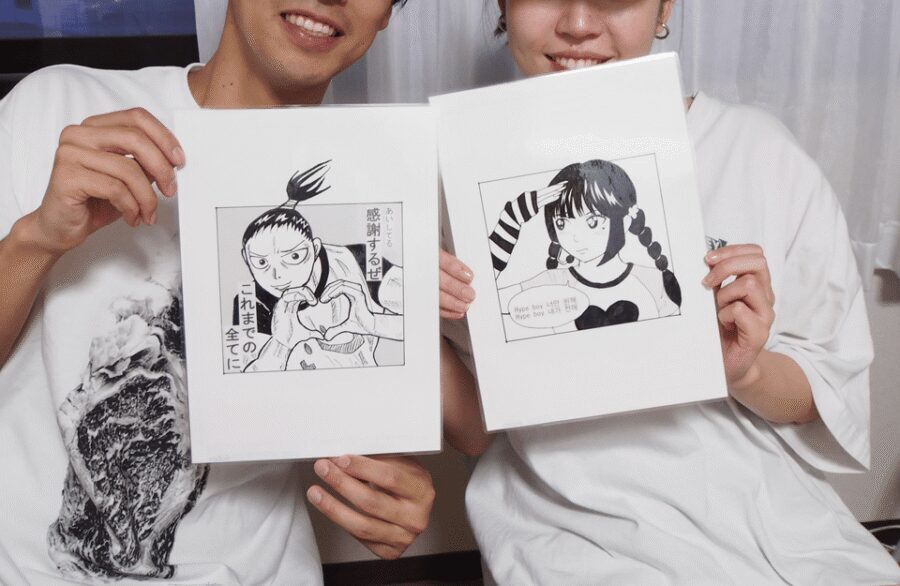
Pencil meets panel in Tokyo. In Shibuya, Manga Do pairs you with a pro manga artist and an interpreter, so you learn the real workflow behind manga, from rough sketch to screen tones, and leave with a laminated keepsake. You do not need prior skills, and you can pick a character idea from sample prompts or bring your own reference.
One catch: the meeting spot is on 6F of a thin black TR Building in busy Shibuya 3-chome, so you’ll want extra time to find it, especially on crowded days.
In This Review
- Key Things That Make This Class Worth Your Time
- Shibuya Start: Finding the 6F TR Building Meeting Point
- What You Create in 150 Minutes: One Laminated Manga Panel
- How the Sensei Guides the Manga Process (No Experience Required)
- Screen Tones, Solid Blacks, and Speech Bubbles: The Real Craft Steps
- Tools and Materials Included: Come as You Are
- English Support with an Interpreter: Faster Understanding, Better Questions
- Small Group Energy (Max 8): Why Feedback Actually Lands
- Choosing Your Character: Samples or Your Own Reference
- Timing and Pace: Making Progress Without Feeling Rushed
- Price vs Value in Tokyo: Is $129 Fair?
- Who This Workshop Suits Best
- Should You Book Manga Do’s Manga Drawing Workshop?
- FAQ
- Where is the meeting point for the workshop?
- How long does the workshop last?
- What is the price per person?
- Do I need previous drawing experience?
- What languages are offered during the class?
- Is an interpreter included?
- Are manga drawing materials provided?
- Do I get to take my manga home?
- Is pickup or food included?
Key Things That Make This Class Worth Your Time
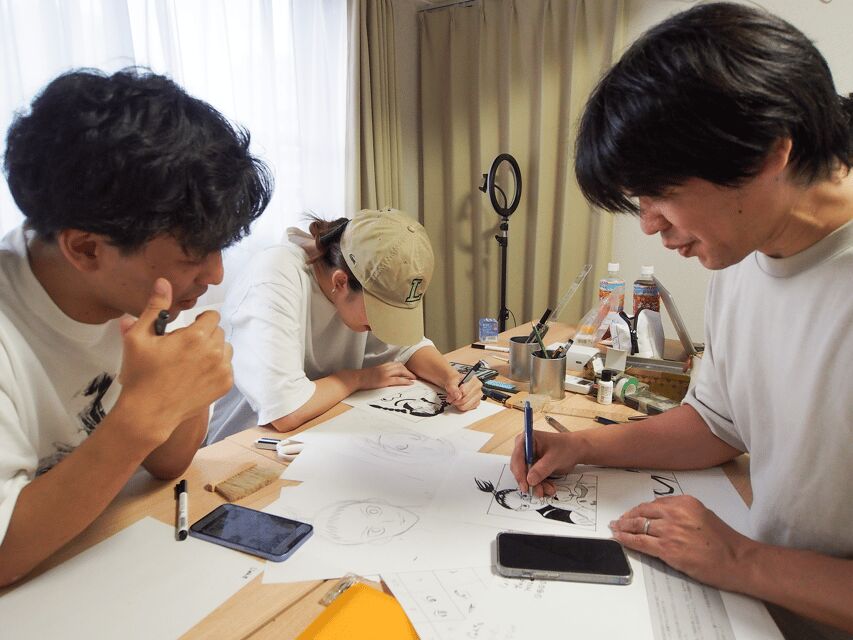
- A working mangaka teaches the full chain: ideation, rough sketching, drafting, inking, blacks, then finishing details.
- Screen tones and speech bubbles are included, which is where many first-timers’ results suddenly start looking real.
- Small group, max 8 people, so you get back-and-forth help instead of being stuck watching from the back.
- You can choose your subject, either from provided options or from your own reference image.
- You take home a laminated panel, so your artwork survives the trip home.
More days made easy by a guide
- Tokyo 6hr Private Tour with Government-Licensed Guide★ 5.0 · 3,902 reviews
- Tokyo: Shinjuku Local Bar and Izakaya Guided Walking Tour★ 4.9 · 1,794 reviews
- Tokyo: Private City Highlights Tour with Local Guide★ 4.8 · 1,433 reviews
Shibuya Start: Finding the 6F TR Building Meeting Point
This workshop starts at 6F, Shibuya 3-chome TR Building, 3-8-11 Shibuya, Shibuya-ku, Tokyo. The building is black and relatively thin, which sounds minor until you’re standing in Shibuya with 10 different signs blinking at you.
Give yourself buffer time. Even when you know exactly where you’re going, Shibuya can be noisy and full of detours, and you do not want to rush your first five minutes. If you’re early, great. If you’re on time but anxious, you’ll still enjoy the class more once you’re inside.
What You Create in 150 Minutes: One Laminated Manga Panel
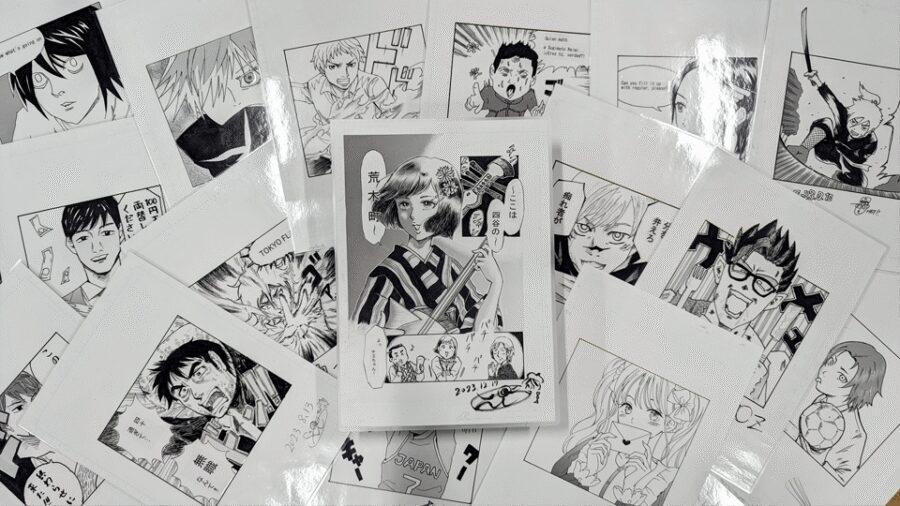
You’re not just making a sketch you’ll later redraw at home. The goal is a finished manga-style panel by the end of the 150-minute session, and it’s designed to feel like a real product of manga craft, not a casual craft project.
The big reason this is a good value is what you walk away with: a self-drawn manga keepsake that gets laminated. That matters for two reasons. First, lamination protects your work during your Tokyo photos-and-metro days. Second, you get something you can frame or store without worrying about smudges.
How the Sensei Guides the Manga Process (No Experience Required)
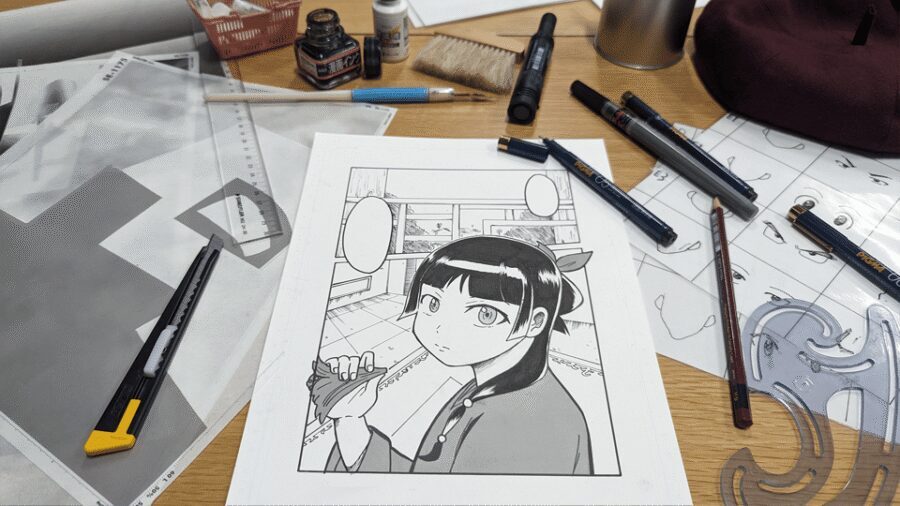
The teaching style is built for first-timers, but it still works for people who draw already. You’ll move through the same core stages manga artists use, just supported step by step. People have finished high-quality panels in about two hours, which tells you the class is structured to keep progress moving.
Here’s the flow you should expect:
- Ideation: pick a character idea, pose, and mood.
- Rough sketching: map the composition and proportions.
- Drafting: refine lines and structure.
- Inking: commit to the final line work.
- Solid blacks: add weight and contrast.
- Screen tones: create shading and texture.
- Speech bubbles: finish the storytelling feel.
Depending on the session, your instructor might be someone like Shige Mathumori, Rokkaku-sensei, Kousei-sensei, or Hiroshi. Different artists have different styles, but the core process stays consistent—and the support is what lets you succeed even if you’re not confident with drawing.
Screen Tones, Solid Blacks, and Speech Bubbles: The Real Craft Steps
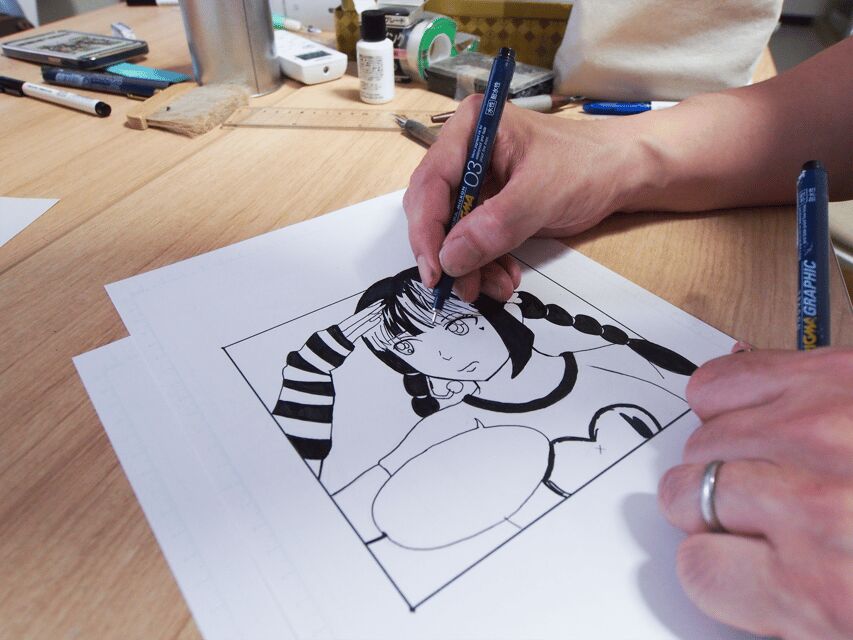
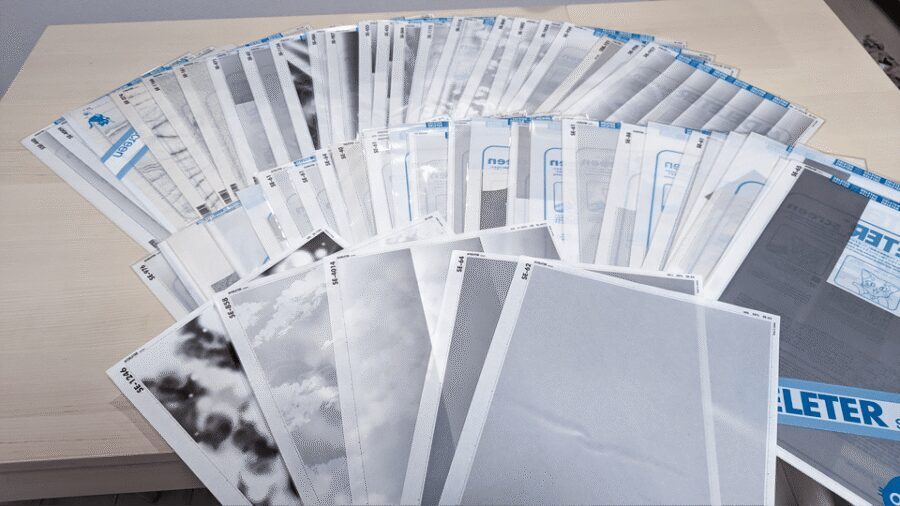
If you’ve ever wondered why manga looks so crisp on the page, pay attention to the steps that most classes skip. This workshop includes the parts that make manga look manga: solid blacks, screen tones, and the placement of speech bubbles.
Solid blacks add impact fast. You learn where heavy shadows belong and how contrast guides the eye. It’s also where your panel stops looking like a light pencil drawing and starts reading like an actual manga page.
Screen tones are the step that surprises beginners. You get taught how to apply them for shading and mood, and you’ll learn why cutting and placing tones can change everything. This is also a great time to ask questions—people with an art background have been especially excited to learn traditional materials, like screentone methods, because it’s a different feel than digital shading.
Speech bubbles finish the effect. Even if your art isn’t super detailed, the dialogue layout helps the panel read like a moment from a story.
More things to make with your own hands



Tools and Materials Included: Come as You Are
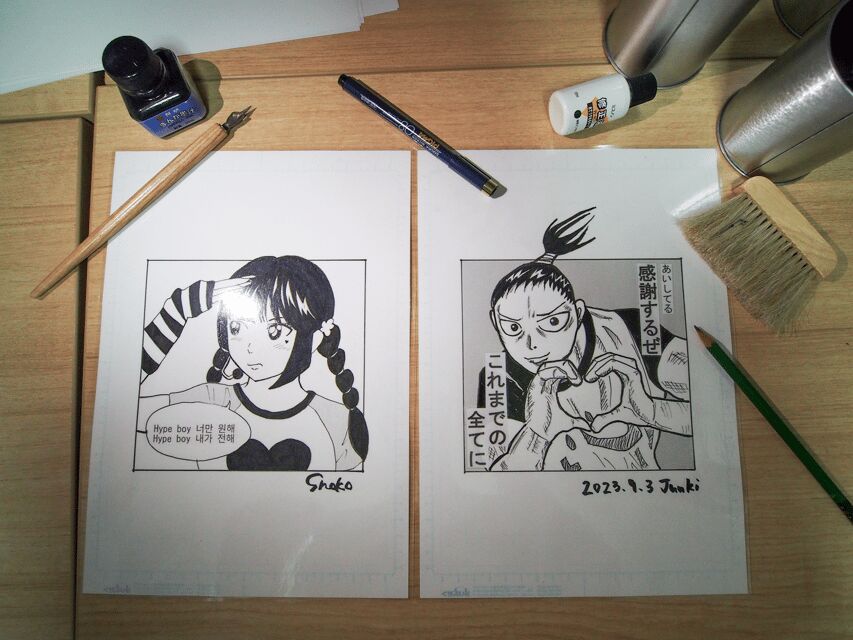
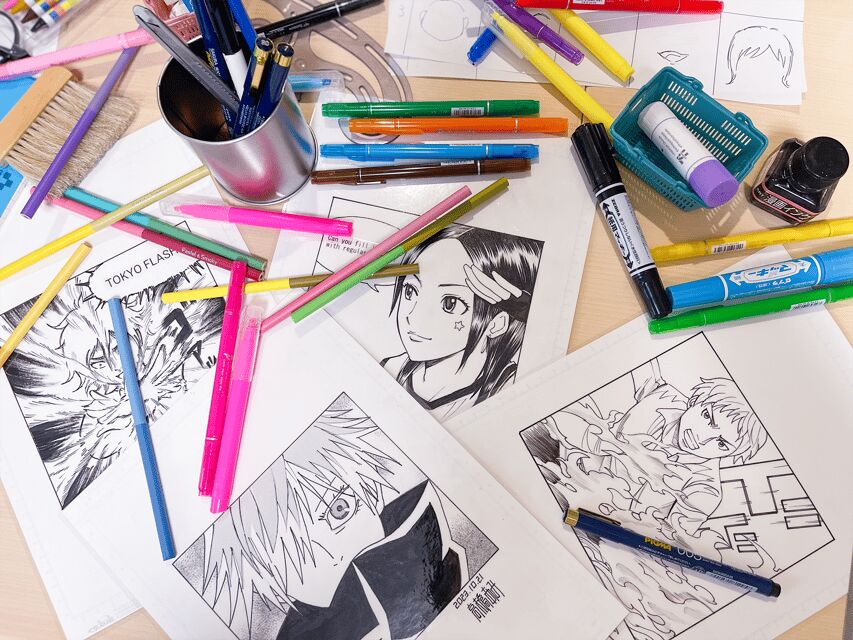
All materials are provided. That means you do not need to bring drawing supplies, paper, pens, or anything like that. It’s a relief in a city where you might already be carrying a lot.
What you will actually use depends on the instructor’s setup, but the class is clearly built around traditional manga tools: pencil sketching, inking, adding blacks, and working with screen tones. One practical advantage of having everything supplied is that you get the right materials for the technique, not an approximation.
If you’re a digital artist, this is still a smart experience. One person described how they normally draw digitally but wanted to return to traditional methods. The workshop approach helps you reconnect with manual line weight and tone placement, and it can even motivate a real change in how you draw afterward.
English Support with an Interpreter: Faster Understanding, Better Questions
This experience includes a professional manga artist instructor plus an interpreter. That interpreter support is not a side detail. It’s what lets the class flow smoothly so you can focus on the drawings instead of decoding everything in your head.
Across different sessions, interpreters mentioned include Machi, Madoka, Ai, and others. In practice, this means translation is built into the teaching rhythm, and you can ask questions in plain terms. More than one participant noted that the interpreter helped make communication feel natural, including helping with manga terms and with what’s happening at each step.
For many people, the best part is the conversation. You might ask about how the manga industry works, what inspires the artist, or how someone thinks when choosing a character’s pose. Even if your Japanese is limited, you’re not stuck.
Small Group Energy (Max 8): Why Feedback Actually Lands
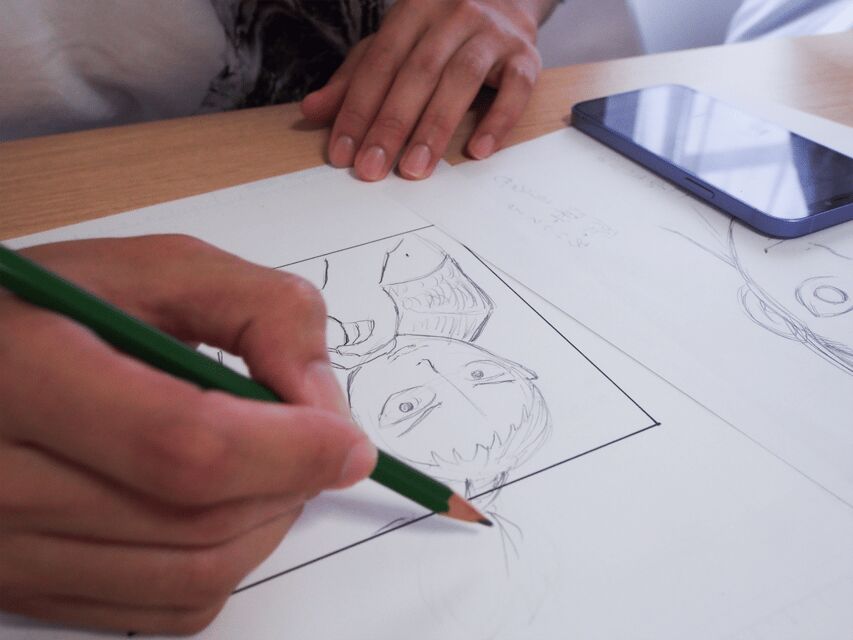
This is a small group class limited to 8 participants. That size matters because manga drawing is detail work. If there’s a line that’s slightly off, or your screen tone placement feels awkward, you need quick guidance—not a generic lecture.
The atmosphere tends to be patient and encouraging. That shows up in how the class handles different skill levels. Some people arrive completely new to drawing. Others bring more experience. The instructor support aims to keep both groups moving forward.
There’s also a social benefit. You’re in the same room with other people working on their own panels, so you can learn from what you see, but still get individual attention.
Choosing Your Character: Samples or Your Own Reference
You do not have to guess what to draw. You can usually choose from provided prompts or work from your own image/reference. That flexible option is one of the easiest ways to make the class feel personal.
If you’re a big manga fan, this is where it gets fun. You can bring a character style you love and then translate it into a single panel with your own pose ideas. If you’re not a manga superfan, you can still pick something simple and focus on learning the steps rather than copying a fandom design.
One nice detail: you’re supported to translate your chosen concept into manga-style proportions and line work. That keeps the end result from feeling random.
Timing and Pace: Making Progress Without Feeling Rushed
150 minutes is long enough to do the full manga process, but short enough to keep you moving. The class structure seems designed to start with sketch planning, then build toward inking, blacks, screen tones, and finishing.
One thing to consider is that the first part can feel slow if you’re anxious about your drawing. That’s normal. The early stages are where composition and lines get set. If you stay with it, the pace often clicks, and the panel starts to come together quickly.
Also, plan around the fact that this is not a sit-and-watch activity. You’re doing the drawing. So come rested enough to focus for two and a half hours.
Price vs Value in Tokyo: Is $129 Fair?
At $129 per person for a 150-minute workshop, you’re paying for three things at once: a professional manga artist instructor, an interpreter, and included materials. Add in the finished keepsake, laminated for travel durability, and it shifts from “activity fee” to “paid craft lesson with an output.”
In Tokyo, you can spend money on souvenirs that look nice in photos and then disappear in a drawer. Here, you’re spending money on a skill-based experience with a tangible result you’ll likely frame.
Small group size (max 8) also supports the value. If you were paying the same price but getting limited help, this would feel less worth it. The class is built to keep guidance close to your drawing.
What’s not included matters too. Food and drinks are not provided, and pickup is not offered. So plan a snack or grab something nearby before or after.
Who This Workshop Suits Best
This is a strong fit if you:
- love manga and want hands-on craft, not just themed photos
- want a structured way to learn traditional manga techniques
- enjoy making something you can take home immediately
- want instructor help even with limited drawing experience
It also works for families and mixed groups. Several participants mentioned kids and adults learning together, with the instructors staying patient and supportive. If you’re traveling solo, the small group format can still feel friendly because you’re focused on your own panel with guidance close by.
Should You Book Manga Do’s Manga Drawing Workshop?
If you want a Tokyo souvenir that actually has your hands in it, book this. You’re not just buying a picture; you’re making a manga panel using a workflow that includes the details most people miss—especially screen tones, solid blacks, and speech bubbles.
I’d skip it only if you hate structured art sessions and want total freeform chaos. The class is guided and step-based for a reason. You’ll get the best result when you follow along and trust the process.
FAQ
Where is the meeting point for the workshop?
The meeting point is 6F, Shibuya 3-chome TR Building, 3-8-11 Shibuya, Shibuya-ku, Tokyo. The building is black and relatively thin.
How long does the workshop last?
The duration is 150 minutes.
What is the price per person?
The price is $129 per person.
Do I need previous drawing experience?
No. The experience is designed for people who have no prior skills.
What languages are offered during the class?
The workshop is offered in English and Japanese.
Is an interpreter included?
Yes. An interpreter is included as part of the experience.
Are manga drawing materials provided?
Yes. Manga drawing materials are provided, and you can come as you are.
Do I get to take my manga home?
Yes. You bring back your self-drawn manga as a keepsake, and it is laminated.
Is pickup or food included?
Pickup is not included, and food and drinks are not included.
Make Something to Take Home

Easier with a Guide




More Tour Reviews in Tokyo






Fresh reviews from around Tokyo






Workshops, compared.
 ★ 5.0Sushi Making Tokyo Roll and Authentic Japanese Sushi ClassFrom $593,971 reviews
 ★ 5.0Tokyo Shinjuku Chopsticks Making ClassFrom $201,763 reviews
 ★ 4.8Chopstick Making Workshop in GinzaFrom $251,366 reviews
 ★ 5.0Tokyo Sushi Making Class in Tsukiji with Professional ChefFrom $491,177 reviews
 ★ 5.0Ramen & Gyoza Cooking Class in Tokyo with Local Supermarket VisitFrom $122823 reviews
 ★ 5.0Matcha Making Class in Tokyo with Authentic Japanese Sweets SetFrom $21744 reviews
 ★ 5.0Samurai Sword & Archery Class from Samurai DescendantFrom $193603 reviews
 ★ 4.9Tsukiji Fish Market Sushi Making Class with Pro ChefFrom $63506 reviews
Browse the lists this tour appears in