
Kamakura hits different when it’s guided. This private day trip is built around temples, shrines, and coastal views, with a comfortable car for your group and the option to shape the route to what you care about. You’ll start with a Tokyo pickup, then work your way through classic Kamakura landmarks, plus a stretch of Enoshima focused on Benten.
What I like most is the mix: you get the big spiritual centerpiece at Kōtoku-in, then you’re out walking and photographing in places like Hokokuji Bamboo Forest and Hase-dera. I also like that your guide can adapt timing on the fly, which makes a big difference in a place where crowds can show up fast.
One consideration: for a private tour, you’ll want to confirm your live guide actually joins at the stops where you expect history and context. In at least one case, the group reported getting more of a driver service than true site guidance.
In This Review
- Key points to know before you go
- A one-day Kamakura plan that starts with a Tokyo pickup
- Kōtoku-in’s Great Buddha: the anchor stop that sets the tone
- Hokokuji Bamboo Forest: short, scenic, and great for photos
- Hase-dera and Tsurugaoka Hachimangu: temples, shrine energy, and classic Kamakura streets
- KOMACHI street shopping and Enoshima’s Benten shrines
- Yokohama flavor added in: Chinatown, Sankeien Gardens, and ramen museum time
- Price and value: what you’re really paying for at $486 per group
- Language and guide quality: how to get the most from the experience
- What to bring for a 10-hour temple and island day
- Should you book this Kamakura private tour?
- FAQ
- How long is the Kamakura private tour?
- Where does the tour start?
- How much does the tour cost and how many people can join?
- Is there a live tour guide?
- What transportation is included?
- Are admission fees included?
- What are some key places the tour visits?
- What should I bring?
- Is this tour suitable for everyone?
Key points to know before you go
- Private van + driver for your group: less time wrestling transit, more time walking the sights.
- English-speaking guide (also Hindi/Japanese): the day works best when you use the guide to connect the dots.
- Kōtoku-in Great Buddha and Hase-dera: the most iconic “Kamakura feeling” stops.
- Komachi shopping street: souvenirs and local products without turning your day into a scavenger hunt.
- Enoshima and Benten shrines: a change of pace, plus possible Mount Fuji views on clear days.
- Yokohama add-ons: Chinatown, Sankeien Gardens, and Shin-Yokohama ramen culture if your schedule fits.
More escapes to the Great Buddha and the coast
- Kamakura 8 hr Private Walking Tour with Licensed Guide from Tokyo★ 5.0 · 80 reviews
- Tokyo: Kamakura & Enoshima Day Tour with Pickup & Train Ride★ 4.1 · 61 reviews
- Kamakura Private & Customizable Tour – All-in-One Experience★ 5.0 · 49 reviews
A one-day Kamakura plan that starts with a Tokyo pickup
The biggest practical win here is that the day begins with pickup in Tokyo. That means you’re not scheduling rail transfers, counting connections, or losing time to getting everyone together. With a private van and parking handled, you can treat this as a sightseeing day, not a logistics day.
The route is designed as a “greatest hits” sweep: temples and shrines you’ve probably already seen in photos, plus walking time where the atmosphere is the point. Kamakura’s history as a 12th-century political center shows up in the way the sites are arranged and explained—this is the kind of place where a guide helps you understand why these locations matter, not just where to stand for pictures.
If you get a guide who sets a calm pace, the 10 hours can feel generous. If your group has specific interests—more shrine atmosphere, more photography stops, or more shopping—you’ll have room to adjust.
Kōtoku-in’s Great Buddha: the anchor stop that sets the tone
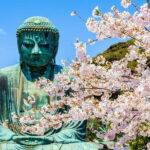
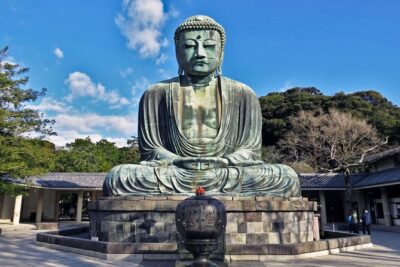
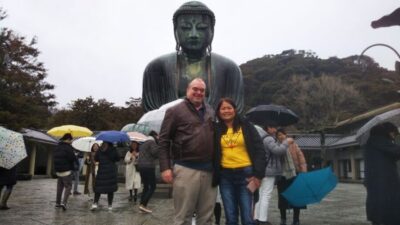
You start at Kōtoku-in for a guided visit focused on the Big Image of Buddha. This is the kind of stop that changes how the rest of the day feels. Before you hop between smaller shrines and courtyards, you get the “big statement” out of the way and the day gains momentum.
The time given is about an hour, which is enough to see the statue clearly, get context from your guide, and avoid the stress of racing onward. It’s also a good early choice because you’re not fighting the afternoon crowd as hard.
If you’re the type who likes atmosphere more than ticking boxes, this stop still works. Even if you’re not chasing every detail, the experience is built around presence—standing where thousands of other visitors stop, and hearing the story behind it.
Hokokuji Bamboo Forest: short, scenic, and great for photos
Next up is Hokokuji Bamboo Forest, with time for a photo stop plus a guided visit. This is one of those places where your camera will work overtime because the setting naturally frames you—tall bamboo, shifting light, and a walk-through feel that’s different from the street level hustle.
In a long day, the benefit of this stop is how “digestible” it is. You don’t need a deep plan to enjoy it. You just need comfortable shoes, a little patience for walking slowly, and space to look around instead of only looking forward.
If your group includes people who like nature moments, this is the stop that keeps everyone smiling. If your group is purely temple-focused, it still breaks the rhythm in a way that makes the later shrine and coastal parts more satisfying.
Hase-dera and Tsurugaoka Hachimangu: temples, shrine energy, and classic Kamakura streets
Hase-dera is scheduled as a guided visit with about an hour set aside. This is another “set the mood” stop. The tour also gives you a sense of the coastal side of Kamakura, and that matters—Kamakura isn’t only stone buildings and incense smoke. You also get that view-and-walk rhythm that makes the town feel like a place you’d return to, not just pass through.
Then you head to Tsurugaoka Hachimangu for guided sightseeing time. This is a major shrine in Kamakura, and the tour’s structure helps you feel the layout of the area rather than treating it like a one-minute photo stop.
Here’s where the guide timing can really shine: if you move at a relaxed pace, you have a better chance to notice details—how paths lead between areas, how people behave inside the grounds, and how the atmosphere changes as you go from one space to another.
More days made easy by a guide

KOMACHI street shopping and Enoshima’s Benten shrines
Kamakura’s KOMACHI street is where the day adds a very human touch. You’re not just looking at history—you’re shopping and browsing for souvenirs and local products while your guide explains what’s around you. It’s also a nice contrast to the temple schedule. You get a different kind of energy: the sound of street life, the mix of snacks and small goods, and that feeling that you’re walking through everyday life in a tourist-famous neighborhood.
Then comes Enoshima, a small island at the western part of Kamakura with multiple shrines dedicated to Benten—the goddess of luck, wealth, music, and knowledge. That theme gives the island a coherent personality, not just “another stop.” If you want one part of the day that feels different from the rest, this is it.
The tour also mentions a strong reward on clear days: you can enjoy a stunning view of Mount Fuji from Enoshima. You can’t control the weather, so I treat this as a bonus, not a guarantee. But planning for it is smart. Even when Fuji isn’t visible, Enoshima’s shrine-focused walk is its own payoff.
Practical tip: on island days, water and sunscreen matter more than people expect. If you get sun, you’ll want the calm timing a private guide can offer—so you can slow down and rest without losing the whole schedule.
Yokohama flavor added in: Chinatown, Sankeien Gardens, and ramen museum time
This tour doesn’t stop at Kamakura. It includes Yokohama segments, which is a big reason it appeals to groups that want variety in one long day.
You’ll have time in Yokohama Chinatown with guided sightseeing. This is a good fit because you’re already warmed up for walking by the Kamakura temples and shopping streets. Chinatown is a different visual world, and a guide can help you make sense of what you’re seeing quickly.
Then you visit Sankeien Gardens in Yokohama for a guided walk. Even without going hard on specifics, a garden stop is a smart reset during a 10-hour schedule. It gives you breathing room, slower movement, and a break from the constant “look up at buildings” feeling.
The day ends with Shin-Yokohama Ramen Museum. This is less about history-by-lecture and more about a cultural food stop—an easy way to end the day with something fun that feels Japanese. If your group is into food culture, it’s a satisfying closer.
The main drawback to this extra Yokohama time? It leaves less slack for long sits at each location. If you love staying in one place for ages, you’ll want your guide to balance your time so you don’t feel rushed.
Price and value: what you’re really paying for at $486 per group
At $486 per group up to 6 people, this tour isn’t “cheap,” but it can be good value depending on your group size and travel style. You’re paying for four things that add up fast if you do it yourself: a private van with driver, guide time, parking fees, and the flexibility to adjust the itinerary.
If you’re traveling as a pair, it’s still workable, but the per-person value drops compared with a group of six. If you’ve got a small family or a set of friends, the math improves quickly because the transport cost stays the same no matter how many people ride.
Also factor in what’s not included: lunch and admission fees to attractions. That means your total day cost depends on how you handle entry tickets. The good news is that your guide and transportation remove the hardest parts of planning, so you’re not spending mental energy converting ticket costs into schedule changes.
One more value point: private tours cut down the “wait time tax.” You’re not standing around for everyone to catch up, and that matters when your day includes multiple stops with guided time.
Language and guide quality: how to get the most from the experience
The tour includes a live tour guide with English, Hindi, or Japanese. That’s a big deal because the sites you’ll visit are the kind where context makes the walking more meaningful.
I especially appreciate when a guide can adjust the schedule without stress. One guide name that comes up in real-world experience is Ali—groups have highlighted that he was patient, flexible with timing, and helpful with making the day match what they wanted: nature, shrines, and Japanese culture, without feeling rushed.
Still, here’s the one caution worth taking seriously: because it’s private transport, you should confirm your guide will be with you at the places where you want historical insight. If you end up only with a driver, you lose the main benefit of a guided experience. Before you go, ask how the guide time will work at each stop so your day stays what you paid for.
What to bring for a 10-hour temple and island day
Keep it simple. The tour specifically suggests comfortable shoes, a camera, and sunscreen. I’d add water to your mental checklist too, since the tour includes water bottles and you’ll still want to sip regularly.
A private car helps, but you’re still walking—through temple grounds, shrine areas, and streets like KOMACHI. If your shoes are the wrong kind, the day can turn into a foot-notes lesson.
Also, plan your day for photos. You’ll be in places where images happen naturally, like bamboo and island views. If you want Mount Fuji potential, be ready to check the sky and act fast if it looks clear.
And one rule to respect: smoking isn’t allowed.
Should you book this Kamakura private tour?
I’d book this if you want a one-day hit list with real pacing control—temples first, then shrine and shopping energy, and an island stop with Benten shrines. It’s a strong choice for couples, friends, and small groups who can share the group price, and who value having an English-speaking guide for historical context.
I’d think twice if your group is extremely sensitive to timing. Since the schedule includes multiple areas in both Kamakura and Yokohama, you’ll want your guide to prioritize your must-see stops. And because guide experience can vary, I’d also confirm that you’ll get live guidance at each site, not only transportation between them.
If you want a day that feels efficient, scenic, and culturally focused—without doing the heavy lifting yourself—this tour is a solid bet.
FAQ
How long is the Kamakura private tour?
It lasts 10 hours.
Where does the tour start?
It includes pickup from your hotel in Tokyo.
How much does the tour cost and how many people can join?
The price is $486 per group, up to 6 people.
Is there a live tour guide?
Yes. The tour includes a live tour guide with English, Hindi, or Japanese.
What transportation is included?
You get private transportation by van, along with parking fees.
Are admission fees included?
No. Admission fees to attractions and lunch are not included.
What are some key places the tour visits?
It includes Kōtoku-in (Big Image of Buddha), Hokokuji Bamboo Forest, Hase-dera, Tsurugaoka Hachimangu, Yokohama Chinatown, Sankeien Gardens, Shin-Yokohama Ramen Museum, plus Enoshima and Benten-dedicated shrines, and KOMACHI street shopping.
What should I bring?
Comfortable shoes, a camera, and sunscreen are recommended.
Is this tour suitable for everyone?
It is not suitable for pregnant women, and smoking is not allowed.
More Tours in Tokyo




More Tour Reviews in Tokyo




More Days by the Great Buddha
Fresh reviews from around Tokyo






Kamakura Day Trips, compared.
 ★ 4.5Kamakura & Enoshima Day Trip including Temple TicketsFrom $581,375 reviews
 ★ 4.5From Tokyo: Kamakura & Enoshima 1-Day Bus TourFrom $66189 reviews
 ★ 5.0Kamakura Historical Walking Tour with the Great BuddhaFrom $98129 reviews
Kamakura Private Tour: Temples, Nature, and the Great BuddhaFrom $98121 reviews
Kamakura Walking Tour – The City of ShogunFrom $35100 reviews
★ 5.0Kamakura Historical Walking Tour with the Great BuddhaFrom $98129 reviews
Kamakura Private Tour: Temples, Nature, and the Great BuddhaFrom $98121 reviews
Kamakura Walking Tour – The City of ShogunFrom $35100 reviews
 ★ 5.0Kamakura 8 hr Private Walking Tour with Licensed Guide from TokyoFrom $20180 reviews
 ★ 4.1Kamakura & Enoshima Day Tour with Pickup & Train RideFrom $1361 reviews
 ★ 4.8Kamakura: Private Guided Walking Tour with Local GuideFrom $10660 reviews
Browse the lists this tour appears in