
Reviewed · DINING EXPERIENCES
Professional Ramen & Gyoza with Ramen Chef in a restaurant!
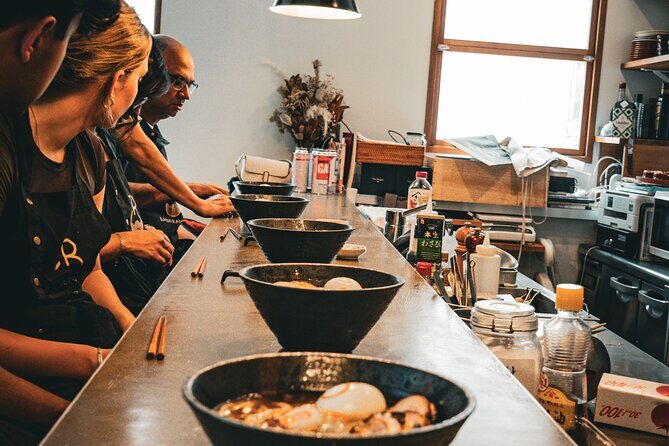
Tokyo can turn food classes into comfy demos. This one runs like a proper restaurant shift, with you actively making the ramen noodles and gyoza. It’s held at Baba Ramen Cooking Meguro, so you learn technique in a space built for speed, heat, and repeatable results.
Two things I especially like: the small group size (max 6) keeps questions from piling up, and you use restaurant-grade equipment instead of kitchen gadgets that feel like toys. One consideration: this is a hands-on, work-your-way-through-it class, so it’s not for days when you want a slow, sit-back-and-watch experience.
In This Review
- Why this class feels different in Tokyo
- Key points I’d plan around
- Inside Baba Ramen Cooking Meguro: a real restaurant class, not a show
- Making ramen noodles from scratch (the part most classes fake)
- Gyoza work: rolling, filling, and why it matters beside ramen
- Broth choices and the flavor building lesson you can use at home
- How the chefs teach: bilingual, organized, and built for participation
- Dietary needs in Tokyo: when you should email ahead
- What you eat at the end: a full payoff meal
- The take-home e-book: how to actually use it
- Price check: is $159.18 worth 4 hours of ramen work?
- Who should book this ramen and gyoza workshop
- Before you go: meeting point, timing, and what to prep
- Should you book it?
- FAQ
- How long is the ramen and gyoza class in Tokyo?
- Where is the meeting point?
- What’s included in the experience?
- Can the class accommodate dietary restrictions?
- Is the group size limited?
- Are broth options included?
- Do I need to print a ticket?
Why this class feels different in Tokyo
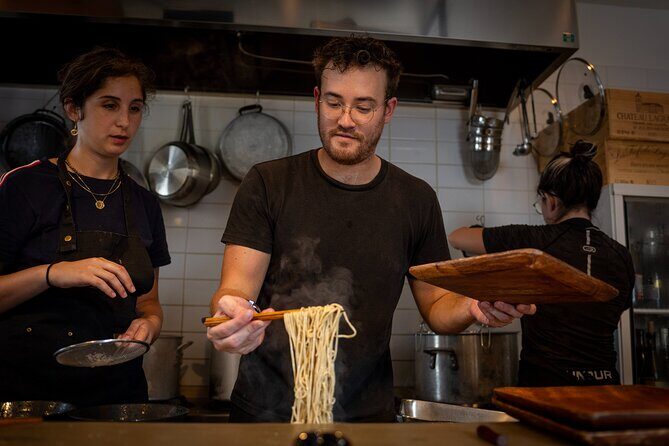
What makes this stand out is that it’s not ramen theater. You’re learning how ramen is assembled, then tasting the payoff in the same professional setting. Plus, the chefs (bilingual English and Japanese) can mix in practical context like etiquette and how the process actually fits together in a ramen shop. In past sessions, chefs such as Andrew, Eric, Jae, and Leo have led groups, so expect friendly instruction and active participation.
For me, the best part is the combination: scratch-making noodles plus learning the flavor logic of the broth. If you’re on the fence because the price is higher than a casual hands-on workshop, here’s the honest angle: you’re paying for the kitchen environment, chef time, and the chance to take home an e-book you can realistically cook from later.
Worth weighing up alongside this Tokyo pick:
- Tokyo Bar Hopping Tour in Shinjuku (All-You-Can-Drink + Dinner)★ 5.0 · 3,587 reviews
- Tokyo: Sumo Show and Dining Experience★ 4.8 · 2,742 reviews
- Sumida River: Japanese Traditional Yakatabune Dinner Cruise★ 4.6 · 779 reviews
Key points I’d plan around
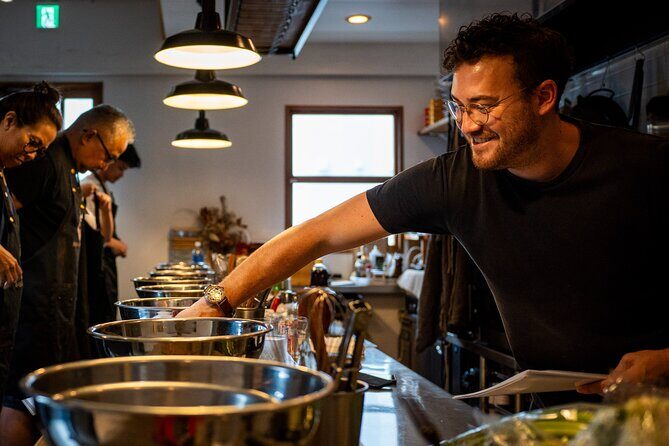
- Restaurant setting: You practice in a real ramen kitchen, not a home-style classroom.
- Max 6 people: More coaching time, less waiting around.
- Noodles and gyoza: You don’t just taste; you make the main components.
- Two broth choices: Pick the direction you want, then learn how the flavor is built.
- Dietary options with notice: Vegetarian/vegan, gluten-free, and pork-free can be accommodated.
- Take-home e-book: You leave with something to recreate, not just memories.
Inside Baba Ramen Cooking Meguro: a real restaurant class, not a show
The biggest practical win here is the venue. Baba Ramen Cooking Meguro is set up like a working food operation. That matters because ramen is technical. Dough handling, timing, heat control, and finishing steps all affect the final bowl. When you learn in a kitchen designed for those things, you don’t have to guess how pros manage the workflow.
The class also keeps the vibe travel-friendly. You start at 9:00 am and the session runs about 4 hours, which is long enough to learn the full arc but short enough to still enjoy the rest of your Tokyo day. And because the group is capped at 6 travelers, the chefs can actually see what you’re doing and correct small issues before they become big mistakes.
There’s also a nice “Tokyo detail” angle: the space is small and shifts roles—one review notes it’s a ramen setup during the day and turns into an Italian spot at night. That gives the kitchen a lived-in feel, like you’re stepping into a local routine rather than a staged production.
Who this suits: food lovers who like doing, not just watching. If you enjoy learning technique and want results you can taste immediately, this fits.
Making ramen noodles from scratch (the part most classes fake)
Most ramen classes in Tokyo are really about assembling or decorating. This one goes further: you make ramen noodles from scratch, then you make gyoza too. That means you learn the core feel of the noodle dough and the discipline behind it—texture, thickness, and consistency.
Even without seeing your exact station setup, you should expect a hands-on rhythm. Reviews highlight working through stages like noodle work and broader prep tasks, with hot pans and active kitchen steps. One review even mentioned breaking chicken bones as part of broth prep, which tells you the class can include real prep work, not just plating.
The good news: because it’s a small group, you’re not stuck waiting for your turn at a single station for half the class. The chefs can rotate tasks or give you an at-the-heat moment when it’s your time. That’s one reason people come away saying they really learned a process, not just a recipe list.
Your takeaway skill isn’t just the recipe. It’s understanding why a bowl tastes the way it does: how noodle structure holds broth, how gyoza cooking changes with timing, and how finishing steps affect texture.
Possible consideration: because you’re actively working, it’s not the best match if you get overwhelmed by hands-on prep. Wear clothes you’re comfortable working in.
Gyoza work: rolling, filling, and why it matters beside ramen
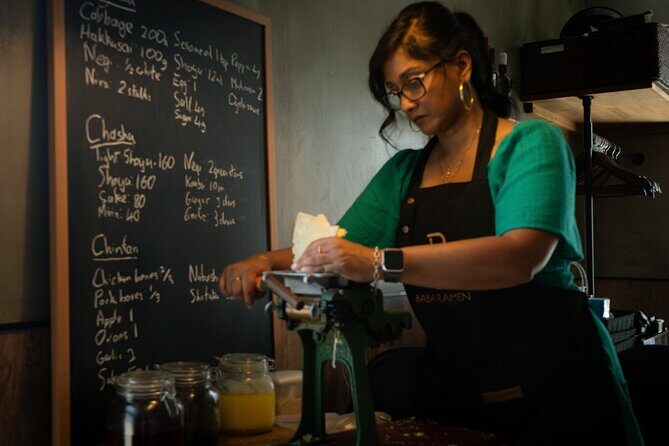
Gyoza is the second half of the “scratch-to-table” theme. You learn to make them as part of the class rather than just buying frozen wrappers and calling it authentic.
From an experience standpoint, gyoza is useful because it teaches you a different kind of control:
- heat management for the pan stage
- timing to balance crisp and tender
- how filling consistency affects cook-through
And there’s a practical payoff: you don’t finish the class with only ramen knowledge. You leave with another dumpling technique that works in everyday home cooking, especially if you like pan-fried comfort food.
If you’re a ramen-only person, it’s still worth it. Gyoza tends to make the class feel complete—like you got both the “noodle craft” and the “Japanese casual bite” side of the meal.





Broth choices and the flavor building lesson you can use at home
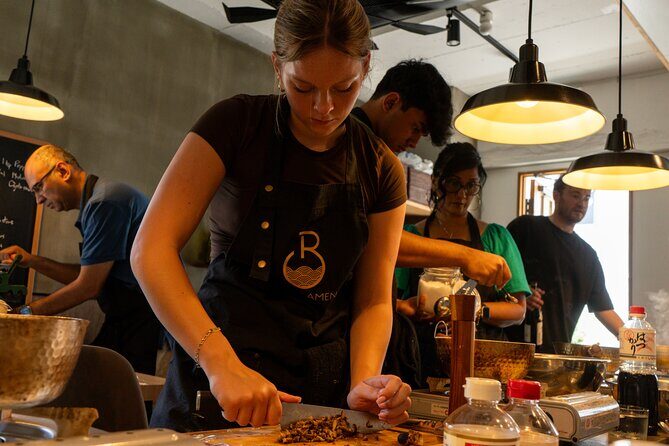
The class includes two broth options, so you can steer your bowl toward what you actually like. What I like about that is it avoids the one-size-fits-all problem. If you hate one style of ramen, you don’t have to guess which option to tolerate.
More importantly, the chefs don’t treat broth as a mysterious black box. In past experiences, chefs also explain the flavor system behind the bowl, including how components like tare fit into the final result. One review specifically mentioned starting to use a shoyu-tare approach at home after the class, which is exactly the kind of learning that transfers to your own kitchen.
Here’s how to think about it: noodles are one half of ramen, but flavor comes from the structure. Even if you don’t reproduce every detail perfectly at home, learning how the flavor components work gives you a faster path to improvement than just following a single frozen concentrate.
What to watch for: if you’re picky about pork, ask for the pork-free setup in advance (more on diets below). Broth choices and substitutions can change the final taste, so it’s smart to align your selection early.
How the chefs teach: bilingual, organized, and built for participation
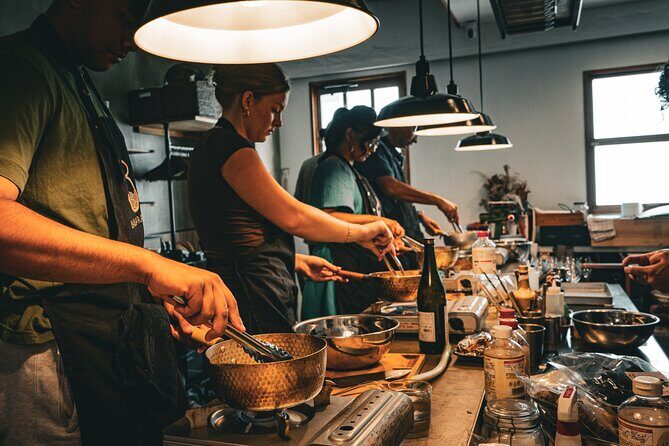
The chefs are bilingual (English and Japanese), which helps a lot if you want the cultural context without feeling lost. You also get an explanation layer: reviews mention learning not only techniques but also some background and ramen etiquette. That might sound formal, but in practice it usually means learning how to handle the bowl respectfully, how to time eating, and how to think like a ramen shop cook rather than just a home diner.
One more teaching strength: you’re constantly involved. Reviews call out that you get pulled into almost every stage. That matters because ramen-making is sequential. If you stop understanding the “next step,” you lose the thread. This class keeps you moving so you can connect each action to the next.
And yes, the kitchen is hot and active. Expect real work. If you go in thinking you’ll have a light stroll through ramen land, you may feel surprised by the effort level. If you go in ready to participate, it’s genuinely satisfying.
Dietary needs in Tokyo: when you should email ahead
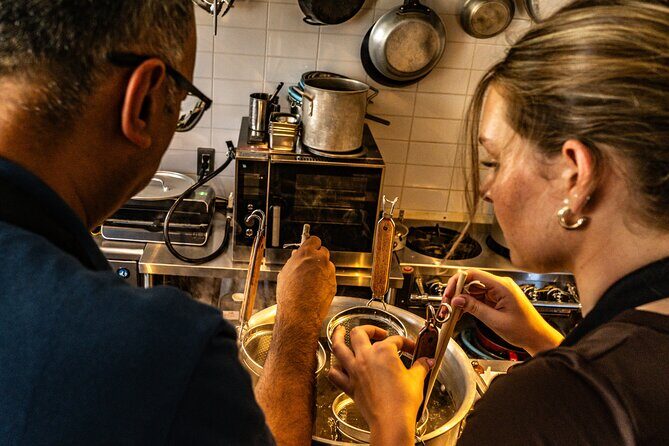
This is one of the most practical parts of the offering. The class notes that vegetarian and vegan options are available (with advance notice), and there are also gluten-free and pork-free options available if you comment in the request, subject to availability.
Here’s my advice: don’t wait until the last minute. The earlier you confirm, the better your chances that the kitchen can prep ingredients and guide you through safely. If you have multiple needs (for example gluten-free and pork-free), make it very clear in your request so the team can set expectations.
Also, consider your goal. If you’re going vegan, you’re not just swapping protein. You’re asking for a different broth strategy and possibly different seasoning approach. The class is set up to handle it, but you’ll get the most meaningful learning when you’re open to the idea that substitutions still need technique.
What you eat at the end: a full payoff meal
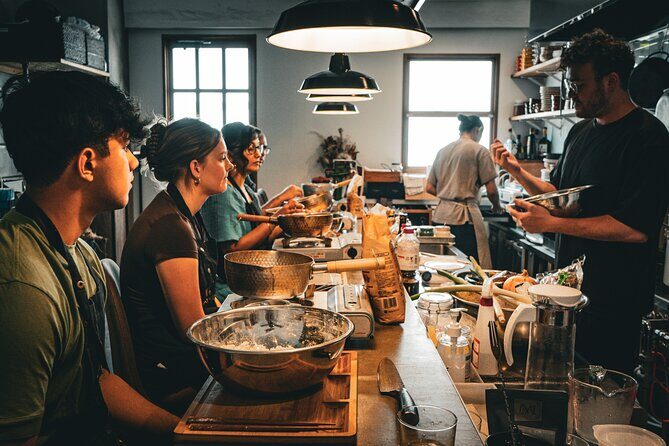
A hands-on class only feels worth it if you get to eat what you made. Here, you do. The structure typically ends with a ramen and gyoza meal that reflects the time you spent working earlier.
One reason people rate this so highly is the “payoff to effort” ratio. Reviews mention finishing with plenty of food and that the final bowl is not just acceptable—it’s something they’d come back for. When you’ve made the noodles yourself and handled the gyoza, your palate is tuned in. You notice texture and how the broth coats the noodle.
Also, eating in the same restaurant-kitchen environment keeps it grounded. You’re not taken somewhere else and told to pretend. You finish where you learned.
The take-home e-book: how to actually use it
A lot of cooking classes hand you a vague card and send you on your way. This one includes a cooking e-book you can take home to recreate the recipe.
The value here is less about having a printout and more about reducing the memory gap. Cooking steps blur fast once you return home. With an e-book, you get a reference to rebuild your noodle and flavor sequence.
If you’re the type who likes to cook after trips, this is a strong reason to book. Even if you don’t match the exact texture on day one, you’ll have a clearer target. If the chefs also taught you how flavor components like tare work, your home bowls will improve faster because you understand what you’re adjusting.
Price check: is $159.18 worth 4 hours of ramen work?
At $159.18 per person for about 4 hours, you’re paying for a few things that add up in Tokyo:
- a small group cap (max 6)
- chef instruction for an entire morning block
- professional restaurant-grade equipment
- ramen noodle and gyoza making (not just assembly)
- the meal at the end
- a take-home e-book
Is it more expensive than DIY ramen shopping? Yes. But it’s also more than dinner. It’s a skill session with coaching in a real kitchen. In practical travel terms, I see it as paying for the difference between trying ramen-making at home with YouTube videos versus having a chef watch your technique and keep the process moving.
One review even notes it can feel pricey, but still recommends it without hesitation. That lines up with my logic: if you’re excited about food technique and you’ll actually cook again afterward, the cost makes more sense than it might on paper.
Best value for: couples, friends, and small families who want a memorable morning activity with a real output: noodles, dumplings, and a recipe resource.
Who should book this ramen and gyoza workshop
Book it if:
- you want hands-on cooking in Tokyo’s own restaurant setting
- you love ramen and want to understand the mechanics, not just the taste
- you’re comfortable cooking alongside others (the class is interactive)
- you want a take-home reference you’ll use
You might think twice if:
- you hate busy, active kitchen time
- you want a strictly seated, demo-style experience
- you’re traveling with limited time and can’t spare a 4-hour block
Also, note the class runs on good weather and can be canceled due to poor weather. If weather might be questionable during your dates, consider building it earlier in your trip so you have flexibility to reschedule.
Before you go: meeting point, timing, and what to prep
You’ll meet at Baba Ramen Cooking Meguro 101, 3-chōme-7-32 Shimomeguro, Meguro City, Tokyo, 153-0064. The start time is 9:00 am, and it ends back at the meeting point.
It’s near public transportation, which helps a lot with morning timing in Tokyo. You’ll also use a mobile ticket, so have it accessible on your phone.
What I’d do the night before:
- submit dietary requests early (if needed)
- show up on time. ramen classes don’t wait around
- wear comfortable clothes you can work in
- bring a curious mindset. the chef explanations are part of the value
Should you book it?
Yes, if you want a Tokyo food experience that’s practical and skill-building. The core reason to book Baba Ramen Cooking is that you’re not only eating ramen—you’re making the noodles and gyoza in a real restaurant kitchen with a small group and chef guidance. That’s the kind of experience that sticks, because you can repeat parts of it at home using the e-book and the flavor logic the chefs teach.
If you’re looking for a laid-back, strictly observational class, pick something else. But if you’re ready to work for a better bowl and leave with the steps to cook again, this one is a smart bet in Meguro.
FAQ
How long is the ramen and gyoza class in Tokyo?
It runs about 4 hours.
Where is the meeting point?
The start is at Baba Ramen Cooking Meguro101, 3-chōme-7-32 Shimomeguro, Meguro City, Tokyo 153-0064, Japan. The activity ends back at the meeting point.
What’s included in the experience?
You’ll make ramen noodles and gyoza, learn from bilingual chefs, and you’ll take home a cooking e-book. The class also includes a meal you can enjoy at the end.
Can the class accommodate dietary restrictions?
Vegetarian and vegan options are available with advance notice. Gluten-free and pork-free options are also available, subject to availability—request these in advance.
Is the group size limited?
Yes. This activity has a maximum of 6 travelers.
Are broth options included?
Yes. You can choose from two broth options.
Do I need to print a ticket?
No. The experience uses a mobile ticket. Confirmation is received at the time of booking.
More Dining Experiences in Tokyo



More Tour Reviews in Tokyo



Fresh reviews from around Tokyo






Dining Experiences, compared.
 ★ 5.0Tokyo Bar Hopping Tour in Shinjuku (All-You-Can-Drink + Dinner)From $1063,587 reviews
 ★ 4.8Sumo Show and Dining ExperienceFrom $792,742 reviews
 ★ 4.6Sumida River: Japanese Traditional Yakatabune Dinner CruiseFrom $103779 reviews
 ★ 4.5Tokyo Bay Yakatabune Dinner/Day Cruise with Japan Show and DrinksFrom $65473 reviews
 ★ 4.9Shinjuku Bar Hopping with All-You-Can-Drink & DinnerFrom $108440 reviews
Tokyo Dinner Cruise & Tradition Show & Drinks & Tokyo TowerFrom $95315 reviews
★ 4.9Shinjuku Bar Hopping with All-You-Can-Drink & DinnerFrom $108440 reviews
Tokyo Dinner Cruise & Tradition Show & Drinks & Tokyo TowerFrom $95315 reviews
 ★ 4.7Tokyo Bay: Traditional Japanese Yakatabune Dinner CruiseFrom $108243 reviews
 ★ 4.5Authentic Geisha Performance with Dinner in TokyoFrom $239101 reviews
Browse the lists this tour appears in