
Reviewed · TSUKIJI FISH MARKET TOURS
Tsukiji Fish Market Culture Walking and Food Tour
Tsukiji is sensory overload. This tour turns that chaos into a smooth 3-hour walk with clear guidance and tasty stops. You get a guided route through the Tsukiji area plus street food tastings and an actual sit-down seafood lunch, so you’re not guessing what to eat or where to stand.
Two things I really like: the small group size (max 10) keeps it personal, and you also get a guide who can explain what you’re seeing, including temple and shrine manners you’d otherwise miss. Another big win is that you’re not paying for every bite along the way.
One possible drawback: you do need to show up on time. The guide waits until 10:40am, and after that you won’t get a refund, so build in a buffer.
In This Review
- Key highlights worth your time
- Tsukiji Fish Market, minus the stress at 10:00am
- Small group of 10, and why it matters in Tsukiji
- Entering Tsukiji Hongwan-ji Temple: manners you can use immediately
- Walking Tsukiji’s outer lanes: street food tastings, not guesswork
- The hidden restaurant lunch: the payoff after the walking
- Namiyoke Inari Shrine: local Tsukiji atmosphere and Shinto context
- Price ($85.66): what you’re actually paying for
- Getting there and staying on track (10-minute wait window)
- Who this Tsukiji tour is best for
- A quick reality check: what you’ll and won’t get
- Should you book Tsukiji Fish Market Culture Walking and Food Tour?
- FAQ
- What is the duration of the Tsukiji Fish Market Culture Walking and Food Tour?
- Where does the tour start?
- What time does the tour start?
- How many people are in the tour group?
- Is the tour fully guided?
- What’s included with the price?
- What locations do you visit during the tour?
- Is there a mobile ticket?
- What happens if I’m late to the start time?
- Can children join?
Key highlights worth your time
- Max 10 travelers means you actually get answers, not just head nods
- Seafood tastings + lunch included so your hunger stays in check
- Tsukiji Hongwan-ji Temple etiquette so you know what to do at religious stops
- Hidden restaurant lunch instead of only snack-counter food
- Namiyoke Inari Shrine route for a more local Tsukiji feel, including views of nearby sales shops
- Guide translation and explanations so the history and customs make sense fast
Still hungry? More Tsukiji breakfasts and market walks
- Tokyo Tsukiji Fish Market Food and Culture Walking Tour★ 5.0 · 3,184 reviews
- Tokyo: Tsukiji Fish Market Food and Walking tour★ 5.0 · 1,724 reviews
- Tokyo: Tsukiji Fish Market Guided Walking Tour★ 4.9 · 1,397 reviews
Tsukiji Fish Market, minus the stress at 10:00am
Tsukiji can feel like an exam you didn’t study for. The signs are fast, the smells are strong, and you can end up doing the thing many people do in Japan: standing around, hungry, not sure what’s next. This tour helps you avoid that.
You start at Tsukiji Hongan-ji Temple at 10:00am and move through the area in a planned loop. The whole experience runs about 3 hours and ends back where you started. It’s long enough to eat well and learn a few practical cultural cues, without burning the entire morning.
For my kind of travel, the most valuable part is that it’s not only about food. You also get a cultural framework: how temples and local shrines work here, plus context for why Tsukiji looks and feels the way it does.
Small group of 10, and why it matters in Tsukiji
The group limit is 10 travelers max, which changes the whole vibe. In a place this busy, small groups mean the guide can slow down when something needs explaining. It also makes it easier to keep together during tight lanes and crowded food spots.
The best part is how guides can adapt. On at least one tour date, there was only one guest, and the guide still took the time to walk, sample, and talk through what was happening. That’s a good sign for you: you’re not stuck with a rigid script.
Also, you’re not doing the logistics alone. The tour uses a mobile ticket, and you get confirmation at booking time. You don’t have to scramble for paperwork when you’re already trying to decide between a snack and a second snack.
Entering Tsukiji Hongwan-ji Temple: manners you can use immediately
Stop 1 is Tsukiji Hongwan-ji Temple, and you’re there for about 30 minutes with free admission. This part sounds simple, but it’s one of the smartest ways to start your day in Japan.
You’ll learn how to behave at Japanese temples. The tour includes a traditional-style ritual before visiting, with incense and praying in Johdo Shinsyu style. Even if you’re not religious yourself, this kind of introduction matters because it prevents awkwardness. You’ll know what people are doing and why, so you can participate respectfully instead of just watching.
You also get a look at traditional temple style elements up close. That gives you a real shift in atmosphere before you hit the market zone, which can feel like flipping a switch from quiet to noise.
If you’re the type who likes understanding the rules of a place before you act, this temple stop is a strong reason to book.
Walking Tsukiji’s outer lanes: street food tastings, not guesswork
Stop 2 is the heart of the outing: about 2 hours focused on Tsukiji. It’s described as walking and exploring outside the market, which is important. You’re not trying to crack the hardest-to-navigate sections alone. Instead, you get a guided route through the Tsukiji area that still feels authentic.
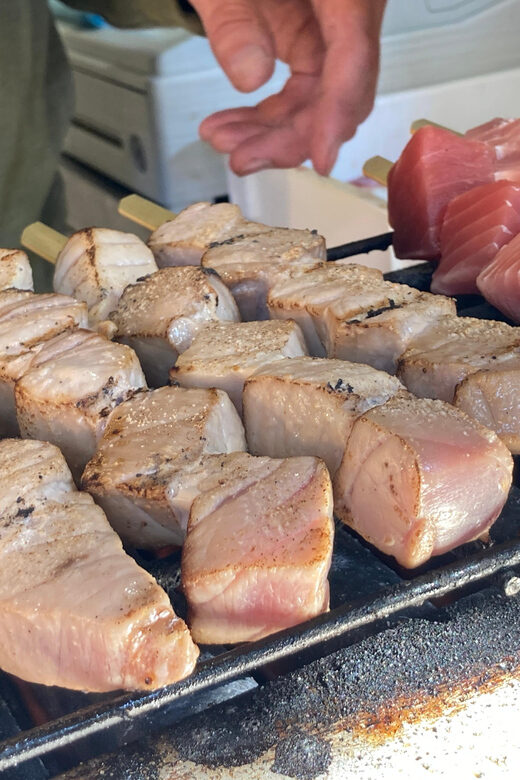
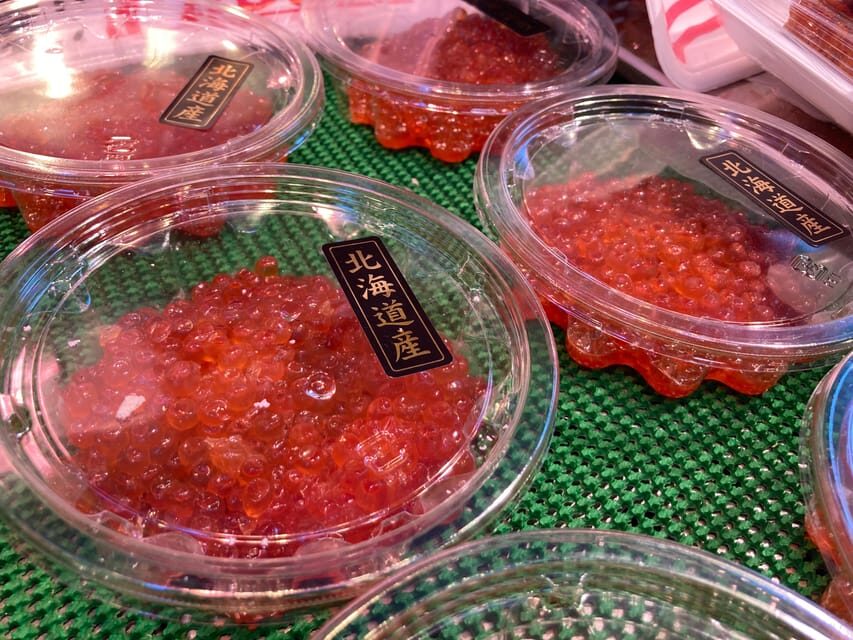
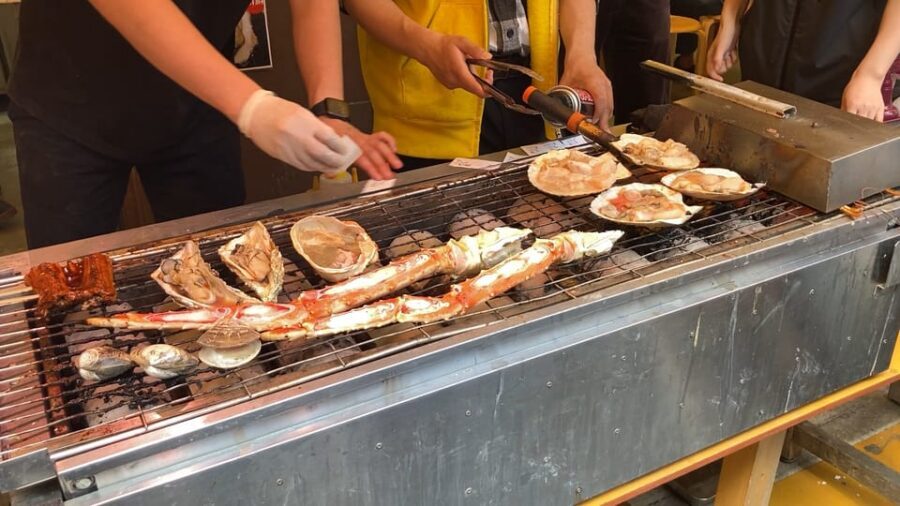
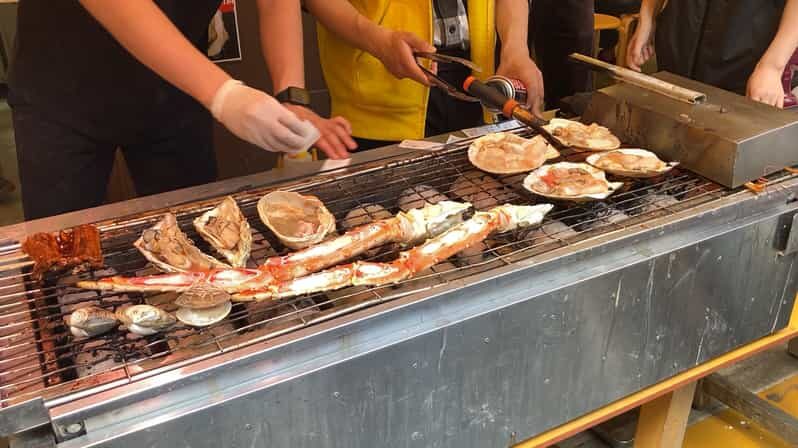
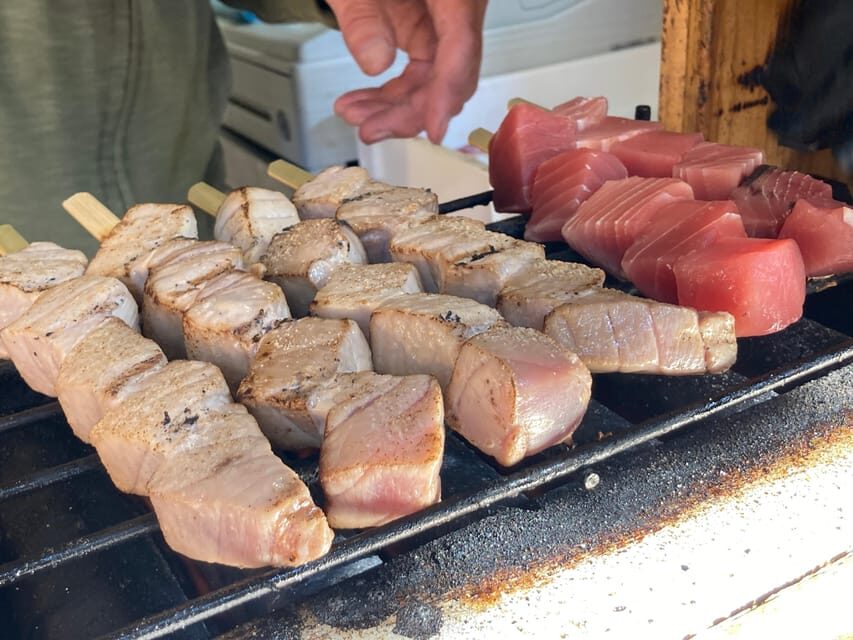
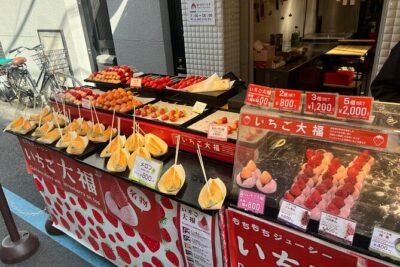
And yes, you’ll eat. The tour includes street food tastings as you go. Based on what’s been sampled on this tour, you can expect items like tuna on a skewer and eel to show up, plus other small bites that fit the flow of the walk. You might also see sweets such as daifuku, and some tours include unagi sticks as part of the tasting lineup.
This is a great format if you’re hungry but short on patience. The guide helps you taste without turning the morning into a scavenger hunt. You also get explanations as you walk, including what you’re seeing at stalls and along the shopping lanes.
Practical tip: in Tsukiji, you’re moving through crowds. Wear shoes you can handle on foot for a few hours. This tour is built for walking, with food stops sprinkled in, so “I’ll just bring sandals” is a gamble.
Tokyo at walking pace, a few more ways

The hidden restaurant lunch: the payoff after the walking
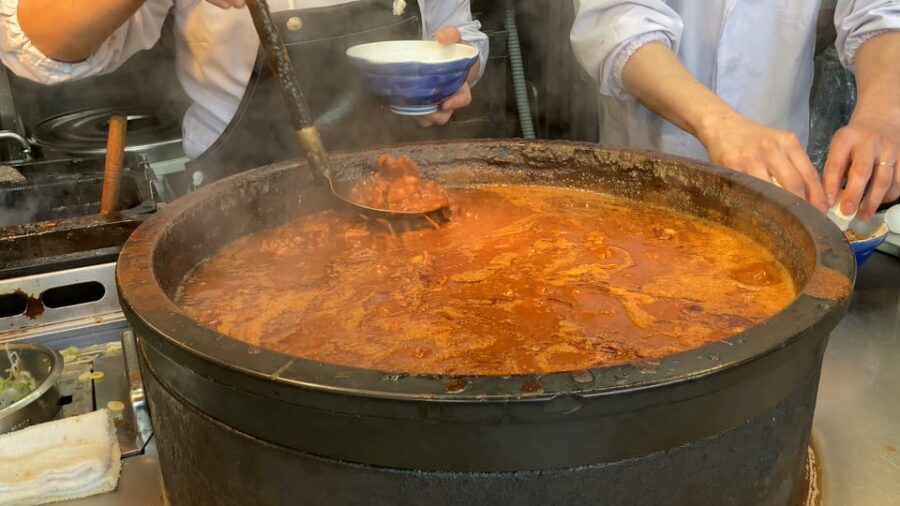
Half the value of this tour is that the food isn’t only street snacks. The guide takes you to a hidden restaurant you’d likely miss on your own, and you eat lunch together there.
Why this matters: many food tours only give you samples. You get full here. And the lunch is seafood-focused, based on what’s been reported. People have mentioned sashimi lunches as part of the meal, alongside other items depending on the day.
There’s also a very practical benefit: the guide helps with the parts that waste time when you’re solo. For example, at least one group experience included the guide standing in line while the tour participants shopped for snacks—so you’re not splitting your attention between buying and figuring out what to do next.
If you’re visiting Tokyo as a first-time foodie, I like that the lunch gives structure. You’re not just grazing; you’re eating a real meal in a local setting the tour knows how to access smoothly.
Namiyoke Inari Shrine: local Tsukiji atmosphere and Shinto context
Stop 3 is Namiyoke Inari Shrine, around 30 minutes with free admission. This is where the tour adds meaning beyond food.
You’ll see this shrine as part of the local Tsukiji area, and you’ll learn about the history of Tsukiji Fish Market plus how Shinto connects to places like this. The tour notes mention learning what Shinto is, which is useful for you if you want to understand shrine etiquette and symbolism without needing a book first.
What makes this stop especially valuable is the route. You’ll visit in a way that lets you see areas locals know better, including nearby sales shops along the path. It’s one of the few moments where Tsukiji starts to feel less like a tourist corridor and more like a working neighborhood.
If temple calm is too quiet for you, don’t worry. The shrine stop is short, but it adds that local texture that makes the overall day feel less like a checklist.
Price ($85.66): what you’re actually paying for
At $85.66 per person, you might wonder if it’s worth it. Here’s how I’d judge the value.
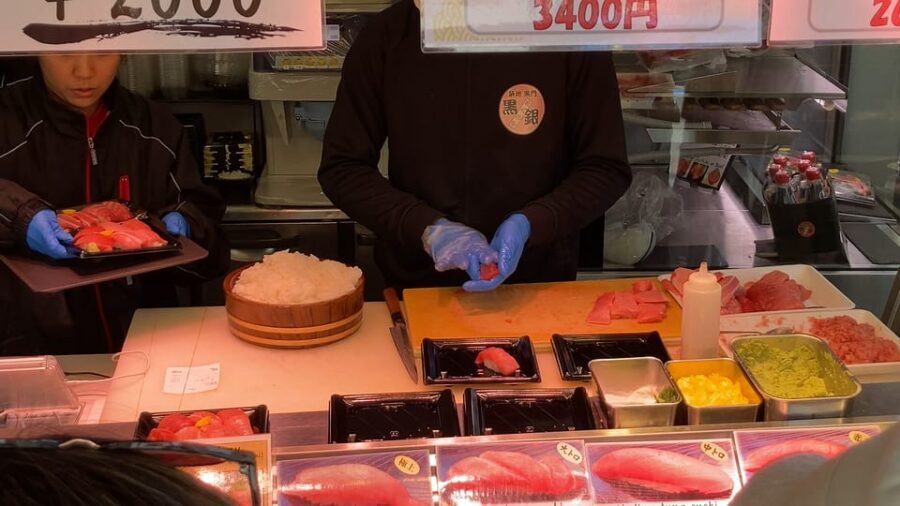
First, the tour includes street food tastings and a seafood lunch. That’s not a small detail. In Tokyo, food adds up fast, especially if you’re stopping randomly and buying bigger items because you’re hungry. This tour is essentially bundling several meals worth of eating into one price.
Second, you’re paying for time-saving guidance in a busy area. Tsukiji can be a lot to manage on your own. Paying for a guide who handles the route, explains what you’re looking at, and takes you to a restaurant you probably wouldn’t find is the difference between spending your energy on navigation versus enjoying the day.
Third, small group size (max 10) reduces the “tour cattle” feel. If you’ve ever paid for a tour and gotten a fast walkthrough with no time to ask questions, you know why that matters.
So, who gets the best value? You’ll likely feel it if you:
- want food plus cultural context (not just eating)
- don’t want to spend your morning making decisions while hungry
- prefer a guide who can translate and explain
If you’re an ultra-independent traveler who already knows where to eat and how to handle the religious manners, you might skip this and build your own day. But if you want a smooth, guided experience, the price lines up well with what you actually receive.
Getting there and staying on track (10-minute wait window)
The meeting point is Tsukiji Hongan-ji Temple, 3-chōme-15-1 Tsukiji, Chuo City, Tokyo 104-8435. The tour starts at 10:00am and returns to the same meeting spot.
A key time rule: if you’re late, the guide waits up to 10 minutes after the start time (until 10:40am). After that, the tour proceeds and there’s no refund. Keep that in mind, because Tsukiji is busy and trains/streets can slow you down.
Also, plan for a walking morning. It’s only about three hours, but you’re moving between temple, outer market lanes, and the shrine. If you’re the type who likes long sits and slow meanders, you might feel the pace a bit.
Who this Tsukiji tour is best for
This tour fits best if you want a mix of practical culture and guided food without overwhelm.
I think it’s especially good for:
- First-timers in Tokyo who want an easy win day
- Food-focused travelers who still care about etiquette and local context
- Travelers who don’t want to research and plan for every stop
- Anyone who prefers small groups over big bus tours
It may be less ideal if:
- you only want market action and strict auction-floor access (this tour emphasizes outside exploration and street/restaurant food)
- you’re a confident planner who already has a tight food map and doesn’t need translation support
A quick reality check: what you’ll and won’t get
Based on how the route is described, you should expect a guided walking experience focused on Tsukiji’s wider area: temple start, market-area street tastings, restaurant lunch, and a shrine finish with local sights along the way.
What you shouldn’t assume is that you’re doing a “no-guide, everywhere” sweep. The point here is to make Tsukiji manageable and meaningful, not to take you to every possible corner.
If you’re looking for a balanced morning—food, local customs, and explanations—this hits that sweet spot.
Should you book Tsukiji Fish Market Culture Walking and Food Tour?
I’d book it if you want Tsukiji without the stress. The biggest reasons are simple: small group size, food tastings plus lunch included, and a guide who makes the temple and shrine stops make sense fast. Plus, the hidden restaurant element is real value—those are the places you’d walk past and never find on your own.
I’d pause if you hate structured itineraries or you’re coming strictly for market action that happens in specific areas you may not cover on an outside-route tour. Also, if you’re likely to arrive late, pick another plan—this one has a firm start-time tolerance.
If you want an easy, flavorful way to understand Tsukiji as a working area and not just a photo stop, this is a solid choice.
FAQ
What is the duration of the Tsukiji Fish Market Culture Walking and Food Tour?
The tour lasts about 3 hours.
Where does the tour start?
It starts at Tsukiji Hongan-ji Temple at 3-chōme-15-1 Tsukiji, Chuo City, Tokyo 104-8435.
What time does the tour start?
The start time is 10:00am.
How many people are in the tour group?
The tour has a maximum of 10 travelers.
Is the tour fully guided?
Yes. You’ll have a guide with you throughout the walking route, including translation support.
What’s included with the price?
The tour includes delicious seafood tastings and a seafood lunch. Admission tickets for the temple and shrine stops are listed as free.
What locations do you visit during the tour?
You visit Tsukiji Hongwan-ji Temple, walk/explore in the Tsukiji area with street food tastings and a lunch stop, and then visit Namiyoke Inari Shrine.
Is there a mobile ticket?
Yes. The tour includes a mobile ticket.
What happens if I’m late to the start time?
The guide waits up to 10 minutes after the tour begins (until 10:40am). After that, you won’t be able to receive a refund.
Can children join?
Children must be accompanied by an adult.
More Tours in Tokyo





More Tour Reviews in Tokyo




Back to the Market: More Tsukiji Tours




Fresh reviews from around Tokyo






Tsukiji Fish Market Tours, compared.
 ★ 5.0Tokyo Tsukiji Fish Market Food and Culture Walking TourFrom $993,184 reviews
 ★ 5.0Tsukiji Fish Market Food and Walking tourFrom $301,724 reviews
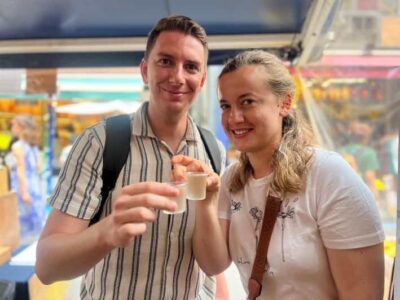 ★ 4.9Tsukiji Fish Market Guided Walking TourFrom $221,397 reviews
 ★ 5.0Tokyo Sushi Making Class in Tsukiji with Professional ChefFrom $491,177 reviews
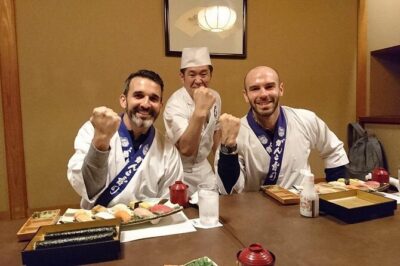 ★ 5.0Tsukiji Fish Market Guided Tour and Sushi Making with Pro ChefFrom $104775 reviews
★ 4.7Tsukiji Fish Market Food and Culture Walking TourFrom $96757 reviews
★ 5.0Tsukiji Fish Market Guided Tour and Sushi Making with Pro ChefFrom $104775 reviews
★ 4.7Tsukiji Fish Market Food and Culture Walking TourFrom $96757 reviews
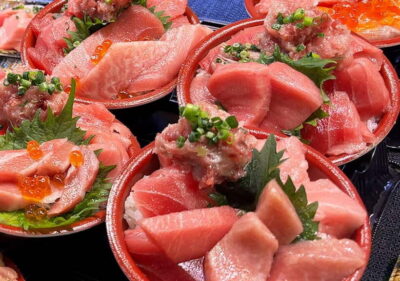 ★ 5.0Tsukiji Fish Market: Street Food & Culture Walking TourFrom $33669 reviews
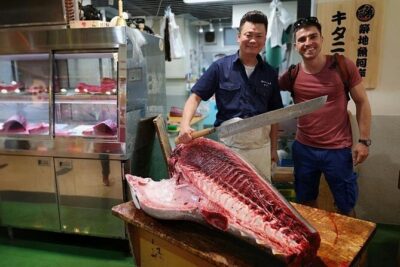 ★ 5.0Tsukiji Fish Market Small-Group Food Walking TourFrom $87621 reviews
Browse the lists this tour appears in