
Reviewed · SHINJUKU BAR HOPPING
Tokyo: Dark Side of Tokyo Shinjuku Red Light Walking Tour
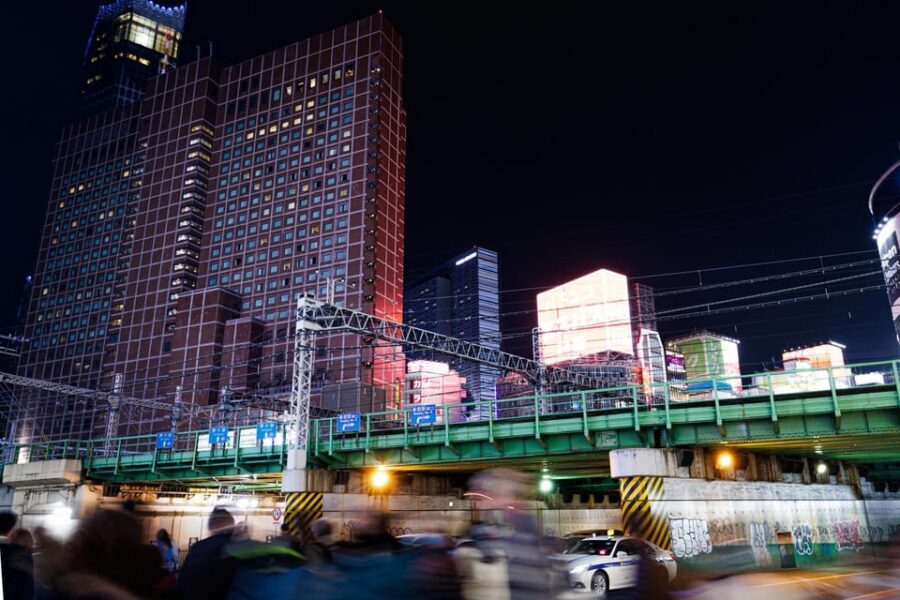
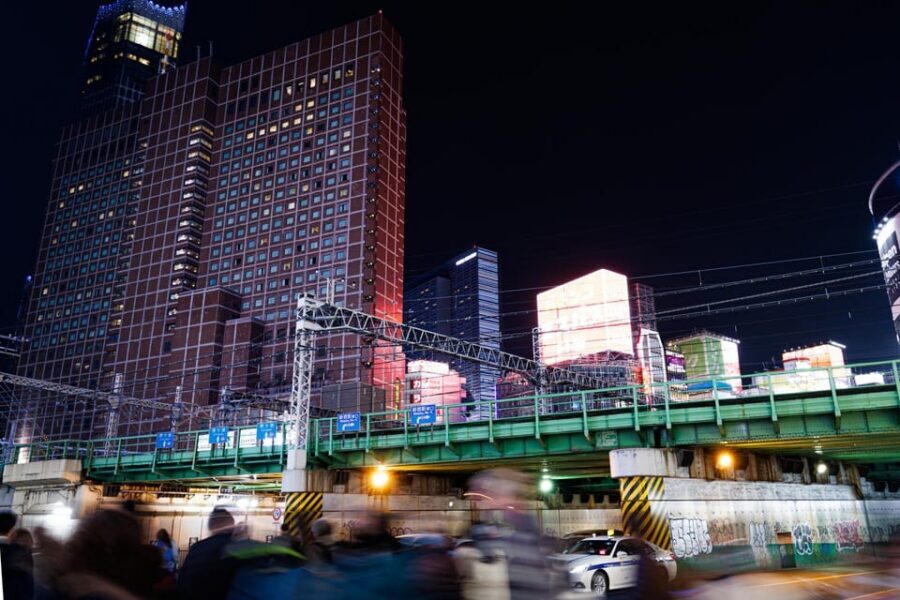
Neon Tokyo after dark has a second face. On this 2-hour Shinjuku walk through Kabukicho, I like the LGBTQ-friendly neon streets and the way the guide gives food and drink recommendations that make the night practical, not just scenic. The one snag: Shinjuku Station is huge, and you need to be on time at the meeting point because the group does not wait.
You get history and street-level reality in one loop. You’ll move from Omoide Yokocho to Kabukicho, then to Golden Gai, with a stop at Hanazono Shrine and a final walk through 2 Chome to round out the picture of Japanese nightlife culture.
In This Review
- Key things I’d circle before you go
- Neon Orientation: What This 2-Hour Shinjuku Walk Actually Does
- Is $29 Worth It for Shinjuku at Night?
- Finding the Start on a First Night: Shinjuku Station East Exit Police Box
- Omoide Yokocho Stop: Alley Culture That Makes Nightlife Feel Understandable
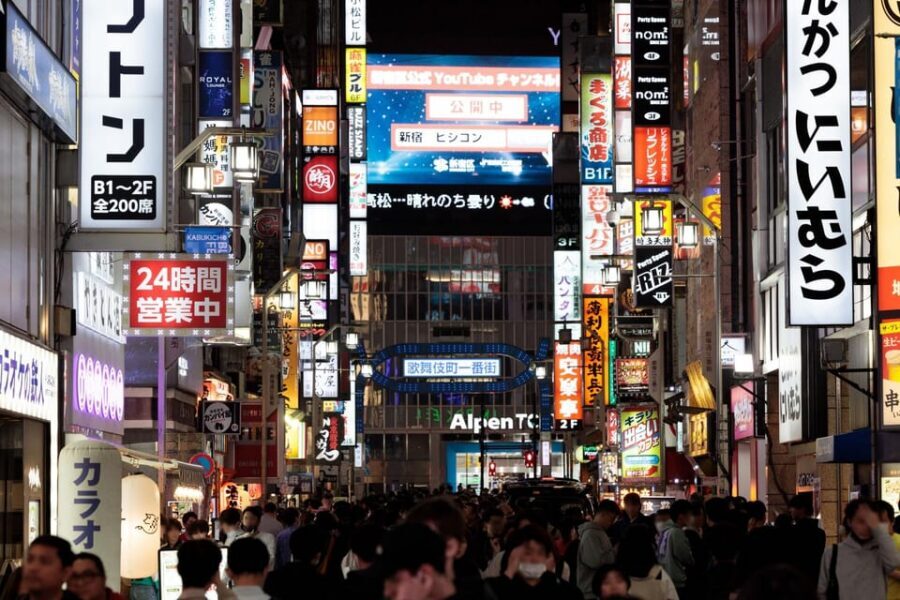
- Kabukicho After Dark: Neon Lights, Entertainment Choices, and the LGBT District Feeling
- Golden Gai: Where Small Bars Create a Big Sense of Place
- Hanazono Shrine and 2 Chome: Traditional Japan Right Where You’d Expect Noise
- What You’ll Get From the Guide: Stories, Humor, and Food Leads
- Rules and Comfort Level: Who This Tour Is For
- Booking Tips That Save Time and Stress
- Should You Book This Dark Side of Tokyo Shinjuku Tour?
Key things I’d circle before you go
- Kabukicho at night, guided: get oriented fast in Tokyo’s big entertainment district.
- Omoide Yokocho alley time: a focused look at classic nightlife dining streets.
- Golden Gai in the mix: see a different style of bars and hangouts without getting lost.
- Hanazono Shrine contrast: a calmer stop that shows how tradition and nightlife coexist.
- Food guidance you can use immediately: guides often point you toward places to eat and drink right after the walk.
- English and Spanish live guides: live storytelling with time for questions.
Different nights, same neon: more Shinjuku crawls
- Tokyo: Shinjuku Food Tour (13 Dishes at 4 Local Eateries)★ 5.0 · 6,603 reviews
- Tokyo Bar Hopping Tour in Shinjuku (All-You-Can-Drink + Dinner)★ 5.0 · 3,587 reviews
- Tokyo: Shinjuku Food Tour (15 Dishes and 4 Eateries)★ 4.9 · 2,033 reviews
Neon Orientation: What This 2-Hour Shinjuku Walk Actually Does
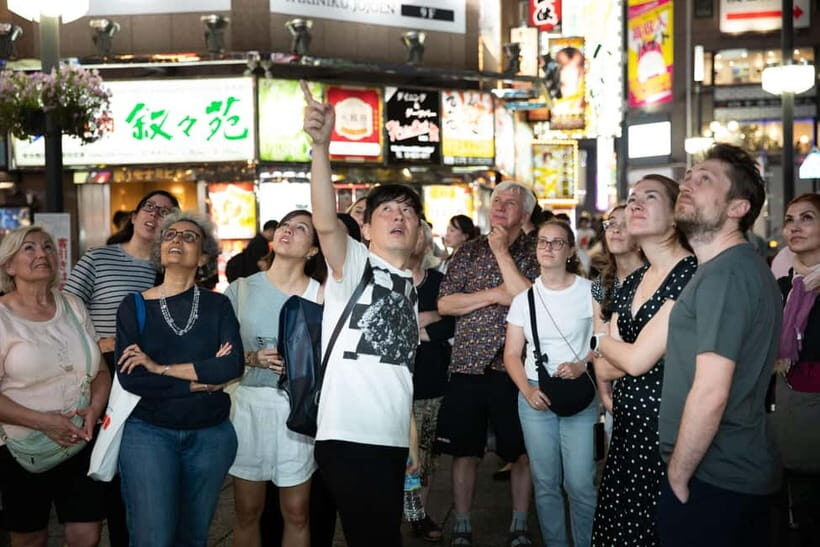
This is a night walking tour built for orientation. You’re not just passing sights—you’re being shown how Shinjuku’s entertainment districts work, where the different vibes are, and what to pay attention to as the lights come on.
Kabukicho is the headline, but the route matters. You start with a brief guided intro, then you rotate through several well-known pockets—Omoide Yokocho for alley dining culture, Kabukicho for the big neon scene, Golden Gai for bar-hopping atmosphere, and Hanazono Shrine for a quieter, traditional waypoint. That structure is useful because Shinjuku can feel like one giant blur on your first night. This tour gives it edges and meaning.
And yes, the tour leans into the darker side of the district’s story. The focus stays on culture and context, including how Kabukicho evolved over the years from red-light roots into today’s mix of entertainment, bars, and nightlife options.
Is $29 Worth It for Shinjuku at Night?
At $29 for about 2 hours, the value is mostly in what you avoid: guesswork. In Shinjuku, being “near” a place isn’t enough. You need help figuring out which streets are worth your time, what each area feels like, and what kinds of food or drinks are commonly recommended there.
What makes the price feel fair is the guide time and the payoff. Several stops are guided for 20–40 minutes each, and the tour includes practical recommendations—like getting pointed toward an okonomiyaki restaurant right after one tour or choosing a ramen spot such as sari Suberi based on the guide’s suggestions. Even if you don’t follow every rec, you’ll come away with a shortlist that’s instantly useful.
If your goal is to do Tokyo like a checklist, you might feel you could walk these areas yourself. But if your goal is a smart first night—plus a real explanation of what you’re seeing—$29 buys a lot of clarity.
Finding the Start on a First Night: Shinjuku Station East Exit Police Box
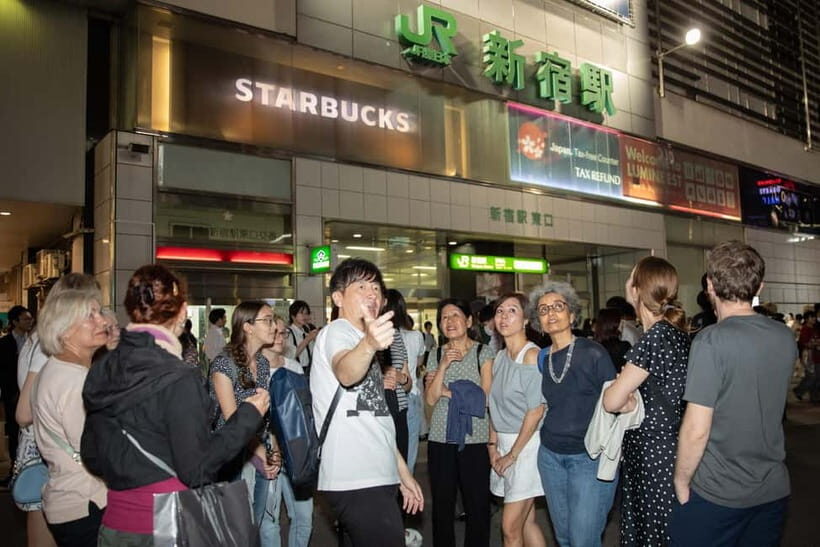
Meeting point is the only part I’d call out as genuinely tricky.
You’ll meet either at the Shinjuku Tourist Information Center or at the Shinjuku Station East Exit Police Box. Since Shinjuku Station is one of the world’s largest hubs, “easy to find” is not the promise here. The key rule is simple: don’t be late. The group doesn’t wait for late customers.
My practical advice:
- Arrive early and aim to be at the meeting point before you think you need to be.
- Use the exact meeting name you booked with—East Exit Police Box is different from nearby station entrances.
- If you’re navigating inside the station, give yourself buffer time; escalators and signage can eat minutes fast at night.
If you’re already comfortable in big train stations, you’ll likely be fine. If it’s your first day in Tokyo, plan for extra time and less rushing.
Omoide Yokocho Stop: Alley Culture That Makes Nightlife Feel Understandable
Your route includes Omoide Yokocho for about 20 minutes. This is the kind of place where Shinjuku’s nightlife becomes real in your senses: narrow lanes, small eating spots, and that specific late-night energy that comes from people actually stopping to eat, not just take photos.
Why this stop works in the tour:
- It teaches you what to look for before you hit the bigger, louder areas.
- It sets you up for food decisions later, because you’ll already understand the alley-dining pattern.
- It makes it easier to appreciate why Kabukicho is such a magnet—night food culture is part of the engine, not a side note.
A small drawback: alleyways mean tight walking space. Expect to slow down and share the lane with other pedestrians. If you’re claustrophobic, hold onto patience—this part is short and guided, which helps.
Tokyo at walking pace, a few more ways
Kabukicho After Dark: Neon Lights, Entertainment Choices, and the LGBT District Feeling
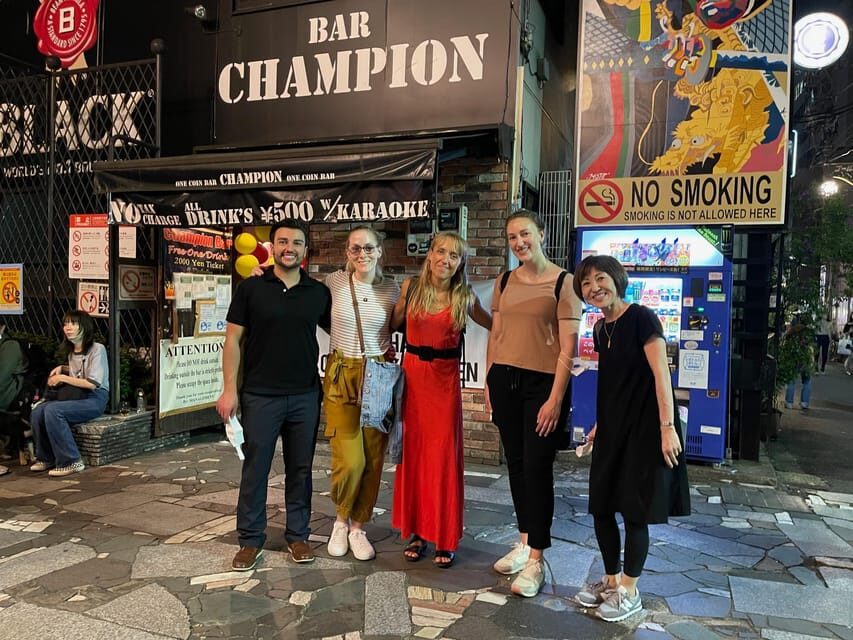
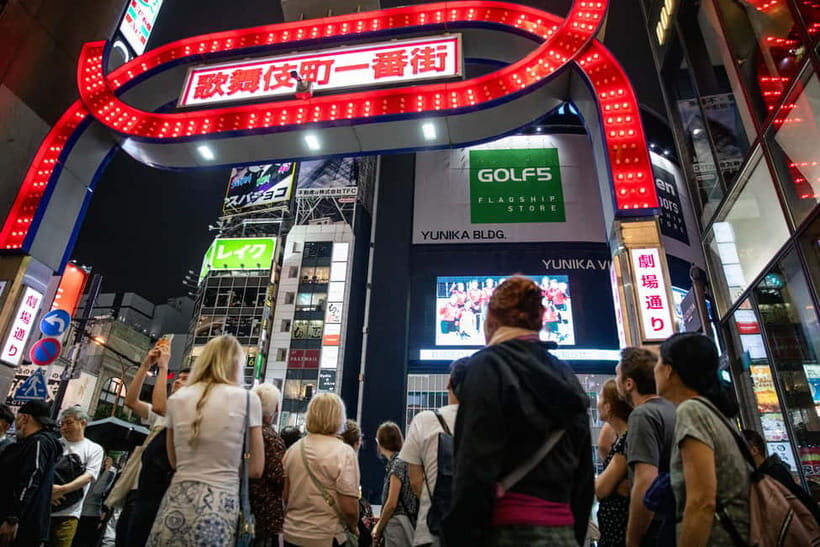
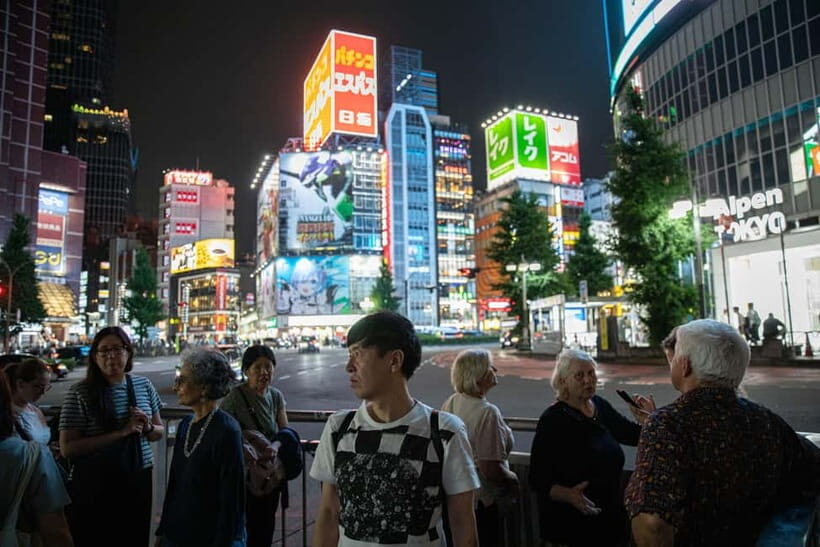
Kabukicho is the big chunk of the walk—about 40 minutes. This is where you see the largest entertainment district energy in Tokyo, with neon signs, bars, izakayas, and entertainment venues pulling you in different directions.
Two things make this stop worth a guide instead of wandering:
- Meaning, not just scenery. You’ll get cultural significance and learn how Kabukicho shifted from red-light roots to a multi-purpose nightlife destination over time.
- A map for decision-making. When you’ve got options, you still need a strategy. The guide helps you understand the district’s categories of fun—so you can return later with a plan.
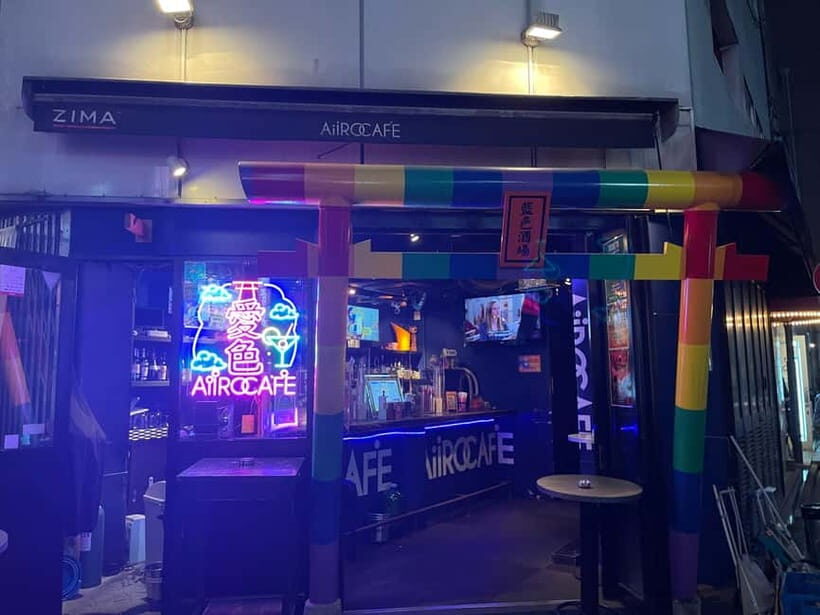
The tour’s highlights also specifically call out dazzling neon around an LGBTQ district. That matters because it changes what you notice. You’ll likely pay more attention to what kinds of venues are present and how nightlife caters to different communities—without turning the walk into anything crude or unsafe.
Possible consideration: this is an adult nightlife area. Even though the tour isn’t about partying, you should be comfortable walking through streets where the atmosphere is clearly meant for adults. If that’s not your comfort zone, choose a different Tokyo night plan.
Golden Gai: Where Small Bars Create a Big Sense of Place
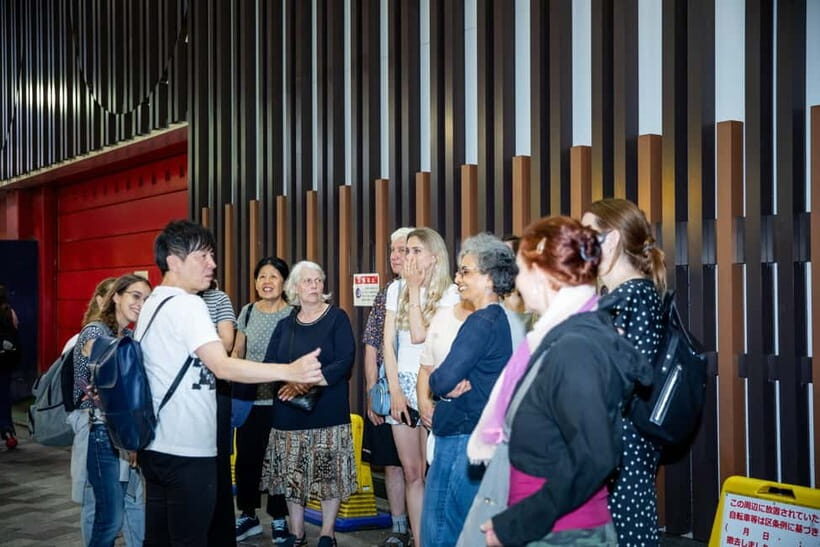
Golden Gai is next, with about 20 minutes on the walk. This is one of those districts where the scale is small but the vibe is intense—clusters of bars tucked into compact streets.
What you gain here is pacing. The tour doesn’t just move from one spotlight district to another. It gives you a chance to slow your eyes down, notice the textures of nightlife, and understand how different Shinjuku pockets feel like separate worlds.
Golden Gai also acts like a transition. After Kabukicho’s heavier neon, Golden Gai’s style helps you compare: which streets feel more social, which feel more niche, and which feel like you could spend time just people-watching and picking a drink.
The main drawback is practical: the streets are busy and narrow. The guide’s job includes keeping your group moving without losing you in the maze, so you’ll want to stay close and follow instructions.
Hanazono Shrine and 2 Chome: Traditional Japan Right Where You’d Expect Noise
You’ll spend about 20 minutes at Hanazono Shrine, then another 20 minutes walking through 2 Chome. This is a smart pairing because it prevents the tour from becoming only neon and nightlife.
Hanazono Shrine is where you see Tokyo’s tradition not as a museum stop, but as something that exists alongside adult nightlife. That contrast is the point. It helps you understand that Shinjuku isn’t only entertainment—it’s a real neighborhood with layers.
Then 2 Chome rounds out the night. You get a final look at how Shinjuku’s streets continue beyond the most famous photo spots. And the tour’s drop-off includes Shinjuku Golden-Gai and 3 Chome, which means you end near areas you can continue exploring if you want.
Practical note: if you want a quieter finale, this part is your chance. After the shrine, you still end in nightlife territory, but the shift in scenery helps you process what you’ve learned.
What You’ll Get From the Guide: Stories, Humor, and Food Leads
The guide is the real product here, not just the walking.
This tour is led by a live guide in either English or Spanish. Based on the experience style shown by multiple guides (names like Dani, Daniel, Gray, Loc, Polina, and Huy come up in recent runs), the tone tends to be friendly, funny, and question-friendly. People consistently highlight the guide’s ability to explain the district clearly and answer follow-ups—useful when you’re trying to connect what you see to how Japanese nightlife culture works.
Food recommendations are a major part of the value. One common pattern: you’ll get nudges toward places to eat during or right after the tour. Examples from recent experiences include moving on to an okonomiyaki restaurant after the walk and getting ramen suggestions like sari Suberi. Even if you don’t eat immediately, the recs help you avoid decision fatigue later.
One more detail I like: the tour actively frames Kabukicho’s evolution. That means you’re not just collecting photos—you’re building a mental model for why the district looks the way it does today.
Rules and Comfort Level: Who This Tour Is For
Two rules are clearly stated:
- No alcohol and drugs are allowed on the tour.
- It is not suitable for children under 18.
So think of this as a guided night walk with cultural context and food suggestions, not a drinking event. That setup can actually be a plus. It helps you stay present, focus on the streets and stories, and then choose what to do afterward on your own.
Is it safe-feeling? Having a guide helps you move through unfamiliar adult-focused streets with less uncertainty. You’re also kept on a planned route, which reduces random wandering in the busiest areas.
This tour fits best if you:
- want a strong first-night overview of Shinjuku’s nightlife districts
- enjoy neighborhood history told through real streets
- prefer recommendations you can use immediately (food and drink ideas)
- are comfortable walking in crowded areas at night
Skip it if you’re bringing kids under 18, if you want a quiet cultural walk with no nightlife-adjacent context, or if you’ll struggle with tight alleys and heavy foot traffic.
Booking Tips That Save Time and Stress
Even when everything is well-run, Shinjuku is still Shinjuku.
- Pick a start time you can actually make—because the meeting point rule is strict.
- Wear shoes you trust. This is a walking tour with time in multiple districts and narrow lanes.
- If you’re hungry, you may be glad you came. The route includes alley dining culture stops and guides often steer you toward something tasty after.
Also, the booking option is flexible: reserve now & pay later is available, and cancellation is free up to 24 hours in advance for a full refund. That makes it easier to lock in a plan while you’re still adjusting to jet lag.
Should You Book This Dark Side of Tokyo Shinjuku Tour?
I’d book it if you want a smart, guided way to see Shinjuku’s nightlife districts in a short amount of time—and you like the idea of learning how the area changed from its red-light past into today’s entertainment hub.
I’d think twice if you hate crowded streets, can’t handle adult nightlife-adjacent environments, or you know you’ll arrive late. The meeting point challenge is real, and the tour is designed to run on time.
If you’re planning your first Tokyo nights, this is the kind of tour that helps you get your bearings fast, then lets you return on your own with a clearer idea of where you want to go next.
More Tours in Tokyo




More Tour Reviews in Tokyo




Shinjuku After Hours: The Other Crawls


Fresh reviews from around Tokyo






Shinjuku Bar Hopping, compared.
 ★ 5.0Shinjuku Food Tour (13 Dishes at 4 Local Eateries)From $866,603 reviews
 ★ 5.0Tokyo Bar Hopping Tour in Shinjuku (All-You-Can-Drink + Dinner)From $1063,587 reviews
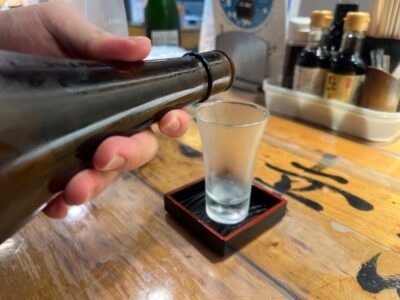 ★ 4.9Shinjuku Food Tour (15 Dishes and 4 Eateries)From $852,033 reviews
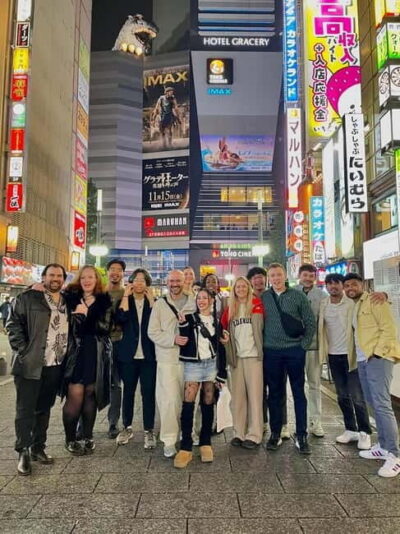 ★ 4.9Shinjuku Local Bar and Izakaya Guided Walking TourFrom $341,794 reviews
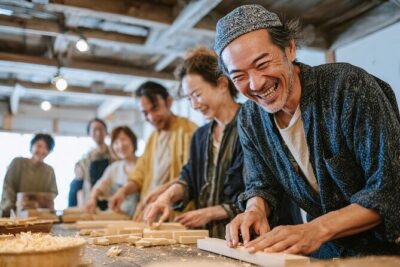 ★ 5.0Tokyo Shinjuku Chopsticks Making ClassFrom $201,763 reviews
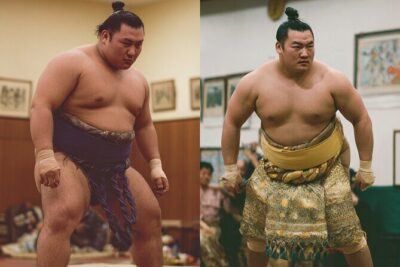 ★ 5.0Tokyo Shinjuku Sumo Show & Experience with PhotoFrom $791,750 reviews
 ★ 5.0Tokyo Night Foodie Tour in Shinjuku – Seasonal Sushi, Wagyu BeefFrom $1111,161 reviews
 ★ 4.8Sumo Show and Experience in ShinjukuFrom $691,001 reviews
Browse the lists this tour appears in