
Reviewed · SUMO SHOWS
Tokyo Sumo Morning Practice: Viewing & Exclusive Interaction
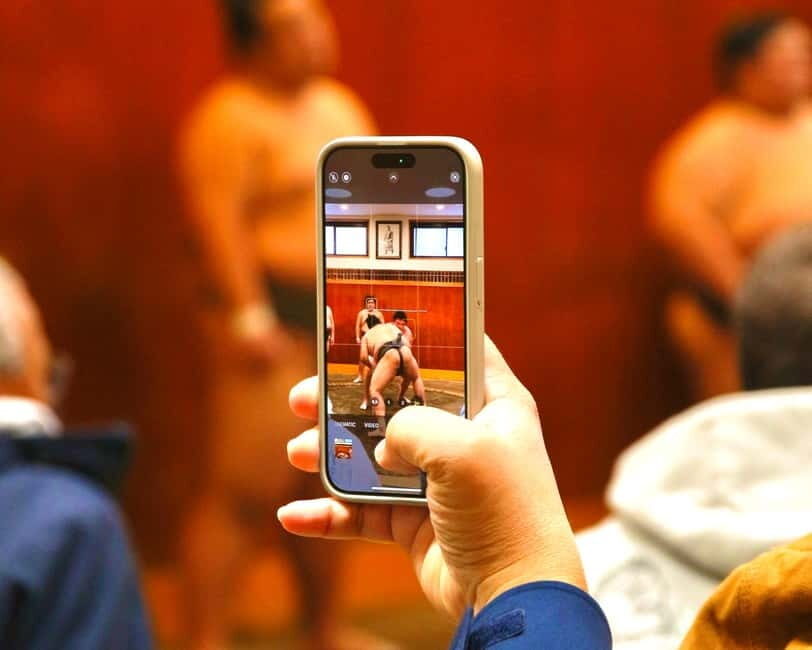
Sumo morning is not for the faint of heart. It’s a real training session in a real stable, so you get the rituals, the sweat, and the strict rules that tourists usually never see. I love that the tour includes a hands-on Q&A and photo time with active wrestlers, not just a distant viewing. I also like the official Banzuke ranking sheet souvenir, tucked into a neat folder so you leave with something you can actually keep.
One heads-up: it’s early, and it’s quiet. You’ll be asked to follow stable etiquette, plus flash photography is off-limits and there’s no food during the session.
Why this is special (quick hits)
- Real stable access to active training, not a staged performance
- Direct wrestler interaction through guided questions and photo time
- Comfort choices: zabuton floor cushions in front, stools in back
- Official Banzuke ranking sheet in a souvenir folder
- Two rounds of Q&A: one with wrestlers, then a longer guide Q&A at the park
- Tournament note: practice can start earlier and viewing time may be shorter in Grand Sumo Tournament periods
In This Review
- The only sumo you’ll truly see up close
- Narihira Park meet-up: manners first, then movement
- Walking to the stable: the part most people never get
- Inside the stable: your seating choice, and the rules that go with it
- The practice session: rituals, intensity, and what to watch for
- Exclusive wrestler interaction: Q&A and photos that feel personal
- Back at the park: banzuke, then your questions go long
- Timing that actually fits Tokyo plans
- Price and value: what you’re paying for at $93
- Who this suits best (and who should skip)
- Should you book Tokyo Sumo Morning Practice?
- FAQ
- Where do I meet for the sumo practice tour?
- How long is the tour?
- Is transportation to the meeting point included?
- Can I take photos or record video?
- Is the Banzuke ranking sheet included?
- What’s included with the guide and stable visit?
- What happens during the Grand Sumo Tournament?
- Are there any restrictions on food or activities during the visit?
The only sumo you’ll truly see up close
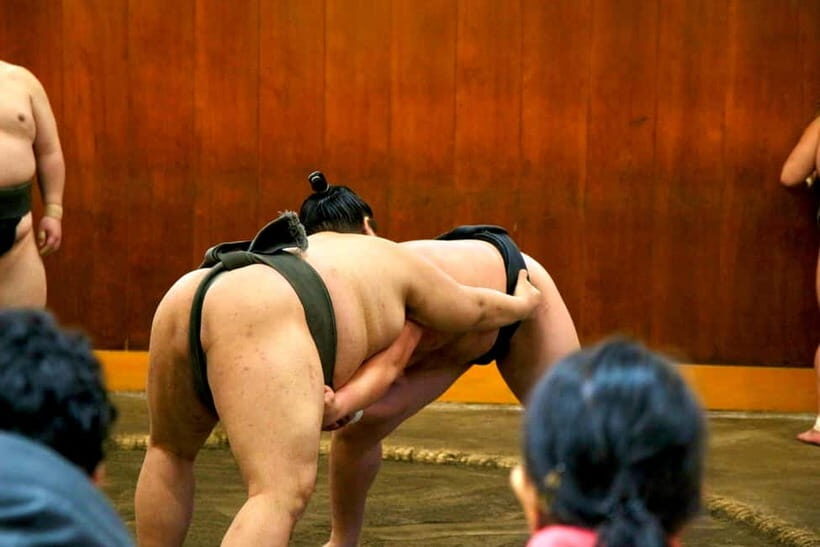
If your mental picture of sumo is a stadium spotlight and a roar, this tour corrects that fast. Sumo starts way before the fame. The training is intense, quiet in the right places, and loud in the ways that matter: bodies moving, feet striking, coaches calling out, and wrestlers resetting with a level focus you can feel.
You’re not sitting in a comfy seat with a commentary track. You’re inside the stable world where manners are part of the sport. And when it’s time for questions, you get help translating what’s going on so you can actually understand it.
More chances to sit ringside
- Tokyo: Sumo Show and Dining Experience★ 4.8 · 2,742 reviews
- the SUMO show★ 5.0 · 1,960 reviews
- Tokyo Shinjuku Sumo Show & Experience with Photo★ 5.0 · 1,750 reviews
Narihira Park meet-up: manners first, then movement
The experience begins at Narihira Park, near the multipurpose restroom. Your guide checks your name and hands you materials related to sumo, plus the basic etiquette you need to blend in. This matters more than you’d think. In a stable, the wrong move isn’t just annoying. It can disrupt practice.
You’ll also get told the rules that keep things respectful: stay quiet during practice, avoid flash photography, and follow seating instructions. The tour is set up so you can choose a comfort level with the seating options inside the stable—still, you’ll want to listen carefully early so you don’t end up in the wrong spot.
A lot of the guide praise in the past has centered on how smoothly they manage the morning. Names that come up often include Sarah, Sana, Haru, Momo, and Ryoko—all repeatedly described as organized and helpful, which is exactly what you want before you step into a space with strict rules.
Walking to the stable: the part most people never get
After a short walk from the park, you’ll reach an active sumo stable. This is where the tour earns its value. Many visitors to Tokyo only ever catch sumo in photos or highlight clips. Here, you’re watching training in the same kind of setting where wrestlers build strength and timing.
You’ll be close enough to see what you usually can’t: footwork precision, how wrestlers warm up, and the fast rhythm of practice. It also helps that the guide is there to explain the why behind the rituals, not just what you’re seeing.
And yes, it feels like you’re walking into a protected bubble. That’s the point. It’s an authentic look at how the sport works day to day.
Inside the stable: your seating choice, and the rules that go with it
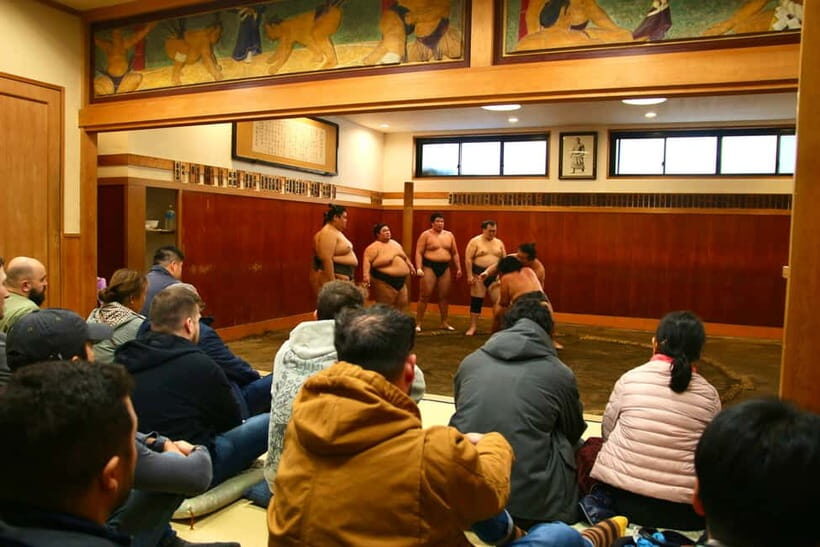
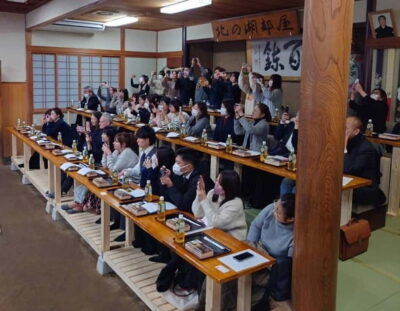
The stable visit includes flexible seating, so the tour isn’t built only for people who enjoy sitting on the floor for extended stretches.
- Front-row zabuton: traditional floor cushions for the most immersive angle
- Back-row stools: a practical option if you don’t want to sit low for the whole session
Either way, you’ll be asked to keep things calm. No food is allowed, and flash photography is prohibited. Video recording and audio recording aren’t allowed either. This is one of those rare experiences where the restrictions make sense. They protect the wrestlers’ routine and keep the focus on training.
If you’re sensitive to noise, note this: practice is physical and intense, so it’s not silent. But it’s controlled. The guide’s job is to help you figure out what’s happening so you don’t feel like you’re just watching random chaos.
The practice session: rituals, intensity, and what to watch for
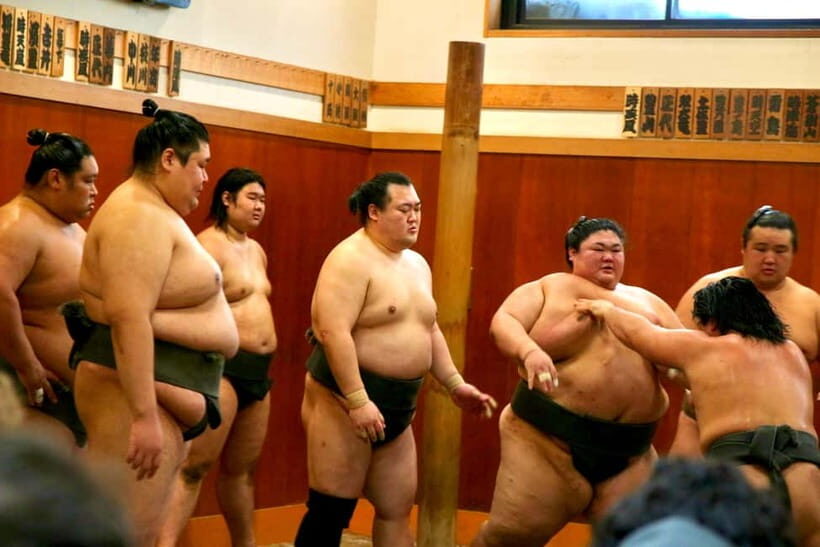
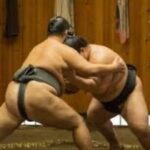
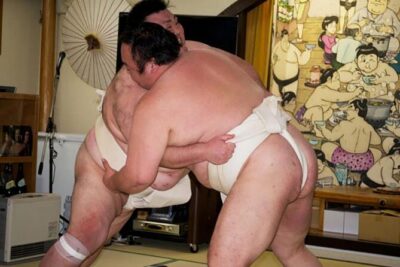
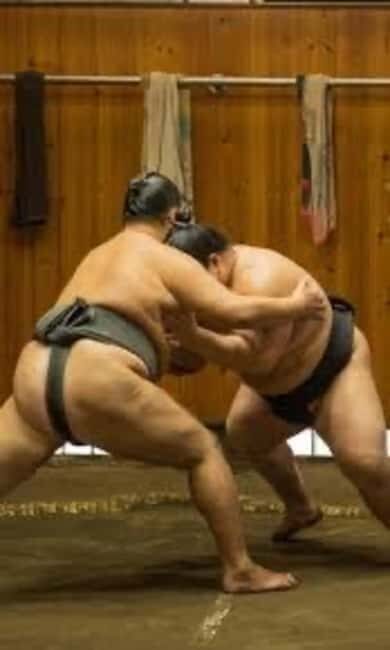
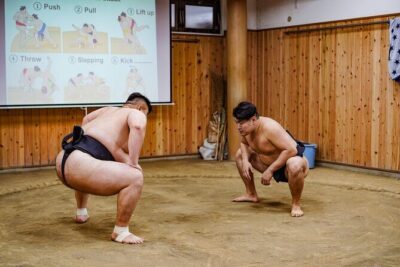
This is the core of the morning. You’ll see active wrestlers go through a training session, with the guide explaining sumo rules and etiquette beforehand so you can follow along.
Here’s what I’d pay attention to, so the 3 hours don’t blur together:
- Warm-up behavior and pacing: wrestlers often build momentum in stages
- The rhythm of resets: practice isn’t nonstop collisions. It’s repetition with discipline
- How space is used: you’ll notice the stable setting is organized for movement and safety
- Ritual meaning behind movements: the guide translates the culture so it’s not just athletics
Reviews consistently highlight the feeling of closeness—watching training so near you can see effort, not just results. One point that comes through strongly is that wrestlers are kind during the interaction portion, which usually means they’ve also been patient enough to let visitors watch respectfully.
Also, be ready for an early-morning intensity. One of the best parts of sumo culture is that it doesn’t pretend to be easy. That honest effort is exactly what makes the experience stick with you.
Worth weighing up alongside this Tokyo pick:
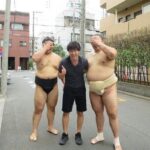
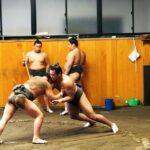
Exclusive wrestler interaction: Q&A and photos that feel personal
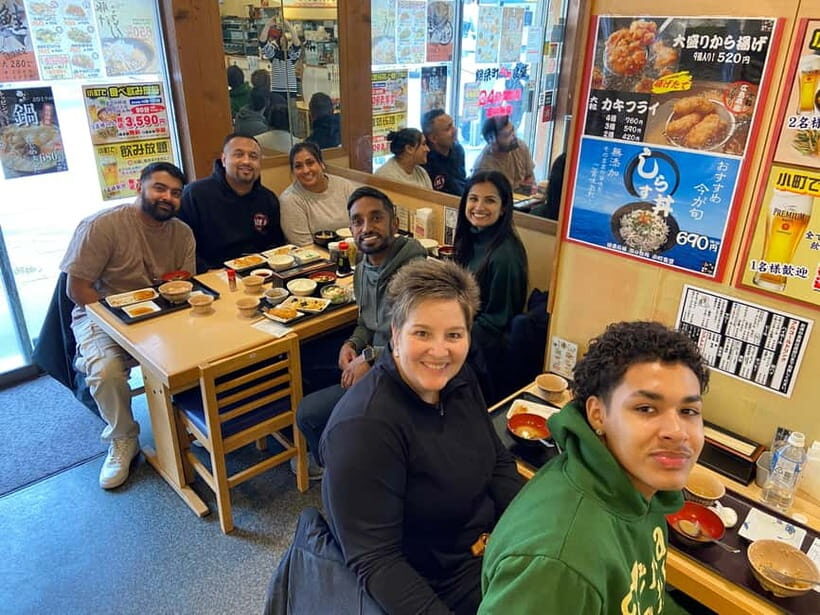
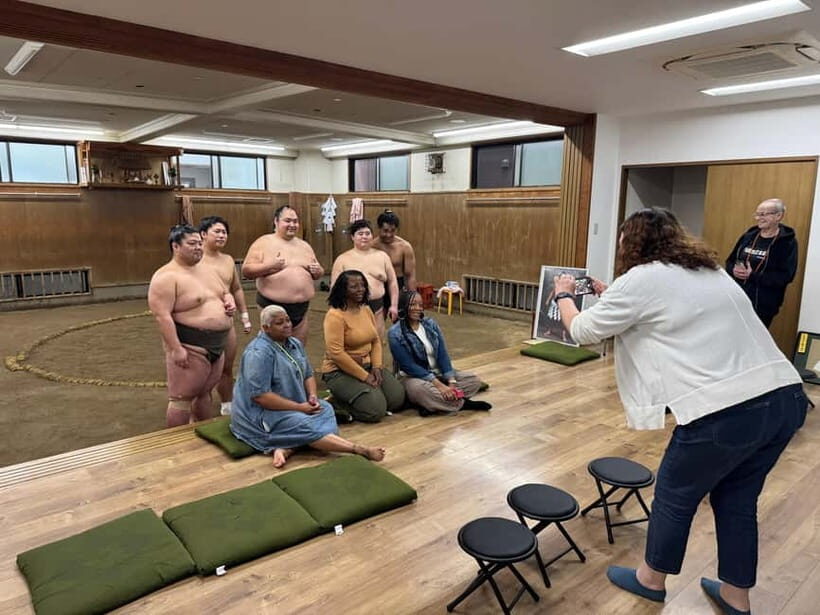
This tour isn’t satisfied with watching. It gives you an exclusive interaction through your guide, with time to talk and take commemorative photos with active wrestlers.
This is where the experience turns from interesting to memorable.
In practice, the guide acts as a bridge. You can ask about daily life, training, or mindset. And because the questions are guided, you’re less likely to end up with the classic visitor problem: staring at a face and forgetting you have questions.
If you want ideas for what to ask, here are safe, practical topics that fit the tour’s focus:
- What does a training day look like before the public sees sumo?
- What kind of discipline matters most during practice?
- How do they think about balance, not just strength?
- What does respect mean inside the stable?
Some past participants have also mentioned additional hands-on moments, like a chance to step in the ring for a short try or join in a brief wrestling moment after practice. That’s not described as guaranteed in the baseline information you provided, but it does show up in reviews, so you might be offered something like that depending on the stable and session flow.
Either way, the photo and Q&A time is real value. You’re not just consuming culture—you’re exchanging a few minutes of curiosity and respect.
Back at the park: banzuke, then your questions go long
After the stable visit, you return to Narihira Park for a special closing session.
First, you receive an official Banzuke (sumo ranking sheet) inside a specially designed souvenir folder. This is a smart souvenir. It’s not a generic postcard. It’s the kind of document that connects you to how sumo is structured and followed.
Then comes the extra time: an extended Q&A with your guide at the park. Instead of rushing you out like a museum gift shop, the guide stays to answer questions you didn’t get to ask during the wrestler interaction.
This second Q&A is particularly useful because it helps you put the morning into context—rules, rituals, and how to interpret what you saw. It also gives you Tokyo-trip tips, so the tour ends with your brain slightly more organized than it started.
Timing that actually fits Tokyo plans
The tour runs about 3 hours and typically wraps around 11:00 AM. That timing is helpful. It means you can still do a late morning Tokyo plan—like heading to Skytree or exploring Asakusa—without feeling like you lost half a day to a scripted activity.
One important note: during the Grand Sumo Tournament period (roughly 2 weeks in Jan, May, Sept), practice starts 30 minutes earlier and viewing time is about 1 hour. If you’re traveling during those dates, plan for the session to feel more condensed. The early start is part of tournament rhythm, and it’s worth embracing rather than resenting.
Price and value: what you’re paying for at $93
At $93 per person, this isn’t a cheap Tokyo morning. But it’s not priced like a generic sightseeing add-on either.
You’re paying for:
- Stable access and viewing fee (the door is the hard part)
- English-speaking guidance to make sense of ritual and etiquette
- Wrestler Q&A and photos, which is rare in most sumo contexts
- An official Banzuke souvenir that ties the visit to how sumo is ranked
If you’re the type who hates tours where you sit and listen while a driver moves you around, this is the opposite. The value here comes from time with real athletes and structured context so you don’t just watch impressive bodies collide—you understand what you’re watching.
The only cost that isn’t listed is your patience with early-morning rules. No food during the stable portion can also feel tough if you’re the kind of person who eats the second you wake up. Still, the tour ends early enough that brunch is your reward.
Who this suits best (and who should skip)
This tour is a strong fit if you:
- Like Japanese tradition and etiquette, not just sports highlights
- Want something more “real” than a themed show
- Enjoy photos, but you’re comfortable following rules like no flash
- Are curious enough to ask questions and listen for answers
It’s also a great choice if you’re traveling with someone who’s neutral about sumo. Watching training up close often converts people, because the discipline is obvious even if you don’t know the names of everyone in the ring.
It’s not suitable for children under 6 based on the provided info. Also, if you’re uncomfortable sitting on a floor area for any length of time, pick the stool seating option in advance when you can.
Should you book Tokyo Sumo Morning Practice?
I’d book it if you want an early Tokyo experience that feels specific to Japan, not interchangeable anywhere else. The combination of active stable viewing, guided etiquette, wrestler Q&A and photos, and the official Banzuke souvenir is exactly the kind of payoff that makes travel feel worth it.
Skip it if you’re expecting a relaxed, flexible pace or if you don’t want to follow quiet, no-flash, no-recording rules in a working training environment.
If you’re still on the fence, choose this like you choose good theater: go for the moment you can only get once. This is one of those mornings.
FAQ
Where do I meet for the sumo practice tour?
Meet near the multipurpose restroom at Narihira Park. Your guide will check your name there and explain the key manners and rules.
How long is the tour?
The tour is listed as 3 hours.
Is transportation to the meeting point included?
No. Transportation to the meeting point is not included.
Can I take photos or record video?
Photography is allowed, but you must follow rules during practice, including no flash photography. Video recording and audio recording are not allowed.
Is the Banzuke ranking sheet included?
Yes. You receive an official Banzuke in a souvenir folder as part of the experience.
What’s included with the guide and stable visit?
Included items are the sumo stable visit fee, an English-speaking guide, and a special souvenir.
What happens during the Grand Sumo Tournament?
During the tournament period, practice starts 30 minutes earlier, and viewing time is about 1 hour.
Are there any restrictions on food or activities during the visit?
Food is not allowed. Alcohol and drugs are not allowed. You also need to follow the stable rules, including staying quiet during practice.
More Morning in Tokyo
More Tour Reviews in Tokyo






More Mornings with the Wrestlers
Fresh reviews from around Tokyo






Sumo Shows, compared.
 ★ 4.8Sumo Show Experience with Chicken Hot Pot and a PhotoFrom $1036,678 reviews
 ★ 4.8Sumo Show and Dining ExperienceFrom $792,742 reviews
 ★ 5.0the SUMO showFrom $891,960 reviews
 ★ 5.0Tokyo Shinjuku Sumo Show & Experience with PhotoFrom $791,750 reviews
 ★ 4.8Sumo Show and Experience in ShinjukuFrom $691,001 reviews
 ★ 5.0Authentic Sumo Experience in Tokyo: Enter the SanctuaryFrom $171603 reviews
 ★ 4.8Tokyo Sumo Experience: Chanko & Mochi with a Former ProFrom $103567 reviews
 ★ 5.0Ultimate Sumo Tournament: Tokyo, Osaka, Nagoya, FukuokaFrom $184468 reviews
Browse the lists this tour appears in